You are scrolling through images of hotel suites that look more like architectural feats than places to sleep. You see pools suspended over canyons, rooms submerged beneath coral reefs, and cabins perched high in ancient forests. It is easy to get lost in the visual spectacle, but the real value of these properties lies in how well they integrate with their surroundings. The coolest hotels in the world are no longer defined solely by gold-plated fixtures or sheer square footage. They are defined by immersion.
This guide cuts through the marketing noise to focus on what actually matters: the experience, the logistics, and the reality of staying in these extraordinary locations. Whether you are planning a winter wellness retreat or a tropical adventure, understanding the trade-offs of unique architecture is key to a smooth trip. Here is a practical breakdown of ten standout properties that have redefined modern luxury.
Why These Hotels Redefine Luxury
The definition of luxury has shifted. Where it once meant opulent fabrics and butler service, it now prioritises exclusivity of place and design innovation. Modern travellers seek environments that feel distinct from their daily lives, not just upgrades to them. A hotel that sits on a cliff edge or floats in the ocean offers a perspective that a standard five-star building cannot replicate.
This shift is evident in the properties selected here. They blend high-end comfort with dramatic geography. For instance, staying in a glass igloo allows you to watch the night sky without leaving your bed, while a cave pool offers privacy that a large lobby cannot match. These are not just places to rest; they are destinations in themselves.
When planning your stay, consider what you want to feel. Do you want the thrill of being underwater, the quiet of a mountain peak, or the comfort of a thermal spring? The coolest hotels in the world succeed because they amplify a specific emotion. They use architecture to frame the landscape, making the environment the star of the show. This approach means that your booking is an investment in a memory, not just a night’s sleep.
The Underwater & Floating Experience
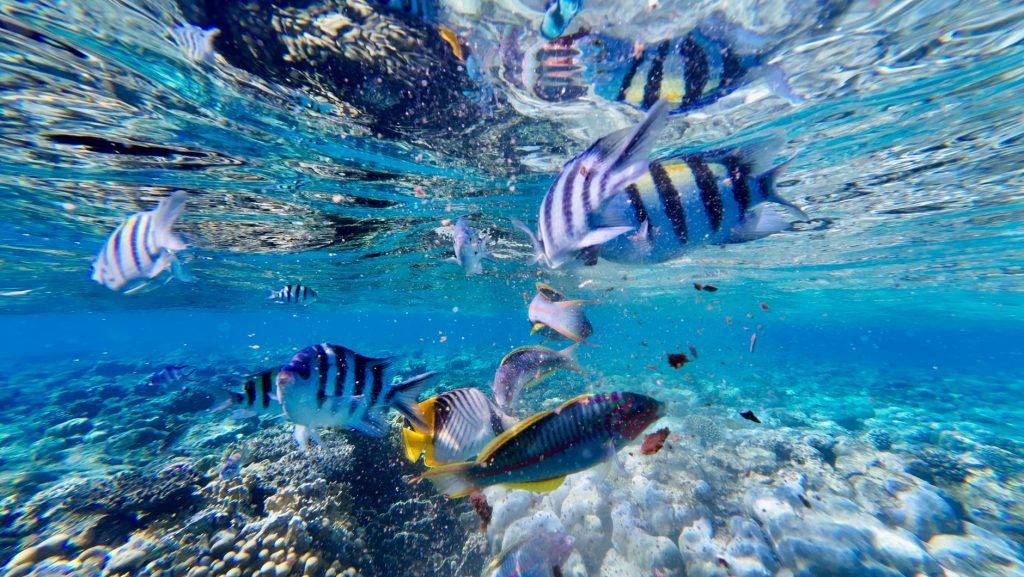
Sleeping beneath the ocean floor is no longer a novelty reserved for film sets. It is a tangible reality that offers a profound shift in perspective. The sensory experience of waking up to marine life swimming past your window is unmatched by any terrestrial view.
Poseidon Resort, Fiji
The structure is submerged, providing a panoramic view of the surrounding reef. Guests are not just observers; they are part of the ecosystem. The room itself is designed to withstand the pressure of the ocean while maintaining a calm, quiet interior. A key feature here is access to a private submarine, allowing you to explore the deeper parts of the reef without leaving the property. This level of access transforms a static view into an active adventure.
Conrad Maldives, Ras Golfaru
For those who prefer a more traditional room structure with an underwater twist, the Conrad Maldives offers suites with glass floors and underwater living areas. You can watch sharks and rays glide by from your bed. The logistics of booking these rooms are straightforward but require early planning. These suites are limited in number and command a premium due to their uniqueness. When booking, confirm whether the underwater access is included in the room rate or requires a separate excursion fee. Also, consider the noise factor; while the water is quiet, the mechanical systems of the building can sometimes be heard.
The floating aspect of these hotels adds a layer of stability and luxury. You are not just looking at the ocean; you are immersed in it. This connection to the water makes these stays particularly memorable for couples and photography enthusiasts.
Alpine & Thermal Retreats
Winter travel has evolved from simple skiing to holistic wellness. The coolest hotels in the world now combine the stark beauty of snow-covered peaks with the soothing warmth of thermal waters. This contrast creates a restorative environment that is ideal for travellers seeking relaxation.
Aqua Dome, Langenfeld, Austria
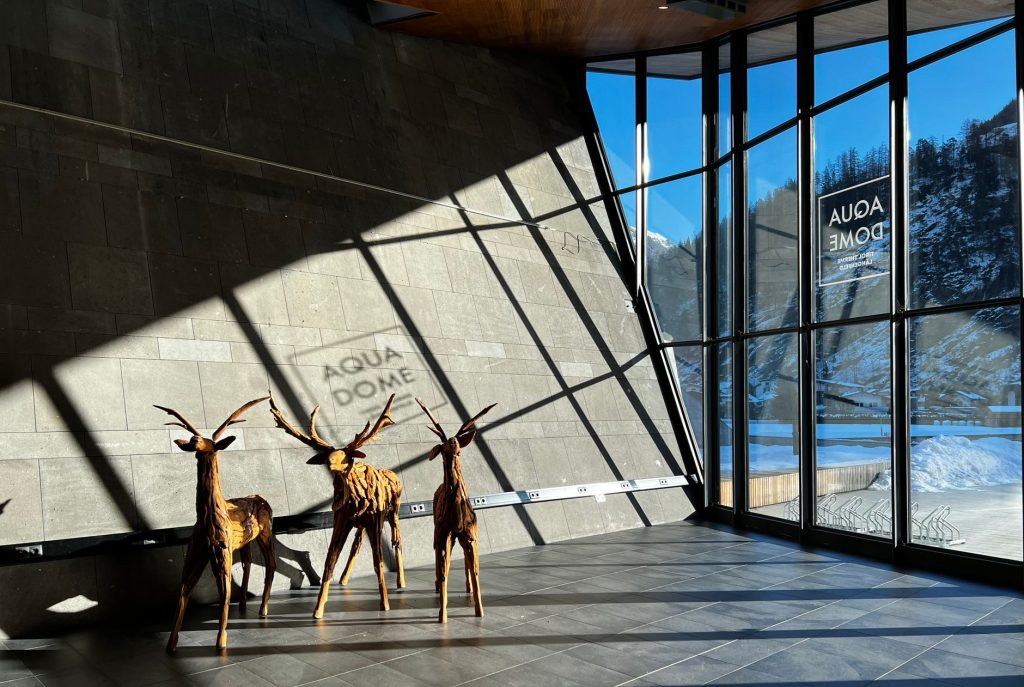
Nestled in the Tyrolean Alps, the Aqua Dome is a masterclass in thermal design. The hotel features an outdoor thermal spa that sits directly against the mountain backdrop. Imagine soaking in a hot tub while snow falls around you, with the majestic peaks of the Alps rising above. The architecture is modern and sleek, using glass and stone to blend with the natural environment. The indoor facilities are equally impressive, offering a range of pools and saunas. This property is particularly appealing for winter wellness travellers who want to combine physical activity with deep relaxation.
Grand Hotel Kronehof, Pontresina, Switzerland
Located in the heart of the Swiss Alps, the Grand Hotel Kronehof offers a classic luxury experience with a modern twist. The hotel’s main pool provides stunning views of the surrounding mountains. The contrast between the cold exterior and the warm interior creates a sense of sanctuary. The hotel is well-regarded for its attention to detail and service. For those who prefer a more traditional alpine aesthetic, this property offers a comfortable base for exploring the region. The proximity to ski slopes and hiking trails makes it a versatile choice for both winter and summer visits.
When booking these alpine retreats, check the seasonal availability of the outdoor pools. Some thermal features may be closed during extreme weather conditions. Also, consider the altitude; if you are sensitive to high elevations, ensure you are comfortable with the location’s height.
Iconic Architectural Marvels
Some hotels are so distinctive that they become symbols of their cities. These structures are not just places to stay; they are landmarks that define the skyline. Staying in one of these buildings offers a sense of being part of something larger than yourself.
Marina Bay Sands, Singapore
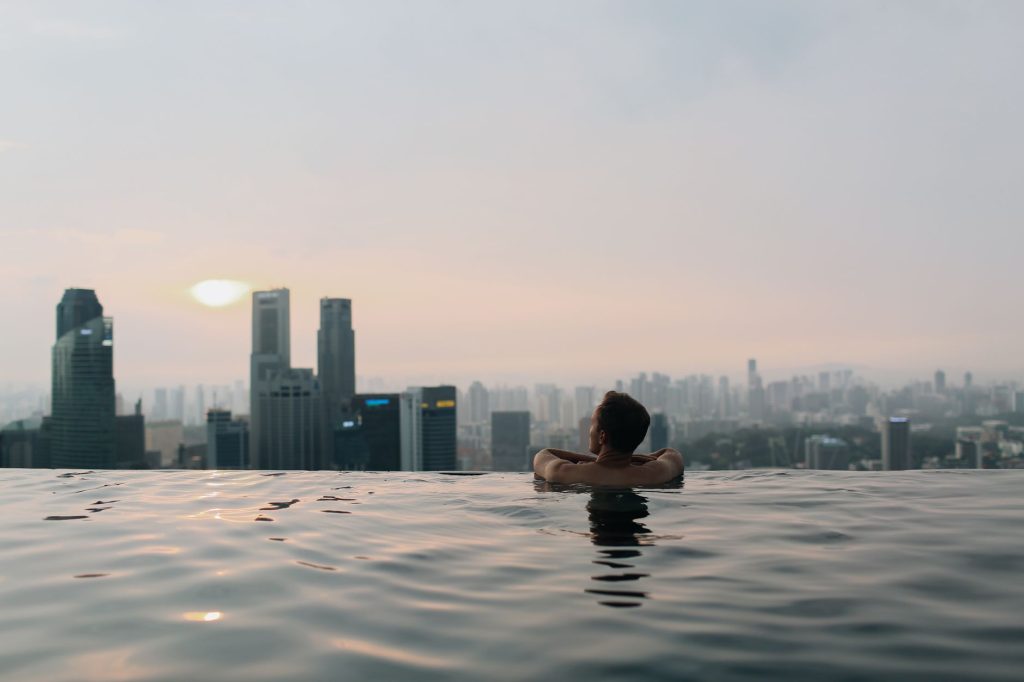
Marina Bay Sands is an architectural icon that has reshaped the Singapore skyline. The hotel consists of three towers topped by a massive sky park that resembles a ship resting on the buildings. The infinity pool on the rooftop is one of the most photographed features in the world. It offers panoramic views of the city and the harbour. The design is bold and modern, reflecting Singapore’s status as a futuristic city-state. Staying here provides easy access to the city’s cultural attractions and dining scene. The rooftop area is a social hub, offering bars and restaurants with breathtaking views.
Burj Al Arab, Dubai
Often cited as the epitome of luxury, the Burj Al Arab stands on a private island off the coast of Dubai. Its sail-shaped structure is instantly recognisable. The hotel is known for its opulent interiors and exceptional service. The atrium is one of the tallest in the world, creating a sense of grandeur. The hotel’s location on a private island offers exclusivity and privacy. Guests can enjoy a range of amenities, including a private beach and multiple dining options. The architecture is designed to capture the wind and light, creating a dynamic visual experience throughout the day.
These architectural marvels are best appreciated from the inside. While the exteriors are impressive, the interiors offer a level of comfort and detail that matches their iconic status. When visiting, book a room with a view of the landmark itself or the surrounding harbour for the best experience.
Cliffside & Cave Luxury
Nature’s dramatic formations offer unique opportunities for luxury stays. Hotels built into cliffs or caves provide a sense of seclusion and intimacy that is hard to find elsewhere. These properties blend seamlessly with their surroundings, offering privacy and stunning views.
Katikies, Santorini, Greece
Katikies is a five-star hotel built into the side of a cliff in Santorini. The property features infinity pools that seem to merge with the sea below. One of its most unique features is a pool built into a cave, offering a cool, shaded retreat. The architecture progresses up and into the mountain, creating a series of terraces and levels. This design maximises the views while maintaining privacy. The cave pool is particularly appealing for those who want to swim in a natural, rock-hewn setting. The hotel’s location offers direct access to the caldera views, making it a perfect spot for sunset watching.
Dar Al Masyaf, Dubai
Dar Al Masyaf is a luxury hotel that recreates the atmosphere of an old Arab village. The property is surrounded by a Venetian-style canal, with boats plying the water during the day. The hotel is built with traditional materials and features intricate tile work and arches. The canal provides a cooling effect and a unique visual element. The rooms are designed to offer privacy and comfort, with many featuring private terraces. The hotel’s location near the ocean adds to its appeal, offering a blend of traditional architecture and modern luxury.
Cliffside and cave hotels are ideal for travellers who value privacy and unique architecture. When booking, check the accessibility of the rooms, as some cave suites may have limited space or stairs. Also, consider the noise level; while these locations are generally quiet, the proximity to water or cliffs can sometimes amplify wind sounds.
Rainforest & Volcanic Wellness
Nature-integrated stays offer a connection to the earth that is both grounding and invigorating. Hotels in rainforest and volcanic regions use the natural environment to enhance the guest experience, offering wellness benefits that are hard to replicate in urban settings.
Tabacon Grand Spa Thermal Resort, Costa Rica
Located near the Arenal Volcano, Tabacon is a resort that combines rainforest beauty with thermal springs. The property features a series of natural hot springs that flow through the lush landscape. The resort is known for its spa services, which are ranked among the best in the world. The rooms are designed to blend with the surrounding forest, offering a sense of immersion in nature. The volcanic landscape provides a unique backdrop for hiking and exploration. The hot springs are a key feature, offering relaxation and therapeutic benefits.
Igloo Village, Saariselka, Finland
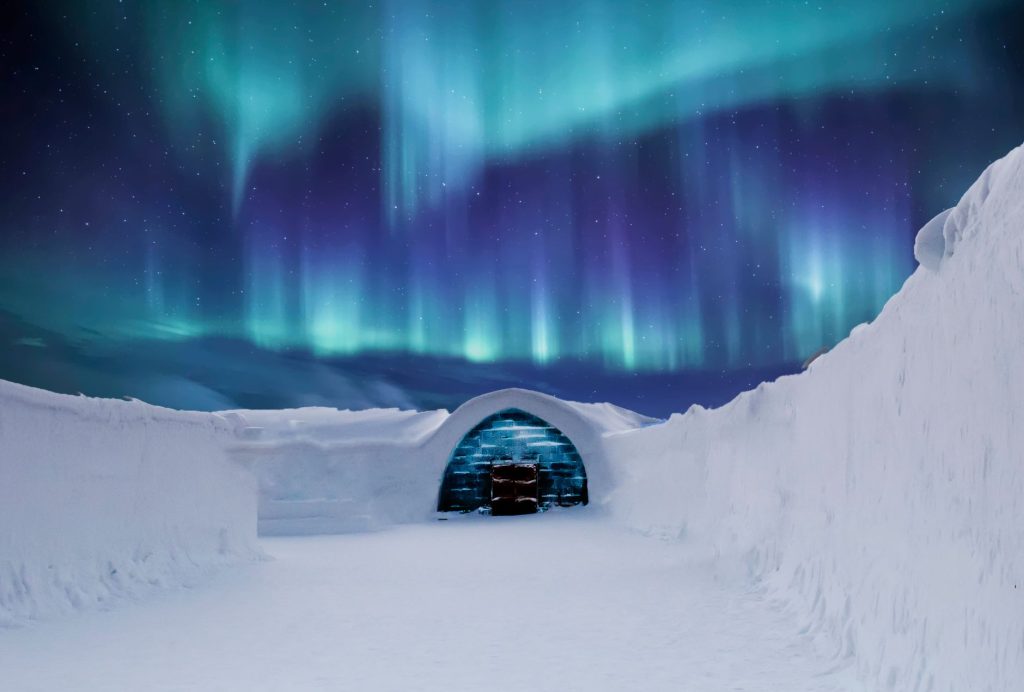
For a completely different kind of nature experience, the Igloo Village in Finland offers glass igloos that provide views of the Northern Lights. The igloos are thermally insulated, keeping the interior warm even in freezing temperatures. Guests can enjoy reindeer or husky safaris through the snow, adding an adventurous element to the stay. The glass ceiling allows for stargazing from the comfort of your bed. This property is ideal for those who want to witness the Northern Lights without enduring the cold for hours.
When visiting rainforest or volcanic regions, pack appropriate clothing for the weather. The thermal springs may have different temperature zones, so check the guidelines for each pool. Also, consider the season; some rainforest areas may be more humid or rainy during certain times of the year.
When to Go & How to Get There
Timing is crucial when visiting unique hotels, especially those in remote or seasonal locations. Each property has a best time to visit, based on weather, daylight, and local events. Understanding these factors can enhance your experience and avoid disappointment.
Seasonal Breakdown
- Finland (Igloo Village): The best time to see the Northern Lights is between September and March. The days are short, but the nights are dark, providing optimal viewing conditions. Winter activities like husky safaris are available during this period. The water is clearer, and the marine life is more active.
- Austria & Switzerland (Aqua Dome & Grand Hotel Kronehof): Winter is the peak season for thermal spa visits. The snow-covered landscapes add to the ambiance. Summer is also pleasant for hiking and outdoor activities.
- Singapore & Dubai (Marina Bay Sands & Burj Al Arab): These locations are year-round destinations. However, the cooler months from November to February are more comfortable for outdoor activities.
- Costa Rica (Tabacon): The dry season, from December to April, is ideal for hiking and exploring the volcano. The wet season offers lush greenery and fewer crowds.
- Santorini (Katikies): Spring and early autumn offer mild weather and fewer tourists. Summer is busy but vibrant.
- Dubai (Dar Al Masyaf): Winter is the most comfortable time for outdoor canal walks. Summer can be extremely hot.
Getting There
- Remote Locations: Many of these hotels are in remote areas. For example, reaching Saariselka in Finland may require a flight to a nearby hub followed by a transfer. Check if the hotel offers shuttle services.
- Airports: Major cities like Singapore, Dubai, and Santorini have international airports with direct flights from many European cities. Fiji requires a connection through a major hub like Sydney or Auckland.
- Local Transport: In some locations, such as the Swiss Alps, public transport may be limited. Renting a car or booking a private transfer may be necessary.
Budgeting & Booking Strategies
Unique hotels often come with a price tag that reflects their exclusivity. However, there are ways to manage costs and get the most value for your money. Understanding the pricing structure and booking strategies can help you secure a better deal.
Cost Variance
-
Ultra-Luxury: Properties like the Burj Al Arab and Marina Bay Sands command premium rates. These prices often include high-end amenities and service.
-
Package Deals: Many hotels offer packages that include meals, spa treatments, or excursions. These can provide better value than booking individually.
Booking Windows
- Early Booking: For popular properties like the Aqua Dome or Katikies, booking several months in advance is advisable. This ensures availability, especially during peak seasons.
- Last-Minute Deals: Some hotels offer discounts for last-minute bookings, particularly for less popular dates. However, this is risky for unique properties with limited rooms.
- Midweek Stays: Rates are often lower midweek compared to weekends. This is a good strategy for reducing costs without sacrificing the experience.
Hidden Fees
- Resort Fees: Some hotels charge a daily fee on top of the room rate for amenities like Wi-Fi, pool access, or breakfast. Check the fine print.
- Transport Costs: Remote hotels may charge for airport transfers. Factor this into your budget.
- Activity Costs: Excursions like submarine rides or husky safaris may be extra. Confirm what is included in your package.
Common Mistakes to Avoid
Even with careful planning, travellers can make mistakes that detract from their experience. Being aware of these common pitfalls can help you avoid them.
Underestimating Travel Times
Remote hotels are often far from major cities. For example, reaching the Aqua Dome in Austria may involve a long drive from the nearest airport. Plan for extra travel time and consider the condition of the roads. If you are renting a car, ensure you are comfortable with local driving conditions.
Missing Photo Opportunities
Many of these hotels are visually stunning. However, the best photo opportunities may be limited to certain times of day. For example, the rooftop pool at Marina Bay Sands is best photographed at sunset. Plan your schedule to capture these moments. Also, respect any restrictions on photography in private areas.
Ignoring Cancellation Policies
Unique hotels often have strict cancellation policies, especially during peak seasons. Make sure you understand the terms before booking. Some properties may require a deposit that is non-refundable. Consider purchasing travel insurance to cover unexpected changes.
Overlooking Accessibility
Some unique hotels, particularly those built into cliffs or caves, may have limited accessibility. If you have mobility issues, check the layout of the rooms and common areas. Stairs and narrow passages can be challenging.
Disregarding Weather Impact
Weather can significantly affect your experience. For instance, the Northern Lights in Finland are dependent on clear skies. If the weather is poor, you may not see them. Have a backup plan, such as indoor activities or spa visits. Similarly, rain can affect outdoor pools and views.
By avoiding these common mistakes, you can ensure a smoother and more enjoyable stay. Remember to check the hotel’s website for the latest information on policies and amenities.
Final Thoughts
The coolest hotels in the world offer more than just a place to sleep. They provide an experience that connects you with the environment in a unique way. Whether you are submerged in the ocean, perched on a cliff, or nestled in a glass igloo, these properties offer a memorable retreat. By planning carefully and understanding the logistics, you can make the most of your stay. Focus on the experience, not just the spectacle, and you will find that these hotels truly redefine luxury.