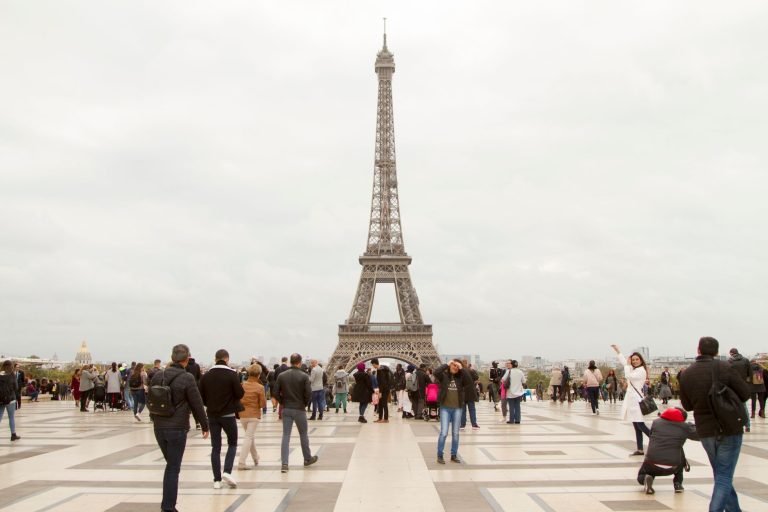
You have likely seen the images: the crowded piazzas of Rome, the bustling squares of Paris, the endless sea of selfie sticks in Barcelona. These cities are magnificent, but they come with a specific kind of fatigue. You spend half your day waiting in lines and the other half navigating through throngs of people just to get a glimpse of the landmark you travelled thousands of miles to see.
If you are looking for a different kind of European holiday, one defined by authentic atmosphere, manageable crowds, and genuine local culture, then looking beyond the usual suspects is the smart move. Europe is full of hidden gems in Europe that offer equal amounts of history and charm without the overwhelming footfall. Cities like Antwerp, Brașov, and Mostar provide a rich tapestry of culture, architecture, and cuisine that often flies under the radar of mass tourism.
Whether you are planning a short city break or a longer expedition, these three destinations offer a chance to slow down and actually experience the places you visit. This guide breaks down exactly what to expect, how to get there, and what to watch out for, helping you plan a trip that feels personal rather than procedural.
Why Europe’s Hidden Gems Deserve Your Attention
The allure of visiting lesser-known cities lies not just in avoiding crowds, but in the quality of the experience. When you travel to a place that is not on every major itinerary, the pace of life slows down. You are more likely to engage with locals, find seats in cafes, and appreciate the architecture without feeling rushed.
Cities like Antwerp, Brașov, and Mostar offer a deeper dive into regional history and culture. In Antwerp, you get the art and diamond heritage of Belgium without the political administrative baggage of Brussels. In Brașov, you step into the heart of Transylvania, surrounded by Gothic history and medieval charm. Mostar offers a unique blend of Ottoman and Austro-Hungarian influences that tell a complex story of the Balkans.
Financially, these destinations often provide better value for money. While prices can fluctuate, you will generally find that accommodation, dining, and entertainment are noticeably cheaper midweek or in the shoulder seasons compared to Western European capitals. This allows you to extend your stay or enjoy higher-quality experiences for less.
For those wondering if these places are worth the detour, the answer is yes, provided you manage your expectations. You will not always find the same level of polished, tourist-friendly infrastructure as in Paris or London. Signs might be in local languages, service might be more relaxed, and you might need to do a bit more legwork to find your way. But that is precisely where the charm lies. The city feels lived-in, not staged.
If you are new to the idea of exploring less famous regions, reading up on the region’s history beforehand enhances the visit significantly. You can find more inspiration on Four Great Reasons to Visit Europe before you start booking your flights.
Antwerp: Belgium’s Creative and Culinary Capital
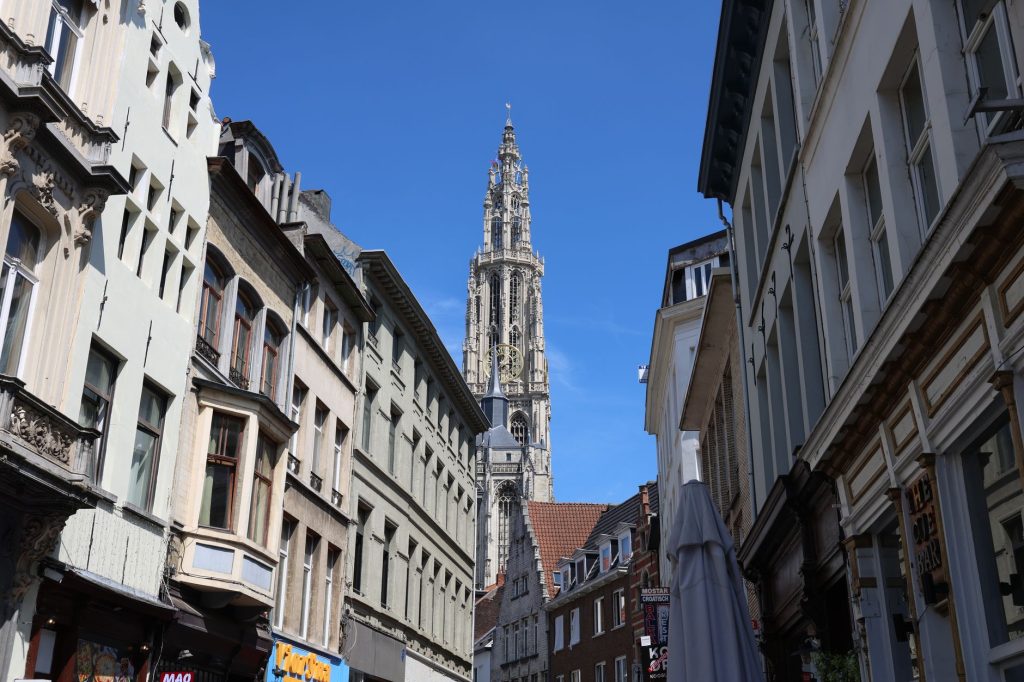
Antwerp often sits in the shadow of Bruges and Brussels, but it is a city with a distinct personality that rewards those who take the time to explore. The heart of the city is its medieval centre, a UNESCO-protected area that feels surprisingly intact. The skyline is dominated by the spire of the Cathedral of Our Lady, a Gothic masterpiece that has stood since the fifteenth century. Inside, you will find several significant works by the Flemish master Peter Paul Rubens. It is worth setting aside an hour or two to appreciate the art and the architecture. Check the cathedral’s official website for details on guided tours in English, as the context of the artworks adds greatly to the experience.
Beyond the religious landmarks, Antwerp is a hub for creativity and commerce. The diamond district is world-famous, handling a significant portion of the world’s rough diamonds. Even if you are not in the market for a ring, the window displays and the history of the trade are fascinating to observe. The city’s architecture reflects this wealth, with grand guild houses lining the historic squares.
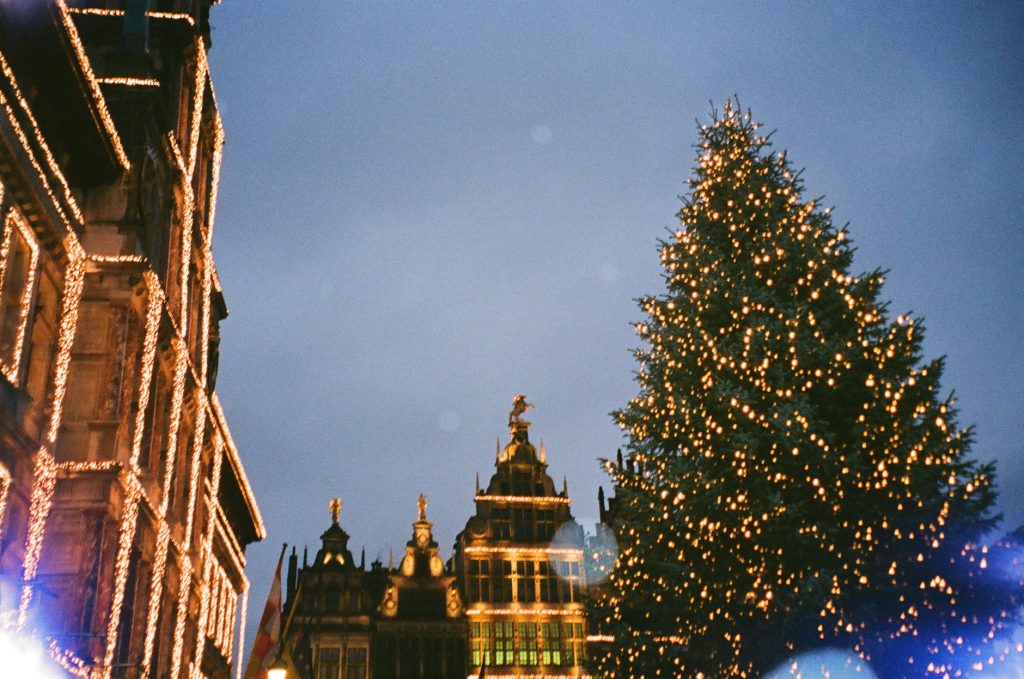
In the winter, the city transforms. The Christmas market takes over the central square, creating a festive atmosphere that is widely regarded as one of the best in Europe. You can warm up with a glass of traditional Belgian jenever, a botanical spirit that predates gin. Afterward, you can skate on a large ice rink that arrives for the season. For a different perspective, consider a river cruise. These trips often run through the winter and offer a unique vantage point of the city’s illuminated buildings and festive lights. Some operators include stops at other nearby cities, allowing you to see Bruges, Brussels, and Ghent in a single day if you have the time.
Antwerp is also a city of art and design. The MAS (Museum aan de Stroom) offers panoramic views of the Scheldt river and the city, while the Antwerp Royal Museums house impressive collections. The city’s fashion scene is equally notable, with the Antwerp Royal Academy of Fine Arts having produced many of the world’s leading designers. Walking through the downtown shopping districts, you will see a mix of high-end boutiques and quirky independent stores.
When you visit, expect a city that is walkable but also well-connected by tram. The public transport system is efficient and covers most tourist areas. However, the centre can be busy, especially on weekends. If you prefer a quieter stroll, head towards the docks or the Plantin-Moretus Museum, which is housed in the house and printing office of the famous printer Christophe Plantin.
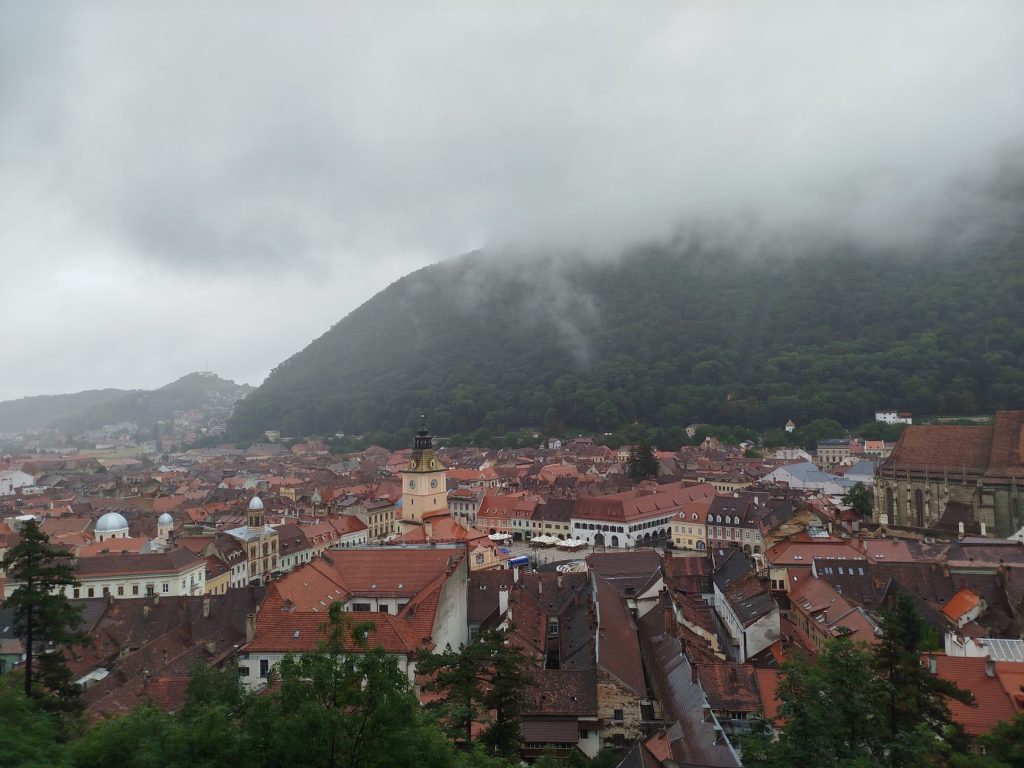
Brașov: The Heart of Transylvania and Dracula’s Domain
Nestled in the south-east of the Transylvania region, Brașov is a city that feels like a step back in time. The medieval centre is a treasure trove of Gothic and Renaissance architecture, with red-tiled roofs and narrow, winding streets. The most striking landmark is the Black Church, named after the charring it suffered during a great fire in the seventeenth century. It is the largest Gothic church in Romania and a testament to the city’s resilience. Inside, you will find a massive organ and a collection of tapestries. It is a must-visit, but go early in the morning to avoid the tour groups that tend to congregate here later in the day.
The atmosphere in Brașov is notably friendly. The locals are proud of their heritage and are often happy to chat with visitors. This warmth extends to the dining scene. Traditional Romanian cuisine is hearty and flavourful, with dishes like sarmale (cabbage rolls) and mici (grilled minced meat rolls) being staples. La Ceaun is a well-regarded restaurant in the old town that serves genuine Eastern European dishes in a rustic setting. It is a great place to try local specialties without the tourist-trap pricing found in some other European cities.
For fans of Bram Stoker’s Dracula, Brașov is the perfect base. The real-life castle that served as inspiration for the titular vampire’s lair, Bran Castle, is located on a forest-covered hillside just a short drive from the city. The castle is a spectacular fortress that lives up to the myths and dark magic associated with its backstory. While it is heavily visited by tourists, the views from the hill and the architecture itself are impressive. Note that the roads leading up to the castle can be winding and busy in peak season, so allow extra time for the journey.
Brașov is also a gateway to the Carpathian Mountains. If you are visiting in the warmer months, the hiking opportunities are endless. Trails range from easy walks through forests to more challenging ascents with panoramic views. The nearby Prahova Valley is a popular destination for ski resorts in the winter, offering a different kind of adventure if you prefer snow to stone streets.
The city’s location means it is well-connected to other parts of Romania. Day trips to Sinaia or Peleș Castle are popular, but Brașov itself offers enough to keep you occupied for several days. The square in front of the Black Church, Piata Sfatului, is a lively hub where you can watch street performers and people-watch. It is a safe and pleasant area to explore on foot, though be mindful of the cobblestones, which can be uneven and tricky for those with mobility issues.
Mostar: The Soul of Bosnia and Herzegovina
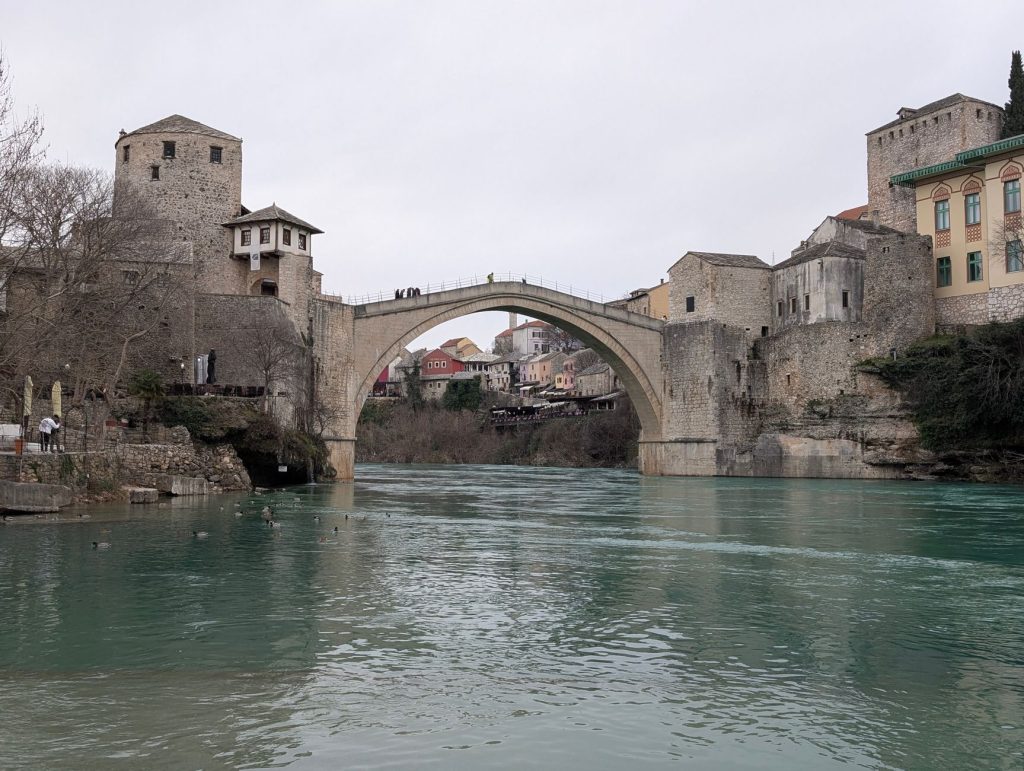
Mostar is often the first city people think of when they hear about Bosnia and Herzegovina, and for good reason. The city’s identity is inextricably linked to the Stari Most (Old Bridge), a sixteenth-century Ottoman bridge that spans the Neretva River. Whether you see it by day, with the backdrop of lush green hillsides, or by night, when it is spectacularly lit up, it is an image that stays with you. The bridge is not just an architectural feat but a symbol of the city’s divided history, having been destroyed in the 1990s conflict and meticulously rebuilt afterwards.
The old town, or Stari Most, is a maze of narrow streets lined with shops, cafes, and restaurants. The architecture here is a blend of Ottoman and Austro-Hungarian styles, reflecting the city’s complex past. You will find small mosques with minarets standing alongside Catholic churches and Orthodox chapels. This mix of cultures creates a unique atmosphere that is both relaxed and intriguing.
Mostar is also a hub for artistic expression. Each year, the city hosts a street art festival in May, where over 100 international and local artists flock to the city to exhibit and create new artworks. The festival transforms the old town into an open-air gallery, with murals and installations appearing on building facades. It is a great time to visit if you want to see a more vibrant, contemporary side of the city.
For nature lovers, Mostar is the perfect base to explore the Kravice waterfalls. Located about an hour’s drive away, the waterfalls cascade down in foaming ribbons into a turquoise lake. It is a popular spot for swimming in the summer, so bring a towel if you plan to take a dip. To get there, you will need to rent a car or join a tour. Rental car companies operate in the region, and it is advisable to book in advance during peak season. The drive itself is scenic, taking you through the Dinaric Alps.
The city has a growing reputation for its coffee culture. Bosnian coffee is similar to Turkish coffee but is often served with a side of lokum (Turkish delight) and a glass of water. Sitting in a cafe overlooking the river, sipping coffee and watching the world go by, is a quintessential Mostar experience. The old town is also home to several museums, including the House of Herzog, which offers insight into the life of a wealthy Ottoman family.
Mostar is smaller than Antwerp or Brașov, making it easy to navigate on foot. However, the bridges and pathways can be steep and uneven. Comfortable shoes are essential. The city is also known for its rafters, who jump from the Old Bridge into the Neretva River below. It is a thrilling spectacle to watch, though the jumpers are professionals and the water can be cold and fast-flowing.
When to Visit These Underrated Destinations
Timing your visit is crucial for getting the most out of these destinations. Each city has its own seasonal rhythm, and visiting at the wrong time can mean dealing with extreme weather or overcrowding.
Summer is a popular time to visit Brașov. The weather is warm and ideal for hiking in the Carpathians. The city is lively, and the outdoor cafes are bustling. However, this is also the peak tourist season, so you should book accommodation well in advance. If you prefer cooler weather, the spring and autumn months offer mild temperatures and fewer crowds. The autumn foliage in the surrounding forests is particularly stunning.
Antwerp shines in the winter. The Christmas market is at its best between late November and early December. The city is decorated with lights, and the festive atmosphere is infectious. The weather can be cold and damp, so pack accordingly. If you prefer to avoid the winter chill, late spring or early autumn are good alternatives. The weather is generally pleasant, and the city’s parks and gardens are in bloom.
Mostar is best visited in the spring or autumn. The summer months can be hot and humid, and the city can feel crowded with day-trippers from nearby coastal resorts. Spring and autumn offer comfortable temperatures for walking around the old town and exploring the surrounding areas. The water in the Neretva River is still cool enough for swimming in late summer, but the crowds have thinned out.
Regardless of when you visit, it is wise to check local events calendars. Festivals and holidays can significantly impact prices and availability. For example, the street art festival in Mostar in May draws large crowds, so booking accommodation early is recommended. Similarly, Antwerp’s fashion week in February can drive up hotel prices.
Consider the purpose of your trip. If you are looking for relaxation and sightseeing, shoulder seasons are ideal. If you want energy and nightlife, summer or holiday periods might be more appealing. Each season offers a different perspective on the city, and there is no wrong time to visit, just different experiences.
Getting There and Getting Around
Reaching these destinations is generally straightforward, but it requires a bit of planning. Antwerp is well-connected by train from major European hubs like Brussels, Amsterdam, and Cologne. The journey is scenic and comfortable, with trains running frequently throughout the day. Budget airlines also fly into Antwerp Airport, though the options are more limited compared to larger cities. Once in the city, the centre is compact and best explored on foot. The tram network is extensive and reliable, making it easy to reach attractions outside the immediate centre.
Brașov is accessible by train from Bucharest, a journey that takes several hours but offers beautiful views of the countryside. There are also regular bus services from Bucharest and other major Romanian cities. For those flying, the nearest airport is in Bucharest, from where you can take a bus or train to Brașov. Alternatively, there are flights to Brașov’s own airport during the summer season, though these are often seasonal and can be expensive. Once in the city, you can walk to most attractions. The centre is hilly, so be prepared for some steep climbs.
Mostar is served by an airport with flights from several European cities, particularly during the summer months. However, many travellers fly into nearby airports in Croatia or Sarajevo and then take a bus or train to Mostar. The bus network in Bosnia and Herzegovina is extensive and affordable, connecting Mostar to other major cities like Sarajevo and Dubrovnik. Once in Mostar, the old town is walkable, but for trips to the waterfalls or other attractions, a car or tour is necessary.
Navigating these cities is generally easy, but language barriers can exist. English is widely spoken in tourist areas, but knowing a few basic phrases in the local language is always appreciated. Public transport apps are available for most cities, but they may not always be up to date with real-time information. It is always a good idea to have a backup plan, such as a paper map or knowledge of key landmarks.
Taxis are available in all three cities, but ensure you agree on a price before getting in or use a ride-hailing app if available. In Brașov, the cobblestone streets can be challenging for drivers, so taxis may not always be able to drop you right at your destination. Walking is often the best option in the historic centres.
Where to Base Yourself and Budget Tips
Choosing the right place to stay can make or break your trip. In Antwerp, staying in the city centre is convenient for accessing the cathedral, the diamond district, and the Christmas market. However, this area can be pricey. Look for accommodation in the nearby districts, which are still within walking distance but often offer better value. Budget options like hostels and mid-range hotels are plentiful. If you are looking for a unique experience, consider staying in a converted warehouse or a boutique hotel in the fashion district.
In Brașov, staying near the Old Town is ideal for first-time visitors. You will be within walking distance of the Black Church and the main squares. However, these areas can be noisy at night. If you prefer a quieter stay, look for accommodation in the surrounding hills or the newer parts of the city, which are still well-connected by bus. Brașov offers a wide range of accommodation, from budget guesthouses to luxury resorts in the nearby mountains.
Mostar’s old town is the most atmospheric place to stay, with many hotels and guesthouses housed in traditional Ottoman houses. Staying near the Old Bridge puts you in the heart of the action, but it can be crowded and noisy. For a more relaxed stay, consider accommodation on the other side of the river or in the newer parts of the city. These areas are quieter and often offer better views of the bridge and the river.
When it comes to budgeting, these destinations are generally cheaper than Western European capitals. In Antwerp, a meal at a mid-range restaurant might cost less than in London or Paris. In Brașov, local food and drink are very affordable, allowing you to eat well without breaking the bank. Mostar offers similar value, with local dishes like ćevapi being inexpensive and filling.
To save money, eat where the locals eat. Avoid restaurants with picture menus in the main squares, as these are often tourist traps. Look for places with handwritten menus and a steady stream of local patrons. Also, consider buying water and snacks from supermarkets rather than convenience stores near tourist sites. Public transport is cheap in all three cities, so use it rather than taxis for longer journeys.
Accommodation prices can vary significantly depending on the season. Booking in advance is always recommended, especially for summer visits to Brașov and Mostar. If you are flexible with your dates, you can often find better deals by travelling midweek. Hostels and guesthouses are a great way to meet other travellers and get local tips on where to go and what to do.
Culinary Highlights and Local Experiences
Food is a central part of the travel experience, and these three cities offer distinct culinary identities. In Antwerp, you must try the local beer and waffles. Belgium is famous for its beer culture, with hundreds of varieties ranging from light lagers to complex lambics. Visit a traditional beer bar to sample the local brews. Belgian waffles are a sweet treat, best enjoyed fresh from the street stalls. The city also has a thriving seafood scene, with oysters and mussels being local favourites.
Brașov’s cuisine is rooted in Romanian traditions. Sarmale, or cabbage rolls, are a staple dish, often served with sour cream and polenta. Mici, or grilled minced meat rolls, are a popular street food, best enjoyed with mustard and bread. The city’s restaurants often serve hearty portions, so come with an empty stomach. For a more refined experience, try the local wine. Romania has a long history of wine production, and the wines from the Transylvania region are excellent and affordable.
Mostar’s food is influenced by its Ottoman heritage. Bosnian coffee is a must-try, served in a traditional pot and accompanied by lokum. Ćevapi, grilled minced meat sausages, are served with flatbread and onions. The city also has a strong coffee culture, with cafes serving as social hubs where people gather to talk and relax. For dessert, try the baklava or the tufahija, an apple dessert topped with walnuts and cream.
Beyond food, each city offers unique experiences. In Antwerp, visit the MAS for panoramic views or explore the fashion district. In Brașov, take a cable car up to Tâmpa Mountain for a bird’s-eye view of the city and the surrounding mountains. In Mostar, watch the rafters jump from the Old Bridge and visit the local museums to learn about the city’s history.
Don’t be afraid to try local specialties even if they look unusual. The best food experiences often come from street food or small, family-run establishments. Ask locals for recommendations, and be open to surprises. Food is a language in itself, and sharing a meal is a great way to connect with the culture.
In Antwerp, consider a food tour to sample multiple dishes in one go. These tours often include visits to hidden bars and markets that you might not find on your own. In Brașov, join a cooking class to learn how to make sarmale or pizza Transylvană. In Mostar, take a boat ride on the Neretva River for a different perspective of the city and its culinary scene.
Common Mistakes to Avoid as a Traveler
Even with good preparation, travellers can make mistakes that detract from their experience. One common error is underestimating the need for comfortable walking shoes. All three cities have historic centres with cobblestone streets that can be uneven and slippery, especially when wet. Wearing high heels or flimsy sandals will leave your feet sore and limit your ability to explore. Opt for sturdy, broken-in trainers or walking shoes.
Another mistake is skipping guided tours in historical sites. While self-guided exploration is rewarding, some sites, like the Black Church or the Cathedral of Our Lady, have rich histories that are best understood with context. A guided tour can provide insights into the art, architecture, and history that you might otherwise miss. Many tours are available in English, so do not hesitate to book one if you are unsure.
Ignoring local etiquette can also lead to awkward situations. In Brașov, for example, it is customary to greet people with a handshake and direct eye contact. In Mostar, removing your shoes before entering a home or a mosque is expected. In Antwerp, tipping is not as mandatory as in the US, but leaving a small tip for good service is appreciated. Researching basic cultural norms before you go shows respect and enhances your interactions with locals.
Underestimating the weather is another pitfall. The weather in Europe can be unpredictable, even in summer. In Brașov, the mountains can be cold and rainy even in July. In Antwerp, winter winds can be biting. Always check the forecast and pack layers. A waterproof jacket is useful in all three cities, as rain can occur at any time of year.
Failing to book accommodation and tours in advance is a common error, especially for summer visits. Popular sites like Bran Castle in Brașov can have long queues, and popular restaurants can be fully booked. Booking ahead ensures you do not miss out on key experiences and saves time waiting in lines.
Lastly, do not assume that everything is in English. While many people in tourist areas speak English, signs and menus may be in the local language. Having a translation app or a phrasebook can be helpful. Also, be aware that credit cards are not accepted everywhere, especially in smaller towns or markets. Carry some cash for small purchases and tips.
By avoiding these common mistakes, you can ensure a smoother and more enjoyable trip. Remember that travel is about learning and adapting. Embrace the unexpected, stay flexible, and enjoy the journey. You can find more detailed advice on The Ultimate Guide to Travelling Around Europe to help you navigate these and other destinations with confidence.