 By
By 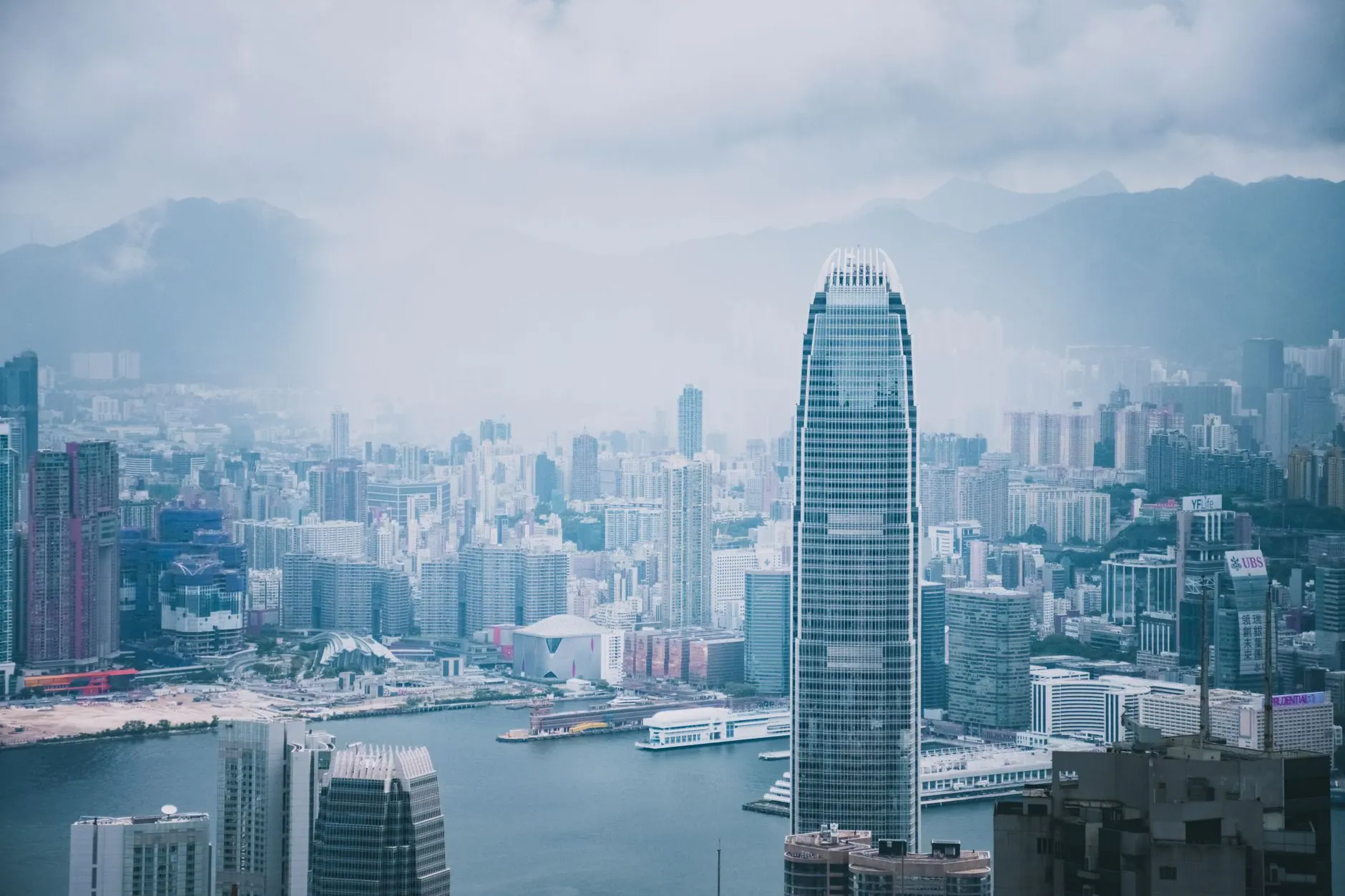
Imagine standing on a busy street corner, the humid air thick with the scent of frying garlic and roasting meat, while above you, glass skyscrapers reflect the morning sun. You are surrounded by the sound of Cantonese chatter, the hum of traffic, and the distant call to prayer from a nearby mosque. This is not a scene from a movie set; it is a Tuesday morning in one of the world’s most dense and dynamic cities. For many travellers, Hong Kong is a weekend stopover, a place to grab bubble tea and catch a ferry. But for others, it is a destination worth staying for. The decision to relocate here is significant, yet the lifestyle it offers often justifies the effort. If you are weighing up the pros and cons of international relocation, understanding the specific realities of daily life here is essential. This guide breaks down why so many people choose to build their lives here, focusing on practical aspects rather than just the postcard views.
Why Hong Kong attracts newcomers
Hong Kong is defined by its contrasts. It is a place where ancient traditions sit comfortably alongside hyper-modern convenience. For newcomers, this duality is often the most striking feature. You might spend your morning commuting through a futuristic subway system and your evening visiting a centuries-old temple that has stood in the same spot for generations. This blend creates a unique cultural rhythm that many find invigorating. The city’s population exceeds seven million people, yet it manages to maintain distinct neighbourhoods, each with its own character. Some areas feel like quiet villages tucked away in the hills, while others pulse with the energy of global finance.
The appeal lies in this variety. You are never far from something new. Whether you are drawn to the artistic vibes of certain districts or the corporate buzz of others, the city offers a spectrum of environments. This diversity extends to the people themselves. Hong Kong is a melting pot of Eastern and Western influences, creating a society that is generally open to outsiders. For expats, this means you can find communities that share your background, but you are also encouraged to engage with the local culture. The initial culture shock is real, but it is often short-lived because the city moves at a pace that forces adaptation. Once you settle into the rhythm, the initial overwhelm turns into appreciation.
The food
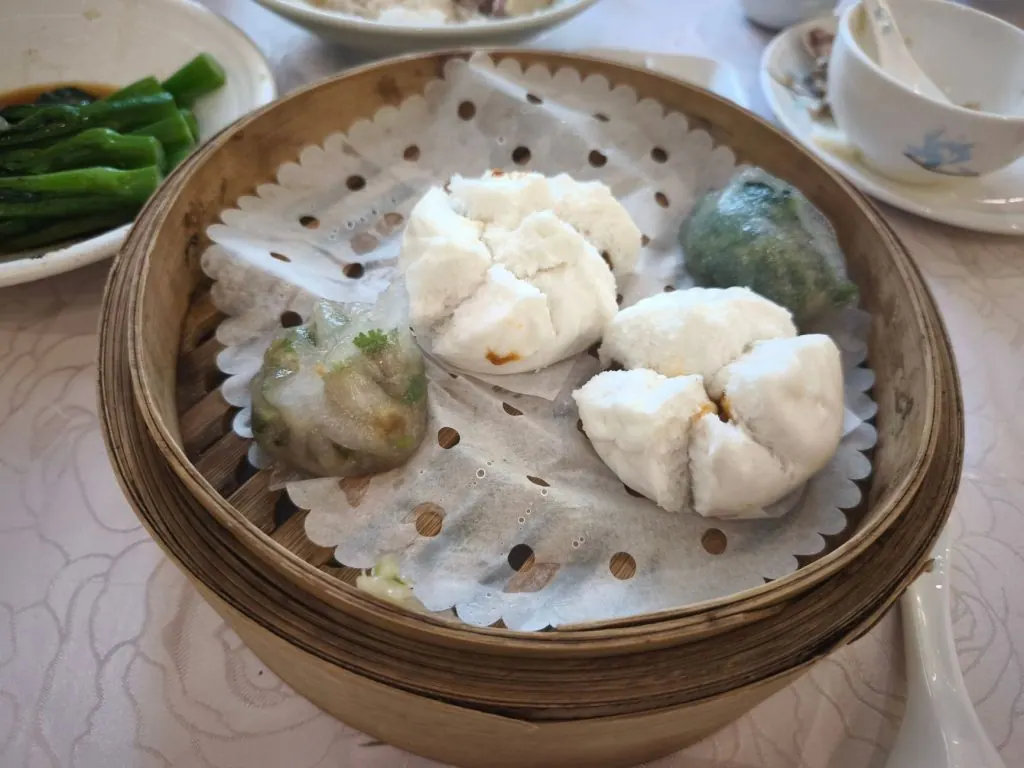
Food is arguably the heart of Hong Kong. To live here is to eat your way through the world. The culinary scene is not limited to high-end dining; it spans from humble street stalls to Michelin-starred establishments. Dim sum is a daily ritual for many locals, offering a social way to start the day with steamed dumplings and buns. It is affordable, social, and endlessly varied. Beyond Cantonese cuisine, the city offers incredible diversity. You can find authentic Indian curries, Lebanese mezze, and Southeast Asian dishes in the same neighbourhood.
Street food is particularly noteworthy. It is safe, cheap, and deeply embedded in the local lifestyle. From fish balls on sticks to braised pork buns, these small bites provide a genuine taste of the city’s history. Tea culture is also significant. The traditional Chinese tea houses offer a slower pace, a chance to sit and converse away from the street noise. For those used to fast food, the variety here can be overwhelming, but it is also liberating. You are not tied to one cuisine.
When dining out, it is worth noting that portion sizes can vary. Sharing dishes is common and often the best way to try more varieties. The food scene is not just about sustenance; it is about community. Eating is a social act here, and participating in this habit helps you connect with locals. If you are planning a longer stay or considering a career break, Spend The Gap Year In The Best Possible Way might be a relevant consideration for how you structure your time here, as food can be a major part of that experience.
The nightlife
Nightlife in Hong Kong is vibrant and diverse. It caters to different tastes, from loud, high-energy clubs to quiet, atmospheric bars. Lan Kwai Fong is the most famous district for nightlife, known for its narrow streets packed with bars and clubs. It is a popular spot for tourists and expats alike, offering a predictable environment where English is widely spoken. If you prefer a more local experience, areas like Soho or Central offer a mix of international and homegrown venues.
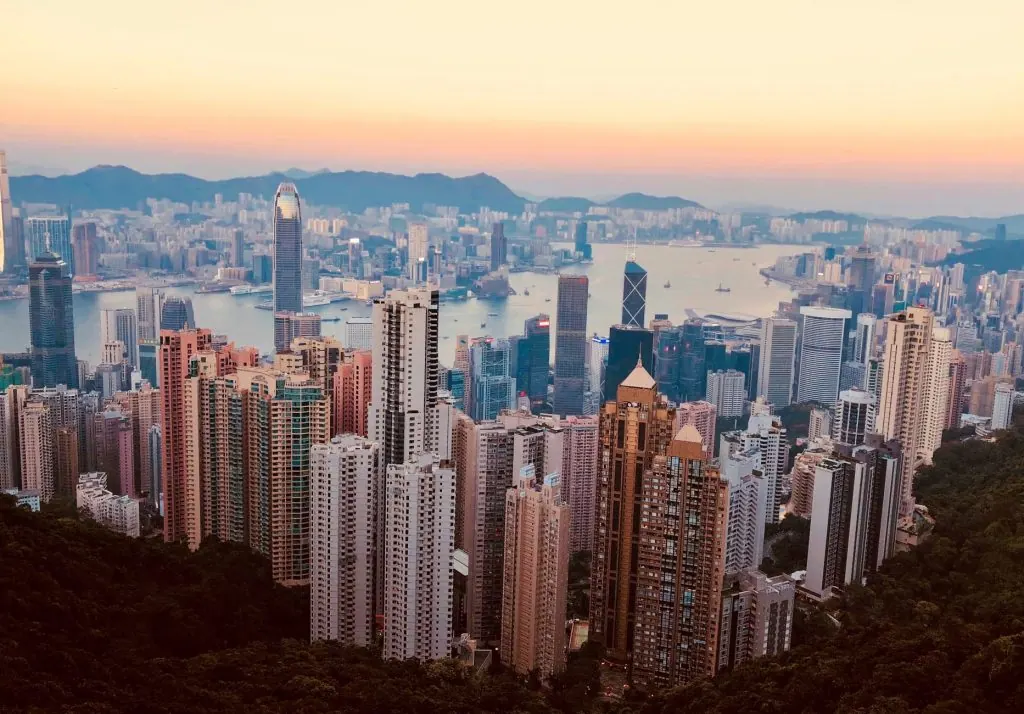
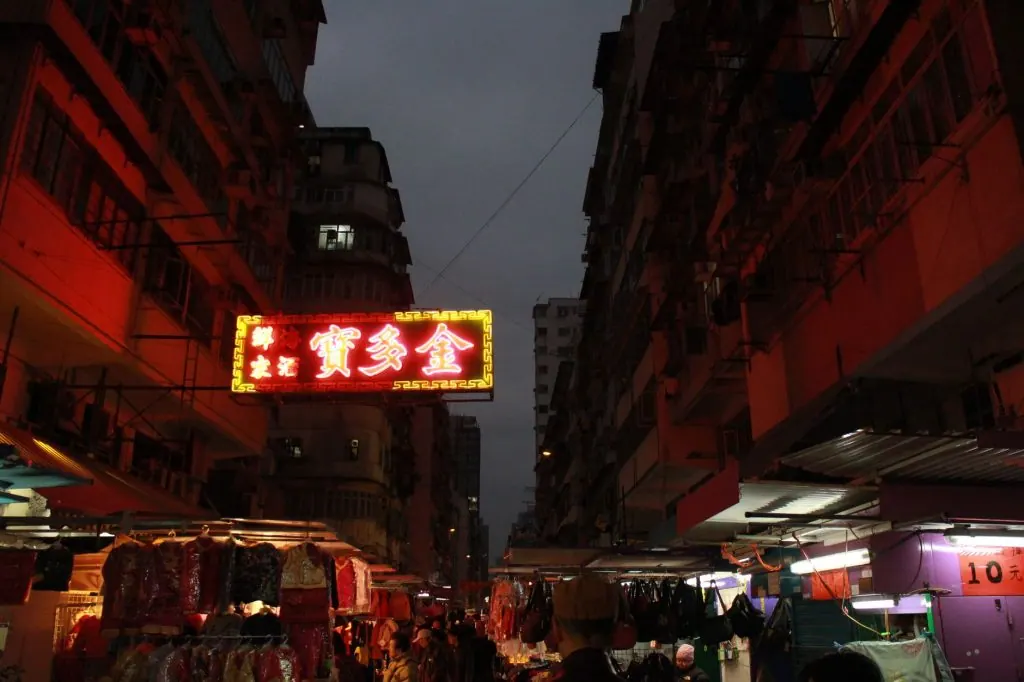
Rooftop bars are another highlight. The skyline views at night are spectacular, and many venues offer these vistas along with craft cocktails. The weather plays a role here; during the humid summer months, rooftop spaces are in high demand because the breeze offers relief from the heat. Night markets also offer a different kind of nightlife experience. They are less about drinking and more about wandering, eating, and soaking in the atmosphere. These markets are lively and provide a glimpse into the city’s nocturnal energy.
Karaoke is a major part of the social scene. It is common for groups to book private rooms for hours, singing songs in Cantonese, Mandarin, or English. It is a fun way to break the ice with colleagues or new friends. The availability of British-style pubs is also notable. These venues provide a familiar comfort for those missing home, offering familiar beers and a relaxed environment. Whether you prefer a quiet drink or a night out dancing, Hong Kong has options. Just be mindful of the noise levels in residential areas, as the nightlife can extend late into the night.
The culture
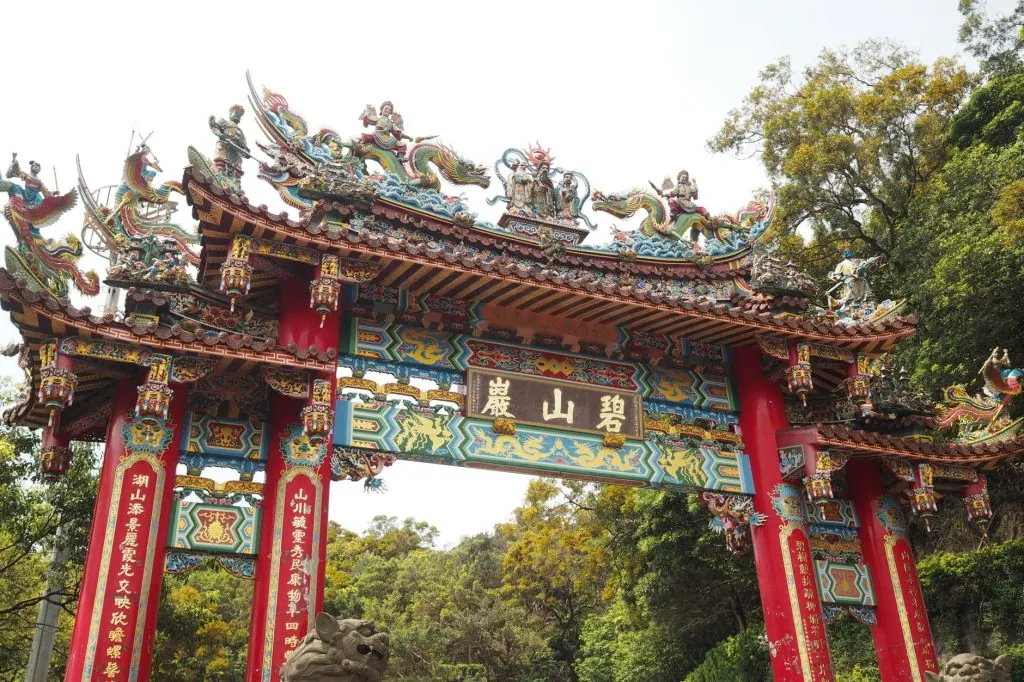
Hong Kong’s culture is a blend of East and West. This is visible in its architecture, festivals, and daily habits. Traditional temples with intricate decorations sit alongside modern skyscrapers. This juxtaposition is not just aesthetic; it reflects a society that respects its history while embracing modernity. Festivals are a key part of the cultural experience. Events like the Lunar New Year and the Mid-Autumn Festival are celebrated with great enthusiasm. Streets are decorated, families gather, and traditional foods are shared. These events offer a chance to see the city in a different light and participate in local customs.
Temple visits are a common activity. Places like the Wong Tai Sin Temple are bustling with people seeking blessings and good fortune. It is a place to observe local beliefs and practices. The concept of "face" and social harmony is important in social interactions. Understanding these nuances can help you navigate social situations more effectively. The language landscape is also part of the culture. Cantonese is the primary spoken language, though English is widely used in business and tourism. Learning a few basic phrases shows respect and can open doors.
Community events often take place in public spaces. Parks and plazas become hubs for gatherings, performances, and markets. This sense of public life is a key aspect of the culture. It encourages social interaction and a sense of belonging. For those interested in deeper cultural immersion, How to Overcome Homesickness Whilst Traveling offers strategies that can be adapted to life in a new cultural environment. The key is to engage, not just observe.
The safety and transport
Safety is a major draw for many expats. Despite its size and density, Hong Kong is considered one of the safest cities in the world. Violent crime is low, and property crime is relatively rare. This makes it an attractive place for families and individuals who value security. Walking around at night in most areas feels safe, which adds to the quality of life. The police presence is visible and efficient, contributing to this sense of order.
Transport is another key factor. The Mass Transit Railway (MTR) is clean, efficient, and extensive. It connects most parts of the city, including the islands and the New Territories. It is the backbone of daily commuting for millions of people. Buses and ferries complement the rail network, providing access to areas not covered by the train. The ease of getting around makes exploring the city easy and encourages a car-free lifestyle.
Public transport is affordable and reliable. Schedules are generally accurate, and stations are well-maintained. The Octopus card system allows for seamless travel across different modes of transport. This convenience reduces the stress of daily commuting. For those who prefer walking, the city’s pedestrian infrastructure is decent, though hills can be challenging. Overall, the combination of safety and efficient transport makes daily life manageable and pleasant.
The outdoors
Hong Kong is often seen as a concrete jungle, but it is also a green city. Over 70% of the territory is parkland and country park. This means that nature is easily accessible. Hiking trails are a popular way to escape the urban heat and noise. Trails like the Dragon’s Back or the Peak Trail offer stunning views and physical exercise. These trails range from easy walks to challenging climbs, catering to different fitness levels.
Beaches are another outdoor highlight. There are numerous beaches along the outlying islands, offering swimming, surfing, and sunbathing opportunities. Places like Long Ke Beach and Clear Water Bay are popular spots. The water quality varies, so it is wise to check local advisories. Biking is also growing in popularity. Dedicated bike lanes and rental services make it easier to explore the city on two wheels.
The proximity to nature is a unique feature. You can hike in the morning and be in the city centre by afternoon. This access to outdoor activities promotes a healthy lifestyle. It also provides a mental break from the fast pace of city life. Whether you are an avid hiker or just enjoy a casual walk, Hong Kong offers plenty of options. The weather can be humid, so planning your outdoor activities for cooler times of the day is advisable.
Things to consider before you move
Moving to Hong Kong is exciting, but there are practical considerations. Housing is a major factor. Space can be limited, and rent is high, especially in central areas. Apartments are often smaller than what people are used to in other countries. It is important to budget carefully for accommodation. Cost of living is generally high, but salaries can also be competitive. Understanding the local market is crucial.
Visas and immigration rules are specific. Different visa categories exist for employment, study, and investment. The rules can change, so it is essential to check official government sources before making a decision. The process can be bureaucratic, so patience is required. Health insurance is also a key consideration. Public healthcare is available, but private healthcare is often preferred for its speed and quality. Many expats secure private insurance as part of their employment package.
Climate is another factor. Summers are hot and humid, with typhoons possible. Winters are mild. This weather can affect daily life, from clothing choices to outdoor activities. Understanding the local customs and work culture is also important. The work environment can be fast-paced and competitive. Being aware of these aspects helps in making an informed decision. It is wise to visit first and experience the lifestyle before committing.
Settling in
Once you arrive, settling in involves several steps. Banking is one of them. Opening a bank account can be straightforward if you have the right documentation, such as a residence permit and proof of address. Some banks may require a minimum deposit. It is worth comparing the services offered by different banks, as fees and features can vary.
Language can be a barrier initially. Cantonese is the main language, but English is widely spoken in business and tourist areas. Learning basic Cantonese phrases can help in daily interactions, especially in markets or with older locals. Community is another aspect. Joining expat groups or local clubs can help you meet people. Many communities are formed around hobbies, sports, or professional interests.
Daily life routines settle into a pattern. Shopping, commuting, and socialising become part of the rhythm. It takes time to feel at home. The initial excitement fades, and the reality of daily life sets in. This is normal. Building a support network is key to making the transition smoother. Engaging with both the expat community and the local community provides a balanced perspective.
Visiting first
Before moving, it is wise to visit. A trial trip allows you to experience the city firsthand. You can check the neighbourhoods you are interested in, taste the food, and gauge the cost of living. Visiting during different seasons gives you a sense of the weather and how it affects daily life. It also helps you understand the pace of the city.
Exploring different districts is important. Each area has its own vibe. Some are quiet and residential, while others are busy and commercial. Seeing these areas in person helps you decide where you might want to live. It also helps you understand the commute times and accessibility.
Finally, use the visit to network. Talk to people who live there. Ask about their experiences. This can provide valuable insights that you might not find online. It also helps you build a network before you even move. Traveling to Japan on a Budget & Making Money offers some general tips on managing finances while abroad that can be adapted to your Hong Kong plans. A trial trip reduces the risk of making a hasty decision and helps ensure that Hong Kong is the right fit for you.
Official sources and further reading
Opening times, entry rules and prices change, so check them on the official sites before you travel:
- Discover Hong Kong: The Hong Kong Tourism Board's official site.
- GOV.UK: foreign travel advice: Entry rules, safety and health notices for every country, kept up to date by the UK government.