 By
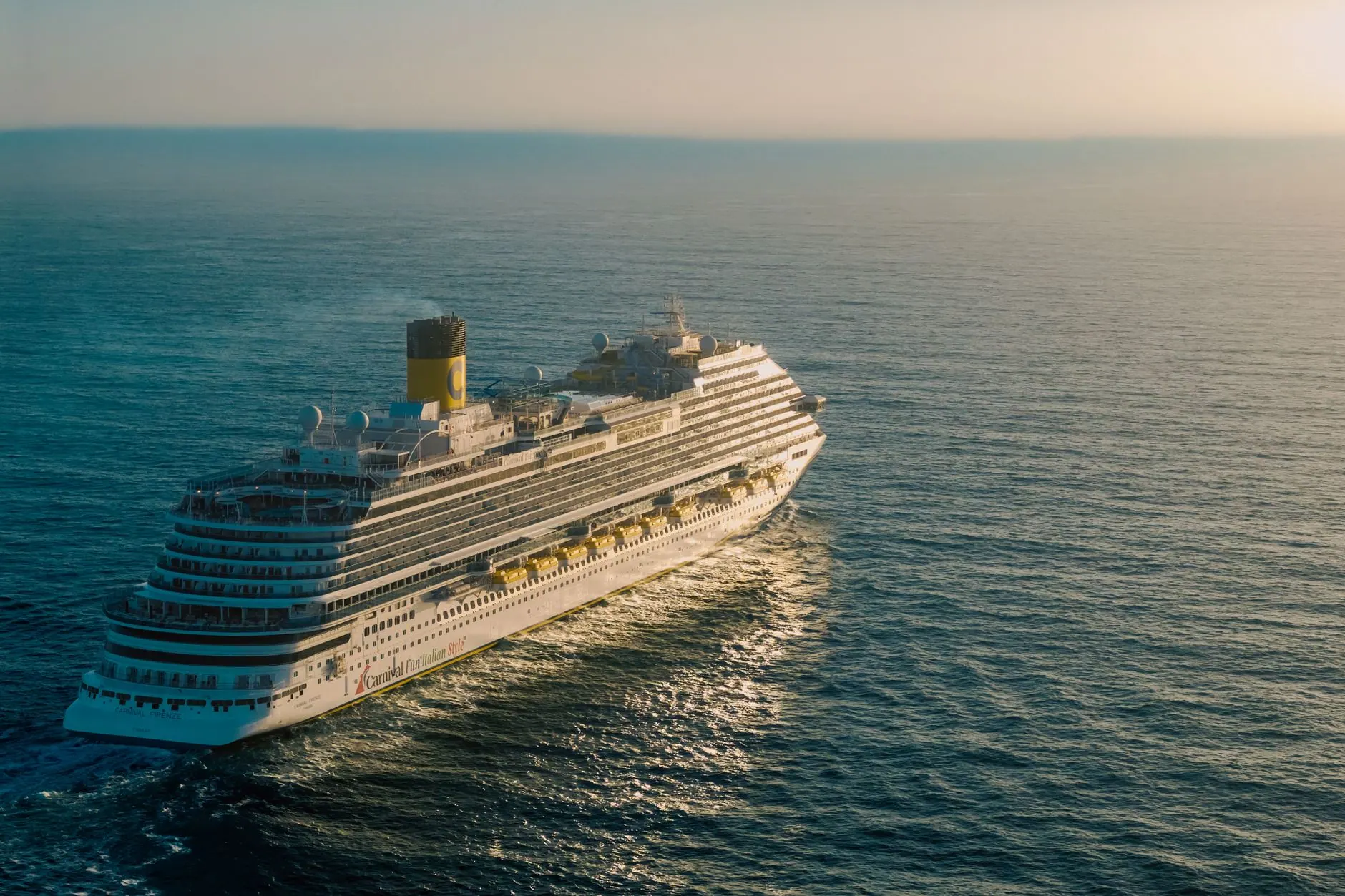
The ship slows to walking pace, the engines drop to a low hum, and the mountains close in on both sides. Passengers who were asleep ten minutes ago are on deck in dressing gowns, phones raised, because the captain has just announced that the ship is entering the Bay of Kotor. An hour later the walls of the old town are close enough to see the steps climbing the hillside. Moments like this are why people book cruises, and they are also the moments that people most often miss, because they were in the wrong cabin, on the wrong side of the ship, or queuing for breakfast when it happened.
This guide is about setting yourself up for those moments: the arrivals worth planning around, how ship and cabin choice affect what you see, and the practical traps, from tender queues to the all-aboard clock, that can spoil a port day.
The sail-ins and sail-aways worth planning around
On the most dramatic routes the approach is the highlight. The ship's daily programme usually lists the arrival time and any scenic cruising before it, so read it the night before, set an alarm, and ask guest services which side of the ship will face the main views.
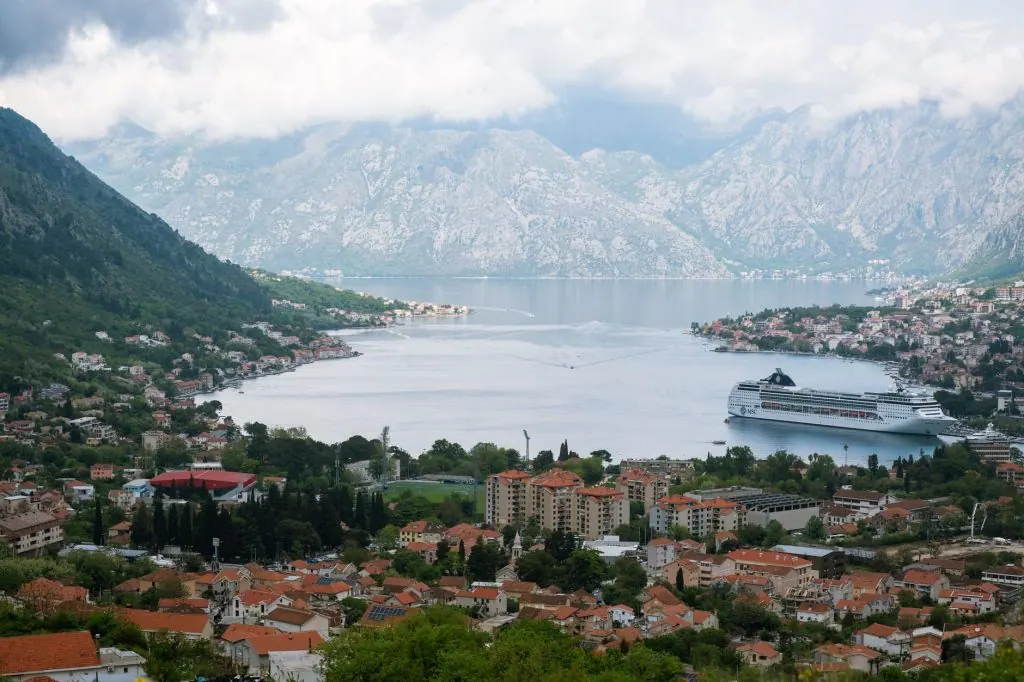
The Bay of Kotor, Montenegro
The bay winds inland from the Adriatic through a series of narrows, with steep limestone mountains dropping straight into the water. Ships pass the small town of Perast and the two islets just offshore, one of them home to the church of Our Lady of the Rocks, before reaching Kotor at the far end. The old town is a tight maze of stone lanes, squares and churches, enclosed by fortifications that zigzag up the mountain behind it to the fortress of San Giovanni. The climb is steep, exposed and best done early, before the heat and the crowds. Depending on the ship and the number of vessels in port that day, you may dock beside the old town or be taken ashore by tender.
Geirangerfjord, Norway
Geirangerfjord, one of Norway's World Heritage fjords, is narrow, deep and lined with waterfalls. The best known are the Seven Sisters, a set of falls on one side, and the Suitor on the opposite wall. The approach takes time, so it pays to be on deck with a warm layer and a hot drink well before the ship reaches the village of Geiranger at the head of the fjord. Ships often anchor here and tender passengers ashore. Norway has moved to tighten emissions rules for ships in its World Heritage fjords, so check with your cruise line whether your itinerary is affected or rerouted.
Santorini's caldera, Greece
Sailing into the flooded volcanic caldera of Santorini is a different kind of drama: sheer cliffs of dark rock and layered ash, with the white villages of Fira and Oia strung along the rim. Cruise ships anchor in the caldera and tender passengers to the old port below Fira. From there you can take the cable car, walk the long zigzag path of steps, or ride a donkey. The donkeys raise real welfare concerns, particularly when carrying heavier adults in the heat, so the cable car or your own legs are the better choice. Queues for the cable car back down can be long on busy days, so build in time.
Venice and its lagoon
For years, arriving by ship past St Mark's Square and along the Giudecca Canal was one of the classic cruise moments. Big ships are now banned from that route because of concerns about damage to the city and the lagoon. Larger vessels now berth on the mainland or at other Adriatic ports, with a coach or boat transfer into the city. If arriving in Venice matters to you, check exactly where your ship will berth before booking, and look up whether the city's day-visitor access fee applies on your date. Venice Without the Crowds: Backstreets, Boats and Timing covers how to see the city once you are there.
Grenada and the Caribbean
Caribbean moments tend to be warmer and slower. In Grenada, ships come into St George's, where pastel houses rise around the horseshoe harbour known as the Carenage and Fort George looks down from the headland. Grenada is known as the Spice Isle for its nutmeg, and spice and cocoa estates on the island are a good alternative to another beach. If you do want sand, Grand Anse is close to town. The Molinere Underwater Sculpture Park can be seen by snorkelling or from a glass-bottomed boat.
For more ideas on where these routes lead, 5 of the Best Cruise Destinations compares several popular regions.
Matching the itinerary to the moments you want
Each region delivers a different kind of memory, so choose the region for the moments you want, not the price alone.
- Norwegian fjords: scenery from the deck is the main event, with relatively short walks ashore. Expect changeable weather and pack waterproofs even in summer. Round trips from UK ports avoid flying.
- Eastern Mediterranean and Adriatic: dense history, old towns and island harbours such as Kotor, Dubrovnik and Santorini. Ports are often crowded in high summer, and sightseeing involves a lot of walking on stone and steps.
- Western Mediterranean: big cities such as Barcelona and Rome, where the port is often some distance from the centre. A port day can feel rushed, so many people add a few nights in a city before or after. Create The Perfect Luxury City Break: 3 Steps is useful if you plan to extend that way.
- Caribbean: beaches, warm water and a slower pace, usually reached by a long-haul flight first. Hurricane season brings a higher risk of itinerary changes, so read your line's policy on missed ports.
- Atlantic islands and Iberia from the UK: no flights, but usually a crossing of the Bay of Biscay, which can be rough.
Port-heavy or sea-day heavy
Count the sea days before you book. An itinerary with a different port every day sounds like value, but back-to-back early starts are tiring, and you will see each place only in a short window. A rhythm of two or three ports and then a sea day suits most people better. Also check arrival and departure times: a port listed on the itinerary may only give you a few hours ashore, which is not enough for an inland trip such as Florence from the Tuscan coast.
Ship size and cabin: where you sleep shapes what you see
Big ship or small ship
Large resort ships carry thousands of passengers and offer a wide choice of restaurants, pools, shows and children's clubs. The trade-offs are queues, crowds at the rail during scenic cruising, and berths away from town centres or tendering at smaller ports.
Smaller ships carry far fewer people and can reach narrower harbours and smaller islands, sometimes docking right beside the old town where a big ship would anchor offshore. There is less on board and fares are often higher, but disembarking is faster and the decks are quieter during the big sail-ins.
Inside, ocean view or balcony
Inside cabins have no window, which makes them the cheapest option and very dark for sleeping. They work well if you spend your days ashore or in public areas. The drawback is that you cannot tell whether the ship has arrived somewhere spectacular without going up on deck.
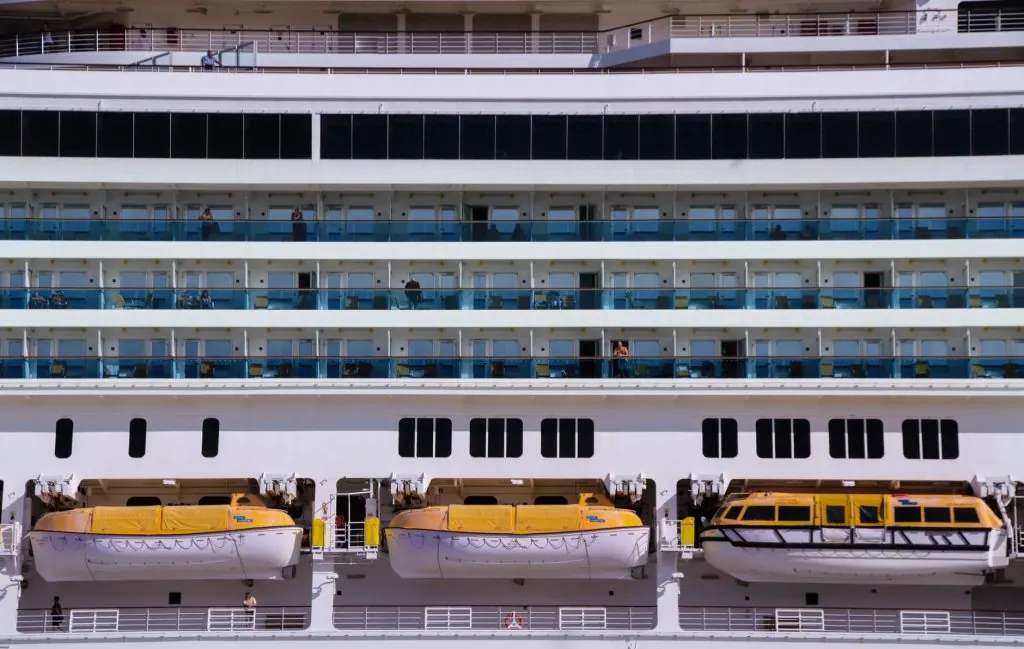
Ocean view cabins have a fixed window or porthole. Check the deck plan: some on lower decks have views partly blocked by lifeboats, and cruise lines usually label these as obstructed.
Balcony cabins are the ones people choose for fjord and caldera cruising, because you can watch the scenery in private, with coffee, without the crowd at the rail. They cost noticeably more, balconies are often narrow, and a balcony on the wrong side of the ship faces open water during a scenic approach. On a round trip, the views from each side often balance out; on a one-way route they may not.
Suites add space and often priority boarding or tender access. That priority can be worth more than the extra square metres at ports such as Santorini.
Location matters as much as category
- For less motion, choose a cabin midship and on a lower deck, near the ship's centre of gravity.
- Avoid cabins directly below the pool deck, buffet or theatre, where furniture scraping and late-night noise can carry, and above or near the anchor at the bow if you dislike early-morning noise in tender ports.
Embarkation day from a UK port
Many UK cruises start from Southampton, with others leaving from ports such as Dover, Portsmouth, Tilbury, Liverpool and Newcastle. Sailing from home avoids flights and luggage limits.
How the day works
The ship usually arrives early in the morning with the previous passengers still aboard. They disembark first, then the ship is cleaned and restocked, and new passengers are checked in by staggered arrival slots chosen during online check-in. Arriving early rarely gets you on board faster. Porters take your large cases, which are delivered to your cabin later in the day, sometimes not until the evening.
Pack a day bag to carry yourself, containing:
- passports and cruise documents
- medication for at least a day
- chargers and any valuables
- swimwear and a change of clothes, if you want to use the pools before your cases arrive
In the main cases, pack layers and a windproof jacket even for the Mediterranean, since deck wind on an early sail-in is cold, plus grippy shoes for cobbles and wet tender platforms, binoculars for fjord walls and wildlife, and something smarter for dinner if your line has formal nights. Most ships ban kettles, irons and some extension leads, so check the list. Summer Holiday Packing This Year has a fuller warm-weather checklist. Check passport validity and entry rules for every country on the route, not just the starting port, using the UK government's foreign travel advice, since requirements for UK passport holders change.
A mandatory safety briefing, often called the muster drill, takes place before departure. On many ships part of it is done individually by watching a video and checking in at your assembly station.
Getting to the port
Ships will not wait for late passengers. If you are coming from the north of England or Scotland, staying near the port the night before removes the risk of a motorway delay ending your holiday before it starts. If driving, pre-book port parking and check which terminal your ship uses, since Southampton has several.
The first sail-away
Do not miss the departure from Southampton. The ship sails down Southampton Water, past the old flying-boat base at Calshot, into the Solent and out past the Isle of Wight, often in the early evening light. It is a gentle, very British first moment, and a good time to work out where the open decks are before everyone else does.
Ashore: tenders, docking and the all-aboard clock
Docking versus tendering
When a ship docks, you walk down the gangway onto the quay, and can go back and forth as you like. When it anchors, as is common at Santorini, Geiranger and many smaller islands, passengers are taken ashore in tenders, which are often the ship's own lifeboats. This takes time. Passengers on ship-run excursions usually go first, and everyone else collects a numbered tender ticket and waits to be called. On a long port day it is often quicker to wait until the first rush has gone.
Tendering depends on the sea. In rough conditions the captain may cancel tender operations and the port is missed, which is one reason to read your line's policy on refunds of port charges. Getting in and out of a tender needs steady footing, and wheelchair users may not be able to go ashore at tender ports at all, so check before booking if mobility is a concern.
Ship-run or independent excursions
Ship-run excursions cost more, but their key advantage is that if the coach is delayed, the ship waits. Independent tours and do-it-yourself days offer smaller groups, more choice and often better value, but if you are late back, the ship sails without you, and reaching the next port at your own expense is your problem.
Some ways to manage the risk on an independent day:
- Note the all-aboard time, which is set some time before departure and printed in the daily programme, and plan to be back well before it.
- Check whether the ship is running on local time or ship's time. They can differ, and the ship follows its own clock.
- Carry the port agent's contact details, which are usually printed in the daily programme, along with the ship's card and a photo of your passport.
- Choose local guides who know cruise schedules and guarantee a return by a set time, and avoid long drives inland on a short call.
- In ports where the town is right by the quay, such as Kotor or St George's, a walking day without any booking is often the simplest option.
Sea days, seasickness and the extras on your bill
Making sea days count
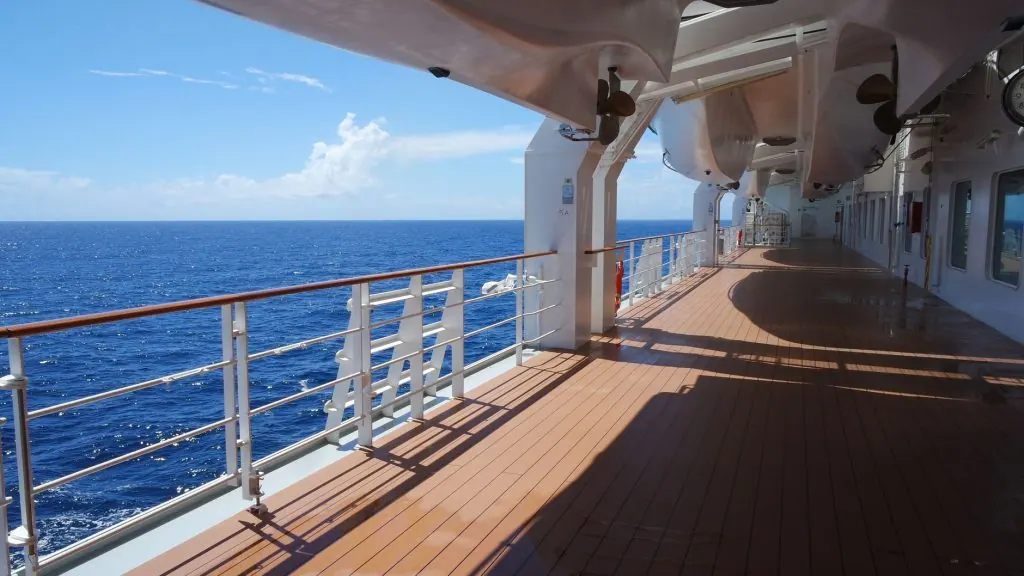
Sea days are when the ship itself becomes the holiday. The busiest areas are the pool deck and the buffet around midday, so the quieter options are usually the library, a promenade deck if the ship has one, and enrichment talks about upcoming ports. Dolphins and seabirds are often seen from open decks on routes such as the Bay of Biscay, so keep binoculars handy.
Seasickness
Modern ships have stabilisers, and on calm seas many people feel very little motion. Exposed stretches such as the Bay of Biscay or the North Sea can still be rough. If you are prone to it:
- book midship on a lower deck, as above
- get fresh air on deck and look at the horizon rather than a screen
- eat small, plain meals and go easy on alcohol on the first rough day
- speak to a pharmacist before you travel about tablets or other remedies, and try them at home first, since some cause drowsiness
Wash hands often and use the sanitiser at restaurant entrances, since stomach bugs spread quickly on board. The ship's medical centre can help, but it is a private service and charges for consultations and treatment. A UK Global Health Insurance Card does not cover care on board, so take out travel insurance that includes cruise cover, medical evacuation and missed departure.
Extras worth checking before you book
Fares typically include your cabin, meals in the main dining room and buffet, tap water, basic hot drinks and most entertainment. Many other things are charged to an onboard account linked to your cabin card. Check these, because they vary between lines and change often:
- Gratuities: whether a daily service charge is added automatically, whether it is included in the fare, and how to adjust it.
- Drinks packages: what they cover, and whether everyone in the cabin must buy one if one person does, which is a rule on some lines. Light drinkers often save by paying as they go.
- Wi-Fi: often sold as a package. Phone roaming at sea is charged at a separate, usually very high rate, so switch to airplane mode until you are in port.
- Port charges and local fees, including any passenger levies at destinations such as Santorini or Venice.
Unexpected Holiday Expenses lists other costs that tend to creep onto holiday budgets.
Cruising more lightly in crowded ports
The places that make the most memorable cruise moments are often small, and several ships arriving on the same morning can swamp an old town built for a small resident population. Destinations such as Dubrovnik and Santorini have introduced measures to manage cruise numbers, and Venice changed its rules on big ships entirely. A few choices help both the place and your own experience:
- Check how many ships are in port. Port schedules are often published online. On a crowded day, head away from the main gate and the most photographed viewpoint first, then return later.
- Spend money locally. Eat in a family-run place a few streets back, buy local products such as Grenadian spices, and use independent local guides where safe to do so. Cruise passengers who stay on the ship or only visit port shops leave little behind.
- Go further, not just faster. In Grenada, a spice estate or rainforest walk spreads visitors more evenly than another crowded beach; in Montenegro, a short trip to Perast is calmer than Kotor's main square.
- Be even-handed about animal encounters. Skip donkey rides up Santorini's steps, and choose wildlife or dolphin trips that keep a respectful distance and do not involve feeding or touching.
- Think about emissions. Cruising has a significant environmental footprint. Some ships can plug into shore power in port, and some lines publish environmental information. Sailing from a UK port rather than flying to join a ship removes the flight from the trip.
Before the first port of your next cruise, read the daily programme the night before, set an alarm for the sail-in, check which side of the ship faces the view, and write the all-aboard time and port agent's number on the back of your cabin card.
Official sources and further reading
Opening times, entry rules and prices change, so check them on the official sites before you travel:
- Cruise Lines International Association: Industry body information on cruising and cruise safety.