 By
By 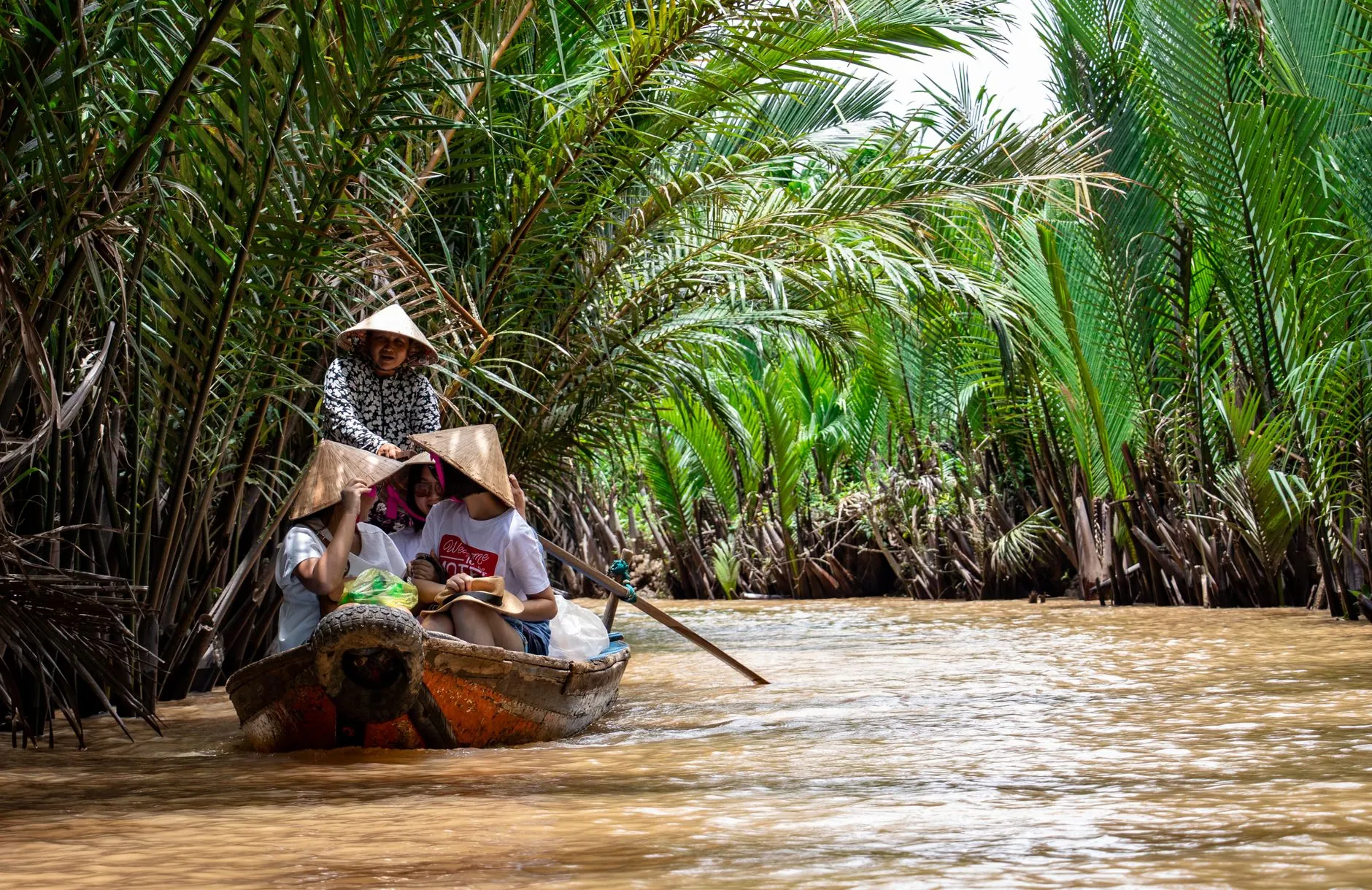
You wake before dawn, the air thick with humidity and the sound of oars splashing against dark water. Your boat glides past stilt houses that rise directly from the river, their foundations wrapped in moss and time. There is no pavement here, only the gentle current and the smell of ripe fruit. This is the Mekong Delta, a region that feels less like a standard tourist destination and more like a living, breathing geography textbook come to life. It is a place where daily rhythms are dictated by the tides, not the clock.
For travellers planning a trip, the sheer scale of the region can be overwhelming. It is a vast network of waterways, swamplands, and paddy fields that stretches from the outskirts of Ho Chi Minh City all the way to the Gulf of Thailand. If you are looking for a straightforward itinerary, you need to know that the Delta is not a single spot but a sprawling ecosystem. This guide cuts through the noise to give you the practical details you need to navigate it effectively.
What the Mekong Delta is
The Mekong Delta, known locally as Cuu Long or “Nine Dragons,” is defined by its nine tributaries that fan out towards the sea. It covers a significant portion of southern Vietnam, producing roughly a third of the country’s food crops despite occupying a small fraction of the landmass. This agricultural intensity is why the landscape looks the way it does: endless emerald rice paddies, coconut groves, and orchards heavy with tropical fruit.
The geography is the primary reason the region developed the way it did. Without extensive roads, water became the highway. Houses are built on stilts to accommodate the seasonal flooding. The water level rises and falls dramatically, shaping everything from architecture to diet. When you travel here, you are not just sightseeing; you are observing a community that has adapted to water in a way that few other places in the world have.
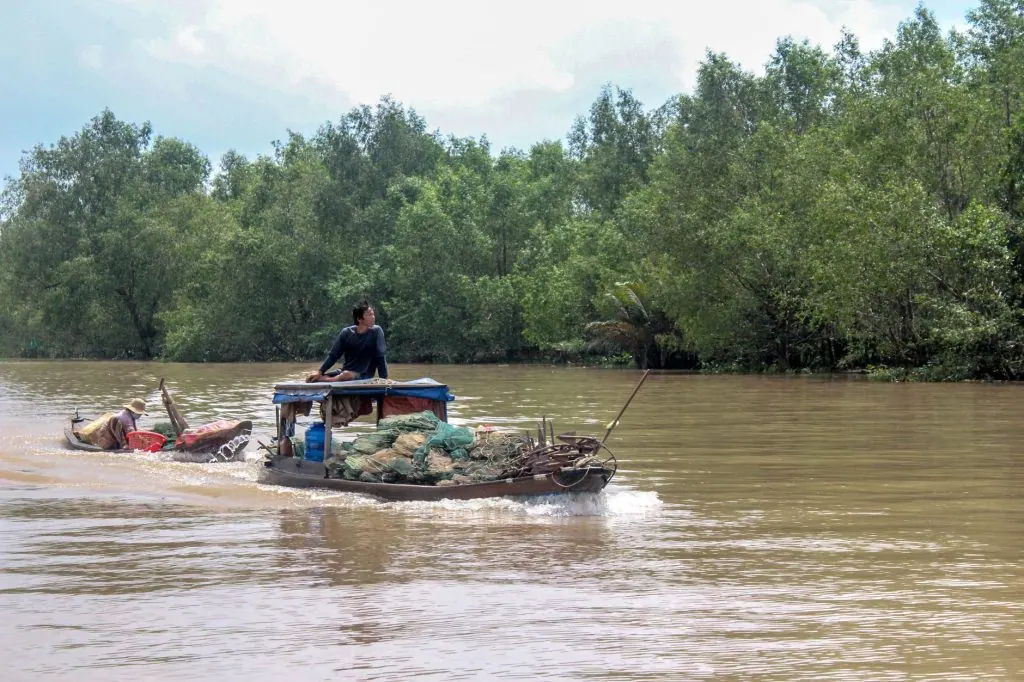
The region is also a testament to resilience. The fertile soil, deposited by the river over millennia, supports a dense population. You will see fishing boats, vegetable barges, and even floating schools. It is a place where life is intimate with nature. The air is thick with the scent of damp earth and vegetation. Understanding this connection to the land helps you appreciate why the local culture is so deeply tied to the river. It is not just a backdrop; it is the stage for daily life.
A brief history and culture
The Delta’s cultural identity is a blend of Khmer and Vietnamese influences, shaped by centuries of migration and conflict. For a long time, the area was under Cambodian rule and remained sparsely populated. It was only later that Vietnamese peasants moved in, encouraged by colonial powers who recognised the land’s immense potential for agriculture. This shift in demographics created a unique cultural tapestry, visible in the architecture, the food, and the religious practices you will encounter.
The river was not just a source of wealth; it was also a shield. During the Vietnam War, the Viet Cong used the dense mangroves and narrow waterways to hide from American forces. The same geography that allowed farmers to grow rice also allowed fighters to survive. This history is etched into the landscape. You might see remnants of old bunkers or hear stories from older locals about the days when the river was a battlefield.
Today, the culture is defined by community and hard work. You will see children riding water buffalo to school, wearing traditional ao dai, and villagers gathering to sell produce on floating barges. The Khmer minority maintains strong traditions, particularly in the western parts of the Delta. Their festivals, such as the Oc Om Bok in autumn, feature longboat races and prayers to the moon, offering a glimpse into a different spiritual world.
The blend of influences is also visible in the cuisine. You will find Khmer curry alongside Vietnamese pho, and coconut-based dishes that reflect the abundant palm groves. This culinary fusion is a direct result of the region’s history. It is a place where old and new coexist. The river remains the central artery of this culture, connecting villages that might be miles apart but share a common way of life.
When to go
The best time to visit depends on what you want to see, as the Delta’s character changes drastically with the seasons. There are two main periods: the dry season and the rainy season. Each offers a different experience, and neither is strictly “better.”
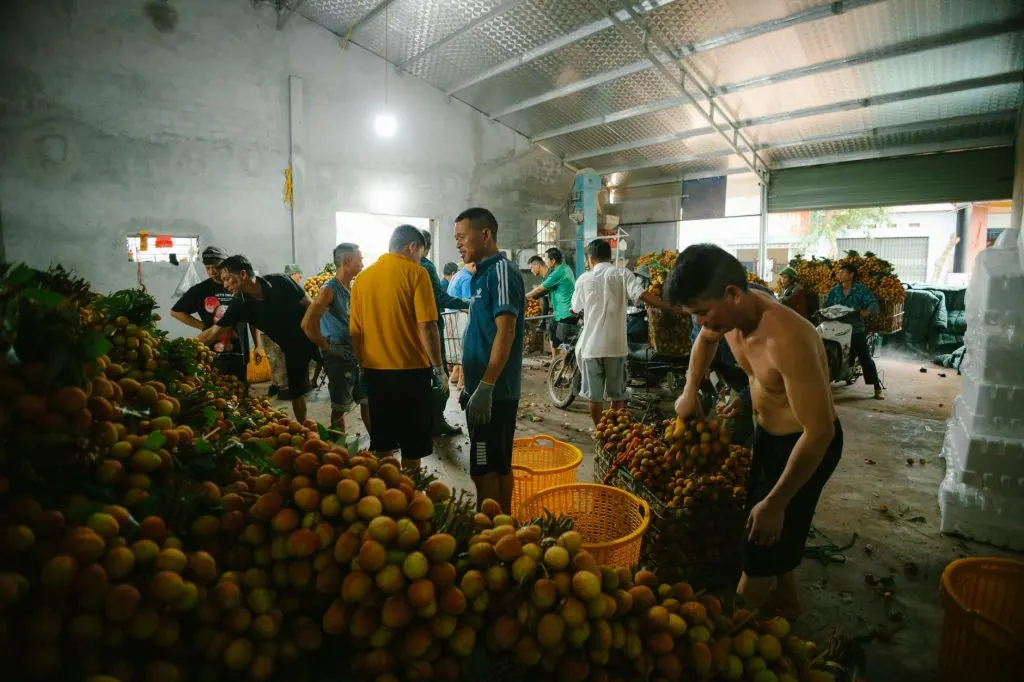
The dry season, typically from December to April, is the most popular time for tourists. The weather is hotter and less humid, making it more comfortable for walking around towns and visiting markets. The water levels are lower, which means you can access more inland areas by boat. This is also the time when fruit orchards are in full bloom. You will see an abundance of mangoes, rambutans, and longans. The markets are vibrant, and the floating markets are at their busiest, offering the most lively atmosphere.
The rainy season, from May to November, brings a different kind of beauty. The water levels rise significantly, flooding the fields and turning the landscape into a vast inland sea. This is the best time for birdwatching, as migratory species arrive in large numbers. The landscape is lush and green, and the crowds are thinner. However, the heat and humidity are intense, and rain showers can be heavy and sudden. Some smaller waterways may become difficult to navigate, and tours might be cancelled due to high water.
Regardless of when you go, be prepared for heat. The sun is strong, and the humidity can make you feel hotter than the actual temperature. Pack light, breathable clothing and a good hat. If you are sensitive to rain, the dry season is the safer bet. If you prefer a quieter, more dramatic landscape, the rainy season offers a unique perspective on how the river shapes the land.
Getting there from Ho Chi Minh City
The Delta is easily accessible from Ho Chi Minh City, which serves as the main gateway. The journey typically takes a few hours by road, followed by a boat ride into the waterways. There are several ways to get there, each with its own trade-offs.
The most common option is to join a guided tour. These range from budget group tours to more expensive private excursions. A day trip is the most popular choice for travellers with limited time. You will leave early in the morning, visit a floating market, have lunch on a boat, and return to the city by evening. This is efficient and requires minimal planning. However, it can feel rushed, and you may spend more time on the bus than on the water.
For a more immersive experience, consider a multi-day tour. These allow you to stay in homestays along the river, waking up to the sound of the water and experiencing local life at a slower pace. You can visit smaller villages and interact more deeply with the locals. This option is more expensive but offers a richer experience.
If you prefer independence, you can travel by bus or motorbike to a town like Can Tho or Ben Tre and then hire a boat. This gives you more control over your itinerary but requires more effort. You will need to negotiate prices and arrange transport locally.
When choosing a tour, look for operators that use small, local boats rather than large, noisy vessels. Ask about the itinerary to ensure it includes authentic experiences, not just tourist traps. Check if lunch and boat fees are included. Some tours add hidden costs, so read the fine print. A reputable operator will be transparent about what is included and can provide references from previous travellers.
Floating markets
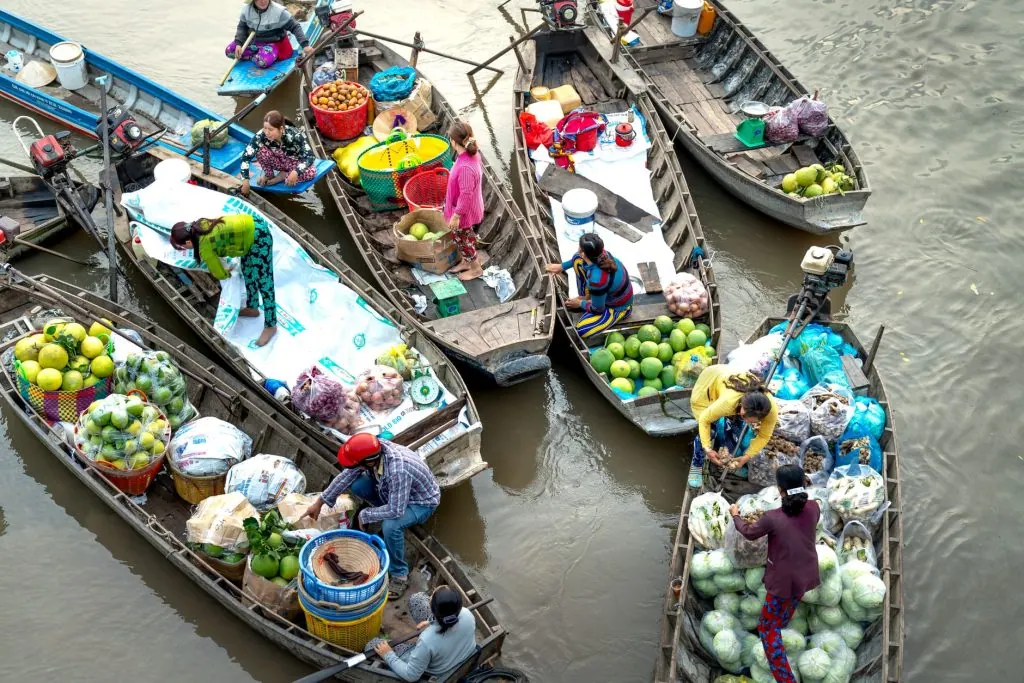
Floating markets are the most iconic feature of the Mekong Delta, but they are not as ancient or unchanged as many brochures suggest. They are functional markets where farmers sell produce directly from their boats. The most famous is Cai Rang in Can Tho, but there are many smaller, less commercialised markets throughout the region.
To get the best experience, go early. The markets are busiest in the early morning, usually between 5 am and 7 am. This is when the fresh produce is displayed on the boats, and the atmosphere is most vibrant. As the day progresses, the crowds thin, and the market becomes quieter. If you arrive later, you will see more tourists and fewer locals, and the produce may not be as fresh.
Etiquette is important. When you are on a boat, keep your voice down and respect the locals. Do not block the waterway with your boat. If you want to buy something, do so respectfully. The vendors are selling their livelihood, so be fair in your negotiations. Many vendors will offer you samples of fruit, which is a lovely gesture. Accept them with a smile and a thank you.
The markets have changed over time. Commercialisation has led to some standardisation, with certain fruits being displayed prominently for photos. However, the core function remains the same: a hub for trade and community. By going early and choosing a smaller market, you can avoid the worst of the crowds and see a more authentic side of Delta life.
Towns and places worth the stop
The Delta is dotted with towns that offer distinct personalities. Can Tho is the largest city and a major hub. It has a more urban feel, with decent restaurants and hotels. It is a good base for exploring the surrounding waterways and visiting the Cai Rang floating market. The city also offers a glimpse into modern Delta life, with busy streets and modern infrastructure.
Ben Tre is a laid-back town known for its coconut orchards. It is less crowded than Can Tho and offers a more relaxed pace. You can visit coconut workshops where traditional sweets are made, and enjoy the scenic beauty of the coconut groves. The town is also a gateway to the smaller villages and canals that branch off from the main river.
Other towns like My Tho, Cao Lanh, and Sa Dec offer unique attractions. My Tho is close to Ho Chi Minh City and is a popular stop for day trips. Cao Lanh is a sanctuary for bird watchers, with wetlands that attract diverse species. Sa Dec is known for its beautiful flower gardens and colourful houses. Each town has its own charm, and taking the time to explore them off the beaten track can lead to memorable experiences.
Visiting these towns allows you to see the diversity of the Delta. You can compare the urban energy of Can Tho with the rural tranquility of Ben Tre. You can also support local businesses by eating in local restaurants and buying handicrafts directly from artisans. This helps sustain the local economy and provides a more authentic experience than staying in tourist-focused areas.
Food of the Delta
The cuisine of the Mekong Delta is a reflection of its geography. Freshwater fish, rice, and tropical fruit are staples. The food is light, fresh, and often served raw or lightly cooked to preserve the natural flavours. River fish, such as snakehead and basa, are common. They are often grilled or made into soups, served with herbs and dipping sauces.
Coconut is another key ingredient. Coconut candy is a popular souvenir, made from fresh coconut milk and sugar. It is sweet and chewy, and a favourite among tourists. Rice paper is also widely used, wrapped around fresh vegetables, herbs, and meat to make spring rolls. The ingredients are often sourced directly from the local markets, ensuring freshness.
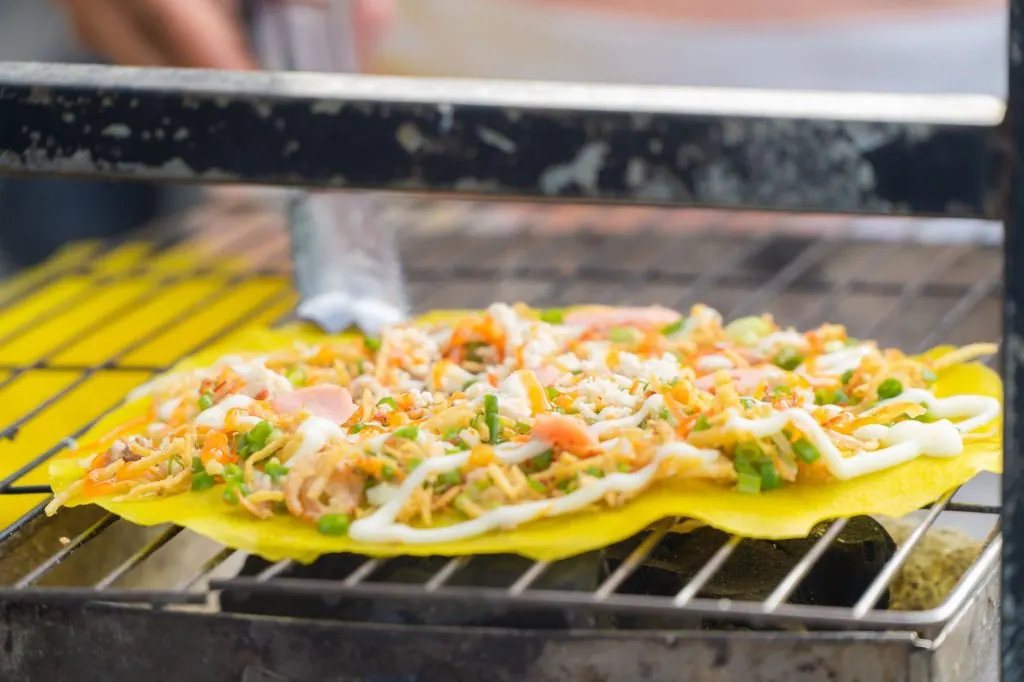
Street food is abundant and affordable. You will find vendors selling bánh xèo (crispy pancakes), bún nước lèo (noodle soup), and grilled skewers. Hygiene is generally good in busy stalls, as the food is cooked fresh and served hot. However, it is always wise to choose stalls with a high turnover of customers. Drink bottled or filtered water, and avoid ice unless you are sure it is made from purified water.
The food is also influenced by the Khmer community. You will find dishes like amok, a fish curry steamed in banana leaves, and various coconut-based curries. These dishes offer a different flavour profile, rich and aromatic. Trying these foods is a great way to understand the cultural diversity of the region.
When dining out, look for places that use local ingredients. Many restaurants in the Delta source their produce from nearby farms, reducing transport time and ensuring freshness. This supports the local agricultural economy and provides a higher quality dining experience.
Where to sleep
Accommodation in the Delta ranges from budget homestays to riverside hotels. Homestays are a popular choice for travellers seeking an authentic experience. You stay in a local family’s home, often with meals included. This is a great way to interact with locals and learn about their daily lives. The rooms are simple but clean, and the hosts are usually welcoming and helpful.
Riverside hotels offer more comfort and privacy. They often have balconies with views of the river, which is a nice way to end the day. These are more expensive than homestays but provide amenities like air conditioning and en-suite bathrooms. If you are travelling in peak months, it is advisable to book ahead, as rooms can fill up quickly.
Both options have their pros and cons. Homestays offer a deeper cultural immersion but may lack privacy. Hotels offer comfort but can feel detached from the local community. Your choice depends on your priorities. If you want to experience local life, choose a homestay. If you prefer comfort and convenience, choose a hotel.
Regardless of your choice, look for places that are close to the water or have easy access to boat tours. This will save you time and make your stay more enjoyable. Some hotels offer boat transfers, which can be a convenient option if you are not familiar with the area.
Practical tips and responsible travel
Traveling in the Mekong Delta requires some preparation. Mosquito protection is essential, especially during the rainy season. Use repellent and wear long sleeves and trousers in the evenings. The sun is strong, so bring sunscreen and a hat. Small boats are the main mode of transport, so be mindful of your balance. If you are prone to seasickness, take medication before boarding.
Tipping is not mandatory but is appreciated. A small tip for your guide or boat driver is a nice gesture for good service. Cash is king in the Delta. Many smaller vendors and homestays do not accept cards, so carry small denominations of Vietnamese Dong.
Respectful photography is important. Ask before taking photos of people, especially in rural areas. Some locals may not be comfortable being photographed, so be sensitive to their wishes. Dress modestly when visiting temples or religious sites.
Responsible travel also means supporting the local economy. Buy souvenirs directly from artisans and eat at local restaurants. This ensures that your money goes directly to the people who need it. Avoid large, foreign-owned chains where possible.
For more insights on managing your travel logistics, you might find Travelling Thailand With A Stranger helpful, as it shares similar principles of mindful travel. Additionally, reading Important Things to Consider Before Traveling to Thailand can offer tips on packing and preparation that apply to tropical destinations. If you plan to capture your journey, How to Document Your Travels provides practical advice on staying organised without getting overwhelmed.
The Mekong Delta is a place of contrast and beauty. It is not perfect, and it is not always easy. But it is real. By planning carefully and respecting the local culture, you can have an experience that is both enriching and memorable. Start your journey with an open mind, and let the river guide you.
Official sources and further reading
Opening times, entry rules and prices change, so check them on the official sites before you travel:
- Vietnam Tourism: Vietnam's official tourism site.
- GOV.UK: foreign travel advice: Entry rules, safety and health notices for every country, kept up to date by the UK government.