 By
By 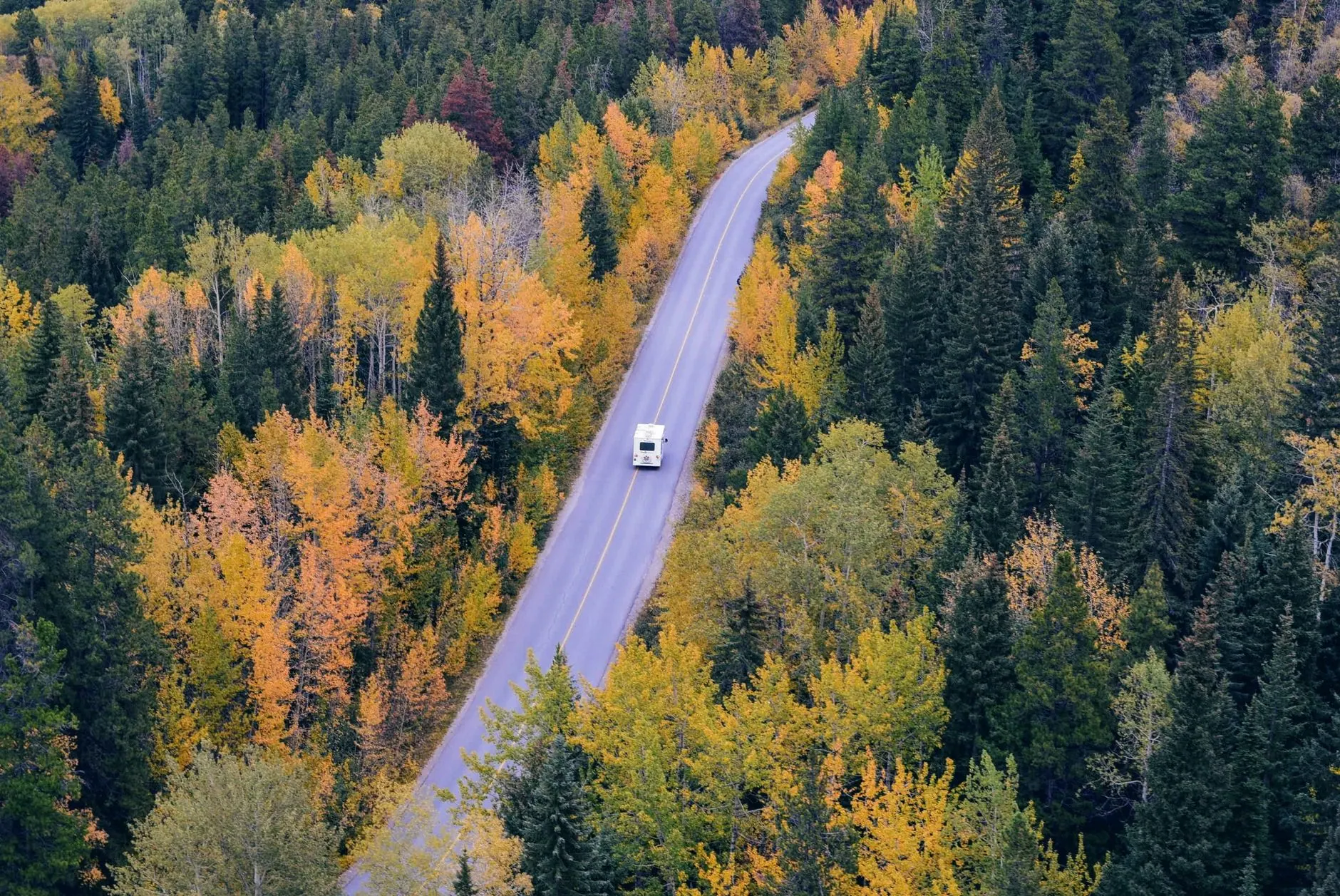
You are standing in a driveway, looking at two very different ways to see the country. On one side, a sturdy car is hitched to a stationary box on wheels. On the other, a large vehicle sits ready to drive itself. The question isn’t just about which looks cooler in a magazine photo. It is about which one actually fits your life, your driving ability, and the specific way you want to experience the UK.
Choosing between a caravan or motorhome depends less on trends and more on practical needs. Do you want to arrive at a pitch and unpack for a week, or do you prefer to hit the road the moment you wake up? Do you want to save money on storage, or do you value the ease of driving away without unhitching? This guide breaks down the real differences, the hidden costs, and the driving realities so you can pick the right option for your next holiday.
The old debate
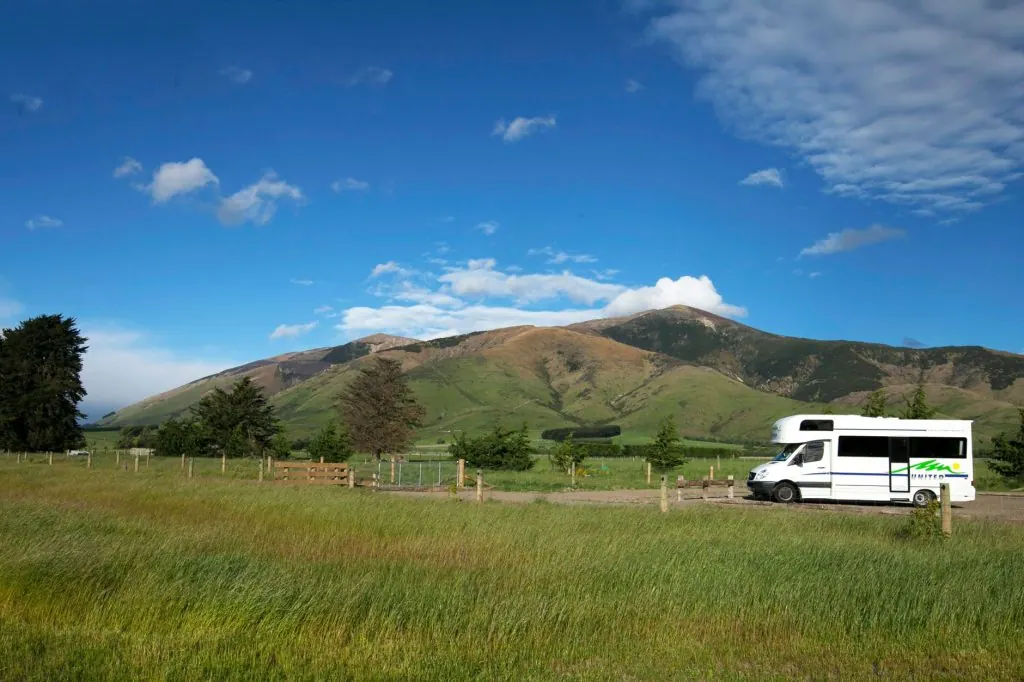
The argument over which is better often feels circular, but it usually boils down to two distinct travel styles. A motorhome is designed for movement. It is a living space on wheels that allows you to change your view every few hours. You wake up, pack your mug, drive to a new location, and wake up again. It is ideal for people who get restless staying in one spot for too long and want to cover ground quickly.
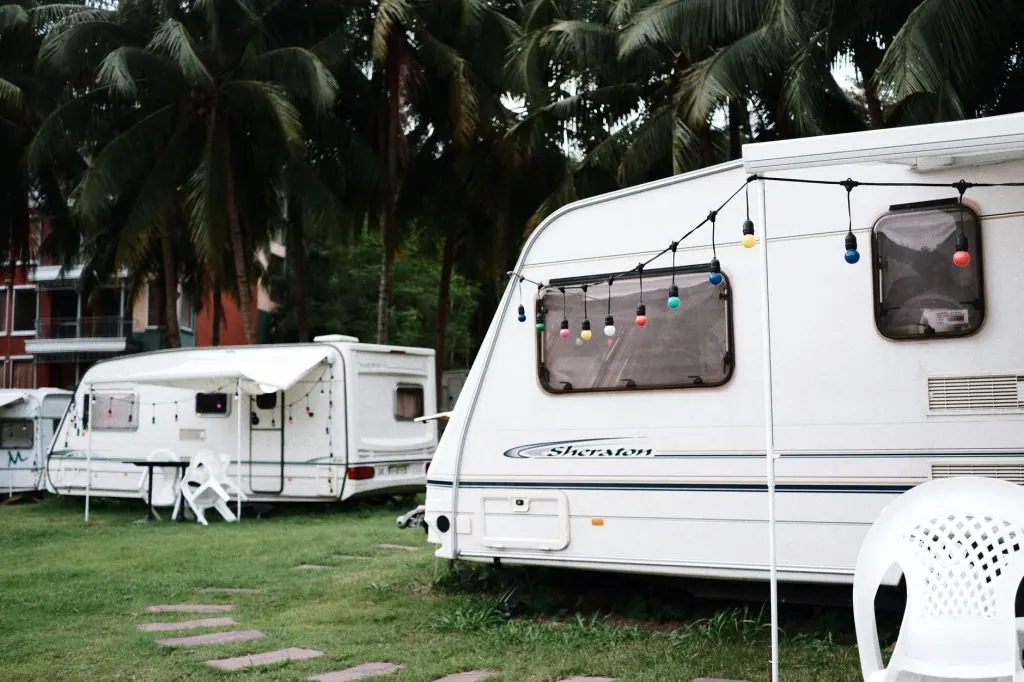
A caravan, by contrast, is designed for staying put. It is a basecamp. You tow it to a designated pitch, set it up, and leave the towing vehicle behind. This setup is superior for travellers who want to explore a specific region, such as the Lake District or Cornwall, without packing and unpacking every single day. You can leave the caravan secure while you drive the car to nearby villages, museums, or hiking trails.
The debate also touches on freedom. With a motorhome, you are never truly "stuck" at a site. If the pitch becomes uncomfortable, you can drive away. With a caravan, you are tethered to that spot until you unhitch and drive off. This flexibility is a major factor for many travellers.
Holiday Car Rental Tips When Visiting The UK can be useful if you decide to tow a caravan but want a smaller car for local trips. The choice ultimately comes down to whether you view your holiday as a journey of discovery across multiple locations or a relaxed retreat in one beautiful spot.
Caravans explained
Caravaning starts with the vehicle doing the work. You need a car capable of towing the weight of the unit. This means checking your car’s towing limit, which is often lower than its maximum weight limit. If you are hiring a car for this purpose, ensure it is rated for the load. The caravan itself is a separate entity, a home that stays behind.
Setting up a caravan takes effort. You need to level the ground, extend stabilising legs, and often use a gas bottle for heating and cooking. It is a process that takes time, but once done, the caravan is stable and quiet. There is no engine vibration or road noise from the vehicle itself. This makes for a more peaceful night’s sleep, especially if you are parked on uneven ground.
The biggest advantage of a caravan is the separation of living and driving spaces. Your caravan is likely larger and more spacious than a motorhome of similar price. You can have separate bedrooms, a full-sized kitchen, and a proper bathroom. When you are parked, you can open the door and step directly onto the grass or patio without navigating through a driver’s cabin.
However, this comes with a drawback. If you want to go to the local shop or visit a nearby town, you have to unpack, drive the car, and then come back. If you leave the caravan in place, you are limited to walking distance or what you can carry in the car. This works well for quiet countryside sites but can be limiting in busy towns.
3 Must Have Accessories when You Go Out Camping are essential for making the setup process smoother. These items help with leveling, securing the unit, and keeping the interior tidy. Caravans also require storage space for the unit when not in use, which is an ongoing cost and logistical challenge for many owners.
Motorhomes explained
Motorhomes combine the driving experience with the living space. You drive the house to the destination. This eliminates the need for a hitch, a tow ball, and the mental load of managing a separate vehicle and unit. For many, this simplicity is the main selling point. You arrive, park, and you are there. No setup rituals required.
There are different types of motorhomes, ranging from compact campervans to large Class C vehicles with a sleeping cab over the driver’s seat. Compact models are easier to drive and park, resembling a large van. Larger models offer more standing room and amenities but are noticeably wider and longer. This size difference matters significantly on UK roads.
The living space in a motorhome is efficient but compact. You often sleep in the same space you drive in. The kitchen is smaller, and storage is tighter. You must be disciplined about keeping things tidy, as clutter becomes obvious quickly. However, the convenience of having everything within arm’s reach while driving is unmatched. You can stop for a coffee, set up the table, and have a meal without ever leaving the vehicle.
Driving a motorhome feels different. It sits higher up, offering great views but also feeling more like a truck. Wind can affect stability, especially on exposed bridges or coastal roads. Braking distances are longer, and blind spots are larger. You need to adjust your driving style to account for the size and weight. This is a learning curve that some find exciting, while others find it stressful.
Reasons To Spend Your Holiday At Home This Year might include the hassle of navigating large vehicles in crowded urban centres or narrow historic streets. Motorhomes are ideal for open roads and scenic routes where you can enjoy the drive itself as part of the holiday.
Cost comparison
The financial picture varies significantly between the two options. Buying a new motorhome is generally more expensive than buying a new caravan. A high-quality motorhome commands a premium for its integrated living space and chassis. A used motorhome can still cost as much as a brand-new caravan. This initial investment is a key factor for budget-conscious travellers.
Running costs also differ. Motorhomes consume more fuel due to their size and aerodynamics. You will pay more for petrol or diesel per mile. Caravans, when towed by an efficient car, are more fuel-friendly. However, you still need to maintain the towing vehicle, which adds to the overall cost.
Storage is a hidden expense for caravan owners. You cannot leave a caravan in your driveway forever if space is limited. You may need to rent a storage unit, which is a recurring annual cost. Motorhomes can often be parked in a driveway or a standard garage, saving this fee.
Depreciation affects both, but differently. Motorhomes depreciate quickly, especially if used heavily. Caravans hold their value slightly better if maintained well, but the market is niche. Insurance, servicing, and road tax add to the annual burden for both. It is wise to compare the total cost of ownership, not just the purchase price.

Driving and parking
Driving a motorhome requires confidence. These vehicles are wide, tall, and heavy. Navigating narrow country lanes, which are common in the UK, can be tricky. You need to judge width carefully, especially when passing parked cars or navigating bends. Mirrors are essential, but blind spots remain. Practice is key to building this skill.
Parking a motorhome is easier in terms of setup but harder in terms of finding a spot. You need a space that fits the vehicle’s length and width. Many standard car parks are too small. Campsites are designed for this, but finding them in peak season requires advance booking.
Caravans are easier to drive in terms of handling, as you are driving a standard car. However, towing adds complexity. You need to learn how to reverse with a trailer, which involves steering in the opposite direction. This takes practice. Parking a caravan involves aligning the hitch with the tow ball, a skill that can be frustrating for beginners.
Once parked, a motorhome is ready to go. A caravan requires leveling and stabilising. If the ground is uneven, this can be a challenge. Motorhomes are also more vulnerable to wind when parked, especially if they are tall. Caravans sit lower and are less affected by gusts.
Comfort and facilities
Comfort is subjective, but the layout differences are clear. Caravans offer more space. You can have separate sleeping areas, a larger kitchen, and a proper bathroom. This is ideal for families or longer stays. The separation of spaces means you can sleep while others cook or prepare for bed without disturbing each other.
Motorhomes are compact. Every inch is utilised. Beds are often built-in and fixed. The kitchen is small but functional. The bathroom is usually a wet room, where the shower, toilet, and sink share the same space. This is efficient but can feel cramped if multiple people are using it.
Heating and cooling also differ. Motorhomes rely on the vehicle’s engine or small gas heaters. Caravans often have dedicated gas or electric heating systems that are more powerful. In winter, a caravan might feel warmer and more insulated than a motorhome.
Electricity is another factor. Motorhomes often have larger batteries and solar options built in. Caravans rely on hookups at campsites or portable generators. For off-grid travel, a motorhome might offer more self-sufficiency.
Campsites and wild camping rules
Where you stay is crucial. Campsites in the UK are well-regulated and offer facilities like water, electricity, and waste disposal. Most campsites accept both caravans and motorhomes, but some have size restrictions. Always check the pitch width and length limits before booking.
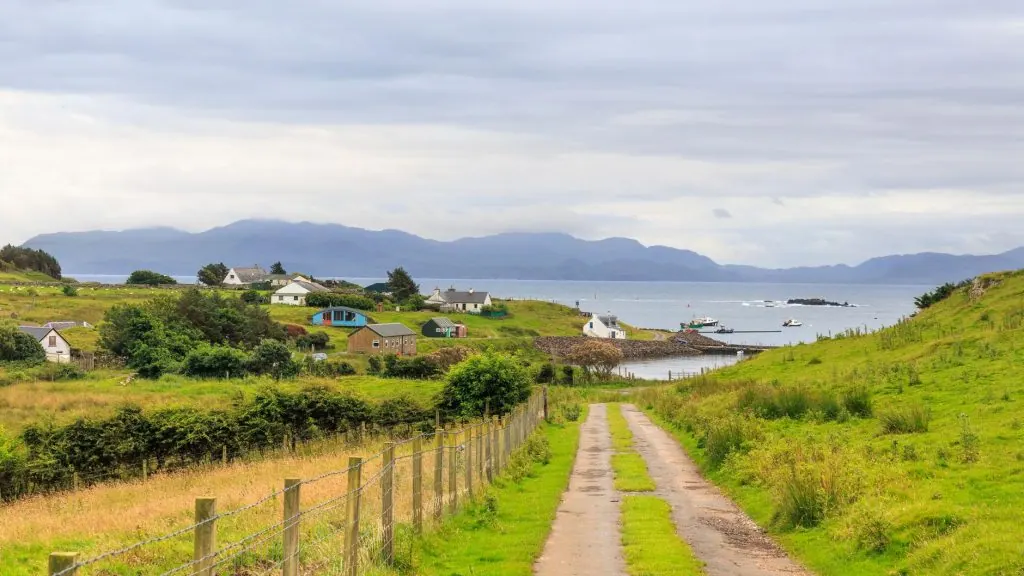
Wild camping is legal in Scotland, with some restrictions. In England and Wales, it is generally only allowed with landowner permission. Caravans are less suited to wild camping due to their size and the need for a level surface. Motorhomes can be more flexible, finding secluded spots along roads or in forests.
Booking campsites in peak season requires planning. Popular sites fill up months in advance. Motorhomes might face more competition for pitch space due to their size. Caravans can sometimes fit into smaller, less obvious pitches.
Facilities vary widely. Some sites offer luxury spas and restaurants, while others are basic with just grass and a water tap. Consider your needs. If you require a proper shower and toilet, a serviced site is better. If you prefer nature, a basic pitch might suffice.
Hire before you buy
Buying a large vehicle is a big decision. Hiring one for a few days allows you to test the lifestyle. You can experience the driving, the parking, and the living space without a long-term commitment. Many rental companies offer short-term hires, which is a great way to try both options.
Hiring also helps you understand the practicalities. You might discover that you hate reversing a trailer or that you prefer the open space of a caravan. This trial period can save you thousands in depreciation and storage costs.
Look for rental options that include insurance and breakdown cover. This reduces the risk of trying a new vehicle. Many companies also provide starter kits with basic supplies, which is helpful for first-time users.
Which should you choose?
The decision comes down to your priorities. Choose a motorhome if you value freedom, ease of movement, and short setup times. It is ideal for short trips, frequent location changes, and those who enjoy driving.
Choose a caravan if you prioritise space, comfort, and stability. It is better for long stays in one location, families, and those who want a home-away-from-home feel. It is also more budget-friendly for initial purchase and fuel costs.
Consider your driving confidence. If you are nervous about large vehicles, a car towing a caravan might feel more familiar. If you want the simplicity of one vehicle, a motorhome is the way to go.
Think about your storage situation. Do you have space for a large unit at home? If not, a motorhome might be easier to manage.
Finally, think about your travel style. Do you want to explore every day, or relax in one spot? There is no wrong answer, only the right fit for your needs.
Official sources and further reading
Opening times, entry rules and prices change, so check them on the official sites before you travel:
- The Caravan and Motorhome Club: Advice on touring in a caravan or motorhome.
- VisitBritain: The national tourism agency's guide to places and things to do across Britain.