By
By 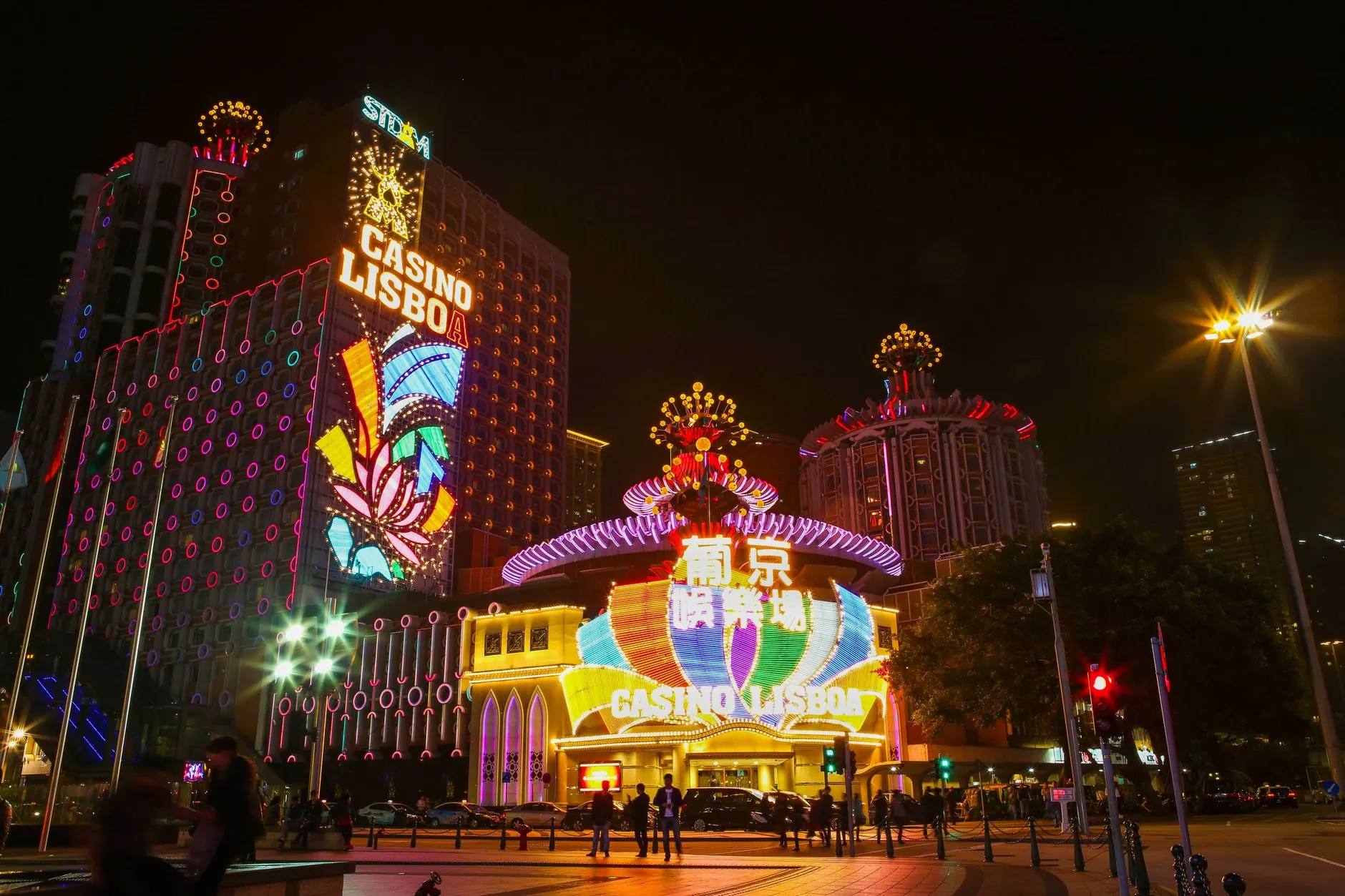
You step off the plane into humid air, expecting the neon glare of a typical gaming district, but instead find yourself facing a sprawling architectural wonder that looks more like a futuristic city than a casino. This is the reality of modern Asian gambling. It is no longer just about the tables; it is about immersion, scale, and a level of luxury that redefines the entire travel experience.
For travellers looking for the best casinos in Asia, the journey begins with understanding that this region operates on a different logic than its Western counterparts. Asia has a mixed attitude to gambling. It is illegal in mainland China and in Hong Kong, but it is permitted in the special administrative area of Macau. This tiny area of land was once owned by Portugal and when it was handed over to the PRC it was allowed to continue with its original gambling laws which have permitted casinos there for the last hundred and fifty years.
Around a decade ago many Las Vegas operators moved in and built a casino Mecca, a kind of Chinese Vegas but on a larger scale. Today the Macau casinos generate around six times as much gambling revenue as those of Las Vegas and while a reasonable proportion of it is generated by ordinary punters who visit from the rest of the PRC on weekends. The bulk is generated by the really high rollers who are mainly Communist Party Officials and Chinese businessmen.
Many of the top casinos are larger version of their Las Vegas doppelgangers. If you are ever there make sure you visit the Venetian Macau, you will surely be dazzled by its spectacle and scale. It is the biggest casino in the world, and the most expensive, though you won’t rub shoulders with the aforementioned high rollers. They have a special casino all to themselves with its own entrance and hotel suites some of which have a dozen rooms.
The MGM is another one well worth visiting as is the City of Dreams and the Wynn Macau. In total, there are around 33 casinos there, all with a fantastic selection of games. Such a selection is important for land-based casinos nowadays.
However Macau is not the only gambling paradise in Asia, Singapore is also tapping into the Chinese nouveau rich. The island of Sentosa is the location of one of Singapore’s new casinos and the other is the Marina Bay Sands and Resorts. These are two of the top casinos in the world and around 90% of their revenues are generated by the high rollers, Singapore is popular with Asia’s super wealthy.
Why Asia Dominates Global Gambling
The shift in global gambling gravity is not accidental. It is the result of deliberate urban planning and a cultural embrace of gaming as a leisure activity rather than a niche hobby. Asia, particularly Macau and Singapore, outpaces Las Vegas in revenue because it has successfully blended gaming with luxury tourism.
In the West, casinos are often destinations in themselves, located in desert valleys or urban centres. In Asia, they are the anchors of massive integrated resorts. These complexes do not just offer slot machines; they provide a self-contained ecosystem of dining, shopping, entertainment, and accommodation. This model appeals to travellers who want a hassle-free holiday where every need is met within a single, climate-controlled environment.
The cultural shift is significant. Historically, gambling was sometimes viewed with suspicion in parts of Asia, but today it is integrated into the lifestyle of the region’s growing middle and upper classes. The land-based exclusivity of the past has given way to mega-resorts that blend gaming with high-end tourism. Visitors are not just there to play; they are there to experience the spectacle.
This approach has allowed Asian casinos to attract a broader demographic. While high-rollers drive the bulk of the revenue, the presence of world-class shows, gourmet dining, and iconic architecture draws in families and casual tourists who might not otherwise visit a casino floor. This diversification ensures that these resorts remain vibrant and profitable, even when gaming tables are less busy.
For travellers, this means the experience is less about the risk and more about the reward of luxury. The scale of these operations is staggering. The sheer size of the venues, the quality of the service, and the variety of activities create a sense of awe that justifies the trip. It is a testament to how the industry has evolved from simple betting halls to comprehensive entertainment hubs.
The Most Luxurious Casinos Around The World offers further insight into how these properties set the standard for global hospitality, blending gaming with five-star service.
Macau: The World’s Gambling Capital
Macau remains the undisputed heavyweight of Asian gambling. The region generates more revenue than Las Vegas combined, a fact driven largely by the influx of high-roller traffic from mainland China. This is not just about volume; it is about the concentration of wealth.
The sheer scale of Macau’s casino industry is difficult to grasp until you see it. There are around 33 casinos in the region, each vying for attention with bold architecture and expansive gaming floors. The key venues define the landscape. The Venetian Macao is a spectacle of scale, featuring a replica of the Grand Canal and gondola rides that transport you away from the bustling city outside. It is the biggest casino in the world, and the most expensive, though you won’t rub shoulders with the aforementioned high rollers.
For those seeking a more exclusive experience, the high rollers have their own sanctuaries. They have a special casino all to themselves with its own entrance and hotel suites some of which have a dozen rooms. This segregation ensures that VIPs can gamble in privacy, away from the crowds, while still enjoying the resort’s amenities.
The City of Dreams and the Wynn Macau are other essential stops. The City of Dreams offers a more modern, artistic vibe, with integrated theatres and dining options that cater to a younger, trendier crowd. The Wynn Macau is known for its elegance and attention to detail, offering a refined atmosphere that appeals to discerning travellers. The MGM is another one well worth visiting as is the City of Dreams and the Wynn Macau.
What makes Macau unique is its accessibility. Unlike Las Vegas, which requires a car or shuttle to navigate its sprawling strip, Macau’s casinos are concentrated in specific zones. This makes it easier for visitors to hop between venues, experience different atmospheres, and find the right fit for their budget and style.
However, the crowds can be intense. Weekends and Chinese holidays see massive influxes of visitors from mainland China. If you prefer a quieter experience, timing your visit carefully is crucial. The atmosphere shifts dramatically depending on the day, with weekdays offering a more relaxed pace and weekends bringing a frenetic energy that some find exhilarating and others find overwhelming.
The selection of games is fantastic. Such a selection is important for land-based casinos nowadays, as it caters to every type of player, from beginners trying their luck at slots to seasoned professionals at the baccarat tables.
Singapore’s Integrated Resort Model
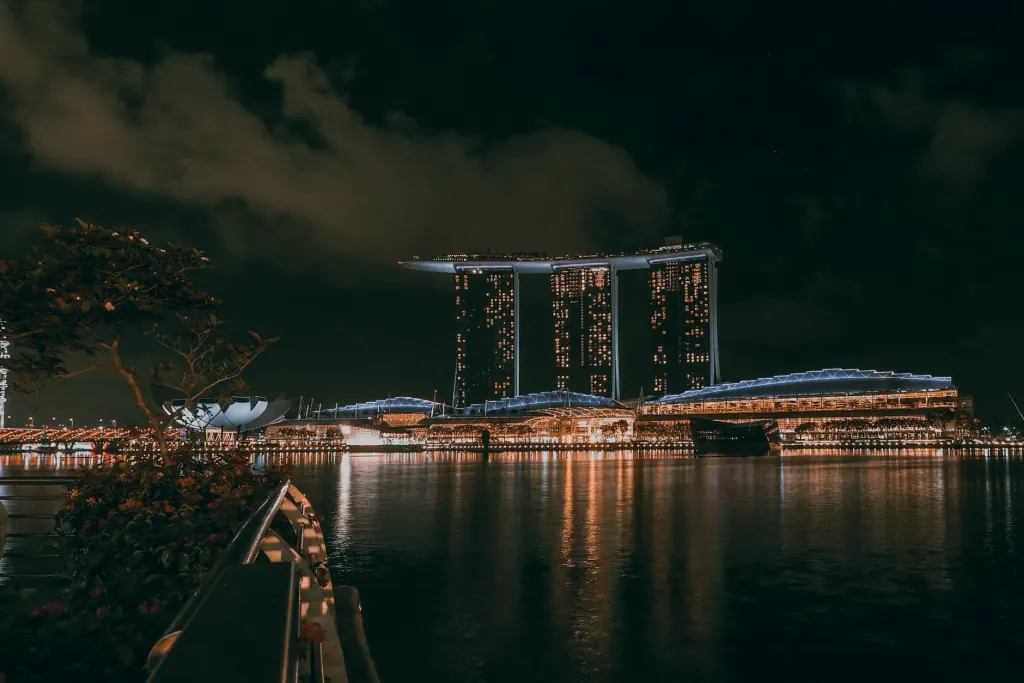
Singapore offers a stark contrast to Macau’s traditional approach. Its unique model is built around two iconic integrated resorts: Marina Bay Sands and Resorts World Sentosa. These destinations combine iconic architecture, world-class dining, and entertainment with high-stakes gaming to attract global wealth.
Marina Bay Sands is instantly recognizable by its three towers topped by a sky park. It is one of the top casinos in the world and around 90% of their revenues are generated by the high rollers, Singapore is popular with Asia’s super wealthy. The casino itself is sleek and modern, reflecting Singapore’s reputation for precision and order. The surrounding area is a hub of activity, with luxury shopping malls and fine dining restaurants that draw visitors even if they do not gamble.
Resorts World Sentosa, located on the island of Sentosa, takes a different approach. It is themed around entertainment and family-friendly activities, with an underwater aquarium, theme parks, and beaches. The casino here is part of a larger ecosystem that appeals to a broader demographic, including families and tourists who want a mix of gaming and leisure.
The advantage of Singapore’s model is consistency. Unlike Macau, which experiences significant fluctuations in visitor numbers, Singapore offers a more consistent year-round experience. The city is clean, safe, and well-organized, making it an attractive destination for travellers who value reliability and comfort.
The architecture itself is a draw. Marina Bay Sands has become a symbol of modern Singapore, while Resorts World Sentosa offers a more relaxed, tropical vibe. Both resorts have invested heavily in non-gaming attractions, ensuring that visitors have plenty to do even if they decide to take a break from the tables.
For high-rollers, Singapore offers a more discreet and exclusive experience. The VIP salons are elegant and private, catering to the needs of Asia’s super wealthy who prefer discretion over spectacle. This appeal to the Chinese nouveau rich has made Singapore a key player in the global gambling market.
Other Notable Asian Casino Hubs
While Macau and Singapore dominate the headlines, other parts of Asia are emerging as significant gambling destinations. Manila’s Entertainment City, Penang’s resorts, and Tokyo’s recent casino developments provide a broader geographic context for travellers looking to explore beyond the usual spots.
Manila’s Entertainment City is a waterfront district that has become a hub for both local and international casinos. It offers a mix of large-scale resorts and smaller venues, catering to a diverse crowd. The area is known for its vibrant nightlife and proximity to the city’s business district, making it a convenient stop for business travellers who want to extend their stay with some gaming.
Penang, a Malaysian island known for its heritage and food, has also seen the rise of modern resorts. These venues blend traditional charm with contemporary luxury, offering a more relaxed atmosphere compared to the high-energy environments of Macau. They appeal to travellers who want a slower pace and a focus on cultural experiences alongside gaming.
Tokyo’s recent casino developments are particularly intriguing. As Japan opens up to international gaming, the capital city is positioning itself as a new frontier for Asian gambling. The anticipation around these new venues has generated significant interest, with expectations of large-scale resorts that combine Japanese aesthetics with modern gaming technology.
These emerging hubs offer a different kind of experience. They are often less crowded and more focused on local culture and cuisine. For travellers who have already visited Macau or Singapore, these destinations provide a refreshing change of pace and a chance to discover hidden gems in the Asian gambling landscape.
Understanding the High-Roller Culture
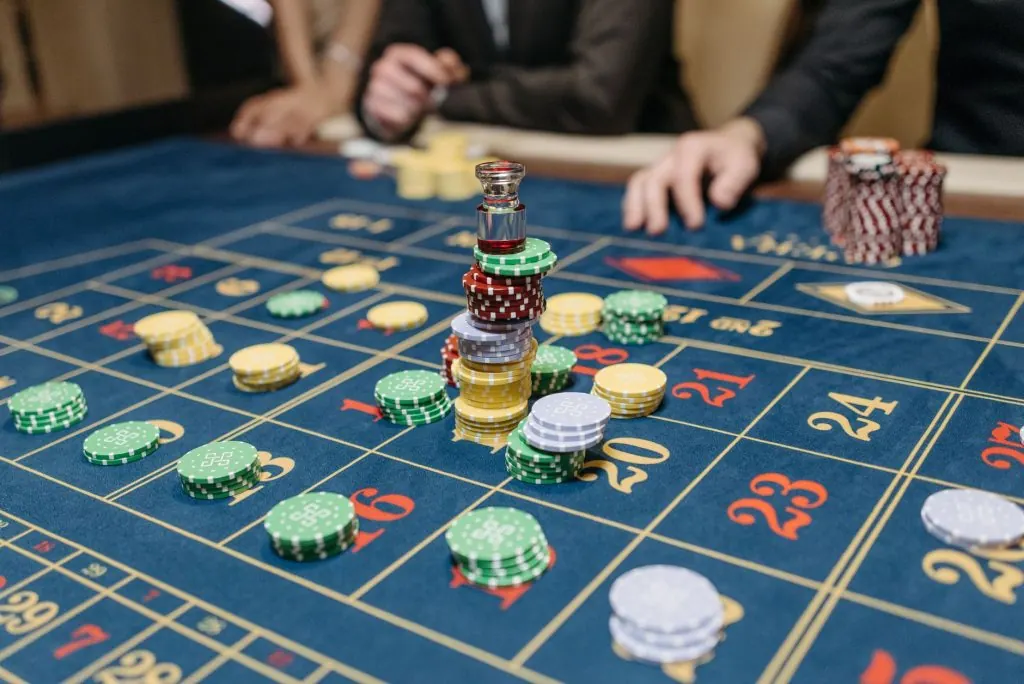
At the heart of Asia’s casino industry is the high-roller, or VIP. These are high-net-worth individuals from China and Southeast Asia who drive the majority of revenue. Understanding their behaviour is key to understanding the atmosphere of these resorts.
The concept of 'junket' operations is central to this culture. Junkets are companies that organize trips for VIPs, providing them with flights, accommodation, and credit lines. They act as intermediaries between the casinos and the high-rollers, ensuring that these wealthy clients are well-cared for and continue to gamble.
VIP salons are the physical manifestation of this culture. Located away from the main gaming floor, these areas offer privacy, higher table limits, and personalized service. The decor is often more opulent, and the staff are trained to cater to the specific needs of VIPs, from preferred drinks to private dining.
For average visitors, this means that the main gaming floor can sometimes feel less competitive or more relaxed. High-rollers often play at higher stakes, which can influence the overall vibe of the casino. However, it also means that service standards are generally high across the board, as resorts strive to impress even casual guests in case they become VIPs.
The influence of high-rollers extends to the design of the resorts. Many features, such as luxury shopping and fine dining, are tailored to appeal to this demographic. This creates a level of sophistication that benefits all visitors, regardless of their gambling habits.
Best Times to Visit for Gamblers and Tourists
Timing your visit can make a significant difference to your experience. Seasonal trends play a major role in the atmosphere and cost of your trip.
Weekends and Chinese holidays see massive crowds in Macau. The influx of visitors from mainland China transforms the city into a bustling hub of activity. While this energy can be exciting, it also means longer queues, higher prices, and a more competitive gaming environment. If you prefer a quieter experience, visiting during the week or outside of major holiday periods is advisable.
Singapore offers a more consistent year-round experience. The weather is relatively stable, and the crowds are more evenly distributed. This makes it easier to secure bookings and enjoy a more relaxed pace. However, this consistency comes at a cost. Prices for accommodation and dining tend to be higher and more stable, whereas Macau can offer significant discounts during off-peak periods.
For tourists, the best time to visit depends on your priorities. If you want to experience the spectacle and energy of the crowds, plan your trip around major festivals. If you prefer a more intimate and affordable experience, aim for the quieter months.
Weather is another factor. Both Macau and Singapore can be hot and humid, with occasional rain. Checking the forecast and packing accordingly will ensure your comfort. The indoor nature of most resorts means that weather has less impact on your gaming experience, but it can affect your plans for sightseeing and dining.
Where to Stay and How to Get Around
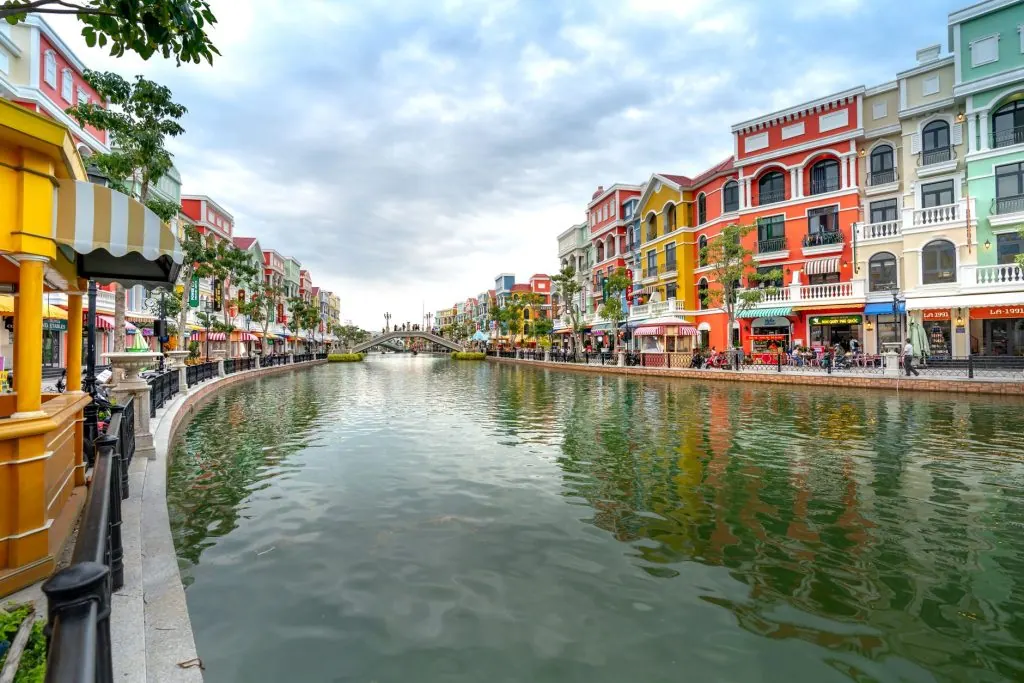
Choosing where to stay is a critical part of the casino travel experience. Staying inside an integrated resort offers convenience and exclusivity, while budget options in Macau’s old town provide a more authentic and affordable experience.
Staying inside a resort like Marina Bay Sands or The Venetian Macao means you are steps away from the gaming floor, restaurants, and shows. This is ideal for high-rollers or those who want to maximize their time gaming. However, it comes at a premium. The rooms are expensive, and the location can feel isolated from the local culture.
For a more budget-friendly option, Macau’s old town offers a range of hotels and guesthouses. These are located further from the major resorts but provide a glimpse into the local way of life. The cost savings can be significant, allowing you to allocate more of your budget to gaming or dining.
Transport options are well-developed. Monorails connect key areas in Macau, providing a quick and efficient way to move between resorts. Taxis are readily available but can be expensive during peak times. Water taxis offer a scenic and affordable way to cross the harbor, connecting different parts of the city.
In Singapore, the public transport network is excellent. The metro and bus systems are clean, efficient, and affordable, making it easy to navigate between resorts and other attractions. Ride-hailing apps are also available for those who prefer door-to-door service.
Food, Entertainment, and Non-Gaming Activities
Modern Asian casinos are entertainment hubs. They offer a wide range of non-gaming attractions that can enhance your trip, even if you are not a gambler.
The SkyPark at Marina Bay Sands is a must-visit. It offers panoramic views of the city and is a great place to relax and take in the scenery. The Grand Canal Shoppes in Macau provide a unique shopping and dining experience, with indoor canals and gondola rides that add a touch of Venice to the Las Vegas-style architecture.
Local Asian cuisine is a highlight of any trip to the region. Resorts often feature restaurants that serve authentic local dishes, from dim sum in Macau to hawker-style food in Singapore. These options offer a taste of the culture without leaving the comfort of the resort.
Entertainment options are diverse. From world-class concerts to theatrical performances, there is always something to do. Many resorts also offer spas, gyms, and pools, providing a holistic leisure experience.
For those who want to explore beyond the resorts, Macau and Singapore both offer rich cultural heritage sites. Macau’s historic centre is a UNESCO World Heritage site, with churches, temples, and colonial buildings that tell the story of the city’s past. Singapore’s Gardens by the Bay and the National Museum offer insights into the country’s nature and history.
Practical Tips, Costs, and Mistakes to Avoid
To ensure a smooth and enjoyable experience, it is important to be aware of practical details that can make or break your trip.
Currency exchange is a common pitfall. Rates at airports and hotels are often less favourable than those at local banks or exchange counters. It is advisable to exchange a small amount for immediate needs and then find a better rate for larger sums.
Dress codes for VIP areas can be strict. Smart casual or formal attire is often required, so it is worth checking the specific requirements of the casino you plan to visit. Wearing the wrong attire can result in being denied entry or service.
Understanding table minimums is crucial. High-roller tables have significantly higher minimum bets than the main floor. If you are a casual player, stick to the main floor to avoid unexpected costs. Asking about minimums before sitting down is a good practice.
Respecting local gambling etiquette is important. In many Asian cultures, winning is seen as a collective effort, and losing is not taken personally. It is common to see players celebrating wins with loud cheers and losing with good grace. Observing and respecting these customs will help you blend in and enjoy the atmosphere.
Avoiding tourist traps is easier in integrated resorts, as prices are generally transparent. However, shopping and dining outside the resorts can offer better value if you know where to look. Bargaining is not common in these areas, so prices are usually fixed.
Finally, keep an eye on your surroundings. Casinos are designed to be immersive, with no clocks or windows in some areas. This can make it easy to lose track of time. Setting alarms or checking your watch regularly will help you stay on schedule for your other activities.
Official sources and further reading
Opening times, entry rules and prices change, so check them on the official sites before you travel:
- Macao Government Tourism Office: The official tourism site of Macao.
- GAMSTOP: The free UK self-exclusion service for people who want to stop gambling online.