 By
By 
You are standing in a muddy field, the bass from the main stage is vibrating through the soles of your feet, and you have just realised you do not know where you parked your car. Or worse, you cannot find your friends. This is the classic beginner’s festival moment. It is not necessarily a disaster, but it is a reminder that going to a music event is an exercise in logistics as much as it is in enjoyment. The difference between a miserable weekend of blisters and rain and a memorable adventure often comes down to preparation. This festival survival guide strips away the hype and focuses on the practicalities. We will walk you through everything from choosing the right event to leaving the site cleaner than you found it, ensuring you get home in one piece with your memories intact.
Your first festival, honestly
Stepping onto a festival site for the first time can be overwhelming. The sensory input is intense: the thumping bass, the sea of people, the smell of food stalls mixing with dust and rain. It is important to understand that festivals are not designed for comfort; they are designed for energy. Crowds will be dense, especially around popular acts and food queues. Weather can change rapidly, turning a sunny afternoon into a muddy evening within minutes. Noise levels are high and constant, which can be exhausting if you are not used to it.
The learning curve is steep but manageable. You will likely make mistakes on your first trip. You might wear the wrong shoes, forget sunscreen, or underestimate how far you need to walk between stages. This is normal. The key is to keep your expectations grounded. You do not need to see every band, eat every food stall, or dance until sunrise. A good first festival experience is one where you are rested, hydrated, and happy, not one where you have survived extreme conditions.
Start by researching the layout of the site. Most festivals provide maps online. Identify where the main stages, medical tents, and water points are located. Knowing where to go if you feel unwell or need to rest can reduce anxiety significantly. Remember that the environment is communal. Being polite and patient with fellow attendees goes a long way in making the experience pleasant. If you feel overwhelmed, step away from the crowd. Find a quieter corner, sit down, and breathe. There is no rule that says you must be in the centre of the action at all times.
Choosing the right festival
Not all festivals are created equal, and choosing the wrong one can lead to a disappointing experience. The first decision is between size and intimacy. Large festivals offer a wider variety of acts and more amenities, but they are also more crowded, noisier, and often more expensive. Smaller festivals tend to have a tighter community feel, shorter queues, and easier navigation, but they may lack the headliners you are hoping to see. Consider your tolerance for crowds and your preference for music discovery versus seeing established stars.
Camping versus day tickets is another critical choice. Camping allows you to immerse yourself in the atmosphere, arriving early and staying late. It also offers a chance to relax in your own space between sets. However, it requires more packing and physical effort. Day tickets are less exhausting and often cheaper, but you miss the evening and morning vibes that define the festival experience. If you choose camping, read the official rules carefully. Some sites are strict about tent sizes, generator use, or quiet hours. Ignoring these rules can result in fines or being asked to leave.
Budget is a major factor. Look beyond the ticket price. Consider travel costs, accommodation if you are not camping, food, and drinks on site. Some festivals are known for being budget-friendly, while others have premium pricing for everything. Read the official website for details on what is included and what is extra. Also, consider the travel distance. A festival a few hours away might seem convenient, but traffic and public transport delays can add significant stress. Choose a location that fits your travel capabilities and time constraints.
Tickets, transport and arrival
Buying tickets is straightforward, but doing it safely is crucial. Always purchase from authorised sellers. Third-party resellers can be risky; tickets may be fake, duplicated, or priced significantly higher than face value. Check the official festival website for a list of verified partners. If you are buying from a resale platform, ensure there is a guarantee or refund policy in case the ticket is invalid. Keep your confirmation email and ticket details accessible, both digitally and in print, in case your phone battery dies or signal is poor.
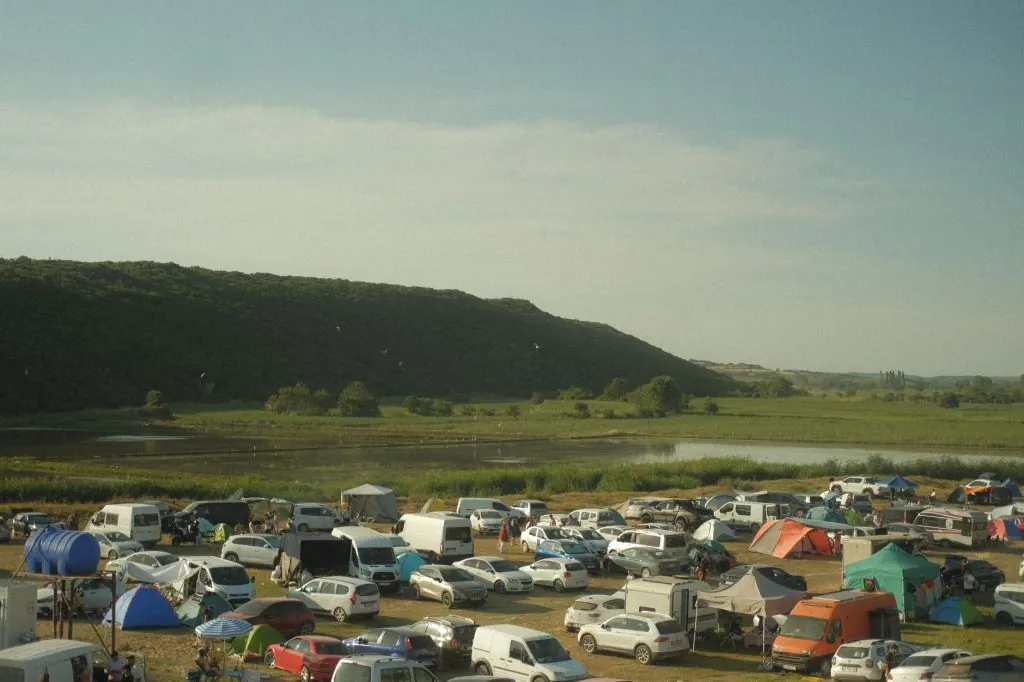
Transport options vary by location. Some festivals are in remote areas with limited public transport, requiring you to drive or take a shuttle. Shuttles are often convenient as they drop you directly at the entrance, but they can be expensive and run on fixed schedules. If you drive, check the parking options. Some sites offer cheap parking, while others charge a daily fee on top of the entry price. Arriving early is generally advisable. Traffic can build up quickly, and queues for entry can stretch for hours. If you plan to camp, arriving early gives you a better chance of securing a good pitch, closer to facilities or friends.
Queue management is an art form. Once you have your ticket, have it ready for scanning. Have your ID ready if required. If you are with a group, decide on a meeting point in case someone gets separated at the entrance. Stay hydrated while waiting in line, especially if it is sunny. Bring a small snack to keep your energy up. Remember that the excitement builds as you cross the threshold, so try to stay patient. The wait is part of the journey.
Camping basics
Camping is a core part of the festival experience, but it requires careful planning. The first decision is your tent. Choose a tent that is appropriate for the expected weather. If rain is forecast, a waterproof tent with a good flysheet is essential. Consider the weight and size. You will be carrying it from your car or transport drop-off to the campsite. Smaller, lighter tents are easier to manage but may feel cramped. If you are with friends, coordinate your tent locations. Many campsites allow you to book adjacent pitches, or you can arrive early to secure space next to each other.
Waterproofing is critical. Even if the forecast is clear, nights can be damp. Line your tent floor with a footprint or spare tarp to protect against moisture from the ground. Use pegs and guy lines effectively, especially if wind is expected. A well-pegged tent is a stable tent. Sleeping comfort is often overlooked. Bring a sleeping mat with a good insulation value to protect against the cold ground. A comfortable sleep is crucial for enjoying the next day. Do not skimp on your mattress.
Ear protection is non-negotiable. If you are camping close to stages or main roads, noise can prevent sleep. High-fidelity earplugs allow you to hear music clearly while reducing volume, but for sleeping, standard foam plugs are often more effective at blocking low-frequency rumble. Locate your tent at night by using a headtorch or a small lantern. Marking your pitch with a distinctive item, like a flag or a specific light, helps you find it in the dark. Consider the List of Advantageous Gadgets for Your Camping or Hiking for items that can make your nights more comfortable, such as portable fans or extra lighting.
What to pack
Packing for a festival is about balancing comfort with practicality. You need to prepare for all weather conditions, even if the forecast looks good. The saying "four seasons in one day" is often true. Pack layers. A base layer for warmth, a mid-layer for insulation, and a waterproof outer layer for rain. Cotton is generally a poor choice as it retains moisture and takes long to dry. Opt for synthetic materials or wool that dry quickly and retain heat when wet.
Footwear is the most important item. You will walk miles, often on uneven, muddy ground. Wellies or waterproof boots are ideal. They protect your feet from mud, water, and potential hazards. Bring socks that are thick and moisture-wicking to prevent blisters. Pack a pair of lightweight shoes for when you want to rest or sleep in. A poncho is essential. It is lighter and more packable than a raincoat, and it covers your backpack as well.
Other essentials include a portable charger for your phone, as you will use it frequently for navigation, photos, and payments. Bring a small backpack to carry water, snacks, and your layers during the day. Cash is still useful, as card terminals can fail or have poor signal. Bring some small notes for tips and small purchases. Toiletries should be minimal but sufficient: wet wipes, hand sanitiser, sunscreen, and lip balm. Snacks are a good idea, especially if you have dietary restrictions or want to save money on food. Check the festival rules on outside food; some allow it, others do not. For more packing ideas, see Summer Holiday Packing This Year.
Staying healthy
Health at a festival is about prevention. Hydration is paramount. Alcohol is a diuretic, and the heat and activity increase your fluid loss. Drink water regularly, even if you do not feel thirsty. Aim for a bottle of water between each alcoholic drink. Carry a reusable water bottle to refill at water points, which are usually free. This saves money and reduces plastic waste.
Food is fuel. Do not skip meals. Festival food can be expensive, so plan your budget. If allowed, bring some non-perishable snacks like energy bars or fruit. Sun protection is crucial. Wear sunscreen, even on cloudy days, and reapply it. A hat or cap can provide shade for your face and eyes. Sleep is often compromised due to noise and late nights. Try to prioritise sleep when you can. If you are camping, use earplugs and an eye mask to improve rest quality.
Hearing protection is a long-term investment. Prolonged exposure to loud music can cause permanent hearing damage. Wear high-fidelity earplugs at concerts. They reduce volume without distorting sound, allowing you to enjoy the music while protecting your ears. First aid points are usually marked on the festival map. Locate them when you arrive. Bring a small first aid kit with plasters, antiseptic wipes, and painkillers. If you have regular medication, bring enough for the entire trip, plus a little extra in case of delays. Check the 3 Must Have Accessories when You Go Out Camping for items that can aid in maintaining your well-being in outdoor settings.
Staying safe
Safety is about awareness and preparation. Valuables should be minimised. Do not bring expensive jewellery or large amounts of cash. Use a money belt or a secure pocket for your phone and ID. If you leave your tent, lock it. Many festivals have designated secure storage for valuables, or you can use lockers if available. Be aware of your surroundings, especially in crowded areas where pickpockets operate. Keep your bag in front of you.
Meeting points are essential. Mobile signal can be unreliable in large crowds. Agree on a specific meeting point with your group in case you get separated. It should be a landmark that is easy to find, such as a specific stage entrance or a food stall. Check in regularly. Drink awareness is important. Keep your drink in sight to prevent tampering. Use a cup holder with a lid if possible. Know your limits with alcohol and drugs. Dehydration and exhaustion can make substances hit harder than expected.
Welfare teams are usually present and marked on the map. They are there to help, not judge. If you or a friend feel unwell, overheated, or overwhelmed, seek them out. They can provide water, medical care, or a quiet place to rest. Have an emergency plan. Know the location of the main medical centre. Share your location with someone not at the festival if you are traveling alone. Be wary of ticket scams. Verify your ticket on the official app or website before entering. If you buy from a reseller, ensure it is a reputable platform.
Money and the festival bubble
Money management can be tricky at a festival. Many sites have gone cashless, using wristbands or cards linked to a prepaid account. This can lead to overspending because it feels less like spending real money. Set a daily budget and stick to it. Load only what you plan to spend each day onto your wristband. If you use a card, monitor your balance regularly via the app. Prices for food and drinks are often higher than outside. A bottle of water might cost twice as much, and a meal can be significantly more expensive.
If the festival allows outside food, bring snacks to bridge the gap between meals. This can save a considerable amount. Alcohol is usually more expensive on site. Consider bringing a limited amount if allowed, or budget for it accordingly. Some festivals offer discounts for bulk purchases or meal deals. Check the website for any promotions. If you are camping, you might have access to a kitchen or barbecue area, allowing you to cook your own meals. This is a great way to save money and eat healthier.
The "festival bubble" is a psychological state where time and money feel less significant. Prices seem reasonable in the moment but add up quickly. Keep a mental tally of your spending. At the end of the day, check your balance. If you are running low, stop spending. It is better to have a quiet evening in your tent than to end up broke and hungry. Remember that you will need money for transport home and any unexpected expenses. Do not spend your entire budget on entertainment.
Leaving no trace
The final part of the festival experience is how you leave. Most festivals operate on a "leave no trace" principle. This means taking all your rubbish with you. Do not rely on others to clean up after you. Sort your waste into the correct bins: recycling, general waste, and food waste if available. If you are camping, check your pitch thoroughly. Pick up any small items you may have dropped. Use a torch to scan the ground before you break down your tent.
Camping etiquette is important for everyone. Do not blast music late at night. Keep your tent pitch tidy. Respect the space of your neighbours. If you are in a communal area, keep it clean. When you leave, ensure you have not left any items behind. Check your tent, your bag, and the ground around you. Some festivals offer waste disposal points where you can dump your trash before heading to transport. Use these.
Travelling home can be tiring. You may be tired, dehydrated, and hungry. Plan your journey in advance. If you are driving, consider taking a break before you get on the road. If you are using public transport, have your ticket ready. Recovering afterwards is part of the process. Sleep, hydrate, and eat nutritious food. Your body has been through a lot. Give it time to recover. Reflect on the experience. What worked well? What would you do differently next time? This reflection will make your next festival even better.
Official sources and further reading
Opening times, entry rules and prices change, so check them on the official sites before you travel:
- GOV.UK: foreign travel insurance: What travel insurance should cover and how to choose a policy.