 By
By 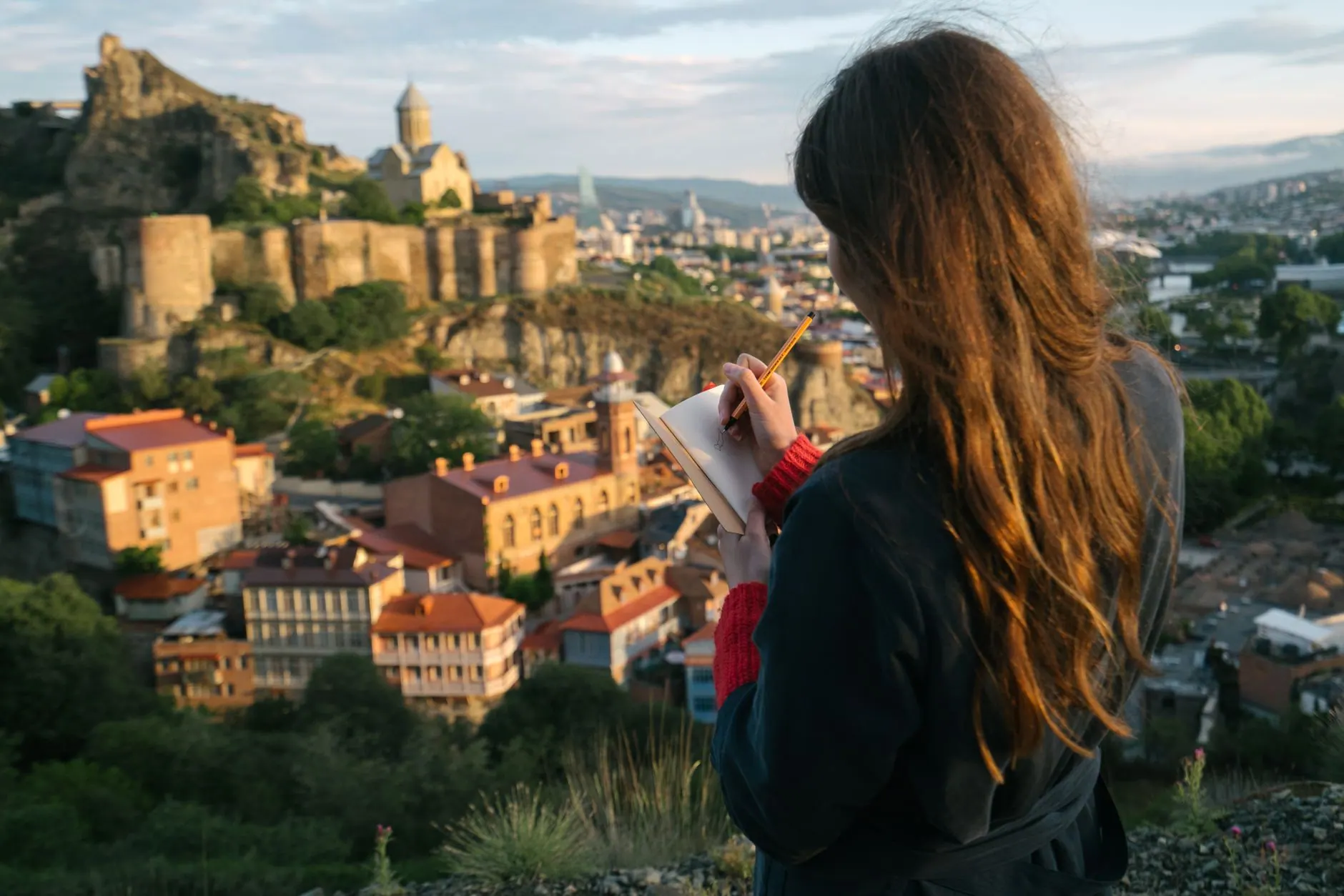
You have just stepped off the plane, the taxi ride has ended, and you are standing in a new city. The novelty is sharp, the air smells different, and the noise level is a distinct shift from home. But within a few days, the excitement settles into routine. You visit the same type of café, walk similar streets, and the specific details of that first morning, the colour of the shutters, the smell of the bread, the exact tone of the conversation with the driver, begin to fade. This is the natural erosion of memory.
Documenting your journey is the antidote to this fading. It is not about curating a perfect online persona or creating content for an audience. It is about preserving the texture of your experience. Whether you are a writer, a photographer, or simply someone who wants to remember the taste of a street food dish or the sound of rain on a tin roof in a foreign city, there is a method that fits your style. You do not need expensive gear or hours of editing. You need intention.
This guide covers the practical ways to capture your travels, from physical journals to digital backups. It looks at how to balance being present with being observant, and how to turn raw material into something you can actually enjoy later.
Why document your travels
Memory is fragile. Human brains are wired to remember the peaks and the endings of experiences, but they are poor at storing the mundane details that give a trip its context. Without documentation, a two-week holiday can shrink into a vague blur of "nice beaches" and "good food." Documenting your travels anchors these moments in reality. It allows you to revisit the sensory details: the humidity of the air, the specific pattern on a local rug, or the exact flavour of a spice blend.
Beyond personal memory, documentation serves a creative purpose. It turns passive consumption into active engagement. When you know you are going to write about a place, you look at it differently. You notice the architecture, the way people interact, and the small quirks of the environment. This heightened awareness often leads to deeper connections with the places you visit.
Sharing your documentation also builds community. Whether you share with family back home or with fellow travellers, these records become conversation starters. They allow you to keep in touch with people you meet abroad and to share the experiences of others. For those who find it hard to settle in, documenting your travels can be a way to process the transition back to normal life. It provides a tangible link to the time you spent away, helping you reflect on how the experience changed your perspective. It is a way to stretch out the feeling of a trip, making it last longer in your mind.
Keep a travel journal
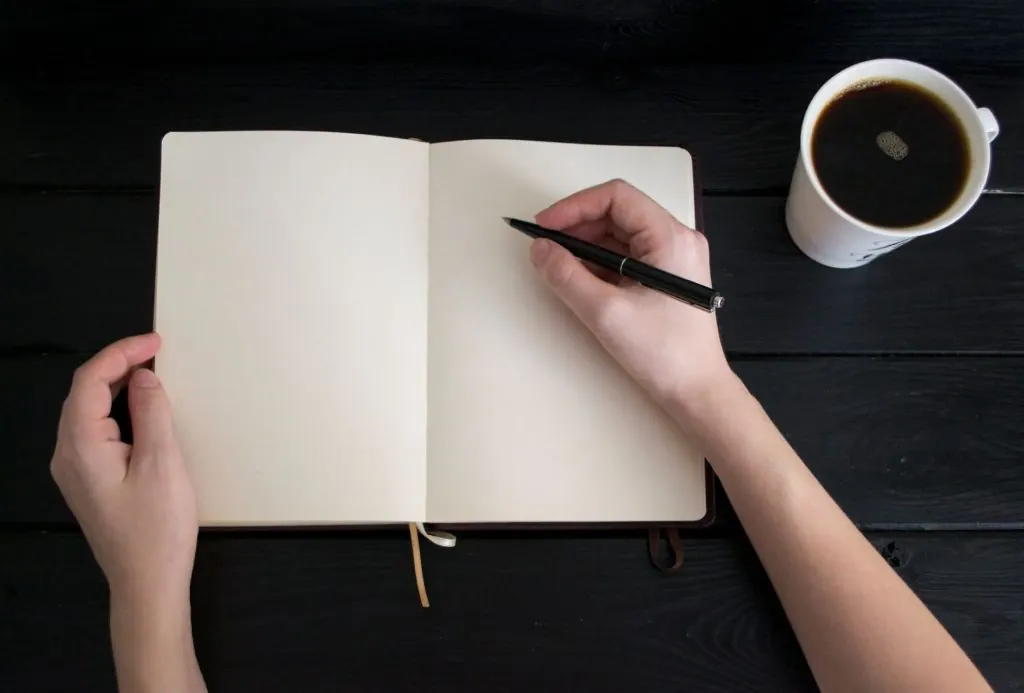
A travel journal is one of the most reliable ways to capture the narrative of your trip. Unlike photographs, which capture a single visual frame, a journal captures the context, the thoughts, and the emotions that accompanied the moment. It is a space for reflection, allowing you to process experiences as they happen rather than trying to reconstruct them months later.
What to write
Start with the basics: where you were, who you were with, and what you did. But go deeper. Describe the sensory details. What did the place smell like? What was the lighting like? How did you feel in that moment? Jot down snippets of conversation, menu items, or prices if they seem interesting. These small details become invaluable later when you try to recall the full picture.
Daily prompts
If staring at a blank page feels daunting, use prompts. Simple questions can get the words flowing: "What surprised me today?", "What was the best thing I ate?", "Who did I meet?", or "What did I learn?" These prompts prevent writer's block and ensure you cover different aspects of the day.
Short entries
You do not need to write pages of prose every evening. Short, punchy entries are often more useful. A few lines about the day's highlights, combined with a sketch or a ticket stub, can be more effective than a long essay. The goal is consistency, not volume.
Handwriting vs digital
Handwriting has a tactile quality that can enhance memory retention. The physical act of writing can slow you down and encourage more thoughtful reflection. However, digital journals offer convenience and searchability. If you type on a phone, you can capture entries quickly during downtime. Consider using a dedicated notebook for physical records and a notes app for quick updates, then transferring or combining them later. The medium matters less than the habit of recording.
Photography basics for travellers
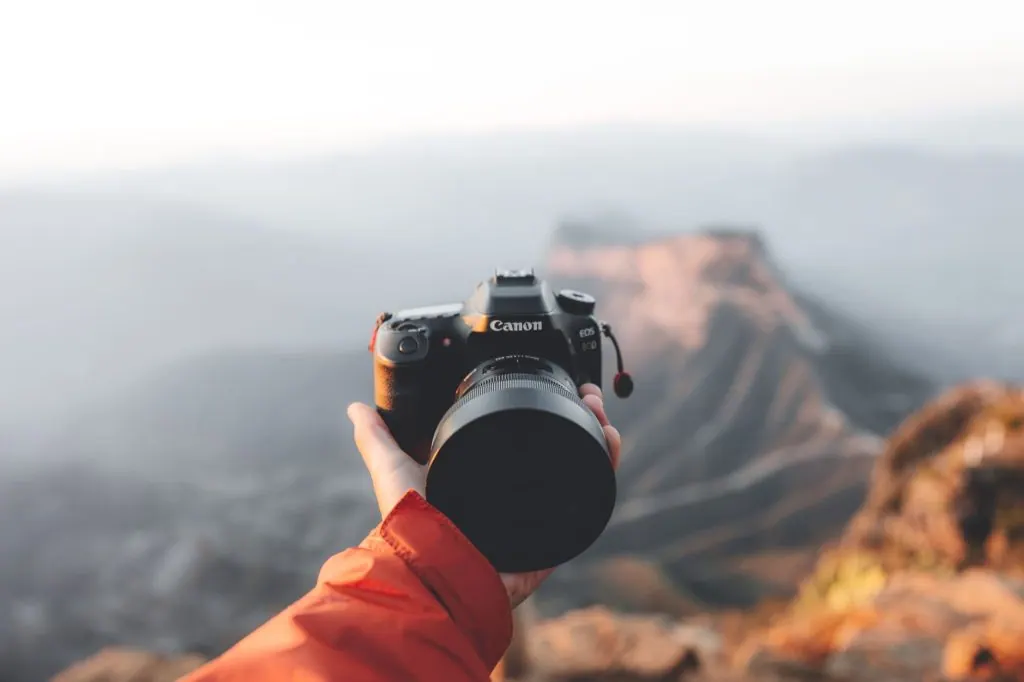
Photography is the most common way to document travels, but it is easy to fall into the trap of only taking photos of landmarks. To capture the true essence of a place, you need to look beyond the obvious. Good travel photography is about composition, light, and storytelling.
Light
Light is the most critical element in photography. The quality of light changes dramatically throughout the day. Golden hour, shortly after sunrise or before sunset, provides soft, warm light that flatters subjects and landscapes. Midday light can be harsh and create deep shadows, which is not always ideal for portraits or detailed shots. Learn to observe the light in a new place before you raise your camera. Notice how it falls on buildings, how it filters through trees, or how it reflects off water.
Composition
Composition is how you arrange elements within your frame. Rule of thirds is a useful starting point, but don't be afraid to break it. Look for leading lines, frames within frames, and patterns. Pay attention to the foreground, midground, and background. Including a foreground element can add depth to an image. Try to include a sense of scale by placing a person in the frame, which helps viewers understand the size of the landscape or building.
People
People bring life to travel photos. Capturing locals going about their daily lives can provide a more authentic view of a place than a shot of an empty street. Be respectful when photographing people. Make eye contact, smile, and ask for permission if possible. A simple gesture can go a long way. Candid shots often feel more natural than posed ones, but they require patience and observation.
Details
Don't just photograph the whole; photograph the parts. Details like textures, colours, and small objects can tell a story about the place. A close-up of a local craft, a street sign, or a plate of food can be just as evocative as a wide-angle shot of a landmark. These details add richness to your visual record and can be more memorable than generic landscape shots.
Backups
Photos are useless if they are lost. Take your photos seriously by backing them up regularly. If you are using a digital camera or phone, transfer your images to a portable hard drive or cloud storage every evening. This protects you from losing data if your device is stolen or damaged. Organise your photos by date and location to make them easier to find later.
Sketching, collecting and small souvenirs
Not everyone has the patience or skill for photography, but sketching and collecting offer a different, more tactile way to document travels. These methods engage different parts of the brain and create a unique, personal record of your journey.
Sketching
Sketching does not require artistic talent. Simple line drawings of a building, a cup of coffee, or a street scene can capture the essence of a moment. The act of drawing forces you to look closely at the shapes and lines of your surroundings. It slows you down and encourages mindfulness. Carry a small sketchbook and a pen. You do not need to fill every page; even a few rough sketches a day can create a compelling visual diary.
Collecting
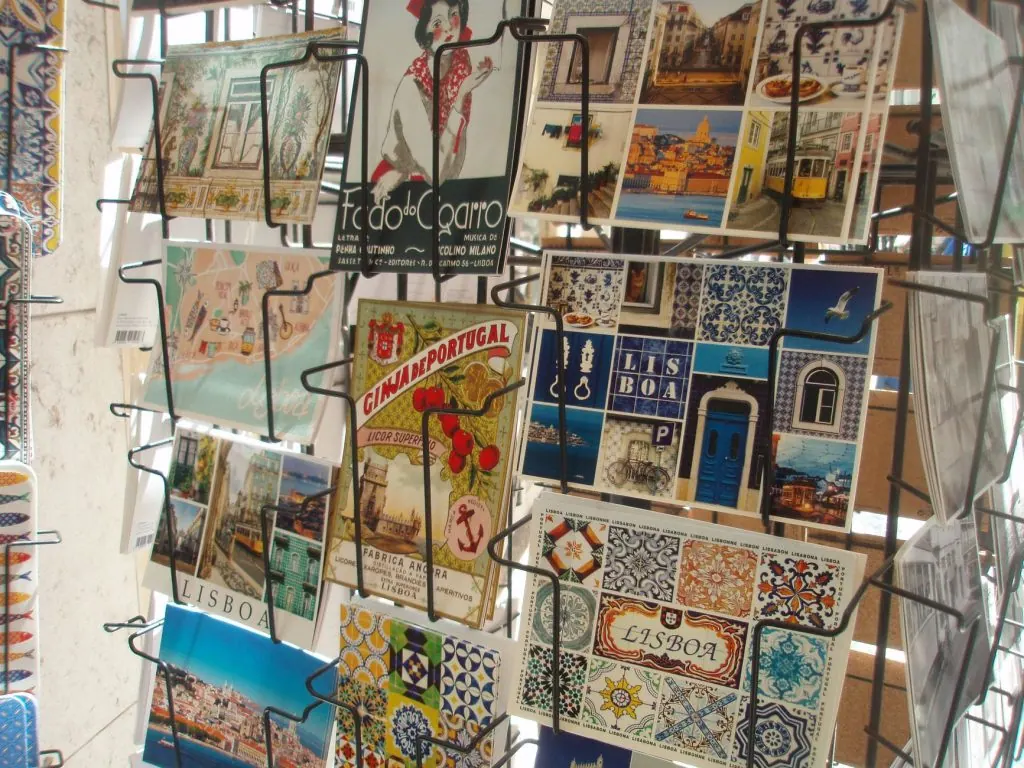
Collecting small items from your travels can be a fun way to document your journey. Tickets, maps, postcards, and brochures are all excellent materials for a scrapbook or travel journal. These items serve as physical reminders of where you have been and what you have done. They also add variety to your documentation, combining text, colour, and texture.
Postcards
Postcards are a timeless way to share your travels. Writing a postcard forces you to distill your experience into a few sentences. It is a concise form of storytelling that can be cherished by recipients. Sending postcards home also creates a paper trail of your journey, connecting you with friends and family in a tangible way.
Scrapbooks
Scrapbooking combines photos, sketches, and collected items into a cohesive album. It is a creative outlet that allows you to arrange your memories in a way that makes sense to you. You can add notes, captions, and decorations to enhance the visual appeal. Scrapbooks are often more personal and unique than digital albums, as they reflect your individual taste and effort.
Shoot video without becoming a vlogger
Video is a powerful medium for capturing motion and sound, but it can feel intrusive or time-consuming. You do not need to become a vlogger to benefit from video documentation. Simple, short clips can capture the atmosphere of a place in a way that photos cannot.
Short clips
Focus on short, 5-10 second clips that capture a specific moment. A clip of a bustling market, a wave crashing on the shore, or a street musician playing can convey the energy of a place. Keep clips short to maintain interest and make editing easier.
Sound
Sound is a crucial element of video. Capture ambient noise: the chatter of a crowd, the sound of rain, or the calls of birds. Audio adds depth to your visual record and can evoke strong memories. If your camera or phone has a good microphone, use it. Otherwise, consider using an external microphone for better quality.
Stabilising
Shaky video can be distracting. Hold your device steady with both hands, or use a small tripod or gimbal. Leaning against a wall or resting your elbows on a surface can also help stabilise your shots. Smooth video looks more professional and is more enjoyable to watch.
Editing
You do not need complex editing software. Simple apps can trim clips, add music, and adjust colours. Keep edits minimal to preserve the authenticity of the moment. Adding a simple title or caption can provide context, but avoid over-editing. The goal is to capture the feeling of the moment, not to create a cinematic masterpiece.
Voice notes and audio
Audio documentation is often overlooked, but it can capture nuances that visual media miss. Voice notes allow you to record your thoughts, impressions, and observations in real-time. They are less intrusive than photography and can be done discreetly.
Capturing sounds
Record ambient sounds to capture the soundscape of a place. The hum of a train station, the buzz of a cafe, or the silence of a forest can be powerful recordings. These audio clips can be used in video projects or kept as standalone memories.
Interviews
Conducting short interviews with locals or fellow travellers can provide diverse perspectives on a place. Ask open-ended questions about their daily lives, their favourite spots, or their impressions of the city. These conversations can reveal insights that you might not notice on your own.
Ambience
Record the ambience of a place to capture its mood. A quiet library, a lively festival, or a rainy evening on a balcony can be captured through audio. These recordings can serve as soundscapes that evoke the feeling of being there.
Organising audio
Label your voice notes and audio files with dates and locations. This makes it easier to find them later. Consider transcribing important notes to make them searchable and accessible.
Respect people and places
Documenting your travels involves interacting with the world around you, and it is important to do so respectfully. Photography and video can feel intrusive, especially in private or sacred spaces. Being mindful of your surroundings ensures that your documentation enhances rather than disrupts the experience.
Asking permission
Always ask for permission before photographing people, especially in close-up shots. A smile and a gesture can go a long way. In some cultures, photography is prohibited in certain areas, so be observant of signs and local customs. Respecting these rules shows consideration for the community and their traditions.
Sensitive sites
Be aware of sensitive sites, such as religious buildings, cemeteries, or memorial spaces. Dress appropriately, speak quietly, and avoid disruptive behaviour. Some places may have restrictions on photography or video recording, so follow the guidelines provided.
Don't live behind the lens
It is easy to get so focused on capturing a moment that you miss experiencing it. Put your camera down occasionally to just be present. Look with your eyes, listen with your ears, and engage with your surroundings. Documentation should complement your experience, not replace it. Balance is key to enjoying your travels fully.
Backups and organisation
Collecting photos, videos, and notes is only half the battle. If your data is lost, all your efforts are wasted. Implementing a robust backup and organisation strategy ensures that your memories are safe and accessible.
Cloud
Cloud storage offers convenience and accessibility. Upload your files to a reliable cloud service regularly. This protects your data from physical loss or damage to your devices. Ensure you have enough storage space and a stable internet connection for uploads.
Hard drives
External hard drives provide a secure, offline backup. Store your drives in a safe place, away from your primary devices. This creates a redundant system: if your cloud service goes down or your phone is stolen, you still have a copy of your data.
Naming
Name your files and folders consistently.
Tags
Use tags or keywords to categorise your files. Tags like "food," "people," "landmarks," or "nature" can help you search for specific types of content. Many photo management tools allow you to add tags automatically or manually.
Turn it into something
Raw data is useful, but turning your documentation into a finished product makes it more enjoyable and shareable. Creating a photo book, a blog, or a social media post allows you to curate your memories and share them with others.
Photo books
Photo books are a tangible way to display your travels. They allow you to arrange photos in a narrative order, adding captions and notes. Printing a book forces you to select the best images and creates a physical keepsake that can be shared with family and friends.
Albums
Digital albums are a convenient way to organise and share photos. Use platforms that allow you to create custom albums with themes or locations. This makes it easy to show specific trips to different audiences.
Blog
Writing a travel blog allows you to expand on your photos with detailed stories and reflections. It is a great way to document your travels in depth and share your insights with a wider audience. If you are interested in writing, you can explore Qualities You Need to Write a Travel Blog to improve your skills.
Social media
Social media is a quick way to share moments with friends and followers. However, be mindful of sharing too much. Curate your posts to highlight the best parts of your trip without overwhelming your audience.
Privacy
Consider your privacy when sharing your travels. If you are travelling alone or in a sensitive location, you may want to limit the details you share. Be aware of your digital footprint and adjust your sharing settings accordingly.
Habits that make it easy
The best documentation system is one that you actually use. Building habits ensures that you capture your travels consistently without feeling overwhelmed.
Daily 10-minute ritual
Set aside 10 minutes each evening to review your day and document your experiences. This can be as simple as writing a few lines in a journal or organising your photos. Consistency is more important than volume.
Templates
Create templates for your journal entries or photo captions. Having a structure in place reduces decision fatigue and makes the process faster. You can reuse templates for different types of trips or locations.
Tools
Choose tools that are easy to use and fit your lifestyle. Whether it is a notebook, a camera, or a notes app, the tool should be convenient and reliable. Avoid overcomplicating your system with too many gadgets or apps.
Review
Regularly review your documentation. Look back at your journals, photos, and notes to refresh your memories. This can inspire new ideas for future trips or help you process past experiences.
Documenting your travels is a personal journey. There is no right or wrong way to do it. The goal is to capture the essence of your experience in a way that feels meaningful to you. By balancing presence with observation, and consistency with creativity, you can create a rich, detailed record of your adventures. Whether you choose to write, draw, photograph, or record, the act of documenting will deepen your connection to the world and enhance your memories for years to come.