 By
The tuk-tuk driver outside the temple gate is friendly, and he has good news. The temple you came for is closed today for a ceremony, but he knows another one, and a shop on the way where everything is "government approved". Soon you are in an air-conditioned showroom looking at jewellery you never wanted, with no idea where you are. Almost every first-time visitor to Thailand meets some version of this scene, and it is avoidable. The trick is not suspicion. It is knowing how the place works before you land.
This guide covers the decisions that shape a trip to Thailand: when to go and which coast to pick, where to base yourself, what to sort out on paper, how money and transport behave, and the small points of etiquette that make daily life smoother.
Season first, then map: why the calendar decides your route
Thailand is long and thin, and its weather does not arrive everywhere at once. The usual shorthand is three seasons: a cooler, drier stretch, a hot stretch before the rains, and a wet monsoon period. That shorthand works for Bangkok and the north, but it falls apart on the coasts.
The cool, dry season
This is the classic window for a first visit. Skies are clearer, the humidity eases and the north is pleasant enough for early starts and evening walks in a light jacket. It is also the busiest period, so the popular beaches, Chiang Mai guesthouses and well-known temples fill up. Book flights, island accommodation and any boat or train you care about well ahead.
The hot season
The weeks before the rains are the hardest on the body. Bangkok feels like an oven by midday, and sightseeing becomes a matter of early mornings, long lunches indoors and late-afternoon walks. Songkran, the Thai New Year water festival, falls in this stretch. Expect strangers with water pistols and buckets on the street, and keep phones and passports in waterproof pouches. If you want a calm trip, plan around it. If you want the festival, book early and expect disruption to transport.
The monsoon, and why the two coasts disagree
Rain in the wet season usually comes in heavy bursts, often in the afternoon, rather than as a constant grey drizzle. For the mainland that is manageable. For the sea it matters far more, because the two island groups sit on opposite sides of the southern peninsula and are hit by different winds.
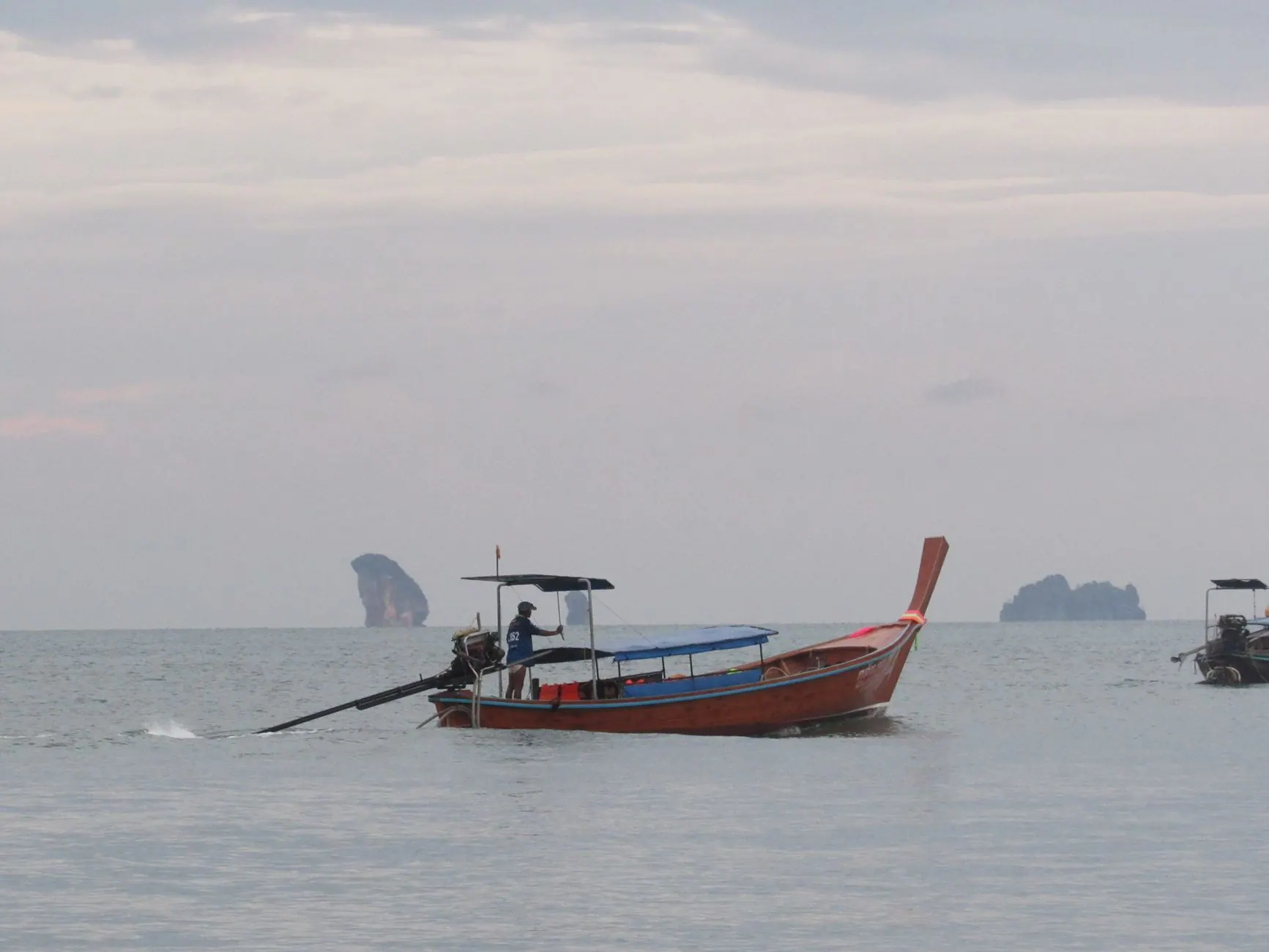
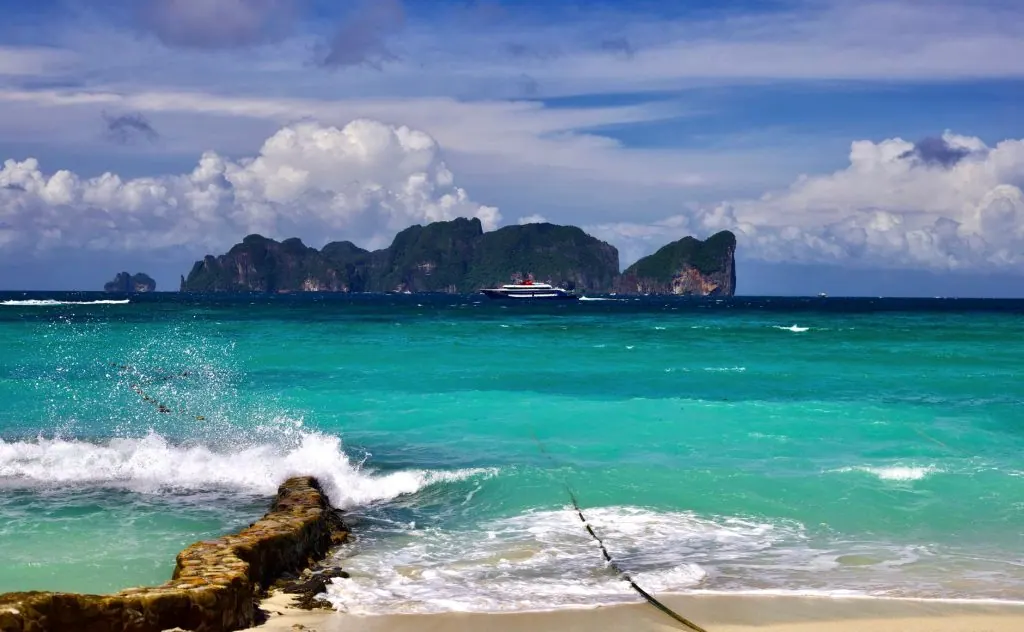
- The Andaman coast (Phuket, Krabi, Phi Phi, Koh Lanta and the Similan Islands) is at its best in the dry months, and gets rough seas in the wet ones. Some boats stop running, some beaches fly red flags, and some island resorts close for the season.
- The Gulf islands (Koh Samui, Koh Phangan, Koh Tao) follow a different pattern, with their wetter weather arriving later in the year. That is why a beach holiday can work on the Gulf side while the Andaman coast is being battered.
Treat these as general patterns, not guarantees. Weather shifts from year to year, so check a current forecast and your ferry operator's notices a few days before you move between islands.
Where to go: match the region to what you actually want
The most common planning error is trying to cover the whole country in one trip. Distances are long, and a day of transfers is a day not spent anywhere. Pick a spine and add one or two extras.
Bangkok
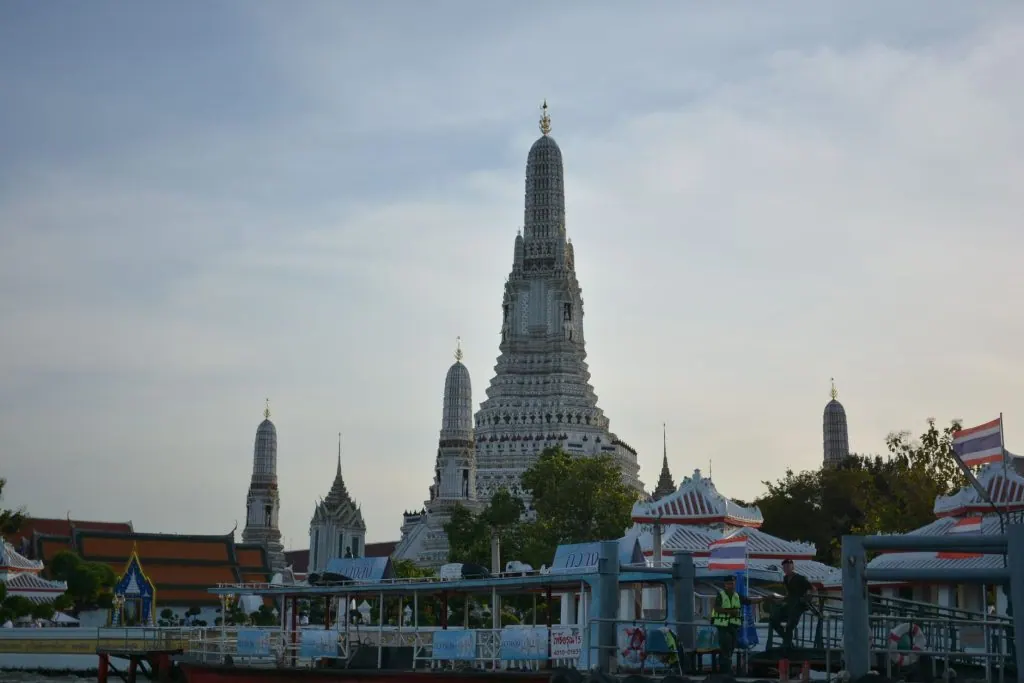
Most international flights land here, and the city rewards a few days. The riverside temples include Wat Pho, home of the huge reclining Buddha, and Wat Arun, the tiled riverside spire that looks its best from the opposite bank around dusk. The Grand Palace is the formal heart of the old city and has a strict dress code and heavy crowds. Chatuchak weekend market is a maze for shopping, and the canals, Chinatown and the riverside ferries show a different side of the city from the malls and skytrain. Bangkok is loud, hot and tiring, so build in air-conditioned breaks rather than trying to do it all in one go.
The north: Chiang Mai, Chiang Rai and the hills
Chiang Mai has an old walled centre, a dense collection of temples, with Wat Phra That Doi Suthep on the hill above the city, and night markets, cooking classes and craft districts. Further north, Chiang Rai is known for the white temple, Wat Rong Khun, and for access to hill country. If you want to see elephants, research the sanctuary carefully. Look for places that let the animals roam and do not offer riding, performances or forced bathing, and be sceptical of anything that promises close contact on demand.
Islands and beaches
The islands differ more than the brochures suggest. Phuket is large and busy, with resorts and nightlife alongside quieter corners. Krabi is known for limestone cliffs and boat trips to nearby islands. Koh Tao has a reputation for diving courses, and Koh Phangan is known for its parties, though it also has quiet bays away from them. Koh Samui is the most developed on the Gulf side, with its own airport. If you want peace, ask what the island is like outside the busiest weeks, and read recent reviews, not old blog posts.
Whatever you choose, give each stop enough time. Moving every other night means spending the days in vans, ferries and queues. Two or three bases are usually better than five. If you are travelling with someone you have only just met, Travelling Thailand With A Stranger is worth reading before you agree on a route.
The paperwork side: entry, insurance and health
This is the section where the rules change most often, so the right habit matters more than any single fact.
Entry and documents
Entry conditions depend on your nationality, the length of your stay and the purpose of your trip. Visa exemptions, permitted stay, online arrival forms, fees and passport validity requirements are all set by the Thai authorities and can be updated at short notice. Before you book, check three sources: the official website of the Thai embassy or immigration service, the UK government travel advice page for Thailand, and your airline's own document check. Do not rely on a forum post or an older article, including this one, for the details.
It is also sensible to carry evidence that you intend to leave: a confirmed onward or return ticket and your first night's accommodation. Immigration officers and airline check-in staff can ask for these, and finding them in a hurry at a counter is a bad way to start. Keep digital copies of your passport, insurance policy and bookings in an email draft or cloud folder, and a printed set in a different bag from your passport.
Health and vaccinations
Speak to your GP or a travel clinic well before departure. Recommendations depend on your own history, your itinerary and how rural your plans are, and they change. Do not treat any generic list as advice. Reputable UK sources publish country-level health guidance, and the clinic will tell you what applies to you.
Mosquito-borne illness is the practical risk on the ground, so use repellent around dawn and dusk. The sun and heat do more damage than most visitors expect, so carry water and be careful in the middle of the day.
Insurance
Good travel insurance is part of the plan, not an afterthought. Read the policy, not just the summary, for three points: whether it covers hospital treatment and repatriation, whether it covers the activities you plan to do (diving, motorbike riding and some trekking are often excluded or restricted), and whether the policy requires a valid licence for riding a scooter. Private hospitals in the big cities are well equipped, but the bill can be heavy without cover, and some will ask for proof of insurance or a payment guarantee before non-emergency treatment.
Money habits that save headaches
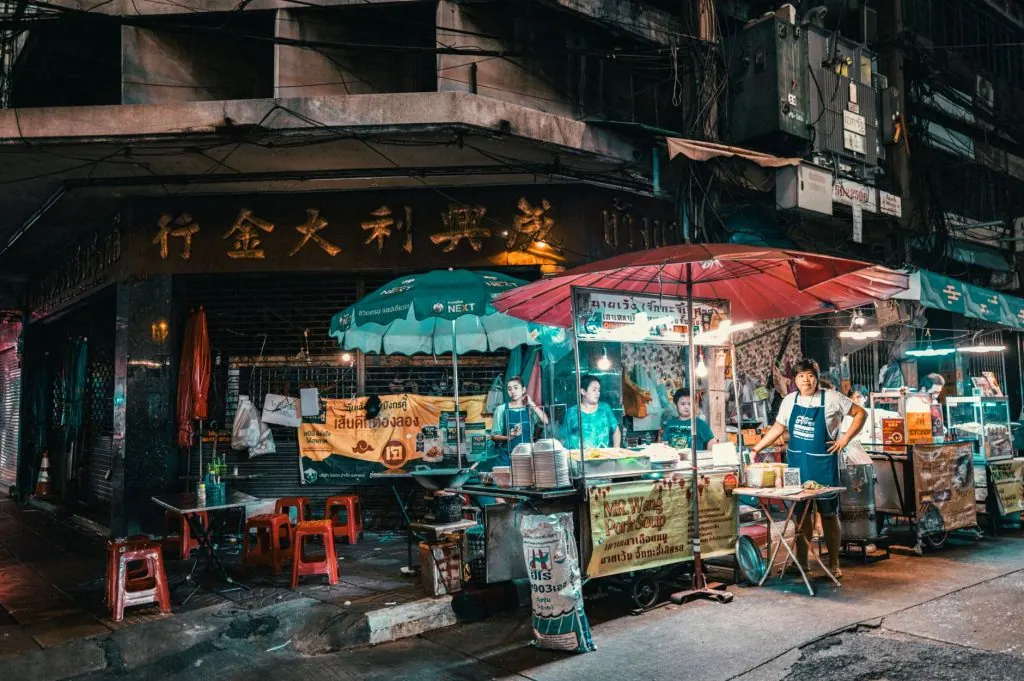
The currency is the baht. Hotels, malls and larger restaurants take cards, but markets, street food stalls, small guesthouses, local buses and most tuk-tuks run on cash. Plan for both, and do not rely on a single payment method.
- Cash machines: most charge a fixed fee per withdrawal on top of whatever your own bank charges, so one larger withdrawal beats several small ones. If the machine offers to charge you in your home currency, decline and choose baht, because the "convenient" conversion usually comes with a poor rate.
- Cards: a card that does not add heavy foreign fees is worth having. Tell your bank you are travelling so it does not block a payment halfway through the trip, and carry a second card kept separately.
- Exchanging cash: licensed exchange counters in town centres usually give a better rate than airport desks or hotels. Count the notes before leaving the counter.
- Small notes: change big notes early. Street vendors, taxi drivers and market stalls often cannot break a large note, and a tuk-tuk driver who "has no change" is a classic way to be overcharged.
Fixed-price shops, malls and most street food stalls do not haggle. Market stalls, tailors and tuk-tuk rides do. If you bargain, do it with good humour, make a counter offer rather than a flat refusal, and be ready to walk away politely. If you have agreed a price, pay it. Arguing over a tiny difference in front of a stallholder looks worse than the saving is worth.
Getting around: trains, buses, boats, taxis and tuk-tuks
Thailand has a good range of transport, but every option has quirks. Choose by distance and by what you want to see from the window.
Within Bangkok
The elevated skytrain and the underground are the least stressful way across the city because they avoid the traffic. Chao Phraya river boats work well for the old-town temples. Metered taxis are cheap, but drivers sometimes refuse to switch the meter on for tourists. If one will not, get out and hail another. Ride-hailing services in the city solve this by showing the fare in advance, and many travellers use one for exactly that reason.
Tuk-tuks and motorbike taxis
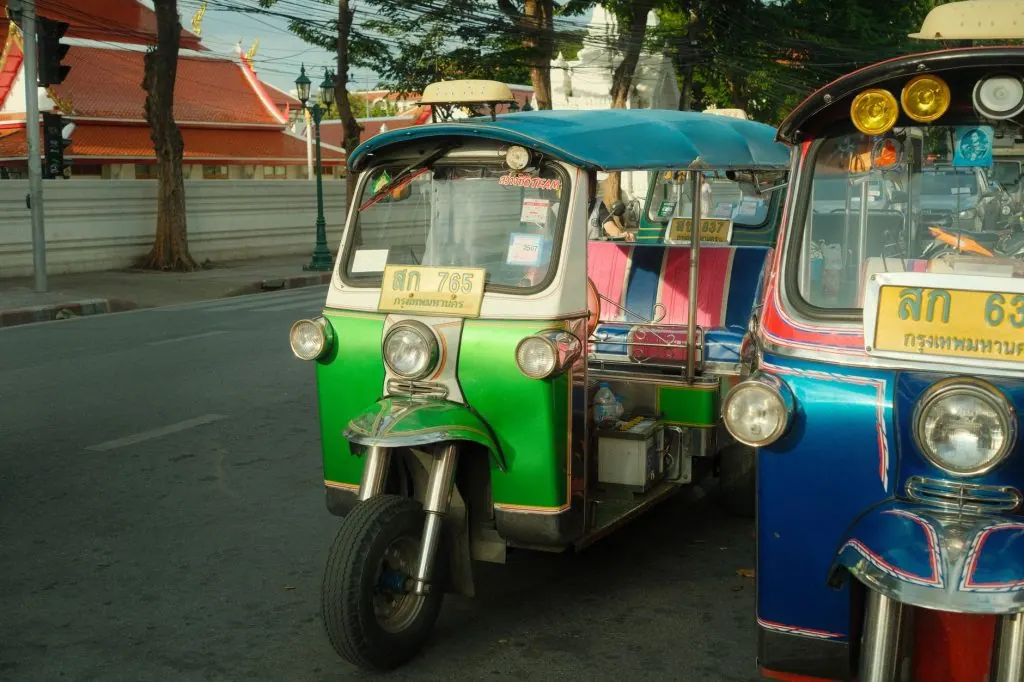
A tuk-tuk is a ride you take for the experience, not for value. Always agree the price and destination before you step in. Be wary of drivers who offer a very low fare for a "city tour", since the catch is usually a stop at a shop where they receive a commission. Motorbike taxis are quick through traffic, but they are risky and not covered by many insurance policies, so think twice.
Long distances
Overnight trains between Bangkok and the north give you a bed and save a night of accommodation, but sleeper berths sell out around busy periods, so book early. Coaches and minibuses cover almost everywhere else, from comfortable long-distance coaches to cramped minibuses. Domestic flights are often the fastest option for the far north and south, and budget airlines make them tempting, but check baggage allowances before you pack.
Ferries and boats
Ferries link the mainland with the islands, and many bookings include a bus or minibus connection. Sea conditions in the wet months can cancel departures, so do not schedule a tight ferry-and-flight connection on the same day.
Hiring a scooter
Scooters are everywhere on the islands, and so are scooter accidents. Do not rent one unless you have ridden before, have a licence valid for the bike, and have insurance that actually covers it. Wear a helmet, photograph the bike from every angle before you ride, and be wary of any renter who holds your passport as a deposit.
Temples, etiquette and everyday manners
Most points of etiquette in Thailand come back to respect for religion, the monarchy and the idea of keeping things calm. You will not be expected to master them, but a few habits make a difference.
Dressing for temples
Cover your shoulders and knees at temples, the Grand Palace and similar sites. Loose trousers or a long skirt, and a light shirt with sleeves, work well in the heat. Carry a scarf or a thin shirt in your bag so you can cover up on arrival. Some sites check clothing at the gate and may refuse entry, and loan or rental items are not always available.
Take your shoes off before entering a temple building. The same applies to many homes, some guesthouses, and some shops and spas, where you will see shoes lined up by the door. Step over the raised threshold, not on it, since it is considered part of the building's spirit.
Behaviour around Buddha images and monks
Treat Buddha images with respect, which means no climbing on them, posing with them in disrespectful ways or using them as decoration. Do not point your feet toward an image or a person. When you sit on the temple floor, tuck your legs to the side. Women should not touch monks or hand things directly to them, so place an item down within reach instead. Monks usually get priority seats on public transport.
The wai and body language
The wai, palms together in front of the chest with a slight bow, is the standard greeting and thank-you. Visitors are not expected to perform it perfectly. A smile and a small nod with palms together is polite, and returning a wai when you receive one is good manners. You do not need to wai to children or to staff who are serving you.
The head is regarded as the highest part of the body, so do not touch someone's head or ruffle a child's hair. Feet are the lowest, so avoid pointing with them. Keep your voice low and calm. Raised voices and visible anger are taken as a loss of face, and a polite, relaxed tone gets better results with a hotel or a taxi driver.
Scams, safety and street food
Most people in Thailand are welcoming and helpful. The problems tend to cluster around tourist hotspots and follow familiar patterns.
Common tourist scams
- "The temple is closed today." A friendly stranger or driver tells you your destination is shut, and offers an alternative with a shop at the end. Check with the site itself, or simply walk on to the entrance.
- Gem and tailor shops. Offers of a "special sale" or a shop that is only open to foreigners today are a way of steering you toward commissions. Do not buy expensive items under pressure, and do not believe promises of resale value back home.
- Meter problems. Taxi drivers who say the meter is broken or ask for a fixed price at a busy spot. Insist politely, or choose another car.
- Damage claims. Scooter and jet ski hire is the main source of this. Photograph everything and keep your own copy of the rental agreement.
- Overfriendly invitations. A stranger who offers to show you around or take you to a bar or a show may be steering you toward inflated bills. Politely decline and choose your own places.
Eating well
Food is one of the best reasons to visit. Street stalls are a normal way to eat, and the usual rules apply. Choose busy stalls with a high turnover, where food is cooked in front of you and served hot. Be careful with cut fruit that has been sitting out, and with anything lukewarm. Drink bottled or filtered water, and be cautious with ice from unfamiliar places.
Look out for classics: pad thai, green and red curries, tom yum soup, som tam (green papaya salad), khao soi in the north, mango with sticky rice, and grilled skewers at night markets. If you do not like heat, say "mai phet" (not spicy), and be aware that "a little spicy" can still be fierce. If you have a peanut or shellfish allergy, carry a card in Thai explaining it, because fish sauce, shrimp paste and peanuts turn up in many dishes. The knife is rarely used: you eat with a spoon and fork, with the fork pushing food onto the spoon, and chopsticks usually appear only with noodle dishes.
Packing for a Thai trip
Pack for heat, rain and modest dress, in light fabrics that dry quickly. A few specifics are worth getting right.
- Clothes for temples: a lightweight long skirt or trousers, and a shirt or scarf to cover shoulders.
- Rain protection: a packable rain jacket or poncho, and a dry bag for boat days and storms.
- Health basics: any prescription medicines in their original packaging with a doctor's note where relevant, oral rehydration sachets, plasters and basic stomach remedies. Check before travel whether any of your medication is restricted in Thailand.
Leave space in the bag for souvenirs and for the clothes you will buy when you realise how hot it is. Before you fly, check the current entry rules on the Thai official website, the UK government travel advice and with your doctor or travel clinic, then print the confirmations and put them in the bag with your passport.