By
By 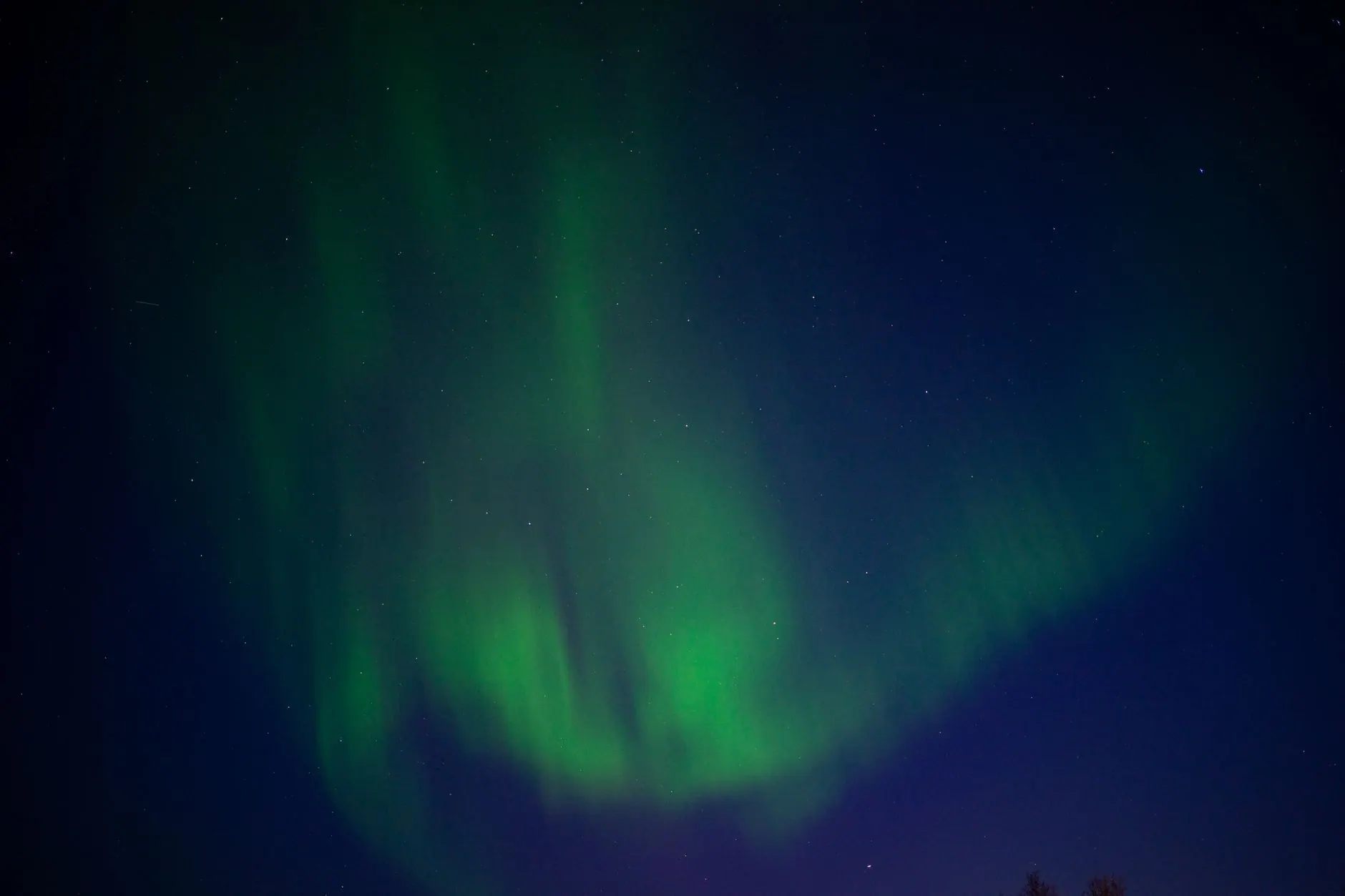
Staring at a blank calendar, you realise the months are slipping by and you have no concrete plans for your time off. You want something memorable, something that justifies the travel time and the expense, but the options feel overwhelming. A weekend city break is too brief; a standard resort holiday lacks that spark of discovery. You need a trip that sticks with you long after you return home.
This is where a well-chosen bucket list travel destination comes in. It is not about ticking off the most expensive hotel or the most photographed landmark. It is about immersion. It is about finding experiences that challenge your senses and broaden your perspective. Whether you are drawn to the quiet majesty of an arctic landscape or the vibrant energy of a historic opera house, the right destination offers a narrative that you can live, not just watch.
Below is a curated selection of five distinct travel experiences. They cover a balanced mix of high culture, raw nature, and classic adventure. Each offers a different rhythm of travel, ensuring that your next big trip feels like a genuine departure from the everyday.

Why These Five Destinations Define Modern Travel
Creating a travel bucket list is often about curating a diversity of experiences rather than following a single trend. Modern travellers are increasingly looking for trips that offer more than just relaxation. They want to learn, to move, and to connect with something larger than themselves. These five locations have been selected because they represent distinct pillars of travel: culture, natural phenomena, wildlife, jungle immersion, and road freedom.
The first destination, Italy, addresses the desire for historical and artistic depth. It allows you to step into centuries of human achievement, from ancient ruins to Renaissance art. The second, Iceland, caters to the love of dramatic, almost alien landscapes and the universal fascination with the night sky. The Galapagos Islands offer a rare chance to witness evolution in real-time, where wildlife is not distant but accessible. The Amazon Rainforest provides the ultimate test of endurance and observation, immersing you in the planet’s most complex ecosystem. Finally, the Great American Road Trip appeals to the spirit of independence, offering the freedom to define your own itinerary and discover hidden gems along the way.
Together, these five destinations cover a wide geographical spread and offer varied levels of physical activity and comfort. They are accessible yet challenging. They are iconic but not cliché. By including these in your plans, you ensure that your travel portfolio is robust. You are not just seeing the world; you are engaging with it in multiple ways. This variety prevents travel fatigue and keeps the excitement fresh.
Italy: The Cultural Renaissance of Opera and History
Italy is often associated with its culinary fame, but its contribution to the performing arts is equally profound. Attending an opera in Italy is not merely a night out; it is a cultural ritual that has defined social life for centuries. The experience blends high art with historic architecture, creating an atmosphere that is both grand and intimate.
La Scala in Milan
Milan’s Teatro alla Scala is arguably the most famous opera house in the world. Its history dates back to the eighteenth century, and the building itself is a masterpiece of neoclassical design. Inside, the auditorium is renowned for its perfect acoustics and opulent decor. Watching a performance here connects you to a lineage of composers and singers who have shaped Western music. The venue is steeped in tradition, yet it continues to stage innovative productions that attract contemporary audiences.
Arena di Verona
For those who prefer open-air settings, the Arena di Verona offers a completely different experience. This ancient Roman amphitheatre, dating back to the first century AD, provides a stunning backdrop for summer opera performances. The stone walls retain sound remarkably well, and the sheer scale of the venue adds a dramatic weight to the music. Performing in the Arena is considered a rite of passage for many singers. The combination of ancient history and modern musical talent creates a unique emotional resonance.
Exploring Rome and Florence
Beyond the opera houses, Italy offers a dense concentration of cultural landmarks. Rome invites you to walk through layers of history, from the Colosseum to the Vatican. Florence serves as the birthplace of the Renaissance, with its art galleries and architectural wonders. These cities provide the perfect context for the opera experience. You can spend your mornings exploring museums and your evenings enjoying world-class performances.
To make the most of this cultural immersion, consider booking tickets well in advance, especially for peak seasons. While opera tickets can be expensive, there are often cheaper seats available in the upper galleries, which still offer good views and a lively atmosphere. For more ideas on iconic American stops, you might also enjoy Why You Should Visit Las Vegas On Your Next Holiday.
Iceland: Chasing the Aurora Borealis in the Arctic
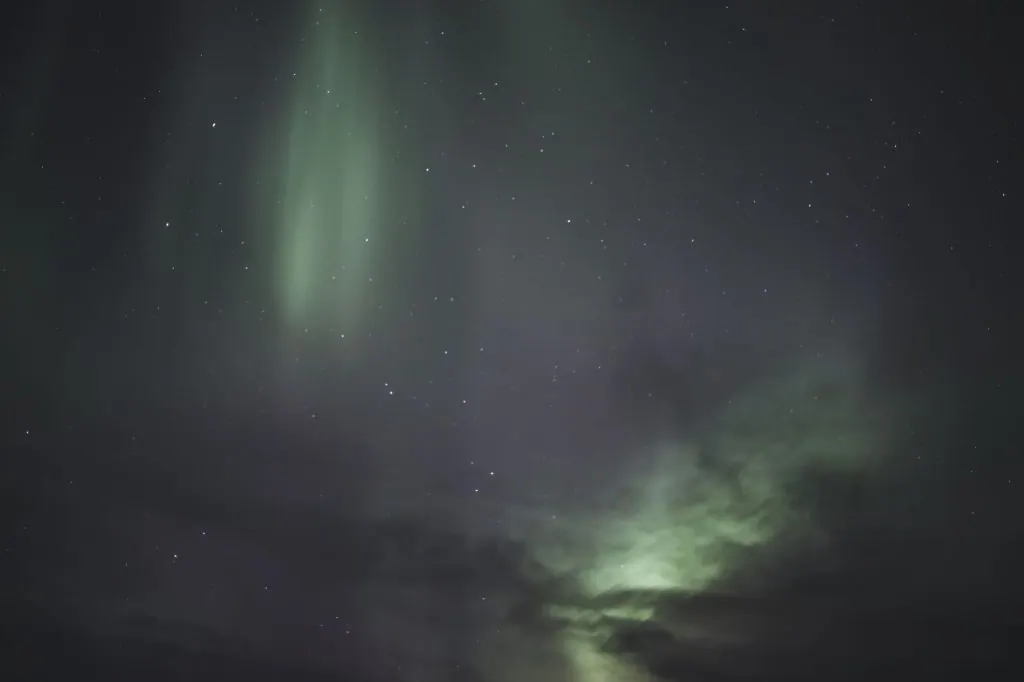
The Northern Lights, or Aurora Borealis, are a natural phenomenon that has captivated humanity for millennia. Seeing them in person is a humbling experience, often described as spiritual. Iceland is one of the best places on Earth to witness this spectacle, thanks to its high latitude and relatively low light pollution in rural areas.
Best Viewing Spots
Thingvellir National Park is a prime location for aurora viewing. Situated in a rift valley between two tectonic plates, the park offers wide, open spaces with minimal interference from city lights. The dramatic landscape of lava fields and waterfalls adds to the visual impact of the lights. Other excellent spots include the Snæfellsnes Peninsula and the north coast near Akureyri. These areas provide clear horizons and dark skies, which are essential for spotting the faintest green hues.
Practical Tips for Winter Travel
Iceland’s winter months offer the longest nights, increasing your chances of seeing the lights. However, the weather can be unpredictable. Strong winds and cloud cover can obscure the sky even when aurora activity is high. It is wise to check the weather forecast regularly and be flexible with your itinerary. If clouds move in, you may need to drive to a different location to find clear skies.
Reykjavik, the capital, is a convenient base, but it is brighter than rural areas. For the best experience, stay outside the city centre or take guided tours that take you to darker locations. Dress warmly in layers, as temperatures can drop significantly. Comfortable, waterproof boots are essential for walking on icy terrain.
What to Expect
The colours of the Northern Lights vary from pale green to deep purple and red. The intensity and movement depend on solar activity. Sometimes the lights are a subtle glow on the horizon; other times, they dance vigorously across the sky. Patience is key. You may need to wait for hours in the cold to see a strong display. This waiting period is part of the adventure, allowing you to appreciate the stark beauty of the Arctic environment.
The Galapagos Islands: A Wildlife Sanctuary Like No Other
The Galapagos Islands are a living laboratory of evolution. Located in the Pacific Ocean, this archipelago is home to species found nowhere else on Earth. The isolation of the islands has allowed wildlife to develop unique traits, such as the lack of fear towards humans. A wildlife tour here offers an unparalleled opportunity to observe animals in their natural habitat.
Unique Ecosystem and Key Species
The terrain of the Galapagos is diverse, ranging from volcanic rocks to green highlands and sparkling waters. This variety supports a wide range of ecosystems. Key species include the giant tortoises, which can live for over a hundred years, and the blue-footed boobies, known for their distinctive bright blue feet and courtship dances. Marine iguanas, the only lizards in the world that forage in the sea, are another highlight.
Eco-Tourism and Conservation
The Galapagos is a UNESCO World Heritage site, and conservation efforts are strict. Visitor numbers are controlled to minimise environmental impact. Eco-tourism is the backbone of the local economy, and much of the revenue goes towards maintaining the parks. When visiting, stick to marked trails and maintain a safe distance from wildlife. Do not touch or feed the animals, as human food can be harmful to them.
Planning Your Visit
Access to the Galapagos is primarily via boat or small aircraft from mainland Ecuador. Tours can range from budget-friendly island-hopping to luxury cruises. Regardless of the style, you will spend significant time outdoors. Waterproof clothing and sturdy shoes are recommended. The weather is generally warm, but the sun can be intense. Always check the latest entry requirements and health regulations before booking.

The Amazon Rainforest: Immersion in the World’s Largest Jungle
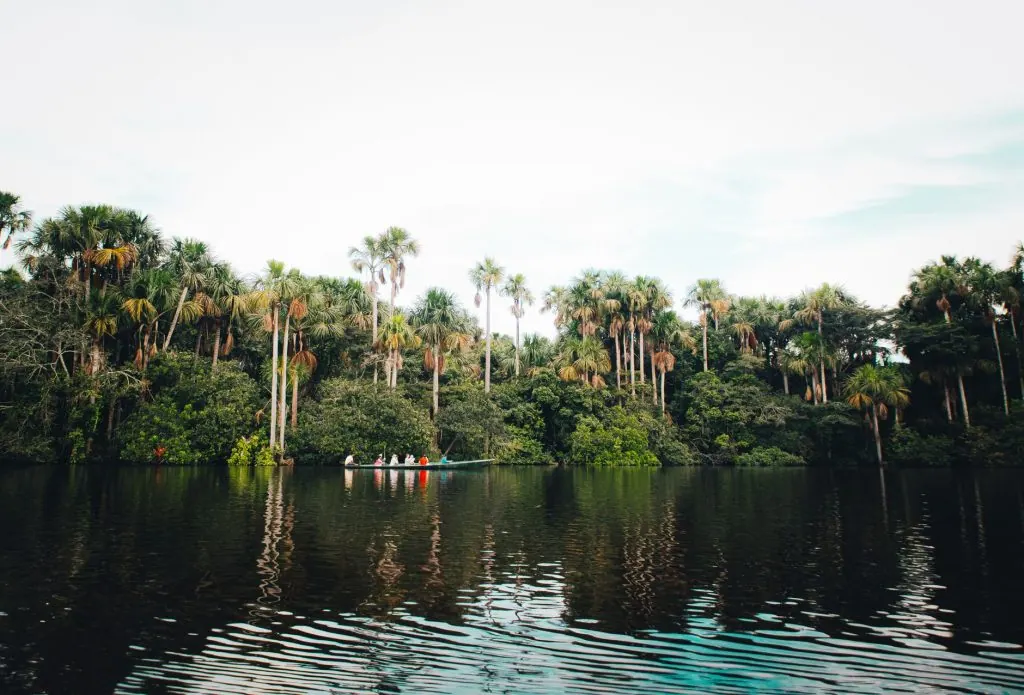
The Amazon Rainforest is a vast, complex ecosystem that plays a crucial role in the global climate. It is home to an immense variety of life forms, making it a once-in-a-lifetime destination for nature lovers. Immersion in the jungle offers a sensory experience that is both overwhelming and beautiful.
River Cruises vs. Jungle Lodges
There are two main ways to experience the Amazon: river cruises and jungle lodges. River cruises allow you to move through the waterways, visiting different points of interest without the need for constant packing. They offer comfort and structured excursions. Jungle lodges, on the other hand, provide a deeper connection to the environment. You stay in one location, waking up to the sounds of the forest and having the freedom to explore on foot.
Key Entry Points
Manaus is a major entry point for the Amazon, located at the confluence of the Negro and Solimões rivers. It serves as a gateway to many tour operators and lodges. From here, you can take small boats into the tributaries of the jungle. Other entry points include Iquitos in Peru and Puerto Maldonado in Peru, each offering access to different parts of the forest.
Biodiversity and Challenges
The Amazon is incredibly dense with life. You will encounter thousands of plant species, hundreds of bird species, and various mammals. The humidity is high, and the heat can be oppressive. It is important to stay hydrated and wear light, breathable clothing. Insect protection is essential, as mosquitoes and other insects are abundant. Hiring a local guide is highly recommended, as they can spot wildlife that you might otherwise miss and explain the ecological significance of the flora and fauna.
The Great American Road Trip: Iconic Routes and Freedom
The concept of the road trip is deeply embedded in American culture. It represents freedom, exploration, and the open road. For many travellers, driving across the United States is a dream. The country’s vast size and diverse landscapes make it an ideal destination for this type of adventure.
Route 66 vs. Pacific Coast Highway
Route 66, the historic highway, offers a journey through the heart of America. It passes through small towns, deserts, and mountains, showcasing the country’s midwestern and western heritage. The Pacific Coast Highway (Highway 1) in California offers dramatic ocean views, cliffs, and coastal towns. It is a more scenic route, perfect for those who prefer sea over land. Both routes offer distinct experiences, and you can combine them for a longer trip.
Key Stops
The Grand Canyon is a must-see stop on any western road trip. Its scale is difficult to comprehend until you stand on its edge. San Francisco offers a mix of urban culture and natural beauty, with its iconic bridge and hilly streets. Other notable stops include Las Vegas, known for its entertainment, and national parks like Yellowstone and Yosemite. These stops break up the long drives and provide varied experiences.
Practical Driving Tips
Driving in the US requires a valid licence and an understanding of local traffic laws. Renting a car is straightforward, but book in advance, especially during peak seasons. Fuel prices can vary significantly between states. Plan your route to include scenic detours, but allow enough time for unexpected stops. The flexibility of a road trip is its greatest asset, so do not rush.
Practical Logistics: When to Go and How to Get There
Timing your trip correctly is crucial for getting the most out of each destination. Each location has specific seasons that offer the best conditions for travel. Understanding these patterns will help you avoid crowds and adverse weather.
Seasonal Breakdown
For Italy, spring and autumn are ideal. The weather is mild, and the crowds are thinner than in summer. Opera seasons typically run from autumn to spring, so plan accordingly. For Iceland, the winter months offer the best chance of seeing the Northern Lights, but days are short. Summer provides midnight sun and easier driving conditions, but the aurora is less likely. The Galapagos has two main seasons: the warm season (December to May) and the cool season (June to November). Both are good for wildlife, but the water is calmer in the warm season. For the Amazon, the dry season (July to December) is better for hiking and wildlife spotting, as trails are less muddy. The Great American Road Trip can be done year-round, but spring and autumn offer the most comfortable driving weather.
Flight Hubs and Transportation
Major cities like Milan, Reykjavik, Quito (for Galapagos), Manaus, and New York or Los Angeles (for the US) serve as primary flight hubs. From these hubs, you can take connecting flights, buses, or trains to your specific destination. In the US, renting a car is essential for a road trip. In Iceland, a 4x4 vehicle is recommended for winter travel on rough roads. In the Amazon, small planes or boats are the main modes of transport. Research the local public transport systems in advance, as they can be efficient and affordable.
Budgeting and Accommodation: Where to Base Yourself
Travel costs can vary widely depending on your choices. Balancing luxury experiences with budget-friendly stays is key to managing your overall budget.
Luxury Experiences
Opera boxes at La Scala or VIP seats at the Arena di Verona can be expensive. However, there are cheaper options that still offer a good view and a great atmosphere. In Iceland, staying in a guesthouse or a cabin outside Reykjavik can be more affordable than central hotels. For the Galapagos, eco-lodges offer a range of prices, from mid-range to luxury. In the Amazon, jungle lodges often include meals and excursions, which can simplify budgeting. In the US, motel chains along major highways offer consistent, budget-friendly options.
Budget-Friendly Stays
In Italy, staying in neighbourhoods like Trastevere in Rome or the Oltrarno in Florence can offer a more authentic experience at a lower cost than the city centre. In Iceland, camping is a popular and cheap option in summer. In the Amazon, basic lodges provide a comfortable base for exploration. In the US, rest stops and roadside motels keep costs down.
Managing Costs
Book accommodation well in advance for peak seasons. Consider travelling midweek for opera tickets and flights, as prices are often lower. Eating at local markets and smaller restaurants can save money compared to tourist-centric venues. In the US, cooking your own meals in motels with kitchens can also reduce costs.
Common Mistakes to Avoid and Final Tips
Even with careful planning, travellers can make mistakes that detract from their experience. Being aware of common pitfalls can help you avoid them.
Booking Opera Tickets Late
One of the most common mistakes in Italy is waiting until the last minute to buy opera tickets. Popular performances sell out quickly, and the remaining seats may be in poor locations. Book weeks or even months in advance for major productions.
Missing the Best Northern Lights Season
In Iceland, assuming that any winter night will guarantee a view is a mistake. Cloud cover and weather conditions play a huge role. Have a flexible itinerary and be prepared to drive to darker locations. Do not rely on a single night for your aurora viewing.
Underestimating Amazon Humidity
The Amazon is hot and humid. Bringing heavy clothing or inadequate footwear can make your trip uncomfortable. Pack light, breathable fabrics and quick-drying materials. Also, do not underestimate the time it takes to travel within the jungle. Distances can be large, and transport can be slow.
Underestimating Road Trip Distances
In the US, distances between major cities can be vast. Do not overplan your daily driving. Allow for rest stops and spontaneous discoveries. Traffic in cities like San Francisco can be heavy, so factor in extra time for urban driving.
Final Planning Steps
Start by choosing your primary destination based on your interests. Then, book your flights and major accommodations. Research local transport options and attractions. Pack appropriately for the weather and activities. Finally, leave room in your schedule for flexibility. Travel is about the journey, not just the destination. By avoiding these common mistakes and planning carefully, you can ensure a memorable and smooth adventure.
Official sources and further reading
Opening times, entry rules and prices change, so check them on the official sites before you travel:
- GOV.UK: foreign travel advice: Entry rules, safety and health notices for every country, kept up to date by the UK government.