You land in Florence with a tight schedule, a head full of Renaissance ambitions, and a growing sense that three hours simply isn’t enough. The historic centre is compact, yes, but it is also dense with masterpieces, and the sheer volume of visitors can turn a dream walk into a crowded shuffle. This is the reality for many travellers who treat the city as a quick stopover between Rome and Venice. To truly absorb the atmosphere, you need to move beyond the surface. A proper Florence travel guide isn’t just about listing sights; it is about structuring your time so you see the art without the exhaustion, eat well without the tourist traps, and navigate the narrow streets with confidence. This guide strips away the fluff and gives you the practical framework to turn a brief visit into a genuinely immersive experience.
Why Florence Deserves More Than a Day Trip
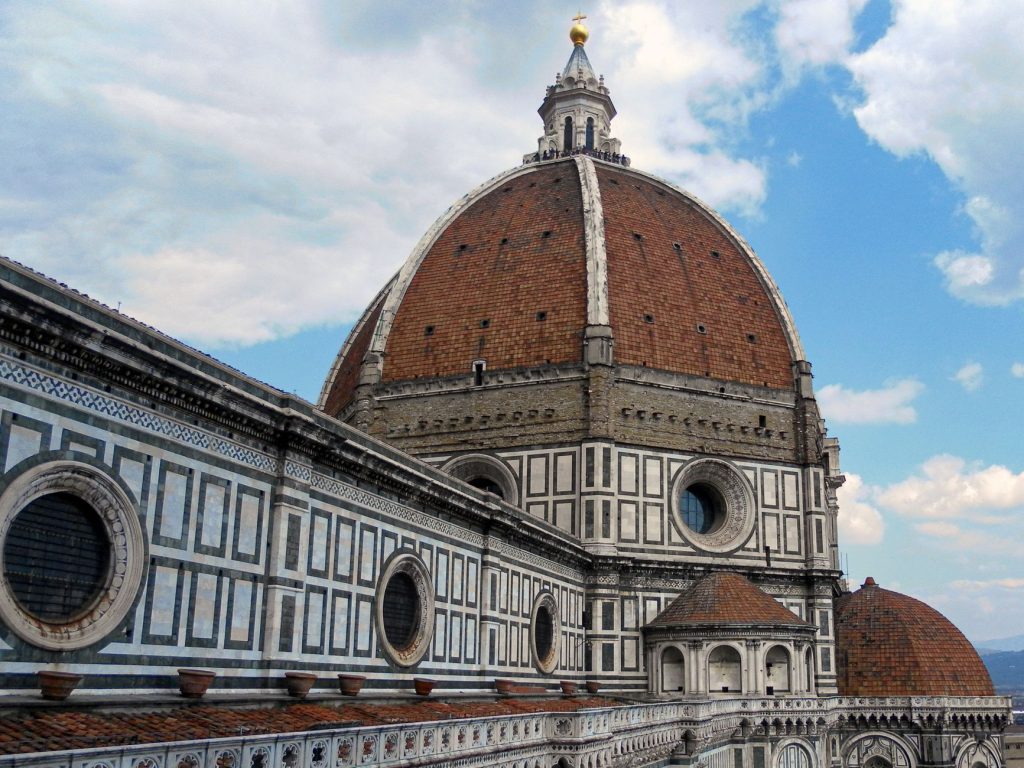
Florence has evolved from a mere checkpoint on the Grand Tour into a destination that rewards depth. While it is easy to snap a photo of the Duomo and claim you have seen the city, doing so misses the layered history that makes it unique. The city’s story stretches back to Etruscan roots, through the medieval banking boom, and finally to the apex of the Renaissance. This history is not just in the museums; it is in the urban fabric itself.
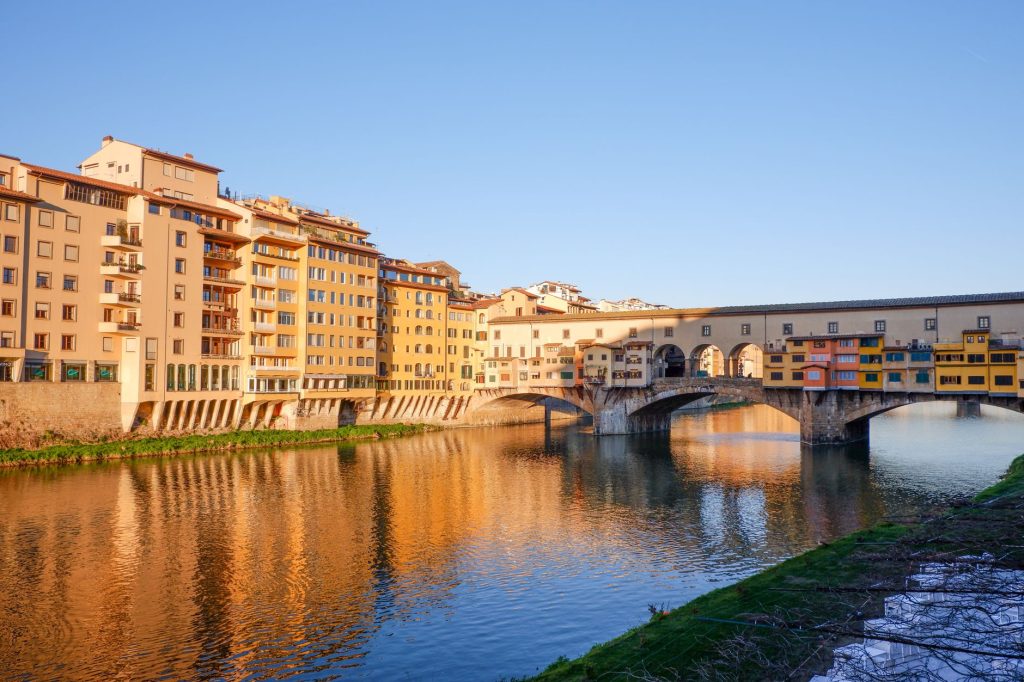
Staying for three to four days allows you to understand the rhythm of the place. You can watch the light change on the Ponte Vecchio in the morning and see it illuminated differently in the evening. You can explore the quiet streets of the Oltrarno without fighting the midday surge of day-trippers from Pisa or Lucca. A longer stay also lets you appreciate the scale of the artistic achievement. The Uffizi Gallery is not a place to rush through; it houses centuries of art, and trying to see it all in an hour means seeing nothing properly.
By extending your stay, you shift from being a spectator to a participant. You can sit in a piazza and watch the locals go about their day. You can find a small bookshop tucked away in a side street. You can understand why the Medici family chose this specific hillside location. The city reveals its secrets slowly. If you leave after one day, you leave with a postcard view. If you stay longer, you leave with an understanding of why this city has inspired artists for six hundred years. It is worth the extra cost and effort because the reward is a richer, more memorable journey.
The Best Time to Visit for Ideal Weather and Crowds
Choosing when to go dictates your experience. The peak summer months of June, July, and August bring long days and warm weather, but they also bring intense crowds and heat. The historic centre becomes a bottleneck, and queues for major attractions can stretch around blocks. If you visit then, you must book timed entry tickets weeks, sometimes months, in advance. The heat can also make walking between sites exhausting, especially if you are carrying bags or trying to climb the dome.
The shoulder seasons of April to May and September to October often offer the sweet spot. The weather is generally mild, making long walks pleasant. The crowds are thinner, allowing you to linger in galleries and enjoy meals without the pressure of a ticking clock. Spring brings blooming gardens and a lively atmosphere, while autumn offers golden light that is particularly striking on the city’s stone buildings. However, these periods are popular, so you still need to plan ahead.
Be aware of local events that disrupt the usual flow. The Scoppio del Carro, a traditional fireworks display, draws large crowds to the Piazza del Duomo. During such events, nearby streets are closed to traffic, and public transport routes change. If you have early morning plans, check the local calendar. Conversely, visiting during the low season, such as November or February, means shorter queues and lower accommodation rates, but you may face cooler weather and some reduced opening hours for smaller museums. There is no perfect time, only the trade-offs you are willing to make. Prioritise your comfort regarding heat and crowds, and book your key attractions as early as possible regardless of the season.
Getting to Florence and Navigating the Historic Center
Arriving in Florence is straightforward, but navigating it requires a shift in mindset. Most visitors arrive at Florence Santa Maria Novella station or Peretola Airport. Both are well-connected to the city centre. The train station is located just outside the historic walls, and from there, the centre is easily reachable on foot. The airport is a short bus ride or taxi trip away. Once you are in the city, forget about driving. The historic centre is a pedestrian zone, with narrow, winding streets that were designed for carts, not cars.
Walking is the best way to see Florence. The distances are short, and the route itself is part of the experience. You will pass hidden courtyards, small chapels, and historic palaces. However, be prepared for uneven cobblestones and steps. If you have limited mobility or heavy luggage, consider the tram system, which connects the station area to the northern districts. It is efficient for longer hops across the city but less useful for short trips within the centre.
Buses in Florence can be unreliable. They often get stuck in traffic or follow routes that are inefficient for tourists. Unless you are heading to a specific museum on the outskirts, walking or using the tram is usually faster. When crossing the Arno, use the bridges. The Ponte Vecchio is famous, but the Ponte Santa Trinita and Ponte alle Grazie offer different perspectives and are less crowded. Keep a map handy, but also allow yourself to get slightly lost. The best discoveries are often found off the main thoroughfares. Just be mindful of your belongings in crowded areas.
Where to Base Yourself: Oltrarno vs. Historic Center
Choosing where to stay is a strategic decision. The Historic Centre, centred around the Duomo and Piazza della Signoria, offers unparalleled convenience. You are steps away from the major sights, restaurants, and shops. This is ideal for first-time visitors who want to maximise their time and minimise travel. However, this area is bustling, noisy, and expensive. Accommodation is often smaller, and you may find yourself navigating crowds even in the early morning or late evening.
The Oltrarno, the district across the river, offers a different vibe. It is known for its artistic heritage, artisan workshops, and a more local, residential feel. Streets here are quieter, and the atmosphere is more relaxed. You are still within walking distance of the Uffizi and Ponte Vecchio, but you escape the sheer volume of tourists. The Oltrarno is better for travellers who prefer a quieter base, enjoy exploring independent shops, and want to experience a slower pace of life.
Consider your travel style. If you are a night owl who enjoys dining out late, the Historic Centre offers more options and energy. If you value sleep and a sense of community, the Oltrarno is preferable. Both areas have excellent public transport links if you need to venture further afield. The key is to choose a location that matches your priorities. Convenience comes at a price, both financial and in terms of noise. Quiet charm often requires a bit more walking to reach the main attractions. Either choice is valid, but be clear on what you value most.
The Holy Trinity of Renaissance Art: Uffizi, Accademia, and Pitti
Florence’s art scene is dominated by three major institutions: the Uffizi Gallery, the Accademia, and the Pitti Palace complex. Each requires a distinct strategy to visit effectively. The Uffizi houses the world’s finest collection of Renaissance paintings, including Botticelli’s The Birth of Venus and Primavera. Because it is so popular, timed entry tickets are essential. Booking online well in advance secures a slot and avoids the long queues that form at the ticket office. Arrive early in the day to beat the crowds, or later in the afternoon when the tour groups thin out.
The Accademia is smaller but home to Michelangelo’s David. This masterpiece draws huge crowds, and the viewing time can be brief if you arrive late. Again, pre-booked tickets are a must. The gallery also contains Michelangelo’s Prisoners, unfinished sculptures that offer a glimpse into his creative process. Plan for about two hours here. Do not rush; the scale of David is best appreciated from multiple angles.
The Pitti Palace is a vast complex that includes the Boboli Gardens, the Palatine Gallery, and other museums. It is less crowded than the Uffizi but still requires planning. The gardens are a highlight, offering green space and fountains. If you are an art enthusiast, consider a combined ticket for the Pitti and Boboli if available, as it offers better value. Prioritise what matters most to you. The Uffizi is for painting, the Accademia for sculpture, and the Pitti for a broader experience of palace life and gardens. Do not try to do all three in one day unless you are prepared for a long, tiring schedule. Spread them out over your stay.
Beyond the Duomo: Hidden Squares and Spiritual Gems
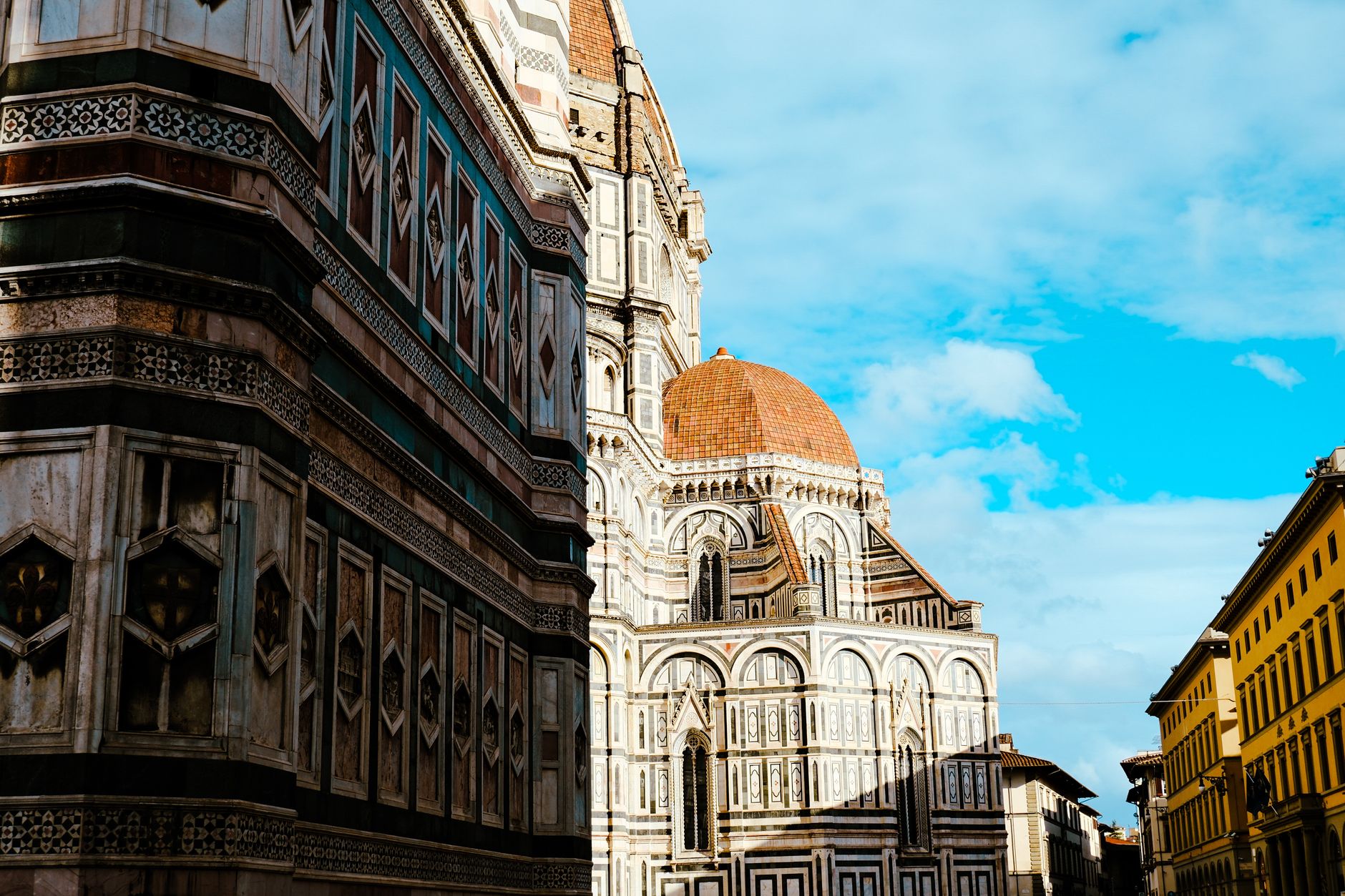
The Duomo is the crown jewel, but Florence’s spiritual and architectural richness extends far beyond its shadow. Start with the Baptistery, located right next to the cathedral. Its bronze gates, known as the Gates of Paradise, are masterpieces of early Renaissance sculpture. The interior, with its mosaic dome, is mesmerising. Allow time to look up; the detail is extraordinary.
Move on to the Basilica of Santa Croce. This is the resting place of famous Italians like Michelangelo, Galileo, and Machiavelli. The church itself is a stunning example of Gothic architecture, with large windows that flood the interior with light. The cloisters are quiet and peaceful, offering a place to reflect. Many visitors skip this in favour of the Duomo, but Santa Croce provides a deeper understanding of the city’s cultural legacy.
The Basilica of San Lorenzo is another hidden gem. It was the parish church of the Medici family and contains their mausoleum. The interior is less ornate than Santa Croce but holds significant historical weight. The library nearby is also worth a visit. These smaller churches offer a more intimate view of Florence’s religious architecture. They are often less crowded, allowing you to appreciate the art and structure without the distraction of large groups. Take time to explore these spaces. They offer a quieter, more contemplative side of the city that complements the grandeur of the main attractions.

Crossing the Arno: Ponte Vecchio and Oltrarno Workshops
Crossing the Arno is a symbolic act in Florence. The Ponte Vecchio is the oldest bridge on the river and is unique in that it is lined with shops. Originally inhabited by butchers, it now houses jewellery stores. The view from the bridge is iconic, and the arches against the river create a classic postcard image. However, it can be crowded. For a better experience, cross at dawn or dusk when the light is soft and the crowds are smaller.
Adjacent to the Ponte Vecchio are the Boboli Gardens. These are extensive gardens with sculptures, fountains, and walking paths. They offer a chance to sit and enjoy nature after viewing art. The gardens are well-maintained and provide a green lung in the city centre. Visit them early to avoid the heat and the midday rush.
Beyond the gardens lies the Oltrarno, a district known for its artisan workshops. Here, you can watch goldsmiths, cobblers, and restorers at work. These are not just displays; they are active workshops where craftspeople create high-quality goods. Visiting these workshops supports local tradition and offers a chance to see skilled hands at work. Many shops allow you to watch the process, and some even let you try your hand at simple techniques. This is a more authentic experience than shopping in the main tourist streets. It connects you to the history of Florence as a centre of craftsmanship. Take a moment to appreciate the skill involved. It adds depth to your visit.
Tuscan Dining: From Bistecca alla Fiorentina to Gelato
Food in Florence is straightforward and high-quality. Start with the Bistecca alla Fiorentina, a thick-cut ribeye steak grilled over wood. It is traditionally served rare, with a red centre. If you do not eat rare beef, ask for al sangue (rare) or media (medium-rare). The steak is meant to be shared; portions are large. Pair it with local red wine, such as Chianti or Brunello.
For a lighter option, try lampredotto, a traditional street food made from the fourth stomach of a cow. It is boiled and served in a bun with salsa verde. It is cheap, delicious, and deeply rooted in Florentine culture. Look for street vendors or small trattorias that specialise in it. Gelato is essential. Avoid gelato that is piled high in bright colours; this often indicates artificial flavourings. Look for natural colours and earthy tones. Ask for samples. Good gelato is dense and flavourful, not airy and sweet.
Understanding the difference between a trattoria and a ristorante helps avoid tourist traps. A trattoria is usually more casual, with a simpler menu and lower prices. A ristorante is more formal, with a broader menu and higher prices. Both can be excellent. The key is to look for places filled with locals, especially at mealtime. Avoid restaurants with large menus in multiple languages and photos of the food displayed outside. Walk a few streets away from the main squares for better value and authenticity.
Common Pitfalls and How to Avoid Them
Several common mistakes can ruin a trip to Florence. One is eating near the Duomo. The restaurants in the immediate vicinity of the cathedral often have higher prices and lower quality. Walk a few blocks away for better food at a lower cost. Another mistake is buying tickets at the counter. Queues can be long and time-consuming, especially in peak season. Always book online for the Uffizi, Accademia, and Duomo complex.
Wearing the wrong footwear is a third error. The Duomo dome requires climbing over four hundred steep, narrow steps. Sandals or flip-flops are not suitable. Wear sturdy shoes with good grip. Also, be aware of the copricapo rule for entering churches. Shoulders and knees must be covered. Carry a scarf to cover up if needed.
Baggage storage is another issue. Many hotels do not offer early check-in or late check-out. Use dedicated luggage storage services or lockers at the train station if you have a long gap between arrival and check-in. Finally, do not assume everything is open on Monday. Many museums and smaller shops close on Mondays. Check opening days in advance to avoid disappointment. Planning ahead saves time and money, allowing you to focus on enjoying the city.