 By
By 
You are standing in a queue, the sun is beating down, and your stomach is rumbling. You spot a stand selling a large, refillable popcorn bucket. It looks like a steal, but you quickly realise that the initial price is steep, and the refills aren’t free. Ten minutes later, you buy a character mug. By lunch, you have spent more on snacks than you intended for a full meal. This is how the budget quietly unravels: not through one massive expense, but through dozens of small, impulsive decisions made while tired and distracted.
Planning a trip to Disney World is an exciting prospect, yet the sheer volume of spending opportunities can feel overwhelming. Without a strategy, it is easy to assume that a holiday here must be a luxury experience reserved for those with deep pockets. However, with the right approach, you can enjoy the magic without the financial shock. The key lies in understanding where the costs hide and making informed choices before you even arrive at the gates. This guide breaks down the essential Disney World money-saving tips that transform a potentially expensive trip into a manageable, enjoyable adventure.
Why Disney World gets expensive fast
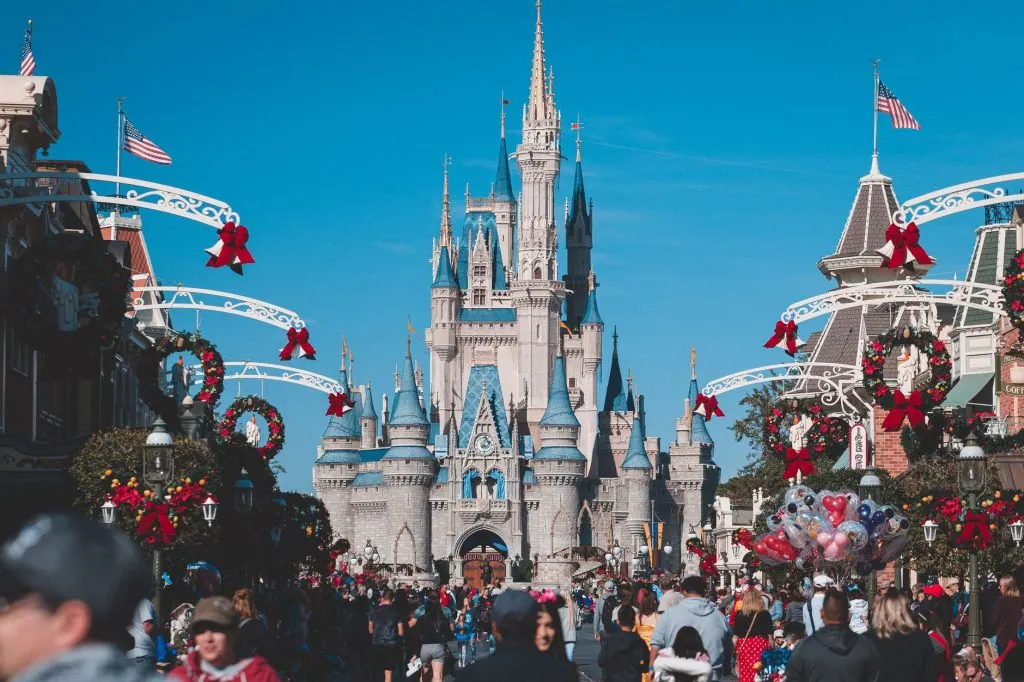
The perception that Disney is expensive is accurate, but it helps to understand exactly where the money goes. The cost structure is designed to encourage continuous spending. If you do not plan ahead, you will likely pay premium prices for convenience and impulse buys.
Tickets form the largest chunk of your budget. A standard entry ticket is just the starting point. Once you are inside, the Disney food costs rise significantly compared to standard theme parks or even local restaurants. A simple meal for a family of four can cost as much as a full dinner elsewhere. Add in the cost of accommodation, which is often positioned as a premium experience, and the daily spend climbs quickly.
The extras are the silent budget killers. Parking fees, if you are driving, add a daily charge on top of your accommodation. Souvenirs are marketed aggressively, with children’s toys and character accessories priced at a significant markup. Even small items like hats or plush toys, which seem harmless, add up rapidly. The parks are designed to funnel visitors from stall to stall, creating an environment where spending feels natural and inevitable.
Understanding this cost structure is the first step to controlling it. You do not need to cut out the fun; you simply need to shift your spending from impulsive purchases to planned investments. For more insight on what to expect, see Visiting Disney World? 5 Tips Before You Go!.
Base tickets or Park Hopper?
Choosing the right ticket is one of the most significant financial decisions you will make. The choice is between a standard base ticket, which grants access to one park per day, and a Park Hopper option, which allows entry to multiple parks on the same day. This decision should be driven by your travel style, not by the fear of missing out.
Matching tickets to your plan is crucial. If you are travelling with young children, you will likely move at a slower pace. A single day in one park, such as the Magic Kingdom or Animal Kingdom, is often enough to exhaust even the most energetic kids. Trying to force a second park into the day can lead to tiredness and frustration, making the extra cost of the Park Hopper feel like a waste.
Conversely, if you are travelling as a couple or a group of adults without small children, the Park Hopper might be worth the additional cost. It offers flexibility. You can start the day in one park, catch a parade or show, and then move to another park for dinner or evening entertainment. This flexibility is valuable for those who want to maximise their time and experience variety.
However, consider the number of days you are visiting. If you are only there for a short trip, say three days, a base ticket might be more efficient. You can focus on the highlights of each park without the pressure to see everything. If you are staying for a week or more, the Park Hopper option becomes more attractive, as you have more days to spread out your visits.
Buying your Disney tickets in advance is always advisable. It often secures a better price and ensures you do not face availability issues on the day. It also allows you to pre-book certain experiences. Think about your group’s energy levels and preferences. If you prefer a relaxed pace, stick to base tickets. If you crave variety and have the energy to move between parks, the Park Hopper is a worthwhile investment. For a broader look at budgeting for Orlando trips, check out How to Save Money on a Theme Park Trip to Orlando.
Stay off-site
One of the most effective ways to Disney World on a budget is by choosing accommodation wisely. On-site hotels are convenient, but they come at a premium. The truth is that a majority of Disney resorts are not budget-friendly. They offer perks like early park entry and direct transport, but these benefits can cost a significant amount extra per night.
Pros and cons of staying off-site need to be weighed carefully. On-site hotels offer immersion and convenience. You are steps away from the magic, and the theme is consistent. However, off-site hotels, particularly those located near the Disney parks, can be significantly cheaper. Many of these off-site properties offer their own shuttle services to the parks, negating the need for rental cars or taxis.
Transport is a key factor. If you stay off-site, you might save on the room rate but spend on transport. However, many off-site hotels provide complimentary shuttles. If you are flying into Orlando, staying off-site can also save you money on car rentals. You can use ride-hailing apps or local buses for occasional trips, which is often cheaper than the daily parking fees charged at on-site resorts.
Hidden fees are common in on-site hotels. Resort fees, parking fees, and even the cost of using the pool area can add up. When comparing off-site options, read the fine print. Look for hotels that include breakfast or have kitchenettes, which can save you money on food.
Shuttles vary in quality and frequency. Some are efficient and frequent, while others might have long wait times. Always check the shuttle schedule before booking. If you are driving, consider the daily parking fee at Disney resorts. It is a small daily cost, but over a week, it adds up. For off-site stays, parking is often free.
Ultimately, staying off-site requires a bit more planning but offers substantial savings. It allows you to allocate your budget towards experiences rather than accommodation. Just ensure you factor in transport costs and time when comparing prices.
Buy extras ahead of time
The parks are designed to entice you to buy on the go. Stuffed animals, character ears, and ponchos are sold at a significant markup. Buying these items ahead of time can save you a considerable amount. This is especially true for items that are not unique to the park.
Souvenirs can be purchased online or in local stores for a fraction of the park price. A plush Mickey Mouse sold in the park might cost twice as much as one bought from a general retailer. Character ears are another item that is easy to buy in advance. You can find high-quality versions online for much less. The only downside is that you have to carry them, but the savings are worth the effort.
Ponchos are a classic example of an overpriced park item. Rain is unpredictable in Orlando, and having a poncho is essential. The park-supplied ponchos are expensive and often flimsy. Buy a pack of lightweight ponchos before you travel. They are cheaper, more durable, and you can share them if needed. This is a small purchase that prevents a large impulse buy when the rain starts.
Gift cards are another way to save. Buying authorised retailers gift cards at a discount can give you extra spending power. Many third-party retailers sell Disney gift cards at a reduced price. You can use these cards for food, souvenirs, and even accommodation. Just ensure you check the rules of use, as some cards may have restrictions.
Rule checks are important. Some items bought off-site may not be allowed in the parks, though this is rare for standard souvenirs. Always check the official guidelines to ensure your pre-bought items are permitted. This is particularly relevant for large plush toys or specific character merchandise.
The key is to buy items that are generic and not unique to the park. If you want a specific, limited-edition item, you may need to buy it in the park. But for standard souvenirs and necessities, buying ahead is a smart financial move. It also reduces the stress of shopping while you are tired and hot. For a look at other potential costs, see Unexpected Holiday Expenses.

Skip the Disney Meal Plan and snack smart
The Disney meal plan is a pre-paid food scheme that allows you to budget your food costs in advance. It can be convenient, but it is not always the best value. For many travellers, skipping the plan and paying as you go is cheaper.
When a meal plan is worth it depends on your eating habits. If your family eats large portions and consumes a lot of snacks, the meal plan might save you money. However, if you are selective eaters or prefer to eat at your own pace, the plan can feel restrictive. You might find yourself paying for credits you do not use.
Water is a free resource in the parks. Always carry a refillable bottle. You can fill it at water stations or ask for a cup of water at any counter-service restaurant. This is a simple way to stay hydrated without buying expensive drinks. Refillable mugs are available at resort hotels, but they are only valid for the duration of your stay and only at the specific hotel. They are a good deal if you stay at a Disney resort and drink a lot of beverages.
Picnic options are a great way to save on food. You are allowed to bring your own food into the parks. Pack sandwiches, snacks, and fruit. This is especially useful for families with young children who have specific dietary needs or picky eaters. You can eat in designated picnic areas or even at your table if you have a reservation.
Snack smart by avoiding the main queues for food. Eat before you enter the park or during off-peak hours. Disney food prices are inflated, so planning your meals around cheaper options is key. Consider breakfast at the hotel and lunch in the park, saving dinner for a sit-down experience if it fits your budget.
The Disney meal plan is not necessary for everyone. It is best for those who want to simplify their spending and do not mind the structure. For most, paying as you go and planning your meals is more flexible and often cheaper. Be mindful of portion sizes and avoid impulse buys at the checkout.
Timing and crowds
The time of year you visit can significantly impact your budget and experience. Low season periods often have lower ticket prices and fewer crowds. Avoiding peak times like school holidays and major festivals can save you money on accommodation and tickets.
Weekdays are generally cheaper and less crowded than weekends. If you have flexibility, plan your park visits for Monday through Thursday. This allows for shorter queue times and a more relaxed pace. Avoiding holidays is crucial. School breaks and public holidays see a surge in visitors, driving up prices and crowd levels.
Extreme heat or rain can be a deterrent, but it can also be an opportunity. Visiting during the hotter parts of the day or during rainy seasons can mean lower prices. Just be prepared for the weather. Carry umbrellas or ponchos and plan for indoor activities.
Crowds affect your experience as well as your wallet. Longer queues mean more time waiting and less time enjoying. This can lead to fatigue and increased spending on convenience items. Planning your visit during off-peak times ensures a better value for money.
Research the calendar for your trip. Look for local school holidays and major events. Adjust your dates if possible to avoid these periods. Even a shift of a few days can make a significant difference in cost and comfort. For a deeper dive into saving on Orlando trips, revisit How to Save Money on a Theme Park Trip to Orlando.
Transport and parking
Getting around Orlando and the parks can be costly if you are not careful. Shuttles provided by off-site hotels are a free and convenient option. Use them to avoid the cost of rental cars or taxis. If you do need to use a car, compare ride-hailing apps with traditional taxis. Apps often offer competitive pricing and transparency.
Resort buses are free for on-site guests. They are reliable and frequent, making them a good choice for short trips. However, they can be crowded during peak times. Plan your trips to avoid rush hours.
Parking fees at Disney resorts are a daily charge. If you are staying off-site, you might save on parking. However, if you drive to the parks from an off-site hotel, you may still need to pay the parking fee at the park entrance. Check the current rates and plan accordingly.
Consider the cost of rental cars if you plan to explore Orlando beyond the parks. If you are only visiting the Disney resorts, a car might not be necessary. Use public transport or shuttles instead. This can save you the daily rental fee and insurance costs.
Always compare the total cost of your transport options. Factor in parking, fuel, and tolls. Sometimes, a slightly more expensive rental car can save you money on parking and shuttles. Be thorough in your calculations to ensure you are getting the best deal. For more on managing costs, see Unexpected Holiday Expenses.
Smart souvenir and photo habits
Souvenirs are a major part of the Disney experience, but they do not have to break the bank. One memento each is a good rule. It keeps the collection meaningful without becoming cluttered. Buy items that have personal significance, such as a character item for a child or a specific piece for a partner.
Free photo points are available throughout the parks. Use these instead of buying photo packages. The parks have scenic spots and character meet-and-greets where you can take your own photos. This is especially useful for group photos.
Avoid photo packages unless you are a photography enthusiast. The professional photos are high quality but come at a premium. If you want a professional shot, take one at a key moment and use it as a keepsake. You can also print them later for a fraction of the cost.
Be mindful of impulse buys. The parks are designed to trigger emotional spending. Pause before buying and ask if you will remember the item in five years. If the answer is no, leave it. This simple habit can save a significant amount over the course of a trip.
For children, involve them in the decision. Let them choose one item and stick to it. This teaches budgeting and makes the purchase more special. Avoid buying duplicate items or items that are just "nice to have." Focus on experiences and meaningful keepsakes.
Wrapping up
Saving money at Disney World is not about cutting out the fun; it is about being strategic. By planning your tickets, accommodation, and food in advance, you can control your spending. Avoiding impulse buys and choosing the right timing for your visit will enhance your experience and your budget.
Create a simple spending plan before you go. Decide on a daily budget and stick to it. Track your budget daily to ensure you are on track. This awareness will help you make better decisions on the go. Remember, the magic of Disney is in the memories, not the merchandise. By being smart with your money, you can enjoy a magical trip without the financial stress.
Official sources and further reading
Opening times, entry rules and prices change, so check them on the official sites before you travel:
- Walt Disney World: Official park hours, tickets and planning tools.
- Visit Orlando: The official Orlando tourism site.