By
By 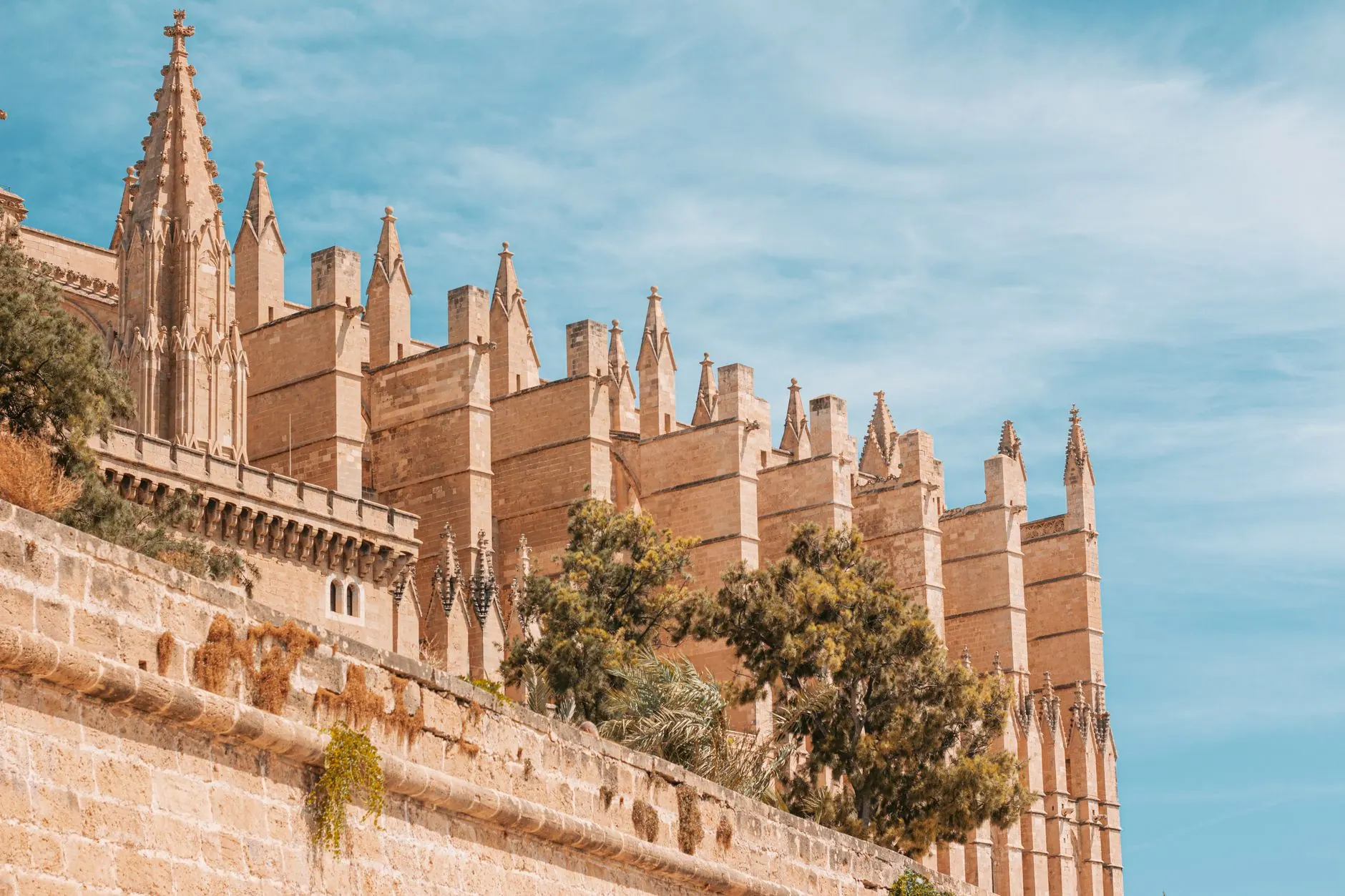
You have twenty-four hours. The cruise ships are already docking, the sunlight is hitting the limestone facades of the old town, and you are standing in a square with a map on your phone, trying to decide whether to head uphill or stay by the water. Palma is a city that rewards slow exploration, but when time is tight, you need a strategy that minimises backtracking and maximises the atmosphere.
Getting the most out of a single day requires a logical flow. You cannot rush the history, but you can certainly sequence it to keep your energy up and your feet moving in the right direction. This guide cuts through the noise to give you a clear, step-by-step route for the essential things to do in Palma de Mallorca. We will move from the medieval heart of the city to the modern harbour, climb to the castle for sunset, and end with a proper Mallorcan meal. No fluff, just a plan that works.
Planning Your Perfect Day: Navigating Palma’s Layout and Pace
Palma is compact, which is both a blessing and a potential trap. The historic centre is dense with narrow streets, and the harbour area is linear and open. If you try to zigzag between the old town and the castle repeatedly, you will waste precious hours in transit and end up exhausted by late afternoon. The smartest approach is to treat Palma as a series of distinct zones, moving clockwise or counter-clockwise in a single loop.
Start your day early, ideally before the midday heat intensifies and the tour groups arrive in force. Your first stop should be the historic centre, specifically around the cathedral. From there, work your way through the old town streets towards the Plaça Major. Once you have absorbed the medieval architecture, move towards the harbour. The final leg of your day should be the ascent to Bellver Castle, which offers the best light for photography in the late afternoon.
Walking is the best way to experience Palma. The distance between the cathedral and the castle is manageable on foot if you take the direct route through the city’s newer districts, but it does involve some incline. If you prefer to conserve energy for the sightseeing, you can use local buses or ride-hailing apps to skip the uphill climb, but you will miss the architectural details of the modernist buildings that line the route. For a first-timer, the walk is worth the effort. It gives you a sense of the city’s scale and the contrast between the ancient stone and the 20th-century expansions.
The key to a successful day is pacing. Do not try to see everything. You will not have time for a long museum visit, a leisurely three-course lunch, and a castle tour all in one go. Prioritise the external experiences and the iconic landmarks. Use the walking route as your spine: Cathedral → Old Town Streets → Plaça Major → Harbour → Castle. This direction keeps you moving with the sun and ensures you end your day with the most dramatic view.
The Crown Jewel: Inside La Seu Cathedral
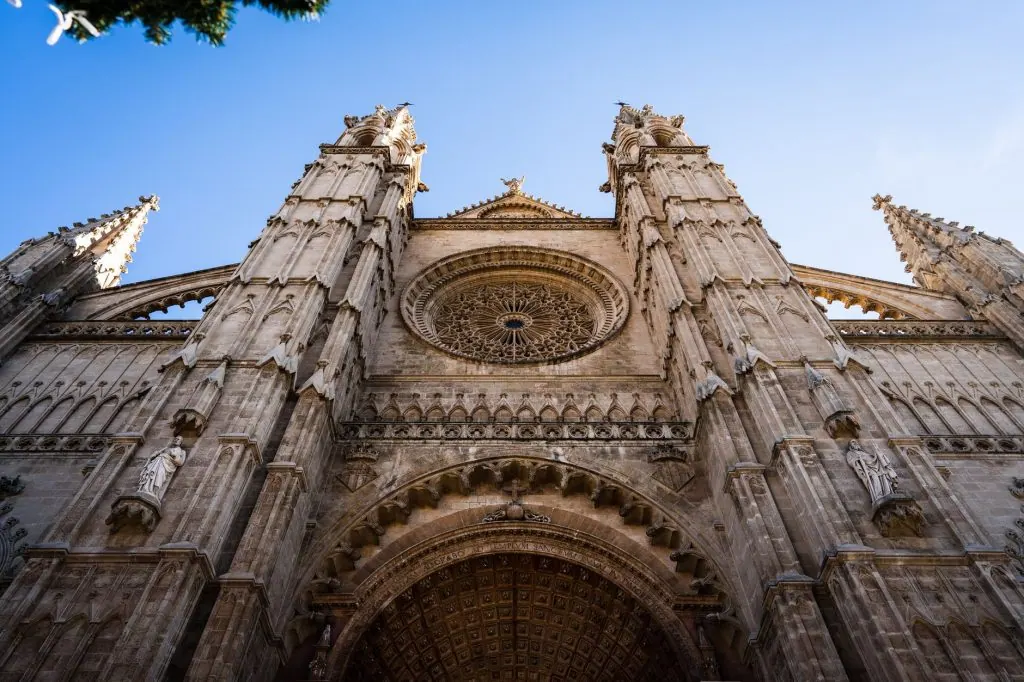
Few buildings define a city quite like La Seu, the Cathedral of Santa Maria of Palma. It dominates the waterfront, its Gothic spires piercing the sky. Built on the site of a former Moorish mosque, its construction spanned three centuries, resulting in a structure that is massive in scale and unique in design. The sheer size of the interior can be overwhelming, but that is part of the experience.
The most striking feature is the interior renovation by Antoni Gaudí in the late 19th and early 20th centuries. His influence is visible in the central nave, where the columns spread out like trees, creating a sense of verticality and light. Gaudí also installed the massive rose window, which is often cited as one of the largest of its kind in the world. The light that streams through this stained glass, especially in the morning, transforms the stone floor and the altar area into a kaleidoscope of colour. It is a visual spectacle that no photograph can fully capture.
However, the true value of a visit to La Seu lies in the rooftop tour. The exterior flying buttresses are impressive, but climbing to the roof allows you to see the cathedral’s structural genius up close. You can walk along the narrow stone paths between the buttresses, looking down into the nave and out towards the harbour. The views here are unparalleled. You can see the curve of the bay, the modern marina, and the distant mountains of the Tramuntana range. It provides context for why the cathedral was built here, right at the water’s edge.
Be prepared for crowds. La Seu is a major tourist attraction, and queues can form quickly, especially during peak season. If you can, book tickets in advance or arrive right when the cathedral opens. The rooftop tour often has a separate queue, so allow extra time. The climb is steep and involves many steps, so wear comfortable shoes. If you have mobility issues, the ground floor is still breathtaking, but you will miss the perspective that only the roof offers.
Royal History at the Almudaina Palace
Just steps from the cathedral stands the Almudaina Palace, or the Royal Palace of La Almudaina. This building is a physical reminder of the city’s layered history. Originally built by Moorish governors in the medieval period, it served as a fortress and a residence. Later, it was adapted by Christian rulers, and today it remains a royal residence used by the Spanish royal family when they visit Mallorca.
The architecture of Almudaina is a blend of styles. You can see the robust, fortified walls that speak to its military origins, alongside more refined sections that reflect royal elegance. The interior is a museum of sorts, showcasing artifacts collected over centuries. These include tapestries, furniture, and religious items that tell the story of the island’s rulers. The courtyard is particularly striking, with its mix of Islamic geometric patterns and Christian heraldry.
For a one-day itinerary, you do not need to spend hours here. A brief interior tour is sufficient to understand the historical significance. The exterior, however, is worth lingering on. The palace sits right next to the cathedral, creating a powerful visual duo that defines the historic centre. Use this time to rest your feet and absorb the atmosphere. The area around the palace is less crowded than the cathedral entrance, offering a moment of calm.
If you are interested in history, pay attention to the details. The transition from Moorish to Christian rule is visible in the stonework and the layout of the rooms. It is a tangible link to the past, reminding you that Palma has been a crossroads of cultures for over a thousand years. Avoid spending more than thirty minutes here unless you are a history buff. Save your energy for the walk to the Old Town.
Hidden Gems in the Old Town: Arab Baths and Plaça Major
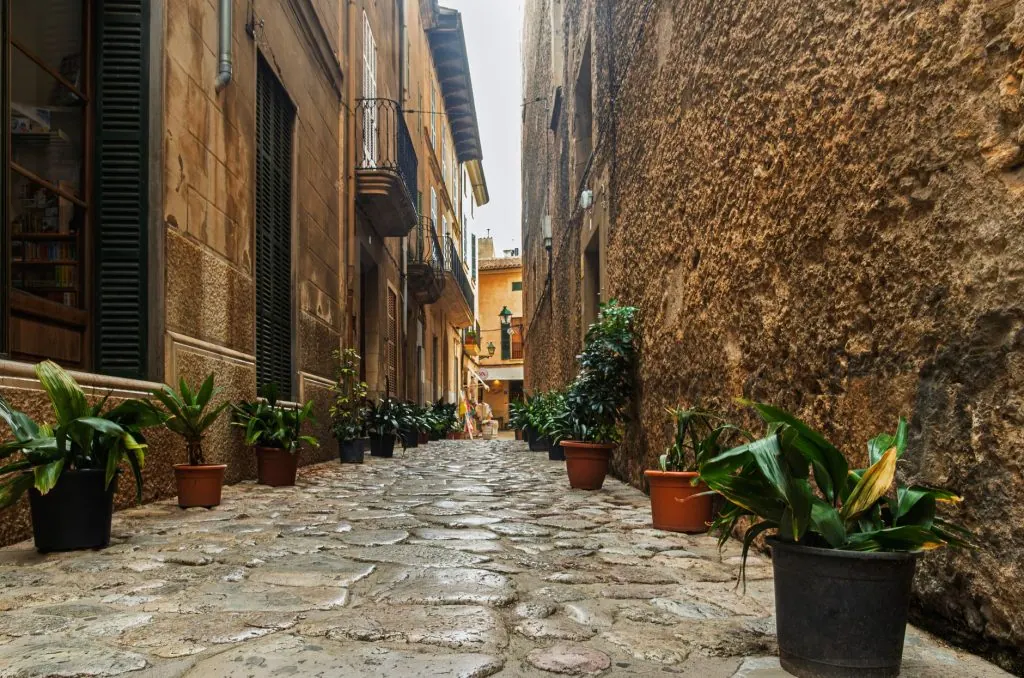
After leaving the palace, wander into the narrow streets of the Old Town. This is where Palma feels most authentic. The streets are winding and shaded, offering relief from the sun. One of the most interesting stops here is the Arab Baths, or Hammams. These ancient public baths date back to the Moorish period and are a rare surviving example of Islamic architecture in the city.
The hammams are small but intricate. The design follows traditional Moorish principles, with separate hot, warm, and cold rooms. The ventilation system is clever, using natural airflow to regulate temperature. The gardens surrounding the baths are also worth a visit. They are filled with Mediterranean plants and flowers, creating a peaceful oasis in the middle of the busy city. It is a quiet moment to appreciate the engineering and aesthetic sensibilities of the Moors.
From the baths, make your way to the Plaça Major. This square is the commercial and social heart of the Old Town. It is surrounded by historic arcades and is home to a daily market. The atmosphere here is vibrant and chaotic in the best way. You will find stalls selling fresh produce, flowers, and local crafts. The surrounding buildings feature elegant balconies and stone facades that have stood for centuries.
The Plaça Major is also a great place to people-watch. Locals gather here in the evenings, and the energy is palpable. It is a good spot to take a break and observe the rhythm of daily life. If you are looking for a quick snack, there are several cafes and bakeries around the square. Avoid the restaurants with menues in multiple languages right on the edge of the square; they tend to be overpriced. Instead, venture a few streets away for better value.
Panoramic Views and Circular Architecture at Bellver Castle
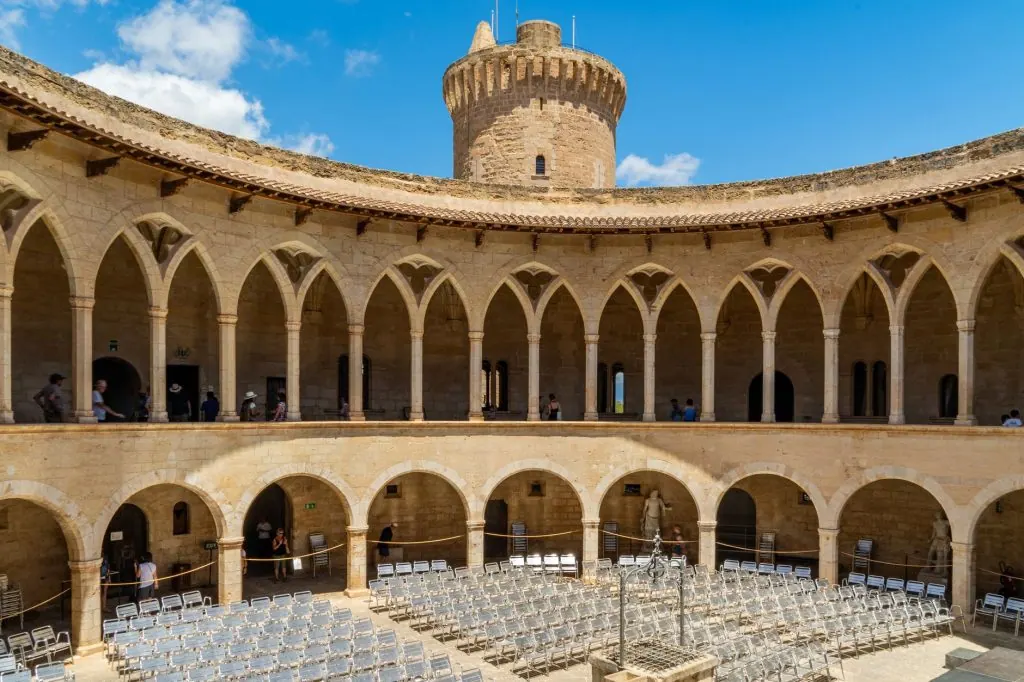
To end your day, head to Bellver Castle. This is one of the most unique castles in Europe, primarily because of its circular design. Built in the 14th century, it was intended as a defensive fortress but also as a residence. The circular shape allows for a continuous gallery that wraps around the central courtyard, providing 360-degree views of the city and the bay.
The journey to the castle involves an uphill climb, which can be steep. If you are not up for the hike, you can take a bus or a taxi. The view from the top is worth the effort, however. On a clear day, you can see the entire bay of Palma, the airport, and the mountains in the distance. The castle’s architecture is distinct from the linear castles of mainland Europe; its round form was designed to eliminate blind spots for defenders.
Inside, the castle houses a museum of decorative arts and historical artifacts. The central courtyard is the highlight, with its symmetrical layout and the play of light and shadow. The upper galleries offer framed views of the city below, making it a photographer’s dream. It is particularly beautiful in the late afternoon when the sun casts long shadows and the light turns golden.
Bellver Castle is the perfect spot for sunset. As the day winds down, the city below lights up, and the castle walls glow in the fading light. It is a romantic and dramatic end to a day of sightseeing. After your visit, you can descend back into the city for dinner. The area around the castle is quieter than the old town, offering a chance to decompress before your final meal.
Culinary Highlights: Tapas, Paella, and Fresh Seafood
No trip to Palma is complete without tasting the local cuisine. Mallorcan food is simple, fresh, and deeply rooted in tradition. The key is to seek out places that serve local ingredients rather than generic tourist fare. In the Old Town and the harbour area, you will find a wide variety of dining options.
Start with tapas. These small plates are perfect for sharing and allow you to try a variety of dishes. Look for bars that serve ensaïmada, a spiral-shaped pastry made with lard, which is a local specialty. Sobrasada, a soft spreadable sausage made from pork and paprika, is another staple. It is often served on bread with olive oil. For a more substantial meal, try grilled fish. Mallorca is an island, so fresh seafood is abundant. Grilled sea bream or lobster are excellent choices, especially if you are dining near the harbour.
Timing your meals is crucial to avoid crowds. Lunch in Spain is typically late, between 2 pm and 4 pm. Dinner is even later, often starting after 8 pm. If you eat at the traditional times, you will find fewer crowds and a more authentic atmosphere. Many restaurants close between meals, so plan accordingly. Avoid restaurants with touts standing outside who try to lure you in; they often serve mediocre food at high prices.
For a truly local experience, look for places that are busy with residents rather than tourists. Ask your hotel concierge or a local shopkeeper for recommendations. They will know the hidden gems that are not on the main tourist trails. Whether you choose a high-end restaurant or a humble tapas bar, the focus should be on the quality of the ingredients and the simplicity of the preparation.
Shopping and Strolling: Passeig Born and the Harbor Walk
If you have time for shopping, Passeig Born is the place to go. This elegant avenue is lined with high-end fashion stores and boutiques. It is a great place to window-shop and admire the architecture. The buildings along Passeig Born are a mix of modernist and classical styles, reflecting the city’s wealth in the late 19th and early 20th centuries.
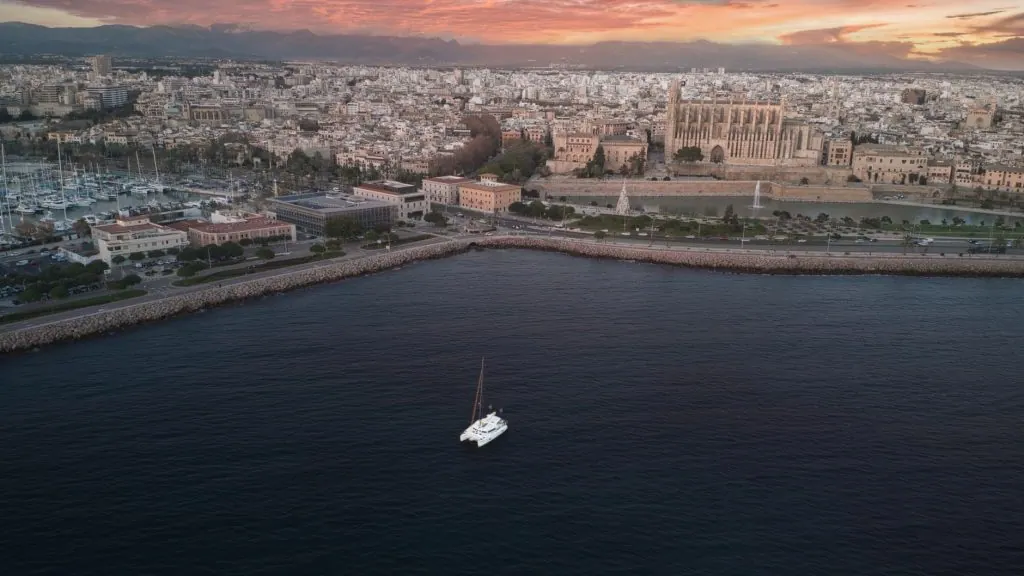
After shopping, take a walk along the Paseo Marítimo, the harbor promenade. This long, flat walkway offers stunning views of the marina and the sea. It is a popular spot for locals to exercise and socialise in the evenings. You can see yachts and boats docked in the marina, and the atmosphere is relaxed and cosmopolitan. The contrast between the old town and the modern marina is striking, and this walk highlights the evolution of Palma over the centuries.
The harbor area also has a number of restaurants and cafes with outdoor seating. It is a good place to enjoy a drink while watching the sunset. The views of the cathedral from the harbor are particularly beautiful, with the reflection of the spires in the water. If you are tired from walking, this is a chance to sit down and rest.
For those interested in architecture, keep an eye out for the modernist buildings along the route. Palma has a significant collection of these structures, which add character and charm to the city. The CaixaForum, for example, is a cultural centre housed in a former textile factory, showcasing the adaptive reuse of historic buildings.
Practical Tips: Getting Around, Costs, and Common Mistakes
Getting around Palma is straightforward. The historic centre is best explored on foot. For longer distances, the local bus network is efficient and affordable. Buses run frequently and cover most of the city, including the route to Bellver Castle. Taxis are available but can be expensive, especially during peak hours. Ride-hailing apps are also an option, but they may surge in price during busy times.
One common mistake tourists make is trying to do everything in one day. It is better to focus on a few key attractions and enjoy them properly than to rush from one site to another. Prioritise the experiences that matter most to you. If you love architecture, spend more time at the cathedral and the castle. If you prefer food and culture, explore the Old Town and try different restaurants.
Another tip is to be aware of the cruise ship schedule. When multiple ships are in port, the old town can become very crowded. If you want to avoid the crowds, try to visit the main attractions early in the morning or late in the afternoon. The light is also better for photography during these times.
Prices in Palma can vary widely. Tourist areas tend to be more expensive, so it is worth venturing a few streets away from the main attractions to find better value. Look for places that serve local dishes made with fresh ingredients. Avoid restaurants that display large menus with pictures in multiple languages, as these are often geared towards tourists and may not offer the best quality.
Where to Stay and Final Recommendations
For a one-day visit, where you stay is less critical than your itinerary. However, if you are planning an extended stay, choose your accommodation carefully. Staying in the Old Town puts you in the heart of the action, with easy access to the cathedral, the palace, and the best restaurants. It is ideal for those who want to immerse themselves in the history and culture of the city.
If you prefer a more relaxed atmosphere, consider staying near the harbour. The area offers a mix of modern hotels and apartments, with easy access to the promenade and the marina. It is also closer to the nightlife and entertainment options. For budget travellers, there are plenty of hostels and guesthouses in both areas.
To recap, your ideal one-day flow would be: start at La Seu Cathedral early in the morning, visit the Almudaina Palace, wander through the Old Town to the Arab Baths and Plaça Major, head to Bellver Castle for sunset, and finish with dinner in the Old Town or harbour area. This route minimises backtracking and ensures you see the highlights of Palma without feeling rushed.
Palma is a city that rewards patience and curiosity. Take your time to soak in the Mediterranean light, the sounds of the streets, and the taste of the local food. Whether you are a history buff, a foodie, or just looking for a beautiful place to relax, Palma has something to offer. Use this guide to plan your day, but leave room for serendipity. The best memories often come from the unexpected discoveries you make along the way.
Official sources and further reading
Opening times, entry rules and prices change, so check them on the official sites before you travel:
- Spain.info: Spain's official tourism portal.