 By
By 
You are standing in the terminal, staring at a departure board that has been updating every thirty seconds for the last hour. The flight is delayed again. Your carry-on bag is too large, or perhaps too small, and you are trying to decide whether to pay the fee or risk the check-in queue. You are tired before you have even boarded the plane. This is the reality of modern long-haul travel for many people. It is exhausting, expensive, and often far less relaxing than the brochures suggest.
For years, the default assumption for a proper holiday has been to book a flight to a sunny destination halfway across the world. We are told that if we are not scaling mountains in the Alps or lounging on pristine beaches in the Mediterranean, we are missing out. But this year, the equation is shifting. There is a compelling case for staying put. By choosing a holiday at home, you are not settling for less; you are opting for a different kind of value. You are trading the spectacle of distant landmarks for the luxury of time, the calm of a slower pace, and the financial sense of keeping your spending within your own borders.
The arguments for staying put are not just about saving money, although that is a significant factor. They are about reclaiming the actual experience of a break from work. When you eliminate the logistical nightmare of transit, you gain hours of leisure. You gain the ability to sleep in without rushing for a 6 AM train. You gain the flexibility to change plans on a whim because you are not tied to a departure gate. This guide breaks down exactly why a domestic break might be the smarter, more enjoyable choice for your next few days off.
The case for staying put
The primary benefit of a staycation is the restoration of your personal time. When you travel abroad, a significant portion of your holiday is consumed by the journey itself. This is known as "transit time," and it is often overlooked when people calculate the value of a trip. You might book ten days away, but if two of those days are spent in airports, on planes, or in taxis, your actual time off is significantly reduced.
When you stay in the UK, the travel time shrinks dramatically. Even if you are travelling to a distant part of the country, the journey is measured in hours, not days. You can drive to the coast or the mountains and arrive with your energy intact. This means you can start your holiday the moment you leave your front door. There is no jet lag to recover from, no time zone confusion, and no need to adjust your body clock. You wake up on your first morning ready to go, not groggy and disoriented.
The financial aspect is equally compelling. International holidays carry hidden costs that are easy to ignore until you are at the checkout. There are airport transfer fees, which can be steep for a family of four. There are baggage fees that add up quickly, especially if you are packing for a week rather than a weekend. There are also the costs of travel insurance, which often have exclusions or high excesses. When you stay in your own country, these costs vanish. You are not paying for the privilege of being lifted into the sky.
Moreover, staying put reduces the cognitive load of decision-making. Planning a foreign trip requires researching visas, vaccinations, local transport systems, and currency exchange rates. It requires learning basic phrases or understanding cultural norms. When you are at home, the infrastructure is familiar. You know how the train system works. You know where the nearest pharmacy is. This familiarity allows you to relax more easily because your brain is not in constant "alert" mode, processing new stimuli and navigating the unknown.
Travel without the travel
The phrase "travel without the travel" might sound like a contradiction, but it refers to the elimination of the stressful middleman between you and your destination. The modern travel experience is often defined by queues and waiting. You wait in line to check in, you wait in line to pass through security, you wait in line to board, and you wait in line to collect your luggage. Each of these segments adds to the overall stress of the trip, often leaving you feeling drained before you have even arrived.
Consider the journey to a major airport from a central city location. Even with express trains, you are still subject to schedules and potential delays. If you live further out, you face the unpredictability of road traffic. By contrast, a domestic holiday allows for a more controlled departure. You can leave when you want, take the route that suits you best, and stop for a coffee or a break whenever you choose. If the weather turns bad, you are not stuck in a terminal waiting for a delayed flight; you can adjust your plans with minimal disruption.
The reduction in stress is profound. Airport security is a ritual of anxiety for many people. You have to remove shoes, laptops, and liquids, all while worrying about whether you have packed correctly. You are standing in a confined space, surrounded by other tired travellers. When you drive to a cottage or a hotel in the UK, you control your own environment. You listen to your own music, you pack exactly what you need, and you arrive at your destination with your belongings intact and organized.
This also applies to the return journey. International flights often have strict return times, and missing a flight can mean losing hundreds of pounds and ruining the end of your holiday. With domestic travel, the consequences of a late return are usually minor. You can take your time unpacking, enjoy a leisurely breakfast, and drive home without the pressure of a boarding call. This flexibility transforms the holiday from a rigid schedule into a fluid experience.

What do they have that we haven't?
It is easy to look at travel magazines and feel that the UK lacks the dramatic scenery of other countries. We are told that we need to see the Great Barrier Reef or the Pyramids to have a truly "great" holiday. But this perspective ignores the diversity and depth of the British landscape. If you look at your own region with fresh eyes, you will find wonders that are often overlooked.
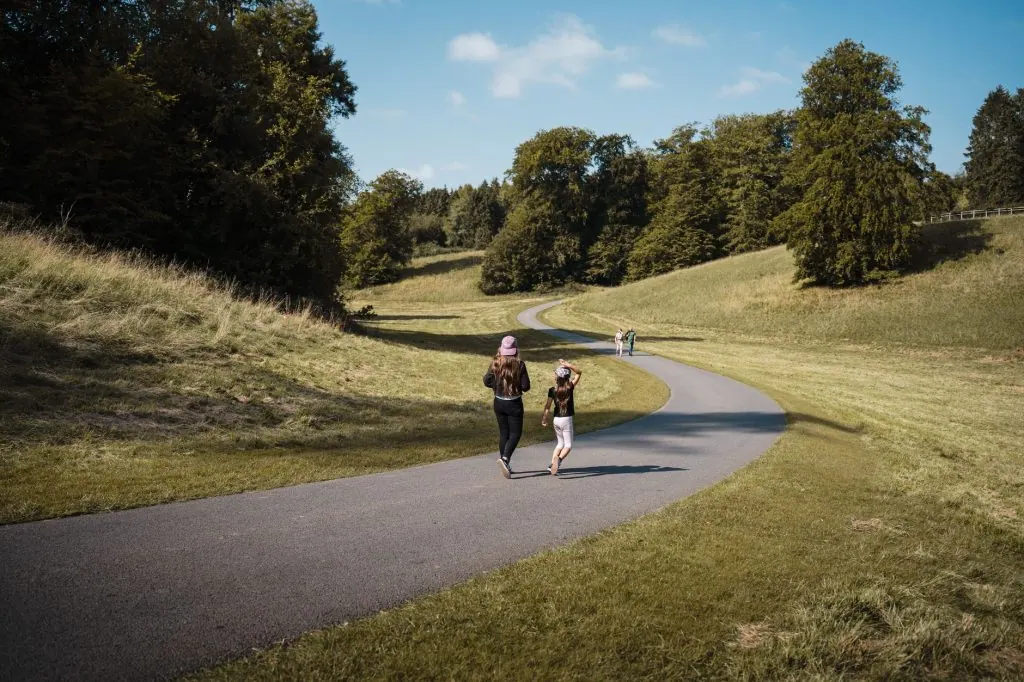
Wales and Scotland offer some of the most stunning mountain ranges in Europe. The Lake District provides dramatic fells and lakes that rival any alpine scenery. The coastlines of Cornwall, Devon, and Northumberland are rugged and wild, with beaches that are often far less crowded than their Mediterranean counterparts. These are not just places to look at; they are places to experience. You can walk trails that have been used for centuries, climb peaks that offer panoramic views, and sit by shores that have remained unchanged for millennia.
Beyond the natural world, there is the human history embedded in the landscape. Every town in the UK has a story. There are Roman ruins in Bath, medieval castles in Yorkshire, and industrial heritage sites in the Midlands. These are not distant, exotic curiosities; they are part of your local heritage. Understanding the history of a place adds a layer of depth to a holiday that a quick photo op in a foreign country cannot match. You can visit a historic house and learn about the lives of the people who lived there, rather than just admiring the architecture from the outside.
Even urban areas have hidden gems. A city you have lived in for years might have a gallery you have never visited, a park you have never explored, or a neighbourhood with a rich cultural history. The key is to shift your mindset from "tourist" to "explorer." When you approach your own region with curiosity, you start to notice details you previously ignored. A street name might hint at a historical trade, a building might have been designed by a famous architect, or a local pub might have been frequented by notable writers. This kind of discovery is slow, but it is rewarding.
Culture on your doorstep
One of the most significant advantages of a domestic travel holiday is the accessibility of culture. In a foreign country, cultural barriers can be a source of stress. You might not understand the menu, the etiquette, or the local customs. You might feel like an outsider, unable to fully engage with the experience. At home, you are already part of the cultural fabric. You understand the language, the humour, and the social norms. This allows you to engage more deeply and comfortably with the arts and entertainment on offer.
Museums and galleries are often just a short drive or train ride away. You can visit major institutions in London, Manchester, or Edinburgh without the hassle of international flights. You can explore regional museums that focus on local history, industry, or art. These institutions often have collections that are far more relevant to your own life than distant, exotic artifacts. You can walk through a gallery and understand the references, the history, and the context without needing a guidebook.
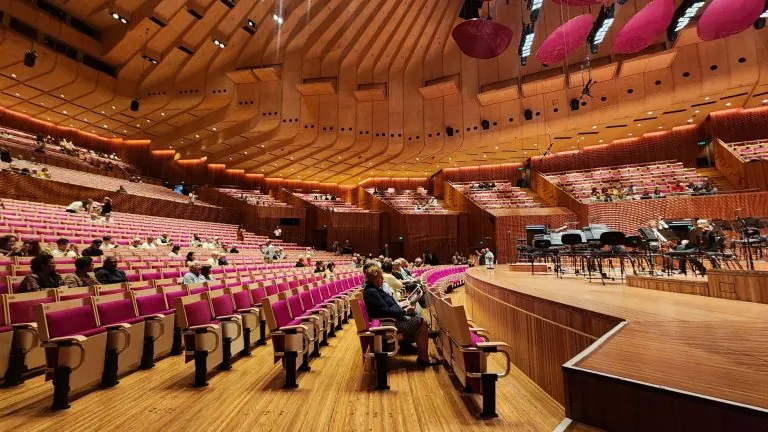
Theatre and live music are also more accessible. You can catch a matinee show and still be home for dinner. You can support local venues that might otherwise struggle to attract tourists. Festivals are another key component of the cultural holiday. Many towns and cities host music, food, or arts festivals throughout the year. These events are often more intimate and community-focused than large international festivals, allowing you to interact with locals and other visitors in a more relaxed setting.
Food is a major part of culture, and the UK has a vibrant food scene. You do not need to fly to Italy to enjoy excellent pasta or to France for fine wine. You can explore regional specialties, from Cornish pasties to Scottish haggis, without the premium price tag of a tourist trap. The key is to seek out places that locals love, rather than those that cater to tourists. This approach often yields better food, better service, and a more authentic experience.
The cost argument
The financial case for a cheap holiday at home is strong, but it requires a shift in spending habits. When you travel abroad, you are often in "holiday mode," spending more freely because you are in a different currency or a different psychological state. You might pay more for a beer in a bar or a meal in a restaurant because you are not thinking about your monthly budget. When you stay at home, it is easier to keep your spending in check, but you also have the opportunity to splurge in ways that matter.
The biggest savings come from avoiding the fixed costs of international travel. You do not pay for flights, which have risen significantly in recent years. You do not pay for excess baggage, which is a common source of surprise fees. You do not pay for travel insurance, or you can opt for a cheaper domestic policy. These are significant sums that add up quickly.
However, the savings are not automatic. If you stay at home and still book a luxury hotel, eat at expensive restaurants, and pay for premium attractions, you might end up spending just as much as you would abroad. The key is to be intentional about your spending. Look for value deals, such as midweek stays, which are often significantly cheaper than weekends. Use price-comparison sites to find the best rates for accommodation. Look for free or discounted days at museums and galleries. Many attractions offer family passes or group discounts that are not available on international trips.
Another area where costs can be managed is food. When you are abroad, you might eat out for every meal because it is convenient or because you want to try local cuisine. At home, you have the option to cook. Many holiday cottages and hotels have fully equipped kitchens. You can shop at local markets, buy fresh produce, and prepare meals in your accommodation. This can save a significant amount of money, especially for families. It also allows you to eat at your own pace, rather than rushing between meals to fit in sightseeing.
Making it feel like a holiday
One of the biggest criticisms of a staycation is that it feels like "just another week." To avoid this, you need to create a sense of occasion. This does not require spending a fortune; it requires a shift in mindset and routine. The goal is to break the normal patterns of your daily life and create memories that feel distinct from your everyday routine.
Start by switching off from work. If you work from home, this might mean setting up a separate workspace or agreeing with your household that you are "at work" during certain hours. If you commute, the journey itself can be part of the transition. Take a different route, listen to a podcast you have been meaning to hear, or simply enjoy the drive. The key is to signal to your brain that you are entering a different mode.
Treat yourself to small luxuries that you might not normally allow yourself. This could be a nice breakfast in bed, a long bath, or a visit to a spa. It could be buying a book you have been wanting to read or investing in a new piece of clothing for your holiday. These small acts of indulgence signal that this time is special. They create positive associations with the holiday, making it feel more rewarding.
Creating new routines is also important. If you usually watch television in the evening, try reading instead. If you usually eat dinner at 7 PM, try a late lunch or a picnic in the park. Changing your daily rhythm helps to create a sense of novelty and adventure, even if you are in the same house. You can also plan specific events for each day, such as a hike in the morning and a museum visit in the afternoon. Having a plan gives the holiday structure and purpose, preventing it from feeling aimless.
For more inspiration on how to make the most of your time, you might want to read about A Stay At Home Summer?, which offers practical tips for creating a festive atmosphere without leaving your postcode.

Ideas for different people
A holiday at home can be tailored to suit different preferences and needs. Whether you are travelling with a family, as a couple, on your own, or with pets, there are options that will make the experience enjoyable and memorable.
For families, the key is flexibility and engagement. Children often find long journeys exhausting, so a domestic trip can be less stressful for them. Look for attractions that are hands-on and interactive. National Trust properties often have great gardens and play areas. Beaches offer simple, timeless fun. Consider renting a cottage with a garden, where children can play freely. This reduces the pressure to be "on" all the time and allows for downtime.
For couples, the focus might be on relaxation or romance. A boutique hotel or a cosy B&B can provide a sense of escape. You might choose a location known for its beauty, such as the Lake District or the Cotswolds. The advantage of a domestic trip is that you can take your time. You can have a slow breakfast, go for a long walk, and enjoy the company without the rush of a tight itinerary. For more ideas on how to create a romantic atmosphere, see Bring Home The Feel Of Your Summer Holiday.
For solo travellers, a staycation offers the freedom to do exactly what you want. You can wake up when you like, eat where you like, and go where you like without consulting anyone. It is a great opportunity for self-reflection and creativity. You might visit a gallery, take a writing workshop, or simply wander through a new neighbourhood. The lack of social pressure can be liberating.
For those travelling with pets, the UK is a dog-friendly country. Many hotels, pubs, and beaches welcome dogs. This means you do not have to worry about finding a pet sitter or paying extra for pet fees. You can include your dog in your activities, whether it is a hike in the hills or a walk along the coast. This makes the holiday more inclusive and enjoyable for everyone.
If you are considering a road trip as part of your domestic holiday, you might want to compare options. Read Caravan or Motorhome? Which is Best for a UK Road Trip? to help you decide on the best way to travel.
Sustainable choices
Travel is a significant contributor to carbon emissions, and international flights are one of the largest sources. By staying at home, you are making a more sustainable choice. You are reducing your carbon footprint by avoiding long-haul flights. You are also supporting local businesses, which keeps money within the local economy. This is a form of economic sustainability that benefits the community.
When you travel domestically, you are likely to use more sustainable forms of transport. You might drive a car, take a train, or even cycle to your destination. Trains, in particular, are a low-carbon alternative to flying. They allow you to see the landscape, relax, and avoid the stress of airports. If you do drive, you can choose to stay in one location rather than moving around frequently, which reduces the total distance you travel.
Supporting local businesses is another key aspect of sustainable travel. When you stay in a local hotel or eat at a local restaurant, you are directly contributing to the local economy. This helps to sustain jobs and services in the area. It also ensures that your money is not going to international chains or foreign operators. You can look for businesses that are committed to sustainability, such as those that use local produce or have reduced plastic waste.
By choosing a domestic holiday, you are also less likely to contribute to overtourism in popular destinations. Places like Venice or Barcelona struggle with the sheer volume of tourists, which can degrade the quality of life for locals and damage historic sites. By staying in the UK, you are spreading the economic benefits more widely and reducing the pressure on fragile ecosystems abroad. This is a small but meaningful way to be a responsible traveller.
Planning your week
A successful holiday at home requires a balance between structure and flexibility. If you plan too much, you might end up feeling rushed and stressed. If you plan too little, you might end up bored or unsure of what to do. The goal is to create a rhythm that allows for relaxation and exploration.
Start by deciding on a base location. This could be your own home, a holiday cottage, or a hotel. Having a fixed base reduces the stress of packing and unpacking every day. It also allows you to settle in and feel at home. From this base, you can plan day trips to nearby attractions. This gives you a sense of adventure without the fatigue of long journeys.
Structure your days around your energy levels. If you are a morning person, plan active activities like hiking or cycling for the morning and leave the afternoons free for relaxation. If you prefer to sleep in, start your days later and focus on cultural activities like museums or galleries. The key is to listen to your body and your interests.
Include downtime. A holiday is not just about doing things; it is about doing nothing. Allow for periods of reading, napping, or simply sitting in a garden. These moments of stillness are often the most memorable parts of a holiday. They allow you to process the experiences and recharge.
Be flexible. If the weather turns bad, have a backup plan. If you find a place you love, spend more time there. If you are tired, cancel the afternoon plan and stay in. The beauty of a domestic holiday is that you can adapt your plans without significant financial penalty. This flexibility allows you to respond to your mood and the conditions, making the holiday more enjoyable.
By following these principles, you can create a holiday that is relaxing, enriching, and cost-effective. You do not need to go far to find value; you just need to look closely at what is around you. A holiday at home can be just as memorable, if not more so, than a trip to the other side of the world. It is about quality of experience, not distance travelled.
Official sources and further reading
Opening times, entry rules and prices change, so check them on the official sites before you travel:
- VisitBritain: The national tourism agency's guide to places and things to do across Britain.