 By
Three weeks into the year, the novelty has gone. The hostel dorm smells of damp towels, the friends you made on the first night have moved on to the next town, and you are sitting on a bed with a phone, wondering what exactly you are supposed to be doing with the rest of the year. Nothing has gone wrong. There is simply no plan, and a gap year without one tends to dissolve into a long, expensive holiday that is hard to explain afterwards.
The trips that work are rarely the ones with the most exciting route. They are the ones where someone decided early what the year was for, then built the route, the paperwork and the money habits around that answer. This guide follows the same order: purpose first, then structure, then rules and regions, then the practical layer of health, safety and records, and finally what to do with the year once it is over.

Start with the purpose, not the route
Most people begin with a map and a list of places they want to see. That list is a wish list, not a plan. A more useful first question is what you want to be different when you get back. The honest answers tend to fall into a few families, and each one points to a different kind of year.
- Earning and saving: the year is built around paid work, perhaps in one country, with travel squeezed into days off and the end of contracts.
- Giving time: the year is built around volunteering, which means fewer places and longer stays.
- Learning: a language, a craft, a skill or a qualification, usually best done by living in one place long enough to stop being a visitor.
- The long route: a continuous journey across a region or around the world, where movement itself is the point.
- Recovery and perspective: a break after exams or a hard stretch of work, which may need almost no itinerary at all.
Most good years combine two of these, not all five. A year that tries to be a language course, a volunteering placement, a working holiday and a grand tour at once usually ends up shallow at all four, and it is exhausting to organise.
Write the purpose down in a sentence or two. It becomes the filter for every later decision: whether to take a job offer, extend a placement or add a side trip. It is also the sentence you will need when an interviewer or admissions tutor asks why you took the time out.
Build the year in phases, not in a straight line
A year is long enough that energy, money and motivation all change shape within it. Treating it as one continuous trip is the most common structural mistake. Splitting it into phases, each with its own job, solves several problems at once.
A shape that tends to work
A simple pattern is a short preparation phase at home, a first phase that is deliberately gentle, a middle phase of commitment, and a closing phase that is flexible. The gentle opening matters because the first weeks away are when jet lag, culture shock and unfamiliar systems all hit together. Starting in a place with decent infrastructure and a common language lets you learn how to travel before you have to do it under pressure.
The middle phase is where the purpose does its work. If the plan involves volunteering, a course or paid work, this is when it sits. Anything that requires an application, a visa or a start date is easier to place here, because it gives the rest of the year a spine. Travel before and after it becomes the connective tissue.
The closing phase should stay loose, so that surprises can be absorbed without cancelling anything.
Where earning fits
Paid work abroad is often the way a long trip becomes affordable, but it comes with its own rules and its own calendar. Seasonal work, such as farm harvests, ski resorts and tourist coasts, is tied to particular times of year, so it dictates when you must be in a given country. Casual work in hospitality or language teaching tends to be easier to find in places that already have plenty of visitors. Working in a high-cost country has its own logic, and Traveling to Japan on a Budget & Making Money shows how that balance can look in practice.
Visas and entry rules: check before you commit
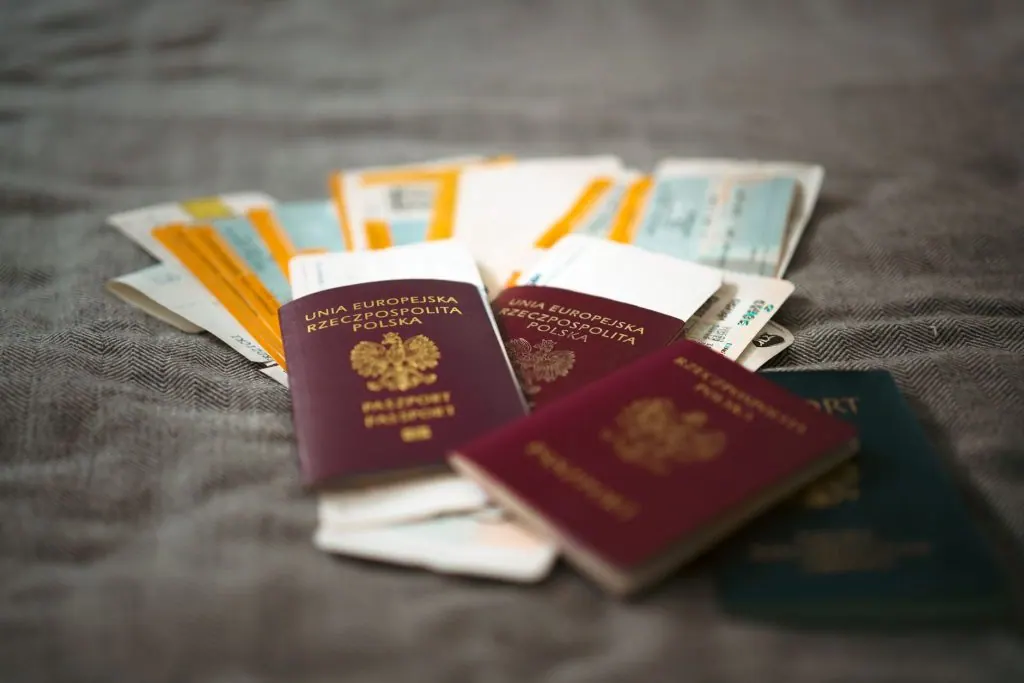
A gap year raises a different set of paperwork questions from a two-week holiday, because the length of stay and the activities both matter. Tourist entry usually limits how long you can stay and prohibits paid work, and many countries treat volunteering, studying and working as separate categories.
Working-holiday style schemes
Some governments run youth mobility or working-holiday arrangements with selected countries. In general terms, they let younger adults of eligible nationalities stay for an extended period and take temporary work to help fund the trip. They typically come with conditions, such as an age range, a limited number of places, restrictions on the type or length of employment, and sometimes a requirement to show that you can support yourself. Which countries are covered, for whom and on what terms is decided by the governments involved and is revised from time to time, so treat anything you read in a blog, including this one, as a starting point and confirm it with the official immigration site of the destination.
Long stays and entry conditions
Even without a special visa, long stays raise questions. Some regions count time spent across a whole group of countries, so hopping between neighbouring states does not reset the clock. The Schengen area is the best-known example in Europe. Other countries ask for proof of onward travel before they let you in, which can be an awkward discovery at a check-in desk if you have bought only a one-way ticket and plan to decide later. Passport validity is another trap: many countries expect it to extend well beyond your planned departure, and renewals take time.
A short paperwork routine
- Check your passport expiry against the rules of every country on the shortlist, not just the first.
- Read the destination government's own page on entry, stay and work rules, and note when it was last updated.
- Keep digital copies of your passport, visas and insurance in a secure place you can reach from any device, plus a paper set stored separately from the originals.
Choosing a region: what each one is actually good for
Instead of asking which region is best, ask which one fits the purpose you wrote down. Each of the classic gap-year regions rewards a different kind of year, and each has a trade-off that blog posts tend to skip.
South-East Asia
This is the region most first-time long-haul travellers choose, for good reasons. A well-established tourist trail, a huge choice of accommodation, plentiful transport links and a culture of welcoming visitors make it forgiving. The trade-off is that the trail is so well worn that it is easy to spend the whole trip among other travellers, in places designed for them. It suits the long-route year and short stints of teaching or volunteering. If you want real immersion, pick one or two countries and leave the main circuit.
Latin America
Spanish is spoken across most of the continent, and Portuguese in Brazil, which makes it the natural region for a language-learning year. Distances are large and overland travel takes time, so it rewards slower itineraries with fewer, longer stops. Altitude is a genuine consideration in the Andes, and it is worth giving yourself time to adjust before taking on a demanding trek. Safety varies between countries, so read current government travel advice for each one.
Australasia
Australia and New Zealand have long been associated with working holidays, and they suit the earning-and-travelling year better than any other region. Seasonal work such as fruit picking, hospitality and farm jobs is well established, and the countries are comfortable for first-time travellers who share a language. The catches are distance and scale: the places are far apart, public transport is thinner than in Europe, and getting around often means buying or sharing a vehicle. Eligibility for work schemes depends on your nationality and age, so check this before building the year around it.
Europe by rail
Europe suits people who want variety without long journeys. Cities and cultures change every few hours by train, and the rail network makes it possible to improvise. The trade-off is density: it is easy to see a great deal and absorb very little, and the rules about how long non-residents can stay in the Schengen area shape how a long trip is arranged. For ideas on stretching a European route, 15 Tips for Traveling Europe on a Student Budget is worth reading before you decide how many countries to attempt.
Volunteering without the voluntourism
Volunteering can be the most meaningful part of a gap year, and it can also be the most misleading. The sector includes serious organisations that place people where they are needed and short, expensive packages that exist mainly to sell an experience to the volunteer. Telling them apart takes some deliberate questions.

Red flags worth taking seriously
- Little or no screening. A genuine organisation that works with children or vulnerable people asks for references and background checks. An offer that accepts anyone, for any length of time, with no questions, is a warning sign.
- Skills mismatch. Being asked to teach, build or provide care without relevant skills or training should make you ask why local workers are not doing it. Unqualified volunteers rotating through can do more harm than good.
- Orphanage placements. Child-protection specialists have long warned that short-term volunteering in residential care institutions can harm children, and that some institutions exist because volunteers and donations keep them running. Avoid hands-on work in them.
- Vague finances. If the organisation cannot explain what your fee covers, how much reaches the host community and who the local partners are, treat that as an answer.
How to check an organisation is genuine
Ask for the registered name and look it up in the relevant charity or company register. Find the local partner independently, and ask what the project would look like without volunteers. Request contact details for former participants and speak to them directly, not only via testimonials on the organisation's own site. Ask what training, supervision and safeguarding procedures are in place, what happens if you are unwell or want to leave, and how long the project has been running.
Skills-based and longer placements are generally more useful than brief ones, because they give the host time to benefit from what you bring. Be wary of any arrangement where you pay a large sum to a go-between when the host project would accept volunteers directly, and compare what is included before you decide.
Money, insurance and health for a long trip
A year away exposes weaknesses in money habits that a fortnight hides. The aim is a system that survives a lost wallet, a blocked card and a bad week, not a perfect spreadsheet.
Money habits
Carry more than one way to pay, and keep them in different places. Tell your bank which countries you are visiting, in case unusual activity triggers a block, and make sure you know how to reach it from abroad. Withdraw cash in smaller amounts rather than carrying a large sum, and be aware that machines and card terminals sometimes offer to charge you in your home currency. Declining that and paying in the local currency is usually the better choice, but check the terms your own bank applies. Keep a reserve that you treat as untouchable unless something goes seriously wrong, and check how your cards are charged abroad before you leave.
Travel insurance for a long trip
Standard annual policies and short-trip policies often cap the length of any single journey, so a year-long trip needs a policy written for long stays. Read the terms for the points that matter: medical cover and repatriation, how it treats pre-existing conditions, what it says about working abroad, and whether it excludes activities you plan to do, such as diving or climbing. Some policies refuse claims if you work or volunteer without the right category of cover, so declare what you intend to do. Keep the emergency number and the policy reference somewhere you can find them without your phone.
Health and vaccinations
Book an appointment at a travel clinic well before departure, because some vaccines need several doses over a period, and the right advice depends on exactly where you are going, for how long and what you will be doing. Bring a list of every country on the itinerary, not just the first. Ask about malaria prevention and whether any country on your route requires proof of vaccination for entry. Sort routine dental and medical checks before you leave, and carry any prescription medicines in their original packaging, with a note from your prescriber. Check that each medicine is legal in the countries you will pass through, because some common drugs are restricted elsewhere.
Staying safe, staying in touch and keeping a record

Safety on a long trip is less about dramatic risks than about avoiding small, repeated lapses. Most problems come from tiredness, alcohol, unfamiliar transport at night and trusting a stranger's offer too quickly. A few habits cover most of it.
- Register your travel with your own government's foreign travel service if it offers that, and read its advice for each country before you arrive.
- Share your rough route and accommodation with someone at home, and agree how often you will check in.
- Arrange the first night in every new place before you arrive, so you are not searching for a bed in the dark.
- Be cautious about accepting food, drinks or lifts from people you have only just met, and trust the feeling that a situation is wrong.
Staying in touch matters for safety, but it also matters for morale. The loneliest stretch is often the middle of the year, when the excitement has worn off. Regular, scheduled contact with a few people is more sustaining than constant messaging with everyone. If the low periods turn into real homesickness, How to Overcome Homesickness Whilst Traveling has practical ways to deal with it.
Keeping a record that is worth having
It is easy to lose a year to a blur of photos. Decide early what kind of record you will keep and make it small enough that you actually do it. A short written entry at the end of each week, a log of what you learned or did, and a note of the names and contact details of useful people will serve you far better later than a camera roll of unlabelled images. Back up photos and notes somewhere other than your phone, in case it is lost or stolen. If you are working or volunteering, ask for a short written reference or a letter confirming your role before you leave, because contacts are much harder to track down afterwards.
Coming home and turning the year into something
The return is often harder than expected: friends have moved on and the absence of novelty can feel flat. Leave a little time between landing and starting the next thing.
For a CV or job application
Employers read a gap year through the specifics, not the label. A line saying that you travelled says little. A line describing what you did, what responsibility you carried and what resulted from it says a lot. Pick the few things that connect most naturally to the role, such as a job held abroad, a project you led or a language you can now use, and describe them concretely.
For a university application
Admissions tutors want to see that the time was used with intent and that you came back more prepared for study. If your course is relevant, link the year to it where you can honestly do so. If it is not, focus on what the year demonstrates, and be open about what did not go to plan, because that reads as more credible than a polished account. If you hold an offer or plan to apply, check how the institution handles deferred entry well before you go, since policies differ and are decided course by course.
The records kept on the road now earn their place. Use the weekly notes to write the account while details are fresh, then reread the purpose sentence you wrote at the start and note, in one line, how far the year delivered on it. That line is the start of your answer to the question every interviewer asks.
Official sources and further reading
Opening times, entry rules and prices change, so check them on the official sites before you travel:
- GOV.UK: foreign travel advice: Entry rules, safety and health notices for every country, kept up to date by the UK government.
- GOV.UK: foreign travel insurance: What travel insurance should cover and how to choose a policy.
- NHS: apply for a GHIC: The UK Global Health Insurance Card and where it applies.