 By
By 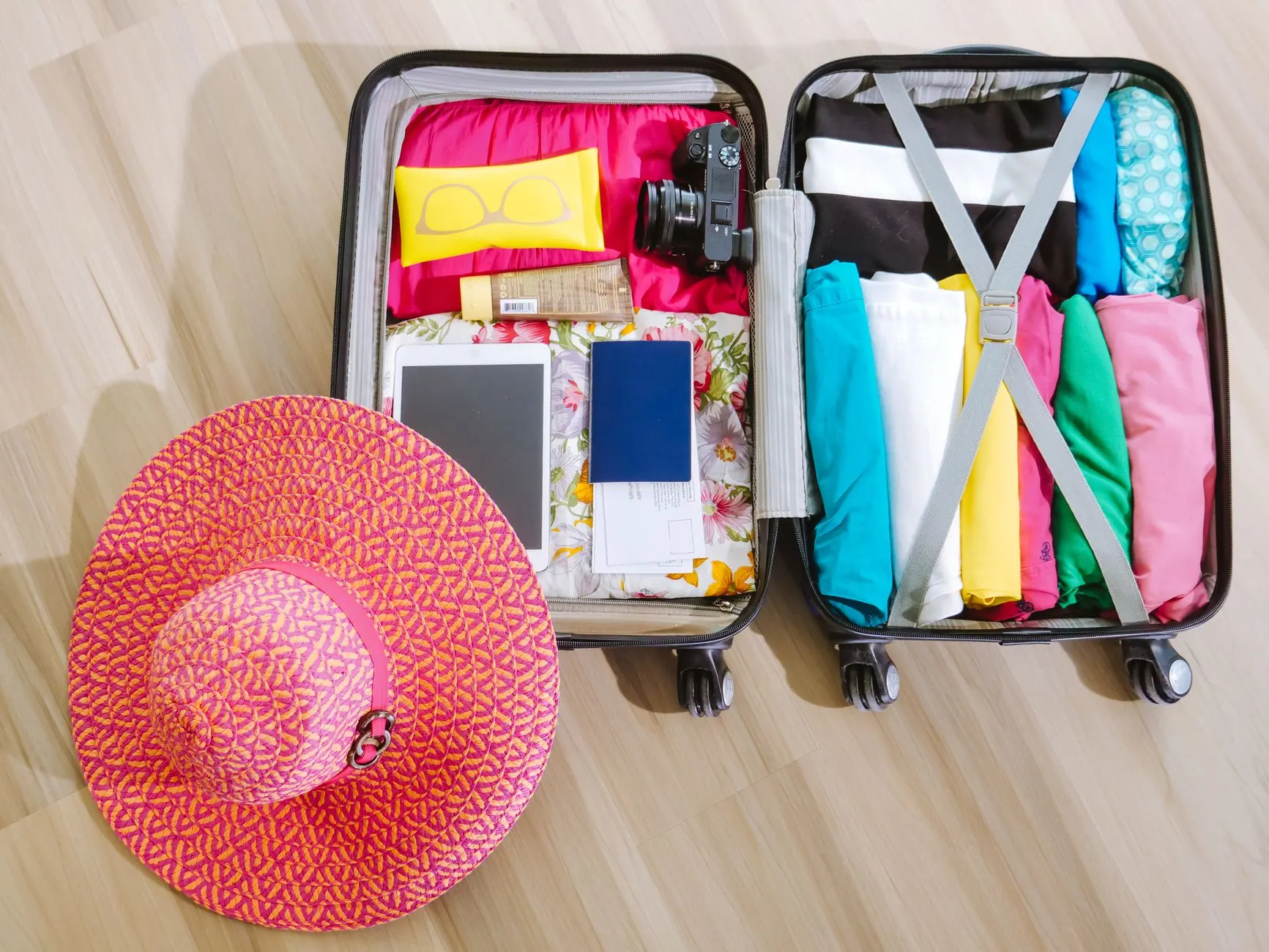
You are standing in the hallway, one foot on the stairs, the other in the doorway, staring at a suitcase that refuses to close. The zipper bulges, the handle wobbles, and you know that if you drag this thing to the check-in desk, it will be weighed, measured, and likely charged. You spent twenty minutes deciding on that one pair of shoes, only to realise you have packed three pairs of the same thing and forgotten your toothbrush. This is the universal struggle of summer holiday packing. It is not just about fitting things in; it is about choosing what actually matters when you are tired, hot, and ready to leave.
Getting this right changes the entire tone of your trip. You arrive relaxed, not exhausted. You move through airports smoothly, and you spend your time enjoying your destination rather than digging through a chaotic bag. This guide cuts out the fluff. It focuses on the practical decisions that make a real difference, from the clothes you choose to the weight you carry. Let’s get you sorted.
Why packing goes wrong
The biggest mistake travellers make is packing for the ideal version of their holiday rather than the reality. You imagine yourself swimming in the ocean at dawn, hiking to a hidden viewpoint, having a romantic dinner, and sleeping in late. So, you pack for every single scenario. You bring a formal outfit for dinner, a hiking vest for the trail, a beach cover-up for the pool, and a jacket for the flight. By the time you land, you are carrying the weight of a small gym.
The real cost of heavy luggage is not just the potential excess baggage fee. It is the physical strain of dragging a heavy case over cobblestones, the stress of checking bags when you just want to head straight to the hotel, and the mental load of managing a cluttered suitcase. Every item you pack is a decision you have to make later: where does it go? Do you wear it? Do you wash it? When you overpack, you create a backlog of laundry and organisation that lingers throughout the trip.
Another common error is the 'just in case' item. That extra pair of jeans 'just in case' it rains. That second hairdryer 'just in case' the one breaks. In reality, you rarely use these items. If it rains, you buy a cheap umbrella. If your hairdryer breaks, you use the one in the hotel room or go without. These small additions add up quickly. The key is to trust that you can manage without the extras, or that you can buy them there if truly necessary. This approach frees up space for the things you will actually use and enjoy.
Start with the plan, not the suitcase
Before you open your wardrobe, you need to look at the destination. Packing is not a one-size-fits-all exercise. A week in a humid tropical beach resort requires very different clothing than a week in a European city with cooler evenings. Start by checking the forecast, but do not rely on it entirely. Weather can be unpredictable. Instead, focus on the activities you have planned. Are you going to be on your feet walking for hours? Are you going to be swimming every day? Will you be dining in places with dress codes?
Luggage allowance is another critical factor. If you are flying with a budget airline, the weight limit is often strict. A standard hold luggage allowance might be 23 kilograms, but a carry-on bag is often limited to 10 kilograms or less. If you are tight on weight, you must be ruthless. If you have a generous allowance, you can afford a few more items, but remember that a heavy bag is still a heavy bag to carry.
Laundry access is often overlooked. If your accommodation has a washing machine or if you plan to do quick hand-washes in the sink, you can pack fewer clothes. If you are staying in a hotel with no laundry facilities and no sink, you need enough clothes to last the entire trip without looking the same for two days. Write a list based on these realities. Group items by category: tops, bottoms, sleepwear, and shoes. This prevents you from grabbing things haphazardly. It also helps you see the big picture. For instance, if you have five tops and only two pairs of bottoms, you will run out of combinations. Balance your list. Consider the climate, the activities, the laundry situation, and the weight limit. This plan becomes your anchor when you are tempted to add that one extra thing.
Halve it: the capsule approach
Once you have your list, apply the halving rule. Lay out everything you think you need on the bed. Look at it. Now, remove half. You will be surprised at how much you can survive with less. This is the core of the capsule wardrobe. The goal is to create a small collection of items that all mix and match easily.
Choose a cohesive colour palette. Stick to neutrals like navy, black, grey, or beige for your base layers. Add one or two accent colours that complement the neutrals. If everything matches everything else, you can create multiple outfits from a few items. For example, a white shirt, navy trousers, and a beige blazer can be worn together, or the shirt with trousers alone, or the blazer with jeans. This flexibility reduces the total number of items you need.
Layering is essential for flexibility. Even on a summer holiday, evenings can get cool, especially on flights or in air-conditioned restaurants. Pack a lightweight jumper or jacket that rolls up small. It provides warmth without taking up much space. Also, consider the fabric. Natural fibres like cotton and linen breathe well, but synthetic blends often dry faster and resist creasing. For what to pack for a beach holiday, quick-dry fabrics are invaluable. You can wash a swimsuit or a t-shirt in the sink and have it dry by morning.
Think about the number of outfits you need. For a week-long trip, you do not need seven different outfits. You need a few versatile tops, a couple of bottoms, and a dress or two for evenings. Reuse items. Swimwear can be daywear if it is stylish enough. Shorts can be worn during the day and paired with a nice top for dinner. This is not about being cheap; it is about being smart. It reduces the mental load of deciding what to wear each morning. You can see the full range of options at a glance.
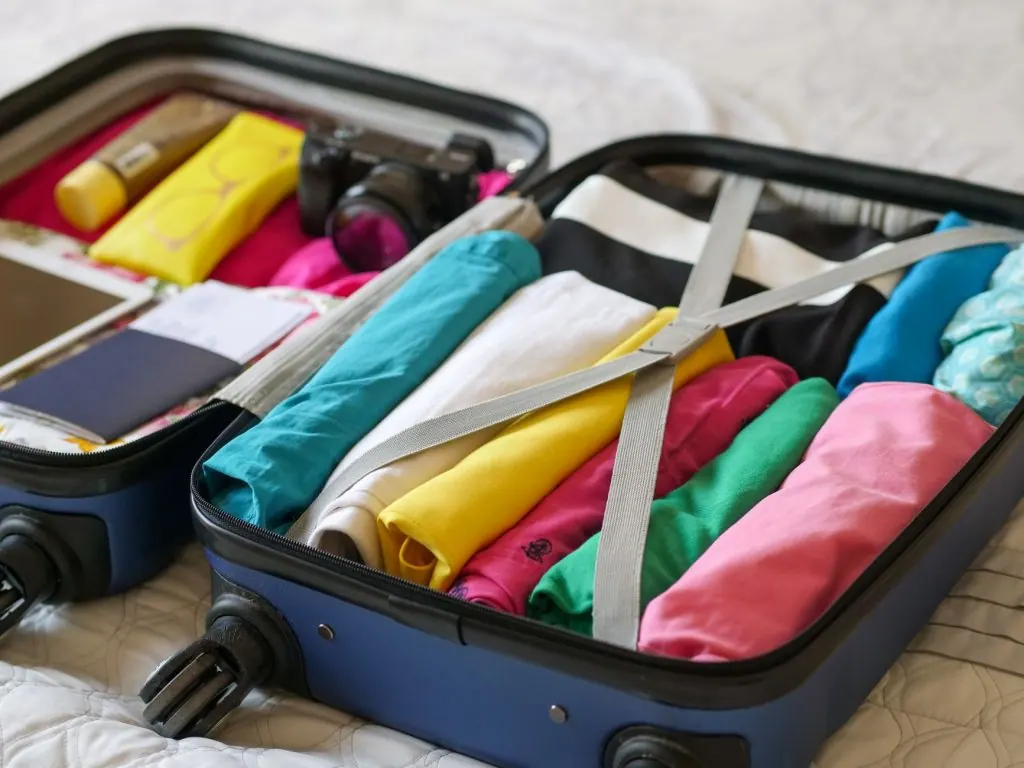
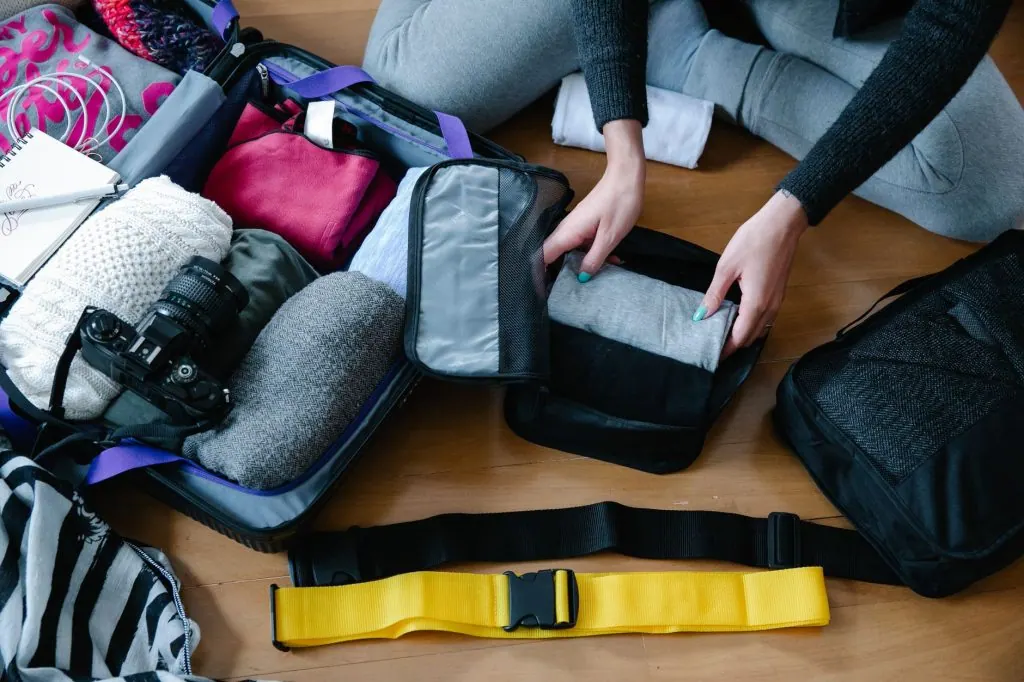
When you are packing, roll your clothes instead of folding them. Rolling saves space and reduces creasing. It also allows you to see every item at once when you open the bag. Use packing cubes to organise your items. Group your tops in one cube, bottoms in another, and underwear in a third. This keeps everything tidy and makes it easy to find what you need without dumping the entire suitcase. If you are looking for specific items, you can refer to a guide on Grab Summer Style For Your Holiday to ensure your colour palette works well together.
Choosing luggage
The container you choose affects how you pack and how you travel. The first decision is carry-on versus hold luggage. Carry-on is generally better for short trips. It means you do not have to wait at the baggage claim, and you do not risk your bag being lost or delayed. It also encourages you to pack lighter. However, if you are going on a long trip or need more items, hold luggage might be necessary. Remember that hold luggage has a weight limit, and exceeding it can be expensive.
Soft-sided vs hard-sided luggage is another consideration. Soft bags are often more flexible and can be squeezed into tight spaces. They are also easier to expand if you need extra space for souvenirs. Hard bags offer better protection for fragile items and are easier to clean. They also tend to be more durable against rough handling. Choose based on your travel style. If you are rough on your bag, go hard. If you need flexibility, go soft.
The weight of the empty bag matters more than you think. A heavy empty bag leaves less room for your stuff. When you are at the airport, you want your bag to be as light as possible so you can pack more essentials. Check the weight of your luggage before you buy it. A lightweight bag can make a significant difference, especially if you are flying with strict weight limits.
Packing cubes are a game-changer for organisation. They keep your clothes compressed and tidy. They also help you distribute weight evenly. Place heavier items at the bottom of the bag, closer to the wheels, to make it easier to roll. Lighter items go on top. This stability makes your bag easier to manoeuvre. Consider using compression bags for bulky items like jumpers or jackets. They can reduce the volume significantly, freeing up space for other essentials.
Clothes: day dresses, swimwear and sun cover
Your clothing choices define your comfort and style on holiday. For summer holidays, the focus is on light, breathable fabrics. Linen, cotton, and rayon are excellent choices. They keep you cool and dry. Avoid heavy fabrics like denim or wool, which can become uncomfortable in the heat. Day dresses are a staple for women. They are easy to pack, versatile, and perfect for both day and evening wear. Look for styles that are loose and flowy, allowing air to circulate.
Swimwear is crucial. You need at least one robust, practical swimsuit for active water activities like swimming or scuba diving. A stylish bikini or one-piece is great for lounging, but it might not hold up to vigorous activity. Having two swimsuits allows you to rotate them, giving each time to dry. This prevents mildew and keeps your bags smelling fresh. Quick-dry materials are ideal here. You can wash them in the sink and hang them up to dry overnight.
Sun cover is often overlooked but essential. A lightweight, long-sleeved shirt or a sarong can protect your skin from the sun without making you overheat. These items are also useful for covering up when you leave the beach or pool. Hats are another important item. A wide-brimmed hat provides better protection than a baseball cap. It shields your face, neck, and ears from direct sunlight. Look for hats that are packable and do not lose their shape.
When packing your clothes, consider the order. Place your most important items, like your swimsuit or evening dress, near the top or in a separate compartment. This way, you can access them easily without unpacking the entire bag. Use the space under the lid of your suitcase for smaller items like socks and underwear. This keeps everything organised and prevents items from shifting during transit.
Shoes that don't wreck the trip
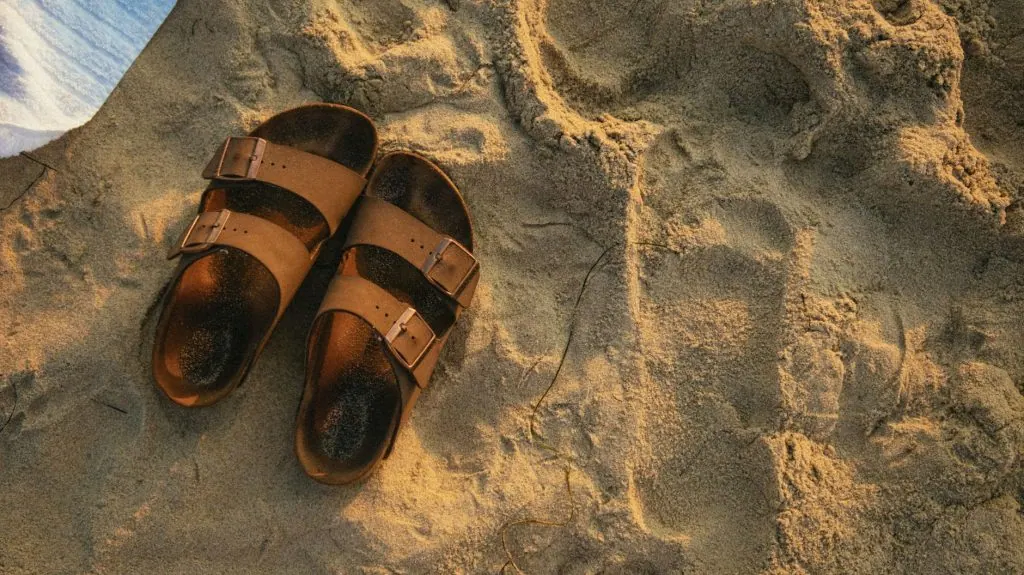
Shoes are often the heaviest and bulkiest items in a suitcase. They take up a lot of space and can be difficult to pack. The key is to limit yourself to three pairs: walking shoes, sandals, and one smart pair. Walking shoes should be comfortable, supportive, and broken in. They are your workhorses for sightseeing and long days on your feet. Avoid new shoes that might cause blisters. Sandals are perfect for the beach, pool, and casual evenings. They are lightweight and easy to slip on and off. The smart pair should be versatile enough to dress up your outfit for dinner. A pair of elegant flats or low heels can work for both men and women.
To pack shoes efficiently, place them at the bottom of your suitcase, near the wheels. This keeps the heavy items stable and makes it easier to roll the bag. Use shoe bags or plastic bags to keep your shoes clean and prevent dirt from transferring to your clothes. Stuff your shoes with socks or small items to help them maintain their shape. This also saves space.
Avoid bringing multiple pairs of sandals or shoes 'just in case'. You will likely only use the three pairs you packed. If you need something else, you can buy it there. The weight and space saved by limiting your footwear is significant. It also reduces the decision fatigue of choosing what to wear each day. Remember, comfort is key. You will be walking more than you think, and uncomfortable shoes can ruin your trip. For more ideas on what to bring, check out 3 Must Have Accessories when You Go Out Camping, which often includes practical footwear tips for various terrains.
Toiletries, medication and sun care
Toiletries can add up quickly, both in volume and weight. The key is to decant liquids into smaller containers. Use travel-sized bottles for shampoos, conditioners, and body washes. You can buy these at most supermarkets or drugstores. For solid items like soap, bar soap is more compact than liquid soap. It also does not count towards the liquids limit in hand luggage.
Medication is a critical item. Always keep your medication in your hand luggage, not your hold luggage. This ensures you have access to it if your bags are delayed. Bring a copy of your prescription, especially if you are travelling internationally. Some countries have strict rules about certain medications. Check the official government website for your destination to see if you need to declare anything. Pack a small first-aid kit with plasters, antiseptic wipes, and painkillers. This can save you a trip to the pharmacy if you get a minor cut or headache.
Sun care is essential for summer holidays. Bring a high-SPF sunscreen that is suitable for your skin type. Reapply it regularly, especially after swimming. A lip balm with SPF is also a good idea. For your hands, consider a moisturiser that absorbs quickly. Avoid heavy creams that might leak or take up too much space. Use a travel-sized spray sunscreen for easy application on your back and legs.
When packing your toiletries, use a clear, zip-top bag for your liquids. This makes it easy to go through security checks. Place heavier items at the bottom of the bag to prevent leaks. If a bottle does leak, it will stay contained within the bag, protecting your clothes. Consider using solid toiletries like shampoo bars and toothpaste tablets to reduce the number of bottles you need to carry. This is not only space-saving but also more environmentally friendly.
Tech, documents and money
Technology and documents are the backbone of a smooth trip. Start with your chargers and adapters. Every country has different plug types, so a universal adapter is a must. Bring a multi-port charger to charge multiple devices at once. This reduces the number of adapters you need. Consider a power bank for long days out. It ensures your phone stays charged for navigation, photos, and emergency calls.
Documents are critical. Make digital copies of your passport, visa, and travel insurance. Store them in a secure cloud service and send a copy to your emergency contact. Carry printed copies as well, in case you lose your phone or do not have internet access. Keep your documents in a waterproof pouch or a dedicated folder. This keeps them organised and easy to find when you need them.
Money management is another key area. Bring a mix of cash and cards. Notify your bank of your travel plans to avoid having your card blocked for suspicious activity. Carry a backup card in a separate location, in case you lose your primary card. Split your cash in two places. Keep a small amount in your wallet for immediate expenses and hide the rest in your luggage or a money belt. This reduces the risk of losing all your money if you are pickpocketed. Be aware of any foreign transaction fees or daily fees on top of the room rate for your cards. Some cards charge extra for international use, so check your provider’s terms before you go. For more on budgeting, read Unexpected Holiday Expenses to avoid financial surprises.
Weigh before you go and pack for the way home
The final step in packing is weighing your bag. This seems obvious, but it is often overlooked until it is too late. Use a luggage scale to check the weight before you leave for the airport. If you are close to the limit, remove a few items. It is better to be under than over. If you are slightly over, you might be able to move some items to your carry-on bag or wear your heaviest items on the plane. This can save you a significant amount of money in excess baggage fees.
Don’t forget to pack for the way home. You might accumulate souvenirs, bought items, or used clothes that need to be packed. Leave some space in your suitcase for these items. If you are staying in a hotel, ask the reception if they have a scale you can use. This ensures you do not have to make last-minute decisions about what to throw away.
On the morning of departure, do a final check. Ensure you have your tickets, passport, and wallet. Double-check that you have turned off all appliances and locked the windows. Take a photo of your packed suitcase, both open and closed, in case you need to prove the contents if there is a dispute. This small step can save you time and stress at the airport. Remember, the goal is to travel light and smart. By following these steps, you can ensure a smooth and enjoyable journey.
Official sources and further reading
Opening times, entry rules and prices change, so check them on the official sites before you travel:
- GOV.UK: foreign travel advice: Entry rules, safety and health notices for every country, kept up to date by the UK government.