By
By 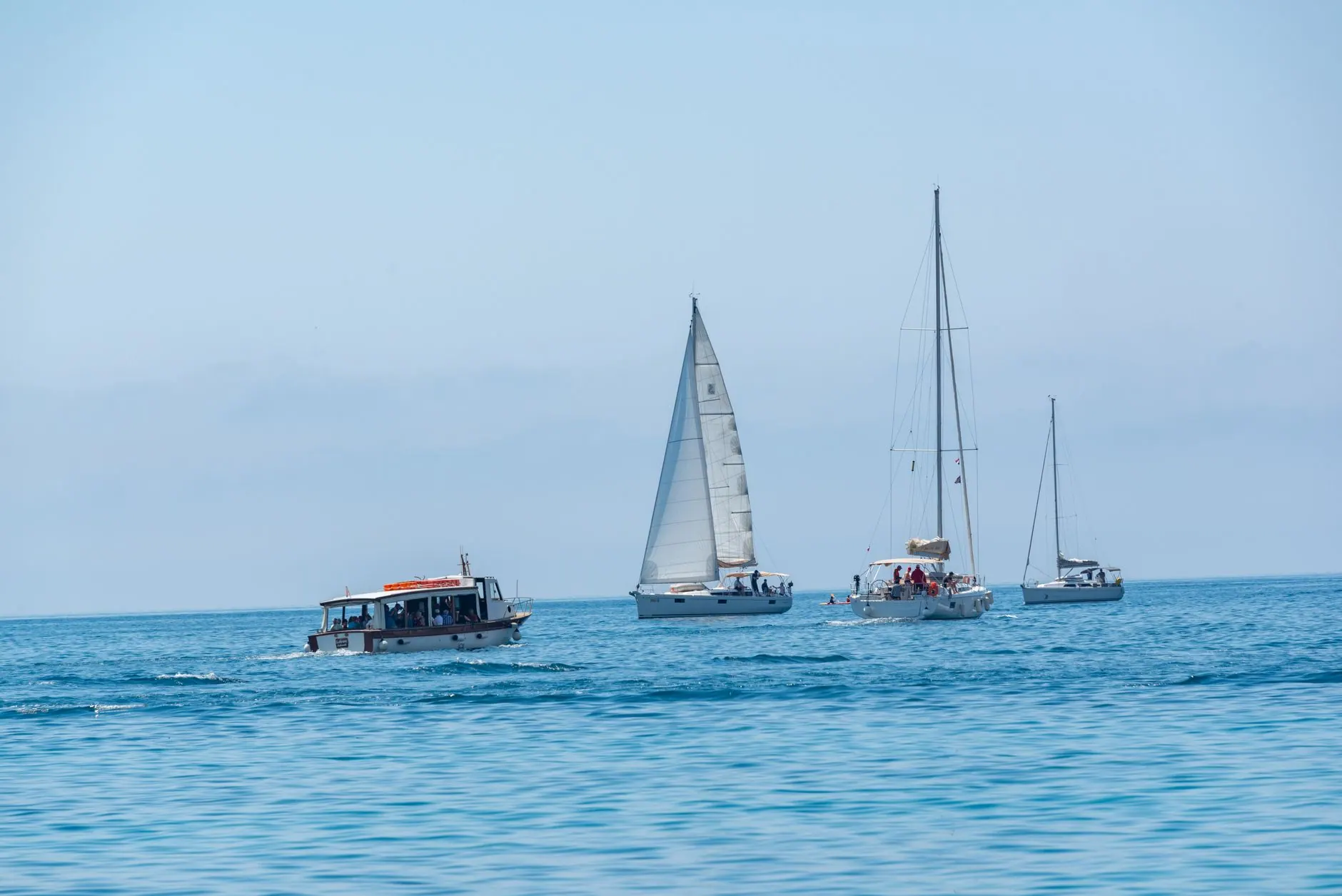
Imagine the scene: the engine is off, the sails are furled, and the only sound is the gentle lapping of water against the hull. Your children are sprawled on the sunbathing pads, reading or playing a board game, while you sit with a glass of something chilled, watching the coastline drift by. There are no hotel reception desks to negotiate with, no crowded pool decks, and no strict itineraries dictating when dinner must be served. This is the reality of a family sailing holiday. It is not just a mode of transport; it is a way of life that removes the friction from travel, leaving only the joy of discovery.
For many families, the idea of a boat holiday feels like a step into the unknown. Will the children get bored? Is it too cramped? Will the adults be too busy steering to actually relax? These are valid concerns, but they stem from a misunderstanding of what modern family sailing offers. You are not looking at a cramped cabin or a rough, heeling monohull that forces everyone below deck when the wind picks up. Today’s family sailing holidays are built around comfort, stability, and space. Whether you are drawn to the crystal-clear waters of the Mediterranean or the dramatic fjord-like inlets of Northern Europe, a yacht charter provides a private floating villa that moves at your pace.
This guide breaks down exactly how to plan this trip, from choosing the right vessel to managing the daily rhythm on board. It is practical advice for families who want to trade the rigidity of resort life for the freedom of the open water.
Why a Catamaran Charter is the Ultimate Family Escape
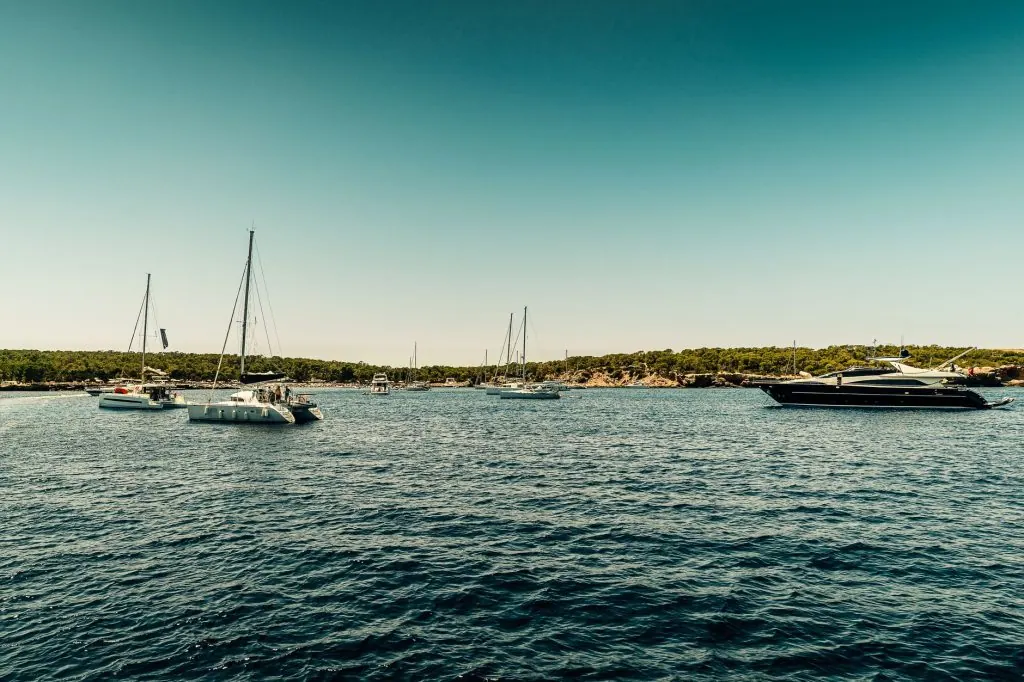
When families discuss boat holidays, the catamaran is almost always the superior choice. To understand why, you have to look at the physics of the vessel. A catamaran has two parallel hulls, which creates a much wider beam than a traditional monohull. This width provides exceptional stability. When a monohull heels (tilts) in the wind, furniture can slide, and walking across the deck requires holding onto rails. On a catamaran, the deck remains relatively flat, even in moderate breezes. This stability is crucial for families with young children. It means kids can walk around freely without constantly gripping the side rails, and it significantly reduces the likelihood of seasickness, which is often triggered by the rolling motion of smaller, narrower boats.
Beyond stability, the layout of a catamaran mimics a small house more closely than a boat. The bridge deck (the area between the two hulls) is typically open-plan, creating a large social hub where the family can gather for meals or games. Below deck, catamarans usually offer dedicated cabins for each side, providing privacy for parents and children alike. This is a stark contrast to cruise ships, where you are surrounded by thousands of strangers, noise, and the logistical chaos of massive crowds. On a yacht, you have total control over your environment. You decide when to wake up, what to eat, and where to go.
The 'floating villa' concept also eliminates the stress of hotel logistics. In a hotel, you are bound by check-in times, housekeeping schedules, and fixed dining hours. On a charter, you are your own master. If you want to have breakfast at sunrise while anchored in a quiet cove, you can. If you want to stay in one spot for three days to explore a single island, you can. This flexibility is the primary driver of the relaxed atmosphere that makes a family sailing holiday so appealing. You are not just visiting a place; you are living in it, on your own terms.
Top Sailing Destinations for Families in the Mediterranean
The Mediterranean is the premier region for a family sailing holiday, offering a blend of reliable weather, rich culture, and stunning geography. Two destinations stand out for their suitability for families: the Dalmatian Coast of Croatia and the Greek Islands. Both offer safe anchorages, shallow bays, and a perfect balance between secluded natural beauty and accessible infrastructure.
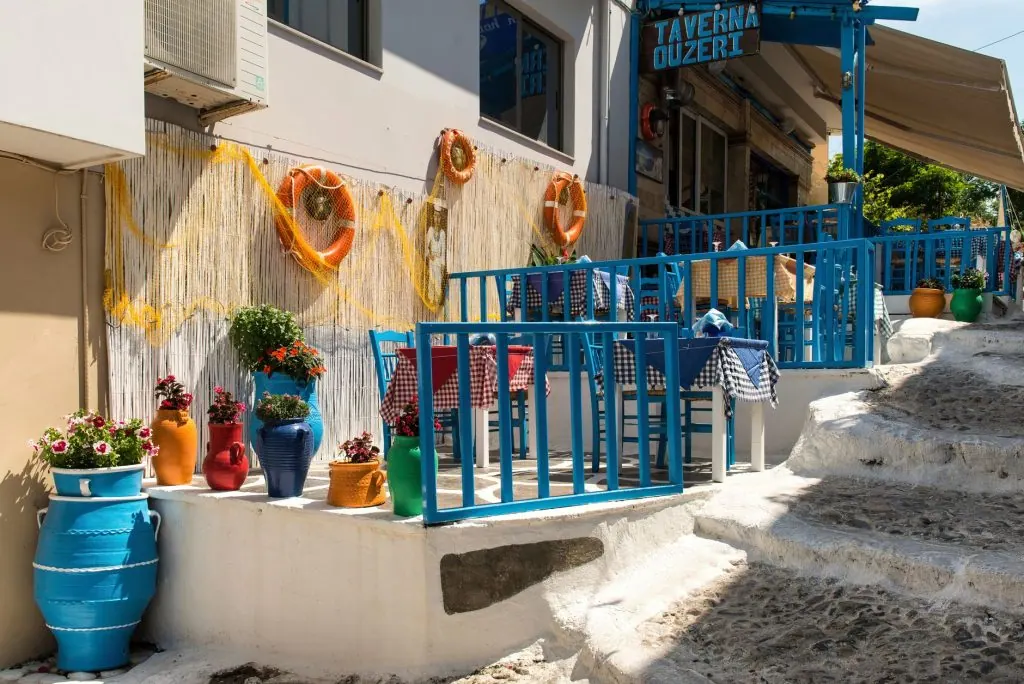
Croatia’s Dalmatian Coast is often cited as the ideal starting point for first-time sailing families. The coastline is indented with thousands of islands, islets, and rocky bays, creating a protected marine environment. The sea is generally calm, which is reassuring for children who are not yet confident swimmers or those prone to motion sickness. The waters here are exceptionally clear, making snorkeling a natural and easy activity. Towns like Hvar, Korčula, and Trogir offer charming old towns with narrow streets, local markets, and excellent seafood tavernas. The proximity of these towns to anchorages means you can enjoy the isolation of the sea while being only a short dinghy ride away from amenities, fresh bread, and supplies.
The Greek Islands offer a different but equally compelling experience. The Aegean and Ionian Seas provide vast stretches of open water and dramatic landscapes. The Greek islands are known for their deep blue waters and sandy beaches, which are often more accessible to children than the rocky coves found elsewhere. Sailing here involves navigating between islands that feel like distinct worlds, each with its own character. The hospitality in Greece is legendary, and the food culture is a major draw. Families can anchor in secluded bays for lunch and then sail into a bustling port in the evening for dinner, experiencing both tranquility and vibrant local life.
Both regions offer a balance between secluded coves and accessible towns. In Croatia, you might anchor off a rocky shore and hike inland to a medieval fortress. In Greece, you might drop anchor in a deep blue bay and then walk into a village square for coffee. The key is that both destinations allow you to escape the crowds while remaining connected to the local culture. The shallow bays in both regions are perfect for kids to splash around safely, away from boat traffic.
Choosing the Right Vessel: Catamaran vs. Monohull
When booking a family sailing holiday, the choice between a catamaran and a monohull is the most significant decision you will make. While both are excellent vessels, they offer different experiences, and understanding the trade-offs is essential for a comfortable trip.
A catamaran provides a wider, more stable platform. As mentioned earlier, the flat deck makes it easier for children to move around safely. The space on a catamaran is also superior. The bridge deck offers a large area for lounging, dining, and playing games. The draft (depth) of a catamaran is shallower than that of a monohull, allowing it to access closer-to-shore anchorages where monohulls might need to anchor further out and use dinghies to reach the beach. This is a huge advantage for families with young children who may not be strong swimmers or who need to carry gear. However, catamarans can be wider, which means they may require larger slips in crowded marinas, and they can be more expensive to charter.
A monohull has a single hull and typically has a deeper draft. It heels (tilts) when sailing, which can be a thrilling experience for older children and adults, but it can be unsettling for young kids. The interior of a monohull is narrower, which can feel more intimate but also more confined. However, monohulls often have more sleeping space below deck because the beam is not split into two hulls. They are generally more affordable than catamarans and can sail faster in certain wind conditions. For families who are confident sailors and prioritize the traditional sailing experience over pure comfort, a monohull can be a great choice.
For most families, especially those with younger children, the catamaran’s stability and space make it the better option. The ability to move freely on deck without holding on reduces the mental load on parents and allows children to enjoy the journey as much as the destination.
Skippered vs. Bareboat: Navigating with Kids
One of the biggest anxieties for families considering a sailing holiday is the prospect of navigating the boat themselves. While bareboat charters (where you hire the boat and captain it yourself) are popular for experienced sailors, hiring a professional skipper (and often a hostess) is usually the smarter choice for families.
A skippered charter means a professional crew member is responsible for the navigation, docking, and safety of the vessel. This is invaluable for families. The skipper knows the local waters, the best anchorages, and the potential hazards. They can steer the boat into tight marinas with precision, a skill that takes years to master. This allows parents to focus on their children and the experience, rather than worrying about wind direction or tidal streams.
Hiring a hostess alongside the skipper is a game-changer for family trips. The hostess manages the daily logistics: preparing meals, cleaning the cabins, and organizing excursions. This transforms the trip from a working holiday into a luxury vacation. You wake up to a fresh breakfast, and the boat is tidy without you having to lift a finger. The hostess also has local knowledge that enhances the experience, recommending hidden beaches or the best tavernas for dinner.
In contrast, a bareboat charter requires you to handle all aspects of the trip. You must navigate, dock, cook, and clean. While this can be a rewarding educational experience for older children, it can be exhausting for parents. If the weather turns bad, you are responsible for managing it. For a truly relaxing family sailing holiday, the skippered option is often worth the additional cost. It removes the stress of logistics and allows you to fully immerse yourself in the environment.
What to Pack for a Sailing Holiday with Children
Packing for a sailing holiday requires a different mindset than packing for a hotel or camp. Space is limited, and the environment is unique. You need to consider comfort, safety, and the specific conditions on board.
Essential Footwear Water shoes are a must. Many anchorages have rocky bottoms, and coral reefs can be sharp. Water shoes protect feet during snorkeling and when stepping into dinghies. Non-slip socks are also crucial. The teak decks on yachts can get very hot in the sun, and they are slippery when wet. Soft-soled deck shoes or sneakers that won’t leave black marks on the white fiberglass are ideal.
Sun Protection The sun reflects off the water, increasing UV exposure. Bring high-SPF sunscreen, but also consider physical barriers. Wide-brimmed hats with chin straps are better than loose hats that will blow away. UV-protection rash vests are excellent for children, covering their backs and arms without the hassle of reapplying sunscreen. Polarized sunglasses are also key to reducing glare and eye strain.
Entertainment for Calm Days Not every day will be filled with swimming and exploration. There will be days when the wind is too strong to go ashore, or the weather is dull. Pack a selection of board games, card games, and books. Tablets with downloaded movies or games can be a lifesaver during long periods of downtime. However, limit screen time to encourage the family to engage with each other and the surroundings.
Safety Gear While yachts come with life jackets, it is wise to bring child-sized PFDs (Personal Flotation Devices) if your children have specific needs. A first-aid kit with plasters, antiseptic, and seasickness medication is essential. Seasickness bands or medication can be useful, especially for the first few days.
Clothing Pack light, breathable fabrics. Layers are important because temperatures can drop significantly in the evening or when the wind picks up. A waterproof jacket is a good idea, even in summer, as weather conditions can change rapidly. Avoid cotton jeans, which become heavy and cold when wet. Quick-dry trousers and t-shirts are more practical.
A Day in the Life: From Anchor to Taverna
Understanding the daily rhythm of a sailing holiday helps set expectations and reduces anxiety. A typical day on a family sailing holiday follows a natural pattern dictated by the sun and the sea.
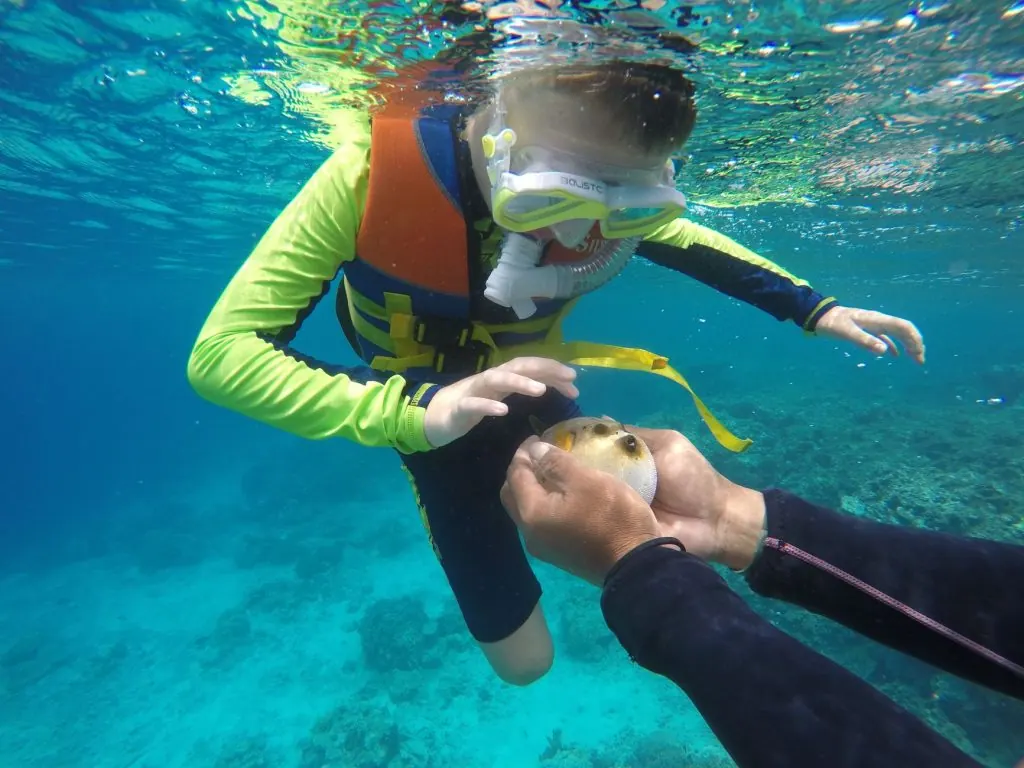
Morning: Snorkeling and Exploration The day usually begins with the boat anchored in a secluded bay. While the engine is off, the water is often at its calmest. This is the perfect time for snorkeling. The children can splash around in the shallow waters while the adults relax on the swim platform. Snorkeling is a highlight for many families, offering a chance to see colorful fish and coral reefs up close. After swimming, it is time for breakfast on the bridge deck. The combination of fresh air, physical activity, and a good meal sets a positive tone for the day.
Midday: Leisure and Local Exploration After the morning swim, the family might decide to explore the nearby shore. This could involve hiking to a viewpoint, visiting a small village, or simply having lunch at a local waterfront taverna. The flexibility of the yacht allows you to choose the pace. If the children are tired, you can stay anchored and read or nap. If they are energetic, you can take the dinghy to a nearby beach. The key is to follow the family’s energy levels rather than sticking to a rigid schedule.
Afternoon: Sailing and Relaxation In the afternoon, you might set sail for your next destination. This is often the most enjoyable part of the day for older children and adults. Watching the sails fill with wind and feeling the boat glide through the water is a memorable experience. Once the boat is anchored in the new location, the cycle repeats. You might have another swim, or you might simply enjoy the view from the deck. The afternoon is a time for relaxation and connection.
Evening: Dinner and Stars As the sun sets, the family gathers for dinner. On a skippered charter, the hostess might prepare a meal using fresh local ingredients. Dining under the stars, with the sound of the water as your soundtrack, is a magical experience. After dinner, you might play a board game or simply watch the stars. The lack of light pollution in remote anchorages makes the night sky particularly impressive. This routine repeats, creating a sense of rhythm and peace that is hard to find in land-based holidays.
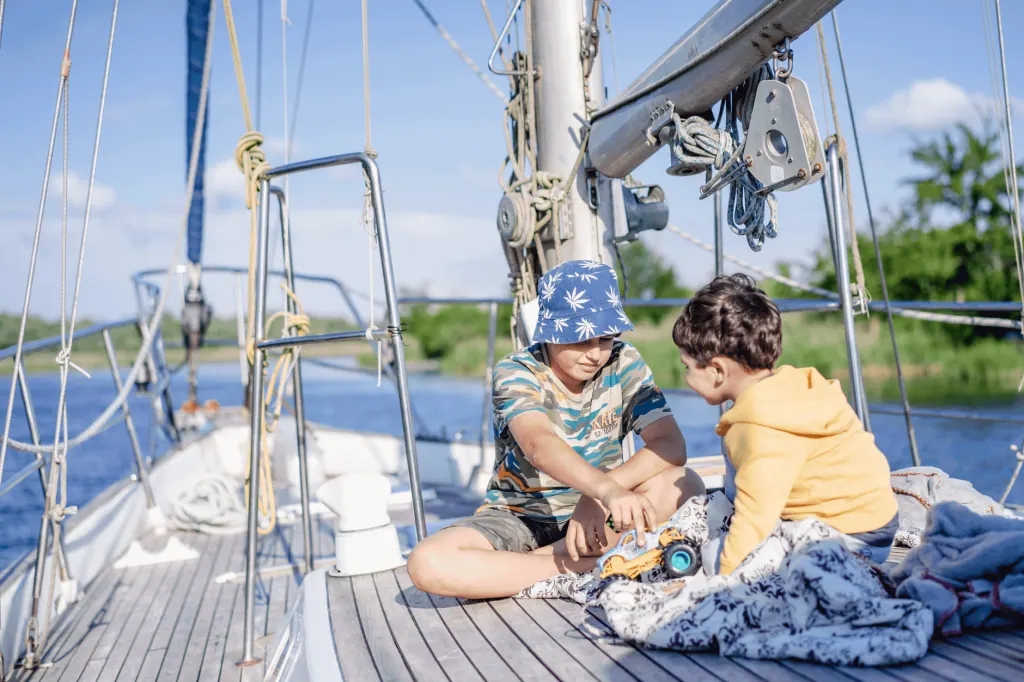
Budgeting for a Family Sailing Holiday
One of the misconceptions about sailing holidays is that they are prohibitively expensive. While they can be, they are often comparable in cost to a luxury villa rental or a high-end hotel stay, especially when you consider what is included. Understanding the true costs helps you budget accurately and avoid surprises.
Charter Fees The charter fee is the base cost of hiring the boat. This varies significantly depending on the season, the size of the boat, and the destination. Peak season (July and August) will be more expensive than the shoulder seasons (May, June, September). It is important to note that the charter fee usually covers the boat, basic equipment, and insurance. It does not typically include fuel, marina fees, or food.
Additional Costs * Skipper and Hostess: If you opt for a skippered charter, you will need to budget for the crew’s fees. This is usually a daily rate paid in cash, in addition to the charter fee. * Fuel: Fuel costs depend on how much you motor versus sail. In calm conditions, you may use more fuel. Some charters include a fuel allowance, while others charge based on usage. * Marina Fees: If you choose to stay in marinas rather than anchoring, you will incur nightly fees. These can be significant in popular ports. * Food and Drink: You can choose to buy your own groceries or opt for a catering package provided by the charter company. Buying your own food is often cheaper and allows for more flexibility. * Excursions and Activities: Costs for dinghy rentals, snorkeling gear, or entrance fees to attractions should be factored in.
Value for Money When you consider that the charter provides accommodation, transport, and often a crew, the value is compelling. For a family of four, a catamaran charter can be cost-competitive with a five-star resort, especially if you factor in the exclusivity and privacy. The ability to cook your own meals and choose your own activities also helps control costs.
Common Mistakes to Avoid on Your First Charter
Even with careful planning, first-time sailing families can make mistakes that affect their enjoyment. Being aware of these pitfalls can help you have a smoother trip.
Underestimating Seasickness Seasickness can affect anyone, regardless of age or experience. It is often worst in the first 24-48 hours as the body adjusts. Taking preventive medication or using seasickness bands before symptoms start is more effective than treating them after they begin. If your children are prone to motion sickness, discuss this with the skipper, who can suggest the calmest routes and anchorages.
Overpacking Space on a yacht is limited. It is easy to overpack, leading to clutter and stress. Stick to the essentials and rely on laundry facilities if available. Remember that you will likely be swimming and sweating, so you will need to wash clothes frequently.
Choosing the Wrong Route A route with too much transit time can be exhausting. If you spend most of your days driving the boat from one port to another, you will have little time to relax. Choose a route that allows for longer stays in each location. A good rule of thumb is to limit daily sailing to a few hours, allowing for ample time to explore and unwind.
Ignoring the Weather Weather conditions can change rapidly. Ignoring forecasts can lead to uncomfortable or unsafe situations. Listen to the skipper’s advice on weather windows. If the forecast predicts strong winds, consider staying in a sheltered bay rather than trying to sail across open water.
Not Involving the Children Children thrive on routine and involvement. Let them help with simple tasks, such as setting the table or choosing the snorkeling spot. This gives them a sense of ownership and makes the trip more engaging. However, avoid over-scheduling their time. Leave room for boredom and spontaneous play.
A family sailing holiday is a unique and rewarding experience. By choosing the right vessel, hiring professional help, packing wisely, and avoiding common pitfalls, you can create memories that last a lifetime. The combination of stability, space, and flexibility makes a catamaran charter an ideal choice for families seeking a genuine escape from the everyday.
Official sources and further reading
Opening times, entry rules and prices change, so check them on the official sites before you travel:
- Royal Yachting Association: Sailing courses, safety and boating information in the UK.