By
By 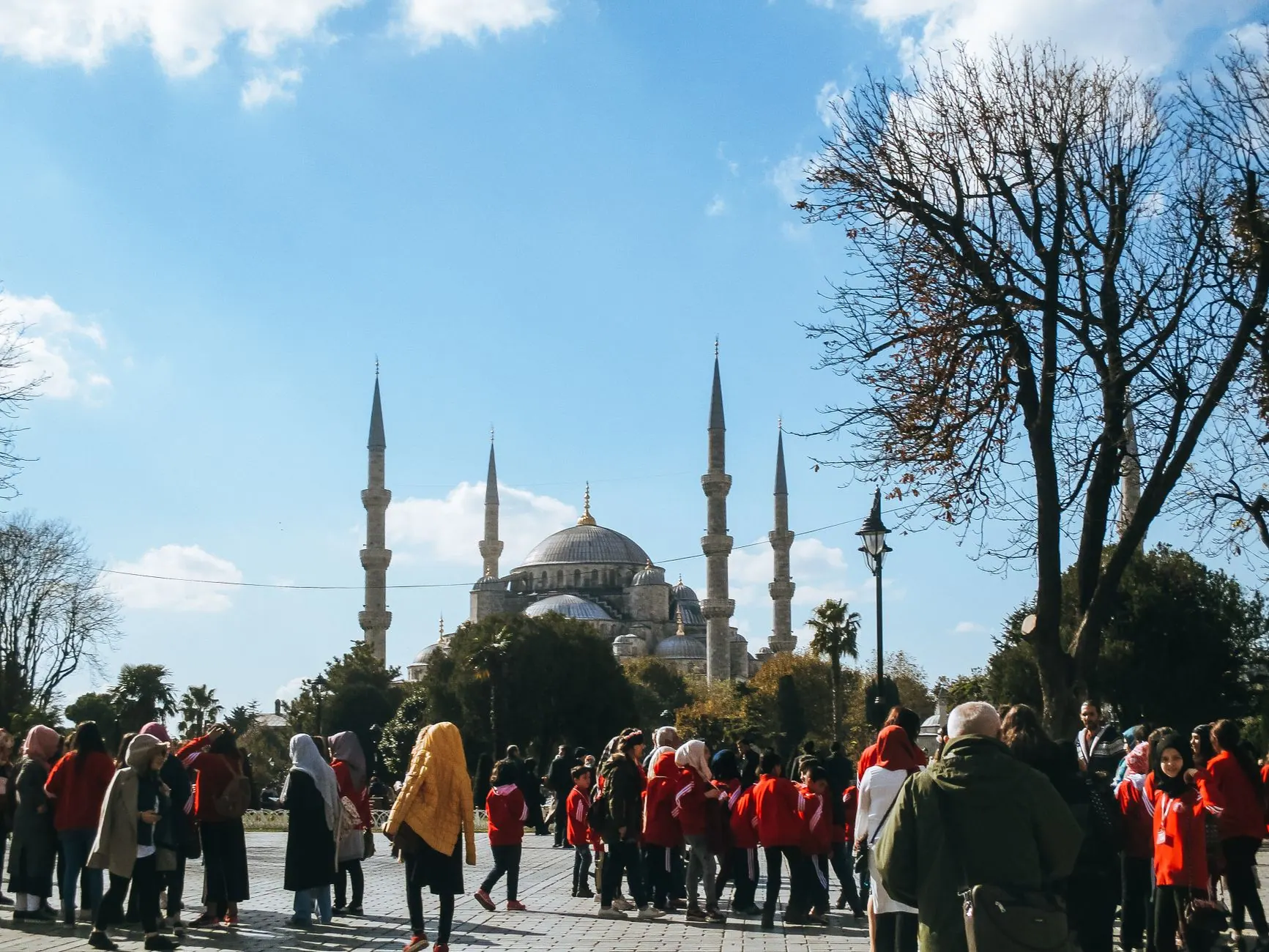
Imagine standing on a sun-drenched terrace overlooking the Bosphorus, the morning mist still clinging to the water as the call to prayer echoes across the historic skyline. You have just stepped off a plane that felt like a bargain, landed in a country that straddles two continents, and realised that your holiday plans might actually be better than you imagined. Turkey has long been a staple on the itineraries of millions of travellers, not because it is merely affordable, but because it offers a density of experiences that few other destinations can match. From the underground cities carved into rock to the turquoise waters of the Mediterranean, the sheer variety here means you can change your scenery every few days without feeling like you have left the country.
If you are planning your first trip, the scale can feel overwhelming. You might be torn between the bustle of Istanbul and the quiet of the Aegean coast, or wondering whether to chase the summer heat or avoid the crowds. The secret to an unforgettable holiday lies in balancing these extremes. By timing your visit correctly and understanding the local rhythms, you can experience the depth of Turkish history and culture without the usual tourist friction. This guide breaks down the essential things to do in Turkey, offering practical advice on where to go, what to eat, and how to navigate the logistics so you can focus on the memories rather than the headaches.
Why Turkey Belongs on Your Bucket List
Turkey is not just a holiday destination; it is a geographical and cultural crossroads that has shaped civilisation for millennia. Unlike many countries that offer a single type of landscape or a uniform cultural experience, Turkey provides a stark contrast of environments within relatively short distances. You can ski in the mountains one morning and swim in the sea by the afternoon, or explore ancient Greek ruins that sit just kilometres away from modern, vibrant cities. This diversity means that a single trip can satisfy the history buff, the beachcomber, the foodie, and the adventurer simultaneously.
The value for money remains one of the country’s strongest draws. While prices have risen in recent years, Turkey still offers significantly more for your budget compared to many Western European destinations. This extends beyond accommodation to include dining, transport, and entry fees for major attractions. You can enjoy high-quality meals in local restaurants, stay in unique cave hotels or boutique apartments, and navigate the country’s excellent infrastructure without breaking the bank. The hospitality of the Turkish people, often referred to as misafirperverlik, adds a layer of warmth that turns a standard holiday into a personal experience. Locals are generally eager to help, share a cup of tea, or offer advice, making solo travellers and families alike feel welcome.
Furthermore, the blend of European and Asian influences is visible in every aspect of daily life. In cities like Istanbul, you will see minarets standing beside skyscrapers, and hear the call to prayer mingling with the sounds of trams and traffic. This duality extends to the cuisine, architecture, and even the mindset of the people. It is a place where ancient traditions coexist with modern conveniences, creating a dynamic atmosphere that is engaging and endlessly surprising. Whether you are drawn to the spiritual history of Byzantine churches or the energetic nightlife of Izmir, Turkey offers a richness of experience that justifies its place on any travel bucket list.
When to Go: Timing Your Trip for Perfect Weather
Choosing the right time to visit Turkey largely depends on what you want to get out of your trip, but for most travellers, the sweet spot lies outside the peak summer months. The period between April and May, and again from September to October, offers the most balanced conditions. During these shoulder seasons, the weather is mild and pleasant, making it ideal for sightseeing, hiking, and exploring outdoor markets without the exhaustion of extreme heat or the frustration of dense crowds.
Summer, particularly July and August, brings intense heat to the inland regions and the major cities. Istanbul can become humid and bustling, with long queues at major sites like the Hagia Sophia and the Topkapi Palace. The coastal resorts along the Aegean and Mediterranean, such as Antalya and Bodrum, are at their liveliest but also at their most expensive and crowded. If you do plan to visit during the summer, you will need to be prepared for early starts to beat the heat and the crowds, and to book accommodation well in advance. The sea is warm and inviting, making these months perfect for swimming and beach lounging, but less comfortable for extensive walking tours.
Spring is a particularly rewarding time to visit. The countryside is green and blooming, and the temperatures are gentle enough for long days of exploration. It is also a good time to see the lesser-known historical sites without the peak-season rush. Autumn, on the other hand, offers a different kind of beauty. The sea retains the warmth of the summer, while the air cools down, making it perfect for coastal drives and wine tours in the Cappadocia region. The light in autumn is softer, which is ideal for photography. By avoiding the height of summer, you not only enjoy better weather but also a more authentic pace of life, where locals are not as overwhelmed by tourism and services are more attentive.
Istanbul’s Historic Heart: Hagia Sophia and the Grand Bazaar
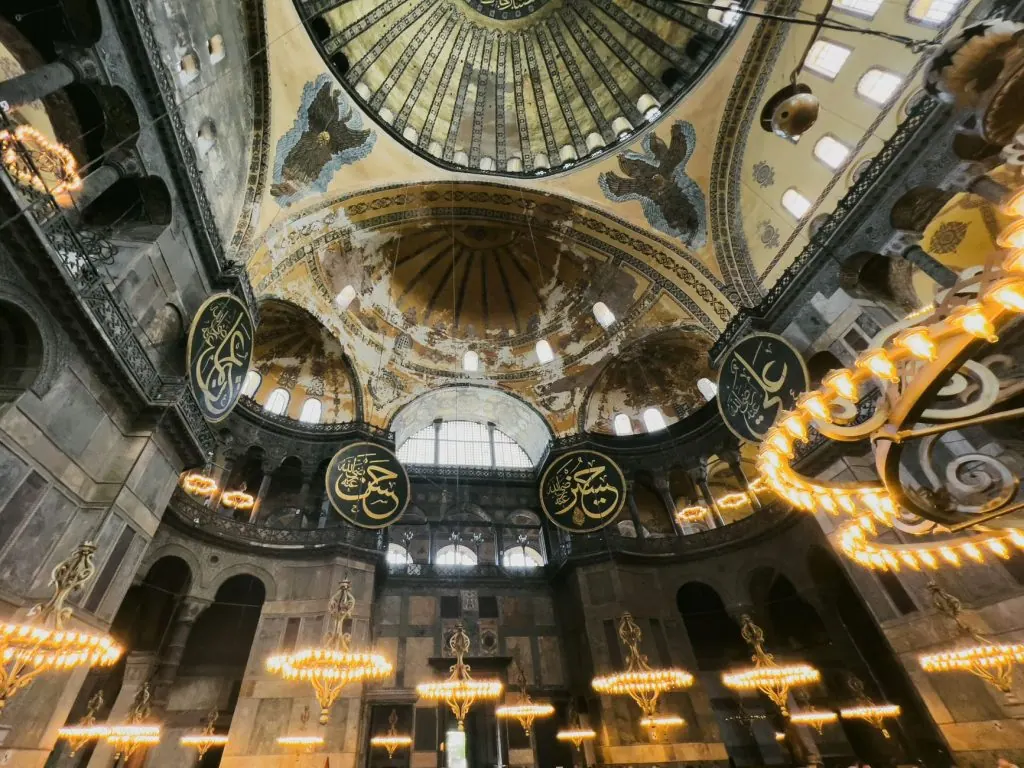
Istanbul is the gateway to Turkey, a city that has served as the capital of empires and the crossroads of worlds. To understand the country, you must start here. The historic peninsula of Sultanahmet is where the layers of history are most visible. The Hagia Sophia, originally a cathedral, then a mosque, then a museum, and now a mosque again, is a masterpiece of architecture that defies simple categorisation. Its massive dome and intricate mosaics are awe-inspiring, but the real experience comes from observing the interplay of light and space. Arrive early in the morning or later in the evening to avoid the largest crowds, and be prepared to remove your shoes and cover your head if visiting during prayer times.
Just a short walk away is the Blue Mosque, known for its six minarets and stunning interior of blue Iznik tiles. It is often more accessible than the Hagia Sophia, with fewer queues, and offers a quieter space for reflection. The contrast between the two structures, side by side, symbolises the complex history of the city. Beyond these religious landmarks, the area is dense with other significant sites, such as the Basilica Cistern, an underground water reservoir with an atmospheric collection of columns, and the Hippodrome, where ancient chariot races once took place.
After soaking in the history, head to the Grand Bazaar. This is one of the largest and oldest covered markets in the world, a labyrinth of corridors filled with jewellery, spices, textiles, and ceramics. The sensory overload is real: the smell of roasted chestnuts, the sound of haggling, and the sight of glittering gold. To navigate it effectively, keep your wits about you. Bargaining is expected and part of the fun. Start at a lower price, be polite but firm, and be willing to walk away if the price is not right. Avoid the main entrances, where prices tend to be higher, and venture into the side streets for better deals and a more authentic atmosphere. It is also wise to keep your valuables secure, as pickpocketing can occur in such crowded spaces.
Cappadocia’s Fairy Chimneys and Sunrise Balloon Rises
Few places on Earth look as alien and enchanting as Cappadocia. This region in central Turkey is defined by its unique geological formations, known as fairy chimneys, which are tall, cone-shaped rock structures formed by volcanic erosion. The landscape is surreal, with valleys carved into soft rock, creating a dramatic backdrop for exploration. The best base for experiencing this area is Göreme, a town nestled among the rock formations, or the surrounding villages like Uçhisar and Avanos.
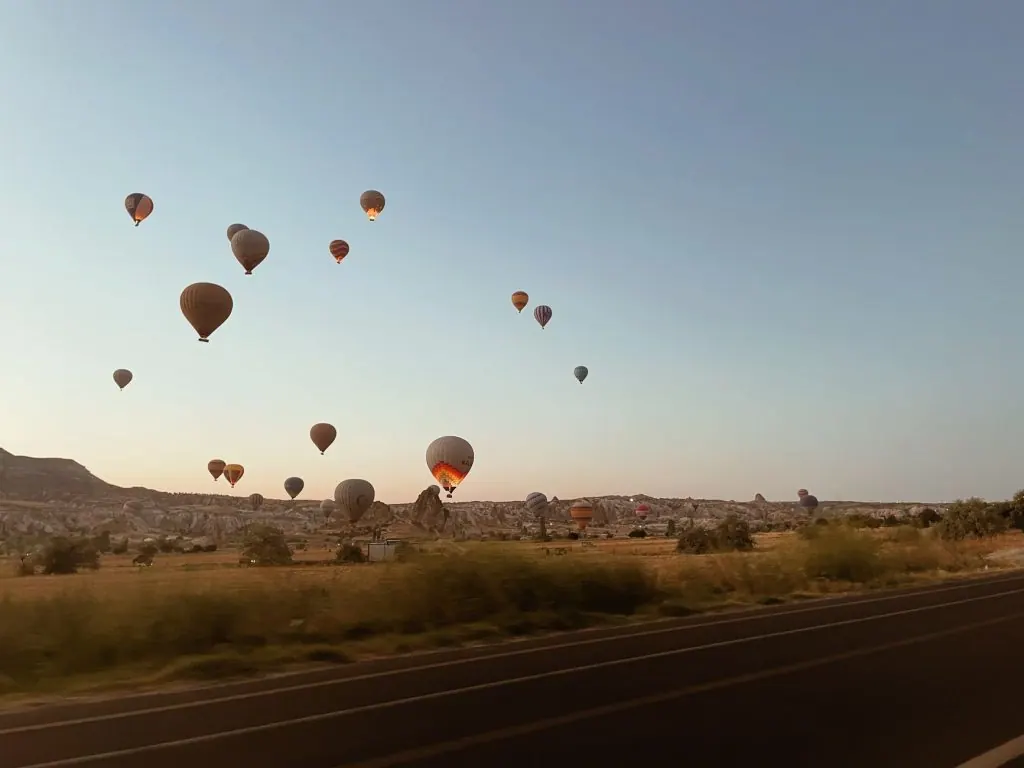
The highlight of any visit to Cappadocia is the hot air balloon ride at sunrise. As the sun rises, the landscape is bathed in a golden light, and dozens of balloons fill the sky, creating a picture-perfect scene. The experience is magical, but it is not without its logistics. Weather conditions can cause cancellations, so it is essential to book with a reputable company that offers flexible rescheduling. Booking in advance is highly recommended, especially during the peak seasons of spring and autumn, as slots fill up quickly. The flight lasts about an hour, offering aerial views of the fairy chimneys, rock-cut churches, and ancient cave dwellings.
For a deeper immersion, consider staying in a cave hotel. These hotels are carved directly into the rock, offering a unique and comfortable accommodation experience. Many have terraces with stunning views of the valleys, perfect for watching the balloons take off in the morning. In addition to ballooning, Cappadocia offers excellent hiking trails through the valleys, such as the Red Valley and the Rose Valley. These hikes allow you to see the rock formations up close and discover hidden churches adorned with frescoes. The region is also known for its wine production, and visiting a local winery for a tasting is a wonderful way to end a day of exploration. The combination of natural beauty, historical depth, and unique accommodation makes Cappadocia a must-visit destination.
Coastal Wonders: From Pamukkale’s White Terraces to Antalya’s Ruins
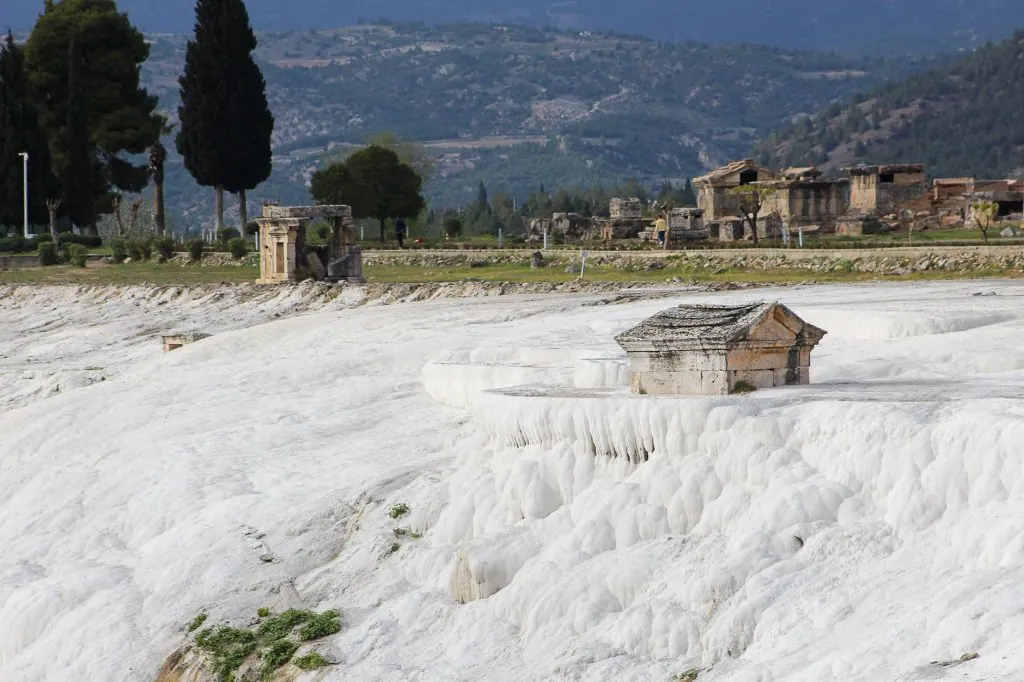
Moving south from Cappadocia, the landscape shifts dramatically to the Aegean and Mediterranean coasts. A key stop on this journey is Pamukkale, which translates to "castle of cotton." The site is famous for its white travertine terraces, formed by mineral-rich thermal waters flowing over limestone. The water is so saturated with calcium carbonate that it leaves a bright white deposit, creating a surreal, snow-like landscape. At the top of the terraces lies the ancient city of Hierapolis, a Roman spa town with well-preserved ruins, including a theatre, necropolis, and baths. Walking barefoot on the terraces is a popular activity, but be mindful of the slippery surface and the depth of the pools.
From Pamukkale, the journey continues along the coast to Antalya, a city that blends modern resort life with ancient history. Antalya is not just a beach destination; it is a gateway to some of the most significant archaeological sites in the region. The old town, Kaleiçi, is a maze of narrow streets, Ottoman-era houses, and historic mosques, all enclosed by ancient city walls. It is a charming area for walking and dining, with a lively atmosphere in the evenings.
Nearby, the ancient city of Perge offers a glimpse into the grandeur of Roman urban planning. The site includes a stadium, an agora, and impressive gateways, all set against a backdrop of pine trees. Further along the coast, the ruins of Aspendos boast one of the best-preserved Roman theatres in the world, still used for performances today. The contrast between the arid, mineral-rich landscape of Pamukkale and the lush, green valleys of the Antalya region highlights the geographical diversity of Turkey. This area is perfect for those who enjoy combining beach relaxation with cultural exploration, offering a rich tapestry of history and natural beauty.
The Turquoise Coast and Hidden Beaches Like Patara
The Turquoise Coast, named for the clear, blue-green waters that characterise the region, is a haven for those seeking scenic beauty and relaxation. The drive along the D400 highway, which runs parallel to the coast, is one of the most scenic routes in Turkey. It offers numerous pull-offs and viewpoints, allowing you to stop and take in the vistas of coves and cliffs. This region is ideal for road trips, as it connects various towns and beaches, each with its own character.
Patara Beach is a standout destination on this coast. Stretching for nearly twelve kilometres, it is one of the longest natural beaches in the Mediterranean. The sand is soft and fine, and the water is clear and calm, making it ideal for swimming. What makes Patara special is its ecological significance. It is a nesting ground for loggerhead sea turtles, and you can often see turtle patrols monitoring the beach at night during the nesting season. The beach is backed by ancient Lycian ruins, including a theatre and a necropolis, adding a historical dimension to the coastal experience. Visiting Patara is a perfect blend of relaxation and education, and it is less crowded than some of the more commercialised resorts.
Further east, the town of Kaş offers a different vibe. It is a small, charming town with a lively harbour, known for its diving opportunities. The underwater world here is rich and varied, with wrecks and reefs attracting divers from around the world. Kaş also has a strong expatriate community and a relaxed, bohemian atmosphere. For those who prefer to explore by land, the coastal road from Kaş to the Greek border is stunning, with dramatic cliffs and secluded bays. Renting a car gives you the freedom to discover these hidden gems at your own pace, rather than being tied to a tour schedule. The flexibility to stop at a random beach or a small village for lunch is one of the greatest joys of driving along the Turquoise Coast.
What to Eat: A Guide to Turkish Street Food and Fine Dining
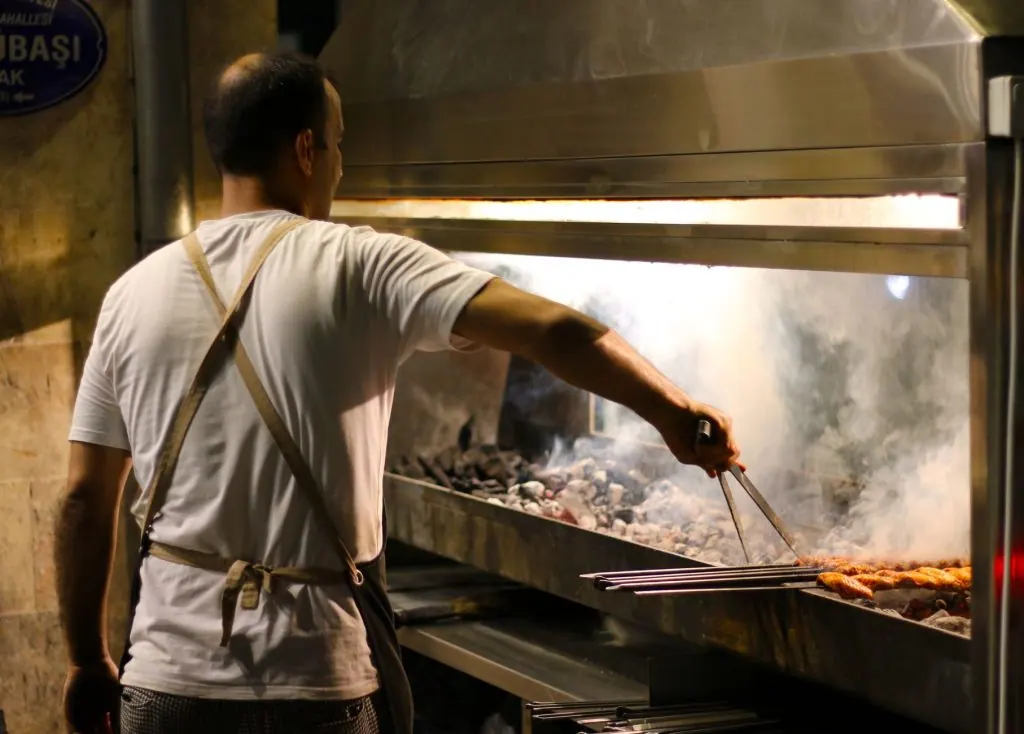
Turkish cuisine is a cornerstone of the travel experience, offering a wide range of flavours that are both comforting and exciting. It is a cuisine that balances simplicity with complexity, using fresh ingredients and traditional cooking methods. Street food is a particularly accessible and delicious way to sample the local flavours. Kebabs, such as the adana kebab and the doner, are staples, but there are many other options worth trying. Lahmacun, often referred to as "Turkish pizza," is a thin, crispy flatbread topped with minced meat and herbs, best eaten rolled up with fresh herbs and lemon.
For a lighter option, try midye dolma, which are mussels stuffed with spiced rice. These are often sold by vendors on the streets of Istanbul, particularly near the Galata Bridge, and are best enjoyed with a squeeze of lemon and a glass of raki. Baklava is the quintessential Turkish dessert, with layers of phyllo dough, nuts, and syrup. There are many variations, but the pistachio and walnut varieties are the most popular. Turkish coffee is another essential experience, served thick and strong, often accompanied by a piece of delight.
Tea is the national drink, served in small, tulip-shaped glasses. It is a symbol of hospitality, and you will be offered it constantly, whether in homes, shops, or restaurants. For vegetarians, the options are plentiful, with dishes like imam bayildi (stuffed eggplant) and zeytinyağlı dishes (olive oil-based dishes) being highlights. Meat-lovers will find plenty to enjoy, but the variety of vegetable and legume-based dishes shows the depth of the cuisine. When dining out, local markets and family-run restaurants often offer the most authentic experiences, away from the tourist traps. Look for places that are busy with locals, as they are more likely to serve fresh, high-quality food. The combination of bold flavours, fresh ingredients, and generous portions makes Turkish cuisine a major highlight of any trip.
Practical Tips: Getting Around, Costs, and Common Mistakes
Navigating Turkey is relatively straightforward, but there are a few logistical points to keep in mind to ensure a smooth trip. Domestic travel is well-served by a network of buses and flights. The bus network is extensive, comfortable, and affordable, connecting even the smallest towns. Companies like Metro Turizm and Kamil Koç are reputable and offer air-conditioned coaches with reclining seats. For longer distances, such as from Istanbul to Ankara or Izmir, domestic flights are a time-saving alternative, though they can be more expensive. Booking bus tickets in advance is recommended during peak seasons to secure your preferred departure time.
Tipping is customary but not mandatory. In taxis, rounding up the fare is appreciated. It is always wise to carry small denominations of Turkish lira for tips, parking fees, and small purchases. When it comes to costs, Turkey is generally affordable, but prices can vary significantly between tourist hotspots and local areas. Eating in local markets or smaller restaurants will be much cheaper than dining in the main tourist zones of Istanbul or Antalya.
One common mistake is underestimating the distance between cities. Turkey is larger than it appears on maps, and traffic can be heavy, especially around major cities. Plan your travel times accordingly, and avoid driving during rush hours in Istanbul. Another pitfall is failing to book major attractions in advance, such as the Hagia Sophia or balloon rides in Cappadocia. While walk-ins are possible, you risk long queues or sold-out slots. Finally, be aware of your surroundings in crowded places and keep your valuables secure. Using a money belt or a hidden pouch can provide peace of mind. By staying organised and aware, you can avoid the common hassles that detract from the enjoyment of your trip.
Tailoring Your Itinerary: Family, Couples, and Budget Travelers
Turkey offers something for every type of traveller, but tailoring your itinerary to your specific needs will enhance the experience. For families, the coastal resorts of Side and Belek are ideal. These areas have shallow, calm waters, which are perfect for young children, and many hotels offer kids' clubs and entertainment. Side also has an ancient theatre and Roman ruins that are engaging for older children, providing a mix of relaxation and education. The pace in these resorts is relaxed, with plenty of activities to keep kids entertained.
For couples seeking romance, Cappadocia is unmatched. The balloon rides at sunrise, the cave hotels with private terraces, and the intimate dinners in ancient rock churches create a magical atmosphere. The region is less bustling than Istanbul, allowing for quiet, reflective moments. A hot air balloon ride can be booked as a private experience for a truly special occasion. Additionally, the boat trips along the Turquoise Coast offer a secluded way to explore hidden coves, perfect for a romantic getaway.
Budget travellers will find Turkey to be a friendly destination. Hostels and guesthouses are available in major cities like Istanbul and Izmir, offering a social atmosphere and lower costs. Eating street food and visiting local markets can significantly reduce food expenses. Using the bus network instead of flying can also save money, especially for shorter distances. Many historical sites have low entry fees, making it easy to explore without spending a fortune. By focusing on local experiences and avoiding the most touristy restaurants, budget travellers can enjoy a rich and authentic Turkish holiday without stretching their finances.
Start by deciding what kind of experience you want, then build your itinerary around that core interest. Whether you are chasing history, relaxation, or adventure, Turkey has the resources to make it happen. The key is to leave some flexibility in your schedule to discover unexpected moments, whether it is a chance conversation with a local or a stunning sunset over the Aegean. These small, unplanned details are often what make a trip truly unforgettable.
Official sources and further reading
Opening times, entry rules and prices change, so check them on the official sites before you travel:
- Go Turkiye: The official tourism portal of Turkey.
- GOV.UK: foreign travel advice: Entry rules, safety and health notices for every country, kept up to date by the UK government.