 By
By 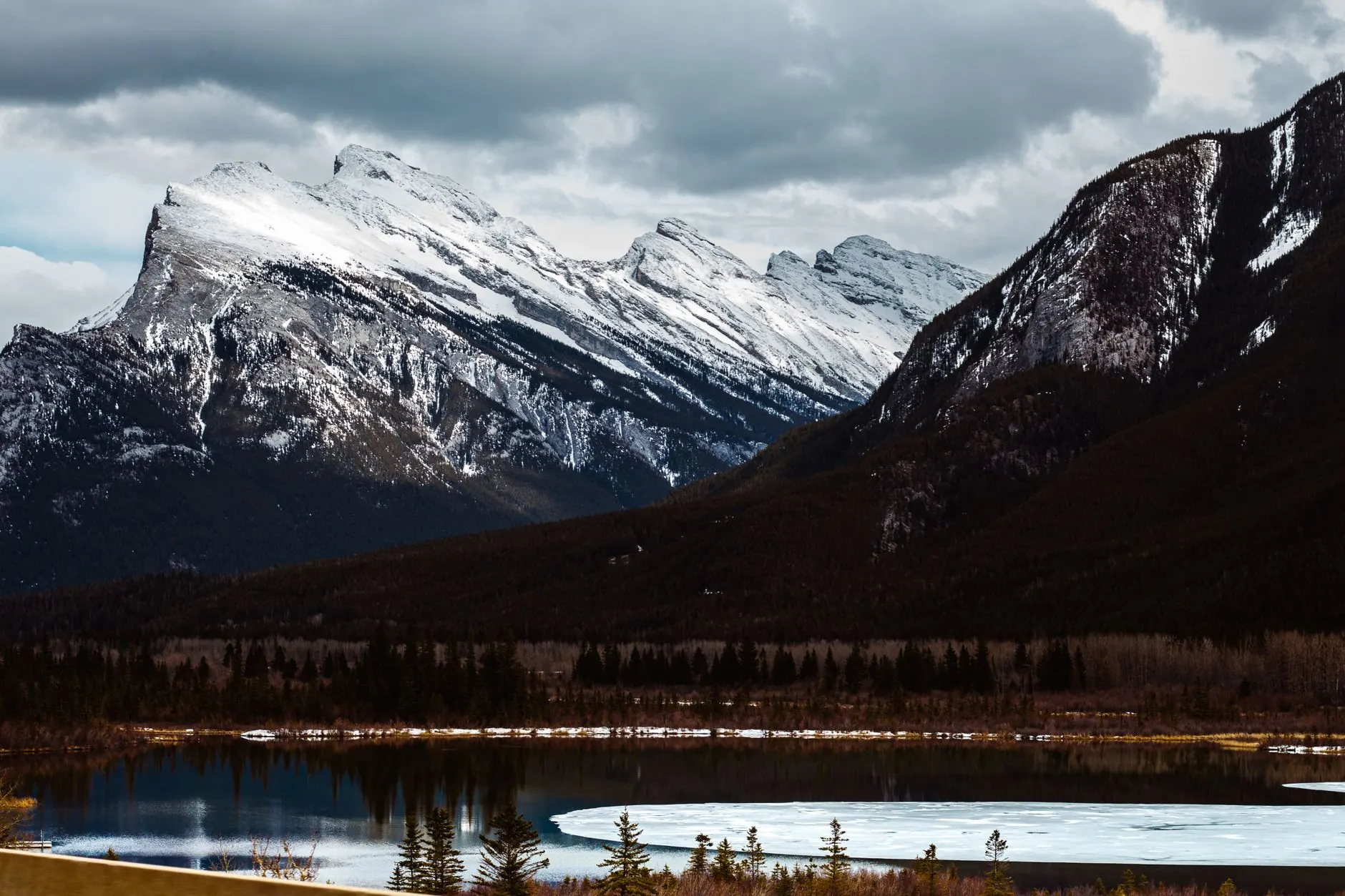
Canada often gets a reputation for being pricey, but that perception is not entirely accurate if you know where to look. The country is massive, and while some hubs charge premium rates, many regions offer incredible value if you plan ahead. You do not need to sacrifice comfort or experience to keep your costs down. With a bit of strategy, you can see the vast landscapes and vibrant cities without draining your savings.
This guide breaks down exactly how to manage your money, from booking flights to choosing where to sleep and eat. You will find practical advice on avoiding hidden fees, finding cheap transport, and spotting free activities that locals love. Whether you are planning a cross-country journey or a focused regional trip, these strategies will help you stretch your dollar further. Let us look at how to make your next adventure affordable.
Is Canada really expensive?
It is easy to assume that Canada is expensive, but the reality is more nuanced. The country is enormous, covering a vast area with distinct regions that have different cost structures. Cities like Toronto, Vancouver, and Montreal have higher price tags for accommodation and dining, reflecting their status as major economic centres. However, moving just a few hours away from these urban hubs can see costs drop significantly. Rural areas and smaller towns often have much lower prices for food, fuel, and lodging.
The distance between destinations is also a key factor in your budget. Canada spans thousands of kilometres, so travel costs can add up quickly if you are not careful. Flying across the country is convenient but expensive. Driving is often cheaper per person, especially if you are travelling in a group, but it requires more time and planning. You need to account for fuel, potential tolls, and the wear and tear on your vehicle.
Regional differences are stark. The western provinces, particularly British Columbia, tend to have higher costs of living, which translates to higher tourist prices. The Atlantic provinces, while remote, often offer good value for money, especially in the off-season. The central provinces offer a mix, with major cities being pricey and surrounding regions being quite affordable.
Understanding these variations helps you allocate your budget wisely. You might choose to spend more nights in cheaper regions and fewer in expensive ones. It also helps you decide whether to fly or drive. If you are visiting multiple distant cities, flying might save time, but if you are staying within one region, driving is likely cheaper. Always check current prices for your specific route, as they can fluctuate based on demand and season. Being aware of these regional quirks allows you to make informed decisions that keep your trip affordable.
When to go for lower prices
Timing is one of the most effective ways to reduce your travel costs. Canada’s peak tourist season is summer, from June to August. During these months, prices for flights, accommodation, and car rentals are at their highest. Demand is driven by school holidays and pleasant weather, especially in national parks. If you visit during this time, you will pay a premium for the convenience and weather.
Shoulder seasons, typically May, June, September, and early October, offer a better balance. You will find lower prices on most services, and the crowds are thinner. The weather is usually still pleasant, especially in September, when the autumn colours begin to appear in many regions. Spring can be wetter and cooler, but it is often cheaper. You might encounter some muddy trails or unpredictable weather, but the savings can be significant.
Winter is the cheapest time to visit many parts of Canada, excluding ski resorts. If you do not mind the cold, you can find very low rates for flights and hotels. However, you need to factor in the cost of warmer clothing and potential extra fees for winter driving equipment. Some attractions may have reduced hours or be closed entirely.
Avoiding peak summer in famous parks is crucial for budget travellers. Parks like Banff and Jasper see a surge in visitors during July and August. Accommodation in these areas can double or triple in price. Booking early for these popular spots is essential, even in shoulder season, as they fill up quickly. If you can travel in May or September, you will find more availability and better rates.
Consider the trade-offs of shoulder-season travel. You might experience cooler temperatures or occasional rain. Some hiking trails may still be snowy in early May or late September. However, the reduced crowds mean a more relaxed experience and easier access to popular sites. You also avoid the stress of booking last minute at inflated prices. Planning your trip around these windows can save you a substantial amount of money.
Flights and domestic travel
Getting to Canada is often the largest expense for international travellers. To save money, look for flights into secondary airports rather than the main hubs. Sometimes flying into a smaller city nearby and taking a bus or train to your final destination is cheaper. Compare prices across different arrival points.
Once you are in Canada, domestic travel can be expensive if you rely on air. Flying between coast to coast can cost a small fortune. Consider overland options. Buses are often the cheapest way to get around, but they can be slow and less comfortable. Trains offer a scenic experience but are usually pricier than buses. In Western Canada, the public transport network is less developed, making buses and trains less reliable for getting around quickly. Towards the east, the network is more extensive, but still, a car might offer better value for groups.
If you are travelling with others, splitting the cost of a car rental or fuel can make driving more affordable than flying. Long-distance driving requires time and patience. The distances are vast, and roads can be long stretches of emptiness. Plan your stops carefully to avoid fatigue and extra costs.
Ride-sharing is another option. There are various ride-hailing services available in Canada that match you with drivers heading in your direction. This can be a cost-effective way to cover long distances without driving yourself. It is also a social way to meet locals or other travellers. However, availability varies by region, so check if it is viable in your area.
Always compare the total cost of different transport modes. Include baggage fees, transfer costs, and time. Sometimes paying a bit more for a direct flight saves you money on accommodation and meals due to time saved. But for budget travellers, overland and shared transport often win out. Check the latest schedules and prices, as they change frequently.
Hitting the road
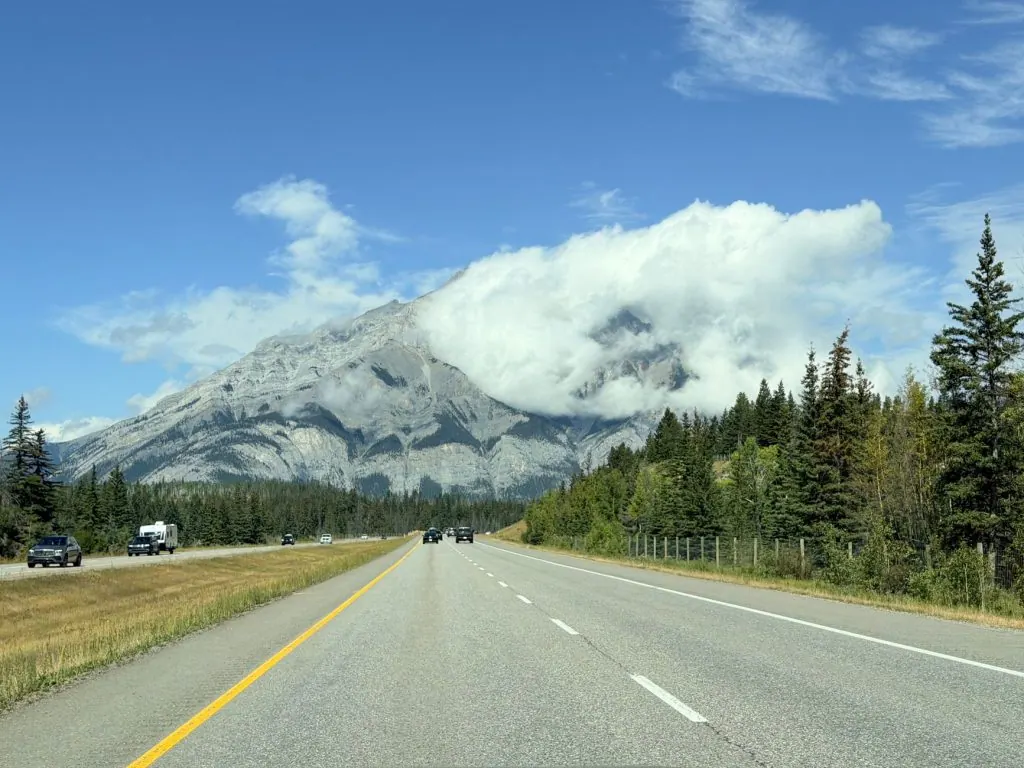
A Canadian road trip is a classic way to see the country, but it requires careful budgeting. Fuel costs can vary significantly by region. In some provinces, fuel is cheaper than in others. Fill up in larger towns rather than at service stations in remote areas or near tourist attractions, where prices are higher.
Renting a car is a common choice, but one-way rental fees can be steep. If you plan to drive from one city to another and fly out, expect to pay extra. Consider returning the car to the same location where you picked it up to avoid these fees. If you are travelling with a group, the cost per person drops significantly, making it a viable option.
Driving in winter requires caution. You need to be prepared for snow, ice, and reduced visibility. Check if your rental car includes winter tyres or chains. Some regions require them by law. If you are not confident driving in these conditions, consider sticking to major highways or visiting in summer.
Sharing rides can reduce costs. If you are travelling alone, look for ride-sharing opportunities. Many travellers are happy to share the cost of fuel and tolls. It is a great way to meet people and split expenses. However, ensure you use reputable platforms and check reviews.
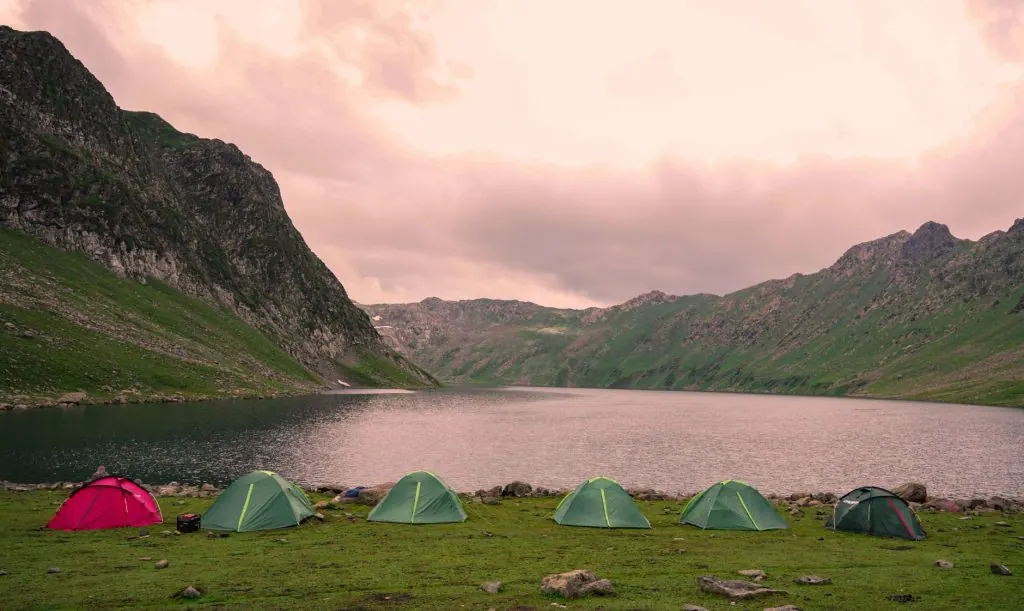
Camping is another road trip essential. If you have your own vehicle, you can camp for free in many places. Look for designated free camping spots or dispersed camping areas in national forests. These spots offer a low-cost alternative to paid campgrounds. You will need to bring your own gear and be self-sufficient.
Always check the condition of your vehicle before hitting the road. A breakdown in a remote area can be expensive and time-consuming. Carry a basic repair kit and emergency supplies. Planning your route in advance helps you avoid unnecessary detours and fuel waste.
3 Tips That Will Help You Save Money on Your Travels
Where to stay for less
Accommodation is a major part of your budget. Hostels are a great option for solo travellers or those who do not mind shared spaces. They offer a social atmosphere and often have communal kitchens, which help with food costs. Hostels are available in most major cities and many smaller towns. Booking early is crucial, especially in peak season, as they fill up quickly.
Camping is another affordable option. National and provincial park campgrounds offer a chance to stay in nature. They are well-maintained and safe, but they require booking in advance, often months ahead for summer dates. If you miss out on a park campground, look for free camping areas in surrounding forests or crown land. These spots are first-come, first-served and offer a rustic experience.
House swaps are an emerging trend. Platforms allow you to swap homes with other travellers around the world. This can save you a significant amount on accommodation, as you get a full house for the price of one. It is ideal for longer stays and families. You get a kitchen, living space, and often a more local experience.
Bed and breakfasts can be affordable if you book early or travel during the off-season. They offer a more personal touch than hotels and often include breakfast, which saves money. Airbnb and similar services offer private rooms or entire homes. Be aware of additional fees like cleaning charges and service fees, which can add up. Always check the total price before booking.
Consider location when choosing accommodation. Staying slightly outside the city centre can be much cheaper. Public transport or walking can get you to the main attractions. In national parks, staying outside the park gates can be cheaper than inside, but you will lose the convenience of early park access.
Booking early for parks is essential. Popular campgrounds sell out months in advance. If you are flexible, you might find last-minute deals, but it is risky. Always have a backup plan.
4 Tips That Will Help You Save Money on Your Travels
Eating well on budget
Food can quickly eat into your travel budget if you are not careful. The easiest way to save is to cook your own meals. Pick up groceries at large supermarkets. They offer a wide range of options at lower prices than convenience stores or tourist spots. Cooking in hostels or campgrounds is convenient and social. You can prepare simple meals like pasta, soups, and salads.
Regional dishes can be affordable if you know where to look. In some areas, local specialties are inexpensive and delicious. Ask locals for recommendations on where to eat. Avoid restaurants in tourist-heavy areas, as prices are often inflated. Look for places where locals eat, usually a block or two away from the main attractions.
Tipping customs in Canada are important to budget for. It is customary to tip around fifteen to twenty percent in restaurants. This adds to the cost of eating out. If you are on a tight budget, consider places that do not require tipping, like fast-food chains or food trucks.
Picnic culture is popular in Canada. Buy ingredients for a picnic and enjoy them in a park or by a lake. It is a cheap and enjoyable way to spend the day. Many parks have picnic tables and shelters available for free.
Snacks and drinks add up. Buying water and snacks at tourist sites is expensive. Carry a reusable water bottle and fill it up at taps or fountains, which are widely available. Buying a multi-pack of drinks at a supermarket is much cheaper than buying individual bottles at a shop.
Eating out multiple times a day gets costly quickly. Even at affordable restaurants, the bill can add up. Plan your meals. Have a light breakfast, a packed lunch, and a decent dinner. This balance keeps costs down without sacrificing enjoyment.
Be aware of portion sizes. Canadian portions can be large, especially in restaurants. Sharing a meal or saving half for later can save you money. Look for lunch specials, which are often cheaper than dinner menus.
5 Tips That Will Help You Save Money on Your Travels
Free and cheap highlights
Canada is full of free or low-cost attractions. National parks offer stunning scenery, but entry fees can add up. However, many parks have free areas or low-cost day-use zones. Look for trails that do not require a pass. Many provincial parks also have free camping or low-cost options.
City walks are a great way to explore urban areas for free. Most cities have historic districts, waterfronts, and parks that are free to access. Walking tours are often available on a pay-what-you-wish basis, allowing you to control the cost. Check local tourism boards for free event calendars.
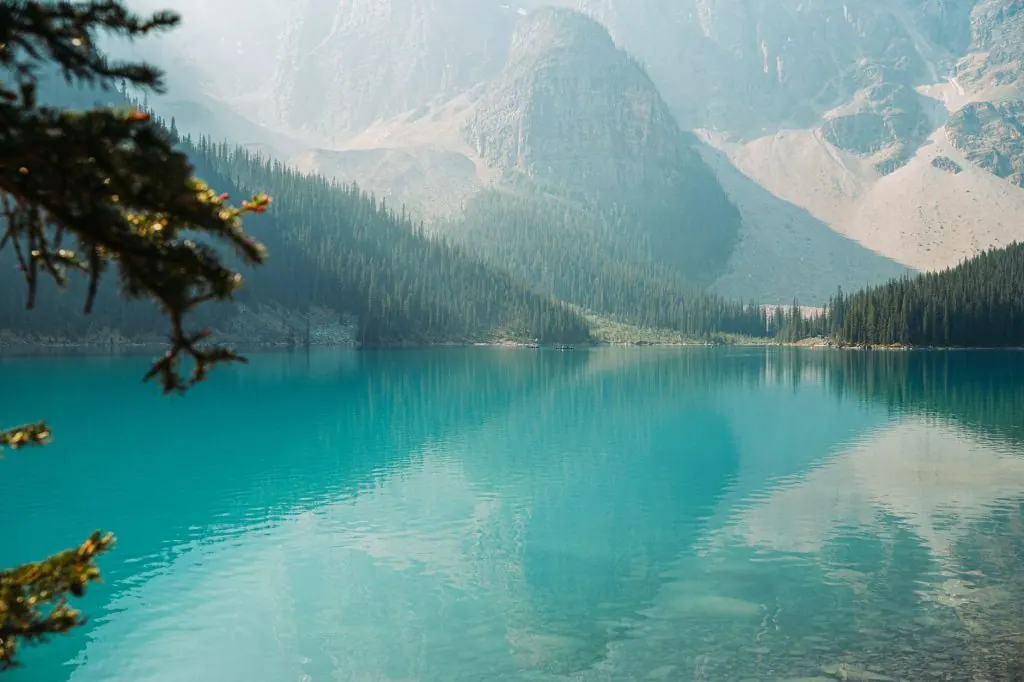
Lakes and waterfalls are abundant and free to visit. You do not need to pay for a guided tour to see them. Hiking to a waterfall is often free and offers a great workout. Be prepared for muddy trails and bring appropriate footwear.
Public festivals are another way to experience local culture without spending much. Many cities host free festivals throughout the year, featuring music, food, and art. These events are a great way to immerse yourself in the local scene. Check local event listings for dates and locations.
Museums often have free days or discounted admission for certain groups. Research ahead to find these opportunities. Many museums offer free entry on specific days of the week or month.
Hiking is a low-cost activity. Most trails are free to access. Bring your own water and snacks to keep costs down. Check trail conditions before you go, as some may be closed for maintenance or due to weather.
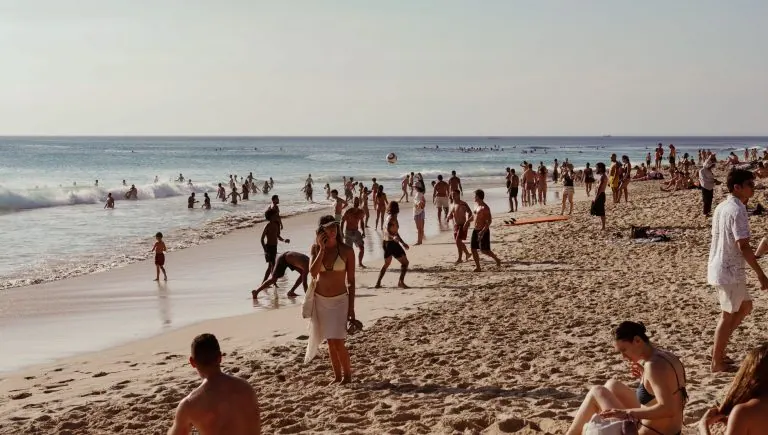
Beaches are free in summer. Many cities have public beaches with easy access. Pack a towel and some sunscreen, and you have a perfect day out.
6 Tips That Will Help You Save Money on Your Travels
City or wilderness?
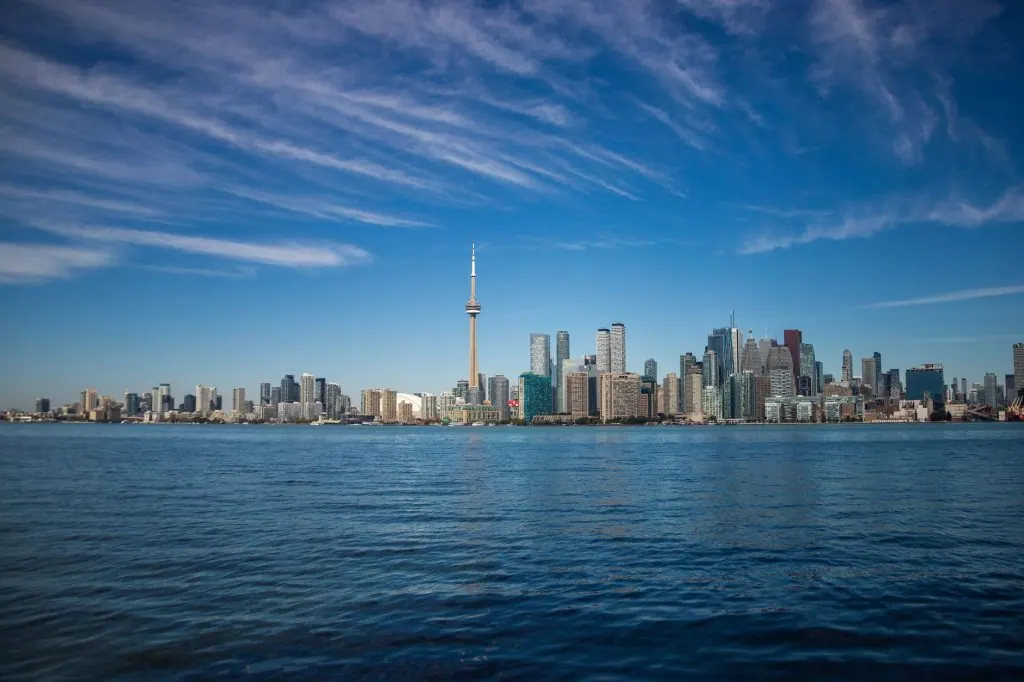
Deciding between city and wilderness depends on your budget and interests. Cities like Vancouver, Toronto, and Montreal offer diverse experiences, from world-class museums to vibrant nightlife. However, they are also more expensive. Accommodation, dining, and transport costs are higher in urban centres.
Banff and other national park towns are picturesque but pricey. Accommodation in these areas can be very expensive, especially in summer. If you visit a park town, consider staying further away and driving in daily. This can save you money on lodging.
Matching places to a small budget requires strategy. If you have a limited budget, spend more time in cheaper regions. The Atlantic provinces, for example, offer a different experience at a lower cost. You can explore historic towns, enjoy fresh seafood, and see rugged coastlines without the high prices of the west.
Cities offer more free activities, like walking tours and park visits. Wilderness areas offer free hiking but require more gear and planning. If you are on a tight budget, cities might be easier to navigate. You have more options for cheap food and accommodation.
However, wilderness areas offer a unique experience that cities cannot match. If you are willing to camp and cook your own food, the cost can be very low. The trade-off is the lack of amenities and the need for self-sufficiency.
Consider a mix of both. Spend a few days in a city to experience culture and then move to the wilderness for nature. This balance allows you to see the best of Canada without breaking the bank. Plan your itinerary carefully to balance costs and experiences.
7 Tips That Will Help You Save Money on Your Travels
Taxes, tipping and small extras
Small costs can add up quickly. Sales tax is added at checkout and varies by province. It can range from five to fifteen percent. Factor this into your budget when estimating costs. A cheap item can become expensive once tax is added.
Tipping norms are important. As mentioned, tipping is customary in restaurants and for services. Budget for this extra cost. If you skip tipping, it might be noticed, so it is best to include it in your daily spending.
SIM cards and data can be expensive. Buying a local SIM card upon arrival is usually cheaper than roaming. Compare prices from different providers. Some offer unlimited data for a monthly fee, which is good for long stays. If you do not need constant data, consider a cheaper plan or rely on Wi-Fi.
Travel insurance is essential. It can save you from huge medical bills if you get sick or injured. Compare policies to find the best value. Do not skimp on insurance, as it is a small cost for significant protection.
Health cover varies by country. Check if your home country has a reciprocal health agreement with Canada. If not, insurance is crucial.
Other small extras include parking fees, which can be high in cities. Look for free parking options or use public transport. Baggage fees on flights can also add up. Check your airline’s policy and pack light to avoid these costs.
Always check the latest rules and prices before you go. They change frequently. A small amount of research can save you a lot of money.
Official sources and further reading
Opening times, entry rules and prices change, so check them on the official sites before you travel:
- Destination Canada: Canada's national tourism organisation.