 By
By 
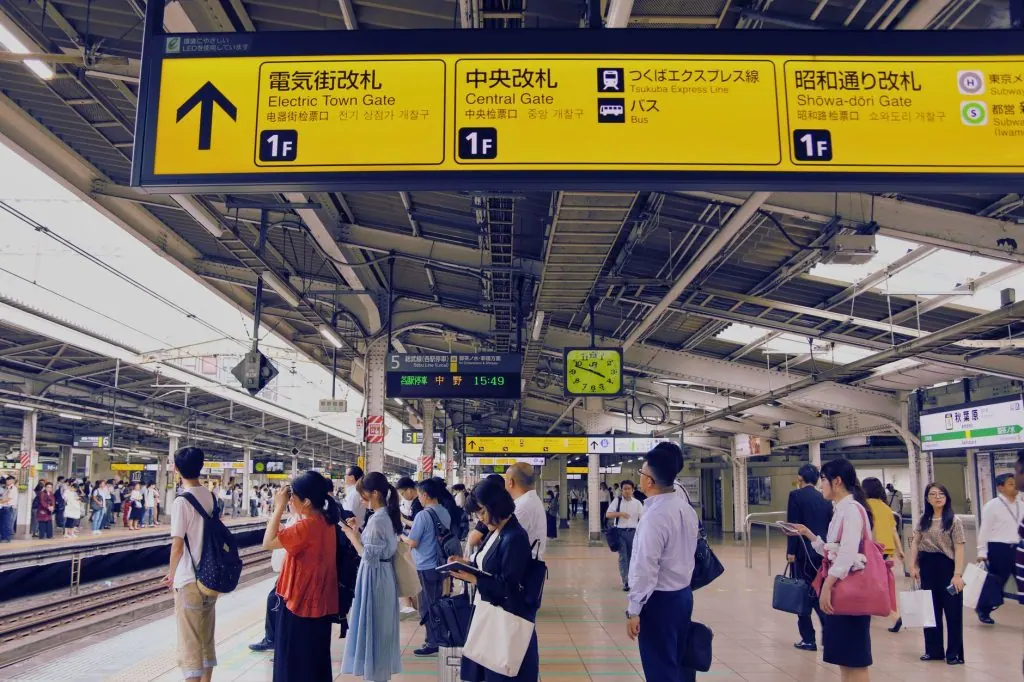
Imagine standing on the platform of a busy station in Shinjuku, surrounded by the hum of thousands of commuters rushing to work. The air is crisp, the trains run to the second, and the city pulses with a quiet, efficient energy. For many travellers, Japan is a dream destination, but the price tag can feel daunting when you are trying to stretch a limited budget. The traditional approach is to save up a large sum before you go, but there is another way. You can fund your travels by working part-time or full-time as you experience the best the country has to offer.
This approach changes the dynamic of your trip entirely. Instead of counting down the days until your savings run out, you are earning money to cover your daily expenses, allowing you to stay longer and see more. The most common route for travellers looking to do this is teaching English in Japan, but it is not the only path. Whether you are looking for a structured contract or a flexible side hustle, understanding the landscape is key. This guide breaks down exactly how to make this work, from the initial job hunt to settling into a new life, so you can plan your trip with confidence rather than guesswork.

Funding a Japan trip by working
The idea of working in Japan to fund your travels is appealing because it directly addresses the high cost of living in major cities. However, it is not a get-rich-quick scheme. You need to have realistic expectations about income versus the cost of living from day one. The primary goal is usually to cover your rent and food, allowing your remaining income to be saved or spent on travel and experiences.
Who this suits depends largely on your risk tolerance and your desire for structure. If you prefer a predictable routine where your accommodation and transport might be partly covered by your employer, a full-time teaching contract is often the best financial foundation. This model reduces your variable costs, making it easier to budget. On the other hand, if you want the freedom to travel frequently or work fewer hours, you might look for part-time roles or a working holiday visa that allows you to pick up multiple short-term jobs. The trade-off here is stability. Part-time work often means dealing with fluctuating hours and less job security, but it offers greater flexibility.
When calculating your budget, remember that your salary needs to cover more than just the obvious expenses. You will need to account for initial setup costs, such as paying for the first month’s rent, which often includes key money, agency fees, and a deposit. These upfront costs can be significant, so having some savings to start with is wise even if you have a job lined up. Additionally, consider the cost of commuting. While public transport is excellent, it is not free. If your job is in a remote area, you might need a bicycle or a car, which adds to your monthly outgoings.
It is also important to understand that your purchasing power will vary depending on where you live. Living in Tokyo or Osaka offers more job opportunities and potentially higher salaries, but your rent will be higher. In smaller towns or rural areas, your salary might go further, but the range of part-time work might be narrower. Always weigh the local job market against the local cost of living before committing. This balance is crucial for ensuring that your work actually funds your trip rather than just keeping you afloat.
Why teaching English is the common route
Teaching English is the most accessible entry point for foreigners wanting to work in Japan because the demand is consistent and widespread. There are thousands of English teaching jobs available for qualified individuals, ranging from public schools to private conversation schools. This demand exists because English is a key subject in Japanese education and business, and there is a constant need for native or near-native speakers to provide language models and conversational practice.
The types of jobs vary significantly in their structure and expectations. Public school assistant roles, often recruited through government programmes, place you in classrooms to support Japanese teachers. These roles are generally stable, offer good working hours, and are ideal for those who want to experience the local education system. Conversation schools, or eikaiwas, are more commercial. They operate like businesses, with a focus on customer service and student retention. Here, you might teach young children in the mornings and adults in the evenings. The hours can be more irregular, but the environment is often more relaxed and less hierarchical than public schools.
Private tutoring and corporate training are other options. Teaching business people can be lucrative, as companies are willing to pay more for specialised, flexible instruction. However, these roles often require you to find your own clients or work through an agency, which means less stability. For travellers on a budget, the key is to find a role that matches your energy levels and schedule. If you enjoy structure and predictability, a school contract is better. If you prefer variety and the ability to take time off when you want, a mix of part-time roles might work, but you will need to be proactive about finding work.
It is also worth considering the professional development aspect. Teaching English in Japan can be a great way to improve your own communication skills and learn how to explain concepts clearly. This skill set is transferable and can be useful if you decide to work remotely later in your trip. Ultimately, the reason this route is so common is that it provides a reliable income stream with relatively low entry barriers compared to other types of work, making it the backbone of the working holiday economy.

What you generally need
To work legally in Japan, you generally need a bachelor’s degree, regardless of your field of study. This is a standard visa requirement for most employment types. However, there are exceptions. In some cases, if English is your first language and you have significant teaching experience or a specific teaching certificate, you might be able to bypass the degree requirement, but this is becoming less common. It is safer to assume you need a degree unless you have confirmed otherwise with a specific employer or programme.
In addition to a degree, you will need a teaching certificate. While a TEFL or ESL certificate is the standard qualification, some employers might accept a degree in a related field. The certificate proves that you have the pedagogical skills to manage a classroom and deliver lessons effectively. This is especially important for public school roles, where you are expected to work alongside local teachers and understand educational methodologies. For conversation schools, a certificate might be less critical than your personality and ability to engage students, but it still strengthens your application.
You will also need a visa sponsored by your employer. This is a crucial distinction from a tourist visa. You cannot simply arrive in Japan and start working on a tourist visa unless the work is short-term and falls under specific temporary visitor activities. For most teaching jobs, your employer will handle the visa application process, including the Certificate of Eligibility. This process can take several weeks, so start early. Make sure you understand the terms of your visa, as working outside the scope of your visa can lead to fines or deportation.
It is always wise to verify these requirements with the Japanese embassy in your home country. Having a clear understanding of what documents you need, such as proof of education, police clearance, and a clean criminal record, will smooth the application process. Do not rely solely on the employer to tell you what is needed; do your own research to ensure you have everything in order before you sign a contract.
Japanese working culture
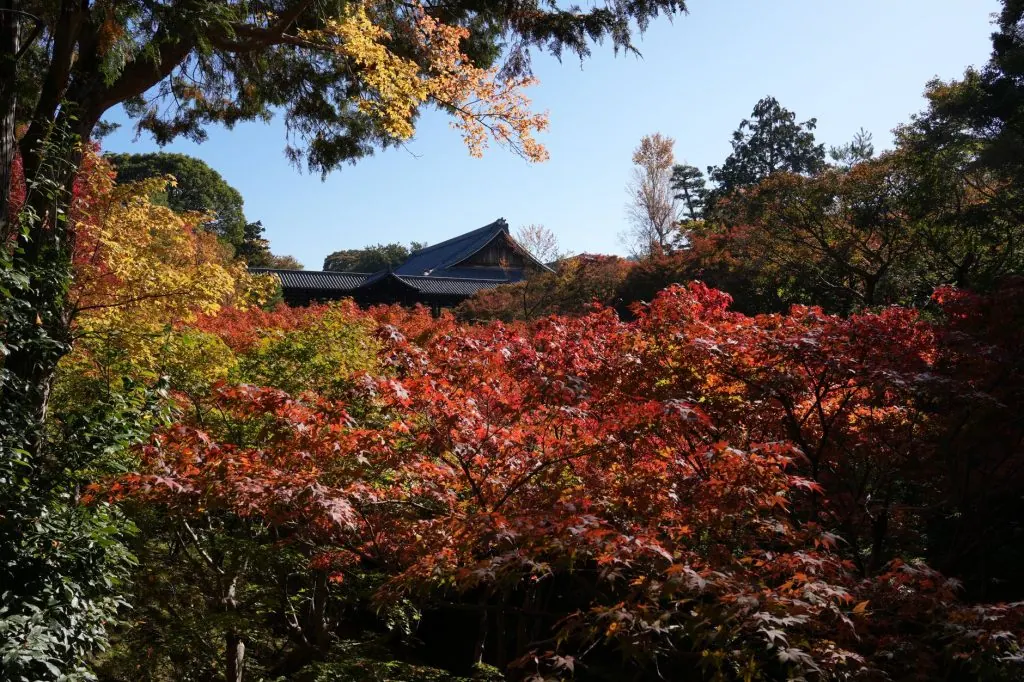
Understanding the Japanese working culture is essential for a smooth experience. Japanese people work hard, and they come from a society that values productivity and results. You will see this in the business districts of cities like Tokyo and Kyoto, where office lights often remain on late into the evening as employees meet deadlines. As an English teacher, your obligation to your work requires top-priority status, and your employer will expect your best ability.
Punctuality is non-negotiable. Being even a few minutes late can be seen as disrespectful. It is better to arrive early than on time. Hierarchy also plays a significant role. You are expected to show respect to your superiors and to the students’ parents. This extends to how you dress, how you speak, and even how you bow. Formality is valued, especially in the beginning. You should maintain a professional demeanor until you are invited to be more casual by your colleagues or students.
Group harmony, or wa, is another key concept. Decisions are often made through consensus, and individual ego is kept in check for the good of the group. This can mean that feedback is given indirectly to avoid causing embarrassment. You might not hear a direct criticism; instead, you might notice subtle changes in how your lessons are structured or how your colleagues interact with you. Learning to read these cues is part of the job.
Overtime is common, but it is not always compensated. In many teaching roles, you might be expected to stay late to prepare materials or attend meetings. Employers realize you are foreign and might not hold you to the extraordinarily high standards set for local employees, but they do expect you to work hard. Teaching public school during the day, and tutoring business people or students in the afternoons and evenings, can earn you a good salary, but it requires a strong work ethic. Whatever model you choose, you should expect to produce results for your students, or they will find someone else. This pressure to perform is part of the cultural fabric and can be a positive force for professional growth.
Finding a job safely
Finding a job safely requires due diligence. There are reputable programmes and agencies that have been operating in Japan for years, but there are also less reliable options. Start by looking for established recruitment agencies or direct job postings from schools. Read reviews from current and former teachers to get a sense of the company’s reputation. Pay attention to comments about payment, housing support, and how they handle disputes.
When you find a job, read the contract carefully. Look for specifics on your salary, working hours, and responsibilities. Is the salary paid monthly? Are there any deductions for housing or transport? What is the holiday policy? Some contracts might include clauses that make it difficult to leave early or require you to pay a penalty if you break the contract. Understand these terms before you sign. It is also important to ask about housing. Many employers offer subsidized accommodation or a housing allowance, which can be a huge help in keeping your costs low.
Red flags include vague job descriptions, low salaries compared to the market rate, or employers who are hesitant to answer questions. If an employer seems disorganized or unresponsive during the hiring process, it is likely to be the same after you start. Another red flag is if they do not provide a clear contract in English. Always ensure you have a copy of the contract in a language you understand.
Speaking to current teachers is one of the best ways to get honest information. Ask them about their workload, their boss, and the general atmosphere. They can tell you if the job is worth it and if the employer delivers on their promises. Do not be afraid to ask tough questions. It is better to know the downsides upfront than to be surprised later. This proactive approach will help you find a job that fits your needs and allows you to focus on your travels without unnecessary stress.
Living costs and saving
Living costs in Japan can be high, but they are manageable if you know where to look. Housing is typically the largest expense. Apartments in Japan are often small and come with high upfront costs, including key money, agency fees, and a deposit. To save money, consider living in suburbs or smaller cities where rent is lower. Commuting time might be longer, but the savings can be significant. Look for share houses or mansions, which are often cheaper than luxury apartments.
Transport costs vary depending on your location. In major cities, trains and subways are efficient but add up quickly. If you live closer to your workplace, you might save on transport. Many teachers use bicycles, which are a cheap and efficient way to get around. Food is another area where you can save. Eating out is expensive, but cooking at home is affordable and healthy. Supermarkets offer a wide range of fresh produce and prepared foods at reasonable prices. Shopping at discount stores in the evening can also yield significant savings.
Mobile plans can be pricey, so compare options carefully. Prepaid SIM cards or cheap data plans are available from various providers. Look for plans that offer enough data for your needs without unnecessary extras. Internet is usually included in your apartment rental, so you might not need a separate plan unless you want high-speed connectivity for remote work.
Keeping costs low also involves being mindful of your habits. Avoid buying expensive imported goods unless they are on sale. Use local brands and products, which are often of high quality and much cheaper. Take advantage of community events and free attractions. Many parks, temples, and museums have free entry days. By being mindful of your spending, you can save enough to explore more of the country. This approach to budgeting allows you to enjoy your time in Japan without the constant worry of running out of money.
Settling in
Settling into a new country takes time and effort. Learning basic Japanese is one of the best ways to make the transition smoother. Even simple phrases like hello, thank you, and sorry can go a long way in building rapport with locals. It shows respect and willingness to engage with the culture. You do not need to become fluent, but having a foundation will help you navigate daily life, from shopping to using public transport.
Banking in Japan can be challenging for foreigners. Some banks have strict requirements for opening an account, such as proof of residence and a valid visa. It is worth visiting several banks to find one that is foreigner-friendly. Having a local bank account makes it easier to pay bills and receive your salary. Healthcare is also important to understand. Japan has a universal healthcare system, and as a resident, you will need to join the national health insurance scheme. This covers a significant portion of medical costs, but you will need to pay a percentage out of pocket. Make sure you understand how to access medical care and keep your insurance card with you at all times.
Making friends is crucial for your mental well-being. Join local clubs, language exchange groups, or expat communities. This is a great way to meet people from different backgrounds and learn about the local culture. Weekend trips are a fantastic way to explore the country and break the routine. Japan is well-connected by train, and many beautiful natural and historical sites are within a few hours’ travel. Spend The Gap Year In The Best Possible Way by planning these trips into your routine can make your stay more memorable.
Do not forget to take care of your mental health. It is normal to feel homesick or overwhelmed in the beginning. How to Overcome Homesickness Whilst Traveling by staying connected with family and friends back home, but also by immersing yourself in your new environment. Balance is key. Ways to Broaden Your Mind Whilst Traveling by trying new foods, visiting new places, and engaging with the local community. This active engagement will help you feel more at home and make your time in Japan more rewarding.
Alternatives to teaching
If teaching English is not for you, there are other flexible ways to earn money while travelling. Remote work is a growing option, especially with the rise of digital nomads. If you have skills in writing, design, programming, or marketing, you can work for clients back home or globally. This offers maximum flexibility, allowing you to work from anywhere in Japan. However, you need to ensure you have a reliable internet connection and manage your time zones effectively.
Seasonal work is another option, particularly in tourism-heavy areas. Jobs in hotels, resorts, and restaurants often spike during peak seasons like cherry blossom time or summer holidays. These roles are often short-term and can provide a good income for a few months. However, they might require long hours and physical labour.
Freelance work can also be lucrative. Platforms for translation, tutoring, or consulting can connect you with clients who need English skills. This is a good option if you have niche expertise. However, you might need to spend time marketing yourself and building a client base. It is also important to consider the tax implications of working in Japan. Depending on your visa and the nature of your work, you might need to register as a self-employed individual and pay taxes. Consult with a tax professional or check the official government website to ensure you are compliant.
These alternatives offer more freedom than traditional teaching, but they often come with less stability. You might have months with plenty of work and months with little. This variability requires good financial planning and a buffer of savings. Weigh the pros and cons of each option against your personal preferences for stability, income, and flexibility.
Is it right for you?
Deciding whether to work in Japan to fund your travels depends on your personal goals and temperament. On the positive side, you gain financial independence, a deeper cultural immersion, and a unique professional experience. You will see Japan in a way most tourists never do, and you will build a network of international friends. The structure of a teaching job can provide a sense of routine and purpose, which is valuable when you are far from home.
On the negative side, the work can be demanding. The cultural expectations, especially around punctuality and hierarchy, can be stressful if you are not used to them. You might feel isolated if you do not make an effort to integrate. The initial setup costs and the bureaucracy of visas and banking can be frustrating. Additionally, the workload might be heavier than you expect, leaving you with less time to explore.
A simple checklist to help you decide: * Do you have a degree and a teaching certificate (if required)? * Are you comfortable with a structured work environment? * Can you handle the upfront costs of moving to Japan? * Are you willing to learn basic Japanese to navigate daily life? * Do you have savings to cover the first few months?
If you answer yes to most of these, then working in Japan could be a great fit. If you prefer spontaneity and low commitment, a part-time or remote work model might be better. Ultimately, the decision is about balancing your desire for adventure with your need for stability. Plan carefully, stay flexible, and be open to adjusting your plans as you go. Japan is a country that rewards those who are respectful, hardworking, and curious. If you approach it with the right mindset, it can be a transformative experience that funds your travels and enriches your life.
Official sources and further reading
Opening times, entry rules and prices change, so check them on the official sites before you travel:
- Japan National Tourism Organization: The official guide to travelling in Japan.
- GOV.UK: foreign travel advice: Entry rules, safety and health notices for every country, kept up to date by the UK government.