 By
By 
You are standing in a humid queue at a domestic terminal, holding two boarding passes, wondering if the person next to you will actually show up for the connection or vanish into the Bangkok crowds. This is the reality of travelling Thailand with a stranger. It is a mix of exhilarating freedom and high-stakes logistics. You have traded the comfort of a known companion for the chance to see the country through fresh eyes, but you have also inherited their habits, their pacing, and their potential for misjudgement.
The decision to share a journey with someone you barely know is rarely impulsive. It usually stems from a desire to reduce the isolation of solo travel while keeping the flexibility to change plans. It is a pragmatic approach to adventure. You are not just sharing a hostel bed or a long-tail boat; you are sharing a budget, a schedule, and a significant portion of your emotional energy for weeks or months at a time. The success of such a trip hinges less on the destinations visited and more on the micro-agreements made before the first flight is even booked. This guide breaks down the practical mechanics of sharing a Thai adventure with a new acquaintance, ensuring that the experience remains a friendship builder rather than a source of lasting regret.
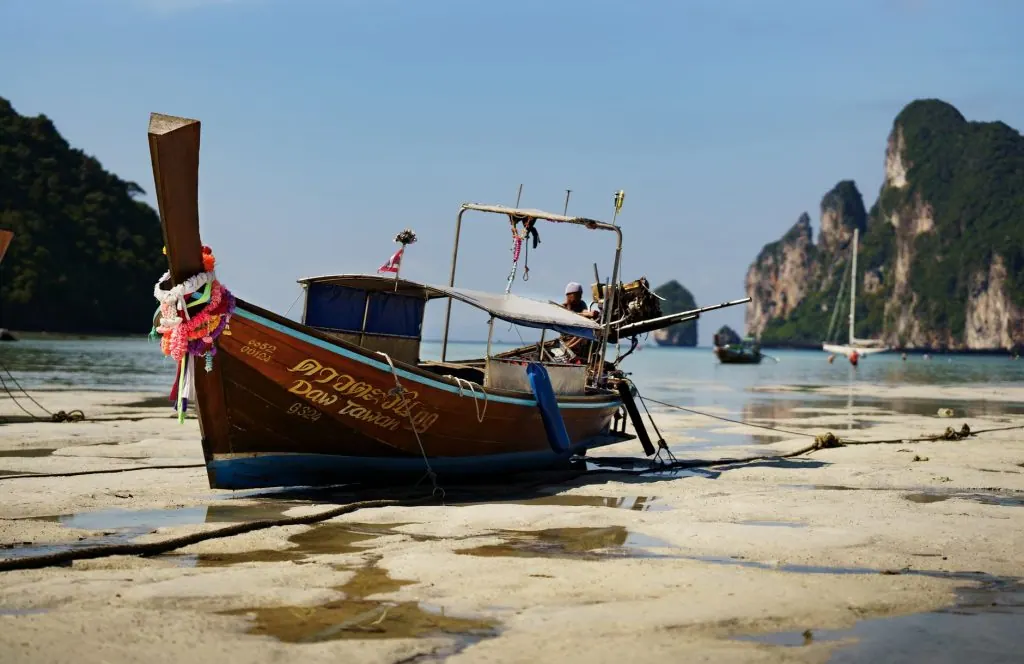
Why people end up travelling with someone they barely know
The appeal of travelling Thailand with a stranger lies in the balance between connection and independence. Solo travel offers total freedom, but it can be isolating, particularly when navigating unfamiliar transport hubs or deciding where to eat alone after a long day. Having a companion mitigates the loneliness without the heavy baggage of travelling with a partner or close friend whose expectations might be harder to manage.
Shared costs are a major driver. Accommodation, transport, and even some tours become significantly more affordable when expenses are split. A private room with two people often costs less per person than a dorm bed, offering better comfort and security. There is also the safety in numbers aspect. In crowded markets or when navigating nightlife districts, having someone to watch your back or hold your drink while you pay can be a practical advantage.
However, the downsides are real. You are forced to compromise on daily rhythms. If one person wants to wake at dawn for a temple visit and the other prefers a slow start, friction occurs. You may also find yourself in situations you would have avoided alone, such as trying a local delicacy you dislike or paying for an activity your companion loves. The dynamic can shift quickly from collaborative to contentious if expectations are not aligned. The key is recognising that the goal is not to be identical, but to be compatible in the specific context of the trip.
Finding a travel companion safely
Meeting people for international travel has moved beyond word-of-mouth to structured platforms and physical spaces. Reputable travel communities and websites dedicated to connecting travellers, such as Important Things to Consider Before Traveling to Thailand resources, often provide forums where users can post their itineraries and seek partners with overlapping dates and interests. These platforms allow you to review a potential companion’s history and stated travel style before committing.
Hostels remain a traditional but effective venue for meeting like-minded travellers. The communal areas and organised events facilitate natural conversations. You can gauge a person’s vibe over a shared meal or a group excursion before deciding if they are suitable for a longer journey. Meeting in a public, low-pressure environment first is crucial. A coffee or a casual walk in a well-known area of Bangkok or Chiang Mai allows you to assess compatibility without the pressure of being stuck in a hotel room.
Trusting your judgement is paramount. If something feels off during the initial meeting, it is usually accurate. Look for signs of reliability, such as punctuality and clear communication. Ask direct questions about their travel style: do they prefer structured days or wandering? Are they budget-conscious or willing to splurge? These early conversations can save weeks of adjustment later. Always meet in a public place, and let someone know where you are going if you decide to proceed.

Agree the basics before you go
Before booking flights or hotels, have a candid discussion about the fundamentals of your trip. Pace is the most critical factor. Some travellers thrive on a packed itinerary, visiting three sites a day, while others prefer to spend hours in a café people-watching. Establishing a preferred daily rhythm early prevents resentment. Similarly, budget expectations must be aligned. One person might be comfortable staying in boutique hotels and eating at sit-down restaurants, while the other prefers street food and hostels. Find a middle ground that works for both, or agree to split costs differently for specific activities.
Sleeping standards and food preferences are also key areas for agreement. Are you comfortable sharing a room with no air conditioning? Do you have dietary restrictions or strong aversions to certain foods? Discussing these details ensures that neither person feels compromised for the duration of the trip.
It is also wise to plan for alone time. Even the best companions need space. Agree on a schedule that allows for individual exploration, such as one afternoon a week where you split up and meet for dinner. Finally, discuss how to part ways if the trip does not go as planned. Knowing that an exit strategy exists reduces the pressure of the entire journey.
Splitting money without arguments
Financial friction is one of the most common reasons trips go wrong. The method of handling shared costs should be decided before the first expense is incurred. There are two primary approaches: a shared pot or itemised tracking.
A shared pot involves pooling a set amount of money for shared expenses like accommodation, transport, and group meals. This is simple but can lead to discrepancies if one person spends more on personal items. Itemised tracking, using a simple ledger or a dedicated app, records every shared expense and calculates who owes whom at the end of each day or trip segment. This method is fairer but requires more administration.
Decide who books what and who pays upfront. If one person books the flights and the other pays half later, ensure there is a clear record of the transaction. Currency can also be a factor when crossing borders, though within Thailand, the Baht is universal. Be transparent about tipping and small purchases. If one person consistently buys snacks or drinks, it can create an imbalance. Regular check-ins on the financial status of the trip, perhaps every few days, can prevent awkward conversations at the end of the holiday.
Safety and boundaries
Sharing a trip with a stranger introduces unique safety considerations. While you may feel a bond, you are still sharing personal space and information. Share your itinerary with a trusted family member or friend back home. Provide them with copies of your passports, accommodation details, and transport bookings. This ensures that someone knows your location even if your companion is unavailable.
Accommodation locks are a basic but essential boundary. Ensure that your room has a functioning lock and that you both feel comfortable using it. If you are staying in a hostel, use a lock for your locker and be mindful of who enters your room. Transport at night requires vigilance. Use reputable transport options and agree on a meeting point if you get separated. Scams aimed at tourists, such as overpriced tours or taxi meters that do not reset, are common. Having two people to spot these can be an advantage, but ensure you communicate clearly about which scams to avoid.
Respecting personal boundaries is crucial. Not every moment needs to be shared. If one person wants to explore a market alone, allow it. Communication is key. If something is bothering you, address it early rather than letting it fester. Regular check-ins on comfort levels can help maintain a positive dynamic.
Moving around Thailand together
Thailand’s transport network is diverse and can be complex. Trains, buses, ferries, and domestic flights offer different experiences and price points. Understanding the logistics of moving between regions is essential for a smooth journey.
Trains offer a scenic and relaxing way to travel, particularly the overnight routes. However, they can be slower and less frequent than buses. Buses are more flexible and often reach smaller towns, but comfort varies significantly. Ferries are essential for island hopping, especially in the Andaman Sea and the Gulf of Thailand. Domestic flights are the fastest option for covering long distances, such as from Bangkok to Chiang Mai or Phuket.
Booking tips include reserving seats in advance during peak seasons, especially for trains and popular ferry routes. Island hopping logistics require careful planning, as transport schedules can change due to weather. Agree on a general route but allow for flexibility. If one person wants to spend more time on an island, consider splitting up temporarily and reconvening later. This approach maximises time in desired locations while maintaining the companionship of the trip.

Culture and etiquette
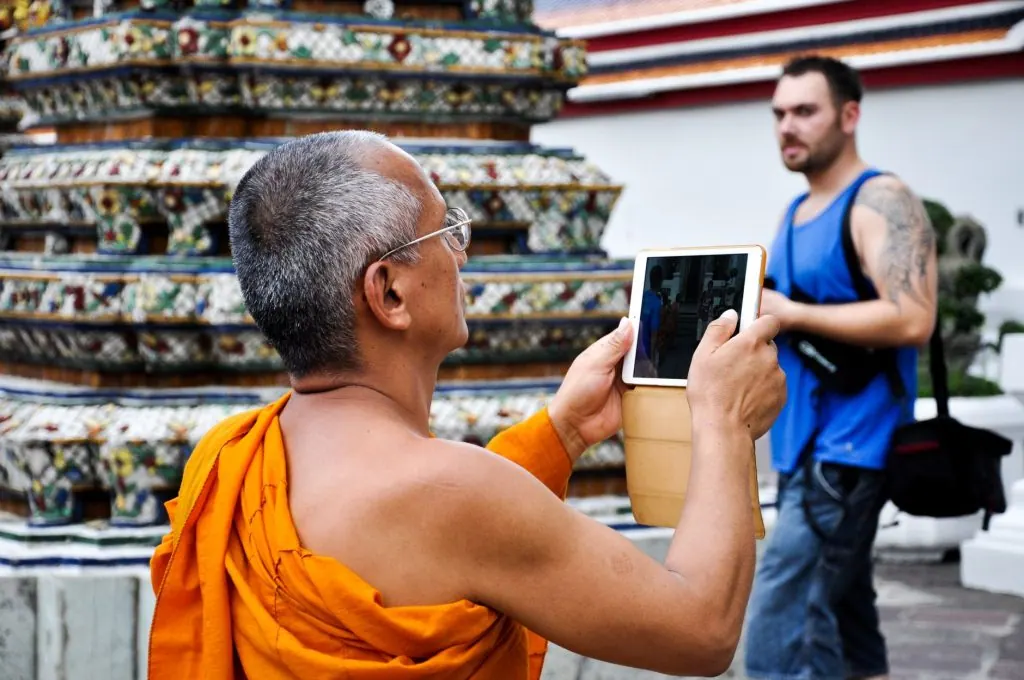
Thailand has a rich cultural fabric that travellers should respect. Temple dress is important; shoulders and knees should be covered when visiting religious sites. This applies to both men and women. Respect for the monarchy and monks is deeply ingrained in Thai society. Avoid standing higher than a monk or placing feet above their head level.
Head and feet customs are significant. The head is considered the most sacred part of the body, so avoid touching someone’s head casually. The feet are the lowest and dirtiest, so do not point your feet at people or Buddha images. Voice levels should be kept moderate, especially in temples and residential areas. Bargaining politely is common in markets, but it should be done with a smile and respect for the vendor’s livelihood.
Understanding these nuances enhances the travel experience and shows respect for the local culture. It also helps avoid unintentional offence. Observing how locals behave and mimicking their etiquette is a good guide. Engaging with locals respectfully can lead to more authentic interactions and a deeper appreciation of the country.
When it isn't working
Even with careful planning, friction can arise. Handling disagreement gracefully is a skill. If a conflict occurs, address it directly but calmly. Avoid bringing up past grievances in the heat of the moment. Take a break if needed, whether it is a short walk or a day of solo exploration.
Splitting up politely is an option if the trip becomes untenable. Discuss a timeline for separating, such as meeting in a specific city or airport. Ensure that both parties feel safe and have a plan for getting home or to the next destination. Joining other groups can also be a viable option if you want to continue travelling but need a change of dynamic.
Staying safe if you part ways is crucial. Ensure you have the necessary funds and documents to continue your journey independently. Communicate your new plans to your emergency contact. Parting ways amicably can preserve the friendship and leave both parties with positive memories of the adventure.
Making the trip yours
Balancing shared days with solo time is key to a successful trip. Dedicate specific periods for individual exploration, allowing each person to pursue their own interests. This can include visiting a site the other person is not interested in or simply enjoying a quiet moment alone. Journaling can help process experiences and reflect on the journey. Staying in touch afterwards, whether through social media or messages, helps maintain the connection formed during the trip.
Documenting your travels, as suggested in How to Document Your Travels, can enhance the experience. Taking photos, writing notes, or creating a scrapbook can capture moments that might otherwise be forgotten. Overcoming homesickness, as discussed in How to Overcome Homesickness Whilst Traveling, is also important, especially if the trip extends over several months. Engaging with local culture and maintaining a routine can help manage feelings of isolation.
The goal of travelling Thailand with a stranger is not just to see the country, but to learn about yourself and others. The friction and the flow are part of the journey. By managing expectations, communicating clearly, and respecting boundaries, you can turn a potentially chaotic experience into a memorable adventure. The final step is to pack your bags, trust your preparation, and step into the unknown with confidence.
Official sources and further reading
Opening times, entry rules and prices change, so check them on the official sites before you travel:
- Tourism Authority of Thailand: The official Thai tourism site.
- GOV.UK: foreign travel advice: Entry rules, safety and health notices for every country, kept up to date by the UK government.