You have the days off booked, the calendar is clear, and the urge to escape the grey skies is strong. Most people immediately picture golden sands and endless luxury when they think of the Arabian Gulf, but that is only half the story. If you approach this destination with an open mind, you will find a city that balances ultra-modern innovation with deep-rooted tradition in a way few other places can. It is not just about high-end shopping or towering skyscrapers; it is about a destination that offers something for every type of traveller, whether you are looking for cultural immersion, adrenaline-fuelled adventure, or simply a peaceful beach day away from the European climate.
This is your definitive Dubai holiday guide for the year ahead. We are moving past the surface-level hype to give you practical, usable advice on how to navigate the city, where to eat without overspending, and how to avoid the common pitfalls that can ruin a trip. Dubai is what you make of it, but getting the logistics right makes all the difference.
Why Dubai Is THE Holiday to Go On This Year
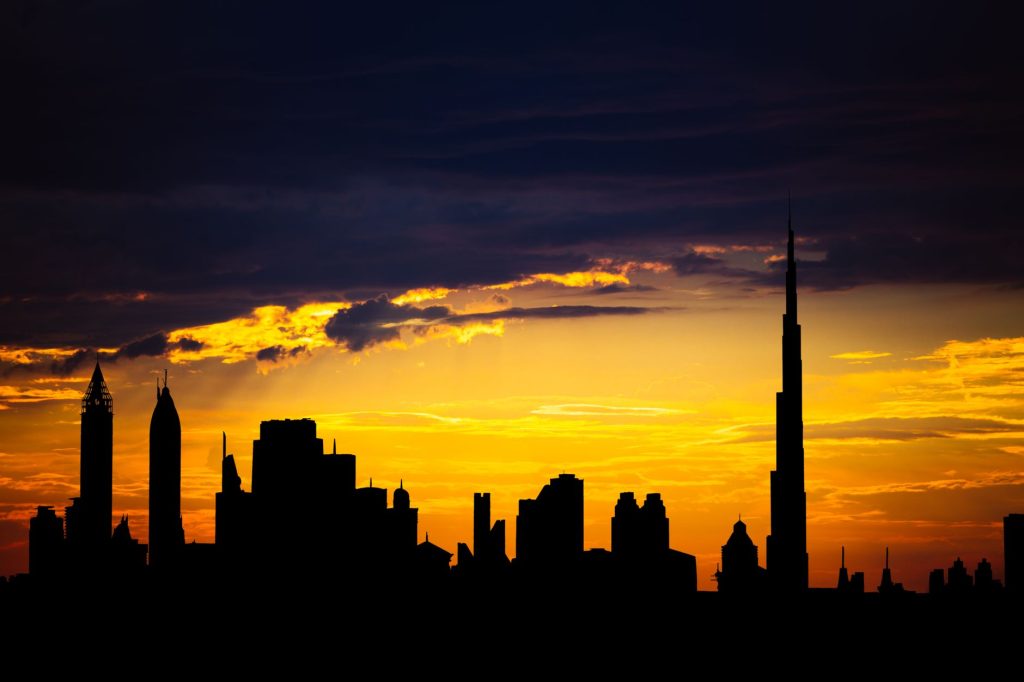
Dubia has evolved into a global hub that feels both futuristic and authentically Arabian. The city’s appeal lies in its ability to offer contrasting experiences within a small geographic area. You can spend the morning exploring historical districts and the evening dining in a glass-walled restaurant high above the city. This blend of old and new makes it a uniquely compelling destination for the current travel year.
The infrastructure is designed for ease, but it requires understanding. The city is safe, clean, and incredibly efficient, yet it has its own rhythm. The hospitality here is genuine; locals and residents alike are used to a multicultural environment and are generally welcoming to visitors from all walks of life. Whether you are a solo traveller seeking adventure, a couple looking for romance, or a family needing reliable amenities, the city caters to all.
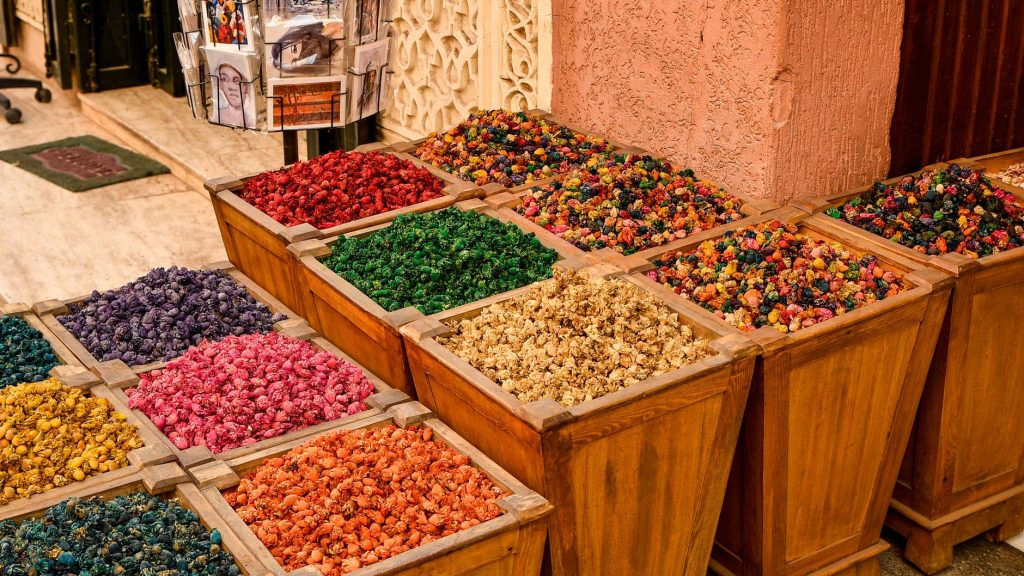
What sets this destination apart is its diversity. You will meet people from every corner of the globe, creating a vibrant atmosphere that feels international yet distinctly local. The shopping experience is world-class, with malls that feature indoor waterways and attractions, but the real charm often lies in the souks and traditional markets. By focusing on the balance between modern convenience and traditional culture, you can craft a trip that feels both luxurious and grounded.
When to Go: Timing Your Dubai Holiday for Perfect Weather
The climate is the single most important factor in planning your trip. Dubai sits in a desert region, which means the weather dictates the pace of outdoor life. The best time to visit is during the cooler months, typically from late autumn through early spring. During this period, daytime temperatures are comfortable for walking, sightseeing, and beach activities, often ranging from mild to warm without being oppressive.
If you visit during the summer months, you are signing up for intense heat. The sun is strong, and humidity can make it feel heavier than it is. Outdoor activities are often limited to early mornings or evenings, and many people spend their days in air-conditioned malls or hotels. However, summer can be a good time for budget-conscious travellers, as hotel rates often drop significantly.
Specific events can enhance your visit depending on when you go. The cooler months often coincide with various festivals and shopping events that add to the city’s vibrant atmosphere. Checking the local calendar for these events can help you time your trip to experience cultural celebrations or seasonal sales. Regardless of when you visit, the weather is generally predictable, allowing you to plan your outdoor and indoor activities with confidence.
Where to Base Yourself: Choosing the Right Neighborhood
Your choice of accommodation district will shape your daily experience. Dubai is spread out, and traffic can be heavy, so staying close to your preferred activities is crucial. Each area has a distinct character and appeal.
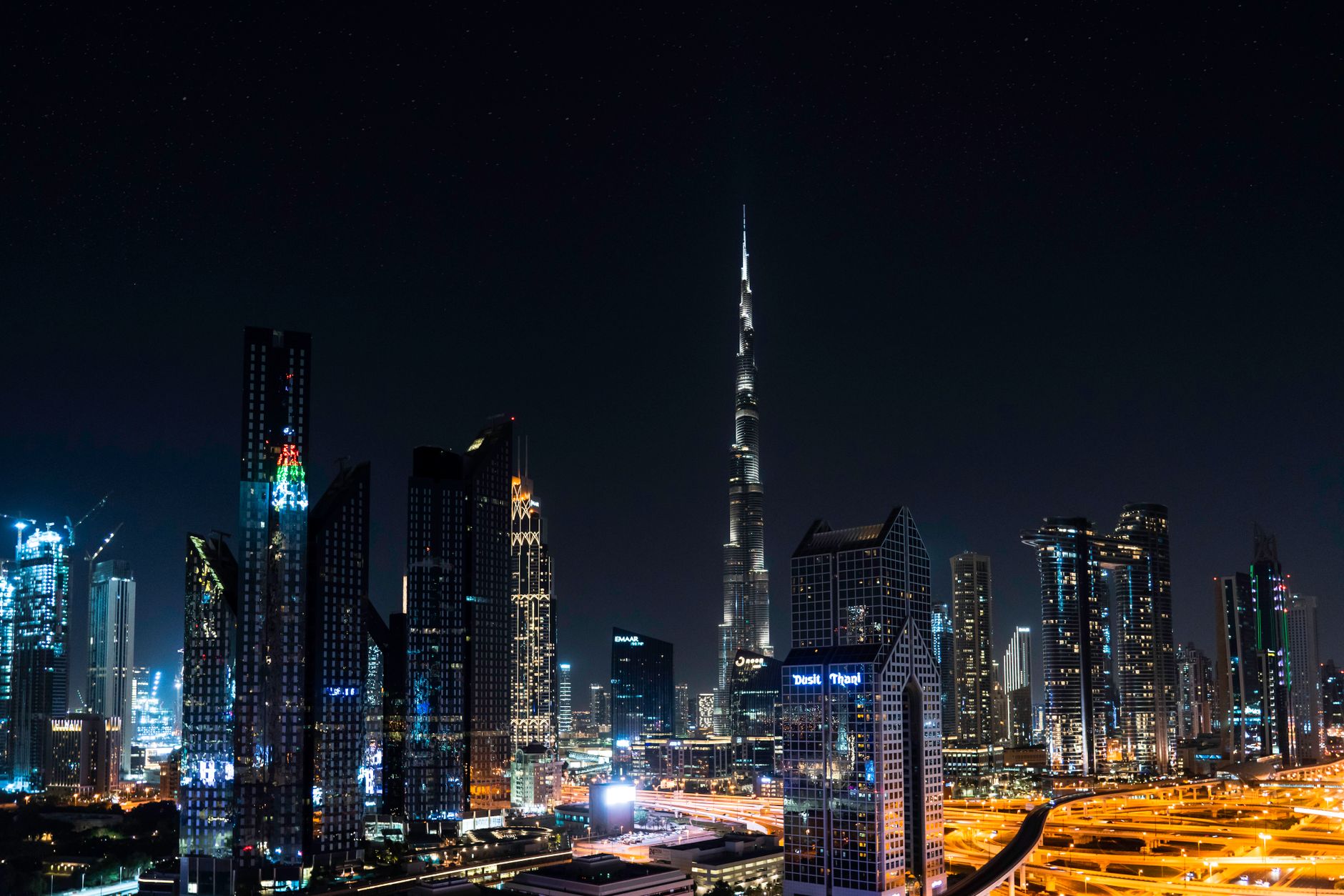
Downtown Dubai is the hub for iconic views and major attractions. It is home to the tallest building in the world and the famous fountain show. This area is ideal for first-time visitors who want to be in the centre of the action, with easy access to luxury shopping and fine dining. However, it can be bustling and expensive.
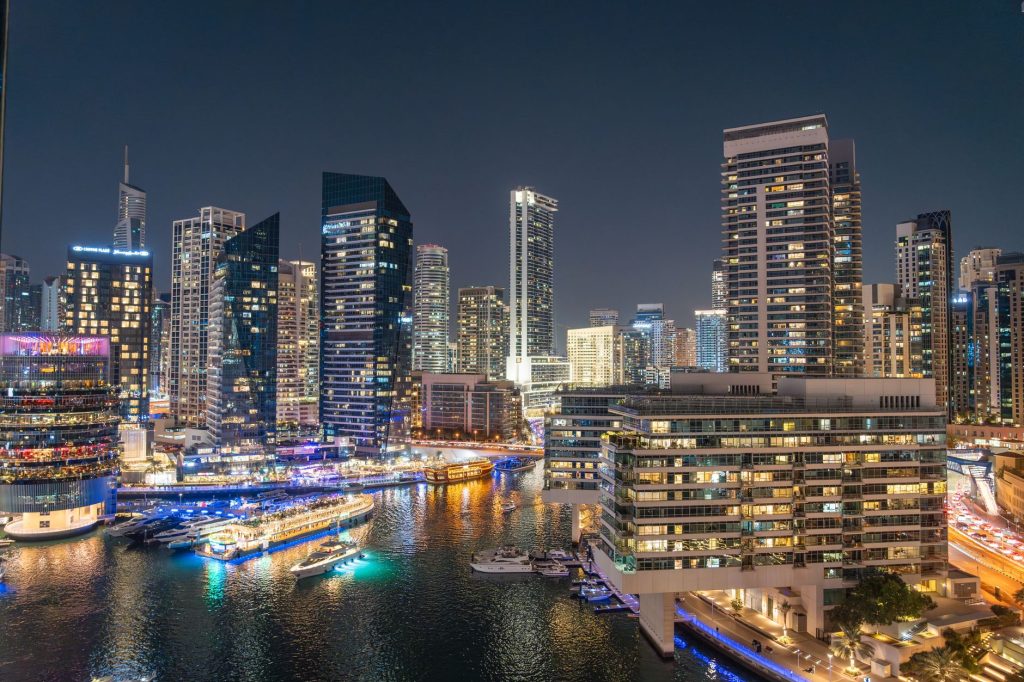
Dubai Marina offers a more relaxed, waterfront vibe. It is perfect for travellers who enjoy nightlife, beach clubs, and promenade walks. The area is lined with high-rise apartments and restaurants, creating a lively atmosphere that appeals to younger travellers and couples. It is well-connected by public transport, making it easy to explore other parts of the city.
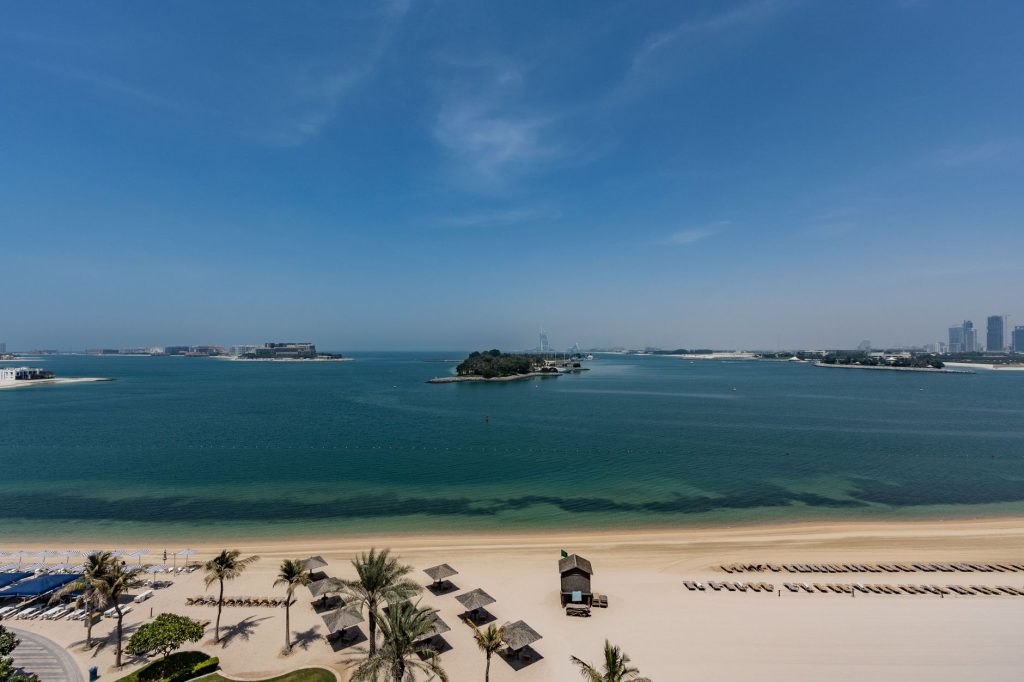
Jumeirah is known for its beach access and residential feel. It is home to some of the most famous hotels and public beaches, offering a more leisurely pace. This area is suitable for families and those who prefer a quieter, more upscale environment.
For cultural immersion, head to Deira and Bur Dubai. These older districts are where you will find traditional souks, affordable eateries, and a glimpse into local life. The atmosphere here is authentic and bustling, with narrow streets and historic architecture. It is a great base for budget travellers and those interested in history and culture.
Getting There and Getting Around: Navigating Dubai Efficiently
Reaching Dubai is straightforward, with two main airports serving the city. The primary airport handles the majority of international flights, while the secondary airport serves budget carriers and regional routes. Choosing the right airport can affect your travel time and cost, so check which terminal your airline uses.
Once you are there, navigation is key. The metro system is clean, efficient, and air-conditioned, making it an excellent way to get around, especially during peak traffic hours. It connects major hubs like the airport, the Marina, and Downtown, allowing you to avoid road congestion. Taxis are widely available and generally reliable, but they can be expensive during rush hour. Using ride-hailing apps can offer price transparency and convenience, though prices fluctuate with demand.
Walking is pleasant in many areas, particularly along the waterfronts and in older districts. However, the heat in summer can make long walks uncomfortable. Plan your routes to include shaded areas or air-conditioned passages where possible. For longer distances, a combination of metro and taxi is often the most efficient strategy. Be aware that traffic can be dense, so always allow extra time for journeys between distant districts.
Iconic Sights: Beyond the Burj Khalifa
While the towering skyscrapers are the city’s most famous symbols, there is a wealth of other sights to explore. The Burj Khalifa offers breathtaking views, but booking in advance is essential to secure a slot, as it fills up quickly. The surrounding area includes the Dubai Fountain, a spectacular water and light show set against the backdrop of the tower.
The Palm Jumeirah is an engineering marvel, a man-made island shaped like a palm tree. It is home to luxury resorts and beaches, and you can take a monorail up the trunk for panoramic views. The island offers a unique experience, combining beach relaxation with high-end dining and nightlife.
For a taste of history, visit the Al Fahidi Historical Neighborhood. This area preserves traditional wind-tower architecture and narrow lanes, offering a stark contrast to the modern skyline. You can explore museums, art galleries, and traditional houses that tell the story of Dubai’s trading past. The Dubai Frame is another must-see, offering a view of both old and new Dubai from its glass-bottomed bridge.
Lesser-known spots like the Dubai Creek provide a more relaxed atmosphere. You can take a traditional abra boat across the water for a small fee, enjoying the breeze and the views of dhows and modern buildings. These smaller attractions provide a balanced view of the city, showing that there is more to Dubai than just its tallest buildings.
A Culinary Journey: From Street Food to Fine Dining
Dubai’s food scene is as diverse as its population. You do not need to spend a fortune to eat well. In fact, some of the best meals are found in the more modest neighbourhoods. Al Dhiyafah Road is a hub for affordable street food, offering a variety of Middle Eastern, Indian, and Asian dishes. You can find delicious shawarma, fresh hummus, and spiced rice dishes that are both satisfying and budget-friendly.
Satwa is another area known for its concentration of Indian restaurants. The cuisine here is authentic and varied, with many eateries serving rich curries and grilled meats. These spots are popular with locals and offer great value for money.
For a special occasion, the fine dining scene is world-class. These experiences justify the higher price tags with exceptional service and presentation.
Arabic coffee and traditional sweets are also a must-try. Visiting a traditional coffee shop or a café in the older districts allows you to sample these staples. The hospitality extends to the food, with generous portions and warm service. Whether you are eating on the street or in a five-star restaurant, the quality is consistently high.
Activities for Every Traveler: Couples, Families, and Solo Travelers
Dubia offers a wide range of activities to suit different interests. For adventure seekers, desert safaris are a highlight. These tours take you into the dunes for dune bashing, camel riding, and evening camps with entertainment. It is a unique way to experience the desert landscape and traditional Bedouin culture.
Skydiving over the Palm Jumeirah is an adrenaline rush that offers incredible views. It is a premium experience but memorable for thrill-seekers. Beach clubs are also popular, especially during the warmer months, offering a relaxed environment with music, dining, and water sports.
Families will find plenty to do, from theme parks and water parks to interactive museums. Many attractions are designed to be educational and fun, keeping children engaged for hours. Cultural tours provide insight into the local way of life, including visits to mosques and traditional markets.
Couples can enjoy romantic dinners, spa days, and evening strolls along the waterfront. Solo travellers can explore the city at their own pace, joining group tours or visiting museums and galleries. The city is safe and easy to navigate, making it ideal for independent travel.
Budgeting for Dubai: How to Enjoy Luxury Without Breaking the Bank
Dubai has a reputation for being expensive, but it is possible to enjoy the city on a range of budgets. The key is to plan ahead and make smart choices. Booking flights and hotels in advance can secure better rates, especially if you travel during the shoulder seasons.
Eating out does not have to be costly. Street food and local eateries offer delicious meals at a fraction of the price of tourist-heavy restaurants. Carry water and snacks to avoid overpriced purchases at attractions. Many public beaches are free to access, providing a great way to enjoy the sun and sea without paying for a hotel day pass.
Free attractions include the Dubai Creek Walk, the public areas of the Palm Jumeirah, and the historical districts. Exploring these areas on foot allows you to soak in the atmosphere without spending money. Be wary of tourist traps, such as overpriced taxis or unofficial tour operators. Always check reviews and prices before booking.
Using the metro and walking where possible can save significantly on transport costs. Keeping an eye on exchange rates and using local currency can also help manage your budget. With careful planning, you can experience the luxury and excitement of Dubai without breaking the bank.
Common Mistakes to Avoid: Practical Tips for a Smooth Trip
Even with good planning, small oversights can impact your trip. Understanding local customs and logistics will help you avoid common pitfalls. Dress codes are important, especially when visiting mosques or traditional areas. While beachwear is acceptable at the beach and pool, cover up when moving through public spaces or entering religious sites.
Public display of affection should be moderate. While holding hands is generally acceptable, more intimate gestures might draw attention in conservative areas. Be aware of the weekend schedule, which often differs from the Western Saturday-Sunday model, with Friday and Saturday being the main weekend days. This can affect opening hours for shops and attractions.
Transportation pitfalls include relying on taxis during peak hours without checking the meter or using a ride-hailing app for price transparency. Traffic can be unpredictable, so allowing extra time is wise. Another mistake is assuming everything is open late; some traditional businesses close earlier in the evening.
Respecting local customs enhances your experience. Learning a few basic Arabic phrases shows goodwill, and being mindful of prayer times can help you navigate crowds. By avoiding these common errors, you ensure a smoother, more respectful, and enjoyable trip.
Dubia rewards those who take the time to understand its rhythms. Plan your days with a mix of iconic sights and local discoveries, balance your budget with smart choices, and embrace the blend of tradition and modernity. With this practical approach, you will create memories that last long after the holiday ends.