You are standing in a queue for a ride, or perhaps waiting for a table at a restaurant that is supposed to be booked, and the heat is already starting to get to you. This is the reality of planning a trip to Las Vegas. It is not just about the flashing lights and the gambling; it is about logistics, timing, and knowing where to look when the crowds thin out. Many travellers arrive expecting a single, monolithic experience of casinos and noise, only to find they have missed the city’s quieter, more sophisticated sides.
A well-planned trip requires more than just booking a flight. It demands an understanding of how the city functions, from the cost of a simple bottle of water to the best time to catch a show without paying premium prices. Whether you are looking to bring your casino dreams to life or simply want to see iconic sights like the Hoover Dam, the key is preparation. This guide breaks down the essentials to help you navigate the city with confidence.
Why Las Vegas Deserves a Spot on Your Travel Bucket List
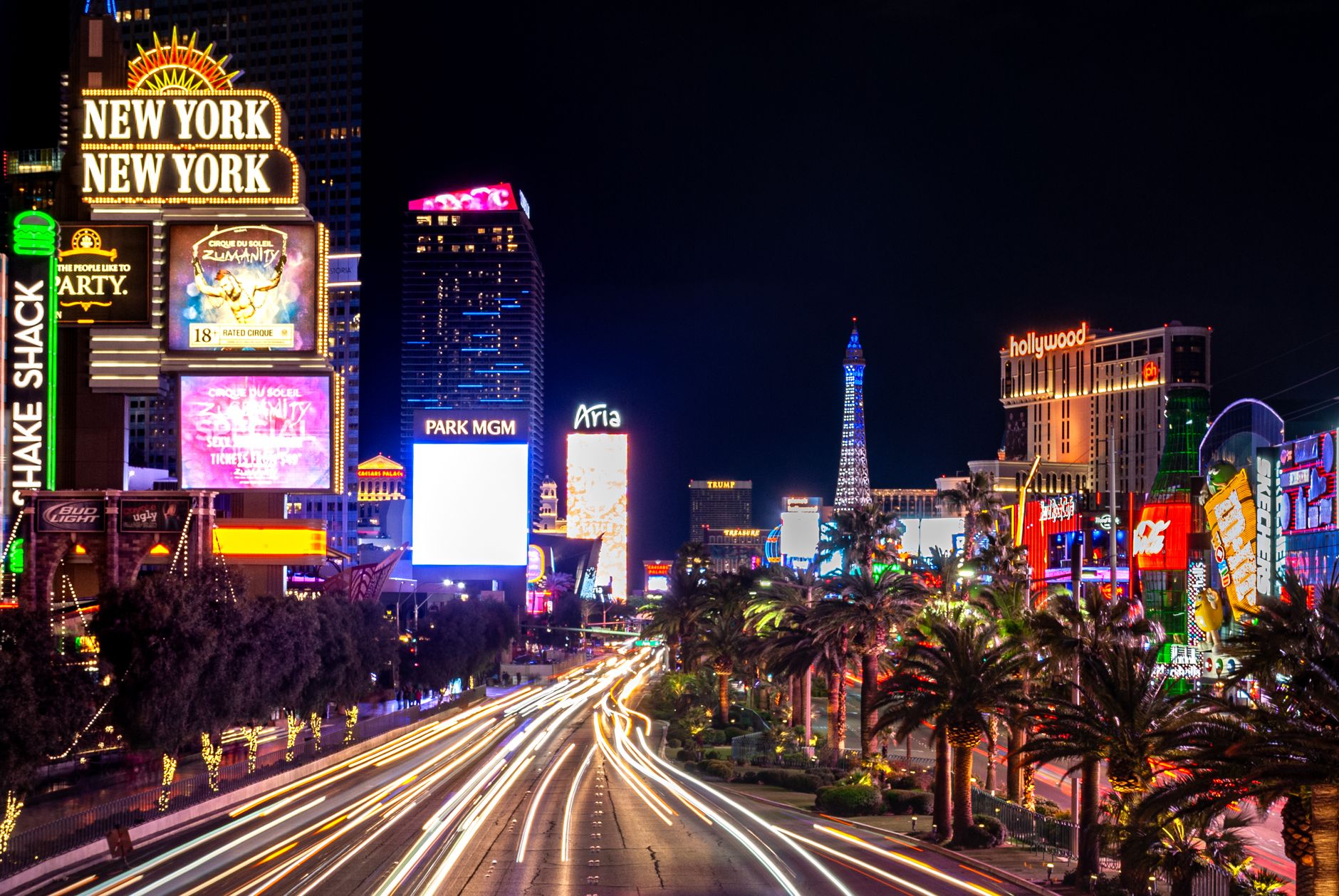
Las Vegas has shed its skin as merely a gambling hub. While the casinos remain a central feature, offering everything from high-stakes tables to extensive online bingo options, the city has evolved into a multifaceted entertainment capital. It now offers a blend of world-class dining, immersive attractions, and vibrant nightlife that appeals to a much wider range of travellers. You are no longer confined to the casino floor; the city offers interactive concert experiences, professional musicals, and large-scale spectacles that draw in crowds regardless of their interest in gaming.
The infrastructure supports this shift. You will find that the resorts are designed as self-contained ecosystems, yet they also spill out into the wider city. This diversification means that even if you are not keen on gambling, there is ample entertainment to keep you engaged. The city’s layout encourages exploration, with landmarks and attractions positioned to create a sense of discovery.
For those planning a trip that involves multiple destinations, Las Vegas fits neatly into a broader itinerary. It is a hub that connects to other major attractions, making it a strategic stop. If you are thinking about adding other exciting locations to your plans, you might find inspiration in Looking for Your next Big Adventure? Add These to Your Travel Bucket List. However, for a standalone trip, the city offers enough depth to fill several days without feeling repetitive. The mix of high-energy shows and relaxed dining options ensures that the pace of your holiday can be adjusted to suit your mood.
Choosing the Best Time to Visit Las Vegas for Your Specific Needs
The weather in Las Vegas is a defining factor in your experience. The city enjoys sun year-round, which means you can expect hot weather that is fun to holiday in if you are prepared. However, the intensity of that heat varies significantly depending on the season. Visiting during the peak seasons of spring and autumn offers a balance of pleasant temperatures and a lively atmosphere. These periods are generally considered the most comfortable for walking around the Strip and exploring outdoor attractions.
Summer brings intense heat, which can be a deterrent for some travellers. While the indoor attractions and pools are air-conditioned, getting between them or enjoying the outdoor fountains can be exhausting in the peak heat. Conversely, winter brings cooler temperatures, which can be refreshing for those who find the desert heat oppressive, but it also coincides with major events that drive up prices and crowd levels. Events like large technology conferences or major concerts can fill the city with visitors, creating a vibrant energy but also increasing competition for restaurants and shows.
Your choice of timing should align with your priorities. If you want to see specific performers or attend a major event, booking well in advance is crucial. If you prefer a more relaxed pace with lower accommodation costs, midweek visits during the shoulder seasons are often the most advantageous. The weather will dictate your comfort level, so check the forecast and pack accordingly. A trip to the Hoover Dam, for instance, is far more enjoyable in mild weather than in the sweltering heat of midday summer.
Navigating the Strip and Beyond: Getting Around Las Vegas
Getting from Harry Reid International Airport to your hotel sets the tone for your trip. The most efficient ways to arrive include using the local bus network, which is affordable but requires patience, or using ride-hailing apps for a direct, comfortable transfer. Taxis are also available, though they can be expensive during peak times. Once you are in the city, the strategy for getting around changes depending on where you are staying.
The Las Vegas Monorail is a viable option for moving along the eastern edge of the Strip. It is efficient and avoids the traffic congestion that plagues the roads, but it only covers a specific corridor. It is not a comprehensive solution for reaching attractions on the west side of the Strip or heading downtown to Fremont Street. For those staying centrally, walking is often the best option, provided you are prepared for the distance. The Strip is longer than many realise, and the sheer scale of the resorts can make short distances feel longer.
Ride-hailing services are ubiquitous and offer door-to-door convenience, which is particularly useful when you are tired or carrying shopping bags. However, during show times or rush hours, surge pricing can make these trips costly. A practical approach is to combine walking for short distances with ride-hailing for longer jumps across the city. Always factor in the time it takes to wait for a vehicle, especially during busy periods. The key is to plan your route in advance to avoid being stranded on a hot corner or paying a premium for a last-minute ride.
Where to Base Yourself: Strip vs. Downtown vs. Off-Strip
Your choice of accommodation significantly impacts your holiday experience. Staying on the Las Vegas Strip offers unparalleled convenience and spectacle. You are steps away from the major shows, restaurants, and attractions. The downside is the cost and the crowds. Resort fees and the general premium on Strip locations add up, and the environment can feel chaotic and noisy.
Downtown Las Vegas, centred around Fremont Street, offers a different vibe. It is known for historic charm and better value. The area feels more compact, and the attractions are clustered closely together. It is a great option for travellers who want to experience the classic, old-school Vegas feel without the massive resort overhead. The walkability is excellent, and the energy is vibrant but less overwhelming than the Strip.
Off-Strip areas like Summerlin provide a quieter, resort-style experience. These locations are ideal for travellers who want a break from the constant noise and light. They offer easy access to attractions via car or shuttle, and the environment is more relaxed. If you plan to spend most of your time exploring the city rather than staying in your hotel, an off-Strip location might offer better value and a more restful sleep. Consider your priorities: proximity to action or peace and quiet.

Feasting in Sin City: A Culinary Guide Beyond Casino Buffets
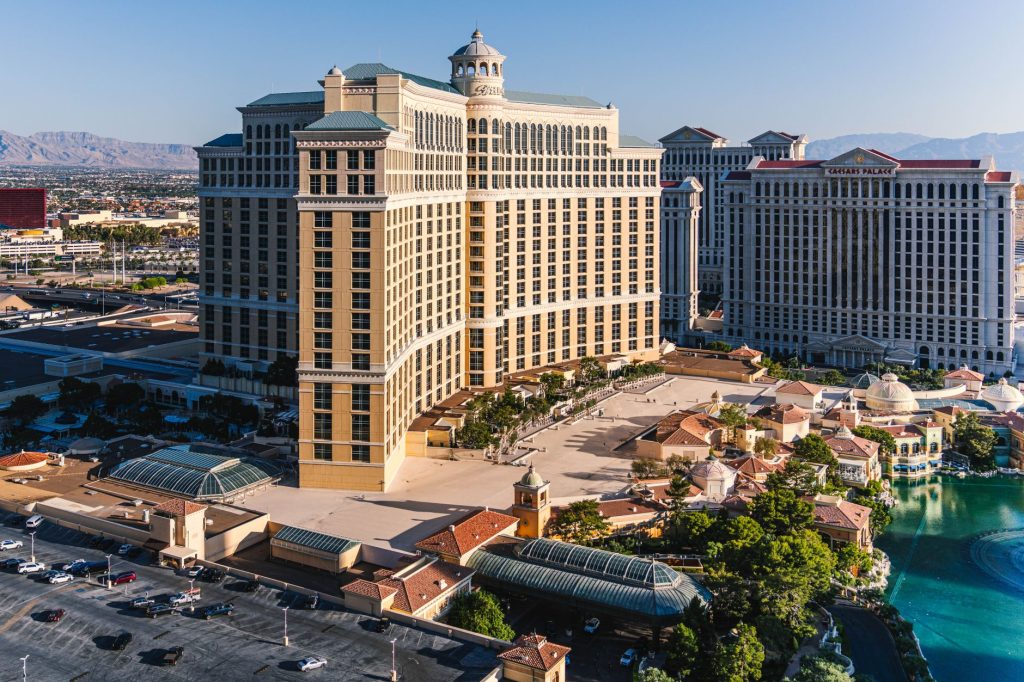
Las Vegas has established itself as a serious food destination. The city’s culinary scene extends far beyond the traditional casino buffets, which can be hit-or-miss. The high-end dining options are world-class, featuring restaurants by celebrity chefs that offer sophisticated menus and impeccable service. Places like Gordon Ramsay’s Hell’s Kitchen provide a theatrical dining experience that is as much about the atmosphere as the food. The dining rooms at resorts like the Wynn or Bellagio are designed to impress, offering views and ambiance that match the quality of the cuisine.
However, the city also has affordable local favourites that are worth seeking out. These spots provide a necessary balance to the high-end experiences and are often less crowded. The variety of cuisines is vast, ranging from Italian and French to Asian and American comfort food.
When planning your meals, consider the timing. Popular restaurants fill up quickly, especially on weekends. Booking in advance is advisable for high-end venues. For casual dining, being flexible with your schedule can help you avoid long waits. The food scene is a major part of the appeal, so do not overlook it in favour of just eating at your hotel. Exploring the diverse options can enhance your overall holiday experience significantly.
Top Attractions for Families and Non-Gamblers
Las Vegas is not just for adults or gamblers. There are numerous attractions that cater to families and those who prefer non-gambling entertainment. The High Roller observation wheel offers panoramic views of the city, providing a unique perspective on the landscape. It is a relaxing activity that allows you to take in the sights without the hustle and bustle of the casino floors.
The Shark Reef at Mandalay Bay is another excellent option for families. It offers an immersive underwater experience that is educational and entertaining. The Bellagio Fountains are a must-see, offering a free, spectacular show that runs on a regular schedule. These attractions ensure that even if the children are tired of the lights, there is still plenty to keep them engaged.
The Sphere is a newer addition to the city’s attractions, offering immersive art installations and concert experiences. It is a technological marvel that provides a visual spectacle unlike anything else. For non-gamblers, these attractions offer a way to experience the city’s grandeur without needing to place a bet. Planning your itinerary around these key sights ensures that you get a well-rounded experience of what the city has to offer.

Managing Your Budget: Hidden Costs and Money-SSaving Tips
The cost of a Las Vegas holiday can be deceptive. The room rate you see online is often just the beginning. Resort fees are a common addition, adding a daily charge on top of the room rate for amenities like Wi-Fi and pool access. Parking charges are also prevalent, particularly for those staying on the Strip. Understanding these hidden costs is crucial for accurate budgeting.
Drink prices in the casinos and bars are significantly higher than average. A simple bottle of water or a cocktail can cost a small fortune if you are not careful. Bringing a reusable water bottle can help mitigate this, especially if you are walking around the attractions. Player cards can be used to track your spending and sometimes offer discounts or freebies, so it is worth signing up if you plan to gamble or dine at specific venues.
To save money, consider walking to attractions rather than using ride-hailing services for short distances. This also helps you experience the city more fully. Avoid booking shows at the last minute, as prices can surge during peak times. Instead, look for discounts or package deals that combine tickets with dining. Being aware of these costs and planning accordingly can make your holiday more enjoyable without breaking the bank.
Common Mistakes to Avoid When Planning Your Las Vegas Trip
One of the most common mistakes is underestimating the walking distance on the Strip. The resorts are massive, and the distance between them can be deceptive. Wearing comfortable shoes is essential, as you will likely be on your feet for long periods. Another pitfall is forgetting to hydrate. The desert heat is dry, and it is easy to become dehydrated without realising it immediately. Carry water with you at all times, especially when exploring outdoors.
Booking shows too late is another error. Popular performances sell out, and last-minute tickets can be expensive or unavailable. Check the listings for the upcoming year and secure your tickets in advance. This also allows you to plan your evenings more effectively. Another mistake is assuming that all restaurants are expensive. While high-end dining is prevalent, there are affordable options if you know where to look.
Finally, do not assume that the city is only for gambling. Many travellers miss out on the cultural and visual attractions because they focus solely on the casinos. Balancing your activities with sightseeing and dining will provide a richer experience. By avoiding these common pitfalls, you can ensure a smoother and more enjoyable trip.
Final Verdict: Crafting Your Perfect Las Vegas Itinerary
A successful Las Vegas holiday comes down to balance. Mix high-energy entertainment with periods of relaxation. Start your days with sightseeing, such as a visit to the Hoover Dam, which offers a glimpse of the natural beauty surrounding the city. Spend your evenings enjoying the shows and dining, but be mindful of your budget and energy levels.
The city offers a diverse range of experiences, from the glitz of the Strip to the historic charm of downtown. By planning your accommodation, transport, and activities carefully, you can create an itinerary that suits your preferences. Whether you are a first-time visitor or a seasoned traveller, Las Vegas continues to evolve, offering new attractions and experiences. The key is to go in with realistic expectations and a flexible plan. Enjoy the lights, the food, and the unique atmosphere that makes this city a standout destination.