By
By 
You are walking through the labyrinthine alleys of Stone Town, the air thick with the scent of clove and frying dough. Your stomach is rumbling, not for a heavy meal, but for something that balances the salt of the sea air with a sharp, sweet kick. This is where the magic happens. Zanzibar does not just offer desserts; it offers a history lesson in sugar, spice, and colonial trade routes, all served on a banana leaf or a paper plate.
Navigating the island’s confectionery landscape requires more than just a sweet tooth. It demands an understanding of how Arabic, Indian, and African influences have merged over centuries to create a distinct culinary identity. This Zanzibar sweet treats guide will walk you through the specific flavours, textures, and cultural contexts of the island’s most beloved sweets. Whether you are looking for the nutty crunch of kashata or the delicate, syrup-soaked softness of vilosa, you will find practical advice on where to look, what to expect, and how to enjoy these flavours without falling into common tourist traps.

Stone Town’s Sweet Heritage
The narrow, winding streets of Stone Town act as a living archive of the island’s trading past. Here, the architecture tells one story of wealth and expansion, while the scent drifting from open windows tells another of fermentation, roasting, and caramelisation. The historic heart of Zanzibar is not just a backdrop; it is the primary vessel for traditional sweets that have remained largely unchanged for generations.
Deep within the maze of alleys, away from the main thoroughfares where tour groups congregate, you will find small, family-run bakeries and cafes. These establishments serve as community hubs. They do not rely on flashy signage. Instead, their reputation is built on consistency. The air inside these spaces is often heavy with the aroma of cardamom and burnt sugar.
The Architecture of Taste
The layout of these bakeries reflects their long-standing role. Many operate from the ground floor of historic coral-stone houses. The spaces are compact, often just large enough for a counter, a few stools, and a display case showcasing the day’s fresh produce. The simplicity of the setting ensures that the focus remains entirely on the food. You are not paying for ambiance; you are paying for heritage.
Traditional Staples
Among the most prominent offerings in these heritage spots is halva. Introduced by Arabic traders, this sesame-based sweet has become a staple of the local diet. It is typically sold in blocks or rolled into small balls. The texture can vary from dense and fudgy to light and airy, depending on the technique used by the baker. In Stone Town, you will find versions that are spiced with cardamom and others that are plain, allowing the natural nuttiness of the sesame to shine.
Another key item is kashata. While often associated with street vendors, many heritage bakeries in Stone Town produce high-quality versions. This peanut and coconut candy is a testament to the island’s agricultural history. The use of locally sourced peanuts and coconuts ensures that every bite tastes of the land. These sweets are not just snacks; they are cultural artifacts. Eating them connects you to the daily rhythms of Zanzibari life, where time is spent slowly, and food is shared communally.
When visiting these heritage spots, look for signs of activity. A busy counter with locals chatting suggests freshness. The sweets are often made in small batches throughout the day, ensuring that what you buy is at its peak flavour. Avoid places where the displays look dry or dusty, as this indicates the sweets have been sitting out for too long. The best Stone Town desserts are those that reflect this immediate, community-driven production cycle.
The Spice Connection
To understand Zanzibari sweets, you must understand the spices. The island is often called the Spice Islands, and this title is earned through the sheer volume and quality of its produce. However, the role of spices in dessert is not merely additive; it is foundational. The flavour profile of Zanzibari cuisine is built on the interplay between heat, aroma, and sweetness, and spices are the bridge between these elements.
Cloves and Cinnamon
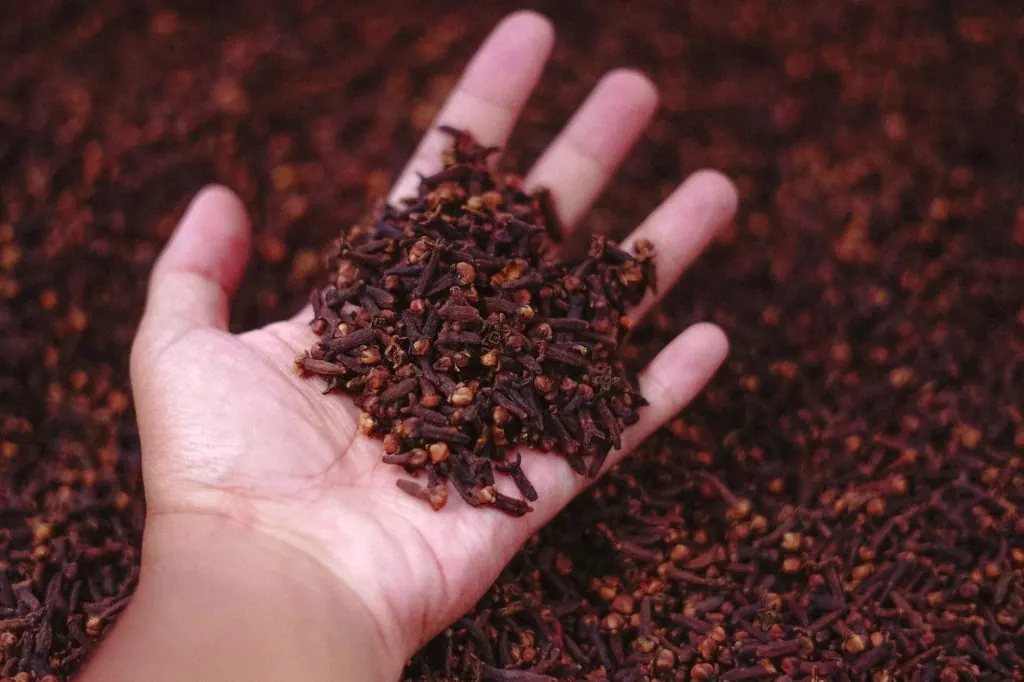
Zanzibar was once the world’s largest producer of cloves. The scent of drying cloves used to hang so heavily in the harbour that sailors could smell the island before they saw it. While clove production has shifted, the spice remains integral to local desserts. You will find ground cloves used in spiced coffees, infused into syrups, and mixed into doughs. Cinnamon, derived from the bark of the laurel tree, is equally ubiquitous. It provides a warm, woody sweetness that complements the tropical fruits and rich nuts common in Zanzibari sweets.
Vanilla: The Gold Standard
Vanilla is perhaps the most prized spice in Zanzibar. Genuine vanilla is expensive because it requires meticulous, hands-on cultivation and processing. The orchids are hand-pollinated, and the beans must be cured slowly over several months. This labour-intensive process results in a flavour that is complex, floral, and deeply aromatic. In local desserts, vanilla is not used as a generic flavouring but as a central note. It elevates simple ingredients like coconut milk and rice flour into something luxurious.
Nutmeg and Cardamom
Nutmeg is another key component. It is used in cakes, porridges, and even savoury dishes, but its sweet applications are particularly notable. The nutmeg tree produces a fruit that looks like an apricot, containing a seed encased in a red lace-like covering called mace. Both are used in baking. Cardamom, often referred to as the queen of spices, is used extensively in coffee and sweet breads. It adds a bright, citrusy note that cuts through the richness of coconut and peanut.
The Alchemy of Flavour
The combination of these spices creates a unique sensory experience. The warmth of cinnamon and clove grounds the sweets, while the brightness of cardamom and the floral depth of vanilla lift them. This balance is what makes Zanzibar spices so distinctive. When you taste a local dessert, you are tasting the island’s geography and history. The spices are not just ingredients; they are the reason Zanzibar food tour experiences are so highly regarded. They provide a depth of flavour that cannot be replicated elsewhere.
When buying spices or spice-infused sweets, look for freshness. Ground spices lose their potency quickly. Whole spices or recently ground ones will have a stronger aroma. If you are purchasing vanilla beans, check for plumpness and oiliness, which indicate quality. Understanding the spice connection helps you appreciate why Zanzibari sweet treats taste the way they do. It is not just sugar; it is a carefully curated blend of the island’s agricultural heritage.
Must-Try Sweets: Halva and Vilosa
Two sweets stand out as icons of Zanzibari confectionery: halva and vilosa. Each represents a different aspect of the island’s culinary history. Halva speaks to the Arab influence, while vilosa reflects the local adaptation of rice and coconut. Together, they offer a comprehensive taste of the island’s sweet landscape.
Halva: The Sesame Classic
Halva, also known as halua, is a sesame-based sweet that has been a part of Zanzibari life for centuries. It is introduced by Yemeni and Arab traders, and its presence in Stone Town is a direct result of these historical connections. The preparation involves roasting sesame seeds, grinding them into a paste, and then mixing them with sugar syrup and sometimes ghee. The result is a dense, rich confection that is both nutty and sweet.
The texture of halva can vary. Some versions are firm and brittle, breaking cleanly into pieces. Others are softer, almost fudge-like. The best halva has a smooth, uniform texture without grittiness. It should melt in the mouth, releasing the nutty flavour of the sesame. Cardamom is often added to enhance the aroma, creating a subtle floral note that complements the earthiness of the sesame.
When buying halva, look for freshness. The sugar syrup can absorb moisture from the air, making the sweet sticky or soft. Fresh halva should have a clean break and a dry surface. It is often sold in blocks or rolled into small balls. Some vendors add nuts or dried fruits for extra texture, but the pure sesame version is the most traditional.
Vilosa: Rice Dumplings in Syrup
Vilosa are sweet rice dumplings that are a favourite among locals and visitors alike. They are made from rice flour, coconut milk, and cardamom. The dough is formed into small balls or dumplings and then boiled or steamed. Once cooked, they are soaked in a saffron-infused sugar syrup. The syrup is the key to vilosa. It is rich, aromatic, and deeply sweet, with a golden hue from the saffron.
The texture of vilosa is unique. The rice flour gives them a soft, almost chewy consistency, while the syrup adds a glossy sheen and intense flavour. Some recipes use semolina instead of rice flour, which creates a slightly different texture, but the rice version is preferred by many for its softness. The saffron syrup is not just a sweetener; it is a flavour enhancer, adding a floral, honey-like note that elevates the simple ingredients.
Vilosa are often served with saffron tea, which complements the sweetness and adds to the aromatic experience. They are a popular treat during special occasions and religious festivals, but they are available year-round in many bakeries and street stalls. When eating vilosa, it is important to let the syrup absorb fully into the dumplings. This takes a few minutes, but it ensures that every bite is flavourful.
Where to Find the Best Versions
In Stone Town, the best halva and vilosa are found in small, family-run bakeries. Look for places that are busy with locals. The presence of regular customers is a good indicator of quality. Avoid tourist-heavy spots where the sweets may have been sitting out for hours. The freshest vilosa are those that are soaked in syrup just before serving.
When trying these sweets, take your time. Halva is dense and rich, so a small piece is often enough. Vilosa are softer and sweeter, so they pair well with a strong, spiced coffee to cut through the sugar. These two sweets are essential to any Zanzibar sweet treats guide. They represent the core of the island’s dessert culture, combining history, tradition, and flavour in every bite.
Street Food Staples: Kashata and Ubuyu
Street food in Zanzibar is not just about convenience; it is about community. The streets are lined with vendors who have been selling their wares for generations. Two staples stand out for their unique textures and cultural significance: kashata and ubuyu. These sweets are simple in ingredients but complex in flavour, offering a glimpse into the everyday life of Zanzibaris.
Kashata: The Peanut-Coconut Candy
Kashata is a traditional East African sweet made from peanuts and coconut. It is sold in markets and on almost every street corner. The preparation involves roasting peanuts, grinding them, and mixing them with shredded coconut and sugar. The mixture is then shaped into small balls or bars. The result is a dense, crunchy sweet that is both salty and sweet.
Kashata is often served with strong black coffee spiced with ginger. The coffee provides a bitter contrast to the sweetness of the candy, while the ginger adds a warming kick. This combination is a classic Zanzibari pairing. The texture of kashata is rough and crumbly, with visible pieces of peanut and coconut. It is not a smooth, uniform sweet like halva. This roughness is part of its charm, giving it a rustic, homemade feel.
When buying kashata, look for freshness. The peanuts can go rancid if they are old, so the smell is a good indicator. Fresh kashata has a nutty, toasted aroma. Avoid pieces that look dry or dusty, as this indicates they have been sitting out. The best kashata is made in small batches and sold quickly.
Ubuyu: Baobab Seeds
Ubuyu are baobab seeds that have been coated in sugar and coloured. They are a unique treat that is specific to Zanzibar and parts of East Africa. The baobab fruit is large and fibrous, containing seeds that are rich in nutrients. The seeds are removed, cleaned, and then coated in a sweet, coloured sugar shell. The result is a hard, crunchy sweet that is surprisingly mild in flavour.
Ubuyu are often eaten as a snack or a treat. They are not as rich or sweet as kashata or vilosa. Instead, they offer a subtle sweetness and a satisfying crunch. The colouring adds a visual appeal, making them look like small, colourful beads. They are often sold in small bags or cones, making them easy to eat on the go.
The cultural significance of ubuyu lies in its connection to the baobab tree, which is a symbol of life and resilience in Zanzibar. Eating ubuyu is a way to connect with the island’s natural heritage. The seeds are nutritious, containing protein and fibre, making them a healthier option compared to other sweets.
The Street Food Experience
Eating kashata and ubuyu on the street is an experience in itself. The vendors are often part of the local community, and their stalls are hubs of social interaction. You might hear conversations in Swahili, see children playing, and smell the roasting peanuts. This sensory overload is part of the appeal.
When trying these sweets, be mindful of hygiene. Look for vendors who handle the food with care, using gloves or utensils. The best street food stalls are those that are busy and turn over their stock quickly. This ensures freshness and reduces the risk of contamination.
Kashata and ubuyu are affordable and accessible, making them perfect for budget-conscious travellers. They offer a taste of Zanzibar that is authentic and unpretentious. Pairing kashata with spiced coffee is a must-do experience. It is a simple pleasure that captures the essence of Zanzibari street food.
Zanzibar Pizza and Tropical Fruits
Zanzibar is not just about traditional sweets. It also offers innovative treats that blend local ingredients with international influences. Two such examples are Zanzibar pizza and tropical fruits like bungo and custard apple. These items offer a different kind of sweetness, one that is lighter, fresher, and more experimental.
Zanzibar Pizza: The Sweet Variation
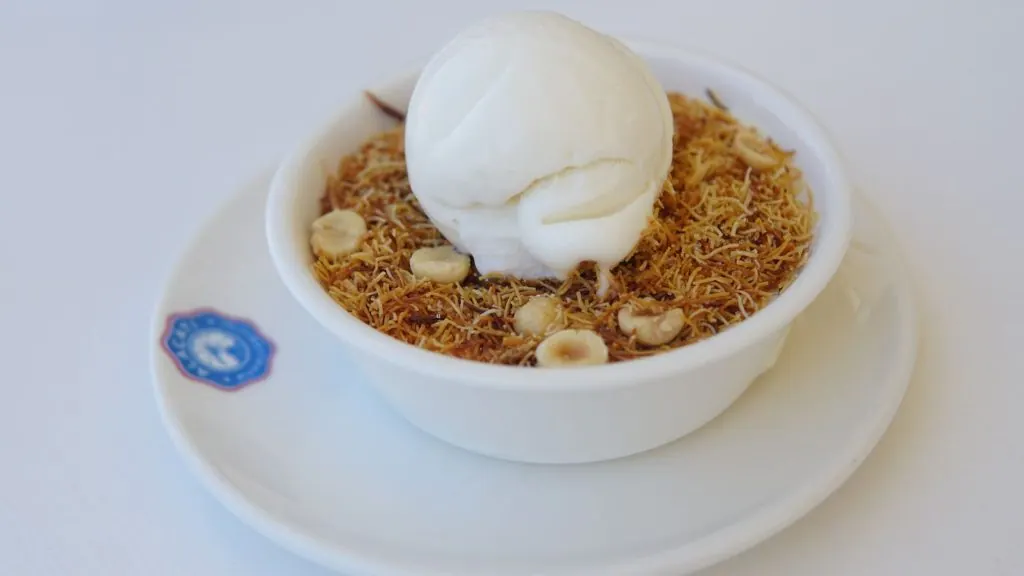
Zanzibar pizza is a unique culinary creation that is found throughout the island. It is made from two layers of very thin dough, fried on one side, flipped over, and fried on the other side. The result is a crispy, crepe-like base that is topped with various ingredients. While savoury versions exist, the sweet version is particularly popular. It is lathered with chocolate spread and bananas, creating a dessert that is both indulgent and satisfying.
The texture of Zanzibar pizza is key. The dough is thin and crisp, providing a contrast to the soft, sweet toppings. The chocolate spread is rich and creamy, while the bananas add a natural sweetness and moisture. It is often served with a side of cold sugar cane juice, which cuts through the richness of the chocolate and banana.
Zanzibar pizza is a street food staple, sold in markets and on street corners. It is affordable and easy to eat on the go. The sweetness is balanced by the crispiness of the dough, making it a popular choice for those who want a quick, satisfying treat.
Tropical Fruits: Bungo and Custard Apple
Zanzibar is blessed with a variety of indigenous fruits that are perfect for dessert. Bungo is a spherical, orange-green fruit that is indigenous to the island. When juiced, it makes for a tart and refreshing drink. The juice is fluorescent in colour and has a unique flavour that is both sweet and sour. Bungo can also be eaten as a fruit ceviche, where it is mixed with spices and served as a salad.
Custard apple is another favourite. It has a sweet, fleshy pulp that is highly addictive. The texture is soft and creamy, similar to custard, hence the name. It is often eaten fresh, with the seeds removed. The flavour is mild and sweet, making it a perfect ending to a meal.
How to Order and Eat
When ordering Zanzibar pizza, ask for the sweet version if you prefer. Some vendors may default to savoury toppings, so it is important to specify. For tropical fruits, look for ripeness. Bungo should be firm but slightly yielding to pressure. Custard apple should be soft to the touch.
Eating tropical fruits is a refreshing alternative to heavy sweets. They are lighter and provide a natural sweetness that is not cloying. Pairing them with a spiced coffee or tea is a great way to cleanse the palate. Zanzibar pizza and tropical fruits offer a modern twist on traditional sweets, showing the island’s ability to adapt and innovate.
Where to Eat and Best Times
Finding the best places to eat sweet treats in Zanzibar requires knowing where to look and when to go. The island is divided into distinct areas, each with its own character and offerings. Stone Town is the historical centre, while Nungwi is known for its beachside vibe. Understanding these differences can help you plan your culinary adventures.
Stone Town: The Historic Hub
Stone Town is the best place to find traditional sweets like halva, vilosa, and kashata. The narrow alleys are filled with small bakeries and cafes that have been operating for decades. Look for places that are busy with locals. The scent of cardamom and roasted nuts will guide you.
In Stone Town, it is best to visit in the morning or early afternoon. This is when the fresh batches are made. By late afternoon, some sweets may have dried out or lost their freshness. The narrow streets are best explored on foot, allowing you to stumble upon hidden gems.
Nungwi: The Beachside Alternative
Nungwi is located in the north of the island and is known for its vibrant beach scene. Here, you will find Zanzibar pizza and tropical fruits more commonly than traditional sweets. The atmosphere is more relaxed and casual. You can enjoy a sweet treat while watching the sunset over the Indian Ocean.
Nungwi is best visited in the late afternoon or early evening. The cool sea breeze makes eating heavy sweets more comfortable. The street vendors here are often more tourist-oriented, so be mindful of prices and quality. Look for stalls that are busy with both locals and tourists.
Best Times of Year
The best time to visit Zanzibar for food is during the dry season, from June to October. The weather is pleasant, and the markets are full of fresh produce. The spice harvests are also at their peak during this time, ensuring that you get the freshest, most aromatic spices.
Avoid the rainy season, from April to May, if you are concerned about hygiene. The streets can be muddy, and some stalls may be less accessible. However, the markets are still active, and the food is just as good.
Market Scenes
The morning markets are the best places to see the variety of sweets available. Vendors set up early, and the atmosphere is lively. You can watch the preparation of sweets and interact with the vendors. This is a great way to learn about the local culture and find the best places to eat.
Visiting the markets in the morning also allows you to buy spices and sweets to take home. Many vendors sell packaged sweets that are perfect for gifts. The variety is endless, from spiced nuts to dried fruits.
Practical Tips and Budgeting
Eating your way through Zanzibar’s sweet landscape does not have to be expensive or complicated. With a bit of planning and awareness, you can enjoy a day of indulgent eating without breaking the bank. Here are some practical tips to help you navigate the food scene.
Navigating Food Stalls
Look for stalls that are busy. High turnover means fresh food. Avoid stalls where the sweets look dry or dusty. Ask the vendors about the ingredients. Many are happy to explain the process and the history of the sweet. This interaction can enhance your experience.
Be mindful of hygiene. Look for vendors who use gloves or utensils. If the stall is dirty, it is best to move on. The best food is often found in the simplest settings. A plastic stool and a folding table can serve the best kashata in town.
Understanding Prices
Prices can vary depending on the location. Stone Town is generally more expensive than Nungwi or the local markets. However, the quality is often higher in Stone Town. Street vendors in Nungwi may charge slightly more due to the tourist traffic. It is a good idea to ask for the price before you order.
Bargaining is not common for small items like sweets. The prices are usually fixed. However, if you are buying in bulk, you might be able to negotiate a discount. This is more common in markets than in bakeries.
Dietary Considerations
Zanzibar is a Muslim-majority island, so most food is halal. This is important for travellers who follow dietary restrictions. Most sweets are vegetarian, but some may contain gelatin or alcohol. Always ask if you are unsure.
For those with allergies, be cautious with nuts and coconut. Kashata contains peanuts, and many sweets are made with coconut. Cross-contamination is possible in small kitchens. If you have severe allergies, stick to simple sweets like ubuyu or fresh fruit.
Budgeting for a Day
A day of sweet eating can be affordable. Street vendors charge very little for their wares. A bag of kashata or a plate of vilosa costs a fraction of a dollar. Zanzibar pizza is also inexpensive. You can eat well on a small budget.
Save money by avoiding restaurants for sweets. Street vendors and small bakeries offer the best value. Bring cash, as many small vendors do not accept cards. Having small change is helpful for quick transactions.
Avoiding Common Tourist Mistakes
Even with a good guide, it is easy to make mistakes when exploring a new food culture. Here are some common pitfalls to avoid when seeking out Zanzibari sweets.
Overpaying for Vanilla
Vanilla is expensive in Zanzibar, but tourists are often overcharged. Do not buy vanilla from street vendors unless you are sure of the price. Look for reputable shops that display their prices clearly. Avoid buying vanilla beans from tourists who are selling them informally. They may be of lower quality or overpriced.
Eating Unripe Fruit
Tropical fruits are best when ripe. Unripe bungo or custard apple can be sour and hard. Check for ripeness by touching the fruit. It should be slightly yielding. If it is hard, it is not ready. Eating unripe fruit can be a disappointing experience.
Missing Local Markets
Tourists often stick to tourist areas, missing out on the best local experiences. Visit the morning markets to see the full range of sweets. The atmosphere is vibrant, and the prices are lower. You will find sweets that are not available in tourist shops.
Engaging with Vendors
Do not just buy and leave. Engage with the vendors. Ask about the sweet, how it is made, and what it is called in Swahili. This interaction can deepen your understanding of the culture. Vendors appreciate the interest and may offer you a sample.
Hygiene and Water
Street food is generally safe, but be mindful of hygiene. Avoid sweets that have been sitting out in the sun for long periods. Drink bottled or filtered water. Do not drink tap water. This is a basic precaution that can prevent stomach issues.
By avoiding these mistakes, you can enjoy a more authentic and enjoyable experience. Zanzibar’s sweets are a highlight of any visit, and with a bit of care, you can make the most of them.