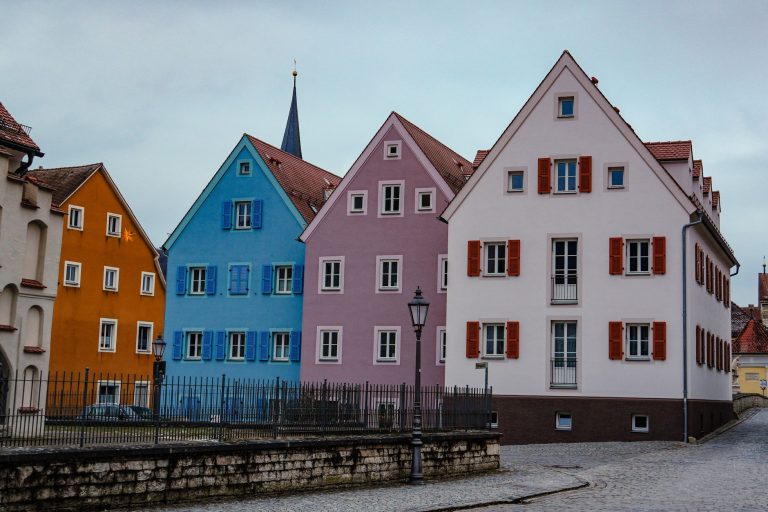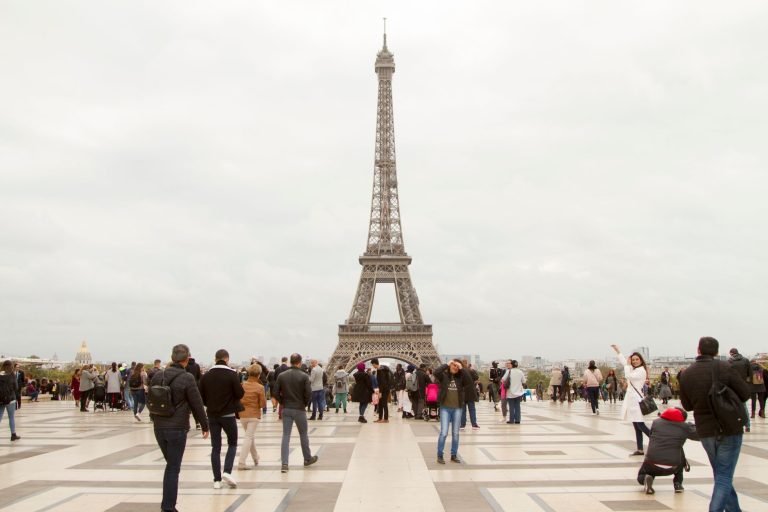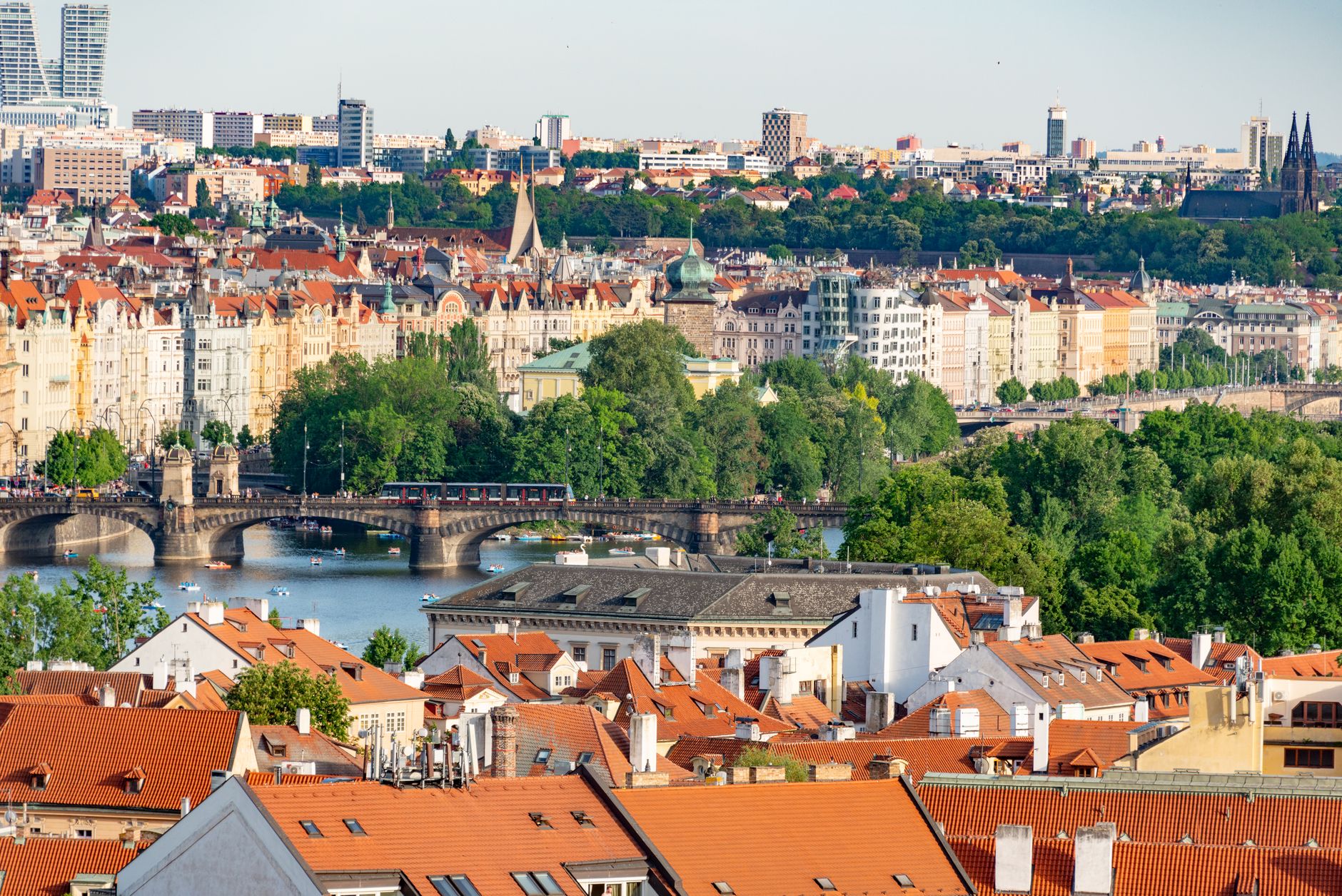
There is a distinct feeling of anticipation that comes with stepping off a plane in Europe. It is not just the architecture or the history, though those are undeniable. It is the immediacy. You step out of the terminal and you are already part of a different rhythm. The air smells of roasted coffee and damp cobblestones. People are talking in languages that sound like music, even if you do not understand a word of it. You can see centuries of life layered on top of each other in a single street view.
This is why so many travellers return year after year. The United States is vast and beautiful, offering a different kind of freedom. But Europe offers something else entirely: depth. It offers the shock of the new, the thrill of encountering a world that has been shaping human culture for millennia. Whether you are looking for ancient ruins, world-class cuisine, or simply a change of pace, the continent delivers. Here are the practical reasons to plan your next trip, along with the details you need to make it work.
Why Europe Still Reigns Supreme
Europe holds a unique place in the travel landscape because it packs so much history into such a dense geographical area. Unlike other regions where historical sites might be preserved in museums or distant parks, here the history is on your doorstep. The evidence of thousands of years of civilisation is not just in the books; it is in the stones.
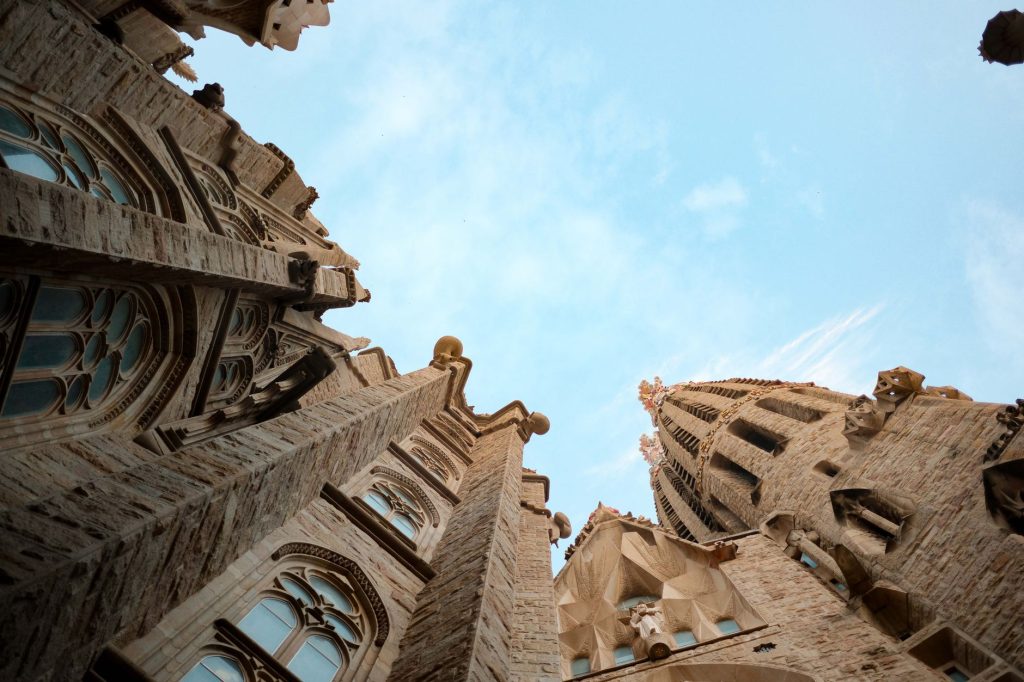
The great cathedrals of Europe stand as testaments to centuries of worship and community effort. They are not just religious sites; they are architectural marvels that have survived wars, fires, and the passage of time. Ruined castles perched high above rivers offer a tangible connection to the conflicts that once ravaged the continent. You can walk through streets that have been trodden by the same feet for hundreds of years.
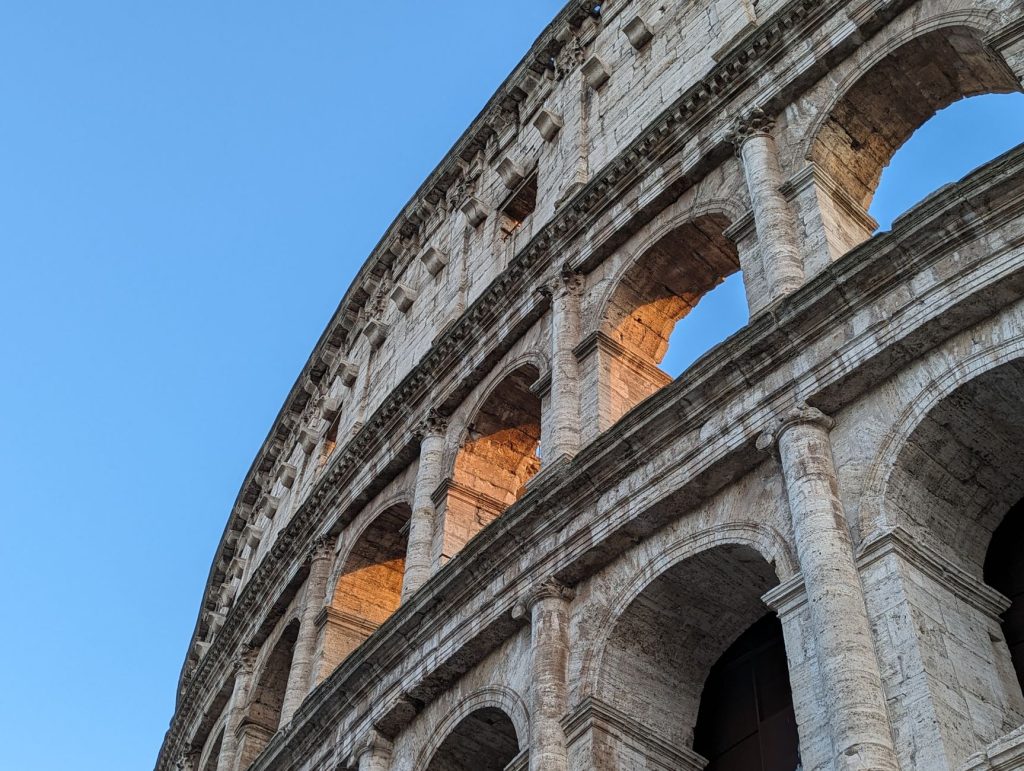
Roman ruins are a prime example. While Italy is famous for them, the architectural achievements of the Roman civilization are spread right across the continent. You can find remnants of their engineering in Britain, France, and Germany. This density of culture means you can experience a profound shift in atmosphere within a few hours. One day you are in a bustling modern metropolis, the next you are standing in the shadow of an ancient temple that has watched empires rise and fall.
This immersion is what sets Europe apart. It is not just about seeing things; it is about feeling the weight of history. It is about understanding how the past shapes the present. For travellers seeking more than just a photo opportunity, this depth of experience is unmatched. The variety is staggering. From the fjords of Scandinavia to the sun-drenched coasts of the Mediterranean, the landscapes are as diverse as the cultures. This is why Europe remains the top global destination for those who want to truly immerse themselves in a different way of life.
When to Go: Timing Your European Adventure
Deciding when to visit is one of the most important choices you will make. The weather and the crowds will define your experience. The peak season, generally June through August, offers the most reliable weather. The days are long, the sun is shining, and the atmosphere is vibrant. However, this comes at a cost. The major hubs like Rome and Paris are packed. You will be shoulder-to-shoulder at the most famous sites. The air can be hot and sticky, and the noise level is high.
If you prefer a more relaxed pace, the shoulder seasons are a better choice. April to May and September to October offer a sweet spot. The weather is still pleasant, though less predictable. You might need a light jacket in the morning, but the evenings are cool and comfortable. The crowds thin out significantly. You can sit at a café and watch the world go by without feeling rushed. The light is often better for photography, and the locals seem less hurried.
Winter is another option for the brave. The cities have a different charm, with Christmas markets and festive lights. However, the days are short, and some attractions may have reduced hours. The weather can be damp and cold, which might limit outdoor exploration. For most travellers, the shoulder seasons offer the best balance. You get good weather without the overwhelming crowds.
Consider your priorities. If you want to swim in the sea and enjoy long days, aim for late spring or early autumn. If you are more interested in museums and indoor activities, the peak season might not bother you as much. Just be prepared for higher prices and longer queues. Booking accommodation and popular tours in advance is essential, regardless of when you go. The difference in experience between peak and off-peak can be night and day.
Getting There and Getting Around
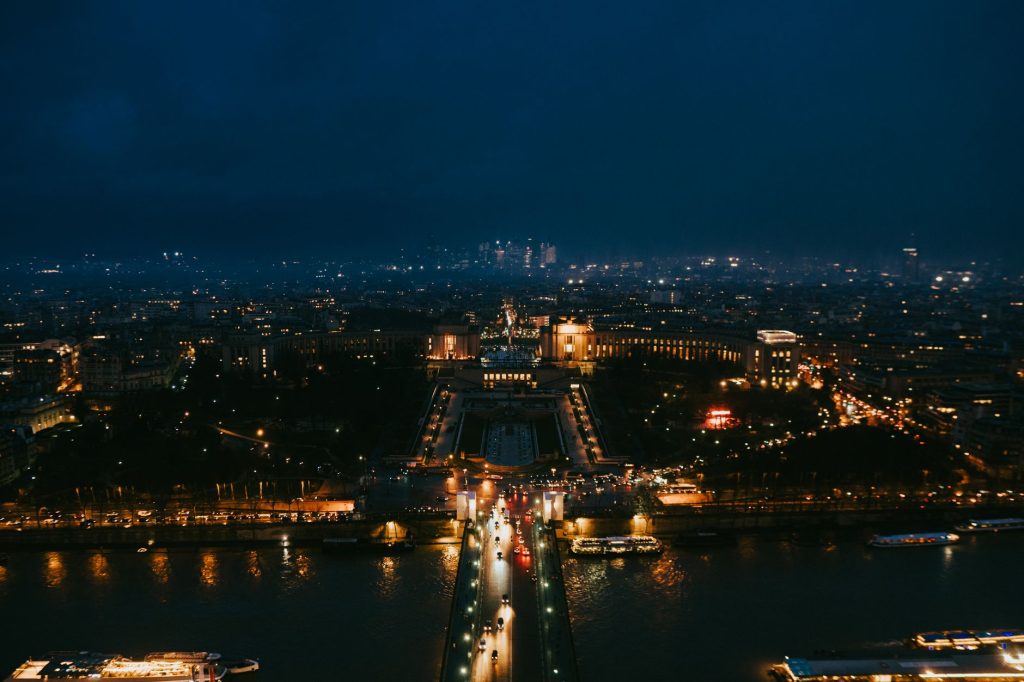
Reaching Europe is usually straightforward, with major international airports serving as gateways. Heathrow in London, Charles de Gaulle in Paris, and Fiumicino in Rome are hubs that connect you to the rest of the world. From there, the challenge is moving around. Europe is dense, and distances are shorter than you might expect. This makes efficient transport crucial.
The rail network is a highlight of European travel. Trains are often faster than driving, as they avoid traffic and parking hassles. The high-speed networks connect major cities in France, Spain, and Italy with impressive speed. You can travel from one country to another in a few hours, with city centre to city centre convenience. The scenery is often beautiful, and you can stretch your legs and walk around. It is a stress-free way to see the landscape.
For budget-conscious travellers, low-cost airlines are a popular alternative. They can be significantly cheaper than trains, especially if you book in advance. However, you must read the fine print. Baggage fees can add up quickly. The airports are often located far from the city centre, adding time and cost to your journey. Check the terminal locations carefully, as some cities have multiple airports.
It offers flexibility and can save money if you are doing a lot of train travel. However, for point-to-point journeys on popular routes, advance train tickets can be cheaper. Compare both options before booking.
Local transport within cities is also efficient. Most major cities have extensive metro and bus networks. These are clean, safe, and frequent. Buying a travel card or pass is usually the most economical way to get around. It avoids the hassle of buying individual tickets. For shorter distances, walking is often the best option. You will see more and feel more connected to the city.
Where to Base Yourself: Capital Cities vs. Hidden Gems
Choosing where to stay is a strategic decision. Capital cities like London, Paris, and Prague offer energy and convenience. They are hubs of culture, with world-class museums, theatres, and restaurants. The infrastructure is excellent, and English is widely spoken, which can be reassuring for first-time visitors. You can walk to many major attractions, and the nightlife is vibrant. However, they are expensive and crowded. The charm can sometimes feel manufactured for tourists.
Smaller towns and hidden gems offer a different experience. They are often more authentic, with a slower pace of life. The food is fresher, the prices are lower, and the atmosphere is more intimate. You can interact with locals and experience the real culture. However, you might need to rely more on public transport or tours to see the major sights. The range of dining and entertainment options might be limited.
A good strategy is to mix both. Base yourself in a capital for a few days to soak in the energy and see the iconic sights. Then, move to a smaller town to relax and explore the region. This gives you a taste of both worlds. For example, you could start in Paris, then take a train to a small town in the Loire Valley to see the châteaux up close.
When choosing a base, consider proximity to transport links. Being near a train station or metro line can save you hours of commuting. Look for accommodation in central locations, even if it means a smaller room. The extra cost is often worth it for the convenience. Read reviews to gauge the neighbourhood. Some areas might be safe but dull, while others might be lively but noisy.
The choice depends on your travel style. If you love museums and nightlife, stick to the capitals. If you prefer quiet evenings and local charm, choose a smaller town. Both offer unique experiences, and combining them can give you a well-rounded view of the continent.
A Culinary Journey Across Continents
Food is a central part of the European experience. It is not just about sustenance; it is about culture, history, and community. Each region has its own culinary identity, shaped by local ingredients and traditions. To truly understand a place, you must eat like the locals.
In Italy, the pasta in Bologna is a revelation. It is not just about the sauce; it is about the texture and the quality of the ingredients. The fresh pasta is made daily, and the ragù is slow-cooked to perfection. Eating in a trattoria in the heart of the city is an experience. The atmosphere is lively, and the food is honest and delicious. Avoid the restaurants with picture menus on the main squares; they are often tourist traps with inflated prices and mediocre food.
France offers a different kind of culinary delight. The bistros in Lyon are famous for their traditional dishes. The food is rich and hearty, reflecting the region’s history. A simple steak frites can be extraordinary when prepared with care. The wine list is extensive, and the sommeliers are knowledgeable. Dining here is a ritual, with multiple courses and a focus on flavour.
Spain is known for its tapas culture. In Seville, the tapas bars are bustling hubs of social activity. You order small plates of patatas bravas, jamón ibérico, and gambas al ajillo. The food is shared, and the conversation flows. It is a casual and festive way to eat. The quality of the ingredients is high, and the flavours are bold.
To avoid tourist traps, look for places where locals eat. These are often smaller, less flashy establishments. Check the menu for seasonal dishes, which indicate fresh ingredients. Avoid restaurants with aggressive touts outside. Read online reviews, but trust your instincts. If a place looks busy and feels authentic, it is likely a good choice.
Eating well does not have to be expensive. Street food and market stalls offer delicious options at lower prices. Visit local markets to see what is fresh and to buy ingredients for a picnic. This is a great way to experience the local culture and save money.
Sports and Entertainment: Beyond the Tourist Trail
Europe is a hub for sports and entertainment, offering experiences that go beyond the usual sights. Football, or soccer, is a passion in many countries. In Germany and England, the atmosphere in the stadiums is electric. The fans are loyal and vocal, creating a unique spectacle. Watching a match is a cultural event, with rituals and traditions that have been passed down for generations.
Securing tickets for big matches can be challenging. They are in high demand, so planning ahead is essential. Check the official club websites for ticket sales. Be wary of third-party sellers, as prices can be inflated. Arrive early to soak up the atmosphere before the match begins. The pre-match rituals are part of the experience.
Opera is another highlight, particularly in Vienna. The Vienna State Opera is a masterpiece of architecture and acoustics. The performances are world-class, and the attire is often formal. It is a refined and elegant experience, offering a glimpse into the classical music tradition. Tickets can be expensive, but standing room options are available for a lower price.
Flamenco in Andalusia, Spain, is a visceral and emotional art form. The music, dance, and singing are deeply rooted in the region’s history. Small venues in Seville and Granada offer intimate performances where you can feel the passion of the artists. It is a powerful display of emotion and skill.
Beyond sports and opera, Europe offers a wide range of entertainment. Street performers in Paris, jazz clubs in Berlin, and theatre productions in London are just a few examples. Each city has its own scene, reflecting its cultural identity. Explore local listings to find events that match your interests.
The key to a good experience is preparation. Book tickets in advance for popular events. Dress appropriately, as some venues have dress codes. Arrive early to enjoy the atmosphere and avoid last-minute stress. These experiences add depth to your trip, giving you a taste of the local culture.
Budgeting for Your Trip: Costs and Money-Saving Tips
Travel costs can vary widely depending on the country and the season. Western Europe is generally more expensive than Eastern Europe. However, with careful planning, you can enjoy a high-quality trip without breaking the bank. Understanding the average daily costs for accommodation, food, and transport is the first step.
Accommodation is often the biggest expense. Hotels in city centres can be pricey, especially during peak season. Consider staying in hostels or boutique hotels for a more affordable option. Many hostels now offer private rooms with en-suite bathrooms, providing a good balance of cost and comfort. Look for places with good reviews and central locations to save on transport costs.
Food costs can add up quickly if you eat out for every meal. A combination of eating out for breakfast and dinner, and having a light lunch, can help manage costs. Picnics are a great way to save money and enjoy the scenery. Buy fresh produce from local markets and enjoy a meal in a park. This is a common practice for locals and a great way to experience the culture.
Transport costs vary. Rail passes can be expensive, but advance train tickets can be cheaper. Budget airlines offer low fares, but watch out for baggage fees. Walking and using public transport is often the cheapest option. Buy travel cards or passes for unlimited travel within a city or region.
Museum passes can save money if you plan to visit multiple sites. They often include skip-the-line access, which is a huge time-saver. Research which passes are available in the cities you are visiting. Some are city-specific, while others cover multiple attractions.
Credit cards with no foreign transaction fees can save you money on currency conversions. Notify your bank before you travel to avoid your card being blocked. Carry a mix of cash and cards, as some smaller establishments may not accept cards.
Common Mistakes to Avoid
Even experienced travellers can make mistakes. Being aware of common pitfalls can save you time, money, and stress. One of the most common errors is missing reservation requirements for major sites. The Louvre in Paris and the Colosseum in Rome often require timed entry tickets. Showing up without a reservation can mean waiting in long queues or being turned away. Book these in advance, especially during peak season.
Ignoring local etiquette is another mistake. Each country has its own customs. In France, it is polite to say "bonjour" when entering a shop. In Italy, lunch is a midday affair, and restaurants may not serve dinner until later. Respecting these customs shows courtesy and enhances your experience.
Underestimating the distance between cities is common. Europe is small, but the travel time can add up. A train ride that seems short on the map might take hours due to transfers or delays. Plan your itinerary realistically, allowing time for transit. Do not try to see too much in too little time. It is better to enjoy a few places thoroughly than to rush through many.
Forgetting to check opening hours is a frequent issue. Many museums and shops close on Mondays or have reduced hours on weekends. Always check the official website for the most up-to-date information. Assuming a place is open because it is a tourist attraction can lead to disappointment.
Another mistake is not having a plan for lost items or emergencies. Keep digital and physical copies of important documents. Know the local emergency numbers. Have a backup plan for your accommodation and transport.
Lastly, don’t be afraid to deviate from the itinerary. Some of the best experiences come from spontaneity. If you find a charming street or a local festival, take the time to enjoy it. Flexibility is key to a successful trip.
Packing Essentials for European Travel
Packing for Europe requires careful consideration. The climate varies significantly, and the terrain is often uneven. Comfort is key, especially when you will be walking long distances.
Comfortable walking shoes are a must. Cobblestone streets in historic districts can be tough on feet. Avoid wearing new shoes on your first day; break them in at home. Choose shoes that are supportive and breathable. Sandals are good for warm weather, but ensure they have good arch support.
Layering clothing is essential for the variable weather. Even in summer, evenings can be cool. Pack light jackets, sweaters, and scarves. A waterproof jacket is useful for unexpected rain. Choose fabrics that are easy to wash and quick-drying. This allows you to do laundry in your accommodation and pack lighter.
Universal adapters are necessary for charging devices. Europe uses different plug types than the US and UK. Check the specific requirements for the countries you are visiting. Some adapters also include USB ports, which can be convenient.
A small daypack is useful for carrying essentials during day trips. Look for one that is secure and comfortable. Anti-theft features are a bonus in crowded areas.
Don’t forget toiletries and medications. Some items may be more expensive or harder to find in Europe. Pack a basic first-aid kit, including plasters and painkillers.
Luggage that is easy to manoeuvre is important. Train stations often have stairs, and narrow streets can be difficult to navigate with large suitcases. Consider a carry-on size to avoid checking bags and waiting at the carousel. This gives you more flexibility and saves time.
Pack light. You will appreciate the freedom of movement. Leave room in your suitcase for souvenirs. Remember, you can buy most things if you forget them, but carrying extra weight is a burden. Focus on versatility and comfort.