By
By 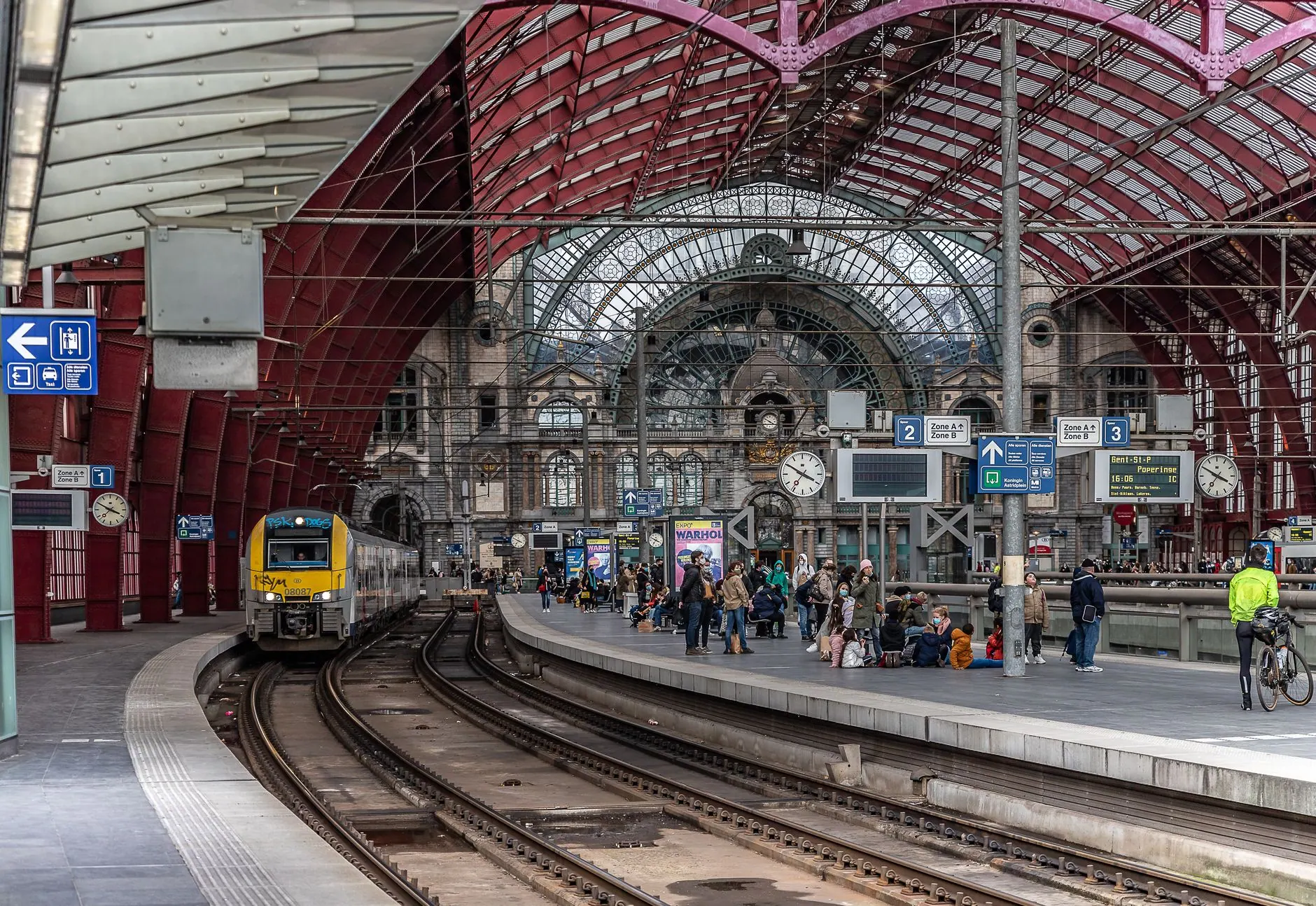
You have the dates off work, a passport that hasn’t expired, and a growing sense of restlessness. You want to see the world, but the sheer scale of Europe can feel paralyzing. Do you start in the north or the south? Should you take the train or fly? How do you balance iconic sightseeing with the desire to actually experience the local culture?
Europe is not just a destination; it is a collection of distinct cultures, histories, and landscapes packed tightly together. It remains the top choice for global travelers because of this density. You can walk from one era of history to another in a single afternoon, or cross a border that changes the language, the food, and the currency within an hour’s drive. This guide cuts through the noise to help you plan a trip that works for you. Whether you are looking for a quick weekend break or a month-long expedition, understanding how to structure your journey is the difference between a stressful scramble and a memorable adventure.
Why Europe Remains the Ultimate Travel Destination
The appeal of Europe lies in its accessibility and variety. Unlike other continents where distances can stretch for thousands of kilometres, European cities are often close enough to visit multiple locations in a single trip without spending half your time in transit. This proximity allows for a depth of travel that is hard to replicate elsewhere. You are not just checking boxes; you are living in places long enough to understand their rhythm.
The continent offers a unique blend of the ancient and the modern. You can stand in a Roman amphitheatre in the morning and enjoy a high-speed internet café in the afternoon. The infrastructure is mature, meaning public transport is generally reliable, and signage is clear. This makes it easier for first-time visitors to navigate without needing a guide at every turn.
Culturally, the diversity is staggering. Within a few hundred miles, you can move from the Lutheran simplicity of Scandinavia to the Catholic grandeur of Italy, and from the Mediterranean coast to the Baltic Sea. Each region has its own dialect, culinary traditions, and social norms. This variety keeps travel fresh. You never quite know what to expect next, which is exactly what makes it engaging.
For those seeking Four Great Reasons to Visit Europe, the answer often comes down to this combination of convenience and richness. The infrastructure supports independent travel, allowing you to move freely between countries with relative ease. You are not locked into a package tour. You can change your mind, take a detour, or spend an extra day in a town that captivated you. This flexibility is rare in other parts of the world and is a key reason why Europe remains a top choice for adventurers of all ages.
Choosing Your Base: Western vs. Eastern vs. Southern Europe
Deciding where to start your journey is the first major decision. Europe is often broadly divided into three main regions, each with a distinct character, cost structure, and pace.
Western Europe: The Classic Route
Western Europe, including countries like France, Germany, and Belgium, is the most visited region. It is home to some of the most famous landmarks in the world. The infrastructure is excellent, and English is widely spoken in tourist areas. However, this popularity comes with a price. Accommodation and dining in cities like Paris or Amsterdam can be expensive, especially in the city centres. The crowds are significant, and booking popular attractions months in advance is often necessary. This region is ideal if you want the classic "first time" European experience, with easy connections and a high standard of tourist services.
Southern Europe: Sun and Coast
Southern Europe, comprising nations like Italy, Spain, and Greece, offers a different vibe. The focus here is often on climate, coastal beauty, and a slower pace of life. The food culture is central to the experience, with meals being longer, more social, and deeply rooted in local tradition. Prices can vary wildly depending on the season. In the peak summer months, coastal towns become incredibly crowded and prices spike. However, visiting in the shoulder seasons offers mild weather and fewer crowds. This region is perfect for travelers who prioritize food, history, and a relaxed atmosphere over rapid sightseeing.
Eastern Europe: Affordability and Authenticity
Eastern and Central Europe, including Poland, Hungary, and Croatia, has gained immense popularity for its value. The cost of living is generally lower than in the west, meaning you can eat well and stay in comfortable accommodation for less. The architecture is often stunning, with well-preserved medieval centres and a rich, sometimes darker, history. The atmosphere feels less touristy in many areas, offering a more authentic glimpse into local life. This region is ideal for budget-conscious travelers or those seeking a more rugged, less polished experience. If you are looking for 3 Of Europe’s Hidden Gems That You Need To Visit, the eastern half of the continent often holds the answers.
The Best Cities for First-Time Visitors
For those planning their first European travel itinerary, certain cities stand out as essential stops. These places offer a concentrated dose of history, culture, and atmosphere.
Paris, France
Paris is synonymous with romance and art. The city is designed for walking, with wide boulevards and riverside paths that invite leisurely strolls. Key attractions include the Eiffel Tower, the Louvre, and the Notre-Dame Cathedral. The city’s café culture is world-renowned; sitting with a coffee and watching the world go by is a classic Parisian experience. While it can be pricey, the sheer density of world-class museums and gardens makes it worth the investment.
Rome, Italy
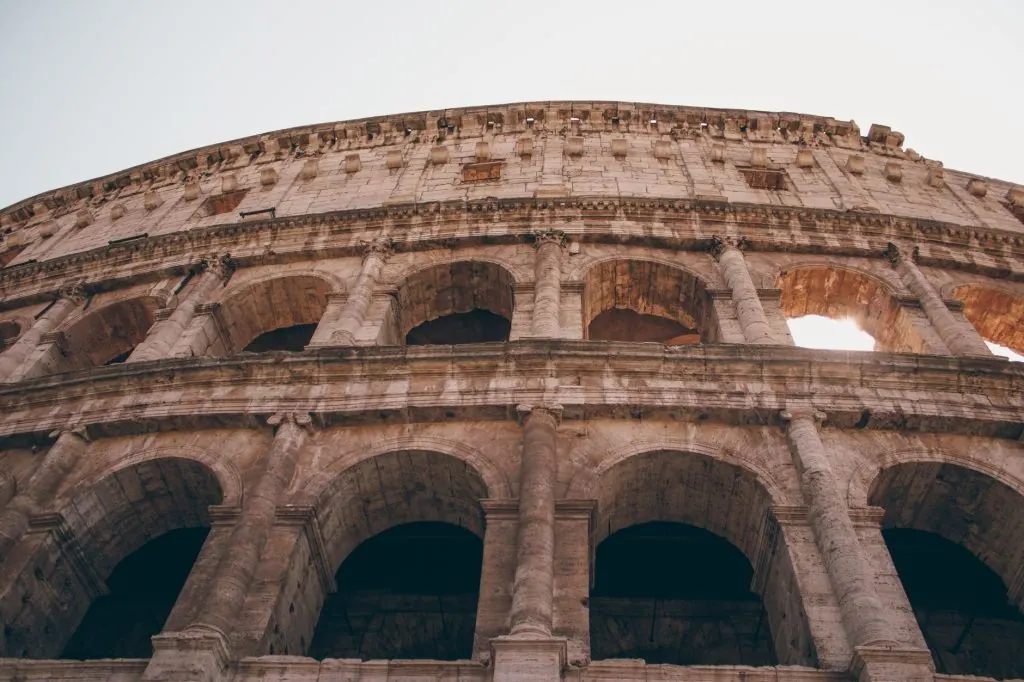
Rome is a living museum. The entire historic centre is essentially one large archaeological site. You can walk from the Colosseum to the Roman Forum and then to the Pantheon in a short span. The city is chaotic, vibrant, and deeply layered with history. Food here is exceptional, with simple pasta dishes and fresh ingredients taking centre stage. Be prepared for crowds, especially in summer, and try to visit major sites early in the morning or late in the afternoon to avoid the worst of the heat and the queues.
Barcelona, Spain
Barcelona offers a unique blend of Gothic history and modernist architecture. The works of Antoni Gaudí, particularly the Sagrada Família and Park Güell, are must-sees. The city has a vibrant beach scene and a lively nightlife. The food culture is centered around tapas, encouraging social dining and exploration. The local language, Catalan, adds to the distinct identity of the city. It is a place that feels energetic and creative, with a strong emphasis on outdoor living.
Amsterdam, Netherlands
Amsterdam is known for its canal-side charm and compact size. The city is best explored by bicycle or on foot, with a network of canals providing a scenic backdrop. The museums, including the Van Gogh Museum and the Anne Frank House, are world-class. The atmosphere is generally relaxed and tolerant, with a strong focus on cycling culture and independent shops. It is a city that rewards slow exploration, with hidden courtyards and quiet canals waiting to be discovered away from the main tourist trails.
Navigating Europe: Trains, Budget Airlines, and Ferries
Getting around Europe is part of the adventure, but it can also be the most stressful part if not planned correctly. Understanding the trade-offs between different modes of transport is key.
The Train Network
Europe has one of the most extensive and efficient rail networks in the world. Trains are often faster than flying when you account for airport transfers and security checks, especially for short distances between cities. The scenic routes, particularly in countries like Switzerland, Austria, and Norway, offer some of the most beautiful views in the world. Rail passes can be cost-effective if you plan to travel frequently over a short period. However, point-to-point tickets bought in advance can sometimes be cheaper. Trains offer more space, the ability to walk around, and city-centre to city-centre convenience, avoiding the hassle of remote airports.
Budget Airlines
For longer distances or when time is limited, budget airlines are a viable option. The trade-off is that the experience is less comfortable. Baggage allowances are often restrictive, with fees for carry-on and checked luggage that can add up quickly. Airports can be far from city centres, adding time and cost to your journey. Boarding processes can be rushed, and customer service is often minimal. Budget airlines are best for point-to-point travel where speed is the priority, and you are travelling light.
Ferries and Boats
Ferries are an essential part of travel in coastal regions and island destinations. Routes connecting mainland Europe to islands like the Greek Islands, the Balearic Islands, and the Scottish Highlands are popular. Ferries offer a slower, more scenic way to travel, often with views of the coastline. They are ideal for transporting vehicles if you are doing a road trip, or for a relaxing journey between islands. Schedules can be less frequent than trains or flights, so it is important to book in advance during peak season.
A Culinary Journey Across the Continent
Food is a primary driver for travel in Europe. Each region has distinct culinary traditions that reflect its history, climate, and local ingredients.
Italian Cuisine
Italian food is renowned for its simplicity and quality of ingredients. Pasta, pizza, and risotto are staples, but the regional variations are vast. Northern Italy favours butter, cream, and rice, while the south relies on olive oil, tomatoes, and seafood. Authentic experiences are often found in family-run trattorias rather than tourist-heavy restaurants. Look for menus that change with the seasons and local produce.
Spanish Tapas Culture
Spain offers a social dining experience through tapas. These small plates are designed for sharing and encourage a leisurely pace of eating. Dishes range from patatas bravas to jamón ibérico. The culture of going from bar to bar for drinks and small bites is central to Spanish social life. Regions like Andalusia and Catalonia have their own distinct styles, with fresh seafood in coastal areas and rich stews in the interior.
German and Central European Comfort Food
Central Europe, including Germany and Austria, is known for hearty, warming dishes. Sausages, potatoes, and bread are staples. Beer culture is deep-rooted, with numerous local breweries and beer gardens. In winter, hearty stews and roasted meats are common. The food is substantial and often paired with local beers or wines. It is comfort food at its finest, ideal for colder months.
French Pastries and Wine
France is famous for its bread, pastries, and wine. Croissants, éclairs, and tarts are everyday items, not just treats. The emphasis on technique and quality of ingredients is evident in every dish. Wine is an integral part of meals, with regional varieties pairing perfectly with local cuisine. Dining in France is often a formal affair, with multiple courses and a focus on presentation. However, casual bakeries and bistros offer excellent value and quality.
Budgeting for Your European Adventure
Costs in Europe vary significantly depending on the region, season, and style of travel. Understanding these differences helps in planning a realistic budget.
Accommodation Costs
Accommodation is often the largest expense. City centres in Western Europe, such as London, Zurich, and Paris, are among the most expensive in the world. Hostels and budget hotels can still be pricey, often requiring advance booking to secure rates. In Southern and Eastern Europe, accommodation is generally more affordable. Guesthouses and self-catering apartments offer good value, especially for longer stays. Consider staying slightly outside city centres for better prices and often a quieter atmosphere.
Food and Dining
Eating out can be a significant part of your budget. In Western Europe, a simple meal at a mid-range restaurant can cost a considerable amount. However, street food, markets, and self-catering can help reduce costs. In Southern Europe, tapas and local wine offer great value for money. In Eastern Europe, meals are often much cheaper, allowing you to eat well without breaking the bank. Supermarkets are also a good option for breakfast, snacks, and picnics, which can save a lot of money over time.
Transport Expenses
Transport costs add up quickly if not managed. Train tickets, especially high-speed or first-class, can be expensive. Budget airlines offer low base fares but add-ons can increase the total cost. Ferries vary in price depending on the route and season. Using a price-comparison site for transport can help find the best deals. Traveling midweek is often cheaper than weekends.
Balancing Costs
To balance high-cost cities like London with more affordable destinations like Krakow or Lisbon, consider mixing regions in your itinerary. Spend a few days in an expensive city, then move to a more affordable area to stretch your budget. This approach allows you to experience the best of both worlds without exhausting your funds.
Seasonal Timing: When to Visit for the Best Experience
The time of year you visit significantly impacts your experience, from weather and crowds to prices and availability.
Peak Summer (June–August)
Summer is the busiest time in Europe. The weather is generally warm and sunny, ideal for coastal regions and outdoor activities. However, this comes with downsides. Tourist sites are crowded, prices are at their highest, and accommodation books up quickly. In Southern Europe, heatwaves can make sightseeing uncomfortable. This season is best for beach holidays and festivals, but less ideal if you dislike crowds and high prices.
Shoulder Seasons (April–May, September–October)
The shoulder seasons are often the best time to visit. The weather is mild, crowds are thinner, and prices are lower than in summer. Spring brings blooming flowers and fresh energy, while autumn offers beautiful foliage and harvest festivals. This is an ideal time for city breaks and hiking, as the conditions are comfortable for exploring on foot. Many attractions have shorter queues, and you are more likely to get last-minute bookings for accommodation.
Winter (November–March)
Winter is quiet and cheap, except around Christmas and New Year. Cities like Paris and Vienna have a magical atmosphere with Christmas markets and decorations. Ski resorts in the Alps and Pyrenees are busy. However, some attractions may have reduced opening hours, and weather can be unpredictable with rain and cold. This season is good for cultural trips, museum visits, and budget travel, but less suitable for beach holidays or outdoor activities.
Common Travel Mistakes to Avoid
Even experienced travelers make mistakes. Avoiding these common pitfalls can save time, money, and stress.
Overpacking
Packing too much luggage is a common error. Heavy bags are difficult to carry on cobblestone streets, up stairs, and onto trains. Many European cities have limited storage space in hotels and hostels. Stick to a carry-on size if possible, and choose versatile clothing that can be layered. Remember that you can often buy essentials at your destination if needed.
Ignoring Regional Train Schedules
Trains in Europe are not always as frequent or punctual as in some other parts of the world. In rural areas or smaller towns, services may run only a few times a day. Always check the timetable before you go and allow buffer time for connections. Missing a train in a remote area can mean a long wait for the next one.
Dining in Tourist Traps
Restaurants located directly on main squares or near major attractions often have higher prices and lower quality food. Look for places where locals eat, indicated by busy diners and menus in the local language. Avoid menus with pictures, especially if they are in multiple languages. Walking a few blocks away from the main tourist area usually leads to better value and more authentic food.
Underestimating Distances
Europe looks small on a map, but distances can be significant. A two-hour drive might cover a large area, and train journeys can take longer than expected due to changes or delays. Plan your itinerary realistically, allowing time for travel between cities. Do not try to see too much in too little time, which leads to burnout and a rushed experience.
Packing Essentials for a Seamless European Trip
Packing the right items can make your trip smoother and more enjoyable. Focus on versatility and comfort.
Clothing for Changing Climates
Europe’s weather can be unpredictable, even in summer. Pack layers that can be added or removed as needed. A lightweight waterproof jacket is essential, as rain can occur at any time of the year. Comfortable walking shoes are a must, as you will likely do a lot of walking on varied surfaces, including cobblestones. Avoid bringing formal shoes unless necessary, as they may not be comfortable for all-day wear.
Tech Adapters and Power
Europe uses different power outlets than many other parts of the world, particularly the US and UK. A universal travel adapter is essential. Most European countries use Type C or Type F plugs. Check the specific requirements for the countries you are visiting. Also, consider a portable power bank to keep your devices charged during long days of sightseeing.
Documentation and Money
Ensure you have a valid passport with at least six months’ validity from your date of entry. Make copies of important documents, such as your passport and travel insurance, and keep them separate from the originals. Credit cards are widely accepted, but it is wise to carry some local currency for small purchases, tips, and places that do not accept cards. Notify your bank of your travel plans to avoid card blocks.
Health and Safety
Pack a basic first-aid kit with plasters, painkillers, and any personal medications. Sunscreen and insect repellent are useful, especially in Southern Europe during summer. A reusable water bottle is a good idea, as tap water is safe and drinkable in most European countries. This saves money and reduces plastic waste.
By planning carefully and staying flexible, you can enjoy a memorable and stress-free trip. Europe offers something for everyone, from history buffs to food lovers, and from beach bums to city explorers. The key is to embrace the diversity and take your time to enjoy the journey.
Official sources and further reading
Opening times, entry rules and prices change, so check them on the official sites before you travel:
- Visit Europe: The European Travel Commission's guide to destinations in Europe.
- Your Europe: travel: EU rules on travel, passports, healthcare and passenger rights.
- Interrail: Official rail pass and timetable information for travel across Europe.