By
By 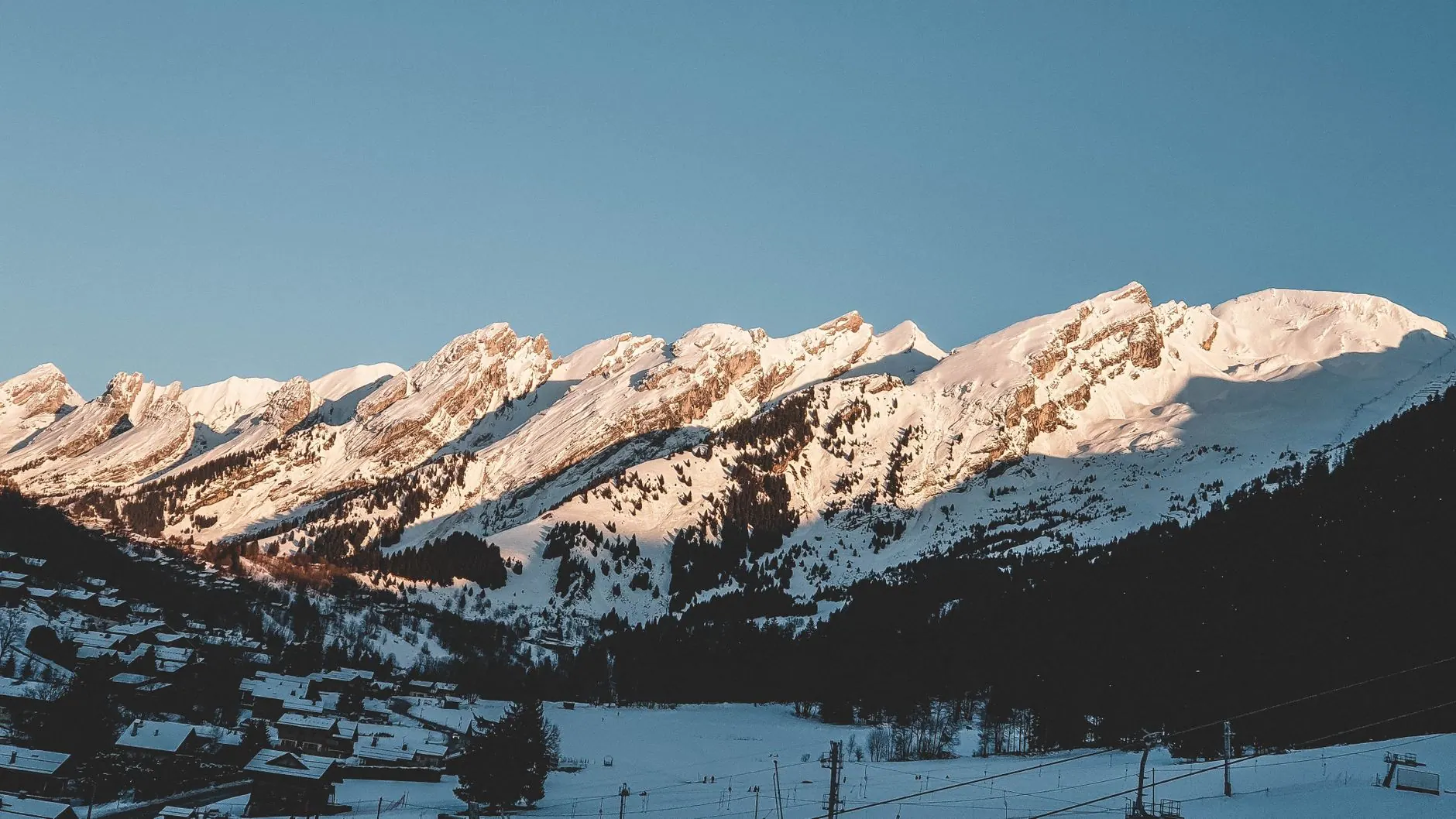
You pack your boots, check the weather forecast, and assume your French ski trip will follow a predictable pattern: arrive, ski, eat fondue, sleep. Yet, the reality of the French Alps often defies those expectations in the best possible way. Whether you are a first-time visitor or a seasoned regular, the destination offers layers of complexity that only reveal themselves once you are actually on the ground. From the surprising ease of international logistics to the nuanced social hierarchies of après-ski culture, the Alps are a destination that rewards preparation and punishes assumptions.
Understanding these nuances transforms a standard holiday into a seamless experience. You will find that the differences between a resort like Chamonix and a quieter village like La Clusaz are not just geographical but atmospheric. The food is deeper than the stereotypes suggest, the costs are more varied than the lift tickets imply, and the activities off the slopes are often more memorable than the runs themselves. By anticipating these unexpected french ski trip surprises, you can structure your itinerary to maximise enjoyment and minimise friction. This guide cuts through the marketing hype to provide a grounded look at what to expect, helping you navigate the highs and lows of alpine travel with confidence.
Beyond the Slopes
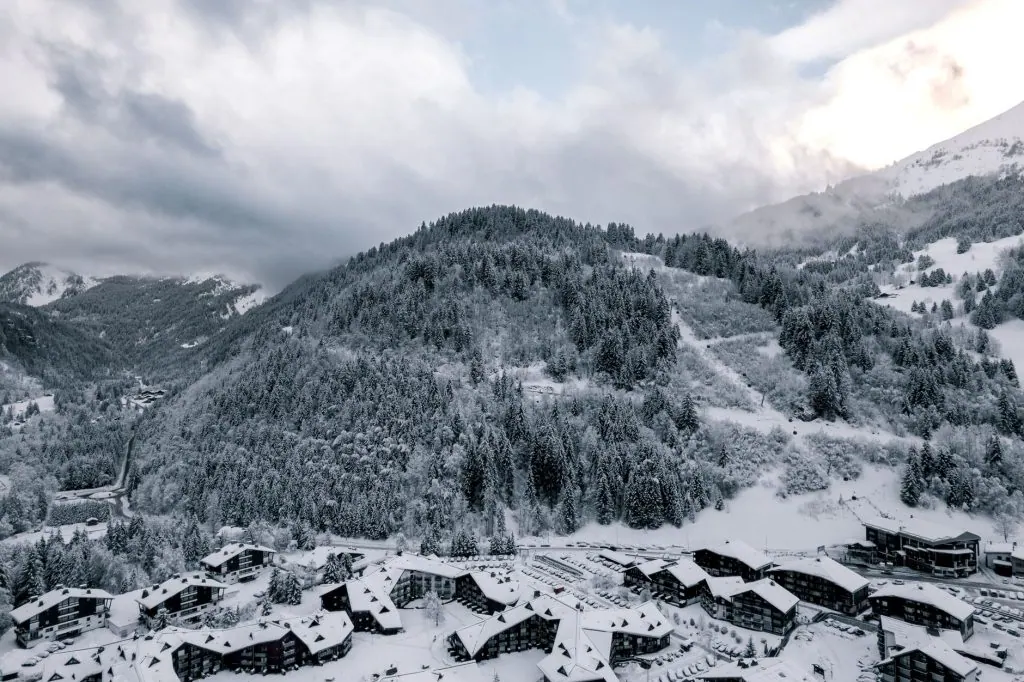
It is easy to assume that a ski holiday revolves entirely around the mountain, but the French Alps offer a surprisingly diverse array of activities that can completely diversify your itinerary. While skiing and snowboarding are the primary draws, the resorts are designed as year-round leisure destinations. If the weather turns or you simply need a break from the physical exertion of carving through powder, there are numerous alternatives that keep the holiday exciting.
Snowshoeing has become a staple in many resort areas, offering a peaceful way to explore the high-altitude landscapes without the technical skill requirement of skiing. It allows you to access quiet trails where you can truly appreciate the silence and scale of the mountains. For those seeking a bit more adrenaline, dogsledding is available in several key locations. This activity provides a unique perspective on the terrain and a connection to local traditions that feels distinct from the mechanised nature of ski lifts.
Spa treatments are another significant component of the non-ski experience. Many resorts, including those in Chamonix and Val d'Isère, feature world-class thermal spas and wellness centres. These are not just minor add-ons but integral parts of the resort infrastructure, offering everything from infrared saunas to cold plunge pools. Using these facilities can be crucial for recovery, helping to manage muscle soreness after a long day on the slopes.
Additionally, activities like paragliding and ice climbing are readily available in many areas. These options cater to different energy levels and interests, ensuring that non-skiers in your group, or skiers needing a mental break, remain engaged. The variety prevents the trip from becoming monotonous, allowing you to tailor each day to your physical and mental state.
The Culinary Alpine Surprise
The stereotype of French ski food is often limited to heavy, cheesy dishes like fondue and raclette. While these are undeniably staples, they represent only a fraction of the gastronomic landscape in the Alps. The culinary scene here is far more sophisticated and diverse, ranging from rustic mountain huts to high-end gastronomy in towns like Megève and Courchevel.
Tartiflette, a rich dish made with potatoes, lardons, onions, and Reblochon cheese, is a classic for a reason. It is hearty, communal, and perfect after a cold day. However, moving beyond these basics reveals a deeper culinary culture. Many resorts feature restaurants that serve refined French cuisine, often with a focus on local produce such as mountain herbs, cured meats, and regional cheeses. The contrast between a simple croque-monsieur eaten on a sunny terrace and a multi-course tasting menu in a luxury hotel is stark, offering options for every budget and mood.
Even the "fast food" options in the Alps are often of higher quality than expected. Crêperies serving both sweet and savoury galettes are ubiquitous and provide a quick, satisfying meal that is far superior to the standard burger-and-fries fare found in many other tourist destinations. The availability of fresh, local ingredients means that even a simple salad or grilled fish dish can be exceptional.
Dining out in the French Alps is often cited as one of the most memorable aspects of the trip. The atmosphere in many restaurants, particularly those with mountain views, adds a layer of magic to the meal. It is worth reserving a table for at least one special evening to experience the higher end of the culinary spectrum. The quality of service and the ambiance often justify the higher price points, turning a simple dinner into a highlight of the holiday.
Logistics That Defy Expectations
One of the most pleasant surprises for many travellers is how straightforward it is to reach the French Alps. Despite the resorts often feeling remote and nestled deep in the mountains, the logistics are surprisingly efficient. For visitors coming from the UK or nearby European countries, the journey is often shorter and less stressful than anticipated.
Geneva Airport is the most common entry point for many, but it is not the only option. The efficiency of train links and road transfers means that you can be on the mountain in a matter of hours. A transfer from Geneva can take as little as an hour, depending on the specific resort and traffic conditions. This ease of access makes short breaks, such as a weekend trip after work, genuinely feasible. You can leave in the evening and be enjoying a drink in an après-ski bar by the next afternoon.
However, logistics are not without their pitfalls. Transfer times can vary significantly depending on the season and the time of day. During peak periods, road congestion can be severe, particularly on the main arteries leading to the major resorts. It is essential to factor in extra time for these journeys, especially if you are relying on public transport or pre-booked transfers. The reality of transfer times in the French Alps means that arriving with ample time to spare is always preferable to rushing.
Public transport within the resorts themselves is often underutilised but highly effective. Most major resorts have comprehensive bus networks that are clean, reliable, and affordable. Using these can be a good way to avoid parking fees and the hassle of navigating crowded car parks. Understanding the local transport infrastructure can save both time and money, allowing you to focus more on the experience and less on the journey.
Where to Base Yourself
Choosing where to stay is perhaps the most critical decision you will make, as it sets the tone for your entire holiday. The French Alps offer a spectrum of environments, from the bustling, high-energy hubs to quiet, authentic villages. Understanding these differences helps you select a base that matches your travel style.
Les Trois Vallées is the largest ski area in the world, and its main hubs, such as Val d'Isère and Tignes, offer a vibrant, lively atmosphere. These resorts are ideal for those who enjoy a bustling scene, with plenty of bars, restaurants, and nightlife options within walking distance. The convenience of having extensive ski access directly from your accommodation is a major plus, but the cost of living and skiing here is noticeably higher. The atmosphere is energetic, but it can also feel commercialised and crowded, especially during peak weeks.
In contrast, smaller villages like La Clusaz offer a more authentic charm. These resorts often retain a traditional Alpine feel, with wooden chalets, narrow streets, and a slower pace of life. The atmosphere is generally more relaxed and family-friendly, making it an ideal choice for those seeking a quieter, more intimate experience. The ski areas may be smaller, but they are often less crowded and easier to navigate. The trade-off is that you may need to rely more on local transport to access the wider ski network.
Your choice should also consider the social dynamics of your group. If you are travelling with friends who enjoy a lively après-ski scene, a larger resort might be more suitable. If you prefer a peaceful retreat with a focus on relaxation and nature, a smaller village will serve you better. The vibe of the resort can significantly influence your overall satisfaction, so it is worth researching the specific character of each destination before booking.
The Hidden Costs of Luxury
Luxury in the French Alps often comes with a price tag that extends far beyond the lift passes. While the daily fee for a ski pass is a known quantity, other costs can quickly add up, catching unwary travellers off guard. Understanding these hidden expenses helps you budget more accurately and avoid unpleasant surprises.
Equipment rental is another area where costs can escalate. While renting from a resort shop is convenient, it is often more expensive than booking through third-party providers or local shops in the nearest town. The reality of equipment rental in the French Alps is that you pay for proximity and convenience. If you are willing to walk or take a short bus ride to a local shop, you can often secure better rates and a wider selection of gear. It is also worth checking if your accommodation includes any ski storage or boot warming facilities, as these can enhance the experience and save time.
Après-ski drinks are another significant expense. In famous spots like Le Châtelard or the main squares of larger resorts, the markup on drinks can be substantial. A simple beer or glass of wine can cost significantly more than in a local bar or supermarket. The premium pricing for après-ski drinks is often tied to the location and the ambiance. If you are looking to save money, consider buying drinks from a local shop and taking them to a sun terrace, or exploring quieter bars away from the main slopes.
Accommodation prices also fluctuate wildly depending on the season and proximity to the slopes. Staying further up the mountain or in a smaller neighbouring village can result in significant savings. It is also worth noting that many hotels charge a daily fee for amenities such as Wi-Fi, parking, or spa access. These small costs can add up, so it is essential to read the fine print when booking. Being aware of these hidden costs allows you to allocate your budget more effectively, ensuring you can enjoy the luxury aspects of the trip without breaking the bank.
Après-Ski Culture Explained
Après-ski in the French Alps is often misunderstood as a uniform experience of loud music and beer halls. In reality, the culture is diverse and nuanced, ranging from sophisticated wine bars to lively dance venues. Understanding this spectrum allows you to choose an evening that matches your mood and group dynamics.
In resorts like Val Thorens, the après-ski scene is known for its energy and scale. The main bars can become packed with people celebrating the end of a day on the slopes, with live music and DJs creating a festive atmosphere. This is ideal for those who want to let loose and meet new people. However, if you prefer a more relaxed evening, many resorts offer quieter options. Wine bars and lounges provide a space to unwind with a glass of local wine and a conversation, away from the crowds.
The social scene also varies by resort. Some areas are known for their family-friendly evenings, with earlier closing times and a more subdued atmosphere. Others cater to a younger, party-oriented crowd, with bars that stay open late into the night. It is worth exploring different venues to find what suits you best. The quality of the music, the crowd, and the overall vibe can vary significantly from one establishment to another, even within the same resort.
For those seeking a more refined experience, many luxury resorts offer high-end lounges and bars with panoramic views. These venues often feature live piano music or jazz bands, providing a sophisticated backdrop to your evening. The contrast between a raucous ski bar and a quiet wine lounge is stark, offering options for every taste. Understanding the local après-ski culture helps you plan your evenings more effectively, ensuring you get the social experience you are looking for.
Family vs. Couple Dynamics
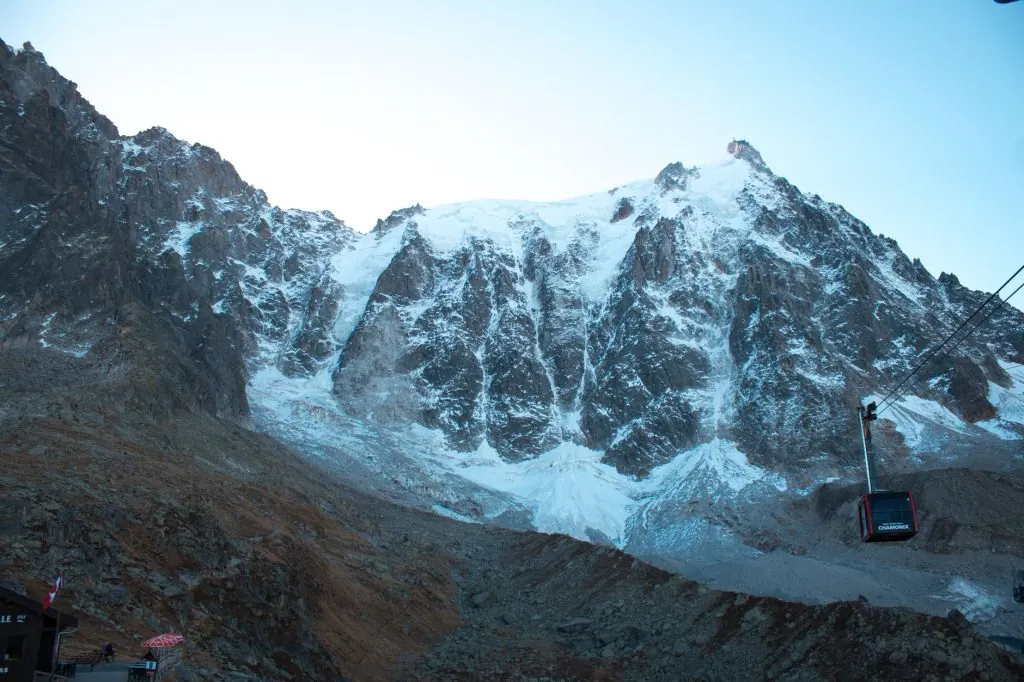
The French Alps cater to a wide range of travellers, but the ideal resort can vary significantly depending on whether you are travelling with family or as a couple. Understanding these differences helps you choose a destination that minimises friction and maximises enjoyment for everyone in your group.
Resorts with excellent kids' clubs and family-oriented infrastructure are ideal for those travelling with children. Places like Morzine and Les Houches are known for their welcoming atmosphere, with dedicated areas for children, family-friendly restaurants, and easy access to gentle slopes. The focus here is on convenience and entertainment for kids, allowing parents to relax and enjoy the mountains without constant supervision. The social scene is often more subdued, with earlier bedtimes and a general sense of community.
Couples, on the other hand, may prefer resorts that offer romance and quieter, upscale experiences. Destinations like Megève and Courchevel are renowned for their luxury accommodations, fine dining, and sophisticated nightlife. These resorts cater to those seeking a more intimate and indulgent break, with amenities like couples' spas and private ski lessons. The atmosphere is generally more exclusive and less crowded with large families, allowing for a more relaxed and romantic ambiance.
It is also worth considering the skill levels of your group. If you have children or less experienced skiers, a resort with a good mix of beginner and intermediate slopes is essential. For couples who are confident skiers, a resort with challenging terrain and extensive off-piste opportunities might be more appealing. The social dynamics of the resort can also influence your experience; some places are known for their vibrant social scenes, while others are more laid-back and peaceful. Choosing a resort that aligns with your group's dynamics ensures a smoother and more enjoyable trip. For more insights on this, you might find 5 Ways Alpine Resorts Are Great for Your Family Skiing Trip helpful.
Common Mistakes to Avoid
Even with careful planning, it is easy to fall into common traps that can detract from your French ski trip. Being aware of these pitfalls allows you to avoid them and ensure a smoother experience.
Peak season traffic is one of the biggest challenges. During school holidays and weekends, the roads leading to the resorts can become congested, leading to long delays. This is particularly true for popular resorts like Chamonix and Val d'Isère. To mitigate this, consider travelling early in the morning or using alternative routes if possible. If you are driving, be prepared for narrow mountain roads and limited parking. Booking your accommodation with secure parking is highly recommended, as street parking can be scarce and expensive.
Booking errors for lifts are another common issue. It is easy to book the wrong lift pass or to misunderstand the zones covered by your pass. Always double-check that your pass covers the areas you plan to ski, especially if you are visiting multiple resorts. The French ski pass system can be complex, with different passes covering different zones. Reading the fine print and understanding the map is essential to avoid disappointment on the mountain.
Underestimating the need for high-altitude gear and sun protection is a frequent mistake. The sun at altitude is stronger than at sea level, and the UV rays can cause sunburn even on cloudy days. Sunglasses with side shields and high-SPF sunscreen are essential. Additionally, layering is key to managing temperature changes throughout the day. A base layer, insulating layer, and waterproof outer layer are standard, but having extra thermal layers can make a significant difference in comfort.
Finally, underestimating the physical demands of skiing can lead to fatigue and injury. It is important to warm up properly and take breaks when needed. Listening to your body and not pushing too hard on the first day can help you enjoy the rest of the trip more fully. Being prepared for these common issues allows you to focus on the enjoyment of the mountains rather than dealing with avoidable problems.
Best Time to Go
Choosing the right time to visit the French Alps involves balancing snow reliability with crowd levels. Each period has its own advantages and disadvantages, and understanding these helps you plan a trip that matches your preferences.
Early season, typically in November and December, offers crisp powder days and fewer crowds. The snow is often fresh and light, providing excellent skiing conditions. However, not all lifts and runs may be open, and the weather can be unpredictable. This is a good time for experienced skiers who want to avoid the crowds and enjoy quieter slopes. The atmosphere is more relaxed, and prices are often lower.
Mid-winter, particularly in December and January, is the peak season. The snow cover is reliable, and most lifts and runs are open. However, this is also when the resorts are most crowded, especially during school holidays. The atmosphere is vibrant and energetic, but the queues for lifts and restaurants can be long. Prices for accommodation and lifts are at their highest. This period is ideal for those who want to experience the full buzz of the ski season and don't mind the crowds.
Late season, in March and April, offers longer days and warmer weather. The snow can be softer and slushier, which is great for casual skiers but less ideal for those who prefer firm, icy conditions. The crowds thin out, and prices drop. This is a good time for families and beginners who want to enjoy the sun and the slopes without the pressure of peak season. However, snow reliability can be lower, and some higher-altitude runs may close early.
Choosing the right time depends on your priorities. If you value snow quality and quiet, early or late season might be better. If you want the full resort experience and don't mind crowds, mid-winter is the way to go. Checking the snow reports and weather forecasts closer to your travel date can help you make the final decision.
The French Alps offer a rich tapestry of experiences that go far beyond the basic ski holiday. By understanding the surprises and nuances of the region, from its logistical ease to its culinary depth, you can craft a trip that is both enjoyable and stress-free. Whether you are seeking the thrill of the slopes or the comfort of a quiet village, the Alps have something to offer everyone. Plan carefully, stay flexible, and you will find that the unexpected is often the most memorable part of the journey.
Official sources and further reading
Opening times, entry rules and prices change, so check them on the official sites before you travel:
- France.fr: Atout France's official guide to the country.
- Ski Club of Great Britain: Snow reports, resort guides and safety advice for skiers.