 By
By 
You have booked the flights, reserved the hotel room, and sorted the hire car. The itinerary is locked in, and you are ready to relax. Then, on the final day, you settle the bill and realise the total is significantly higher than you planned. This happens because the price you see upfront is rarely the price you pay.
The difference between your booked cost and your total cost lies in the small, frequent charges that accumulate. These are the unexpected holiday expenses that catch even the most organised travellers off guard. From airline add-ons to hotel surcharges, these costs can drain your spending money before you have even left the airport.
This guide breaks down exactly where that money goes and how to protect your holiday budget. We will look at the hidden travel costs that matter, why they exist, and the specific steps you can take to avoid paying more than necessary. By understanding these charges, you can allocate your funds wisely and enjoy your trip without the stress of an overspend.
The costs nobody puts in the budget
It is easy to focus on the big tickets when planning a trip. Flights and accommodation usually take up the largest chunk of your holiday budget, so they get the most attention. However, the real financial risk often lies in the smaller, recurring items that are easy to overlook.
The difference between booked cost and total cost is significant because travel is a series of micro-transactions. You pay for the seat, but you might pay again to check a bag. You book the room, but you might pay for the Wi-Fi to check work emails. You hire the car, but you might pay for insurance at the desk. These are not errors; they are standard industry practices.
To manage this, you need to shift your mindset from booking prices to total trip costs. Start by listing every possible interaction you will have during your trip. This includes getting to the airport, eating meals, using local transport, and accessing entertainment.
Consider Tips for Getting the Most out of Rewards From your Holiday Shopping to see how small savings in daily spending can offset these hidden costs. By accounting for these minor expenses, you create a more realistic financial picture. This prevents the shock of a final bill that exceeds your expectations.
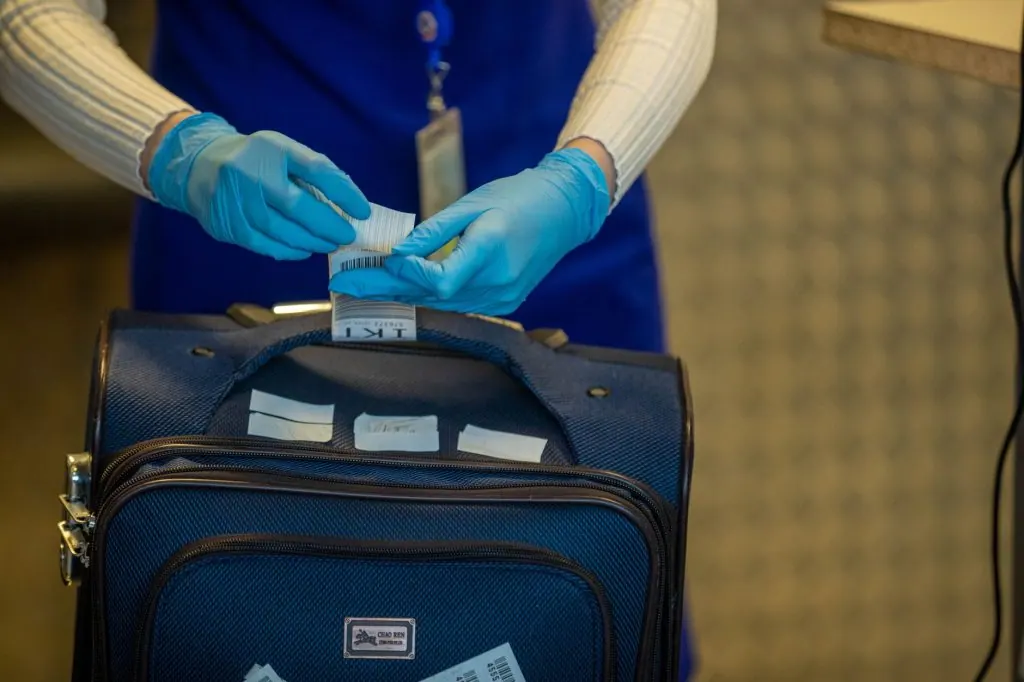
Baggage fees and airline add-ons
The era of free checked baggage is largely over for economy fares. Airlines have restructured their pricing models to offer low base fares while charging for everything else. This means the ticket you see on the screen is just the entry price.
Cabin vs hold luggage
Understand the difference between cabin and hold luggage. Most budget airlines allow only one small cabin bag, often with strict dimensions. If your bag exceeds these limits, you will be charged a hefty fee to check it in at the gate. This gate fee is usually higher than if you had checked it in earlier.
Weigh your bags at home before you leave. Use a luggage app to check the dimensions of your case against the airline’s specific requirements. This simple step can save you a significant amount at the airport.
Weigh-in rules and seat selection
Airlines charge for weight as well as size. Excess baggage fees can add up quickly, especially if you are travelling with sports equipment or musical instruments. Some carriers charge per kilogram over the limit, while others have fixed tiers.
Seat selection is another common add-on. While you can often choose a standard seat for free, preferred seats with extra legroom or those located near the front of the cabin come with a premium. Decide if the comfort is worth the extra cost before you book.
Airport check-in fees
Checking in online is usually free. Checking in at the airport counter often incurs a fee, particularly on budget carriers. This fee can be substantial, so always check in digitally as soon as the window opens.
To avoid these surprises, read the fare conditions carefully. Look for the specific baggage allowance included in your ticket. If you need extra space or priority services, factor these costs into your 3 Tips That Will Help You Save Money on Your Travels strategy. Always compare the total price with add-ons rather than just the base fare.

Cash withdrawals and card fees
Using your card abroad is not as simple as it is at home. Banks and ATM operators charge fees that can significantly impact your spending power. Understanding these charges is crucial for managing your holiday budget.
Foreign transaction fees
Your bank may charge a foreign transaction fee on every purchase or withdrawal. This is a percentage of the amount spent, added to cover currency conversion costs. Some cards waive this fee, making them ideal for travel.
ATM operator charges
In addition to your bank’s fees, the ATM operator may charge a fixed fee per withdrawal. This fee is often displayed on the screen before you confirm the transaction. It is usually a flat rate, regardless of the amount withdrawn.
Dynamic currency conversion (DCC)
When you pay by card, the machine may ask if you want to be charged in your home currency or the local currency. This is dynamic currency conversion. If you choose your home currency, the merchant or ATM provider sets the exchange rate, which is often less favourable than your bank’s rate. Always choose to be charged in the local currency. This ensures your bank handles the conversion at their standard rate, which is usually better.
Travel cards
Consider using a specialist travel card that offers low or zero fees for international transactions. These cards often provide better exchange rates and transparency.
If you need cash, withdraw larger amounts less frequently to minimise ATM fees. However, ensure you have enough cash for immediate needs upon arrival. Buying some local currency before you travel can also help you avoid the first ATM fees.
Mobile roaming and data
Mobile data can be expensive if you are not careful. Roaming charges can add up quickly, especially if you use data-heavy apps like maps, social media, or streaming services.
What roaming can cost
Even with caps in place, roaming can still be costly depending on your provider and plan. Some networks charge a daily fee for access, while others include it in your package. Check your provider’s terms before you leave.
eSIMs and local SIMs
Buying a local SIM card or an eSIM can be a cost-effective alternative. These options often provide cheaper data rates than roaming. Ensure your phone is unlocked before you travel. Research the local networks and compare prices to find the best deal.
Offline maps
Download offline maps before you travel. This allows you to navigate without using data. This is a reliable way to avoid data charges while exploring.
Switching off background data
Background data can consume your allowance without you realising it. Apps like email and social media often sync in the background, using data even when you are not actively using them. Switch off background data for non-essential apps.
WiFi calling
If your phone supports it, use WiFi calling to make calls over the internet. This can avoid voice roaming charges if you are connected to WiFi. It is a useful tool for staying in touch without incurring extra fees.
Hotel WiFi, minibars and charging it to your room
Hotels have diversified their revenue streams, leading to new charges that travellers often miss. These fees can accumulate quickly if you are not aware of them.
Resort fees
Some hotels charge a daily resort fee, which covers amenities like pool access, gym use, and WiFi. This fee is often not included in the booking price and is added at check-in or checkout. Check if this fee applies to your hotel.
Room-charge temptation
It is tempting to charge everything to your room, from drinks to spa treatments. This can lead to a large bill at the end of your stay. Keep track of your charges and pay for items as you incur them to stay within your budget.
Pre-authorisation holds
Hotels often place a pre-authorisation hold on your card for incidentals. This amount can be several hundred pounds and is held for several days after checkout. Ensure you have sufficient credit or funds available to cover this hold.
Checking the final bill
Review your bill carefully before checking out. Look for any unexpected charges, such as minibar items or room service. If you find an error, address it immediately while you are still at the hotel.
Transport surprises
Transport costs can vary widely depending on the method and location. Taxis, ride-hailing apps, and public transport all have different pricing structures that can surprise you.
Airport transfers
Airport transfers can be expensive, especially if you book a private car. Compare the cost of a taxi with public transport options. Sometimes, a train or bus is significantly cheaper and just as convenient.
Taxis vs official ranks
Hailing a taxi on the street can be riskier than using an official rank or a ride-hailing app. Ensure you agree on the price or metered rate before getting in. In some cities, fixed prices are available for popular routes.
Tolls and parking
Roads in many countries have tolls that are not always obvious. Parking fees can also add up, especially in city centres. Research the parking options in advance and look for multi-storey car parks that offer better rates.
Fuel policy on hire cars
When hiring a car, check the fuel policy. Some companies require you to return the car with a full tank, while others offer a prepaid fuel option. Returning the car with less fuel than you were given can result in high charges per litre.
Insurance upsell at the desk
The hire desk will often offer additional insurance at a premium. Check if your credit card or personal insurance already covers hire cars. If you are covered, you can decline the upsell and save money.

Tourist-area pricing
Prices in tourist hotspots are often higher than in local areas. This is known as tourist-area pricing. Being aware of this can help you manage your spending.
Cover charges
Many attractions charge a cover fee. Some also have additional fees for guided tours or special exhibits. Check the pricing structure in advance to avoid surprises.
Bread and water on the table
In some European countries, bread and water on the table come with a charge. This is not a scam but a standard practice. Be aware of this and factor it into your meal budget.
Beach loungers
Beach loungers and umbrellas are often available for rent. The cost can be significant for a day at the beach. Consider bringing your own towel and mat if you plan to spend several days at the beach.
Attraction add-ons
Attractions often have add-ons like audio guides or skip-the-line tickets. Decide if these add-ons are worth the extra cost. Sometimes, the standard entry is sufficient.
Tipping customs
Tipping customs vary by country. In some places, a tip is expected, while in others it is optional. Research the local tipping etiquette to avoid overpaying or underpaying.
Insurance, health and documents
Travel insurance and document costs are often overlooked until they are needed. Ensuring you have the right coverage and valid documents can save you from significant expenses.
Why travel insurance is a cost not an extra
Travel insurance is not just a precaution; it is a cost that protects your investment. Medical emergencies, trip cancellations, and lost luggage can be expensive. Compare policies to find one that suits your needs.
Missed-connection costs
If you miss a connection due to a delayed flight, you may need to book a new flight or hotel. Travel insurance can cover these additional costs. Ensure your policy includes missed connections.
Passport validity
Check your passport validity before you travel. Some countries require your passport to be valid for at least six months after your entry date. Renewing your passport can be costly and time-consuming, so do it in advance.
Replacement fees
If you lose your passport, replacing it can be expensive. This includes the cost of the new passport, travel to the embassy, and any accommodation changes. Keep a copy of your passport in a separate location from the original.
Build a buffer and a tracking habit
The best way to manage unexpected holiday expenses is to build a buffer into your budget and track your spending daily. This habit ensures you stay on track and can adjust your spending if needed.
A simple buffer rule
This extra amount covers unforeseen costs like taxi fares, souvenirs, or emergency purchases. It provides a safety net without disrupting your overall financial plan.
Daily spend tracking
Keep a record of your daily expenses. Use a notebook or a budgeting app to log every purchase. This helps you see where your money is going and identify areas where you can cut back.
Receipts
Keep receipts for all purchases. This is useful for tracking expenses and for claiming refunds or insurance payouts. It also helps you stay accountable to your budget.
Reviewing after the trip
After your trip, review your spending. Compare your actual expenses with your budget. This analysis will help you improve your budgeting for future trips. It also allows you to identify any recurring costs that you can plan for better next time.
By following these steps, you can minimise unexpected holiday expenses and enjoy a stress-free trip. Remember, preparation is key to a successful and affordable journey.
Official sources and further reading
Opening times, entry rules and prices change, so check them on the official sites before you travel:
- GOV.UK: foreign travel insurance: What travel insurance should cover and how to choose a policy.
- NHS: apply for a GHIC: The UK Global Health Insurance Card and where it applies.