 By
By 
You are sitting in a cramped airport terminal, watching the departure board tick over. The flight you booked three months ago has surged in price, or perhaps you are standing in a long queue at a train station, realizing that a last-minute ticket to the next city will cost more than your daily food allowance. Traveling across Europe can feel expensive if you rely on convenience rather than strategy. It is not just about being cheap; it is about understanding how the system works so you do not waste money on things you do not need.
Whether you are planning a summer backpacking trip or a winter cultural tour, the difference between a stressful, money-draining holiday and a smooth, enjoyable experience comes down to preparation. You need to know where to look for the best rates, how to use your student status, and which habits will quietly eat into your funds. This guide breaks down the essential steps for travelling Europe on a student budget, focusing on practical actions you can take now to secure a better trip later.

Plan your budget
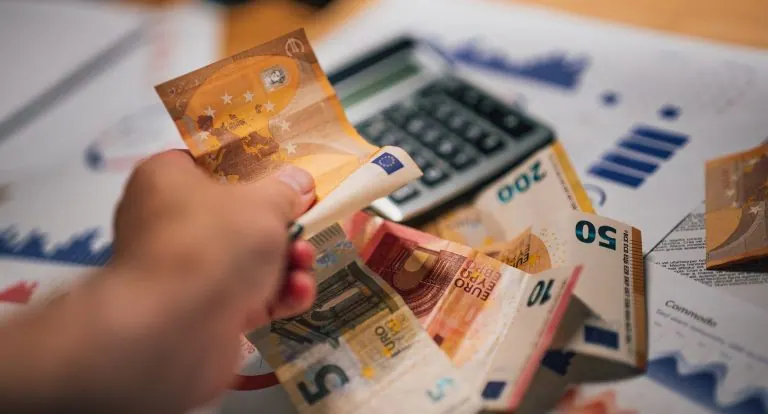
Before you look at a single flight or hostel, you need a clear picture of what you can actually afford. Start by calculating your total available funds. Be honest about what you have saved and what you can realistically earn before you go. It is not enough to know your total sum; you need to break it down into daily spending limits. This helps you make quick decisions on the ground without constantly worrying about the overall balance.
Remember that Europe is not a single currency zone. While many countries use the euro, others have their own currencies, such as the Polish złoty, the Czech koruna, or the Swiss franc. Exchange rates fluctuate, and if you do not account for this, your daily budget will be inaccurate. Include a small cushion for unexpected costs. When you are out exploring, it is easy to spend a little extra on a souvenir or an unplanned meal. If your budget is too tight, that cushion disappears, and you are left with no choice but to cut back on essentials later.
Tracking your spending is equally important. Use a simple diary or a notes app to record every single purchase. This does not have to be complicated. Just note the amount and the category. At the end of each day, review your total. If you have overspent on transport, you know you need to eat cheaper the next day. This immediate feedback loop keeps you in control. For more ideas on keeping your spending in check, you can look at 3 Tips That Will Help You Save Money on Your Travels.
Do your research
Europe offers an overwhelming number of destinations, options, and rules. Without research, you risk making expensive mistakes or missing out on the best experiences. Start by understanding the visa requirements for your destination. If you are from a country outside the Schengen area, you may need a visa, and the process can take time and money. Include any visa fees in your initial budget calculation so they do not catch you off guard.
Research also helps you estimate average travel expenditure. Look at forums, travel blogs, and guidebooks to get a sense of what locals and other travellers spend. This gives you a realistic baseline. If you think a city is cheap based on a single blog post, you might be surprised by the actual cost of a coffee or a metro ride. Compare different cities or regions to see where your money goes furthest.
Create a basic itinerary before you book anything major. Knowing which cities you want to visit helps you compare transport costs between them. For example, a train between two nearby cities might be cheaper and faster than a bus. It also helps you identify peak times for major attractions. If you know a museum is busy in July, you can plan to go in June or September. Proper planning reduces stress and saves money. If you are taking a longer break, consider how this trip fits into your broader plans, perhaps reading up on Spend The Gap Year In The Best Possible Way to see how this trip aligns with your long-term goals.

Choose an affordable destination
The country you choose will dictate your daily costs. Western European nations like France, Germany, and the Netherlands are popular, but they are also among the most expensive. Accommodation, food, and transport in these countries can quickly drain a student budget. If you are on a tight budget, look towards Eastern and Southern Europe. Countries in Central and Eastern Europe often offer significantly lower prices for the same quality of experience.
Eastern European cities provide rich history, vibrant culture, and affordable living costs. You can often find hostels, meals, and public transport for a fraction of the price you would pay in Paris or London. Southern Europe, including parts of Spain, Portugal, and Greece, can also be affordable, especially if you avoid the coastal resort towns that cater to luxury tourists. The key is to choose destinations where the local economy supports lower prices for essentials.
Consider the regional comparison carefully. A night in a hostel in Budapest might cost half as much as a night in Amsterdam. However, don't rule out major cities entirely. Sometimes the cost savings in transport and the sheer number of free activities in a large city can balance out the higher accommodation costs. It is about finding the right balance. If you are travelling for an extended period, the cumulative savings of choosing a cheaper region can be substantial. Always check the cost of inter-city transport as well. Getting from one affordable city to another can sometimes be more expensive than staying in one place.
Travel off-peak
The summer months of July and August are peak tourist season in much of Europe. The weather is warm, but the crowds are large, and prices are high. Hotels and hostels charge premium rates, and flights are expensive. If you can, travel during the shoulder seasons. These are the periods just before or after the peak season. Spring (April to June) and autumn (September to October) offer mild weather, fewer tourists, and noticeably cheaper rates.
December is also a peak time due to Christmas markets and holidays, especially in Germany and Austria. If you do not specifically want the festive atmosphere, you can save money by avoiding these weeks. Traveling in the low season, such as November or early January, can be very cheap, but be aware that some attractions may have shorter opening hours or be closed. The trade-off is lower cost versus limited services.
Cheaper flights are often available during off-peak times. Airlines reduce prices to fill seats when demand is low. If you are flexible with your dates, use price-comparison sites to find the cheapest days to fly. Midweek flights are often cheaper than weekend flights. Avoid travelling on public holidays in the countries you are visiting. Local holidays can drive up prices for accommodation and transport, even if they are not international peak times. Planning your trip around these seasonal trends can save you a significant amount of money.
Book flights and trains early
Booking in advance is one of the most reliable ways to save money on transport. Budget airlines often release their cheapest fares months in advance. If you wait until the last minute, you are likely to pay a premium. The same applies to trains. European rail networks, particularly in countries like France, Germany, and Italy, offer discounted advance fares. These fares are limited in number and sell out quickly.
These reservations can be expensive and limited. Booking them early ensures you get a seat, especially on busy routes. If you delay your bookings, you might find that the only available seats are on less convenient trains or in non-air-conditioned carriages.
For flights, be aware that budget airlines charge extra for almost everything. Check the baggage allowance carefully. The base fare might be cheap, but adding a checked bag or even a cabin bag can double the price. Read the terms and conditions. Some airlines charge for seat selection, priority boarding, and even water. Factor these in when comparing prices. If you are travelling between multiple countries, look into point-to-point tickets rather than just relying on a pass. Sometimes buying individual tickets for specific legs is cheaper than using a pass for the whole journey.
Save on accommodation
Accommodation is often the largest expense for travellers. Hostels are a popular choice for students because they are affordable and offer social opportunities. You can find hostels online, and some even allow you to book for free and pay when you arrive. This flexibility is useful if your plans change. Hostels also provide kitchens, which allow you to cook your own meals and save further.
Couchsurfing is another free option. You stay on a host’s couch or in a spare room. In return, you might help with some chores or simply engage in conversation. The host is usually a local who can offer insider tips. However, there are drawbacks. The place may not be clean, comfortable, or verified. You might share a room with strangers. It requires a bit of trust and flexibility.
Homestays are often the best balance between cost and comfort. You stay with a local family, and the rates can be cheaper than hostels. Homestays often include meals, laundry, and room cleaning. Your belongings are safer in a homestay than in a shared hostel dorm. You also experience the local cuisine, culture, and language firsthand. Your host may show you around for free and guide you through your travels. Look for homestays on websites that verify their hosts to ensure safety and quality.
Be insured
Travel insurance is often seen as an optional extra, but it is a crucial safeguard. Medical expenses in Europe can be high, even for residents of some countries. If you fall ill or have an accident, the cost of treatment can be substantial. Investing in travel insurance saves you from paying these bills out of pocket. It also covers other unforeseen events, such as flight cancellations, lost luggage, or trip interruptions.
Check if your home country has a reciprocal healthcare agreement with the countries you are visiting. However, this card does not cover everything. It might not cover private hospitals, repatriation, or non-medical issues like lost baggage. Therefore, comprehensive travel insurance is still recommended.
Consider the type of insurance you need. If you are doing adventurous activities like hiking or skiing, make sure your policy covers these. Some basic policies exclude high-risk activities. Read the fine print. Also, check if the insurance covers pre-existing medical conditions if you have any. It is better to pay a reasonable premium than to face a large bill in a foreign hospital.
Local transport
Once you are in a city, public transport is usually cheaper than taxis. Buses, trams, and trains are efficient and cover most urban areas. You can often buy daily or weekly passes that offer unlimited travel at a discounted rate. If you are planning to move between cities, trains and buses are generally more affordable than flying, especially when you factor in airport transfers and baggage fees.
Walking is the best way to explore a city. It is free and allows you to discover hidden gems. Many European cities are compact and walkable. Use walking to get around the city centre and to reach nearby attractions. For longer distances within a city, consider renting a bike. Many cities have bike-sharing schemes that are affordable and convenient. Cycling is a great way to cover more ground without the cost of transport.
Some countries also have car-sharing websites. You can share a ride with other travellers or locals at reasonable rates. This is a good option if you are travelling to a remote area where public transport is limited. It also gives you a chance to meet new people. However, be aware of fuel costs and parking fees. In some cities, parking can be expensive and difficult to find. Always compare the cost of car-sharing with public transport to ensure you are getting the best deal.
Student discounts
As a student, you have access to discounts that others do not. These discounts apply to museums, transport, events, and even some restaurants. The International Student Identity Card (ISIC) is widely recognized and accepted across Europe. Carry this card with you at all times. It is usually required to prove your student status when claiming a discount.
Check which museums and attractions offer free entry or discounted tickets for students. Many major cities have free days for their museums, or reduced rates for students. This can save you a significant amount, especially if you plan to visit several sites. Look for student discounts on public transport as well. Some cities offer reduced fares for students on buses and trams.
Transport discounts are not limited to local networks. Some regional rail services offer student fares. If you are planning to travel between cities, check if there are student discounts available. Even if you are using a rail pass, there might be discounted add-ons or partner offers. Always ask when you buy a ticket or book online. Sometimes the discount is not advertised, but staff can apply it if you show your ID.
Free events and places
Europe is full of free events and attractions. Many cities have free walking tours, where you pay only a tip at the end. These tours are a great way to learn about the history and culture of a city without spending money. Look for tours that start from central locations and cover major landmarks. Some free events also provide free food or drinks, especially during festivals or local celebrations.
Parks and gardens are another excellent resource. European cities often have beautiful public spaces where you can relax, read, or people-watch. These spaces are free and often offer stunning views of the city. Museums often have free entry for students or on specific days of the week. Check the opening hours and entry policies before you go. Some museums require advance booking even if entry is free.
Look for local cultural events that are free to attend. Concerts, street performances, and art exhibitions are often free. These events give you a taste of the local scene without the cost of a ticket. Libraries and community centres sometimes host free workshops or lectures. Engaging with these free resources allows you to experience the city like a local rather than just a tourist.
Eat affordably
Avoiding expensive restaurants and pubs is key to saving money on food. Supermarkets are your best friend. You will find chains like Spar in most European countries, offering a wide range of affordable food options. Some Spars have a place to sit and eat, making it convenient to grab a meal on the go. You can buy meal packs, snacks, and drinks at reasonable prices.
Look for cafes that offer discounted meals or early bird offers. Many restaurants have lunch menus that are cheaper than their dinner menus. These menus often include a main course and a drink or dessert. If you are travelling in a group, consider sharing dishes to reduce costs. Street food is also a great option. Many cities have vibrant street food scenes that offer delicious and cheap meals.
Cooking your own meals is another effective strategy. If you are staying in a hostel or homestay with a kitchen, you can buy ingredients and cook simple meals. This is particularly useful for breakfast and dinner. You can also buy ingredients from local markets, which often offer fresh produce at lower prices than supermarkets. Avoid buying food in tourist-heavy areas, as prices are usually higher there.
Carry a bottle and snacks
Having your own water bottle can save you a surprising amount of money. Buying water in Europe can be expensive, sometimes more so than buying a small alcoholic drink. Many cities have public water fountains or filters where you can refill your bottle for free. This is especially useful if you are walking around all day and need to stay hydrated.
Carrying snacks is also a good idea. Hunger can lead to impulsive purchases, especially when you are tired or in a rush. Having granola bars, fruit, or nuts in your bag ensures you have a quick and cheap option. This prevents you from buying expensive snacks at tourist sites or transport hubs. It also helps you maintain your energy levels throughout the day.
Refilling your bottle is not just about saving money; it is also environmentally friendly. Reducing plastic waste is a bonus. Look for reusable bottles that are durable and easy to carry. Some cities have apps or maps that show the location of public water fountains. Use these resources to make refilling easy and convenient.
Download maps and apps
Internet data can be expensive, especially if you are using roaming services. Downloading maps before you travel ensures you can navigate without using data. Most map apps allow you to save offline maps for specific cities or regions. This way, you can find your way around without worrying about signal or data limits.
Translation apps are also useful. If you are travelling to a country where you do not speak the language, a translation app can help you communicate with locals. You can type or speak, and the app provides a translation. This is helpful for reading menus, asking for directions, or understanding signs. Some apps also offer offline functionality, which is crucial if you do not have internet access.
Download apps for public transport as well. Many cities have official apps that show bus and train routes, times, and real-time updates. These apps are often free and very helpful. Having these tools on your phone before you arrive saves time and reduces stress. It also allows you to plan your day more effectively.
Manage your finances
Keeping track of your spending is essential to staying within your budget. Use a diary or a notes app to record every expense. This helps you see where your money is going and identify areas where you can cut back. Review your spending at the end of each day to adjust your plans if needed.
Avoid unnecessary expenses and excessive shopping. It is easy to get carried away with souvenirs or impulse buys. Set a daily limit for discretionary spending and stick to it. Be aware of hidden fees. Some banks charge fees for foreign transactions or ATM withdrawals. Check with your bank before you travel to understand what fees you might incur.
Using the right card can also save you money. Some cards offer cashback or rewards for spending abroad. Look for cards with low foreign transaction fees. If you need cash, use ATMs from major banks to avoid high fees from smaller, independent machines. Always decline the conversion offered by the ATM if it is not your bank's rate. It is usually better to pay in the local currency and let your bank handle the conversion.
Stay safe
Safety is important, especially in crowded tourist areas. Pickpockets are common in major cities and on public transport. Keep your valuables in a secure place, such as a money belt or a hidden pouch. Do not keep all your money and cards in one place. Split them up so that if one is stolen, you still have access to funds.
In hostels, use lockers to store your belongings. Not all hostels provide lockers, so bring your own padlock if necessary. Keep your passport and other important documents in a safe place, either in a hotel safe or a hidden pouch. Carry photocopies of your documents with you, so if the originals are lost or stolen, you have proof of identity.
Be aware of your surroundings, especially at night. Stick to well-lit and busy streets. Trust your instincts. If a place feels unsafe, leave. It is better to be cautious than to risk an incident. Knowing the local emergency numbers and having a plan in case of an emergency can also help you feel more secure. For more tips on handling unexpected situations, you can read about Unexpected Holiday Expenses.
Official sources and further reading
Opening times, entry rules and prices change, so check them on the official sites before you travel:
- Visit Europe: The European Travel Commission's guide to destinations in Europe.
- Your Europe: travel: EU rules on travel, passports, healthcare and passenger rights.
- Interrail: Official rail pass and timetable information for travel across Europe.