 By
By 
You have likely spent your holidays chasing sun, sea, and sand. You have probably walked the promenades, visited the main beaches, and eaten at the familiar restaurants that cater to the mass market. But if you look past the resort zones, you will find a different side of the island, one defined by centuries of tradition and physical skill. The Canary Islands have preserved sports that are rarely seen elsewhere in Europe, offering a glimpse into a cultural heritage that is far more grounded and intense than the typical tourist experience.
For travellers planning a trip, these events provide a break from the usual itinerary. They are accessible, often free or low-cost, and offer a chance to see the local community in action. This guide focuses on three specific disciplines: Lucha Canaria, Vela Latina, and Juego del Palo. We will cover where to watch them, when to go, and how to navigate the island to catch these events without wasting time or money. If you are looking for The Road Less Travelled: Best Kept Secrets in New Zealand’s South Island vibes but in a sun-drenched European setting, these sports offer that same sense of discovery and authentic connection to place.
Lucha Canaria: The Ancient Art of Canarian Wrestling
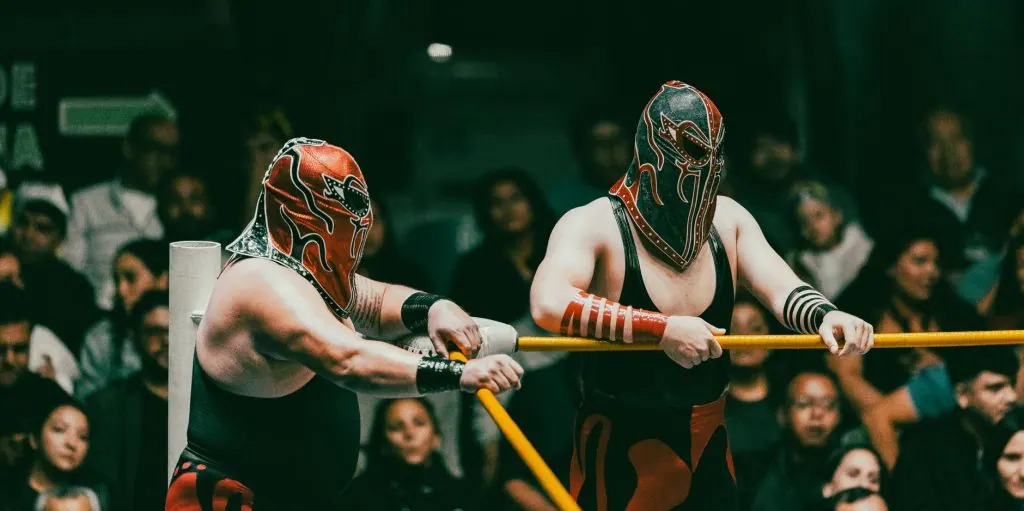
Lucha Canaria, or Canarian wrestling, is the most visible of the traditional sports. It is a full-contact sport with roots that stretch back to the indigenous Guanche population of the islands. The objective is straightforward: throw your opponent to the ground so that they touch the canvas with any part of their body other than their feet. The match ends the moment that happens. Unlike modern wrestling styles that rely on pins or submissions, this discipline is purely about balance, leverage, and timing.
The wrestlers, known as luchadores, wear a distinctive white uniform consisting of a tunic and shorts, often with a belt. The matches take place in a circular ring called a guira, covered in sand. The rules are strict regarding the use of the feet; a wrestler cannot use their feet to sweep an opponent’s feet out from under them. This restriction adds a layer of complexity to the footwork, requiring competitors to rely entirely on upper body strength and hip movement.
To catch a match, you need to know where to look. The most prominent venue is the Coliseum in Las Palmas de Gran Canaria. This is a dedicated arena for the sport, and matches are held regularly throughout the year. If you are staying in Las Palmas, checking the local sports calendar for upcoming bouts is the most reliable way to secure tickets. However, Lucha Canaria is not confined to the capital. Local festivals in towns like Telde often feature wrestling as a central attraction. These smaller events can feel more intimate and community-focused, offering a different atmosphere to the formal arena experience.
When attending a match, it is important to understand the cultural context. This is not just entertainment; it is a display of local pride. The crowd is usually knowledgeable and vocal, reacting to each near-fall or strategic move. The matches are fast-paced, with rounds lasting only a few minutes, so you will see several bouts in a single evening. The physical toll on the wrestlers is evident, but the skill required to execute a throw cleanly is high. If you are interested in the history of the sport, many venues have displays explaining the evolution of the rules and the significance of the guira.
Vela Latina: Traditional Sailing Regattas
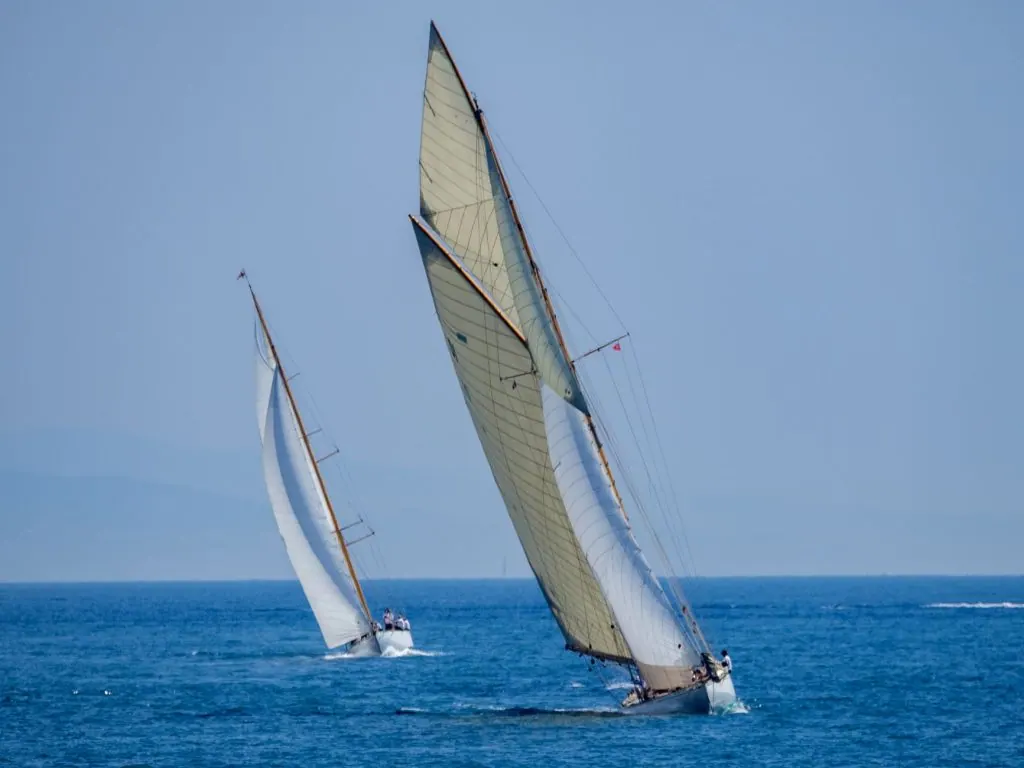
Vela Latina is a form of traditional sailing that has been practised in the Canary Islands for generations. The boats are distinctively designed, featuring large triangular lateen sails and a mast that is disproportionately tall compared to the hull. This design makes the boats inherently less stable than modern keelboats, requiring crews to have exceptional balance and coordination. The sailors must constantly adjust their weight and sail trim to keep the boat upright, creating a dynamic and visually striking spectacle.
The races typically take place in the waters off Las Palmas de Gran Canaria. The harbour area is a hub for these events, with boats gathering before and after the races. The triangular sails catch the wind efficiently, allowing the boats to move quickly despite their traditional construction. Watching a regatta is a lesson in maritime heritage. You will see crews working in unison, shouting instructions and adjusting lines with precision. The sound of the wind in the sails and the creak of the wood add to the atmosphere.
The club often hosts regattas on weekends, particularly during the sailing season. The views from the club’s terrace or the nearby promenade are excellent, allowing you to watch the races from a comfortable distance. If you are staying closer to the coast, you can also watch from the beach or nearby viewpoints. The key is to check the local sailing calendar in advance, as race dates can vary depending on weather conditions and organisational schedules.
The skill required to sail a Vela Latina boat is significant. The crews are usually local enthusiasts who have been sailing these boats for years. They know how to read the wind and water currents better than anyone. Watching them navigate the course is a masterclass in traditional seamanship. The boats may look unbalanced, but the crews know exactly how to handle them. If you have an interest in maritime history, this sport offers a tangible link to the past. The boats are often hand-built and maintained with great care, reflecting a deep respect for tradition.
Juego del Palo: The Dance of Stick Fighting
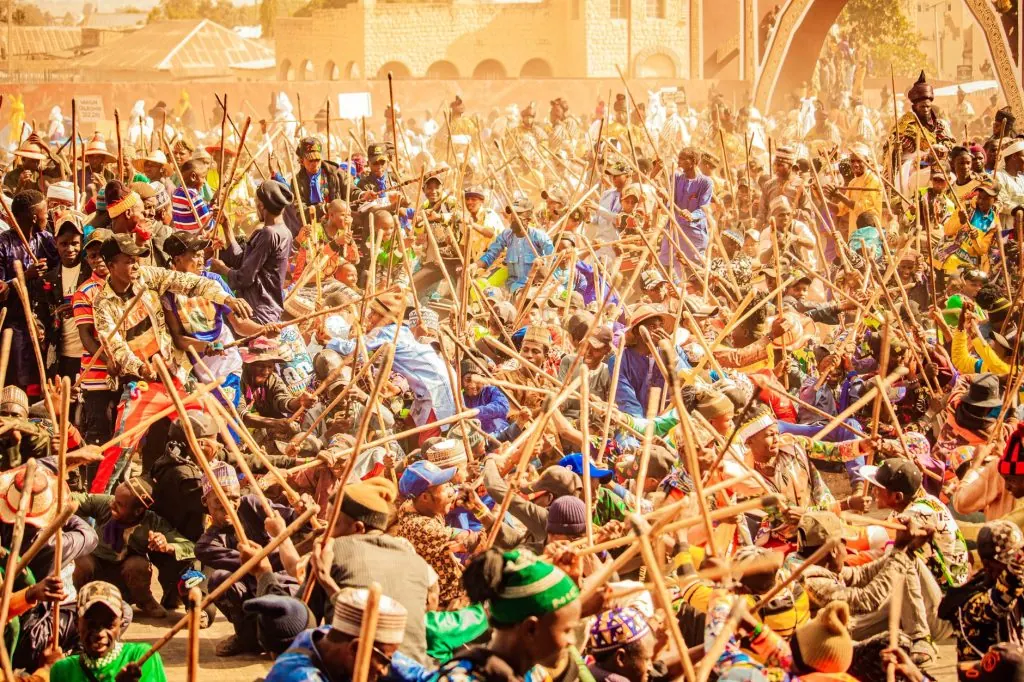
Juego del Palo is a simulated combat sport that uses sticks as weapons. Fighters are given wooden sticks and engage in a rhythmic, choreographed battle. The goal is not to injure the opponent but to simulate a hit with precision and flair. The fighters move in a circular pattern, striking at each other’s bodies while avoiding being struck themselves. The skill lies in the ability to miss while making it look like a hit, creating a dance-like quality to the combat.
The sticks vary in size and weight, depending on the region and the specific style of fighting. Some are short and light, used for quick, sharp strikes, while others are longer and heavier, requiring more strength and reach. The fighters must have excellent reflexes and timing to execute their moves correctly. The sport is often accompanied by music, which sets the rhythm for the fight. The tempo of the music can influence the speed and intensity of the combat, adding another layer of complexity to the performance.
To watch Juego del Palo, cultural centres in various towns often host demonstrations. These events are usually part of larger cultural festivals or heritage days. The Fiesta de San Juan in Maspalomas is a notable event where stick fighting is featured. The atmosphere is festive, with crowds gathering to watch the fighters display their skills. The sport is also performed at other local celebrations throughout the year, so checking the local event calendar is advisable.
The physical demands of Juego del Palo are often underestimated. The fighters must maintain a high level of concentration and coordination throughout the match. The sticks are twirled and used with speed, requiring quick reactions to avoid being hit. The sport is as much about artistry as it is about combat. The fighters use their bodies to create a visual spectacle, moving with grace and precision. If you are interested in the cultural significance of the sport, many demonstrations include explanations of the history and techniques involved. The sport is a unique blend of martial arts and performance, offering a captivating experience for spectators.
Where to Watch: Best Venues and Festivals
Knowing where to go is crucial for a smooth experience. The venues for these sports vary in size and atmosphere, from large arenas to small cultural centres. In Las Palmas, the Gran Canaria Arena is a primary venue for wrestling matches. It is a modern facility with good sightlines and comfortable seating. The port area is ideal for watching sailing races, with numerous viewpoints along the waterfront. Cultural festivals in towns like Agüimes offer a chance to see stick fighting in a more traditional setting.
The Fiesta de la Bandera in Agüimes is a key event for Juego del Palo. The town comes alive with music, food, and demonstrations of traditional sports. The atmosphere is vibrant, with locals and visitors mingling in the streets. For wrestling, the Coliseum in Las Palmas remains the most reliable option for consistent matches. If you are in Telde, the local festivals often feature wrestling as a highlight, providing a more community-focused experience.
The harbour is a lively place during race weekends, with boats docked and crowds gathering to watch. If you prefer a more relaxed viewing experience, the beaches near the port offer good views of the races. The key is to plan ahead and check the schedules for each venue. Some events are free to attend, while others may require tickets, especially for arena matches.
When to Go: Timing Your Sports Tour
The best time to visit depends on which sport you want to watch. Summer is the peak season for sailing regattas, with numerous events held throughout the months. The weather is ideal for outdoor viewing, and the atmosphere is lively. Winter is a better time for wrestling tournaments, as the indoor arenas provide a comfortable environment regardless of the weather outside. The mild climate of the island means that sports events are possible year-round, but the specific schedules vary.
If you are planning a trip around these sports, consider the weather patterns. Summer months can be hot and crowded, so booking tickets in advance is advisable. Winter months are milder, but the evenings can be cooler, so bringing a light jacket is recommended for outdoor viewing. The island’s location means that weather can change quickly, so checking forecasts before heading out is a good practice.
The timing of festivals also affects the experience. Major festivals like the Fiesta de San Juan attract large crowds, so arriving early is essential. Smaller local events may have a more intimate atmosphere but can be harder to find without local knowledge. Checking the local tourism board’s website or asking at your accommodation for current schedules is a reliable way to plan your days.
Getting Around: Navigating to Sports Events
Getting to the venues requires some planning. Las Palmas is well-connected by public transport, with buses running regularly from major tourist hubs. If you are staying in Playa del Inglés or Puerto Rico, the journey to Las Palmas takes about an hour by bus. The local bus network is affordable but can be slow, so allowing extra time is wise. For those who prefer more flexibility, renting a car is a good option. It allows you to travel between venues and explore other parts of the island at your own pace.
Rental cars are available from various providers, but booking in advance is recommended, especially during peak seasons. Driving on the island is straightforward, with well-maintained roads and clear signage. Parking near major venues can be challenging, so arriving early or using designated parking areas is advisable. If you are relying on public transport, check the bus schedules in advance, as frequencies can vary depending on the time of day and season.
For those staying in the south of the island, the journey to Las Palmas can be long. Consider whether the event is worth the trip or if there are local matches closer to your accommodation. Some towns have their own wrestling or stick fighting events, which can be a more convenient option. Using a ride-hailing app or local taxi services is another option for shorter trips, though costs can add up.
Budget and Costs: Watching Sports on a Budget
Watching traditional sports on the island can be affordable, but costs vary. Wrestling matches in arenas like the Gran Canaria Arena may require tickets, which can range from a few euros to higher prices for premium seats. Sailing regattas are often free to watch, especially if you view them from the public areas along the harbour. Stick fighting demonstrations at cultural festivals are usually free or have a small entry fee.
Dining near event venues can be expensive, particularly in Las Palmas. Local eateries and tapas bars offer more affordable options. Bringing snacks and water to regattas and outdoor events can save money. If you are attending a festival, budget for food and drinks, as prices can be higher than usual. Planning your meals around the event schedule can help manage costs.
Public transport is a budget-friendly way to get around, with cheap fares for buses and trains. If you are staying in a resort area, consider the cost of taxis or ride-hailing services versus public transport. For short distances, walking may be the best option. Always check the current prices for tickets and transport before your trip, as they can change.
Food and Culture: What to Eat After the Match
After watching a sport, enjoying local food is a great way to extend the experience. Papas arrugadas with mojo sauce is a staple Canarian dish that pairs well with the cultural atmosphere. Fresh seafood is abundant in Las Palmas, with markets and restaurants offering a variety of options. Traditional Canarian wines, such as Malvasia, are a perfect accompaniment to a meal after a match.
Many restaurants near the venues serve local cuisine, offering a taste of the region. If you are at a festival, food stalls often provide a wide range of local dishes, from grilled meats to sweet treats. Trying local wines and spirits, like Ron de Caña, can add to the cultural immersion. The combination of food and sport creates a memorable experience, reflecting the island’s heritage.
If you are staying in a hotel, breakfast buffets often include local items like fresh bread and cheese. For dinner, exploring the local neighbourhoods away from the tourist zones can lead to authentic and affordable dining options. Ask your accommodation for recommendations, as they often know the best local spots.
Common Mistakes to Avoid: Tips for First-Time Visitors
First-time visitors often make a few common errors. Assuming all matches are ticketed is a mistake; many events, especially regattas, are free. Missing the cultural context is another pitfall. These sports are not just entertainment; they are part of the local identity. Taking time to understand the history and rules enhances the experience.
Visiting during peak tourist seasons without booking is risky. Venues fill up quickly, and prices can be higher. Planning ahead and checking schedules is essential. Assuming that all venues are in Las Palmas is incorrect; many events take place in smaller towns. Researching the locations of specific events before you go will save time and frustration.
Another mistake is not dressing appropriately. For outdoor events, sun protection and comfortable shoes are important. For indoor arenas, casual attire is usually fine, but checking the venue’s dress code is wise. Finally, not bringing cash can be a problem, as some smaller vendors may not accept cards. Having a mix of payment methods ensures a smooth experience.
By avoiding these pitfalls, you can enjoy a rich and authentic experience of Gran Canaria’s traditional sports. The island offers a unique blend of culture and activity, providing a memorable way to spend your holiday.
Official sources and further reading
Opening times, entry rules and prices change, so check them on the official sites before you travel:
- Gran Canaria Tourism: The island's official tourism board.
- Spain.info: Spain's official tourism portal.