 By
By 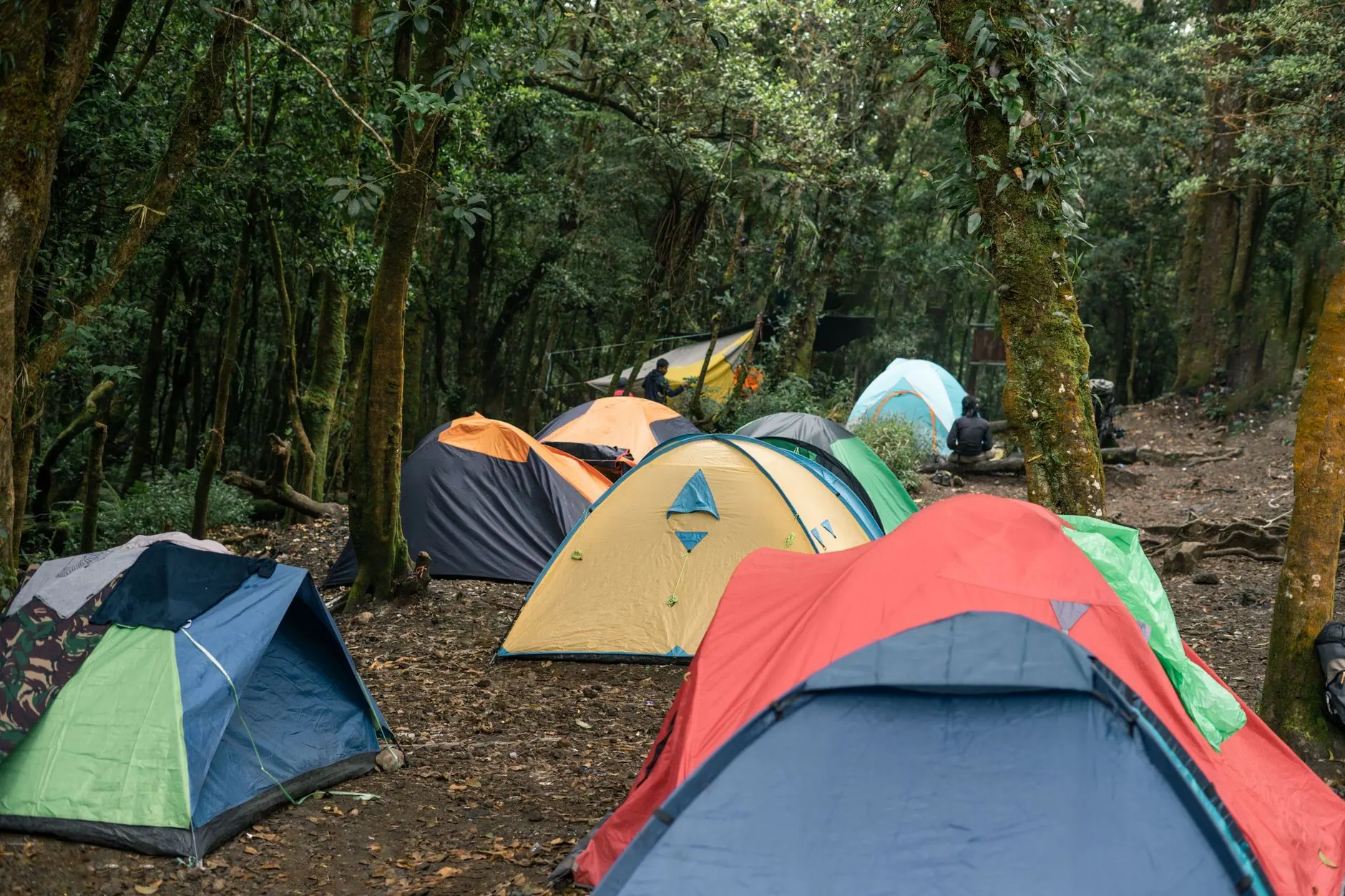
Luxury hotels offer five-star services, long hours spent on the beach with light, fruity cocktails, and crowds of stewards guarding your good time. For some, a cruise on board a floating city is the dream vacation. Others find the greatest joy in staying home, hidden from the hot rays of the sun, enjoying a cold drink while playing online slots. It is a series of advantages compared to land-based gaming, starting with the promotions offered by various platforms, where players can participate in tournaments and win intriguing prizes without the annoying crowd and noise.
But that is not the perfect escape for everyone. For many, the ideal getaway is a week spent in the mountains, preferably in an area where people rarely set foot. There is nothing but nature, a significant other, and the quiet hum of the wind. You spend your summer weekends away from the madding crowd, coming home relaxed and filled with energy. However, "away from the madding crowd" does not mean becoming a caveman. To make your stay comfortable without sacrificing the rugged experience, you need a specific kit. Here are the things you never leave home without, skipping the obvious list of medical kits and dry food.
Camping isn't a luxury cruise
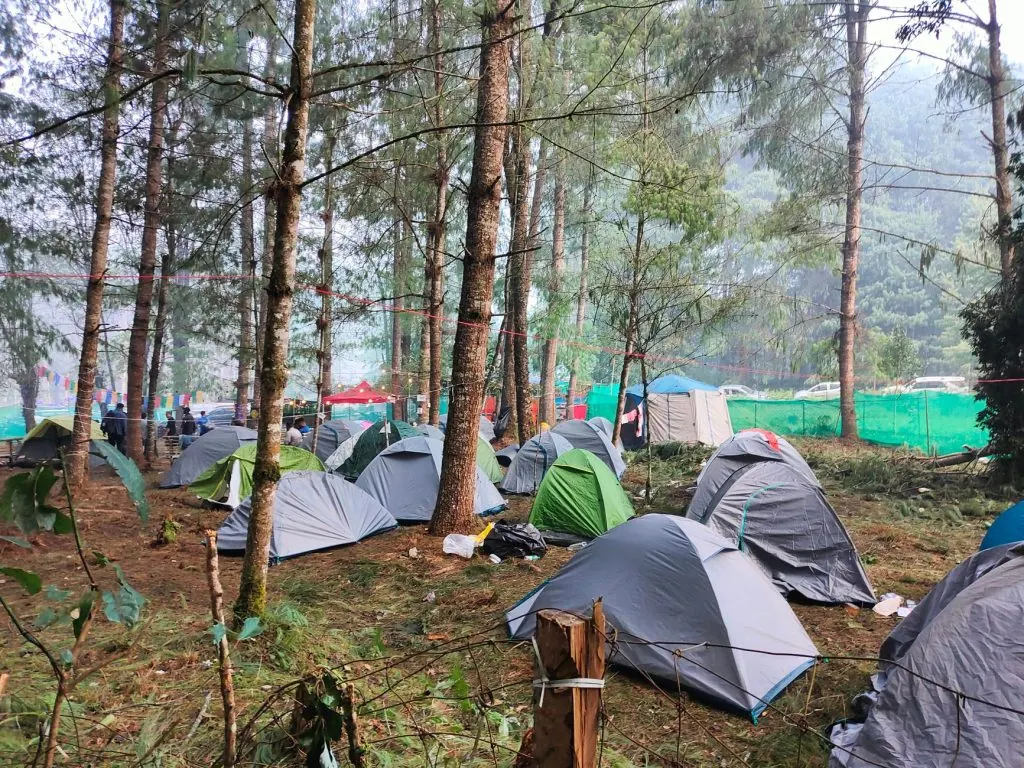
When you head out into the wilderness, you are signing up for a different kind of hospitality. The environment does not care about your comfort preferences. It rains when it wants to, the ground is often uneven, and the nearest shower might be a river or a damp patch of moss. Understanding this shift in expectations is the first step to enjoying the trip. If you approach a camping trip expecting the same level of service and predictability as a holiday package, you will likely feel frustrated by the basics.
The beauty of camping lies in its simplicity and the direct connection to the natural world. You are not just a visitor; you are part of the landscape for a short time. This means you must be self-sufficient. Your comfort depends entirely on the choices you make before you leave and the gear you carry. It is not about enduring hardship for its own sake, but about accepting that the rules of the road are different. In a city, you rely on infrastructure. In the wild, you are the infrastructure.
This mindset shift allows you to appreciate the small victories. Finding a flat spot for your tent, building a fire that actually burns, or waking up to silence broken only by birdsong becomes rewarding precisely because it is not guaranteed. You are trading convenience for immersion. The trade-off is worth it if you prepare correctly. The right camping accessories bridge the gap between raw nature and human comfort, making the experience enjoyable rather than exhausting.
A 'dumb phone'
No matter how careful you are, accidents can always happen. Nature is not our enemy, but it has things that can sting, bite, or poison us, break our bones, and leave us incapacitated. This is why it is important to always have something to help you keep in touch with those who can save you in a worst-case scenario. As I learned during one of my first outings, smartphones do you close to no good in such situations. Their batteries struggle to keep up with the energy needs of their powerful hardware.
A "dumb phone" (as opposed to a smartphone) is always a necessary thing to keep in your backpack. Besides, as far as I have observed, dumb phones are usually more capable of making calls using a weak signal. Their battery life is much longer than any smartphone I have ever tried. In remote areas, signal strength fluctuates wildly. A smartphone constantly scanning for 4G, 5G, and Wi-Fi drains its battery rapidly, even when idle. A basic phone only activates its transmitter when you make or receive a call, preserving power for days or even weeks.
This reliability is crucial for camping safety. If you twist an ankle on a remote trail or get lost in the woods, you need a device that works when you need it most. The simplicity of a dumb phone also reduces distraction. You are not checking notifications or scrolling through feeds; you are present in the moment. When you do need to use it, you use it with purpose. It is a tool for communication, not entertainment.
Carrying a dumb phone also means you do not need to worry about losing a complex device or having it break under pressure. They are generally rugged, often water-resistant, and simple to operate with gloves on or in the dark. For a multi-day trek, the peace of mind knowing you have a reliable line to the outside world is invaluable. It is a small item that offers a disproportionate amount of security.
A solar battery pack
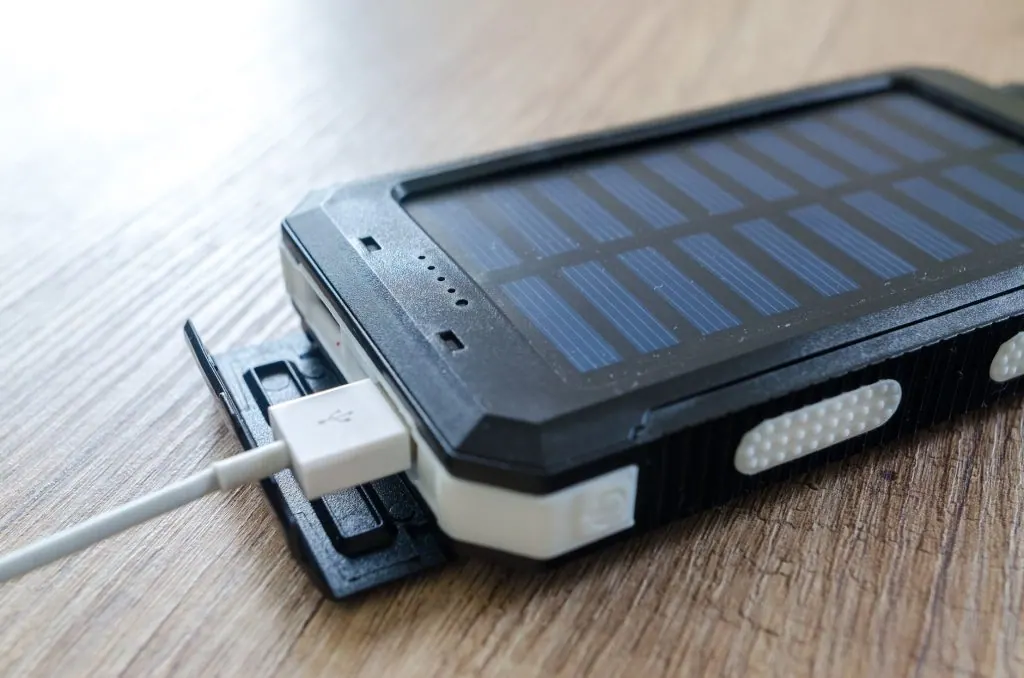
Dumb phone or not, modern day hikers are always in need of some energy. Printed books are heavy, after all, besides, I am a fast reader, capable of finishing three to four classic SF novels in a week. Back in the day, I chose a tablet over an e-book reader to accompany me on these journeys, which has a rather weak battery life, so I chose to invest in a solar powered battery pack to keep it fully charged during my trip. The batteries recharge over the day, while I’m hiking, cooking, or simply relaxing by the tent, and during the night it helps me keep on reading my favorite books.
A solar battery pack is one of the most versatile pieces of camping gear you can carry. It harnesses the sun’s energy to store power, which you can then use to charge your devices. This is particularly useful if you are using a smartphone for navigation or taking photos. You can place the panel in direct sunlight while you explore, and it will slowly replenish its charge. This allows you to keep your devices running without carrying heavy spare batteries or relying on scarce power sources at campsites.
The key is to choose a pack that is lightweight and durable. Look for one that can withstand rough handling in your backpack. Some packs are flexible, allowing you to drape them over your tent or backpack, maximizing exposure to the sun. This flexibility is useful in shaded areas where a rigid panel might not get full coverage. It is also a great way to extend the life of your primary communication device.
Using a solar charger reduces your reliance on fossil fuels and keeps your gear eco-friendly. It is a silent, clean source of power that works as long as the sun is shining. On cloudy days, it will still charge, just more slowly. This redundancy is important. If the weather turns, you still have the stored energy in the battery to fall back on. It is a small investment that pays off in comfort and connectivity.
A shovel
I spent a week once camping in an area with a significant bear population, so I had to make sure no surprise tent-mates appeared during the night. I studied several options to keep bears away from my campsite, and I finally found that “Murus Dacicus” (the Dacic wall) was the perfect solution. Sticks and stones can break your bones, but they are the perfect building material to create such a defensive structure (it can take quite a few hours, complete with pointy sticks on the top) and when the construction is ready, it can keep bears away without a problem. But you will need a shovel to build it.
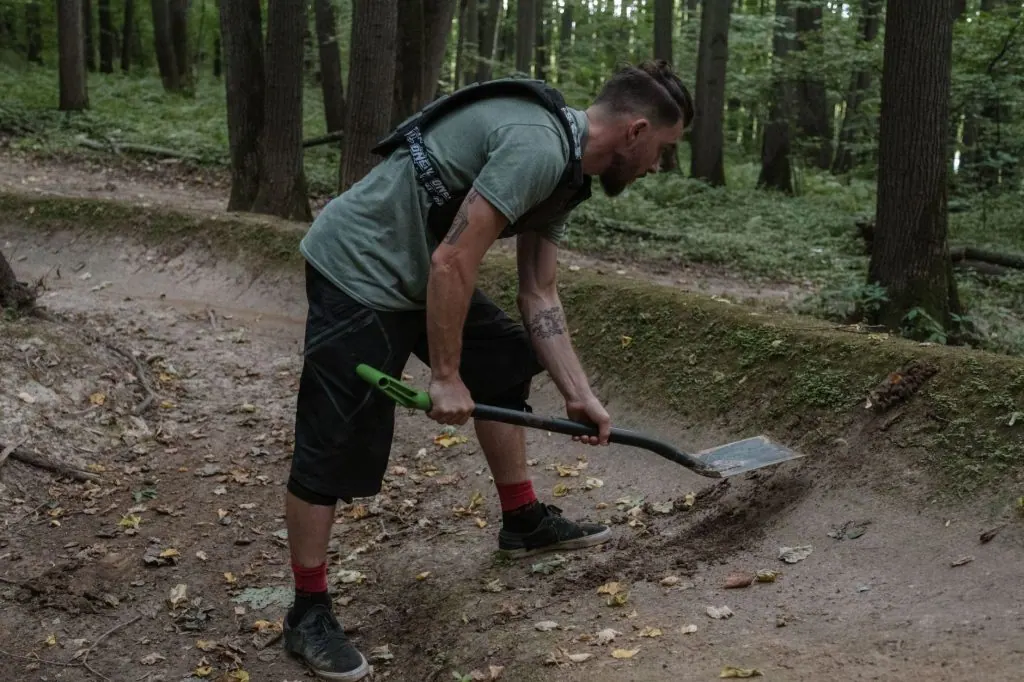
A small but sturdy shovel has many uses when hiking. You can dig a ditch around your tent to keep rainwater from taking it away, you can bury your biodegradable waste to keep your area tidy, you can use it to dig a hole for the campfire and cover it with dirt when you leave. It takes up just a little space in your backpack or can be strapped to your waist. This multi-functionality makes it an essential camping essential.
The primary use is waste management. Properly burying your waste is crucial for hygiene and for keeping wildlife at bay. A shovel allows you to dig a cathole that is deep enough to prevent animals from digging it up. It also helps you manage your campsite’s water flow. Digging a small trench can divert rainwater away from your sleeping area, keeping you dry.
Another critical use is fire safety. When you build a campfire, you need to dig a small pit to contain the flames and protect the ground underneath. After the fire is out, you must cover it completely with dirt to prevent any embers from reigniting. A shovel makes this process quick and effective. It is also useful for clearing debris from your campsite or digging out a muddy patch to create a stable surface for your tent.
The size and weight of the shovel are important considerations. You do not need a heavy-duty garden spade. A compact, collapsible shovel is ideal. It should be made of strong material like steel or reinforced plastic. A handle that locks into place ensures stability when you are digging. It is a simple tool that solves many common problems in the wild.
More small items that help
While the big three are crucial, the small items often make the biggest difference in daily comfort. These are the tools that solve immediate, annoying problems without requiring a major investment. A length of strong rope is invaluable. It can be used to hang your food bag from a tree to keep it away from animals, to secure your tarp against the wind, or to create a clothesline for drying your gear. A roll of strong tape, such as duct tape, can fix a broken strap, seal a tear in your tent, or even patch a leak in a water bottle.
A good knife is another essential. It does not need to be a large chef’s knife, but it should be sharp and durable. You can use it to prepare food, cut rope, carve sticks for your fire, or open packages. A multi-tool can also be useful, offering a variety of functions in a compact form. These items are small, but they save you from frustration.
Consider also carrying a headlamp. Hands-free lighting is much more convenient than holding a flashlight. It allows you to cook, read, or navigate your campsite at night without using both hands. A headlamp with different brightness settings is ideal, as it allows you to conserve battery life when you do not need full intensity.
Other small items include a lighter or matches in a waterproof container, a small first-aid kit, and a multi-purpose card that can be used as a ruler or a saw. These items are lightweight and add up to a significant increase in your self-sufficiency. They are the camping tips that experienced campers swear by. They are not glamorous, but they are practical.
When packing these items, think about the specific needs of your trip. If you are going to a wet area, prioritize waterproofing solutions. If you are going to a cold area, prioritize warmth-retaining items. The goal is to have a solution for every potential problem, no matter how small. This preparation reduces stress and allows you to enjoy the trip more fully.
For more ideas on what to pack, you might find it helpful to read our List of Advantageous Gadgets for Your Camping or Hiking for additional inspiration on tools that can simplify your outdoor experience.
Shelter and sleeping
Your shelter and sleeping system are the foundation of your comfort. A good tent provides protection from the elements, but it is only as good as the ground it sits on. A sleeping mat is crucial for insulation. The ground draws heat away from your body much faster than the air does. Without a mat, you will feel cold even on a mild night. Look for a mat with a high R-value, which indicates its insulating power.
A sleeping bag should be chosen based on the expected temperatures. It is better to be slightly too warm than too cold. A down-filled bag is lighter and more compressible than synthetic, but it loses its insulating properties when wet. Synthetic bags are heavier but retain heat even when damp. Choose based on your climate and weight preferences.
The tent should be waterproof and breathable. Condensation can build up inside a tent, making you feel damp. A good tent will have a rainfly that extends over the edges to prevent water from running in. It should also have good ventilation to allow air to circulate. Setting up your tent correctly is also important. Make sure it is taut and secure to withstand wind.
Consider the weight and size of your gear if you are hiking to your campsite. A lighter tent and sleeping bag will make the journey easier. However, do not sacrifice comfort for weight if you are car camping. A larger tent with more headroom can make a significant difference in your enjoyment of the trip.
Your sleeping system is your home for the night. Invest in quality items that you can rely on. A good night’s sleep will give you the energy to enjoy the next day. It is the difference between a miserable experience and a memorable one.
Food and water
Food is fuel, but it is also a source of comfort and pleasure. Choose foods that are lightweight, nutritious, and easy to prepare. Dehydrated meals are convenient, but they require water and a stove. Fresh food is heavier but more satisfying. Balance your diet to ensure you have enough energy for your activities.
Water is the most important resource. You need to stay hydrated to maintain your energy and focus. Carry enough water for your journey, or have a plan to replenish it. A water filter or purification tablets can make natural water sources safe to drink. This reduces the weight of carrying large amounts of water.
A stove is essential for cooking and boiling water for drinking. Choose a stove that is efficient and easy to use. Canister stoves are convenient, but liquid fuel stoves are more reliable in cold weather. Consider the type of fuel you will use and whether it is easy to find in your destination.
Pack your food in airtight containers to keep it fresh and to prevent animals from getting to it. Cook your meals in a way that minimizes waste. Clean up your campsite thoroughly, leaving no traces of your meal. This keeps the area tidy and prevents attracting wildlife.
Proper food and water management is crucial for your health and safety. Plan your meals in advance to ensure you have enough energy for your activities. Enjoy the simplicity of cooking over a fire or a small stove. It is a part of the camping experience that many people love.
For more tips on preparing for your trip, check out our Summer Holiday Packing This Year guide to ensure you have everything you need.
Navigation and safety
Getting lost is one of the biggest risks in the wild. A map and compass are essential tools for navigation. They do not require batteries or signal, so they will always work. Learn how to use them before you go. A GPS device can be helpful, but it is not a replacement for traditional navigation skills. Batteries can fail, and devices can break.
A whistle is a simple but effective safety tool. It is louder and carries further than your voice. If you are lost or injured, blow your whistle to signal for help. Three blasts is the universal signal for distress. Carry a whistle on your person, not in your backpack, so you can access it quickly.
A first-aid kit is also essential. It should contain bandages, antiseptic, painkillers, and any personal medications. Know how to use the items in the kit before you need them. A small, lightweight kit is sufficient for most trips.
Tell someone where you are going and when you expect to return. This is called a flight plan. If you do not return by the expected time, someone will know where to look for you. This simple step can save your life in an emergency.
Stay aware of your surroundings. Watch for signs of weather changes, such as dark clouds or a drop in temperature. Be aware of wildlife and know how to react if you encounter an animal. Respect the environment and follow the rules of the area you are visiting.
For more advice on staying safe, you might enjoy our Festival Survival Guide for Beginners, which offers practical tips on managing crowds, weather, and personal safety in outdoor settings.
Leave no trace
When you leave a place, it should be as if you were never there. This is the principle of Leave No Trace. It involves minimizing your impact on the environment and respecting the natural habitat. This means packing out all your waste, including food scraps and toilet paper. Burying waste is not always sufficient, as animals can dig it up.
Use established campsites and trails to prevent damage to vegetation. When you build a fire, use a fire ring if one is available. Do not cut down trees or break branches for firewood. Collect only dead wood that is small enough to break by hand.
When you leave your campsite, restore it to its natural state. Remove any stakes or guy lines. Dismantle any structures you built. Scatter the ashes of your fire if allowed, or pack them out. The goal is to leave the area in a condition that allows the next visitor to enjoy it as much as you did.
Respect wildlife. Do not feed them, as it changes their natural behavior. Keep a safe distance and observe them quietly. Do not disrupt their habitat. By following these principles, you help preserve the beauty of the wilderness for future generations.
Camping is a privilege, not a right. By being a responsible camper, you show respect for the environment and for other visitors. It is a small effort that makes a big difference. Enjoy the peace and quiet of the wild, knowing that you have left it in good hands.
Official sources and further reading
Opening times, entry rules and prices change, so check them on the official sites before you travel:
- National Parks UK: Visitor information for the UK's national parks.
- The Ramblers: Walking routes, access rights and outdoor safety advice.