 By
By 
You have booked the flight. You have sorted the passport. You feel ready to go. Then you arrive at the airport, check in your bag, grab a coffee that costs more than your morning brew at home, and suddenly realise the holiday is already eating into your savings. It happens to the best of us. Travel has a habit of becoming expensive the moment you step out of your front door. But it does not have to.
You do not need to be wealthy to see the world. You just need to stop making costly mistakes. The difference between a stressful, credit-card-heavy trip and a relaxed, affordable one often comes down to a few simple choices. By shifting your mindset and adjusting your habits, you can significantly reduce what you spend without sacrificing the quality of your experience. This guide breaks down exactly how to do that. Here are the core strategies to help you save money on travel, starting with how you think about it and ending with how you manage the cash.
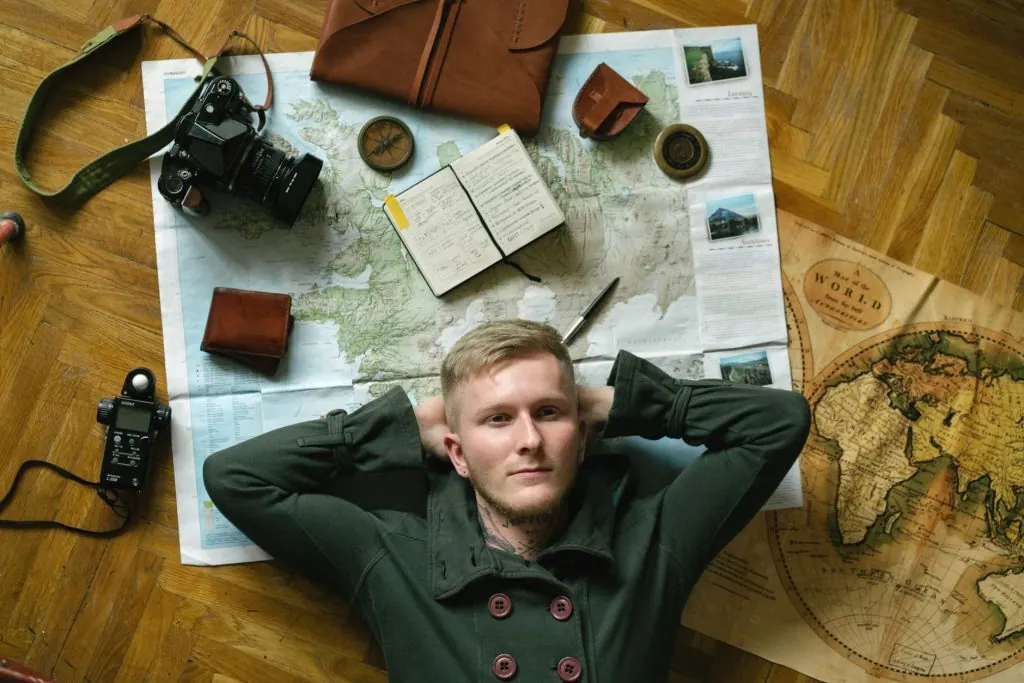
Travel isn't only for the rich
The biggest barrier to affordable travel is often psychological, not financial. Many people assume that seeing new places requires a premium budget. They picture all-inclusive resorts, business class seats, and dining in tourist traps. This is not true. Travel is accessible if you view it as an exchange of value rather than a display of wealth.
When you stop trying to impress other travellers and start focusing on your own experience, costs drop. You realise that a street food stall serving the most authentic local dish is often better than a restaurant with white tablecloves. You see that a hostel dorm with communal areas offers more social interaction than a private room where you spend all your time alone. The goal is to prioritise experiences over comforts.
This mindset shift also helps you avoid the "holiday tax." This is the extra you pay simply because you are a visitor. Tourists pay more for convenience. Locals pay for utility. If you can adopt a local rhythm, you bypass these premiums. It also means accepting that things might not always go to plan. A delayed train or a closed museum is part of the story, not a reason to panic and spend money on a solution. Embrace the friction. It keeps you grounded and your spending in check.
Tip 1: Be flexible with dates and destinations
Flexibility is the most powerful tool in your budget travel tips arsenal. Prices for transport and accommodation fluctuate wildly based on demand. If you are locked into specific dates and a single destination, you are at the mercy of the market. If you can move, you can win.
Be flexible with dates
Traveling mid-week is almost always cheaper than traveling on weekends. Tuesday and Wednesday departures often see the lowest fares because business travellers have left and leisure travellers have not yet arrived. If you can shift your holiday by just one or two days, you might find a significant drop in price.
Use fare alert tools to monitor prices for your desired route. Set these up early and let them work for you. Do not wait until the last minute hoping for a deal; last-minute seats are often expensive unless you are booking a very specific, unsold inventory. Instead, book when you see a price that fits your budget, not when you think it might get lower. Prices rarely drop significantly after you have found a good rate; they usually climb.
Be flexible with destinations
Sometimes the destination is less important than the departure point. If you are open to flying into a nearby city and taking a train or bus to your final spot, you can often save a substantial amount. A short train journey might cost a fraction of a direct flight. It adds a bit of time, but it adds to the adventure.
Consider secondary airports. Major cities often have multiple airports. The main one is convenient but pricey. The secondary one might be further away, but the savings on the ticket can cover the transfer cost. Always check the total journey time and cost, not just the headline flight price.

Tip 2: Cut accommodation costs
Accommodation is usually the largest fixed cost of a trip. It is also the easiest place to overspend if you do not plan ahead. The key is to look beyond the traditional hotel. There are many alternatives that offer better value and a more authentic experience.
Hostels and shared spaces
Hostels have evolved. They are no longer just for backpackers in their twenties. Many now offer private rooms with ensuite bathrooms, giving you privacy without the hotel price tag. They also provide communal spaces where you can meet other travellers and share tips. This social aspect can save you money on entertainment and dining, as you might join others for a group meal or a free walking tour.
If you prefer more independence, consider short-term rentals. Apartments and houses often come with kitchens, allowing you to cook some of your meals. This is a huge saving, especially in cities where eating out is expensive. Look for places slightly outside the city centre. Public transport is usually efficient, and being a short ride away can mean significantly lower nightly rates.
House sitting and homestays
For longer trips, house sitting is an incredible way to cut accommodation costs to zero. You look after someone’s home and pets while they are away. In exchange, you stay for free. It requires trust and responsibility, but it offers a unique insight into local life. You are living in a real home, not a tourist bubble.
Homestays are another option. You stay with a local family, often with breakfast included. This is a great way to learn about the culture and get local advice on where to go and what to avoid. It is slightly more formal than house sitting but still offers significant savings compared to a hotel.
Tip 3: Eat and move like a local
How you eat and how you get around will dictate a large portion of your daily spending. Tourists eat in restaurants near attractions and use taxis. Locals eat where they live and use public transport. Adopting local habits is the fastest way to reduce your daily costs.
Markets and street food
Skip the restaurants on the main square. Walk two or three blocks away, and you will find better food at a lower price. Look for markets. They are hubs of local life and offer fresh, cheap, and delicious food. Grabbing a sandwich, some fruit, and a drink from a market stall is far cheaper than a sit-down meal and often more authentic.
Street food is another great option. It is usually cooked fresh and hot, offering high quality at low cost. Look for stalls with a high turnover of locals. If the queue is long and mostly made up of residents, it is a good sign. Avoid places with menus in five languages right next to a major landmark.
Public transport
Taxis and ride-hailing apps can drain your budget quickly, especially in large cities. Use the local bus network, metro, or tram systems. They are efficient, cheap, and the best way to see the city. Buy a multi-day pass if you plan to move around a lot. These passes offer significant savings compared to single tickets.
If you are exploring a compact city centre, walk. It is free, healthy, and allows you to discover hidden gems you would miss in a vehicle. Walking also helps you get a sense of the area’s layout, making it easier to navigate later.

Plan the money side
How you pay and how you manage your cash can add hidden costs to your trip. A few small fees here and there can add up to a surprising sum by the time you return home. Planning this side of things prevents unpleasant surprises.
Budgeting and tracking
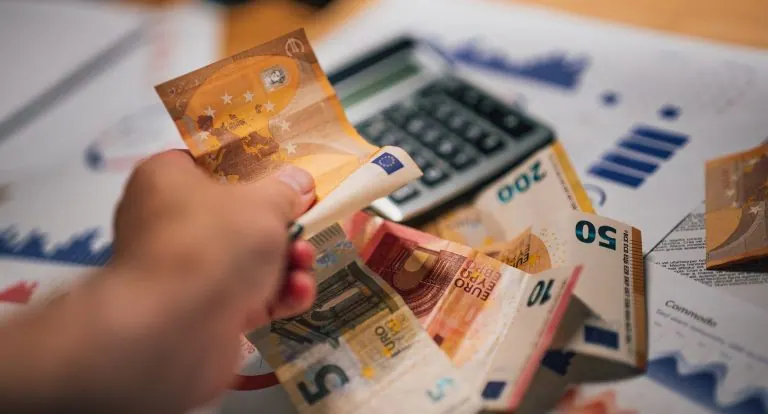
Start by making a rough budget for your trip. Estimate costs for transport, accommodation, food, and activities. Leave a buffer for unexpected expenses. This gives you a clear picture of what you can afford. Use a simple spreadsheet or a notebook to track your spending daily. Seeing where your money goes helps you adjust your habits in real time.
Cards and ATMs
Using the right card can save you money on foreign transaction fees and exchange rates. Check with your bank before you go to see which cards offer the best rates for international use. Some cards charge a percentage on every transaction, which adds up quickly.
When using ATMs, look for machines that are directly linked to the bank rather than independent kiosks in tourist areas. Independent kiosks often charge high withdrawal fees and offer poor exchange rates. Always choose to pay in the local currency, not your home currency, when using a card or ATM. This ensures you get the true exchange rate.
Look for free experiences
You do not need to spend money to have a great time. Many of the best travel experiences are free. Cities are full of parks, museums, historical sites, and cultural events that cost nothing to enjoy.
Parks and public spaces
Parks are the living rooms of any city. They offer space to relax, people-watch, and enjoy the outdoors. Many cities have stunning botanical gardens, waterfronts, and green spaces that are free to enter. These areas often host free concerts, markets, or festivals, especially during the warmer months.
Museums and walking tours
Many museums offer free entry on certain days of the week or for specific exhibitions. Check the official website of any attraction you are interested in. Walking tours are another great option. While many are tip-based, they provide excellent historical context and local insights. They are a low-cost way to orient yourself in a new city and learn about its history and culture.
Free events and festivals
Cities often have a vibrant cultural scene. Look for free concerts, art walks, or street performances. These events give you a taste of the local culture without the price tag. They are also a great way to meet other travellers and locals.
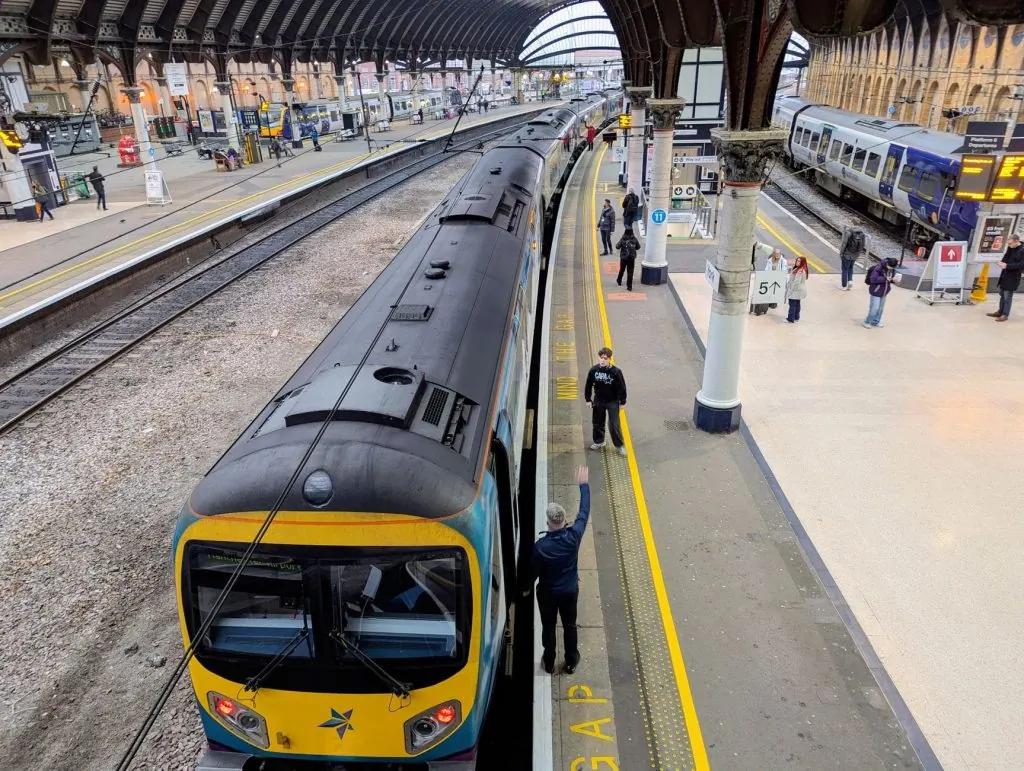
Travel slowly
One of the most effective ways to save money is to travel slowly. This means staying in one place for longer rather than hopping between multiple cities every few days. Each time you move, you pay for transport, check-in/out fees, and the premium of being a transient tourist.
Fewer stops
By staying in one place, you can negotiate better rates for longer stays. Many apartments and hotels offer weekly or monthly discounts. You also get to know the neighbourhood better, which means you can find cheaper, local spots for food and entertainment. You avoid the constant packing and unpacking, which reduces wear and tear on your belongings and saves time.
Deeper experience
Traveling slowly allows you to settle in. You develop a routine, find your favourite local bakery, and build relationships with shop owners. This reduces the need for expensive tourist services. You become a temporary resident rather than a passing visitor. This shift in perspective often leads to more meaningful experiences and lower costs.
Packing for savings
What you pack can save you money at every stage of your journey. Overpacking leads to baggage fees. Underpacking might mean buying expensive essentials you could have brought from home. The key is to pack light and smart.
Cabin bag only
Aim to travel with just a cabin bag. This avoids checked baggage fees, which can range from modest to substantial depending on the airline and route. It also saves time at the airport, as you do not need to wait for your bags to arrive at the carousel. To do this, choose versatile clothing that can be mixed and matched. Stick to a colour palette to maximise combinations.
Avoid fees
Check the airline’s baggage policy carefully. Some budget airlines have strict size and weight limits for cabin bags. If you exceed these, the fees can be high. Be precise when packing. Weigh your bag at home if possible. Also, consider the items you might need during the flight. Having a small toiletry kit and a change of clothes in your cabin bag means you are prepared if your checked bag is delayed, avoiding the cost of buying essentials on the road.
Track spending
Keeping an eye on your spending throughout the trip ensures you stay within your budget. It is easy to lose track of small purchases that add up over time. Tracking helps you stay aware and make conscious choices.
Apps and daily limits
Use a simple budgeting app or a notebook to record every expense. Set a daily spending limit and stick to it. If you overspend on one day, you can adjust the next day. This creates a balance between enjoying your trip and maintaining financial control.
Review and adjust
At the end of each day, review your spending. Did you stay within your limit? If not, why? Was it a necessary expense or an impulsive one? Adjust your plan for the next day accordingly. This daily review keeps you accountable and helps you identify patterns in your spending. It also gives you a clear picture of how much money you have left for the remainder of your trip.
By following these steps, you can significantly reduce your travel costs without sacrificing the joy of exploration. It is about making smarter choices, not just spending less. The goal is to travel more, for longer, and with less stress. Start with one change, like being flexible with your dates, and build from there. The savings will add up, and the experiences will be just as rich, if not richer, than if you had spent more.
Official sources and further reading
Opening times, entry rules and prices change, so check them on the official sites before you travel:
- GOV.UK: foreign travel insurance: What travel insurance should cover and how to choose a policy.
- NHS: apply for a GHIC: The UK Global Health Insurance Card and where it applies.