 By
By 
Imagine this: it is mid-June, and the sun is already beating down on the tarmac at the terminal. You are standing in a queue that stretches back past the security gates, your carry-on bag is too heavy, and you have just watched the flight information board flicker to show a delay of two hours. Your children are fidgeting, the Wi-Fi is spotty, and the stress of packing, checking in, and navigating the journey has already drained your energy before you have even left the country.
Now imagine an alternative. You wake up in your own bed, the morning light filtering through curtains you know and love. The children are still asleep, but you are already relaxed. There is no rush to the airport, no anxiety about lost luggage, and no risk of a cancelled connection. Instead, you have a plan. You have decided to embrace a stay at home summer, turning your own region into a destination.
This is not about laziness or simply staying indoors because you have to. It is a deliberate choice to prioritise ease, connection, and discovery over the exhaustion of traditional travel. By shifting your mindset, you can enjoy the benefits of a holiday, rest, fun, and new experiences, without the logistical headaches. Whether you are a parent looking to keep children entertained, a couple wanting a romantic break, or simply someone who values their peace of mind, staying close to home can be the most rewarding way to spend the season. This guide will walk you through how to make it work, turning your local area into a playground and your home into a retreat.
Why a staycation can beat a long trip
The allure of a long-haul flight or a cross-country road trip is undeniable. But the reality of modern travel often involves significant hidden costs and energy drains. When you opt for a stay at home summer, you reclaim time that would otherwise be lost in transit. A journey that takes three days by plane and car, with layovers and waiting times, is replaced by a twenty-minute drive or a short train ride. This saved time is not just idle; it is time you can spend actually doing the things you planned, rather than sitting in an airport lounge or stuck in traffic.
Financially, the savings are substantial, though often overlooked. You eliminate the highest fixed costs of travel: airfare, airport transfers, and parking fees. You also avoid the premium pricing that hits travellers in tourist hotspots. When you are a local, you can choose where to spend your money more strategically. You are not forced to buy overpriced convenience snacks or pay for premium resort access. Instead, you can split your budget across multiple experiences, allowing for higher quality dining or activities that you might have skipped if you were on a tight holiday budget.
There is also the matter of stress reduction. Travel disrupts routines, sleep patterns, and digestion. The jet lag from east-to-west or west-to-east flights can leave you feeling sluggish for days. Staying local means you maintain your circadian rhythm. You sleep in your own bed, eat familiar foods, and avoid the physical toll of long journeys. This is particularly valuable if you are travelling with young children or older adults, for whom the disruption of a long trip can be exhausting rather than enjoyable.
Furthermore, a local holiday allows for flexibility. If the weather turns bad on day two of a booked week abroad, you are stuck. You have paid for the hotel and the flights, so you have to go out anyway. At home, if it rains, you can pivot. You can visit a museum, have a movie night, or simply enjoy a quiet afternoon without feeling like you are wasting money. This adaptability reduces the pressure to "make the most" of every moment, allowing for a more relaxed pace.
Treat it like a real holiday
One of the biggest pitfalls of a stay at home summer is letting the house pull you back into your daily routine. If you wake up at the same time, eat in the same kitchen, and watch the same television, it feels like a normal Tuesday. To make it feel like a holiday, you must create boundaries.
Start by changing your environment. If you have a garden, set up a dedicated dining area that is only used for meals during the break. Clear off the usual clutter, the mail, the homework, the unpaid bills. If you do not have outdoor space, designate a specific room or corner of the living room as your "holiday zone." Keep this space free from work emails and chores.
Communication is key. Let family members, colleagues, and even regular neighbours know that you are on break. Set an out-of-office reply on your email. Turn off work notifications on your phone. This mental shift is crucial. When you step outside, you are not "at home" in the functional sense; you are a visitor in your own town. Dress up for meals. Put on shoes when you go out, even if it is just to the local park. These small rituals signal to your brain that this is a different time, distinct from the grind of everyday life.
Plan your days in advance, but leave room for spontaneity. A holiday feels better when you have anticipation. Look at local events for the week and pick two or three to commit to. This gives you something to look forward to. However, do not over-schedule. The best holidays have empty spaces where you can just sit and enjoy the atmosphere.
Finally, handle the chores differently. In a normal week, you might clean the kitchen every night. During your staycation, embrace the mess. Do the laundry on Wednesday instead of every day. Eat leftovers for dinner. By lowering your domestic standards temporarily, you free up mental energy for enjoyment. Remember the advice from Reasons To Spend Your Holiday At Home This Year, which highlights how reducing domestic duties can significantly boost your relaxation levels.
Explore your own region as a tourist
When you live somewhere, you stop looking at it with fresh eyes. You know which streets are noisy, which shops are overpriced, and which parks are best in the sun. To counter this, adopt the mindset of a tourist. Tourists see details that locals miss. They visit the heritage sites, explore the museums, and walk the historic streets because they are there for the experience, not just as a route to the supermarket.
Start by visiting the places you have passed a hundred times but never entered. The local castle, the grand Victorian library, or the industrial heritage centre might hold surprises. Book tickets in advance for popular attractions to avoid queues. Read the plaques. Listen to the audio guides. You might be amazed by how much history is hidden in your own backyard.
Use the local visitor information centre. They often have maps and guides that highlight hidden gems, walking trails, and seasonal events that do not make it into the mainstream news. Ask for recommendations. You might discover a quiet river path or a secluded beach that is perfect for a morning swim.
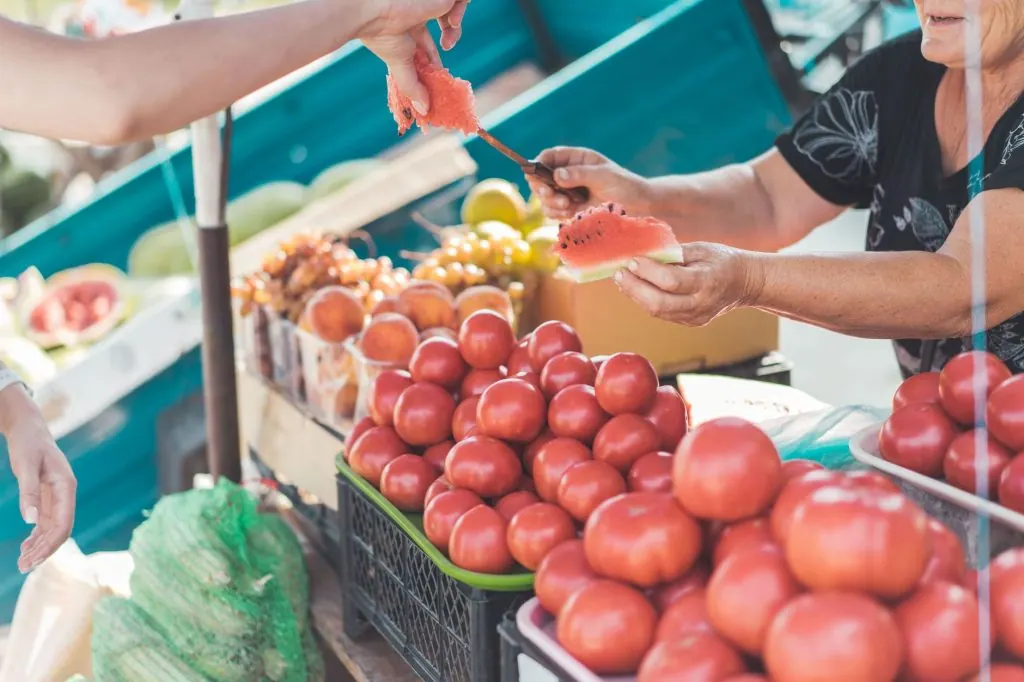
Markets are another excellent resource. Weekend markets are often vibrant social hubs where you can sample local produce, buy crafts, and soak up the atmosphere. They are great for families, offering food stalls and entertainment. Even if you are not buying anything, walking through a market is a sensory experience that feels distinctly different from a high street.
Don't forget the natural beauty. Go for a walk in a nearby woodland or along a coastline you usually ignore. Bring a guidebook or use a local history app to learn about the flora and fauna. Understanding the landscape enhances the experience. As you explore, you will likely find that Bring Home The Feel Of Your Summer Holiday ideas, such as collecting shells or sketching landscapes, can turn a simple walk into a creative project.
Outdoor days
The summer season is defined by its weather, and making the most of it is essential. However, being outdoors requires some preparation to ensure safety and comfort. Whether you are heading to a park, a river, or a beach, having the right mindset and gear can make the difference between a miserable afternoon and a memorable one.
Sun safety is paramount. Even on cloudy days, UV levels can be high. Apply sunscreen before you leave the house, and reapply every two hours, especially if you are swimming or sweating. Wear hats and sunglasses to protect your face and eyes. Seek shade during the hottest part of the day, usually between 11 am and 3 pm. If you are with children, keep an eye on their skin; they burn faster than adults.
Hydration is critical. Bring more water than you think you will need. Avoid sugary drinks, which can dehydrate you further. If you are hiking or walking, carry a reusable bottle. Many parks have water fountains, but it is safer to be self-sufficient.
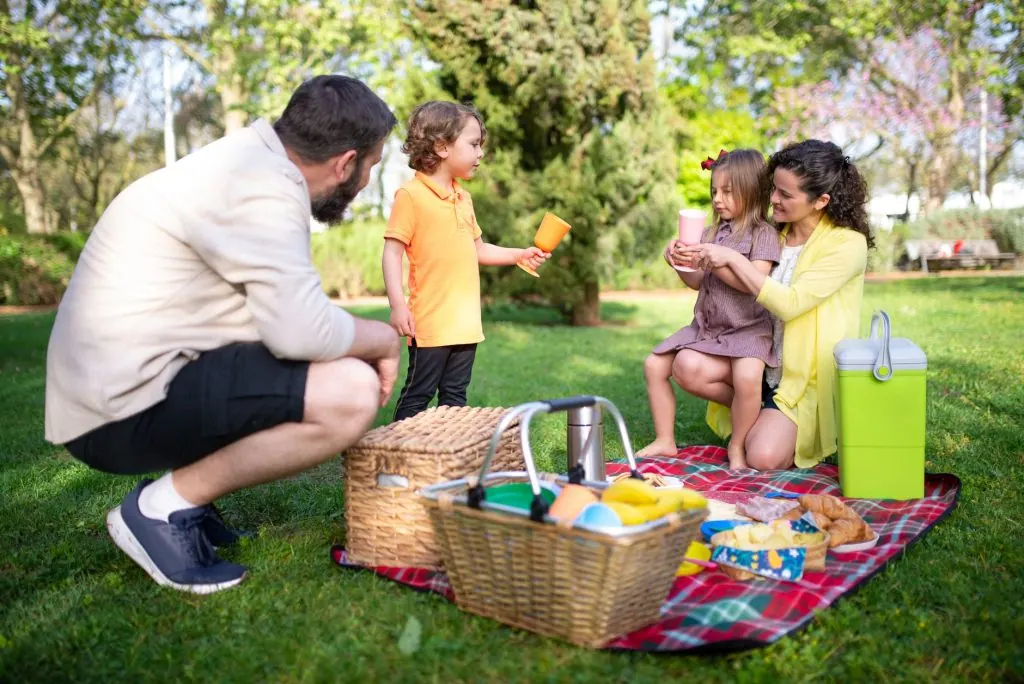
Picnics are a classic summer activity, but they require planning. Choose a location with a mix of sun and shade. Bring a waterproof blanket in case the ground is damp. Pack food that is easy to eat and does not require refrigeration, or use an insulated bag. Avoid glass bottles if you are in a windy area. Remember to take your litter home, especially from beaches and woodlands.
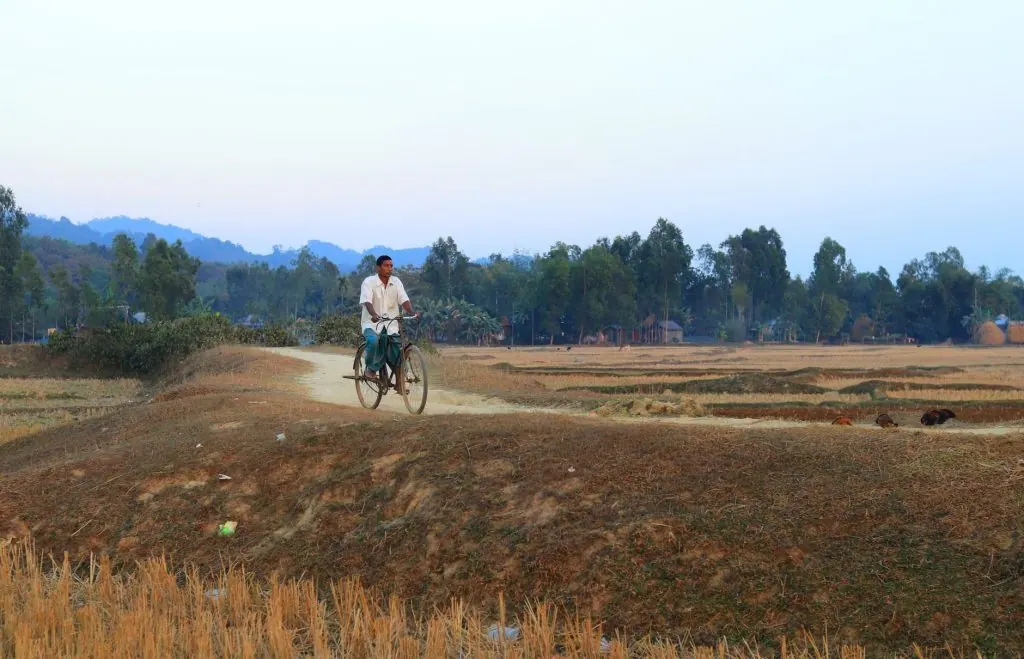
For swimming, always check the local conditions. Are there riptides? Is the water quality good? Look for flags at beaches or signs at riverside spots. If you are cycling, wear a helmet and high-visibility clothing. Stick to designated paths where possible.
If you are visiting a beach, arrive early to secure a good spot. Bring umbrellas or pop-up tents for shade. Consider the tide times; you do not want to be caught out by a rising tide. For rivers, be cautious of slippery rocks and cold water. Even if it feels warm, the current can be strong. Always supervise children closely near water.
Make home feel different
Your home is your sanctuary, but it can also become a place of routine and stagnation. To make a stay at home summer feel like a break, you need to transform your domestic space. This does not require a renovation; it requires a shift in atmosphere.
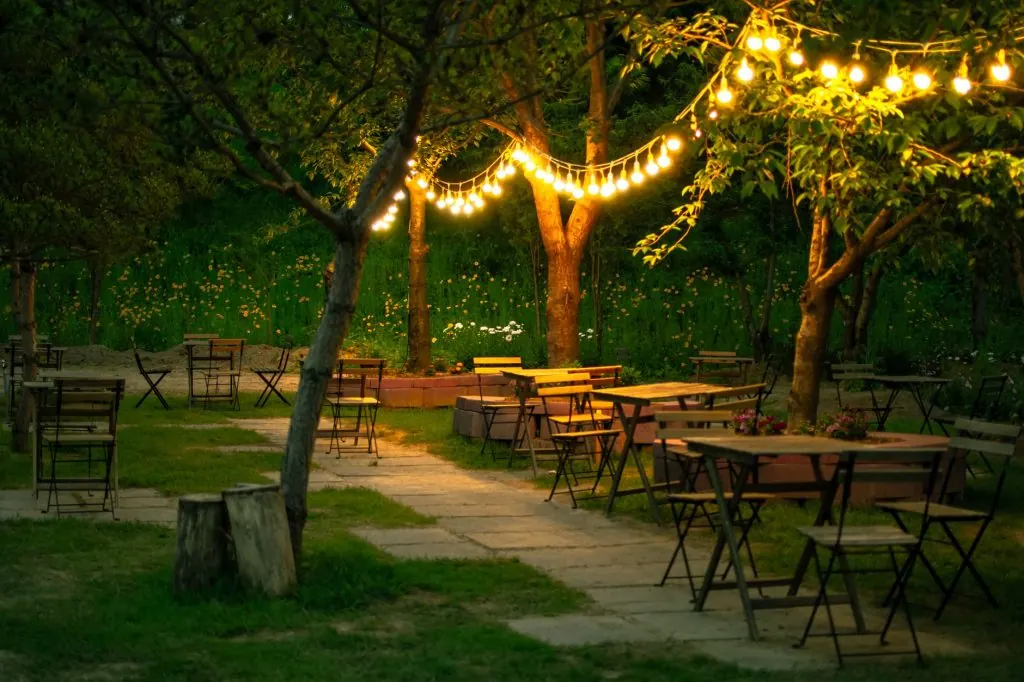
Start with the dining area. Set the table properly. Use cloth napkins, real glasses, and candles. Even if you are eating pasta, make it feel special. If you have a garden, arrange furniture for lounging. Add cushions, string lights, and perhaps a fire pit. Create a zone for relaxation that is distinct from your work or study areas.
Entertainment can also be elevated. Instead of scrolling through streaming services, host a movie night. Project a film onto a wall in the garden or set up a projector in a darkened room. Provide popcorn and themed snacks. For a rainy day, organize a board game tournament or a puzzle challenge. These activities encourage interaction and fun, breaking the monotony of passive screen time.
Cooking can become an adventure. Try a new cuisine each week. If you usually eat simple meals, challenge yourself to make a complex dish. Bake bread, make pasta from scratch, or prepare a traditional dish from a country you have always wanted to visit. The process of cooking becomes part of the holiday experience.
Consider a screen-free day. Dedicate one day a week to no phones, no tablets, and no TV. Read books, listen to music, draw, or talk. This digital detox can be refreshing and helps you reconnect with your household. As suggested in 3 Tips That Will Help You Save Money on Your Travels, reducing consumption and focusing on low-cost, high-engagement activities can enhance your wellbeing significantly.
Day trips by train or bus
One of the joys of a stay at home summer is the ability to explore beyond your immediate neighbourhood without the hassle of driving. Public transport offers a relaxed way to see new places. You can read, watch the landscape change, and arrive refreshed, rather than tired from navigating traffic.
Plan your routes in advance. Check the timetables for trains and buses. Look for off-peak options, which are often cheaper and less crowded. If you travel regularly, consider a railcard or a bus pass that offers discounts. These small savings add up over the summer.
Choose destinations that are within a two-hour journey. This is the sweet spot for a day trip. It is close enough to return home for dinner but far enough to feel like a real change of scene. Look for towns with historic centres, unique shops, or scenic walks. Avoid places that are too popular, as they can be crowded and expensive. Instead, seek out lesser-known villages or industrial towns with a growing arts scene.
When you arrive, walk. Get lost. Follow a river, explore a high street, or visit a local park. Don't rush from one attraction to the next. Sit in a cafe and people-watch. Listen to the sounds of the town. This slow travel approach allows you to absorb the atmosphere.
If you choose to drive, try to avoid peak times. Leave early in the morning or late in the afternoon to beat the traffic. Park in a cheaper peripheral car park and walk into the centre. This can save money and reduce stress. However, for most summer day trips, public transport is the more sustainable and relaxing choice.
Eating out and local food
Food is a central part of any holiday, and staying local offers incredible culinary opportunities. You are not limited to tourist traps or chain restaurants. You can discover independent eateries, farm shops, and street food markets that offer authentic local flavours.
Research local food scenes before you go. Look for reviews from residents, not just tourists. Independent restaurants often have more character and better quality than their corporate counterparts. They are more likely to source ingredients locally, supporting the community and reducing food miles.
Farm shops are a treasure trove of local produce. Visit them for fresh fruits, vegetables, cheeses, and meats. Many offer tastings, allowing you to try before you buy. This is a great way to discover new flavours and ingredients for cooking at home.
Street food markets are vibrant and diverse. They offer a range of cuisines, from traditional local dishes to international fusion. They are perfect for families, as everyone can choose what they want. They are also a social hub, with live music and entertainment often available.
When dining out, don't be afraid to try something new. Ask the staff for recommendations. They know the menu best and can guide you to the best dishes. Share dishes to try more varieties. This communal approach enhances the experience and allows for more variety.
Cooking at home can also be an adventure. Buy ingredients from a local farm shop and create a meal that reflects the region. If you are near the coast, try fresh seafood. If you are in the countryside, look for game or root vegetables. Cooking local food connects you to the place you are visiting, even if it is just a short trip away.
Budgeting a staycation
One of the biggest advantages of a stay at home summer is the ability to control your spending. Without the fixed costs of flights and accommodation, you can allocate your budget more flexibly. However, this requires discipline. It is easy to spend more on small, frequent purchases when you are not on a tight holiday budget.
Set a daily spending limit. Decide how much you are willing to spend on food, activities, and transport each day. Track your expenses using a simple app or a notebook. This awareness helps you stay within your budget and prevents overspending.
Look for free or low-cost activities. Many museums and galleries offer free entry, or have specific free days. Parks, beaches, and walking trails are usually free. Look for local festivals and events, which often have low entry fees. Libraries are also great resources, offering free books, movies, and sometimes even museum passes.
Use discounts where possible. Look for online vouchers, student discounts, or family passes. Many attractions offer reduced prices for children or seniors. Compare prices using a price-comparison site to find the best deals.
Be mindful of impulse buys. Souvenirs, snacks, and drinks can add up quickly. Plan your meals and snacks in advance. Bring water and snacks from home when you go out. This simple step can save a significant amount of money over the summer.
Remember that the goal is enjoyment, not just saving money. If an experience is worth the cost, do not hesitate to spend. But always know your limits and stick to them. This financial control can reduce stress and allow you to enjoy your time more fully.
Making memories
The final, and perhaps most important, aspect of a stay at home summer is creating lasting memories. Holidays are not just about relaxation; they are about moments that stay with you. When you are at home, it is easy to let the days blur together. To avoid this, take active steps to capture and preserve your experiences.
Start a photo walk. Dedicate time each week to take photographs of your surroundings. Focus on details: the light on a building, the flowers in a garden, the faces of people in the park. These images become a visual diary of your summer. They help you see your own town with fresh eyes and appreciate the beauty in the ordinary.
Keep a journal. Write down your thoughts, feelings, and observations. Describe the food you ate, the walks you took, and the conversations you had. This practice enhances your mindfulness and creates a rich record of your time. You can also include ticket stubs, maps, and other mementos.
Try something new each week. This could be a new sport, a new recipe, a new book genre, or a new walking route. Novelty stimulates the brain and creates stronger memories. When you repeat the same routine, your brain files the experience as background noise. By varying your activities, you ensure that your summer feels rich and engaging.
Share your experiences with others. Tell stories about your days out. Show your photos to friends and family. This social sharing reinforces the memories and allows others to share in your joy. It also strengthens your connections with those around you.
Finally, be present. Put down your phone and enjoy the moment. Look at the sky, feel the breeze, taste the food. These simple acts of presence are what make memories vivid and lasting. A stay at home summer is not a compromise; it is an opportunity to slow down, connect, and create a summer that is uniquely yours.
Official sources and further reading
Opening times, entry rules and prices change, so check them on the official sites before you travel:
- VisitBritain: The national tourism agency's guide to places and things to do across Britain.