 By

The crew mess is quiet apart from the hum of the fridge, and a deckhand is eating standing up because the guests have asked to go ashore earlier than planned. Within minutes the tender needs to be in the water, the cushions wiped, the lines checked. Nobody gives a speech about it. The job simply happens around whoever is available and ready. That is the first thing to understand about starting in yachting: it rewards people who turn up prepared, not people who turn up with the best story about wanting to travel.
Getting that first role is mostly a logistics problem. You need the right paperwork, you need to be in the right port at the right moment, and you need a CV and manner that make a captain or chief stewardess think "this person will not be a problem for months in a small space". This guide walks through each of those steps in the order you will meet them.

Who does what on board
A yacht crew is organised into departments, and the department you aim for decides almost everything else: what you train for, what your CV stresses and where you look for work. Most first jobs are in the junior grade of the deck or interior department, with galley and engineering roles asking for more background.
Deck
The deck department looks after the outside of the vessel and its movements. A junior deckhand spends much of the day washing, polishing, varnishing and maintaining the exterior, then switches to handling lines, fenders and the tender when the yacht arrives or leaves a berth. Above the deckhand sit the bosun, who runs the working day on deck, the mate, who handles navigation duties and safety systems, and the captain, who is responsible for the yacht and everyone aboard. Physical stamina matters, but so does a habit of noticing small defects before they become big ones.

Interior
The interior department is responsible for the guest experience: cabins, laundry, table service, flowers, the way a room looks when someone walks into it. A junior stewardess (or steward) works under a chief stewardess, and on larger yachts a purser deals with administration, provisioning records and crew paperwork. Service is the job, but so is invisibility. Guests should never see the effort behind a perfectly made bed or a cleared table.
Galley and engineering
The chef cooks for guests and, depending on the size of the vessel, for the crew too. Larger yachts carry a sous chef or a dedicated crew cook. These posts normally expect professional kitchen experience, not just keen amateur cooking. In engineering, an engineer maintains engines, generators, plumbing and air conditioning, and bigger yachts may add an electro-technical officer for electrical and navigation systems. Engineering roles depend heavily on formal technical qualifications, so people who already hold them have a shorter road in than someone starting cold.
Choosing a lane
Deck and interior are where newcomers most often start, because the entry requirements are lower and the supply of positions is wider. If you are physically capable and happy outdoors, deck is the more natural fit. If you have a service background and an eye for finish, interior is. Some people use the first season as a deckhand or steward to learn how a yacht works, then specialise. Be wary of applying to every department at once: a CV that claims to fit anywhere tends to read as fitting nowhere.
Training, medical and paperwork before you start looking
Employers do not want to train a raw recruit on arrival. Most expect a candidate to turn up with basic safety training already done, a valid medical certificate and travel documents in order. Doing this before you start applying is cheaper in time and nerves than trying to arrange it from a hotel in a busy port.
Basic safety training
The international framework behind this is the STCW convention, which sets standards of training and certification for seafarers. For a first yacht job, "basic safety training" usually means a short group of courses covering surviving at sea, fire prevention and firefighting, first aid, and personal safety and social responsibility. These are taught at approved training centres, in classrooms and in practical sessions such as using firefighting equipment and getting into a liferaft.
Two things surprise newcomers. First, the course is practical and physical, not a tick-box video. Second, a certificate is only worth something if it is issued by a centre approved by the relevant authority and recognised for the flag your future yacht will fly. Requirements differ between flag states and they change, so check with the maritime authority concerned and with the training provider before booking anything.
The medical certificate
Yacht crew must show they are medically fit for service at sea, usually through an examination by a doctor approved by the flag state or maritime authority. The doctor checks things such as eyesight, hearing, general health and conditions that could become dangerous far from a hospital. Different countries issue different certificates and recognise each other to different extents, so a certificate that works for one flag may not be accepted for another. Arrange it early, because a health issue that needs follow-up is far better discovered before you pay to travel.
Documents and extras
Beyond training and medical, expect to need a valid passport with generous remaining validity, copies of your certificates, and any visas or work authorisations relevant to where you will be employed. Sort out vaccination records and a personal travel insurance plan for the job-hunting period, when you are not yet covered by an employer. A driving licence and powerboat or small-craft qualifications can help with tender work.
The same preparation mindset applies to any gap-year-style career experiment, and Spend The Gap Year In The Best Possible Way is useful for thinking about how a season at sea fits into a longer plan.
Hubs, seasons and the difference between day work and permanent jobs
Yachting is seasonal and geographic. Jobs are not evenly spread across the map, they cluster where yachts gather and refit. The Mediterranean season draws vessels to ports around the French and Italian coasts and to the Balearic Islands, while the Caribbean and the east coast of the United States draw them in the colder months. Between those, yachts travel across the Atlantic, which creates its own pattern of hiring and leaving.
A few ports act as informal job markets because crew, agents, suppliers and yachts all sit in one place:
- Antibes, on the French Riviera, is a long-established base for Mediterranean yachts, with crew houses, chandlers and agencies around the old port.
- Palma, on Mallorca, is a major hub for refits, charters and crew who want to be on land between jobs.
- Fort Lauderdale, in Florida, is the main US crew base, with a huge concentration of marine businesses and yacht-related services.
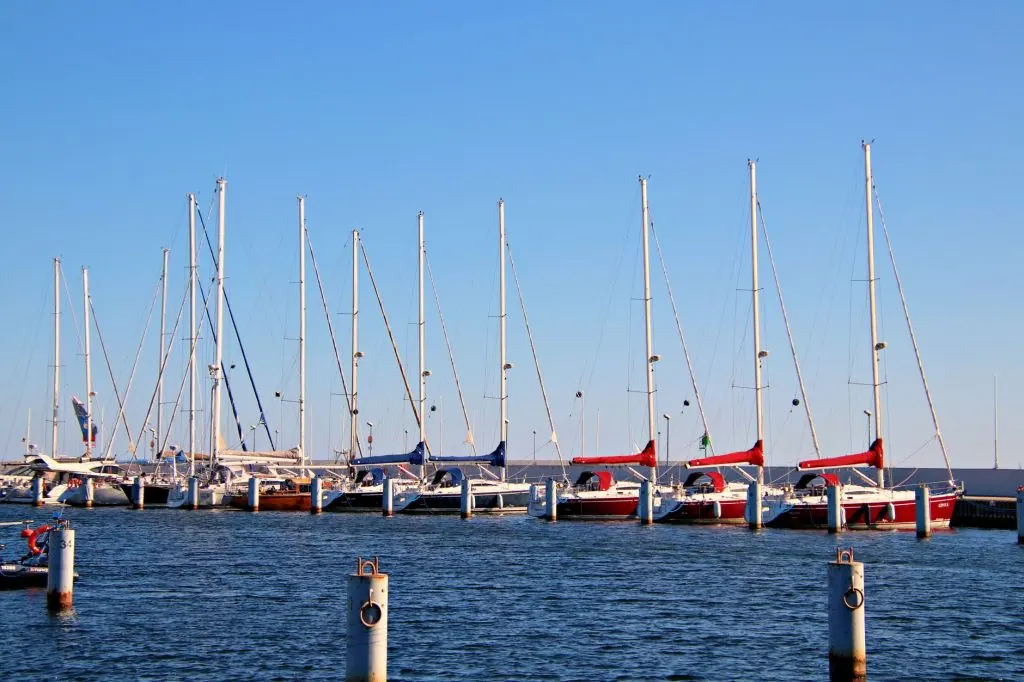
Other Mediterranean and Caribbean ports matter too, but these three give a beginner a realistic place to base themselves, find shared accommodation and meet people already working in the industry.
Day work
Most first-time entrants start with day work, which means short, paid jobs on a yacht in port: washing the hull, polishing stainless steel, cleaning interiors, helping prepare for guests. Day work is how captains and heads of department test new faces without committing to them. It is physical, often repetitive and rarely glamorous, but it is also how people hear about openings and earn a reputation for being reliable. Treat every day as an interview, because that is what it is.
Temporary and permanent
Beyond day work come temporary posts, such as covering a gap or joining for a single charter, and permanent positions, where you join the core crew on a proper employment agreement. Permanent roles give security and a chance to build a track record, but they also tie you to one yacht, one owner and one captain's style. Temporary work gives variety and contacts, but less stability. Many people move between both in the first couple of seasons while they work out what suits them.
Crew agencies and dock-walking
There are two classic ways to be found: through an intermediary, or in person on the dock. Most successful candidates use both.
How crew agencies work
A crew agency is a business that matches candidates with yachts and management companies. You register, upload a CV and photo, list your certificates, and the agency contacts you when something suitable appears. A reputable agency interviews you, checks references and tells you honestly if you are not yet ready for certain roles. In general, legitimate agencies are paid by the employer, not the candidate, and they do not guarantee positions. Registering with several agencies is normal and expected, though you should keep a simple record of where your details are so the same CV does not end up contradicting itself.
Keep your phone on and your email checked. Placements often arrive as short-notice calls, and the person who answers and can be on a yacht the same day usually beats the candidate who replies tomorrow.
How dock-walking works
Dock-walking is exactly what it sounds like: you walk the quays, speak politely to crew on deck, and ask whether the yacht needs day workers or has openings. It is most effective in the hubs during the build-up to a season. Show up in clean, plain, smart clothing, carry a few printed CVs in a folder, and have a short introduction ready. Speak to the person who appears to be in charge of the relevant department, usually the bosun for deck or the chief stewardess for interior, rather than demanding the captain.
Some etiquette is unwritten but important. Do not climb aboard uninvited. Do not block gangways or interrupt crew while they are working. If told there is nothing available, thank them and leave a CV only if they offer to take one. Be especially careful around yachts with guests aboard. Many marinas have rules about access to private pontoons, so follow signs and security instructions.
CV, appearance and the first impression
A yacht CV is not a corporate résumé, and it is judged quickly. A captain or chief stewardess reading dozens of applications will glance at the top for the basics: what role you want, what certificates you hold, where you are and when you can start.
What a good yachting CV contains
- A clear photo, ideally a simple head-and-shoulders shot in neat clothes against a plain background, not a holiday snapshot or sunglasses selfie.
- The role you are targeting, near the top.
- Your certificates and medical, with issuing body and expiry shown plainly.
- A short history of relevant jobs, with specific duties, not slogans.
- Languages you can use professionally.
- Contact details and your current location, so a captain knows whether you can be there tomorrow.
- Skills with practical value on board, such as carpentry, mechanics, silver service or barista training.
Keep it short and honest. Padding the CV with unrelated jobs or invented experience is a bad idea, because the industry is small and people check references.
Presentation in person
Presentation habits matter because crew represent the owner. Neat hair, clean nails and plain, well-kept clothing are the baseline. Visible tattoos and piercings can be an issue on some yachts, and the attitude differs by owner and captain, so ask or keep them discreet while you are job-hunting. Speak calmly, make eye contact, and answer questions directly. A candidate who is polite to the dockside cleaner and the chandlery assistant is making a better impression than they realise, because crew talk.
What life on board is really like
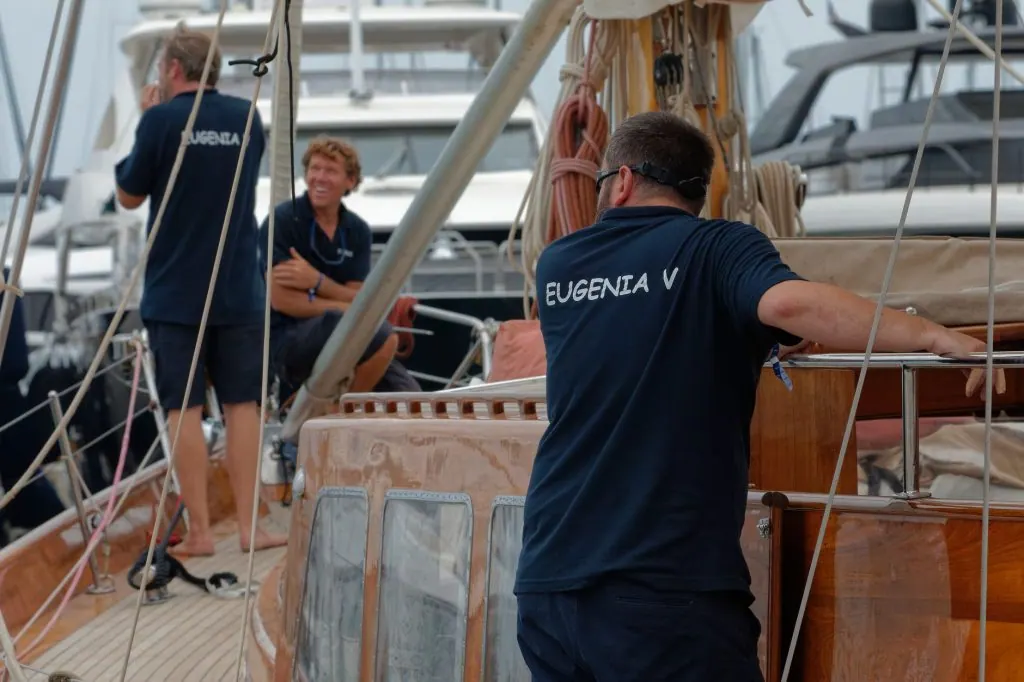
The marketing image of yachting is sun loungers and sunset anchorages. The reality is closer to running a small hotel in a confined space with the same colleagues for long stretches.
Hours and rhythm
Hours are long and irregular, particularly when guests are aboard. Interior crew often start before guests wake and finish after they retire. Deck crew may be washing down at dawn, running tenders through the day and securing equipment at night. When there are no guests, the work shifts to maintenance, deep cleaning, provisioning and training. Rest time is a formal concept in maritime regulation, but real days can still be demanding, so tiredness management is a skill in itself.
Cabins and shared space
Junior crew commonly share a cabin, sometimes with bunk beds and very little storage. Bathrooms may be shared. Bigger yachts offer more space, but newcomers are rarely given the best accommodation. Learn to live tidily, keep noise down when others are sleeping and respect other people's belongings. The crew mess is the social heart of the vessel, and it is where friction either dissolves or grows.
Discretion
Guests and owners expect privacy. What you see, hear and photograph on board is not material for social media or conversation in the bar. Many yachts have rules about phones, photographs and posting online, and breaking them can end a contract. Discretion extends to how you talk about previous yachts as well, since a gossip is not a safe hire.
Tips and service culture
Charter guests sometimes give gratuities, and on many charter yachts these are shared among the crew according to a set arrangement. The details differ by vessel, by employer and by whether the yacht is private or charter. Do not assume that tips are guaranteed or that they will resemble a friend's story. Ask how any gratuity is handled and where it is written down when you are offered a job.
Contracts and shore leave
Seafarers' rights are covered by the Maritime Labour Convention, and crew should receive a written employment agreement that sets out the basics: duties, notice, rest, repatriation and who pays for what. Read it, ask questions and keep a copy. Time ashore depends on the itinerary, and you may find yourself in beautiful ports with only a short window to enjoy them. Those who like the idea of seeing new places between duties might enjoy the contrast with the slower pace described in A Cruise Holiday, Those Extraordinary Moments to Treasure, where the passenger has what the crew mostly do not: free time.
Skills that transfer from hospitality and the trades
Most people who succeed in yachting did not grow up around boats. They arrived with another working skill and learned the marine side on the job.
From hospitality
Hotel, restaurant and bar staff arrive with exactly what the interior department needs: table service, housekeeping routines, laundry and ironing, guest etiquette and an instinct for anticipating needs. Banqueting and fine-dining experience translates to formal service on board. Front-of-house habits such as remembering names and preferences matter too. What you will need to learn is working in a small team where there is no back office and no day off from living with the people you work with.
From trades
Carpenters, painters, electricians, plumbers, welders and mechanics are valuable because a yacht is a collection of systems that go wrong far from a workshop. A deckhand who can repair a varnish finish, refit a cabinet hinge or diagnose a pump problem saves time and money. Mention qualifications and the equipment you can use, and be specific. "Fitted kitchens for several years" tells a bosun more than "good with my hands".
Mistakes and scams to avoid
Because newcomers are eager and often far from home, they attract bad advice and bad actors. Most problems are avoidable if you slow down.
Paying for promises
Be sceptical of any person or website that asks you to pay for a guaranteed job, a "placement", a "priority listing" or a deposit to secure a position. Legitimate employers cover the costs of hiring. Training is a genuine cost, but it should be priced openly and provided by a recognised centre. Check the business name, address and registration, ask other crew about their experience, and never send money or passport copies to a contact you have only met online.
Fake vacancies and impersonation
Fraudsters copy the names of real yachts and agencies and send attractive offers by messaging apps. Warning signs include a recruiter who refuses a call, an offer that arrives without an interview, requests for money for flights or visas up front, and pressure to decide quickly. Verify any offer through the official contact details of the company, not the ones in the message.
Training that does not fit the flag
Booking a cheap or convenient course that is not recognised for the vessels you are targeting is a quiet and expensive mistake. Confirm with the relevant maritime authority and your intended employers what they accept before you commit.
Behavioural mistakes
The common ones are arriving without a plan, living beyond your means in a hub town while waiting for work, drinking heavily on the dock, complaining about junior duties, posting about guests, and turning down day work because it feels beneath you. Each damages a reputation that is built slowly and spread quickly.
Official sources and further reading
Opening times, entry rules and prices change, so check them on the official sites before you travel:
- Royal Yachting Association: Sailing courses, safety and boating information in the UK.