 By
By 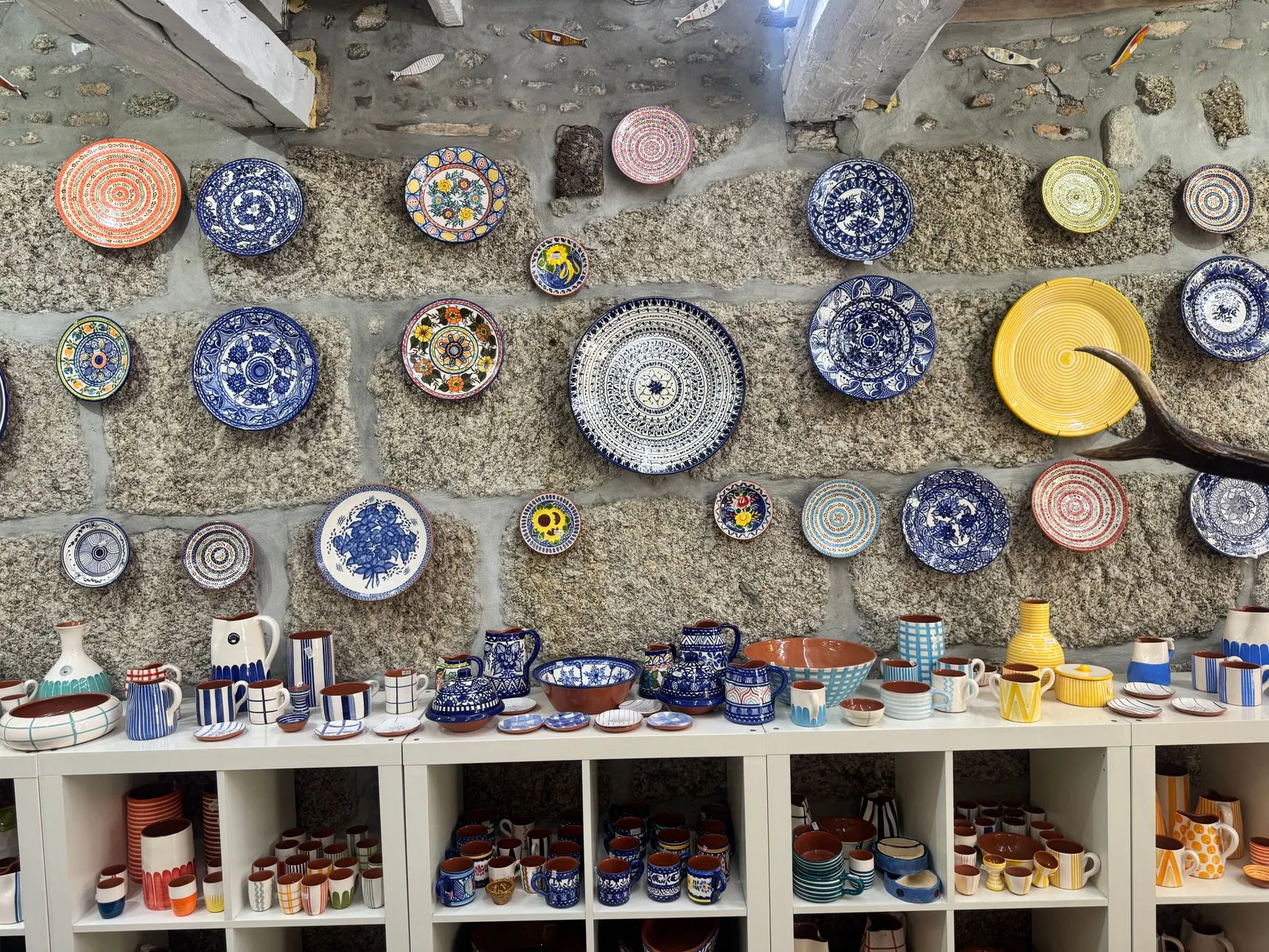
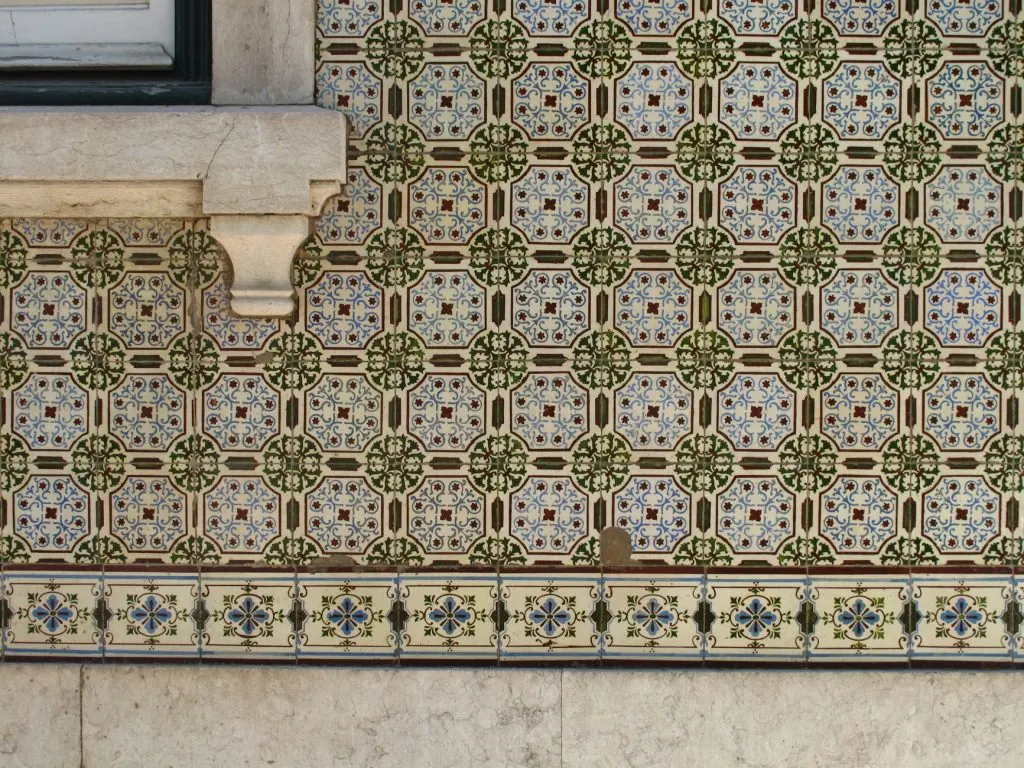
You are standing in a sun-drenched courtyard in Porches, watching a potter’s hands move with practiced ease over a wheel. The air smells of wet clay and damp earth. Nearby, walls are draped in vibrant blue and yellow tiles that catch the light, telling stories of Moorish geometry and colonial trade routes. This is not just a display for tourists; it is a living industry where centuries-old techniques meet modern life. For travellers planning a trip to southern Portugal, understanding this craft transforms a simple shopping trip into a journey through history.
This guide breaks down everything you need to know about Algarvean pottery. We cover the historical shifts in style, where to find genuine pieces, how to distinguish hand-crafted work from mass-produced imports, and practical tips for bringing your new treasures home. Whether you are looking for a small decorative tile or a large functional vase, this Algarvean pottery guide will help you navigate the market with confidence.
The Golden Age of Azulejo
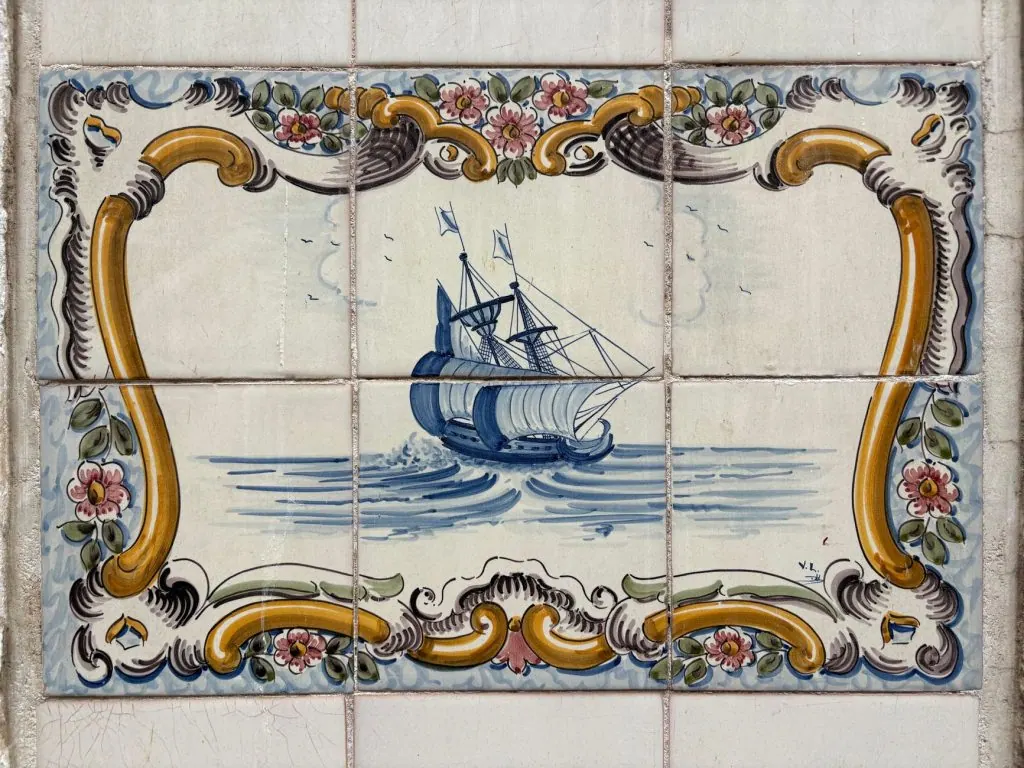
To understand the pottery you see today, you must look back to the 17th and 18th centuries. This period marked the peak of Portuguese tile art, often referred to as the Golden Age of Azulejo. The roots of this art form stretch back even further, to the 15th century, when Arab artisans introduced the region to dry-string tiles. These early tiles were single-coloured and featured geometric patterns, designed to cover walls and floors. The Portuguese adopted this technique, adapting it to their own aesthetic sensibilities. The word Azulejo itself is derived from Arabic, meaning polished stone.
By the 1600s, the craft had evolved significantly. Artisans began adding more colour, developing a polychrome tin-glazed style that became the hallmark of the region. This innovation allowed for more complex and vivid designs, moving beyond simple geometry to include floral motifs, historical scenes, and intricate borders. The demand for these tiles soared, not only within Portugal but also in its South American colony of Brazil, where they were used extensively in churches and palaces.
However, this period of intense popularity was followed by a long decline. For hundreds of years, the craft faded into relative obscurity as industrialisation changed manufacturing processes. It was not until the late 1960s that a revival began. Artisans like Patrick Swift, Lima de Freitas, and Gregorio Rodrigues played a crucial role in resurrecting these traditional methods. They ensured that the knowledge of tin-glazing and hand-painting was not lost to time. Today, when you see the bright, white-base tiles with loud, colourful decorations, you are seeing the direct result of this historical evolution. The geometric influences of the Arab world have blended seamlessly with the polychrome styles of the colonial era, creating a unique visual language that defines Algarvean pottery.
Where to Find Authentic Pottery
Finding genuine Algarvean pottery requires knowing where to look. The region is dotted with workshops, studios, and shops, but the quality and authenticity vary significantly. If you want to see the craft in action, the area around Porches is essential. Here, you will find traditional workshops that still use the old methods. These are not just retail spaces; they are working studios where you can watch artisans at the wheel.
Tavira is another key location for ceramic lovers. The town has a strong tradition of ceramics, and visiting its workshops offers a different perspective on the craft. The styles here often reflect the historic character of Tavira itself, with pieces that feel deeply connected to the local heritage. You will find everything from functional kitchenware to decorative tiles that echo the architecture of the historic centre.
Lagos offers a different experience. While it has its share of authentic artisan studios, it also has a higher concentration of tourist-focused shops. These stores are convenient and well-stocked, but you need to be more discerning about what you buy. The distinction between hand-painted local ware and mass-produced imports is crucial here. Walking through the historic centre of Lagos, you will find a mix of both. The key is to look for signs of craftsmanship: slight imperfections in the glaze, variations in the hand-painted lines, and the weight of the clay.
Porches remains the most famous site for visitors. The original workshop, developed in an old 17th-century farmhouse, is a must-visit. It is here that the legacy of Swift, de Freitas, and Rodrigues continues. The area around Porches is dense with pottery-related businesses, creating a hub of activity. If you are serious about buying authentic pieces, this is where you should start. The concentration of expertise means you can compare styles and techniques side by side, helping you make a more informed decision.
How to Visit Porches Pottery
Porches Pottery is the most prominent destination for those interested in Algarvean pottery. Located in a beautifully preserved 17th-century farmhouse, the site offers a direct connection to the revival of the craft. The facility is managed by the Swift family, who have kept the traditional methods alive for decades. Visiting here is not just about shopping; it is about witnessing the process.
The workshop is set in a rustic environment that reflects the agricultural history of the area. As you walk through the grounds, you will see the different stages of production. Artisans are often seen working at wheels, shaping clay into various forms. The drying areas are filled with pieces in various stages of completion, giving you a sense of the volume and variety of work produced here.
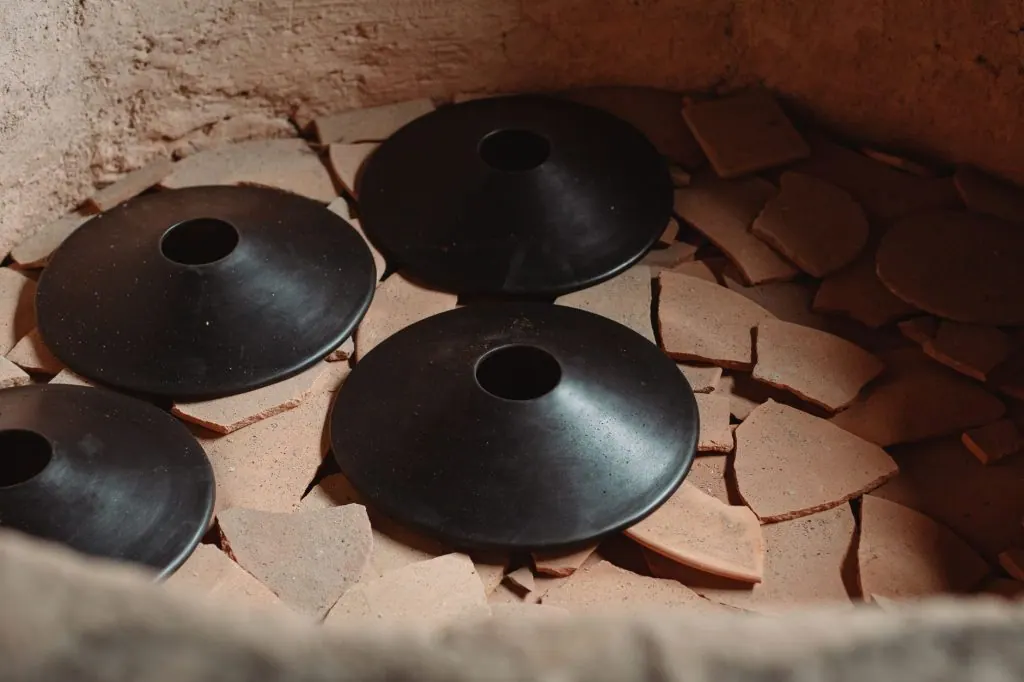
One of the highlights of the visit is the firing process. The traditional kilns are still in use, and watching the firing can be a fascinating experience. The heat and the transformation of the clay into ceramic are visible to the keen observer. The glazing process is equally important. Fired earthenware is dipped into a tin-based glaze, which provides a bright, white base. This base is essential for the subsequent decoration, allowing the colours to pop and remain vibrant.
The Swift family has ensured that the workshop remains a place of learning as well as production. Guides are often available to explain the history of the site and the specific techniques used. This adds depth to the visit, helping you appreciate the skill involved in creating each piece. Whether you are buying a small souvenir or a large decorative item, understanding the process at Porches Pottery enhances the value of your purchase. It is a tangible link to the artisans who saved the craft from extinction.
Understanding the Craftsmanship
The technical aspects of Algarvean pottery are what set it apart from mass-produced ceramics. The base material is earthenware, a type of clay that is porous and absorbs water. This characteristic makes it ideal for functional items like pots and planters, as it allows roots to breathe. However, it also requires careful handling to prevent cracking.
The tin-glazing technique is the heart of the craft. After the clay is shaped and fired once to become bisque, it is dipped in a glaze made from tin oxide. This creates a smooth, opaque white surface. The tin glaze is crucial because it provides a neutral canvas that enhances the colours applied on top. Without this step, the bright blues, yellows, and greens that characterise Algarvean pottery would not have the same vibrancy.
Once the glaze has dried, artisans hand-paint the designs. This is where the individuality of each piece comes into play. Unlike machine-printed tiles, hand-painted work has subtle variations. The brushstrokes may vary in thickness, and the application of colour may have slight irregularities. These are not defects; they are signs of human touch. The designs often draw from the Azulejo history, featuring geometric patterns, floral motifs, and sometimes whimsical scenes.
The final firing locks the glaze and paint into the clay. This process is done at high temperatures, ensuring that the colours are permanent and the piece is durable. The result is a ceramic that is both decorative and functional. Many pieces are designed for daily use, from kitchenware to bathroom accessories. The durability of the tin-glaze makes it resistant to scratches and fading, ensuring that your pottery remains beautiful for years.
Best Towns for Ceramic Lovers
Different towns in the Algarve offer distinct experiences for pottery enthusiasts. Tavira stands out for its historical depth. The town’s ceramic style often mirrors its architectural heritage, with pieces that feel rooted in the past. Visiting Tavira allows you to see how the craft integrates with local history. The workshops here often produce pieces that are more traditional in design, appealing to those who appreciate classic Azulejo patterns.
Lagos, by contrast, caters more to the tourist market. The shops here are abundant and varied. You will find everything from high-end artisan pieces to affordable souvenirs. The advantage of Lagos is the convenience; you can find a wide range of products in a small area. However, this also means you need to be vigilant. The tourist-focused shops may stock mass-produced imports that look similar to local ware but lack the craftsmanship. Exploring the side streets of Lagos can lead you to smaller, more authentic studios where the quality is higher.
Porches is the epicentre of the craft. The historic workshops here offer the most authentic experience. The styles here are diverse, ranging from traditional geometric designs to contemporary interpretations. The proximity of multiple workshops means you can compare styles and prices easily. It is also a great place to see the full production cycle, from clay to finished product.
Albufeira is another town worth noting, though it is more known for its beaches than its ceramics. While you can find pottery shops here, they are often geared towards quick sales to tourists. The selection may be limited compared to Tavira or Porches. If your primary goal is to explore the craft, it is better to spend your time in the towns with deeper ceramic traditions. However, Albufeira’s market places can offer interesting finds, especially if you are willing to haggle and inspect items carefully.
What to Buy and How to Pack
Choosing the right piece depends on your space and budget. Small tiles are ideal for travellers who want a souvenir that is easy to transport. They are lightweight, affordable, and can be displayed easily at home. Vases and bowls are more substantial but require careful packing. Large vases are striking but fragile and difficult to fit into luggage.
When selecting a piece, inspect it closely. Look for cracks, chips, or uneven glazing. If you are buying a functional item, check the base for smoothness. Hand-painted pieces should have clear, deliberate brushstrokes. Avoid items that look too perfect, as this may indicate machine production.
Packing fragile ceramics requires planning. Most major shops offer packaging services, which is highly recommended. They use bubble wrap, cardboard inserts, and sturdy boxes to protect your purchases. If you buy from a smaller workshop, they may offer basic wrapping, but you might need to buy additional materials. When packing your own items, use clothing to cushion the pieces. Wrap each item individually and place them in the center of your suitcase, surrounded by soft items like towels or sweaters.
For larger items, consider shipping. Many workshops offer shipping services to international destinations. This can be more cost-effective and safer than carrying large vases on a plane. Check the weight limits of your airline and the cost of shipping beforehand. Some shops may charge a daily fee on top of the room rate for storage if you are staying nearby, so ask about this if you plan to buy multiple items.
Combining Pottery with Algarve Travel
Integrating pottery visits into your Algarve itinerary enhances the travel experience. Start your trip in Porches. The concentration of workshops makes it an efficient first stop. You can watch the artisans at work and make your initial purchases. This sets a baseline for quality, helping you identify authentic pieces in other towns.
Next, head to Tavira. The drive offers scenic views of the region. In Tavira, explore the historic centre and visit the ceramic workshops. The contrast between the modern tourism of Lagos and the historic charm of Tavira is striking. This comparison helps you appreciate the diversity of the craft.
The beaches of Albufeira provide a relaxing break. After a morning of shopping and sightseeing, a day at the beach allows you to reflect on your purchases. The market places in Albufeira can be a good place to find last-minute souvenirs, but be prepared for higher prices and lower quality compared to Porches or Tavira.
End your trip in Faro. The historic center of Faro is rich in culture and history. Visiting the local museums or galleries can provide further context for the pottery you have seen. It is also a good place to buy any remaining items, as the shops here cater to a more discerning local clientele. This itinerary balances relaxation with cultural exploration, ensuring you get the most out of your time in the region.
Costs and Budget Tips
The cost of Algarvean pottery varies widely. Small tiles and keychains are affordable and make great gifts. These items are often mass-produced, but even the hand-painted versions are reasonably priced. Mid-range items, such as plates and small vases, offer a good balance between quality and cost. These are often hand-crafted and represent the true spirit of the craft.
Investment pieces, such as large decorative tiles or intricate vases, can be significantly more expensive. These items are often created by renowned artisans and may have artistic value beyond their utility. If you are looking for a piece to collect or display prominently, these are worth the investment.
To save money, buy directly from the workshops. Shops in tourist hotspots often mark up prices to cover rent and marketing costs. Visiting Porches or Tavira allows you to buy at source. Bargaining is less common in fixed-price shops but may be possible in market stalls. Be polite and respectful when negotiating.
Consider the season. Prices may be higher during peak tourist months. Visiting in the shoulder season can offer better deals and a more relaxed shopping experience. Also, check if the workshop offers any discounts for bulk purchases. Some places may offer a reduced price if you buy multiple items.
Common Mistakes to Avoid
One of the most common mistakes is buying mass-produced imports without realising it. Many shops sell tiles and pots that are made in factories elsewhere and shipped to the Algarve. These items look similar but lack the craftsmanship and durability of local ware. To avoid this, look for signs of hand-painting. The lines should be slightly irregular, and the colours should have depth.
Another pitfall is ignoring the weight and texture of the clay. Earthenware is heavier than stoneware or porcelain. If a piece feels unusually light, it may be a lower-quality import. Also, check the base. Hand-crafted pieces often have a rougher, unglazed base, while mass-produced items may have a smooth, uniform finish.
Do not assume that all shops in tourist areas are authentic. Lagos and Albufeira have many shops that cater to tourists with lower-quality goods. Take the time to explore the side streets and visit the workshops directly. This effort will pay off in the quality of your purchases.
Finally, do not forget to pack carefully. Even with professional packaging, items can break during transit. Inspect your purchases before leaving the shop. If you notice any damage, ask for a replacement or additional padding. Taking these precautions ensures that your souvenirs arrive home intact.
By understanding the history, techniques, and market dynamics of Algarvean pottery, you can navigate the region’s ceramic scene with confidence. From the historic workshops of Porches to the vibrant streets of Tavira, the craft offers a tangible connection to the region’s rich cultural heritage. Whether you are a collector or a casual traveller, the pottery of the Algarve provides a lasting reminder of your journey.
Official sources and further reading
Opening times, entry rules and prices change, so check them on the official sites before you travel:
- Visit Portugal: Portugal's official tourism site, including the Algarve.