By
By 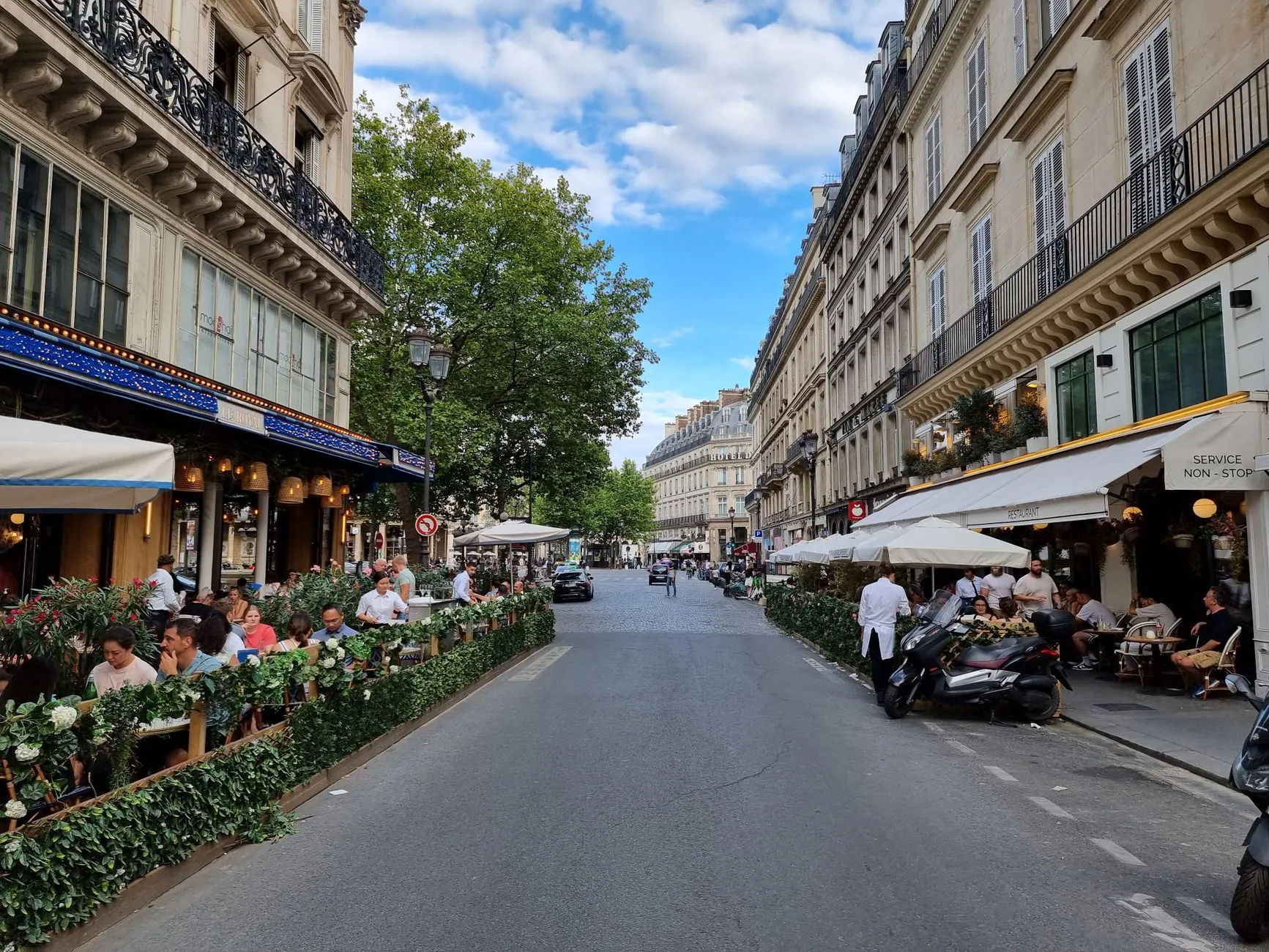
You are standing in a queue that snakes around a historic monument, sweating through your shirt, while the person ahead of you fumbles with a paper ticket. It is a scene familiar to anyone who has visited Paris in high season. Yet, step just a few blocks away, and the city opens up into quiet courtyards, sun-dappled plazas, and cafés where the coffee is actually good. France rewards those who look beyond the postcard. It is a country where history sits comfortably next to contemporary life, and where the quality of food, wine, and art is consistently high across the board. Whether you are after a luxury spa break or a rugged hiking trip, the country delivers. This guide cuts through the noise to help you plan a trip that fits your time, budget, and travel style.
Why France Remains a Top Global Destination
France continues to dominate travel lists because it offers a level of infrastructure and variety that few other countries can match. It is not just about the Eiffel Tower or the Louvre. It is about the way the country is put together. You can spend a morning wandering through medieval streets in a small town, have lunch in a bustling market square, and then take a high-speed train to a modern city by evening. The transition between regions is smooth, and the cultural depth is immense.
The country blends iconic landmarks with diverse regional experiences. You might start in the capital, soaking in the artistic heritage, then head south to the Mediterranean coast for sea air and relaxed pacing. Or you could head west to the wine regions, where the landscape is defined by vineyards and historic châteaux. This variety means that a return visitor rarely sees the same France twice. The infrastructure supports this movement. Trains connect major hubs efficiently, airports handle international traffic seamlessly, and even rural areas have developed a network of services that cater to tourists without losing their local character.
When you plan your trip, think about what you want to experience rather than just where you want to go. France is large. Trying to do everything in one trip often leads to fatigue. Instead, focus on a theme or a region that aligns with your interests. If you love history, the Loire Valley is essential. If you prefer food and wine, the south-west offers a different pace. If you want vibrant city life with beach access, the Côte d'Azur is the place to be. By narrowing your focus, you can experience the best of what each area has to offer without rushing. This approach allows you to engage with the local culture rather than just observing it from a bus window. For more ideas on how to structure your days, see our guide on Fantastic France In All Its Glory, 3 Must Visit Places.
The Best Time to Visit France for Every Traveler
The timing of your visit shapes your experience significantly. France is a four-season destination, and each period offers distinct advantages and trade-offs. Understanding these differences helps you avoid crowds and get the most out of your trip.
Spring: Mild Weather and Fewer Crowds
Spring, from April to June, is often the sweet spot for many travellers. The weather is mild, with temperatures that are comfortable for walking and sightseeing. The countryside is green, and flowers are in bloom, particularly in the gardens and parks. Crowds are noticeably lighter than in summer, especially in April and early May. You can often get last-minute bookings for restaurants and hotels, and the lines at major attractions are shorter. It is an ideal time for city breaks and hiking in the countryside. However, the weather can be unpredictable. Pack layers and a waterproof jacket. Rain is common, but it often passes quickly, leaving behind fresh air and bright skies.
Summer: Festivals, Beaches, and Heat
July and August are peak months. The country is alive with festivals, outdoor concerts, and beachgoers. The energy is high, but so are the prices and the crowds. Paris can be hot and crowded, with long queues for museums and landmarks. The south coast is packed with tourists enjoying the Mediterranean. If you visit during this time, book accommodation and popular restaurant tables well in advance. The heat can be intense, so plan indoor activities for the hottest part of the day. Summer is also the best time for beach holidays and water sports. The sea is warm, and the days are long. However, some businesses in smaller towns close for the August holiday period, so check opening times if you are travelling to rural areas.
Autumn: Wine Harvests and Colours
September and October bring a different rhythm. The crowds thin out, and the weather remains pleasant. This is the season of the grape harvest in wine regions like Bordeaux and Burgundy. Vineyards are busy, and many estates offer special tours and tastings to celebrate the vintage. The autumn colours are stunning, particularly in the Loire Valley and the Dordogne. It is a great time for food and wine enthusiasts. The air is crisp, and the light is beautiful for photography. Accommodation prices often drop after September, making it a more budget-friendly option.
Winter: Skiing and Christmas Markets
December brings Christmas markets to cities like Strasbourg, Mulhouse, and Paris. These markets are charming, with wooden stalls selling crafts, mulled wine, and seasonal treats. The atmosphere is festive and cozy. If you enjoy winter sports, the Alps and the Pyrenees offer excellent skiing from December to March. The mountains are covered in snow, and the resorts are well-equipped for all levels. Cities are less crowded in winter, offering a more relaxed pace. Museums and galleries are less busy, allowing for a more immersive experience. However, days are shorter, and the weather can be cold and damp, especially in the north. Pack warm clothing and check weather forecasts before heading to the mountains.
Navigating France: Getting There and Getting Around
Getting to France is straightforward, with major airports in Paris, Nice, Lyon, and Marseille handling international flights. Once you are in the country, the transport network is efficient and well-connected. The key is to choose the right mode of transport for your itinerary.
High-Speed Rail: The TGV Network
The TGV (Train à Grande Vitesse) is the backbone of intercity travel in France. It connects major cities like Paris, Lyon, Marseille, and Bordeaux with speed and comfort. Trains are punctual, clean, and offer ample legroom. Booking in advance can save money, especially for long distances. The TGV network is reliable, but trains can be busy during peak times. Always book seats if you prefer a specific coach or window view. For regional travel, the TER (Transport Express Régional) network covers smaller towns and rural areas. TER trains are slower but essential for reaching villages and countryside attractions. They are affordable and frequent, making them a good option for local exploration.
Airports and City Access
Paris has two main airports: Charles de Gaulle (CDG) and Orly. CDG handles most international flights, while Orly serves more domestic and European routes. Both airports have excellent connections to the city centre. The RER train from CDG is fast and direct, while Orly has a shuttle bus and metro connection. Budget airlines often use Orly or Beauvais, so check your arrival airport carefully. Beauvais is further from Paris, requiring a bus transfer that can take over an hour. Factor this time into your itinerary.
Renting a Car for Rural Exploration
Renting a car offers flexibility, especially for visiting rural areas, wine regions, and small villages that are hard to reach by train. It is ideal for the Loire Valley, Dordogne, and Provence. However, driving in cities like Paris can be challenging due to narrow streets, traffic, and parking costs. Many hotels charge extra for parking, and some historic centres are pedestrian-only. If you plan to drive, book your car in advance for better rates. Consider renting a smaller car for easier manoeuvring in tight spaces. Automatic transmission cars are available but often more expensive. Manual transmission is the standard.
Practical Tips for Transport
Always validate your train tickets before boarding if you are using older TER trains, as fines are common. Keep digital tickets handy, but have a backup printout just in case. For city travel, metro and bus passes are cost-effective if you plan to move around frequently. In Paris, the Navigo pass is a good option for extended stays. In other cities, single tickets or day passes are usually sufficient. Check local transport apps for real-time updates and route planning.
Paris: Beyond the Eiffel Tower
Paris is often the first stop for visitors, and it is easy to get stuck in the tourist trail. While the Eiffel Tower and the Louvre are must-sees, the city offers much more. To make the most of your time, plan your visits strategically and explore neighbourhoods that are less crowded.
Essential Experiences
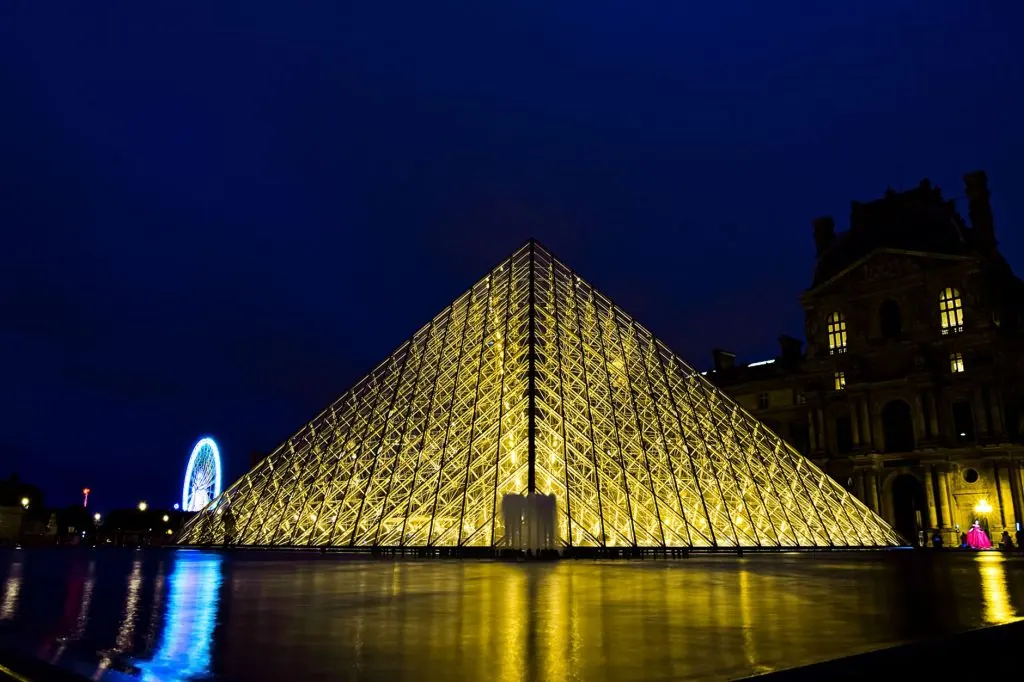
The Louvre is home to thousands of works of art, but it is also massive. To avoid overwhelm, pick a few sections to focus on, such as the Egyptian antiquities or the French paintings. Book a timed entry slot to skip the longest queues. The Musée d'Orsay, housed in a former railway station, is a smaller alternative for Impressionist art. It is more manageable and often less crowded. Montmartre offers a bohemian atmosphere with cobblestone streets, artists in the Place du Tertre, and the stunning Sacré-Cœur basilica. The views from the steps are worth the climb, but the area can be busy. Visit early in the morning for a quieter experience.
Hidden Gems and Local Districts
The Marais district is a favourite among locals and visitors alike. It is known for its historic architecture, trendy shops, and vibrant nightlife. The area is packed with galleries, boutiques, and cafés. It is a great place to spend an afternoon wandering and people-watching. The Latin Quarter is another vibrant area, known for its student life, bookshops, and historic sites like the Panthéon. It is lively, especially in the evening, with many restaurants and bars. The Canal Saint-Martin is a quieter spot, perfect for a leisurely stroll or a picnic by the water. It is less touristy and offers a glimpse of local life.
Avoiding Peak Crowds
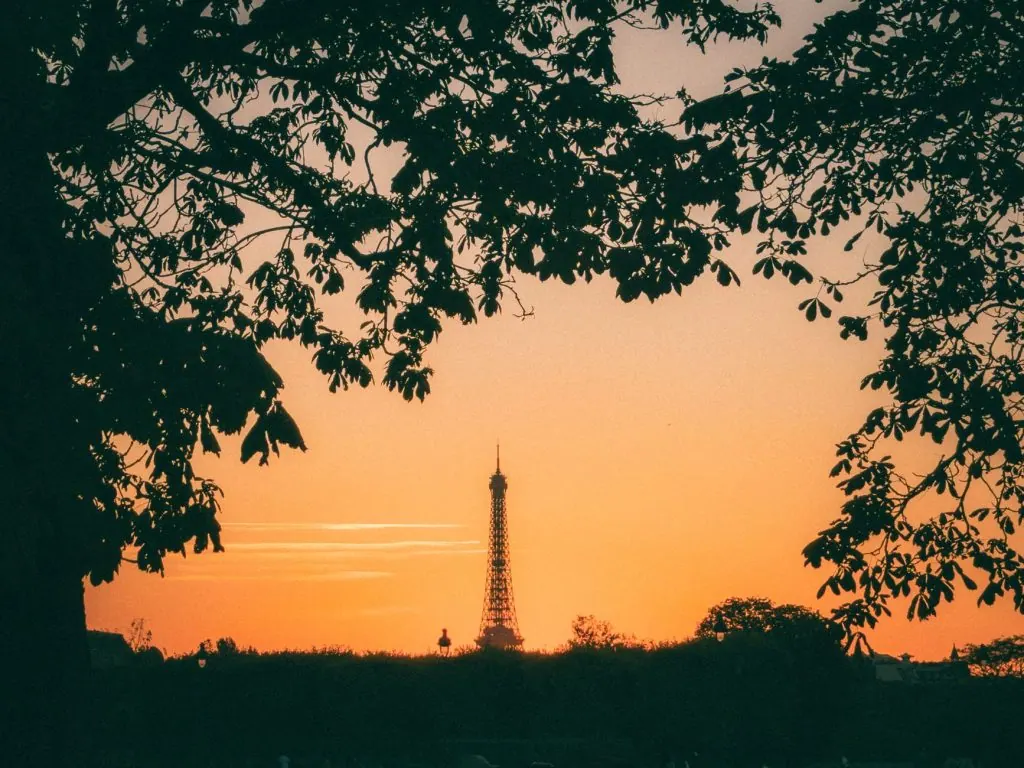
The Eiffel Tower is best visited early in the morning or late in the evening. Midday is the busiest time, with long queues and heat. Consider booking a ticket to the summit for panoramic views, but be prepared for security checks. The Seine riverbanks are great for a picnic or a walk, especially in the evening when the lights are on. Many bridges are pedestrian-only and offer beautiful views of the city. Avoid rushing through Paris. Take time to sit in a café, watch the world go by, and absorb the atmosphere. The city rewards slow travel.
Practical Paris Tips
Book museum tickets online in advance to save time. Use the metro for efficient travel, but be aware of pickpockets in crowded stations. Keep valuables secure and stay alert. For dining, look for places with menus in French or a mix of locals and tourists. Avoid restaurants with large groups of tourists in the main square. Walk a few blocks away for better quality and prices. Paris is a city of neighbourhoods, each with its own character. Explore beyond the central arrondissements to discover hidden gems.
The French Riviera and Southern Charm
The south of France is defined by its light, its sea, and its relaxed pace. The Côte d'Azur, or French Riviera, is famous for its glamour, but it also offers historical depth and natural beauty. The region stretches from the Italian border to Marseille, encompassing cities, villages, and coastline.
The Glamour of the Côte d'Azur
Nice is the largest city on the Riviera and a great base for exploring. The Promenade des Anglais is iconic, offering sea views and a lively promenade. The Old Town (Vieux Nice) is a maze of narrow streets, markets, and restaurants. It is a sensory overload of colours, smells, and sounds. Cannes is known for its film festival and luxury yachts, but it is also a charming town with a historic castle and a pleasant beach. The Croisette is the main avenue, lined with high-end boutiques and hotels. It is busy in May and September during festival seasons, but quieter at other times.
Provence: Lavender and History
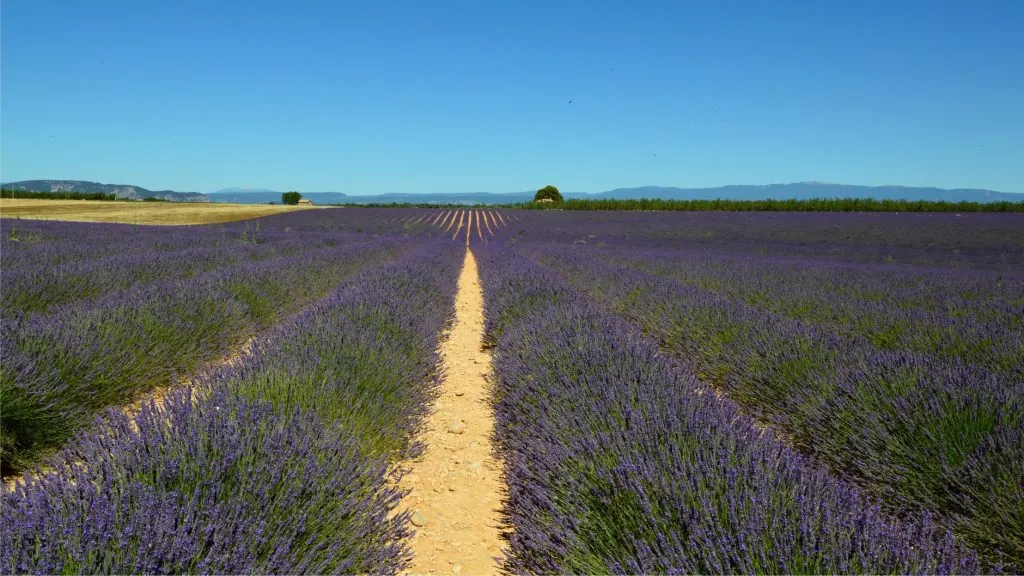
Inland from the coast lies Provence, known for its lavender fields, vineyards, and historic villages. The Valensole plateau is famous for its purple lavender fields, which bloom in July and August. It is a popular spot for photography, so visit early in the morning to avoid crowds. The villages of Gordes, Roussillon, and Saint-Emilion are stunning, with stone houses and panoramic views. They are charming but can be crowded in summer. Visit in May or September for a more peaceful experience. The calanques near Marseille are a series of fjord-like inlets with turquoise water and white limestone cliffs. They are perfect for hiking and swimming. Access is by foot or boat, and the trails can be steep. Wear good shoes and bring water.
Marseille: A Cosmopolitan Hub
Marseille is France’s oldest city and a port of entry. It is vibrant, diverse, and full of energy. The Vieux-Port is the heart of the city, with fish markets, boats, and restaurants. The MuCEM museum is a striking architectural landmark that houses cultural exhibits. The city has a rich history and a mix of cultures, reflected in its food and architecture. It is a great place to try regional dishes like bouillabaisse, a fish stew that originated here. The surrounding area offers hiking trails, beaches, and nearby islands like If and Port-Cros.
Practical Tips for the South
The south is sunny and warm, but the Mistral wind can be strong. Pack layers and a windproof jacket. Sun protection is essential in summer. Renting a car is recommended for exploring the hinterland and villages. Public transport is available in cities but limited in rural areas. Book accommodation in advance for July and August, especially near the coast. Prices rise significantly during peak season. Consider staying in a town further inland for a quieter experience and lower costs. The south is a region of contrasts, from glitzy resorts to rustic villages. Take time to explore both.
Wine Country and Historic Castles
France is synonymous with wine, and the country’s wine regions are destinations in their own right. The Loire Valley, Bordeaux, Burgundy, and Champagne each offer unique landscapes, architecture, and tasting experiences. Visiting these regions provides insight into French culture and history.
The Loire Valley: Castles and Rivers
The Loire Valley is known as the Garden of France, with its châteaux, vineyards, and gentle rivers. The castles, such as Chambord, Chenonceau, and Amboise, are architectural marvels. They reflect the Renaissance era and the power of French kings. The region is also famous for its white wines, particularly Sancerre and Pouilly-Fumé. Cycling is a popular way to explore the valley, with dedicated paths along the river. The towns of Tours, Amboise, and Saumur are great bases for visiting the châteaux. Book castle tickets in advance, especially during summer. Many châteaux offer guided tours and audio guides in multiple languages.
Bordeaux: Wine and Architecture
Bordeaux is a city of elegance, with wide boulevards, classical buildings, and a vibrant wine culture. The wine region around the city produces world-renowned reds. Visits to vineyards often include tastings and tours of the cellars. The city itself has a UNESCO World Heritage site, with the Place de la Bourse and the Miroir d’Eau being highlights. Bordeaux is also known for its food scene, with fresh seafood and high-quality produce. The city is walkable, and the tram system is efficient. Many wine estates offer accommodation, allowing for immersive experiences. Book tastings in advance, as popular estates fill up quickly.
Burgundy: Vineyards and Villages
Burgundy is a region of rolling hills, vineyards, and historic towns. The wine here is known for its complexity and terroir. The towns of Dijon, Beaune, and Chalon-sur-Saône are key stops. Beaune is home to the Hospices de Beaune, a historic hospital and wine auction house. The region is also famous for its mustard and cuisine. Burgundy is less crowded than Bordeaux or the Loire, offering a more tranquil experience. Cycling routes connect many vineyards, making it a great destination for active travellers. Book restaurant reservations in advance, especially in Beaune and Dijon.
Champagne: Bubbles and History
Champagne is the region north of Paris, known for its sparkling wine. The cities of Reims and Épernay are the centres of production. Many champagne houses offer tours and tastings, showcasing the traditional method of making sparkling wine. The Reims Cathedral is a UNESCO site and a coronation site for French kings. The region has a deep history and a strong sense of place. Visiting a champagne house is a highlight for many travellers. Book tours in advance, as they are popular and limited in capacity. The landscape is beautiful, with vineyards and historic villages. It is a region best explored by car or train.
Practical Tips for Wine Travel
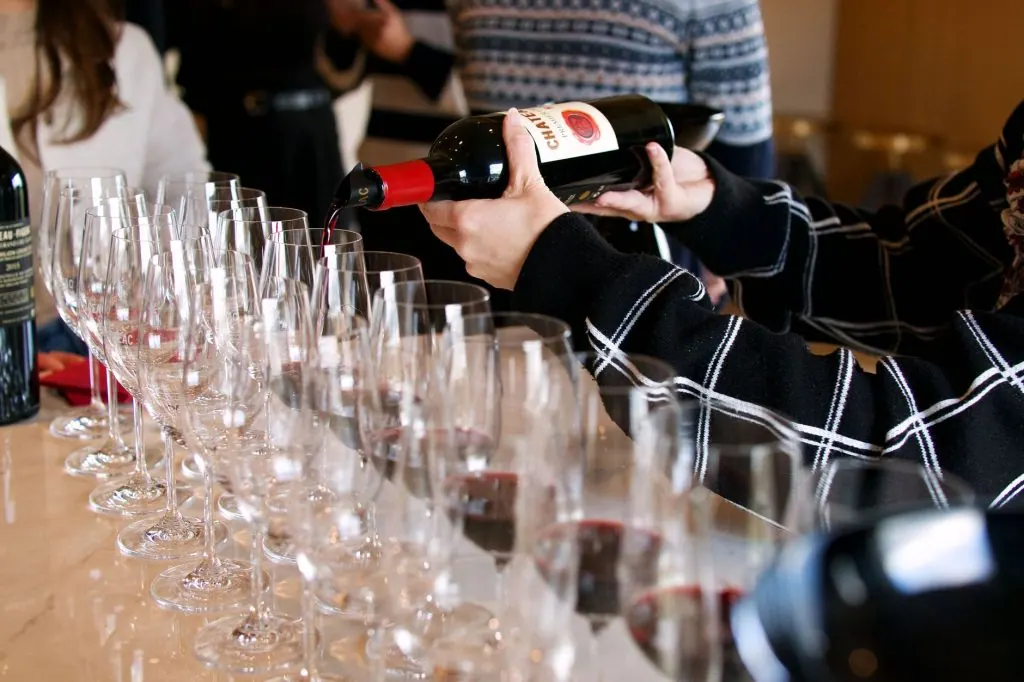
Wine regions can be hot in summer, so visit in spring or autumn for comfortable weather. Many vineyards are family-run and may have limited hours. Check opening times before visiting. Some estates require appointments for tastings. Bring a bottle of water and wear comfortable shoes, as vineyard tours often involve walking. If you plan to drink, consider hiring a driver or using local transport. Many regions have shuttle services for wine tourists. Tasting is free in many places, but some charge a fee, especially for premium wines. Support local producers by buying bottles to take home.
France’s Culinary Landscape: From Street Food to Michelin Stars
French cuisine is diverse and regional. It is not just about fine dining; it is about fresh ingredients, traditional techniques, and local flavours. From crêpes in Brittany to bouillabaisse in Marseille, every region has its specialties. Understanding the dining culture helps you navigate menus and enjoy meals fully.
Classic Bistros and Crêperies
Bistros are the heart of French dining. They serve simple, hearty dishes like steak frites, coq au vin, and ratatouille. The atmosphere is casual, and the food is reliable. Crêperies are found throughout France, especially in Brittany. They offer sweet and savoury crêpes, perfect for a quick meal. Look for places with a chalkboard menu and a local crowd. These spots are often the most authentic and affordable.
Regional Specialties
Each region has unique dishes. In the south-west, duck confit and cassoulet are staples. In Provence, ratatouille and tapenade are popular. In the Alps, fondue and raclette are warming winter dishes. Marseille is known for bouillabaisse, a fish stew that requires fresh seafood. In the north, carbonnade flamande is a rich beef stew with beer. Exploring these regional dishes gives you a taste of local history and ingredients. Ask locals for recommendations, as they often know the best spots.
Michelin Stars and Fine Dining
France has the highest number of Michelin stars in the world. Fine dining is an art form, with emphasis on presentation, technique, and service. A Michelin-starred meal is an experience, often multi-course and expensive. It is worth trying for special occasions. Look for étoilés restaurants in major cities and tourist areas. Many offer tasting menus, which are more affordable than à la carte options. Service is impeccable, and the atmosphere is formal. Dress smartly, as some restaurants have dress codes.
Dining Culture and Etiquette
Dining in France is a ritual. Meals are longer than in other countries, and rushing is frowned upon. Lunch is typically from 12 pm to 2 pm, and dinner from 7:30 pm onwards. Reservations are essential for dinner, especially on weekends. Tipping is not mandatory but appreciated. Leaving small change or rounding up the bill is common. Waiters may take their time, as they are focused on the table. Be patient and enjoy the pace. Water is usually free if you ask for a carafe d’eau. Tap water is safe to drink in most places.
Practical Tips for Food Lovers
Visit local markets for fresh produce and delicacies. Markets are open in the morning and offer a glimpse of daily life. Try street food like crêpes, galettes, and fromages. These are affordable and delicious. For a budget-friendly option, look for menus du jour, which offer set lunches at lower prices. Many restaurants close for lunch or dinner on certain days. Check opening hours before you go. French cuisine is about quality, not quantity. Take your time to savour each dish.
Budget-Friendly Tips and Common Travel Mistakes
Traveling in France does not have to be expensive. With some planning, you can enjoy the country without breaking the bank. Avoiding common mistakes saves money and time, allowing you to focus on the experience.
Saving Money on Accommodation and Food
Hostels and guesthouses are affordable options, especially in cities. They offer social spaces and local advice. Camping is a popular and cheap way to stay in the countryside. Many campsites are well-equipped and located near attractions. For food, supermarket sandwiches and picnics are a budget-friendly alternative to restaurants. Bakeries offer fresh bread and pastries at low prices. Look for lunch menus, which are cheaper than dinner menus. Many restaurants offer fixed-price menus that include multiple courses.
Museum Passes and Free Days
Many museums in France offer free entry on the first Sunday of the month, outside of peak season. Paris museums like the Louvre and Musée d'Orsay have free entry on the first Sunday from October to March. City passes, such as the Paris Museum Pass, can save money if you plan to visit many attractions. They offer skip-the-line access and cover multiple sites. Check if the pass fits your itinerary before buying. Some attractions are free year-round, such as the Centre Pompidou on the first Sunday.
Avoiding Tourist Traps
Restaurants in main squares often have higher prices and lower quality. Walk a few blocks away for better food and prices. Avoid places with menus in multiple languages and pictures of food. Look for places with handwritten menus and a local clientele. Tourist traps often have aggressive touts outside. Ignore them and choose your own spot. In cities, avoid buying water from convenience stores near landmarks. Prices are inflated. Buy water from supermarkets or ask for tap water in restaurants.
Common Mistakes to Avoid
Underestimating reservation needs is a common error. Many restaurants and attractions require bookings, especially in summer. Book ahead to avoid disappointment. Assuming everything is open on Monday is another mistake. Many museums and small businesses close on Mondays. Check opening times before visiting. Trying to do too much in one day leads to fatigue. France is best enjoyed slowly. Pick a few highlights and relax. Using the metro during rush hour can be crowded and stressful. Plan your trips outside peak times if possible.
Practical Tips for Budget Travel
Use public transport instead of taxis. Metro and bus tickets are cheaper and cover most city travel. Walking is free and a great way to see the city. Pack snacks and water to avoid buying expensive items on the go. Travel midweek for lower prices on accommodation and flights. Book flights and hotels early for the best rates. Be flexible with your dates to take advantage of deals. France offers great value for money if you plan well.
Tailoring Your Trip: Family, Couples, and Solo Travelers
France caters to all types of travellers. Whether you are with children, a partner, or on your own, there are experiences designed for you. Understanding the specific needs of each group helps in planning a trip that is enjoyable and stress-free.
Family-Friendly France
France is a great destination for families. Theme parks like Disneyland Paris offer entertainment for children of all ages. The parks have rides, shows, and characters that appeal to kids. The French countryside is ideal for cycling and hiking, with many family-friendly trails. Museums often have interactive exhibits and children’s activities. The Louvre has a family tour with games and prizes. Cities like Lyon and Bordeaux have parks and playgrounds. French families are often seen in public spaces, making it easy for children to blend in. Pack snacks and water, as eating out with kids can be expensive. Look for family menus in restaurants, which offer smaller portions at lower prices.
Romantic Getaways for Couples
France is a romantic destination, with charming villages, vineyards, and historic towns. The Dordogne region is known for its castles and river cruises. It is perfect for couples seeking a peaceful retreat. The Loire Valley offers wine tastings and castle tours. Many châteaux have romantic restaurants and spas. The French Riviera is glamorous, with luxury hotels and beautiful beaches. Nice and Cannes offer sophisticated dining and nightlife. Book a table with a view for a memorable evening. Couples can also enjoy cooking classes, wine tours, and spa treatments. These experiences create lasting memories.
Solo Travel Opportunities
France is safe for solo travellers, with a well-developed transport network and friendly locals. Hostels in cities like Paris, Lyon, and Marseille offer social spaces and events. They are a great way to meet other travellers. Cities are walkable, and solo dining is common. Many restaurants welcome solo diners, and staff are usually helpful. Solo travellers can take guided tours, join cooking classes, or explore museums at their own pace. The countryside is safe for hiking and cycling, with marked trails and campsites. Solo travel allows for flexibility and self-discovery. Stay in well-lit areas at night and keep valuables secure.
Practical Tips for Different Travelers
For families, book accommodation with kitchens to save on meals. For couples, look for boutique hotels with character. For solo travellers, choose hostels with social programs. Check age restrictions for attractions, as some may have height or age limits. Pack light, especially for solo travellers who move frequently. For families, bring entertainment for long journeys. For couples, plan surprise activities like a picnic or a boat ride. Solo travellers can use apps to find events and meetups. France is a country that welcomes all types of visitors.
France is a destination that rewards curiosity and patience. Whether you are exploring the streets of Paris, tasting wine in Bordeaux, or hiking in the Alps, the country offers a rich tapestry of experiences. By planning ahead and staying flexible, you can create a trip that is unique to you. The best places to visit in France are not just the famous landmarks, but the moments of connection, discovery, and relaxation that happen along the way.
Official sources and further reading
Opening times, entry rules and prices change, so check them on the official sites before you travel:
- France.fr: Atout France's official guide to the country.
- GOV.UK: foreign travel advice: Entry rules, safety and health notices for every country, kept up to date by the UK government.