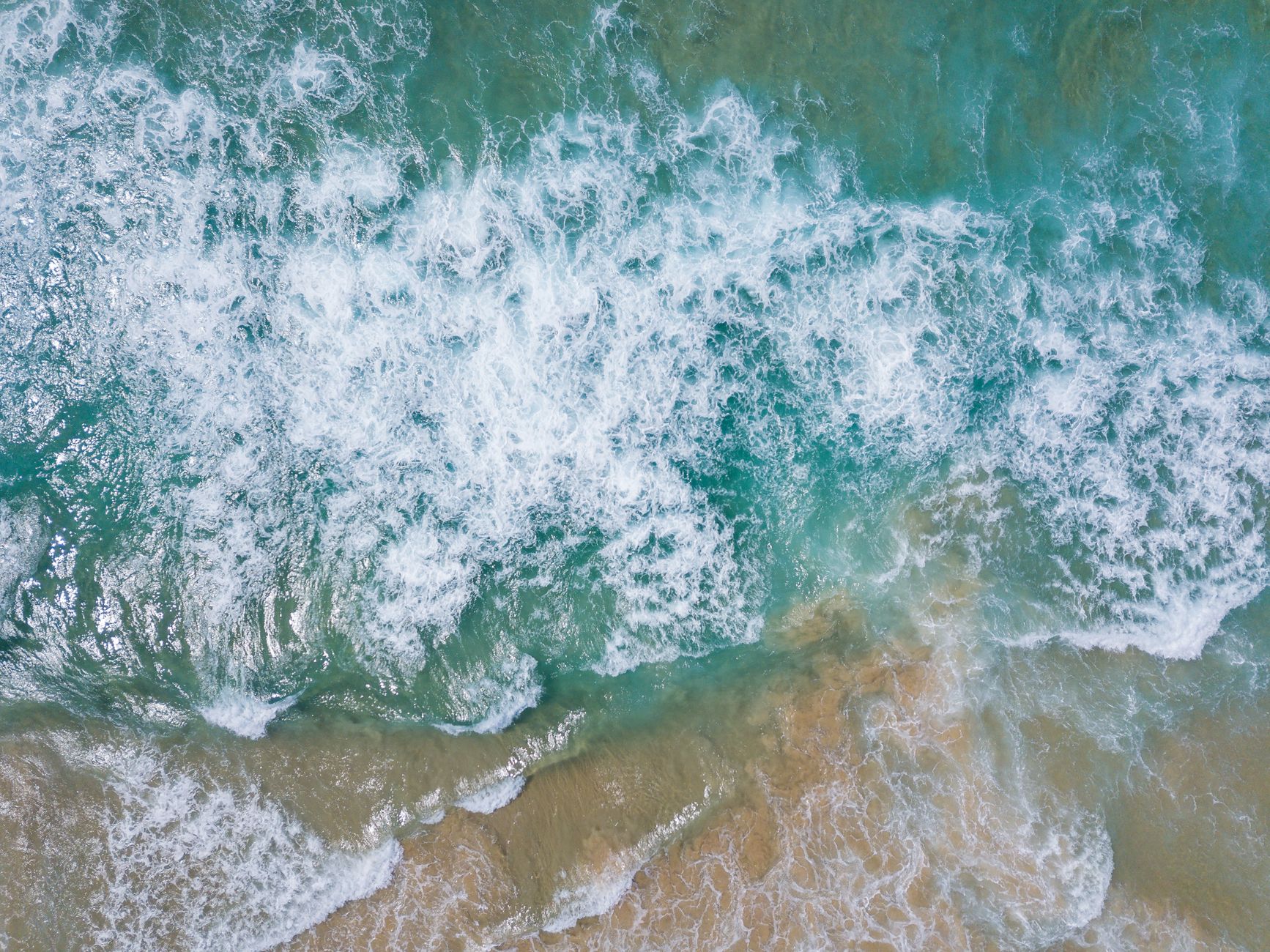
The image of an Australian beach often conjures up towering waves, adrenaline-fueled surfers, and exposed sandbars. For parents managing toddlers, that scenery can look less like a holiday and more like a logistical challenge. You arrive with buckets and spades, only to find the water is too rough for paddling or the sun offers no respite. The reality, however, is that Australia’s coastline holds a quieter, calmer side. Beyond the famous surf breaks lie sheltered bays, gentle slopes, and protected lagoons that transform a beach day into a relaxed experience for young children.
These spots offer clear, shallow waters where little ones can splash safely, backed by amenities like picnic tables and nearby cafes. Whether you are navigating the coastal roads of New South Wales or exploring the Great Ocean Road, knowing where to find these calm havens makes all the difference. Here is a practical guide to the best family friendly beaches in Australia, focusing on safety, comfort, and genuine enjoyment for children of all ages.
Why Australian Beaches Are Ideal for Families
Australia’s geography is remarkably diverse, offering a wide spectrum of coastal environments that cater specifically to families. While the country is renowned for its rugged coastlines and powerful ocean swells, this does not mean every beach is unsuitable for children. Many beaches are naturally sheltered from prevailing winds and rough ocean currents, creating idyllic swimming coves or placid lagoons. These environments are significantly safer and more comfortable for young children than the exposed surf breaks that dominate travel brochures.
The key advantage of these sheltered spots is the water condition. In protected bays, the water tends to be calm and clear, allowing parents to keep a close eye on their children without the distraction of crashing waves. The gentle slope of many of these beaches means that the water depth increases gradually, giving toddlers and young children the confidence to wade further out. This gradual transition from sand to sea reduces the risk of sudden drops, which can be startling for small children.
Furthermore, the infrastructure supporting these beaches has evolved to meet family needs. Many of these calmer spots are located within or near established towns, meaning access to facilities like public toilets, change rooms, and picnic areas is straightforward. This proximity to amenities reduces the stress of packing heavy gear, as you can rely on local services for basic needs. The combination of natural protection and human-made comfort creates an environment where families can unwind rather than constantly manage risks.
When planning a trip, prioritising these characteristics over sheer scenic beauty will result in a more enjoyable holiday. A beach that is slightly less visually dramatic but offers consistent calm waters and reliable shade will often provide more value for a family with young children. The goal is to find a space where the environment supports play rather than hinders it.
New South Wales: Sheltered Bays and Coastal Towns
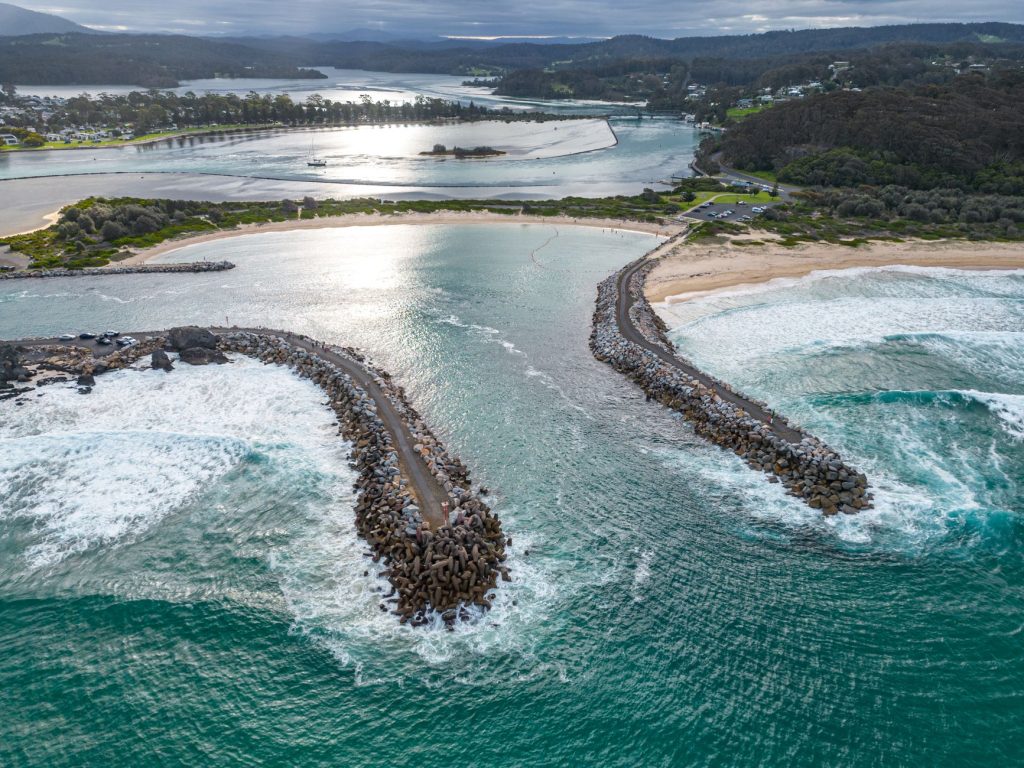
New South Wales is often synonymous with Bondi Beach, but for families with toddlers, the bustling energy and exposed conditions of Sydney’s most famous spot can be overwhelming. A better option lies on the South Coast, where the landscape shifts to sheltered bays and a more laid-back rhythm. Bermagui is a prime example of this regional charm, offering a relaxed atmosphere that is far more conducive to family holidays than the city centre beaches.
Horseshoe Bay: A Calm Haven
Horseshoe Bay in Bermagui is widely regarded as one of the safest spots for families in the region. The beach is north-facing, which means it is sheltered from the prevailing southerly winds and rough ocean swells. This orientation creates calm, clear waters that are ideal for paddling and splashing. The water remains comfortable year-round, making it a reliable option even outside the peak summer months.
The beach itself is soft and sandy, providing a comfortable surface for building sandcastles and running around. Because the bay is sheltered, the waves are gentle, reducing the likelihood of children being swept off their feet. During the summer months, the beach is patrolled by lifeguards, adding an extra layer of security for parents who want to relax without constant vigilance. The clear water also makes it easy to spot sea life, turning a simple swim into an educational experience.
Beyond the beach, Bermagui offers a family-friendly vibe with easy access to local amenities. The town is small enough to navigate quickly but large enough to provide all necessary facilities. This balance makes it an excellent base for exploring the South Coast. Families can enjoy a day at the beach and then venture into town for a meal or a stroll without the hassle of long drives or crowded transport.
The contrast between Horseshoe Bay and the busy urban beaches is stark. While Bondi offers a vibrant social scene, Horseshoe Bay offers space and calm. For families prioritising safety and relaxation over spectacle, the South Coast provides a superior experience. The north-facing aspect ensures that the beach remains protected from the harshest elements, creating a consistent environment for play.
Victoria: Bay Beaches and Great Ocean Road Stops
Victoria’s coastline offers two distinct types of family-friendly environments: the calm, sheltered waters of Port Phillip Bay and the scenic, wave-active shores of the Great Ocean Road. Both options cater to different needs, with the bay beaches offering urban convenience and the coastal towns providing a classic beach holiday experience.
Hampton Beach: Urban Convenience
Hampton Beach, located on the shores of Port Phillip Bay near Melbourne, is one of the top day trip options for city dwellers. The beach is massive, providing ample space for families to spread out without feeling crowded. The waters here are shallow and calm, lapping gently against the shoreline. This makes it an ideal spot for young children to play in the water without the risk of strong currents.
The beach is well-equipped with picnic and barbecue facilities, making it easy to plan a full day out without needing to bring everything from home. The presence of these amenities encourages a relaxed atmosphere, where families can enjoy a meal together while keeping an eye on the children. The calm waters also make it suitable for beginners learning to swim or paddle.
The proximity to Melbourne means that Hampton Beach is easily accessible, making it a convenient option for a weekend trip. However, the popularity of the beach means it can be busy during peak times. Arriving early or visiting during the week can help avoid the crowds. The beach’s layout allows for easy supervision, with clear sightlines from the sand to the water.
Fisherman’s Beach: A Gateway to the Ocean Road
For families exploring the Great Ocean Road, Torquay serves as an excellent base. Fisherman’s Beach in Torquay is a favourite among local families due to its balance of safety and activity. The beach offers lifeguards on duty, providing peace of mind for parents. The waters are generally safe for younger children, while the area also offers opportunities for sailing and windsurfing for older kids.
The town of Torquay is well-suited for road trips, offering a range of accommodation options and dining choices. It serves as a convenient starting point for exploring the wider region, allowing families to combine beach time with sightseeing. The beach itself is spacious, with soft sand and gentle waves that are manageable for young children.
The Great Ocean Road is one of Australia’s most popular routes, and starting in Torquay allows families to experience the coastal beauty without venturing too far into remote areas. The combination of safe swimming conditions and nearby attractions makes Fisherman’s Beach a practical choice for a family holiday.
Queensland: The Sunshine Coast’s Gentle Slopes
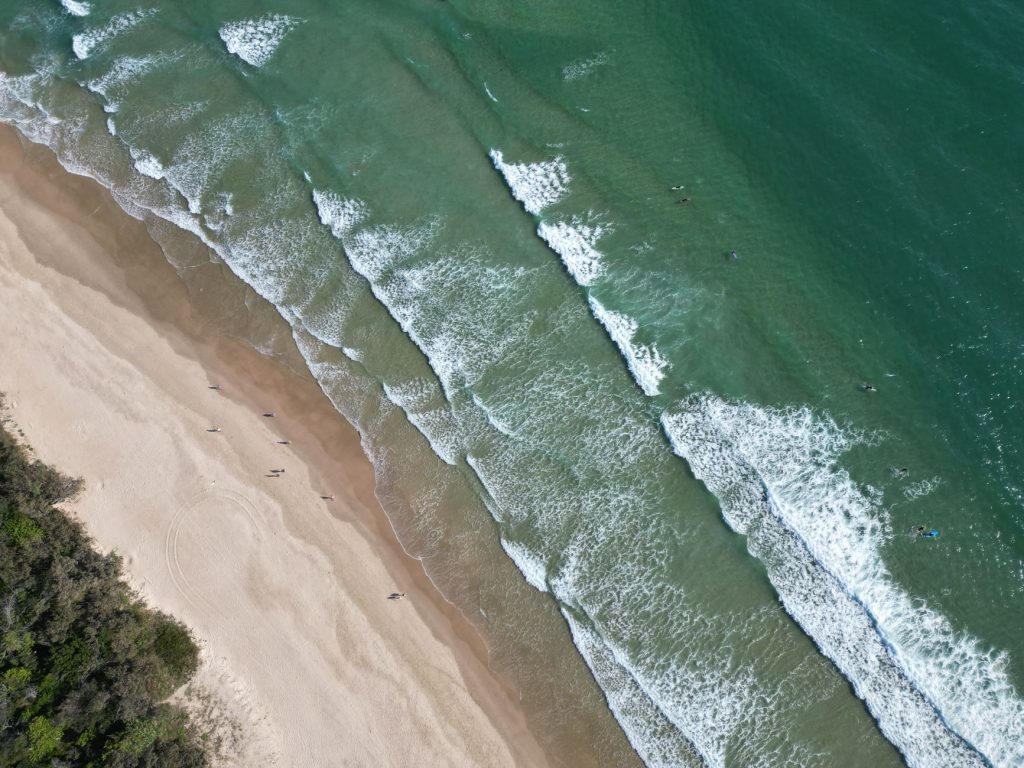
Queensland is often associated with tropical heat and vibrant surf, but the Sunshine Coast offers a different side of the state. Noosa Main Beach is a standout example of a beach that combines natural beauty with family-friendly features. The beach is known for its gentle waves and soft sand, making it ideal for toddlers and young children.
Noosa Main Beach: Lagoon-Like Conditions
Noosa Main Beach’s north-facing position creates a lagoon-like environment, shielding it from the stronger ocean swells. This results in gentle surf that is perfect for wading and splashing. The water is clear and calm, allowing children to play safely while parents relax. The beach is also dotted with rock pools, which fill with sea life and colourful shells during low tide. These pools offer a unique opportunity for children to explore marine life without venturing into the open water.
The soft sand and gentle slope make it easy for young children to walk and play. The beach is well-maintained, with amenities such as picnic tables and change rooms available nearby. The overall atmosphere is relaxed and welcoming, with plenty of space for families to settle in.
The presence of rock pools adds an element of discovery to the beach experience. Children can spend hours exploring these natural features, collecting shells and observing small fish. This activity keeps them engaged and entertained, reducing the need for constant supervision in the water.
Noosa’s combination of calm waters, natural features, and family-friendly infrastructure makes it a top choice for families visiting Queensland. The beach offers a blend of relaxation and adventure, catering to both children and adults. The north-facing aspect ensures that the beach remains protected from the harshest weather conditions, providing a consistent environment for play.
Tasmania: Cool Climates and Rugged Beauty
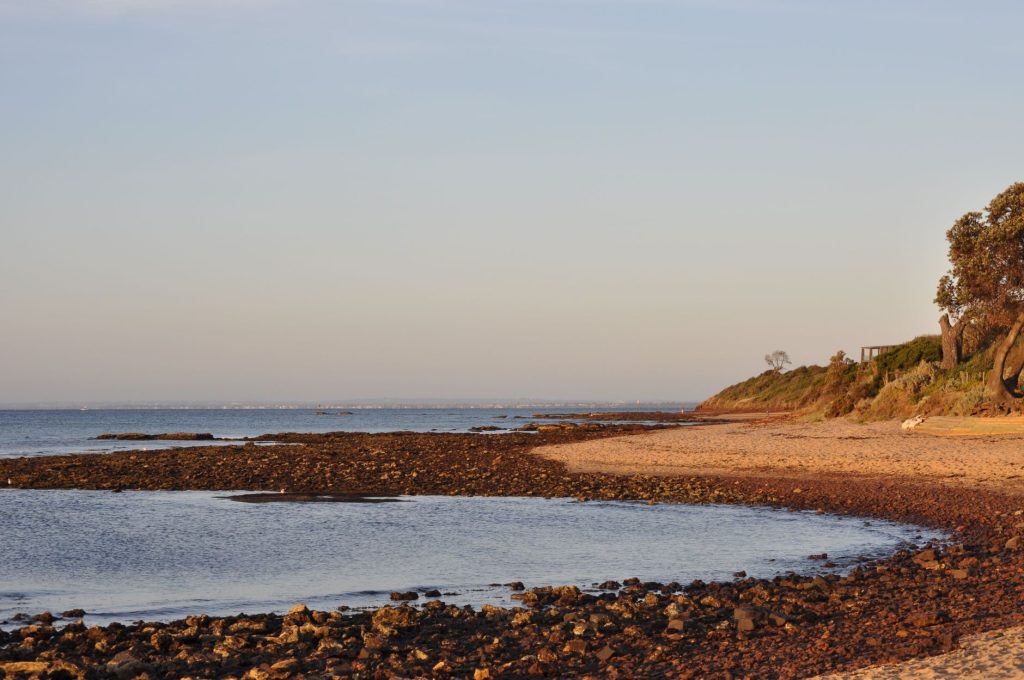
Tasmania offers a unique beach experience, characterised by cool climates and rugged landscapes. Lauderdale Beach, located near Hobart, is a standout destination for families seeking a different kind of coastal holiday. The beach is sheltered by numerous trees that line the sand, providing natural shade and protection from the wind.
Lauderdale Beach: Shade and Serenity
Lauderdale Beach is known for its gentle breezes and tree-lined surroundings. The shade provided by the trees makes it a comfortable spot for families, especially during warmer days. The beach is easy to access, making it a convenient option for a day trip from Hobart. The waters are calm, with gentle waves that are suitable for young children.
The beach’s proximity to family-friendly farms and other attractions in the surrounding area adds to its appeal. Families can combine a day at the beach with visits to local farms, making it a versatile destination. The tree-lined beach also offers a scenic backdrop for picnics and relaxation.
The cool climate of Tasmania means that the beach is less crowded than those in northern states, providing a more peaceful experience. The natural setting, combined with the calm waters, makes Lauderdale Beach a unique destination for families seeking a relaxed holiday. The shade and gentle breezes create a comfortable environment, reducing the risk of sunburn and heat exhaustion.
South Australia: Urban Beaches with a Twist
Adelaide’s coastal offerings provide a blend of urban convenience and natural beauty. Henley Beach is a popular urban retreat that combines gentle surf with a vibrant atmosphere. The beach is well-suited for families, with soft sand and calm waters that are ideal for children.
Henley Beach: Accessible and Vibrant
Henley Beach is known for its accessible amenities and family-friendly atmosphere. The beach is located close to the city, making it easy to reach for a day trip. The waters are gentle, with soft sand that is comfortable for playing. The beach is also known for its vibrant social scene, with nearby cafes and ice cream spots adding to the appeal.
The beach’s urban setting means that facilities like toilets and change rooms are readily available. The presence of nearby cafes allows families to enjoy a meal without needing to pack a full picnic. The gentle surf makes it safe for young children to play in the water, while the soft sand provides a comfortable surface for building sandcastles.
The combination of urban amenities and natural beauty makes Henley Beach a practical choice for families visiting Adelaide. The beach offers a balance of relaxation and activity, catering to both children and adults. The vibrant atmosphere adds a layer of enjoyment, making it a popular destination for locals and tourists alike.
Planning Your Trip: When to Go and Where to Stay
Timing your visit to Australia’s beaches can significantly impact your experience. The best seasons for family beach holidays are spring and autumn, when the weather is mild and the crowds are thinner. These periods offer comfortable temperatures without the intense heat of summer or the chill of winter. Visiting during these times also means less competition for parking and facilities.
Seasonal Considerations
Spring and autumn provide a balance of warm weather and manageable crowd levels. The water temperature is usually comfortable for swimming, and the air is pleasant for outdoor activities. Summer can be hot and crowded, which might be overwhelming for young children. Winter offers a quieter experience, but the water can be chilly, and the weather is less predictable.
Accommodation Strategies
Basing yourself in family-friendly towns rather than camping on the sand can provide greater comfort and convenience. Towns like Bermagui, Torquay, and Noosa offer a range of accommodation options, from holiday rentals to hotels. These towns provide easy access to amenities, restaurants, and other attractions. Camping can be a fun experience, but it requires more preparation and may not be suitable for very young children.
Choosing accommodation in a town allows for greater flexibility. You can easily return to your accommodation for naps, snacks, or a change of clothes. The availability of laundry facilities and kitchens in holiday rentals can also make long stays more manageable.
Practical Tips: Safety, Costs, and Common Mistakes
Safety is paramount when beaching with children. Always check for lifeguard patrols, especially if you are visiting a new beach. Patrolled beaches offer a safer environment, with lifeguards monitoring the water and responding to emergencies. Understanding rip currents is also important. Even in calm beaches, currents can exist, so it is wise to learn the basics of ocean safety.
Sun Safety
UV exposure can be intense in Australia, even on cloudy days. Sunscreen, hats, and sunglasses are essential. The sun’s rays can be strong, so reapplying sunscreen regularly is crucial. Providing shade through umbrellas or tents can also help protect children from direct sunlight.
Budgeting
Budgeting for equipment rentals can add to the cost of a beach day. Umbrellas, chairs, and toys can be expensive to buy, so renting or borrowing can be a cost-effective option. However, ensure that the rental equipment is in good condition and suitable for your children’s needs.
Common Mistakes
One common mistake is underestimating the time it takes to set up a beach day. Arriving early can help secure a good spot and avoid the rush. Another mistake is not checking the weather forecast, which can change quickly, especially in coastal areas. Planning for flexibility allows you to adapt to changing conditions.
Final Verdict: Choosing the Right Beach for Your Family
Choosing the right beach depends on your children’s ages and your family’s travel style. For toddlers, shallow water, shade, and amenities are key. For older children, activities like windsurfing or exploration may be more appealing. Matching these characteristics to your needs ensures a stress-free holiday.
The best family friendly beaches in Australia offer a range of options, from the calm bays of New South Wales to the rugged beauty of Tasmania. By focusing on safety, comfort, and natural features, you can find a beach that suits your family’s needs. Whether you prefer urban convenience or natural serenity, Australia’s coastline has something to offer every family.
For those interested in exploring other coastal destinations, you might also enjoy reading Inside Indonesia’s Pink and Sandy Beaches Situated in Komodo Island, which offers a unique perspective on family-friendly beach environments in a different part of the world.
Ultimately, the goal is to find a space where your family can relax and enjoy the natural beauty of the coast. By planning ahead and choosing the right location, you can ensure a memorable and enjoyable beach holiday.