Imagine standing in a crowded terminal, clutching a one-way ticket and a lightweight rucksack, wondering if you have packed enough for a month of adventure. The air is thick with humidity, the noise is constant, and the sheer scale of the country feels both daunting and exhilarating. This is the starting point for most backpackers in India. It is not a destination for the faint-hearted, but for those willing to embrace the chaos, it offers a depth of experience that few other places on Earth can match.
The subcontinent is a patchwork of ancient history, diverse landscapes, and vibrant culture, all woven together by a complex social fabric. You will find yourself navigating narrow alleys in medieval cities one day and watching sunsets over the Arabian Sea the next. For anyone planning a trip, understanding the logistics is just as important as the sights. From the best time to visit to how to move between cities without breaking the bank, every detail matters. This guide breaks down the essentials of a backpacking India itinerary, focusing on five key cities that offer a balanced mix of history, energy, and relaxation. Whether you are looking to immerse yourself in the culinary scene of Mumbai or seek stillness in Kerala, the following sections provide practical, no-nonsense advice to help you navigate this vast country with confidence.
When to Go and How to Get There
Timing your arrival is critical for a comfortable experience. India’s climate varies significantly depending on the region, but the general rule for backpackers is to aim for the cooler months between October and March. During this window, the scorching heat of summer has passed, and the monsoon rains have receded. The weather is generally pleasant across most of the country, making it ideal for walking tours and outdoor activities. If you visit during the peak summer months, you will face intense heat and humidity, which can be exhausting, especially in the north. The monsoon season brings heavy rainfall, which can disrupt transport and make some areas difficult to access.
Getting to India from the United Kingdom is straightforward, with numerous airports offering direct or one-stop flights. Major hubs like London, Birmingham, Manchester, Glasgow, and Newcastle all have regular connections to Indian cities. Most flights are one-stop, taking around eleven hours, though direct options are available and can cut travel time to roughly seven to eight hours. Booking flights well in advance is crucial. Prices fluctuate based on demand, and securing a good rate early on leaves more budget for activities once you arrive. Consider using price-comparison sites to find the best deals, and be flexible with your dates if possible to avoid peak travel periods.
Health advisories, such as recommended vaccinations, also vary, so consult a travel clinic or your GP for personalised advice. Once you land, having a local SIM card or an international data plan will be invaluable for navigation and communication.
Getting Around India Like a Pro
Navigating India’s transport network can feel overwhelming at first, but it becomes second nature with a bit of preparation. The rail network is extensive and connects almost every major city and town. It is often the most scenic and cost-effective way to travel between long distances. Booking tickets in advance is highly recommended, especially for popular routes and during holiday periods. While third-class travel is the most budget-friendly, sleeper classes offer a better balance of comfort and price for overnight journeys. Be prepared for delays; train schedules are approximate, and patience is a key trait for any backpacker.
For shorter distances or more direct routes, local buses and ride-hailing apps are widely available. Ride-hailing apps provide a fixed price and a trackable route, which can be safer and less stressful than negotiating with taxi drivers in unfamiliar areas. These apps are particularly useful in larger cities where traffic can be chaotic. Local buses are significantly cheaper but can be crowded and less predictable in terms of timing and stops. If you choose to use local transport, keep your valuables close and be aware of your surroundings.
Air travel is another option for covering long distances quickly, such as flying from Delhi to Kerala. Domestic flights can be affordable if booked early, and they save valuable time. However, airport transfers and security checks add extra time to your journey. When moving between cities, consider the trade-off between cost and convenience. Trains offer an authentic experience and social opportunities, while flights offer speed and comfort. Whichever you choose, always keep a digital and physical copy of your booking confirmations. Tipping is common practice, and a small daily fee might be added for services like luggage handling or porterage.
Where to Base Yourself and Budget Breakdown
Accommodation in India ranges from basic dormitories to boutique hostels, catering to a wide variety of budgets and preferences. In major cities, hostels are abundant and often located in central areas, making it easy to explore on foot. Dorm beds are the most economical option, but private rooms with attached bathrooms are available if you prefer more privacy. Booking in advance is advisable for popular hostels, especially during the peak season. In smaller towns, guesthouses and homestays are common and can offer a more personalised experience.
Budgeting for a backpacking trip requires a flexible approach. A daily budget of approximately thirty to fifty dollars is realistic for budget travellers, covering accommodation, meals, local transport, and entry fees to attractions. This estimate can vary significantly depending on the city. Major metros like Mumbai and Delhi tend to be more expensive, particularly for dining and transport, while smaller towns and rural areas are noticeably cheaper. Food is a significant part of the budget, but street food is affordable and delicious, offering a taste of local culture at a fraction of the cost of restaurant meals.
It is important to account for unexpected costs. Tipping, bargaining, and occasional transport surges can add up. Carrying a mix of cash and a debit card is practical, as smaller vendors and street food stalls often do not accept cards. ATMs are widely available in cities, but fees can apply, and availability might be limited in remote areas. Always keep a small reserve of cash for emergencies. If you plan on doing guided tours or adventure activities, budget extra for these experiences. Reading reviews on travel sites can help you find reliable accommodations that offer good value for money, but always verify the latest prices and availability directly with the provider.
Agra: Beyond the Taj Mahal
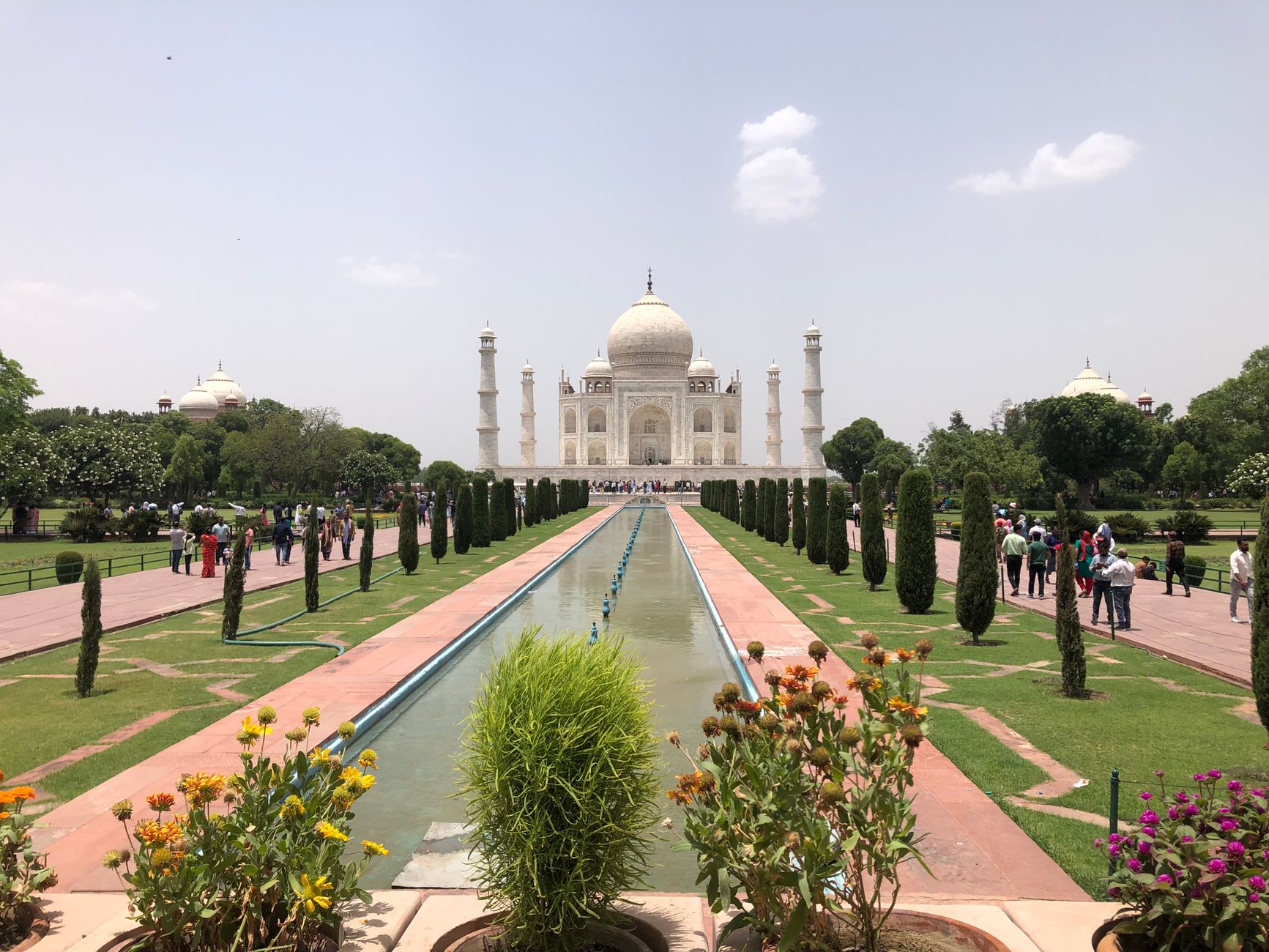
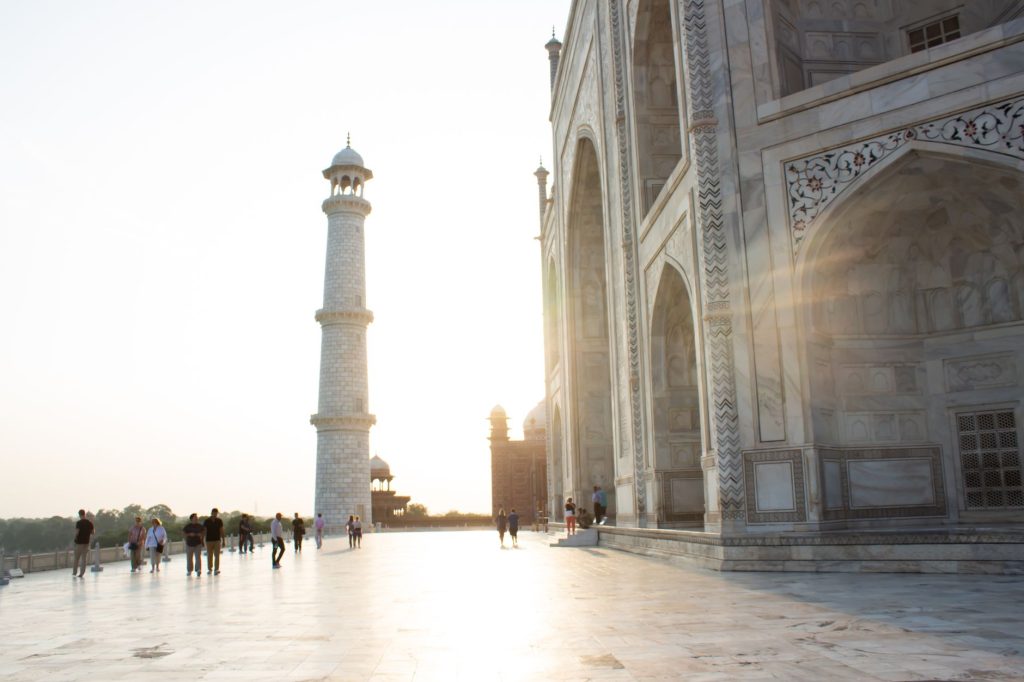
Agra is synonymous with the Taj Mahal, but limiting your visit to just this monument is a missed opportunity. The city is a treasure trove of Mughal architecture and history, offering a deep dive into the empire’s golden age. The Taj Mahal itself is a masterpiece of white marble, but it draws massive crowds, particularly in the morning. To avoid the worst of the throngs, consider visiting later in the day or early at sunrise when the light is soft and the atmosphere is more serene. The intricate inlay work and the symmetry of the structure are best appreciated in person, and the surrounding gardens provide a peaceful escape from the bustling city.
The Agra Fort is another essential stop. This red sandstone fortress offers a glimpse into the lives of the Mughal emperors and provides panoramic views of the city and the Yamuna River. The fort’s architecture blends Hindu and Islamic styles, showcasing the cultural synthesis of the era. Exploring the fort’s palaces, mosques, and private quarters gives context to the grandeur of the Taj Mahal. Many visitors rush to the Taj and leave, but spending time in the fort reveals the political and artistic ambitions of the rulers.
Fatehpur Sikri, located just outside Agra, is a UNESCO World Heritage Site and a remarkably preserved example of Mughal urban planning. Built as a temporary capital, the city was abandoned after a few decades, leaving its buildings in a state of arrested development. The Buland Darwaza, a massive gateway, is particularly impressive. The site is less crowded than the Taj, allowing for a more contemplative visit. If you have time, consider taking a day trip to Fatehpur Sikri from Agra. The journey is short, and the contrast between the bustling city and the quiet, abandoned capital is striking. For those interested in deeper historical context, reading up on the Mughal era beforehand will enhance the experience. You might also find inspiration from other historical guides, such as Fantastic France In All Its Glory, 3 Must Visit Places, which highlights the importance of exploring beyond the most famous landmarks.
Mumbai: The City of Dreams and Street Food
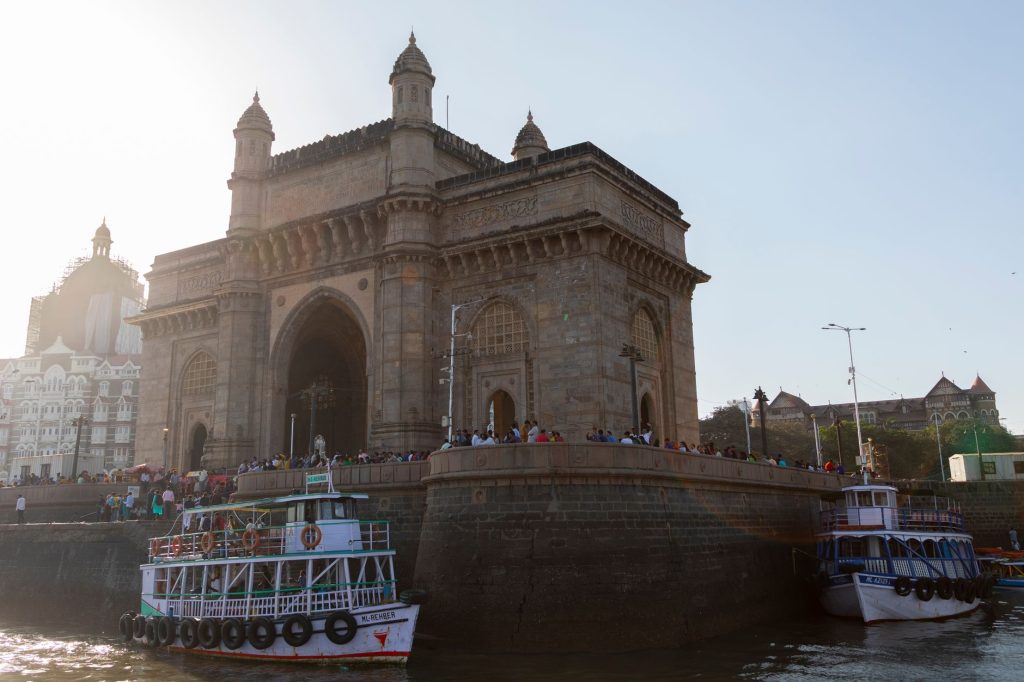
Mumbai is a city of contrasts, where colonial architecture stands alongside modern skyscrapers, and quiet streets buzz with life just blocks away. The Gateway of India is a iconic landmark, built in the 1920s, and serves as a reminder of the city’s colonial past. It is a popular spot for photos and a starting point for boat trips to Elephanta Island, though the island itself is outside the scope of this city-focused guide. Marine Drive, a sweeping promenade along the coast, is ideal for an evening walk. The view of the Arabian Sea at sunset is breathtaking, and the Art Deco buildings lining the drive are worth admiring.
The true heart of Mumbai lies in its street food. The city is a culinary capital, offering a diverse range of dishes that reflect its multicultural population. Vada pav, a spicy potato fritter in a bread roll, is a staple snack, widely available and incredibly affordable. Pav bhaji, a buttery mashed vegetable dish served with bread, is another must-try. Crawford Market is a sensory overload of spices, fruits, and flowers, offering a glimpse into the daily life of the city. It is a great place to sample local flavours and watch the hustle and bustle of traders and shoppers.
Navigating Mumbai requires patience. The traffic is dense, and the local trains are crowded but efficient for long-distance travel within the city. For shorter trips, ride-hailing apps are convenient. The city’s energy is infectious, and the diversity of its people is its greatest asset. If you are a food enthusiast, you will find endless options to explore. For those who enjoy culinary adventures, you might appreciate the vibrant food scenes described in Must Visit restaurants in Brisbane, which highlight the importance of local markets and street food in a city’s culture. Mumbai’s street food is not just sustenance; it is a cultural experience that connects you with the local community.
Jaipur: The Pink City’s Forts and Adventures
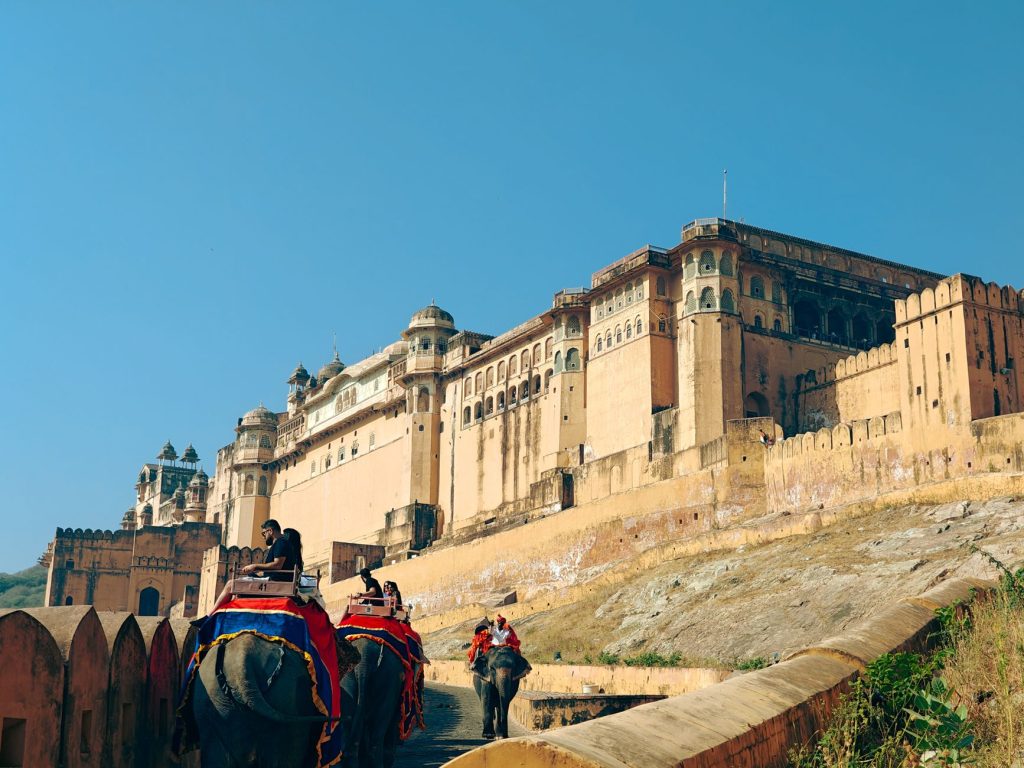
Jaipur, known as the Pink City for its distinctive architecture, is a city of colour and history. The Amer Fort is perched on a hill and offers stunning views of the surrounding landscape. The fort’s intricate carvings and mirror work are impressive, and the journey up to the fort can be done by foot, elephant, or jeep. The City Palace is another key attraction, showcasing a blend of Rajasthani and Mughal architecture. The palace complex includes museums, courtyards, and gardens, providing a comprehensive view of the region’s royal heritage.
Jaipur is also a hub for adventure activities. Jeep safaris in the nearby Aravalli hills offer a chance to explore the rugged terrain and spot wildlife. Ziplining across canyons provides an adrenaline rush and unique perspectives of the landscape. These activities are popular among backpackers looking to mix culture with action. The old city is a maze of narrow lanes, markets, and havelis (traditional mansions). Getting lost is part of the charm, but it is advisable to have a map or GPS enabled. The streets are vibrant with artisans selling handicrafts, textiles, and jewellery.
The contrast between the ordered, planned areas of New Jaipur and the chaotic, lively old city is stark. New Delhi’s broad avenues offer a different experience, but Jaipur’s narrow lanes are where the history feels most tangible. If you are interested in urban planning and historical cities, you might find the detailed exploration of Liverpool in Why You Must Visit Liverpool intriguing, as both cities offer deep historical layers and distinct architectural identities. Jaipur’s festivals, such as the Elephant Festival or the Camel Fair, add to its cultural richness, but visiting outside of peak festival times allows for a more relaxed exploration of the forts and palaces.
Delhi: A Layered History and Culinary Hub
Delhi is a city of layers, where ancient history sits beside modern development. The Red Fort is a monumental structure built in the 17th century, showcasing the grandeur of the Mughal era. Its red sandstone walls and intricate details are a testament to the architectural prowess of the time. Humayun’s Tomb, a precursor to the Taj Mahal, is a serene garden tomb that offers a peaceful retreat from the city’s noise. The India Gate is a war memorial that serves as a gathering point for locals, especially in the evenings.
Delhi’s culinary scene is diverse and expansive. Old Delhi is famous for its chaotic streets and historic food trails. Chandni Chowk is a bustling market area where you can find everything from spicy chaat to rich kebabs. The contrast between Old Delhi’s narrow, crowded lanes and New Delhi’s broad, tree-lined avenues is striking. New Delhi houses government buildings and embassies, offering a more formal and spacious feel. Both areas have their own charm and offer different experiences.
Navigating Delhi’s transport network can be challenging due to the traffic. The metro system is efficient and covers many key areas, making it a reliable option for getting around. Taxis and ride-hailing apps are also widely available. The city’s air quality can be poor in certain seasons, so checking local conditions is advisable. Delhi is a gateway to many other parts of India, so many travellers use it as a starting or ending point for their journey. The city’s museums, such as the National Museum, offer insights into the country’s rich history and art. For those interested in cultural heritage, Delhi provides a comprehensive overview of India’s past and present.
Varkala: Relaxation and Coastal Charm
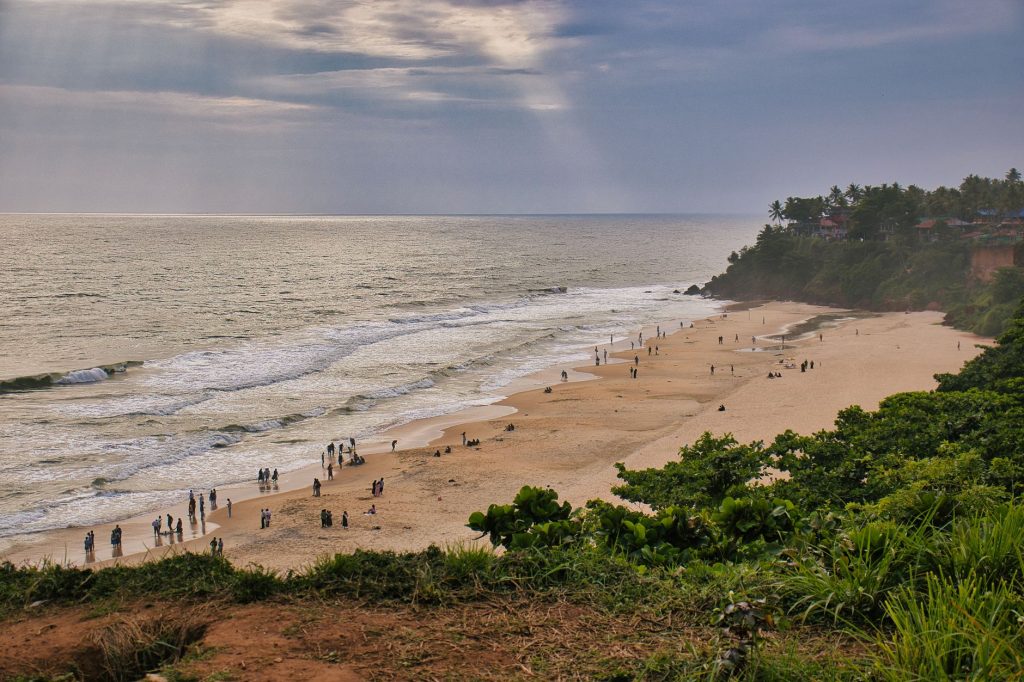
After the intensity of Delhi, Jaipur, and Mumbai, Varkala offers a much-needed respite. Located in Kerala, this coastal town is known for its dramatic cliffs and the Arabian Sea. The cliffs provide stunning views and a unique geological feature not found elsewhere in India. The beaches are clean and less crowded than those in more touristy areas, offering a peaceful environment for relaxation. Varkala is a hub for yoga and wellness, with numerous ashrams and retreats offering classes and meditation sessions.
The town has a bohemian vibe, attracting backpackers looking to unwind and reflect. The food scene is influenced by South Indian cuisine, with fresh seafood and coconut-based dishes being staples. The local markets offer handmade crafts and spices, providing a glimpse into the region’s artisanal traditions. Varkala is also a gateway to other parts of Kerala, such as the backwaters, if you wish to extend your stay.
The transition from the hustle of the north to the calm of the south is palpable. Varkala’s slower pace allows you to recharge before heading home or continuing to other destinations. The sunsets here are particularly beautiful, and the sound of the waves is soothing. If you are looking for a place to decompress, Varkala is an ideal choice. It is a reminder that India is not just about sightseeing but also about finding moments of peace and connection. The town’s laid-back atmosphere makes it a perfect end to a busy itinerary, allowing you to process the experiences of your journey.
For more ideas on how to structure your travel days, you might find the practical tips in Why You Must Visit Liverpool helpful, as it emphasises the importance of balancing activity with downtime. Similarly, the culinary focus in Must Visit restaurants in Brisbane underscores the value of local food experiences in creating memorable travel moments. Varkala’s combination of natural beauty and cultural relaxation makes it a standout destination for any backpacker.
Final Thoughts
India is a country that rewards curiosity and adaptability. The five cities outlined here offer a diverse range of experiences, from the architectural grandeur of Agra and Delhi to the vibrant energy of Mumbai and Jaipur, and finally to the tranquil charm of Varkala. Each city has its own rhythm and character, and navigating them requires a mix of planning and spontaneity. The key to a successful backpacking trip is to stay flexible, respect local customs, and embrace the unexpected. Whether you are chasing history, food, or relaxation, India has something to offer every type of traveller. Start with a clear itinerary, but leave room for detours and discoveries. The memories you make along the way will be worth the effort.