 By
By 
There was a time when the only reminders people had of their vacation experiences consisted mainly of Mexican sombreros, an exotic bottle of something to be used in cocktails, or a pair of Spanish-style castanets. Add to these the stuffed donkey and oversized decorative handheld fan and that was about as close to bringing home that holiday feeling as anyone ever came. Today, however, there are more opportunities than ever before to travel and experience the impact of cultures from all parts of the world. Here are a few ideas to help you bring that summer vacation back with you.
Beyond the stuffed donkey :: souvenirs worth keeping
The transition from generic trinkets to meaningful keepsakes begins with a simple shift in mindset. Instead of viewing every shop window as a potential source of clutter, treat your shopping as a curatorial process. You are building a personal archive of your journey. The goal is to select items that hold genuine aesthetic or functional value, ensuring they earn their place in your home rather than gathering dust in a cupboard.
What to keep and what to leave
Start by identifying the sensory memories of your trip. Was it the smell of a specific market, the texture of a local fabric, or the taste of a regional spice? Your souvenirs should trigger these memories. A mass-produced plastic magnet might remind you of a shop, but a hand-thrown ceramic bowl reminds you of the craft and the place.
Consider the space you have available. Before buying, mentally place the item in your home. If it is bulky, ask yourself if it truly deserves the square footage. Small, high-quality items often age better than large, decorative pieces that look dated in a year or two. Focus on utility where possible. A beautifully woven bag, a set of local cutlery, or a quality linen scarf can be used daily, keeping the memory alive through routine rather than just sight.
The quality over quantity rule
It is tempting to buy a collection of small items to spread the cost across multiple destinations. However, a single, well-made object from one location often holds more emotional weight than a drawer full of similar knick-knacks. Look for items that show signs of craftsmanship. Hand-stitched leather, hand-painted ceramics, or hand-woven textiles tell a story of human effort that machine-made goods cannot replicate. This tangible connection to the artisan makes the item a true travel keepsake.
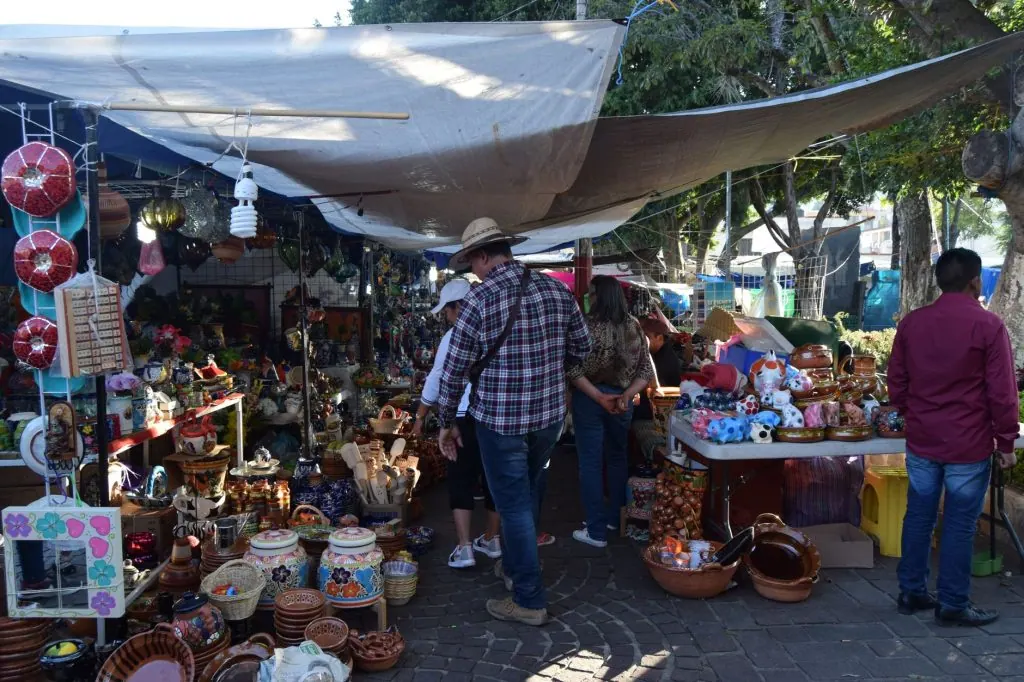
When browsing, take your time. Walk through the back streets of a market or visit a local artisan’s workshop rather than the tourist trap on the high street. The items you find there are often unique and directly support the local economy. This approach ensures that your holiday souvenirs are not just decorations, but genuine connections to the culture you experienced.
Oriental splendour :: lacquer, tea, textiles, ceramics
There is something about an Asian-themed bedroom that speaks immediately of balance, tranquility and an atmosphere in which you can be calm and relaxed. Bringing this aesthetic home requires a focus on natural materials and muted colour palettes. The aim is to create a sanctuary that feels both exotic and restorative.
Lacquer and ceramics
Lacquerware is a cornerstone of many Asian cultures, from Japan to Southeast Asia. These pieces, often dark and glossy, are durable and beautiful. A lacquered tray can serve as a functional surface for coffee or as a decorative display for other small items. When selecting ceramics, look for those with subtle glazes and organic shapes. Porcelain or stoneware that mimics the look of river stones or unpolished clay can ground a room in a natural elegance.
Tea culture is another avenue for bringing home an Oriental feel. A high-quality tea set, whether it is a traditional gaiwan or a simple ceramic pot, invites you to slow down. The ritual of brewing tea can become a daily reminder of your travels. Pair this with locally sourced loose leaf tea. The aroma alone can transport you back to a quiet morning in a distant garden.
Textiles and drapery
Fabrics play a crucial role in setting the mood. Seek out furniture edged in bamboo and dark blue or black fabrics embroidered with stylish myriads of orchids or other exotic flowers. These textiles add texture and depth without overwhelming the space. If you are lucky enough to have a four-poster bed, make the most of it with Bali-style gauzy white drapes to provide a reminder of the exotic nights on your vacation trip.
Dress the bed with pillows that echo the sea in blue and green. These colours are calming and reflective of the tropical environments many associate with this aesthetic. Use these textiles sparingly to maintain a sense of order. Too many patterns can create visual noise, whereas a few well-chosen pieces create a harmonious balance.
Candles and lighting
Myriad candles aligned on a mantelpiece or a window ledge are a given, their soft light enhances the ambiance. The flicker of candlelight softens edges and creates a warm, inviting atmosphere. Choose candles with natural scents, such as jasmine, sandalwood, or lotus, to engage the olfactory sense. Lighting is key to transforming a standard room into a serene retreat.
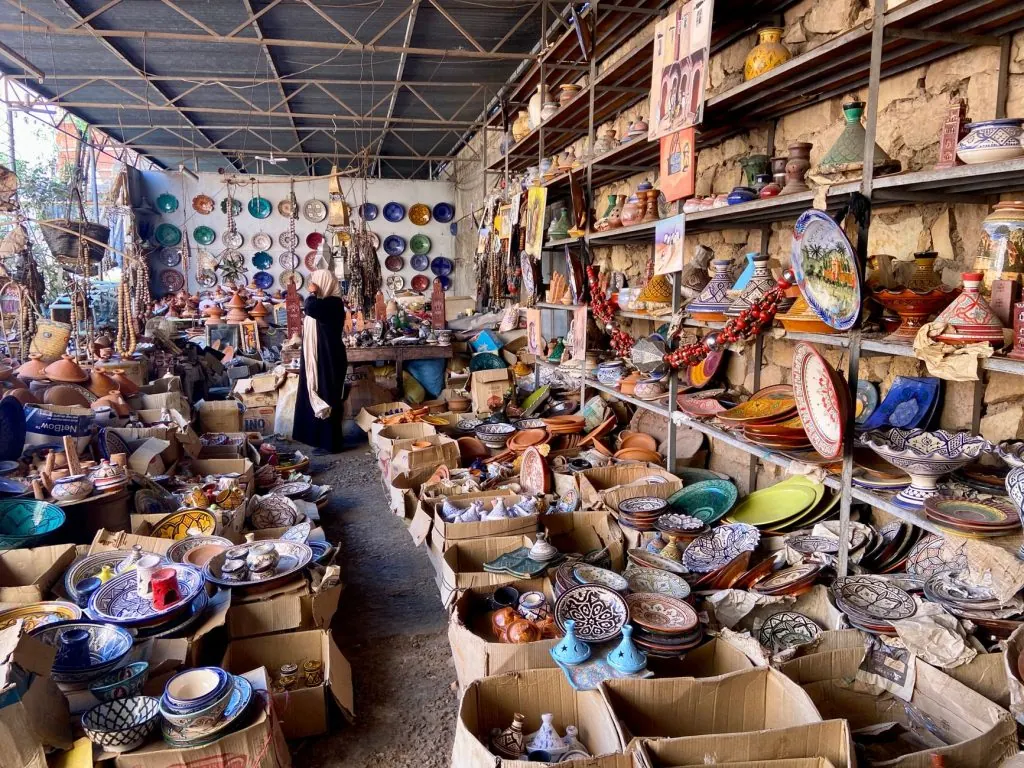
The best of Europe :: ceramics, olive oil, linen, leather, local food
If the French Riviera is your idea of the perfect vacation spot, then replicate the look when you get home by introducing wonderful wooden shutters, zany striped fabrics, and lots of shells. Mediterranean themes also include using terracotta on the walls or on tiled floors, check on Pinterest.com for some examples, and blue or green-painted shutters work really well against a terracotta background.
Ceramics and tableware
European ceramics, particularly from Italy and Spain, are renowned for their vibrant colours and rustic charm. A set of hand-painted plates or a rustic jug can bring the warmth of a Mediterranean table to your kitchen. These items are not just decorative; they are meant to be used. Serving meals on them reinforces the connection to the shared dining experiences of your holiday.
Look for terracotta pots and planters to bring the outdoors in. Planting herbs like rosemary, thyme, or basil in these pots creates a living reminder of the garden cafes you visited. The scent of fresh herbs is a powerful trigger for memory and can make your kitchen feel like a corner of the coast.
Linen and leather
Linen is the fabric of the Mediterranean. It is breathable, durable, and ages beautifully. A linen tablecloth or cushion covers in natural or earthy tones can instantly update a room. Leather goods, such as bags or shoes, are also a staple of European travel. A high-quality leather item that develops a patina over time becomes a personal record of your journeys.
Local food as decor
Food is one of the easiest ways to bring a holiday home. Bottles of olive oil from specific regions, jars of preserved lemons, or sacks of regional pasta can be displayed on open shelves. They add colour and texture to your kitchen while being practical. Cooking with these ingredients allows you to recreate the flavours of your trip, engaging multiple senses.
African majesty :: baskets, fabrics, carvings, ethical buying
The mighty African continent is a major source of inspirational design ideas when it comes to replicating that safari vacation feeling at home. There are fabulous prints, captivating artifacts, and simple but clever design ideas that offer the opportunity for a fabulous home makeover. African sculptures and wall art are bold and command attention: positioning a group against a neutral background can be particularly effective.
Baskets and wall art
Basketwork creates a great theme; from wall-mounted plates and bowls to subtle lampshades, they can add striking notes to any room. These items are often made from natural materials like sisal, raffia, or palm leaves. They add texture and organic shape to a space. A large, woven basket can serve as a unique storage solution or a decorative element on a shelf.
Wall art featuring African motifs or landscapes can be striking. Look for pieces that tell a story, whether through traditional patterns or contemporary interpretations. Positioning a group of smaller pieces against a neutral background can create a gallery wall effect that draws the eye and adds depth.
Textiles and carvings
Animal prints can be used on textiles, on everything from cushions to throws to upholstery. Use these sparingly to avoid a costume-like appearance. Pair them with solid colours and natural textures to keep the look sophisticated. African woods include mahogany, cedar, and ebony, and if you add earthenware into the mix, you will create the best effect.
Carvings made from these woods are often intricate and detailed. A single, well-chosen carving can be a focal point in a room. Look for items that show the grain and character of the wood. These pieces are durable and can be passed down as heirlooms.
Ethical buying
When buying African crafts, consider the source. Fair trade practices ensure that artisans are paid fairly for their work. Look for certifications or labels that indicate ethical sourcing. This not only supports the local economy but also ensures that the items you bring home are authentic and respectfully made.
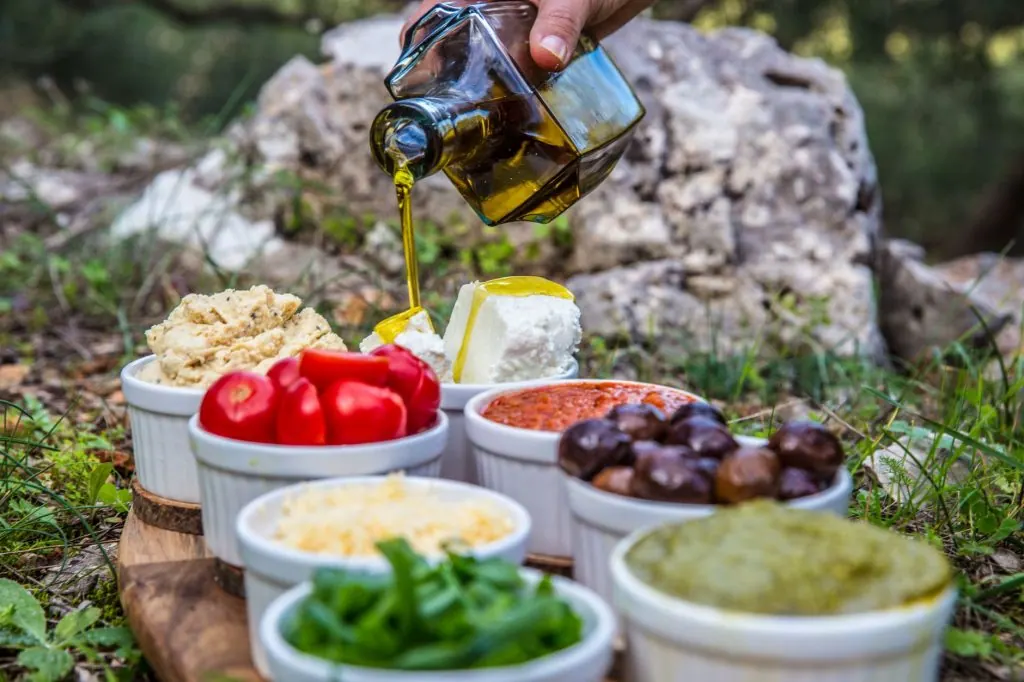
Food and drink :: spices, oils, customs rules, packing
Food is one of the most portable and enjoyable ways to bring a holiday home. Spices, oils, and preserved foods can transform your kitchen into a global pantry. However, packing these items requires careful planning to ensure they arrive safely and comply with regulations.
Spices and oils
Spices are lightweight and long-lasting. Buy small, unique blends that you cannot find at home. A jar of ras el hanout from Morocco or a mix of five-spice from China can add depth to your cooking. Oils, such as truffle oil or chili oil, can also be bought locally. These items are often cheaper and of higher quality in their place of origin.
Packing and customs
When packing liquids, ensure they are sealed tightly to prevent leaks. Use plastic wrap under the lid for extra security. Place jars in a sealed bag within your luggage to contain any potential spills. Check customs regulations for your destination country. Some countries have strict rules on bringing in fresh produce, meats, or dairy products.
It is best to check the official customs website of your home country before you travel. Rules can change, and penalties for non-compliance can be steep. Generally, commercially packaged and sealed items are safer to bring home than fresh or loose items.
Cooking at home
Once you have your ingredients, start cooking. Recreate the dishes you enjoyed on your holiday. This active engagement with the food helps to solidify the memory. Invite friends over to share the meal. Sharing the experience extends the holiday feeling and allows others to appreciate the culture you experienced.
Photos and prints :: framing, albums
Visual memories are powerful, but they often stay trapped in digital files or shoeboxes. Framing and displaying your photos brings the holiday into your daily environment. It transforms a moment into a permanent part of your home decor.
Framing and display
Choose frames that complement the aesthetic of your home. A rustic wooden frame might suit a beach photo, while a sleek black frame could suit a cityscape. Group photos thematically. Create a gallery wall that tells the story of your trip. Mix large and small frames to add visual interest.
Consider the location of your display. A hallway or living room wall is a good place for a rotating display. This allows you to change the photos regularly, keeping the memories fresh. Avoid placing frames in direct sunlight, which can fade the images over time.
Albums and books
For a more tactile experience, create a photo book. Services allow you to print high-quality books from your digital photos. These books are durable and can be displayed on coffee tables or shelves. They invite guests to browse and ask questions, extending the conversation about your travels.
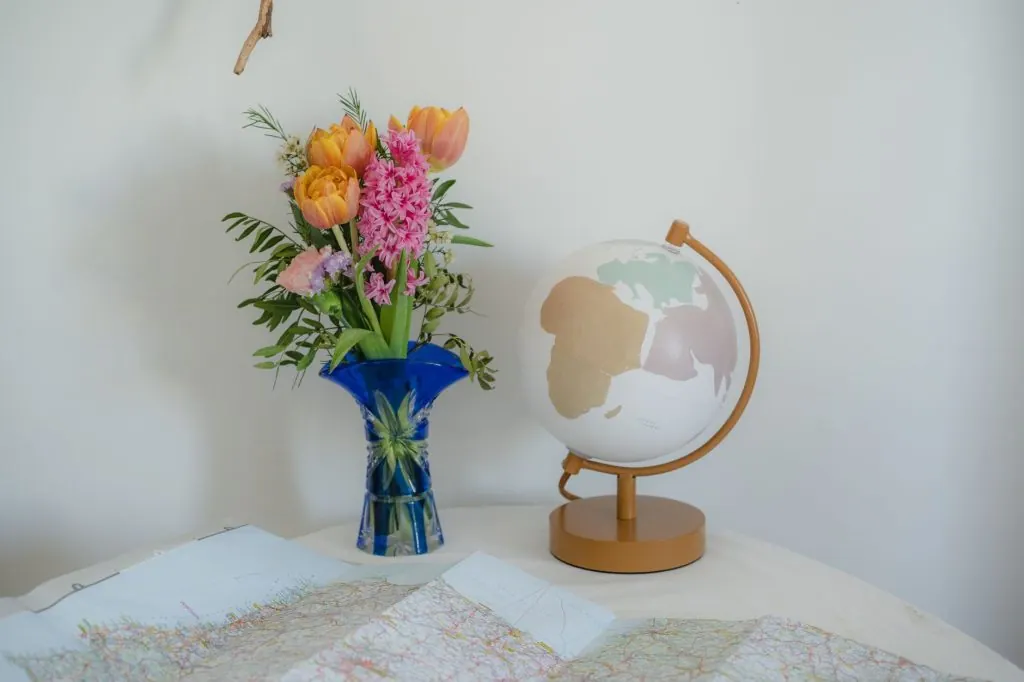
Recreate the experience at home :: cook, music, scent
Bringing home the feel of your holiday is not just about objects; it is about atmosphere. You can curate a sensory experience that mirrors your travels. This involves engaging sight, sound, smell, and taste in your daily routine.
Cooking and music
Cooking is a active form of remembrance. Use the ingredients you bought to recreate specific dishes. Listen to music from the region while you cook. This multi-sensory approach strengthens the neural connections associated with the memory. How to Document Your Travels can provide inspiration for how to capture these moments, but living them is even more powerful.
Scent and aroma
Scent is strongly linked to memory. Use essential oils or diffusers to recreate the smells of your holiday. A diffuser with lavender and vanilla might remind you of a French countryside, while citrus and mint could evoke a Mediterranean coast. Place these in rooms where you spend a lot of time, such as the kitchen or bedroom.
Decor and textiles
Use the textiles and decor items you bought to update your home. Swap out cushions, throws, and curtains for ones that reflect your holiday style. Grab Summer Style For Your Holiday can offer ideas on how to blend these new elements with your existing decor. The goal is to create a space that feels like an extension of your travels.
Buy responsibly :: avoid protected materials, fair trade, customs
Being a responsible traveller extends to what you buy. Some items may be made from protected species or materials that are not sustainable. Understanding these issues helps you make ethical choices.
Protected materials
Avoid buying items made from coral, tortoise shell, or certain types of wood unless you are sure they are sustainably sourced. These materials are often banned or restricted in many countries. Check the CITES list for details on protected species. Buying responsibly ensures that your souvenirs do not contribute to the decline of these species.
Fair trade
Support fair trade practices by buying from local artisans and cooperatives. This ensures that the money you spend goes directly to the people who made the items. Look for labels or certifications that indicate fair trade. This not only supports the local economy but also ensures that the items are authentic.
Customs and regulations
As mentioned earlier, customs regulations vary by country. Some items may be subject to duty or may be prohibited entirely. Check the official customs website of your home country before you travel. This can save you time and money at the border. It is also a good idea to keep receipts for expensive items, as they may be required for customs declaration.
Display and care :: arranging, wrapping, storage
Once you have brought your souvenirs home, the final step is to display and care for them properly. This ensures that they remain beautiful and functional for years to come.
Arranging and display
Arrange your items in a way that tells a story. Group similar items together, such as all the ceramics in one area or all the textiles in another. Use varying heights and textures to create visual interest. A flat lay of photos and small objects on a table can be a charming display.
Consider the lighting in your display area. Natural light is best for showcasing the colours and textures of your items. If natural light is not available, use warm, indirect lighting to highlight the details.
Wrapping and storage
When storing items, use acid-free tissue paper to prevent yellowing and damage. Store textiles in breathable cotton bags to allow air circulation. Avoid plastic bags, which can trap moisture and lead to mould. Keep items in a cool, dry place away from direct sunlight.
For fragile items, use padded boxes or bubble wrap for protection. Label the boxes clearly so you can find items easily when needed. Regularly check stored items for signs of damage or pest activity. This proactive care ensures that your travel keepsakes remain in pristine condition.
Bringing home the feel of your summer holiday is a process of curation, sensory engagement, and ethical choice. By selecting meaningful items, recreating the atmosphere, and caring for your souvenirs, you can extend the joy of your travels long after you have returned home. A Stay At Home Summer? offers further ideas on how to enjoy these memories in your daily life.