By
By 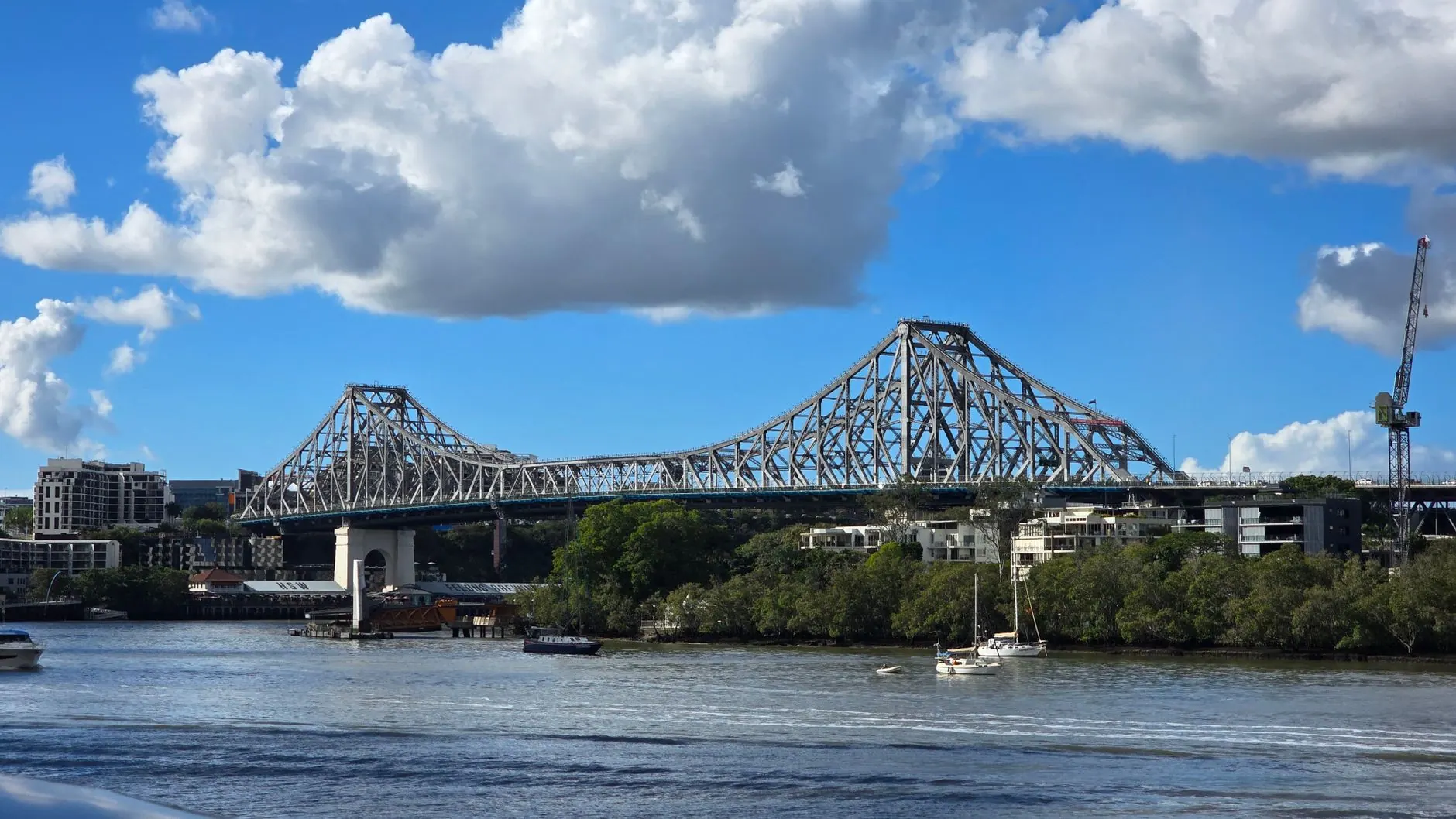
You have landed in Brisbane, expecting the usual city break, but the map tells a different story. Here, the river cuts right through the urban fabric, and just a short hop away lie islands, dunes, and national parks. If you are looking for activities that get your heart rate up and put you in the environment rather than behind a window, this city delivers. The geography itself is the playground, offering a mix of water, height, and wildlife that keeps most visitors active.
Many people assume a capital city means museums and galleries. While those have their place, Brisbane is better suited for those who want to climb, paddle, or climb aboard a vintage aircraft. The following guide breaks down the most rewarding ways to spend your time, focusing on practical details so you can plan a trip that matches your energy levels and interests.
Why Brisbane Is an Adventure Capital
The layout of Brisbane is fundamentally different from many other major cities. The Brisbane River acts as a spine, but it is the waterways branching off it that create the real opportunity for outdoor activity. You are rarely more than a short journey from a beach, a lake, or a dense forest. This proximity to nature means that adventure does not require a full-day excursion into the bush; it is often just a ferry ride or a short drive away.
For the active traveller, this geography allows for a diverse itinerary. You can start the morning kayaking through mangrove tunnels, spend the afternoon holding a koala, and end the evening with a view from a steel bridge. The presence of nearby national parks, such as those on Mount Coot-tha or in the surrounding ranges, provides hiking trails that feel worlds away from the city centre. Meanwhile, the islands off the coast offer completely different ecosystems, from sandy dunes to coral reefs.
This mix is what makes the region so appealing for those seeking adventure. You are not confined to a single type of environment. The transition from urban streets to rugged coastal tracks happens quickly. This variety ensures that you can tailor your days to your physical condition and weather conditions. If it is too hot for a strenuous hike, you might choose a cooler water-based activity. If the wind is picking up, you might opt for a climb where you can appreciate the breeze rather than fight it. Understanding this geographical advantage helps in packing and pacing your trip, ensuring you make the most of the space available to you.
Scaling the Story Bridge
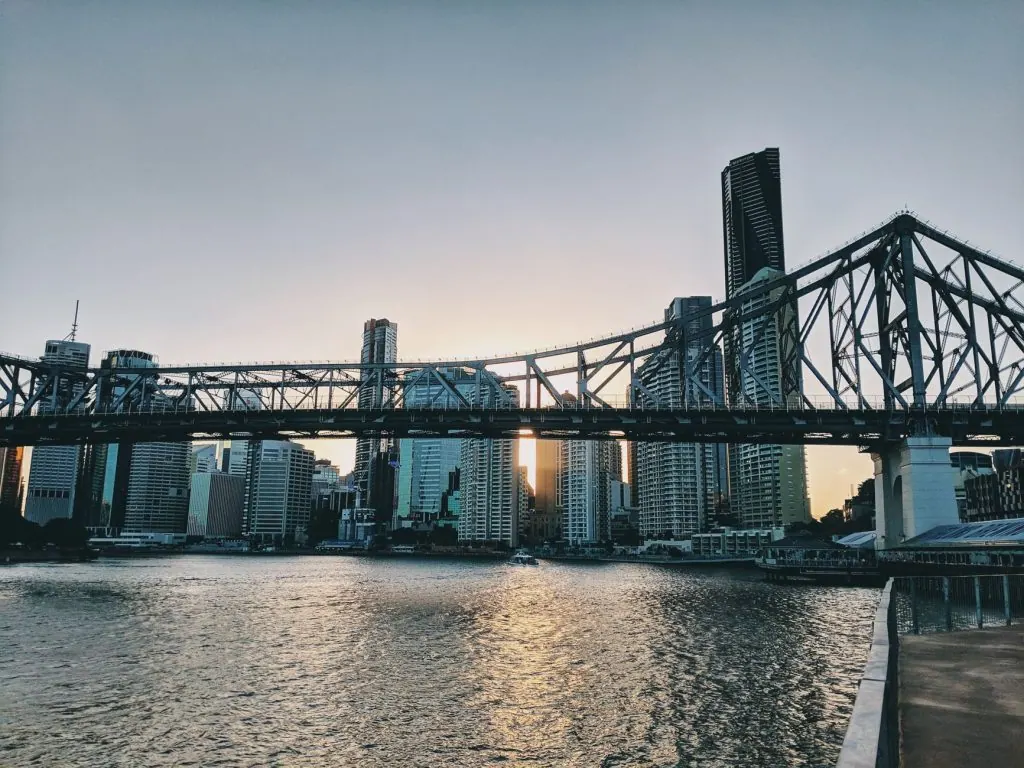
The Story Bridge is an iconic piece of engineering, spanning the river and connecting the city centre with the north bank. For many, seeing it from below is enough, but climbing it offers a perspective that is unmatched elsewhere in the city. The structure is a cantilever bridge, and its design is a testament to early twentieth-century engineering. Climbing it gives you a sense of its scale and the history of its construction, which dates back to the interwar period.
There are several tour options available, typically categorised by the time of day. A day climb offers clear visibility and cooler temperatures, allowing you to study the rivets and steel plates up close. Twilight and night climbs are also popular, offering a different visual experience as the city lights begin to glow. The night climb, in particular, provides a striking contrast between the dark sky and the illuminated skyline. These variations allow you to choose based on your comfort with heights and your preference for lighting conditions.
The physical requirements are manageable for most people with a basic level of fitness. You do not need to be an athlete, but you do need to be comfortable with heights and able to follow safety instructions. The climb involves ascending ladders and walking along narrow gantries. You are harnessed in at all times, so the risk of falling is minimal. The guides provide a briefing on history and safety before you begin.
The views from the summit are the main reward. You get a panoramic look at the CBD, the winding river, and the green spaces of South Bank. The eastern side of the bridge offers a direct line of sight to the city, while the western side looks out towards the industrial areas and the open water. This activity is a staple for those seeking adventurous things to do in Brisbane, combining physical effort with a unique vantage point. It is best booked in advance, especially for twilight and night slots, as space is limited.

Wildlife Encounters at Lone Pine
Lone Pine Koala Sanctuary is not just a place to see animals; it is a working conservation facility that offers a close-up look at Australian fauna. Located on the banks of the river, it is one of the oldest and largest of its kind. The sanctuary is home to a wide variety of native species, including kangaroos, wombats, and echidnas, alongside the famous koalas. This diversity means you are not limited to a single type of interaction.
The highlight for many visitors is the opportunity to hold a koala. These marsupials are native to eucalyptus forests and spend much of their time sleeping. Holding one is a gentle, quiet experience. You are guided by keepers who ensure both the animal and the visitor are comfortable. It is a brief moment, but it is a tangible connection to wildlife that is often seen only in zoos or on television.
Beyond the koalas, the sanctuary offers feeding sessions with kangaroos. This is a more active experience, as you are feeding them by hand. It requires a steady hand and a calm approach, as the kangaroos are curious and energetic. The presence of wombats and echidnas adds to the naturalistic feel of the place. These animals are often seen roaming freely in designated areas, providing spontaneous moments of observation.
The setting is designed to mimic natural habitats, with eucalyptus trees and open spaces. This makes the experience feel less like a cage and more like a wildlife park. It is a great option for those who want to see Australian animals without travelling to remote outback locations. The facility is accessible by car or public transport, making it easy to include in a day trip. It is a practical and educational part of any itinerary focused on adventurous things to do in Brisbane, offering a break from the urban environment.
Island Hopping on Moreton Island
Moreton Island is a large sand island located off the coast, accessible by boat from Brisbane. It is a national park, which means the landscape is preserved and largely undeveloped. The most famous feature is the world’s tallest stabilized sand dunes. These dunes rise dramatically from the beach and offer a unique terrain for activity.
Sandboarding down these dunes is a popular thrill. You can hire a board and slide down the steep slopes, experiencing an adrenaline rush similar to snowboarding but on sand. The dunes are massive, so the ride is long and exhilarating. It is a physical activity that requires balance and courage, making it a standout option for those seeking adventure. The climb back up the dune is strenuous, adding to the physical challenge of the day.
The island is also known for its marine life. During the winter months, from May to November, humpback whales migrate along the coast. Boat tours depart from the nearby resort area to watch these whales breaching and feeding. It is a spectacular sight, especially if you have never seen whales in the wild. The water around the island is also clear, making it a good spot for snorkelling. There are shipwrecks nearby that attract marine life, adding another layer of interest for divers and snorkellers.
The main hub for visitors is Tangalooma Island Resort, which offers accommodation and activities. You can stay on the island for a few days, immersing yourself in the island pace. The ferry ride itself is part of the experience, offering views of the coastline and the city receding in the distance. This trip is ideal for those who want a full day of varied activities, from sandboarding to whale watching. It requires a bit more planning than a city tour, as you need to coordinate boat times and book activities in advance.

River Adventures and Water Sports
The Brisbane River and its surrounding waterways offer a range of water-based activities. Unlike coastal cities where the ocean is the main focus, Brisbane’s river system provides a calm environment for paddling and boating. The river flows through the city, but its branches and adjacent lakes offer quieter spots for exploration.
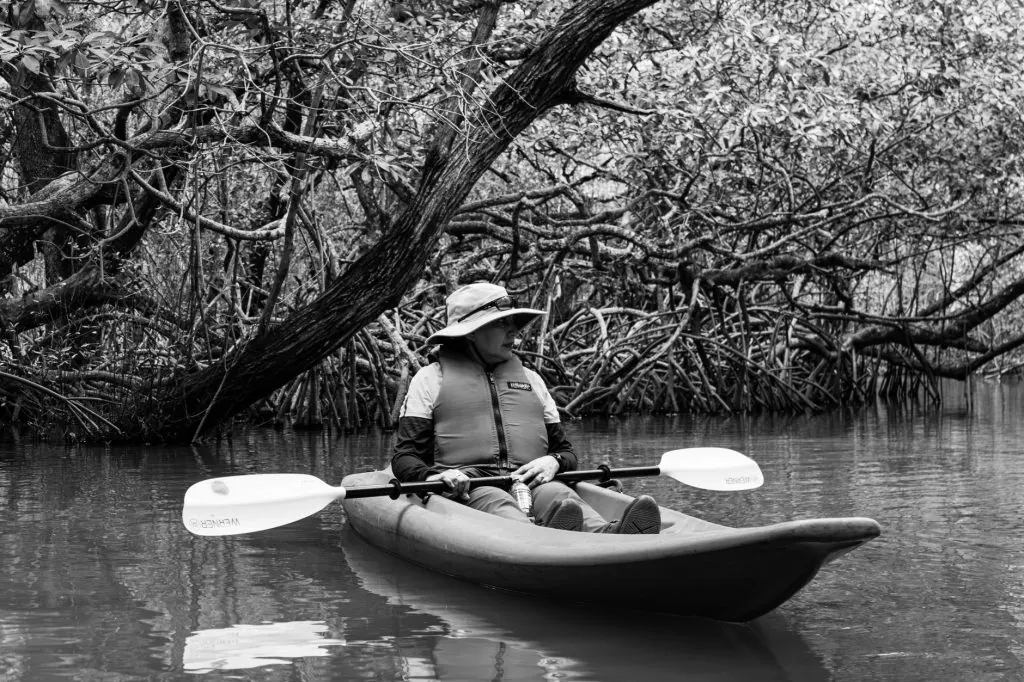
Kayaking through the mangroves is a popular choice. The mangrove forests are dense and provide a unique ecosystem for birds and fish. Paddling through these tunnels offers a sense of seclusion and discovery. You can spot kingfishers, herons, and other wildlife from the comfort of your kayak. It is a peaceful activity that contrasts with the more energetic sandboarding or bridge climbing.
Paddleboarding at South Bank is another option. This area is more open and recreational, with calm waters perfect for beginners. You can rent a board and explore the lake area, enjoying the city views from a different angle. It is a great way to stay active without the physical demand of a long hike. The flat water makes it easy to balance, and the scenery is pleasant.
For those who prefer hiking with a water element, taking a ferry to Mount Coot-tha is a good strategy. You can paddle to the base of the mountain and then hike up the trails. The combination of water and land activities allows for a varied day. The river also connects to other waterways, such as the Brisbane River’s tributaries, which offer further exploration opportunities. These activities are accessible and do not require specialized gear, making them easy to include in a short trip.
Aviation Thrills at Archerfield
Archerfield is a historic aviation site located just south of the city. It is home to the Flying Heritage, a collection of vintage aircraft that are fully restored and operational. This is not just a static display; you can fly in these historic planes. The site is a hub for aviation enthusiasts and offers a unique experience for those who want to feel the thrill of flight.
The main attraction is the opportunity to fly in a warbird. These are aircraft from previous conflicts, such as World War II, that have been brought back to flying condition. A typical flight lasts around thirty minutes and includes manoeuvres and acrobatics. You can sit in the passenger seat or, if you have the interest and the funds, take the controls for a portion of the flight. The experience is intense, with the sound of the engine and the G-forces of the manoeuvres providing a real sense of history.
Booking a flight is straightforward but requires advance notice. You need to check the weather conditions, as flights are weather-dependent. The cost is higher than a standard tour, reflecting the fuel and maintenance of these historic aircraft. It is a premium experience, but one that is unique to this location. The aircraft include a variety of types, from fighters to trainers, each with its own history and handling characteristics.
The site also offers ground tours where you can walk around and examine the planes up close. This is a good option if you are not keen on flying but still want to appreciate the engineering. The staff are knowledgeable and can provide detailed information about each aircraft. This activity is a niche but memorable part of the adventure landscape in Brisbane, appealing to those who appreciate history and engineering.
Where to Base Yourself for Adventure
Choosing where to stay in Brisbane depends on your travel style and the activities you plan to do. The city centre and South Bank are the most convenient bases for tourists. They are close to the ferry terminals, the bridge climb start points, and the main river activities. Staying here means you can walk to many attractions and reduce your reliance on transport. It is ideal for those who want to maximise their time in activities rather than in transit.
However, the city centre can be busy and expensive. If you prefer a more relaxed vibe, consider staying in neighbourhoods like West End or New Farm. These areas are just a short ferry ride away from the CBD but offer a different atmosphere. West End is known for its cafes, markets, and bohemian feel. New Farm is quieter, with parks and riverside walks. Both areas are popular with locals and offer a more authentic Brisbane experience.
For those planning extensive island or national park trips, staying near the river or in a suburb with good bus connections might be better. It allows for easier access to tour departure points. The key is to balance convenience with comfort. If you are active and plan to be out all day, a central location saves time. If you want to unwind in the evening with a local meal, a neighbourhood like West End might be more appealing.
You should also consider the cost. City centre hotels are often pricier, especially during peak seasons. Accommodation in surrounding suburbs can be more affordable. It is worth comparing options and reading reviews to find a place that fits your budget and preferences. The choice of base will influence your daily routine, so think about which activities are most important to you.
Budgeting and Timing Your Trip
Planning a budget for adventure activities in Brisbane requires some research, as costs can vary. Bridge climbs, sandboarding, and warbird flights are premium experiences. They are not cheap, but they are unique. You should set aside a portion of your budget for these highlights. Other activities, such as kayaking or paddleboarding, are more affordable and can be done independently.
The best time to visit for outdoor adventures is during autumn and spring. These seasons offer mild temperatures, which are ideal for climbing, hiking, and water activities. Summer can be hot and humid, making physical exertion more demanding. Winter is mild but can be cool for water activities. Rainfall is also a factor; Brisbane can have sudden downpours, so having a flexible itinerary is wise.
Booking in advance is crucial for popular activities. Bridge climbs and warbird flights have limited slots, and they fill up quickly, especially during school holidays and weekends. If you wait until the last minute, you might miss out on your preferred time slot. It is also worth checking for midweek discounts, as some providers offer lower rates on weekdays.
Transport costs should also be considered. The ferry system is efficient and scenic, but it adds up if you use it frequently. A daily or weekly pass might be cost-effective if you plan to travel a lot. Ride-hailing apps are available but can be expensive during peak times. Public buses are cheaper but less frequent in some areas. Plan your transport routes in advance to avoid unexpected costs.
Common Mistakes and Practical Tips
One of the most common mistakes is underestimating the heat. Brisbane can be hot, even in spring. Wearing heavy clothing or forgetting to bring water can lead to fatigue and discomfort. Dress in light, breathable fabrics and wear a hat. Sun protection is essential; the UV index can be high even on cloudy days. Bring sunglasses and apply sunscreen regularly.
Footwear is another critical factor. For bridge climbs, you need sturdy shoes that can grip the metal rungs. Sneakers are usually fine, but flip-flops are not suitable. For sandboarding, you might go barefoot or wear specific boots, depending on the provider. Check the requirements for each activity and pack accordingly.
Forgetting to book the Story Bridge climb in advance is a frequent error. These tours have strict capacity limits, and last-minute bookings are often unavailable. Similarly, warbird flights require advance booking due to weather and aircraft availability. Plan your major activities at least a few days ahead.
Missing the ferry schedule is another issue. Ferries run on a fixed timetable, and if you miss one, you might have to wait a long time for the next. Check the timetable before you head to the jetty and allow extra time for travel. Also, be aware that some activities, like whale watching, are seasonal. If you visit outside the migration period, you might not see whales, so check the seasonality of each activity before you go.
For those looking to explore the local food scene after a day of adventure, you might want to check out Must Visit restaurants in Brisbane to refuel with some local delicacies. It is a small detail, but good food makes the trip more enjoyable.
In summary, Brisbane offers a diverse range of activities for the active traveller. From climbing steel bridges to sliding down sand dunes, there is something for everyone. The key is to plan ahead, dress appropriately, and be flexible with the weather. By focusing on these practical details, you can ensure a memorable and enjoyable adventure.
Official sources and further reading
Opening times, entry rules and prices change, so check them on the official sites before you travel:
- Visit Brisbane: The official Brisbane visitor site.
- Australia.com: Tourism Australia's official site.