 By
By 
You have just finished a demanding quarter at work. The urge to disconnect is strong, but the idea of sitting by a static pool for a week feels like another kind of labour. You want stimulation, but not chaos. You want excellent food and deep history, yet you also want to return to a room where the linen is crisp and the silence is guaranteed. This is the sweet spot of the luxury city break. It is not merely about spending more money; it is about trading time and friction for comfort and quality.
A luxury city break requires a shift in mindset from standard tourism. Standard travel often involves queuing, navigating complex public transport with heavy bags, and eating where the crowds are. Luxury travel inverts this. It prioritises your energy, your attention, and your time. It is about curated experiences rather than checklist tourism.
Many travellers assume that luxury automatically means opulence. While that is part of it, true luxury in a city environment is defined by ease and access. It is about walking straight into a museum without a ticket queue. It is about a driver waiting outside while you unpack. It is about dining at a table that was reserved weeks ago, exactly where you wanted it.
To achieve this, you must move away from improvisation and towards deliberate planning. The difference between a good city trip and a perfect one lies in the preparation. By following a structured approach to city break planning, you can ensure that every element of your journey aligns with your desire for comfort and quality. This guide outlines exactly how to achieve that balance, ensuring your time away is restorative rather than exhausting.
What makes a city break luxurious
Defining luxury in an urban environment requires looking beyond the five-star rating on a hotel door. While a high rating is a baseline, it does not guarantee the experience you will receive. True luxury in a city is built on three pillars: time, comfort, and quality.
Time is the most valuable currency. In a busy metropolis, time is lost to navigation, waiting, and decision fatigue. A luxury experience removes these barriers. It means your transport is pre-arranged, your tickets are digital and ready, and your meals are secured. When you arrive at a venue, you are not a number in a queue; you are a guest. This preservation of mental energy allows you to fully immerse yourself in the culture and atmosphere rather than worrying about logistics.
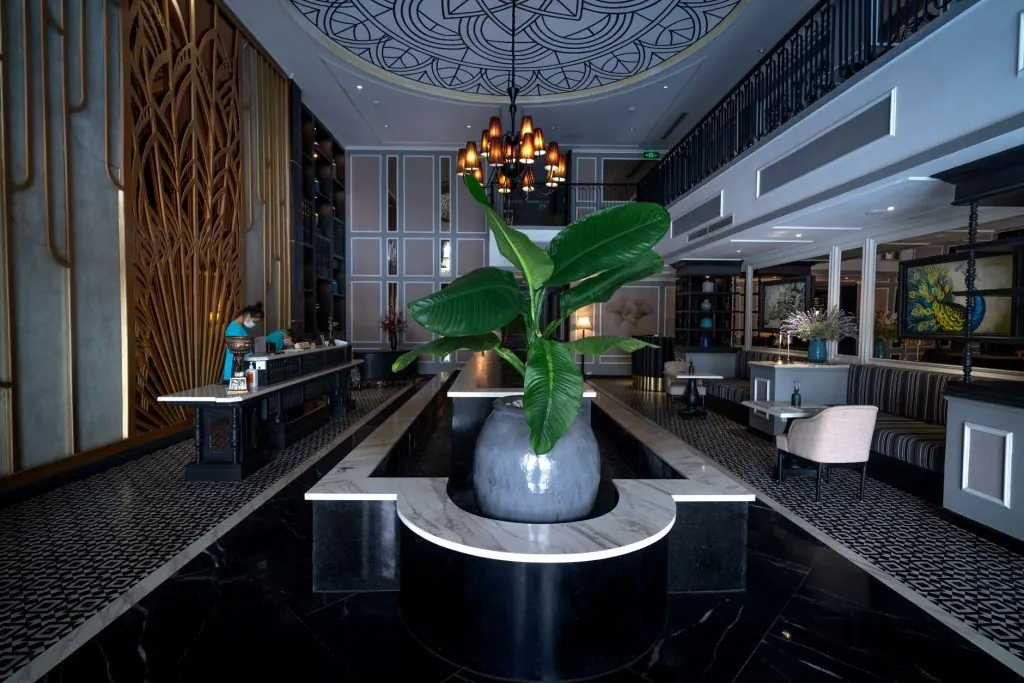
Comfort is the physical manifestation of that time saved. It is the difference between a room that is merely clean and one that is designed for rest. It involves the weight of the curtains, the soundproofing of the walls, the temperature control, and the quality of the bedding. In a city break, your hotel is your sanctuary. It should be a place where you can retreat from the noise of the streets and recharge. This extends to the amenities as well. Access to a spa, a quiet lounge, or a concierge who knows your preferences adds layers of comfort that standard hotels often lack.
Quality refers to the excellence of the experiences you consume. It is not about quantity; you do not need to see every monument. It is about the depth of the experience. A high-quality city break features exceptional food, engaging culture, and beautiful surroundings. It is the difference between a crowded restaurant and a private dining experience, or between a self-guided audio tour and a knowledgeable local expert. When quality is prioritised, every moment feels intentional and satisfying.
Step 1: pick the city
The foundation of a successful luxury city break is choosing a destination that genuinely aligns with your interests. It is tempting to choose a city because it is popular or because you have seen it on social media, but this often leads to a mismatch between expectation and reality. If you dislike crowds, a major tourist hub during peak season might feel oppressive rather than luxurious. If you prefer quiet museums, a city known for its nightlife and energy might leave you drained.
Start by identifying your core desires. Are you seeking culinary excellence, historical depth, artistic inspiration, or perhaps a blend of shopping and relaxation? Your answer should dictate the location. For instance, if theatre is your passion, a city with a renowned West End or opera house offers a concentrated dose of culture. If you are a foodie, look for cities with a strong culinary tradition and a reputation for fine dining. This alignment ensures that the city itself does the heavy lifting of entertaining you.
Consider the journey as part of the luxury experience. The length of the flight and the ease of transit matter. A direct flight to a nearby capital is often more luxurious than a multi-leg journey to a distant metropolis, even if the destination is more famous. Travel fatigue can ruin the best-planned trip. Choose a city that is accessible from your home base, or one where the journey itself feels like a treat. Direct flights minimise stress and preserve your energy for when you arrive.
Seasonality also plays a crucial role in the quality of your stay. Visiting a city in its shoulder season can offer a more relaxed atmosphere, shorter queues, and a more authentic feel. Summer months often bring heat, crowds, and higher prices, which can detract from the sense of calm. Winter months might offer festive charm but shorter daylight hours. Research the climate and events of your chosen city to ensure the timing enhances your experience rather than hindering it.
When selecting a city, also consider its layout. Some cities are walkable and compact, allowing you to explore on foot with ease. Others are sprawling and require significant transport. For a luxury break, a walkable city centre allows you to move between hotels, restaurants, and attractions without the friction of navigating complex traffic. If the city is large, ensure your accommodation is centrally located to minimise transit time.

Step 2: choose the hotel
Your accommodation is the anchor of your luxury city break. It is where you arrive, where you rest, and where you plan your days. Choosing the right hotel requires looking beyond the star rating and focusing on location, service, and room quality. A five-star hotel in a poor location can be less luxurious than a four-star boutique in the heart of the action.
Location is paramount. You want to be within walking distance of the major attractions you wish to visit, but also in a neighbourhood that feels safe and pleasant. A hotel in a quiet residential street can offer a respite from the tourist throngs, while still being close to the centre. Consider the neighbourhood’s vibe. Is it vibrant and lively, or calm and refined? Your choice should match your mood for the trip.
Service is what separates a good hotel from a great one. Look for properties that offer a high staff-to-guest ratio. This ensures that your requests are met promptly and with a personal touch. Concierge services are invaluable in a city break. A good concierge can secure hard-to-get restaurant reservations, arrange private tours, and provide insider knowledge that you won’t find in guidebooks. Read recent reviews to gauge the consistency of service. A hotel might have beautiful rooms but poor service, which can undermine the entire experience.
When reviewing rooms, pay attention to the details. Look for photos and descriptions that mention soundproofing, blackout curtains, and high-thread-count linens. The bed is the most important piece of furniture in your room; ensure it is described as comfortable. Bathrooms should be spacious and well-equipped. Luxury is often found in the small touches: a welcome drink, a note from the staff, or the quality of the toiletries.
Consider alternative accommodation options like luxury apartments. These can offer more space and a different kind of freedom, especially if you are travelling with family or want a kitchenette for late-night snacks. However, they often lack the daily service and amenities of a hotel, such as room service or a spa. Weigh the pros and cons carefully. If you value privacy and space over daily service, an apartment might be the better choice. If you value convenience and service, a hotel is superior.
Use online resources to compare options, but do not rely solely on aggregate scores. Read individual reviews to understand the nuances. Look for comments about noise, cleanliness, and staff attitude. These details often reveal the true character of the hotel. Also, consider the hotel’s policies. Flexible cancellation, early check-in, and late check-out can significantly enhance your comfort, especially after a long flight.
For inspiration on what to look for, you might explore The Most Luxurious Hotels for the Vegas Experience to see how high-end properties define luxury in different contexts. This can help you identify the standards you expect in your own destination.
Step 3: plan the days
Planning your days is where you translate your interests into a tangible itinerary. A common mistake is over-scheduling, which leads to exhaustion. A luxury city break should feel effortless, not like a military campaign. The goal is to create a rhythm that allows for exploration and relaxation.
Start by identifying your must-do experiences. These are the non-negotiables: a specific museum, a theatre performance, a famous landmark. Place these at the beginning of your day when your energy is highest. Group activities that are geographically close to minimise travel time. For example, spend the morning in one district and the afternoon in another, rather than criss-crossing the city.
Leave room for spontaneity. A rigid itinerary can feel restrictive. Allow for unstructured time to wander, sit in a café, or return to the hotel for a rest. This flexibility is a key component of luxury travel. It allows you to follow your instincts and enjoy the moment without the pressure of a clock.
Consider the pacing. Mix high-energy activities with low-energy ones. After a day of walking and sightseeing, plan an evening of relaxed dining. After a museum visit, allow time for a nap or a spa treatment. This variation keeps your energy levels stable and prevents burnout.
Reservations are critical. In a luxury city break, you want to avoid waiting. Book your restaurants, tours, and performances in advance. This not only secures your spot but also allows you to plan your day with confidence. Knowing that your dinner is confirmed at 8 pm allows you to structure your afternoon around it.
Use technology to your advantage. Download offline maps, save addresses, and keep digital copies of your tickets. This reduces the stress of trying to find information while on the go. However, do not let your phone become your primary focus. Put it away when you are dining or watching a performance to fully immerse yourself in the experience.
When planning, also consider the logistics of your day. How will you get to your destination? Is it a short walk, a taxi ride, or a public transport journey? Factor in travel time and potential delays. If you are using public transport, research the best routes and times to avoid rush hour crowds. If you are using a taxi or ride-hailing app, be prepared for potential wait times during peak hours.
Finally, review your plan each evening. Adjust the next day’s itinerary based on how you felt. If you were tired, simplify the plan. If you were energised, add an extra activity. This dynamic approach ensures that your trip remains enjoyable and tailored to your needs.

Dining
Food is a central pillar of the luxury city break experience. It is not just about sustenance; it is about culture, flavour, and social connection. Choosing the right restaurants and securing reservations are key to a successful culinary journey.
Start by defining your culinary goals. Are you looking for fine dining, street food, or a mix of both? Luxury does not always mean white tablecloths. Some of the best food experiences in cities are found in small, intimate bistros or high-end street food markets. However, if you prefer a formal dining experience, look for restaurants with a strong reputation for service and cuisine.
Reservations are essential, especially for popular spots. In luxury city break planning, you do not want to spend your evening standing in line or eating mediocre food because the good places are full. Book your dinners a few weeks in advance, particularly for weekends. Use a price-comparison site or a booking platform to check availability and read reviews.
Consider dietary needs early. If you have specific requirements, such as gluten-free or vegetarian preferences, mention them when booking. Most reputable restaurants will accommodate these requests, but it is better to be explicit. This ensures that your dining experience is enjoyable and not fraught with anxiety.
Explore different dining venues. Don’t limit yourself to restaurants. Try high-end hotels for afternoon tea, rooftop bars for drinks with a view, or local markets for a taste of everyday life. This variety adds depth to your culinary experience and exposes you to different aspects of the city’s culture.
Be mindful of timing. In some cities, dinner is eaten late; in others, it is early. Align your schedule with local customs to avoid going to a restaurant when it is too crowded or too quiet. Research the local dining culture to ensure your expectations match the reality.
Finally, enjoy the experience. Put away your phone, engage with your companions, and savour the food. Dining is a sensory experience, and rushing through it diminishes its value. Take your time, order wine that complements your meal, and appreciate the craftsmanship of the chef.
Culture
A luxury city break is enriched by cultural immersion. It is not just about seeing sights; it is about understanding the history, art, and spirit of the city. Museums, theatre, and private tours offer deep dives into the local culture.
Museums are a staple of city culture. However, visiting them can be crowded and overwhelming. To enhance your experience, consider private tours or early morning visits. A private guide can provide context and access to restricted areas, turning a standard visit into an exclusive experience. Look for museums that offer special exhibitions or collections that align with your interests.
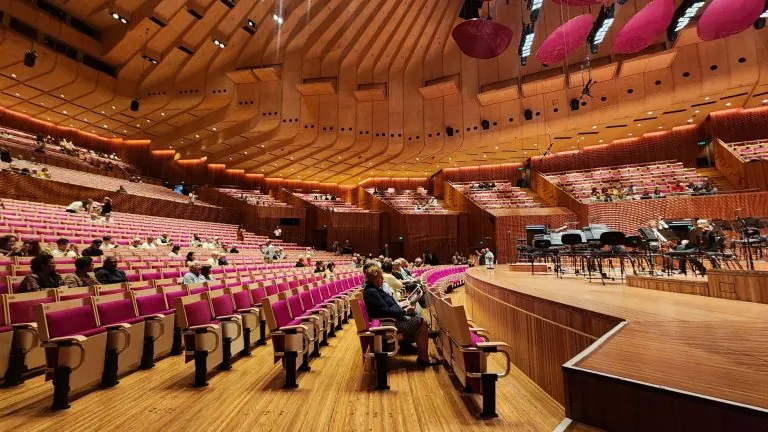
Theatre is another key cultural activity. Cities like London, New York, and Paris have renowned theatre districts. Booking tickets in advance ensures you get good seats and avoid last-minute stress. Consider Put a Visit to the Opera at the Top of Your Destination List if you enjoy grand performances and orchestral music. Opera houses often offer guided tours and backstage visits, adding another layer of interest.
Private tours offer a personalised touch. Whether it a walking tour of historic neighbourhoods or a food tour led by a local expert, these experiences provide insights that guidebooks cannot. They allow you to ask questions and tailor the experience to your pace and interests.
Art galleries and historical sites also offer cultural richness. Look for smaller, less crowded galleries that showcase local artists. These venues often provide a more intimate and engaging experience than large, tourist-heavy museums.
When engaging with culture, be respectful and curious. Ask questions, listen to guides, and observe the surroundings. Cultural immersion is about connection, not just observation. It enriches your understanding of the city and makes your trip more memorable.

Getting around
Navigating a city efficiently is crucial for a smooth luxury break. While luxury implies comfort, it does not always mean you will be driven everywhere. Understanding the local transport options helps you make informed decisions.
Walking is often the best way to explore a city centre. It allows you to discover hidden gems, admire architecture, and absorb the atmosphere. However, be mindful of your stamina. Plan your walks to be manageable, and take breaks when needed.
Taxis and ride-hailing apps offer convenience and comfort, especially for longer distances or late-night returns. They are ideal for reaching destinations that are outside the walkable area or when you are tired. While they can be more expensive than public transport, the convenience and comfort often justify the cost for a luxury break.
Public transport can be efficient and authentic. In some cities, it is a landmark experience in itself. However, it can be crowded and confusing for visitors. If you choose to use public transport, research the system in advance. Download the relevant apps and learn the basic routes. This reduces the stress of navigation.
Consider the cost and convenience trade-off. Public transport is cheaper but may require more effort. Taxis are easier but cost more. For a luxury break, a mix of both might be ideal. Use public transport for short, scenic trips and taxis for longer or more urgent journeys.
Always have a backup plan. If a taxi is unavailable or a train is delayed, know your alternatives. This flexibility ensures that your day proceeds smoothly, regardless of transport hiccups.
Spa and rest
Luxury is not just about activity; it is also about rest. Building downtime into your itinerary is essential for maintaining energy and enjoying your trip. Without rest, even the best-planned trip can feel exhausting.
Spas offer a perfect opportunity to relax and recharge. Many luxury hotels have world-class spas, offering treatments like massages, facials, and hydrotherapy. Booking a spa session in advance ensures you get a time that fits your schedule. Consider a spa day as a reward for a day of exploration.
Rest also means allowing for unstructured time. Do not schedule every hour. Leave afternoons free for a nap, a walk in the park, or simply reading in the hotel lobby. This downtime allows you to process the experiences of the day and return to activities refreshed.
Listen to your body. If you are tired, rest. If you are energised, go out. Your itinerary should serve you, not the other way around. Flexibility is key to a luxurious experience.
Consider the location of your rest. A quiet corner of the hotel, a peaceful garden, or a serene park can provide the perfect setting for relaxation. Choose environments that promote calm and tranquility.
Rest is an investment in your enjoyment. A well-rested traveller is more engaged, more appreciative, and more likely to have a positive experience. Do not underestimate the value of doing nothing.
Budgeting
Luxury does not mean unlimited spending. It means spending wisely to maximise value and enjoyment. Budgeting for a luxury city break involves identifying where to splurge and where to save.
Decide where quality matters most to you. For some, it is the hotel room; for others, it is the food or the experiences. Allocate your budget accordingly. If you love fine dining, spend more on restaurants and less on accommodation. If you prefer comfort, invest in a better hotel and eat more modestly.
Research costs in advance. Some cities are significantly more expensive than others. Adjust your budget based on the destination’s cost of living. Also, consider the season. Prices for hotels and flights can vary greatly depending on the time of year.
Look for value in unexpected places. A free walking tour can provide excellent insights at a low cost. A picnic in the park can be a luxurious experience if the setting is right. Do not assume that luxury always means high prices.
Be aware of hidden costs. Service charges, taxes, and tips can add up. Factor these into your budget to avoid surprises. Also, consider the cost of transport. If you plan to use taxis frequently, this can be a significant expense.
Finally, enjoy your spending. Luxury is about the experience, not the price tag. If you are happy with your choices, you have succeeded. Do not let budget anxiety undermine your enjoyment. Plan your spending so that it enhances your trip, rather than detracting from it.
Official sources and further reading
Opening times, entry rules and prices change, so check them on the official sites before you travel:
- GOV.UK: foreign travel advice: Entry rules, safety and health notices for every country, kept up to date by the UK government.