By
By 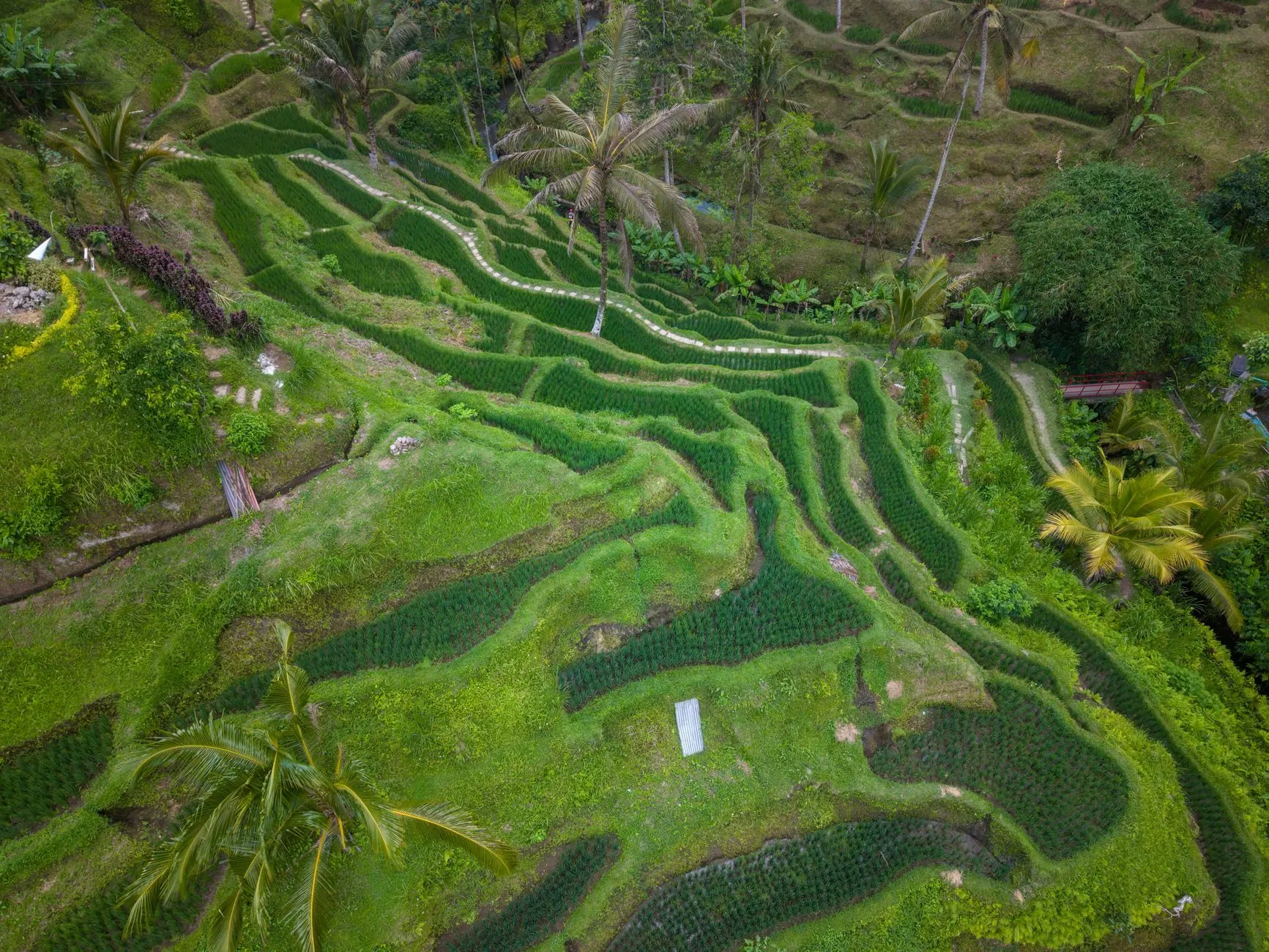
Packing for Indonesia often feels like trying to solve a puzzle with missing pieces. You know you want to see ancient temples, eat incredible street food, and maybe catch a wave, but the logistics of moving between islands and understanding the local rhythm can quickly overwhelm a simple itinerary. The difference between a stressful holiday and a smooth one usually comes down to preparation. Knowing when to go, where to stay, and how to navigate the local transport network allows you to focus on the experience rather than the logistics.
This guide cuts through the general hype to give you concrete, usable advice on the most rewarding activities and how to execute them. Whether you are chasing cultural depth in Java or sun-soaked days in Bali, understanding the trade-offs of each destination will help you build a trip that matches your pace and interests.

Best Time to Visit Indonesia
Indonesia sits on the equator, which means it does not have four distinct seasons like the UK. Instead, the climate is divided into two main periods: the dry season and the wet season. The dry season typically runs from April to October, while the wet season spans November to March. This division is the single most important factor in planning your activities, as rain can drastically change what you can do in a day.
During the dry season, the weather is generally sunny with low humidity, making it the ideal window for outdoor pursuits. If your plan involves trekking up volcanoes in Java or Bali, or spending a full day at the beach, this is the time to aim for. The trails are less muddy, and the sea is calmer, which improves visibility for snorkelling and diving. Conversely, the wet season brings heavy, though often brief, downpours. While this does not ruin a trip entirely, it can make trekking slippery and beach days unpredictable. If you visit during the wet season, expect to structure your days around the weather, perhaps prioritising indoor cultural sites or spa time during the afternoon showers.
The shoulder months, particularly May and September, offer a sweet spot for many travellers. These periods sit between the peak dry season and the start of the rains. You will still find pleasant weather for most activities, but you will encounter fewer crowds and slightly lower prices for accommodation. The islands are less congested, making it easier to secure spots at popular restaurants or get the best views at temples without fighting through a throng of tourists.
When deciding between islands, remember that weather patterns can vary slightly depending on the region. Bali and the western islands generally follow the dry/wet pattern described above, while eastern Indonesia may have different microclimates. Always check the specific forecast for your destination a few days before you travel, as tropical weather can be localized and changeable.
Where to Base Yourself
Choosing the right base city or district is crucial for minimising transit time and maximising your enjoyment. Indonesia is vast, and moving between islands takes time and money. Your base should align with your primary interest, whether that is nature, history, or beach life.
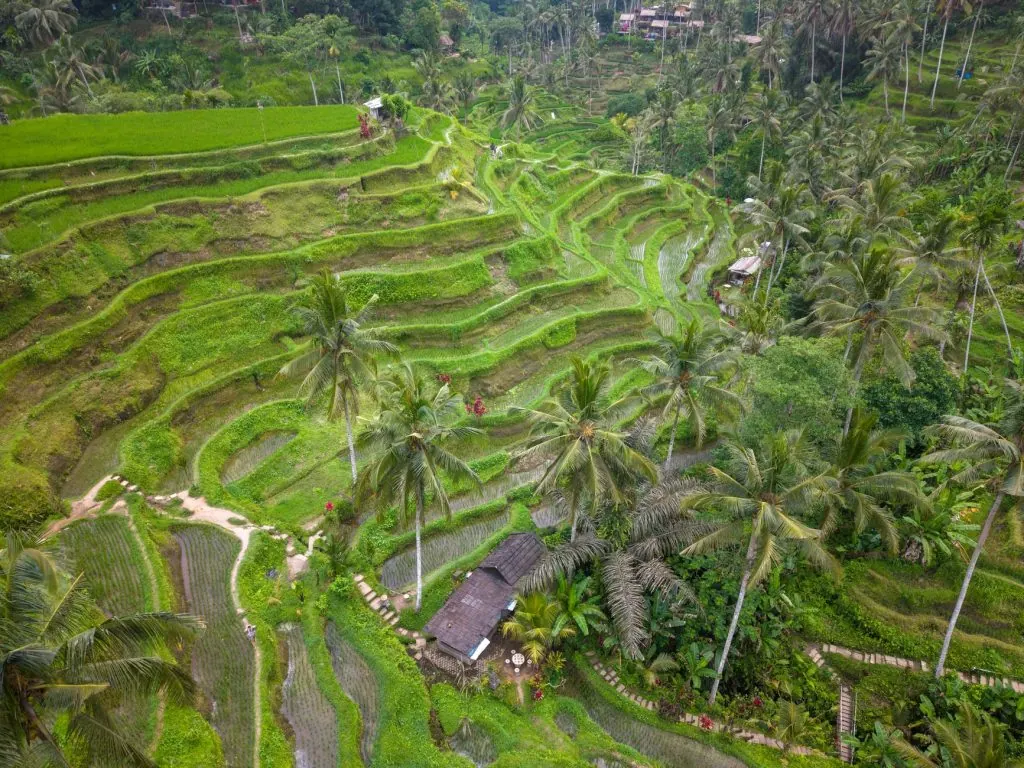
Bali is the most popular starting point for many visitors, but it is not a monolith. The island has distinct zones. Ubud is the cultural heart, surrounded by rice terraces and forested hills. It is the best base if you want to immerse yourself in traditional arts, yoga, and nature walks. Seminyak, to the south, offers a more modern vibe with upscale dining, nightlife, and boutique shopping. It is ideal for travellers who want convenience, a bustling atmosphere, and easy access to beach clubs. Uluwatu, further south on the Bukit Peninsula, is quieter and renowned for its dramatic cliffs and world-class surf breaks. It suits those seeking a relaxed, scenic retreat away from the central crowds.
For historical depth, Yogyakarta in Java is the superior choice. It sits in the shadow of two of the world’s largest Buddhist and Hindu temples. The city is a hub of traditional Javanese culture, with accessible puppet shows, batik workshops, and a vibrant arts scene. It is significantly cheaper than Bali and offers a deeper dive into Indonesian history. If you prefer beach life with less cultural density, consider Lombok or the Gili Islands, which offer a simpler, slower pace of life compared to Bali’s intensity.
Avoid trying to do everything in one location. If you base yourself in Ubud, you are far from the best surf breaks in Uluwatu. If you stay in Yogyakarta, you are days away from the beaches of Bali. Map out your primary activities first, then choose a base that minimises travel time to those specific points. This approach reduces fatigue and leaves more energy for the actual experiences.

Iconic Temples and Cultural Sites
Indonesia is home to some of the most significant religious architecture in the world. Visiting temples is not just about seeing old buildings; it is about understanding the spiritual fabric of the islands. However, these sites are active places of worship, so respecting local customs is as important as enjoying the view.
Tanah Lot and Uluwatu Temple in Bali are iconic sea temples perched on rocky outcrops. They are particularly famous for their sunset views. The sun setting behind these structures creates a dramatic silhouette that is widely photographed. To get the best experience, arrive at least two hours before sunset. This gives you time to explore the temple grounds, watch the traditional Kecak dance performance often held in the evening, and secure a good viewing spot without the last-minute rush. Be prepared for crowds; these are among the most visited sites in the country.
In Java, Borobudur is the largest Buddhist temple in the world. It is a massive stupa complex with thousands of relief panels. Visiting Borobudur requires a full day. Many travellers choose to see the sunrise, which offers a mystical atmosphere with mist rolling over the volcanic landscape. Others prefer the afternoon to see the architectural details more clearly. Regardless of when you go, dress codes are strictly enforced. You must wear a sarong and sash, which are usually provided by the temple but may come with a small fee. Remove your shoes and hats before entering the inner sanctums.
When visiting any temple, observe the local behaviour. If a ceremony is taking place, stay quiet and do not block the path of worshippers. Do not point your feet at the Buddha statues or deities, as this is considered disrespectful. Women who are menstruating are often asked not to enter the inner temple areas, a tradition rooted in Balinese Hindu beliefs. While this rule is not always strictly enforced for tourists, it is good practice to be aware of it.
The Inside Indonesia’s Pink and Sandy Beaches Situated in Komodo Island offers a unique contrast to these ancient stone structures, blending natural beauty with historical significance. Combining a temple visit with a trip to such unique natural sites can provide a well-rounded cultural experience.
Best Surfing Spots for All Levels
Indonesia is a surf destination for a reason. The island chain sits on the Indian Ocean swell, creating consistent waves year-round. However, the quality of the break varies by location and skill level. Knowing where to go prevents you from ending up in a crowded lineup or a wave that is too big for your ability.
For beginners, the areas around Kuta and Canggu in Bali are ideal. The waves here are generally smaller and more forgiving, breaking over sandy bottoms which are easier to recover from than rocky reefs. Many schools offer lessons that include board rental and instruction. This is the best place to learn the basics of paddling, popping up, and reading the wave. Canggu, in particular, has a relaxed vibe with plenty of cafes and surf schools nearby. It is easy to find a spot that suits a novice without the pressure of experienced surfers crashing through your line.
As you progress, you will want to seek out more challenging breaks. Uluwatu, on the southern tip of Bali, is a world-class reef break. The waves are powerful, fast, and can be dangerous for beginners due to the sharp coral and strong currents. It attracts advanced surfers who can handle long rides and sharp turns. Similarly, G-Land in Java is famous for its massive, hollow waves and is a bucket-list destination for experienced surfers. It is remote, requiring a boat or van transfer, and the waves can be intimidating.
When renting boards, always inspect them for cracks or damage before taking them. A damaged board can break mid-wave, leaving you stranded. Local surf shops usually offer daily rental rates, but renting for a longer period often reduces the daily cost. Always ask for a board bag if you are checking luggage on a flight, as surf boards are fragile.
Surf etiquette is crucial in Indonesia. The person closest to the peak (the highest part of the wave) has right of way. Do not drop in on someone who is already riding the wave. Respect the locals; they know these breaks best and have been surfing them for decades. A simple nod or "sorry" if you make a mistake goes a long way. If the lineup is crowded, be patient and take turns.
Must-Try Indonesian Street Food
Street food is the heartbeat of Indonesian cuisine. It is affordable, delicious, and offers a direct taste of local life. While some travellers are hesitant due to concerns about hygiene, the key is to choose busy stalls where food is cooked fresh and served hot. High turnover means the food is less likely to have been sitting out.
Nasi Goreng is a staple dish found everywhere. It is fried rice cooked with sweet soy sauce, shallots, and chilli, often topped with a fried egg and prawn crackers. It is cheap, filling, and widely available. Satay, or skewered meat grilled over charcoal, is another essential. It is served with a rich peanut sauce or a spicy tomato-based sauce, depending on the region. Try it at a busy night market where you can watch the chefs grilling the meat.
To navigate street food confidently, look for stalls that are busy with locals. If a stall has a line of people, it is usually a good sign. Avoid raw salads or cut fruits that have been sitting out in the heat for hours, as these can harbour bacteria. Stick to hot, freshly cooked items. Drink bottled or filtered water, and avoid ice unless you are sure it is made from purified water, which is standard in most established eateries.
In Jakarta and Bali, street food hubs are vibrant and diverse. In Jakarta, the night markets offer a wide variety of regional dishes. In Bali, you will find a mix of Indonesian and international options, but the local warungs (small family-owned restaurants) offer the most authentic and affordable meals. Don’t be afraid to ask for spice levels to be adjusted; Indonesian food can be quite hot. A simple request to make it less spicy can make a huge difference to your enjoyment.
Wildlife Encounters and Natural Wonders
Indonesia’s biodiversity is staggering, with unique species found nowhere else on Earth. Encountering wildlife in their natural habitat is a highlight, but it requires some preparation to ensure safety for both you and the animals.
The Monkey Forest in Ubud is a popular attraction where visitors can walk among hundreds of long-tailed macaques. The forest is a lush, green sanctuary in the middle of town. While the monkeys are generally used to humans, they are wild animals. They are known to snatch hats, glasses, and small items from visitors. Keep your valuables in zipped bags and avoid making direct eye contact, which can be seen as a challenge. Do not feed the monkeys unless instructed, as human food can be unhealthy for them.
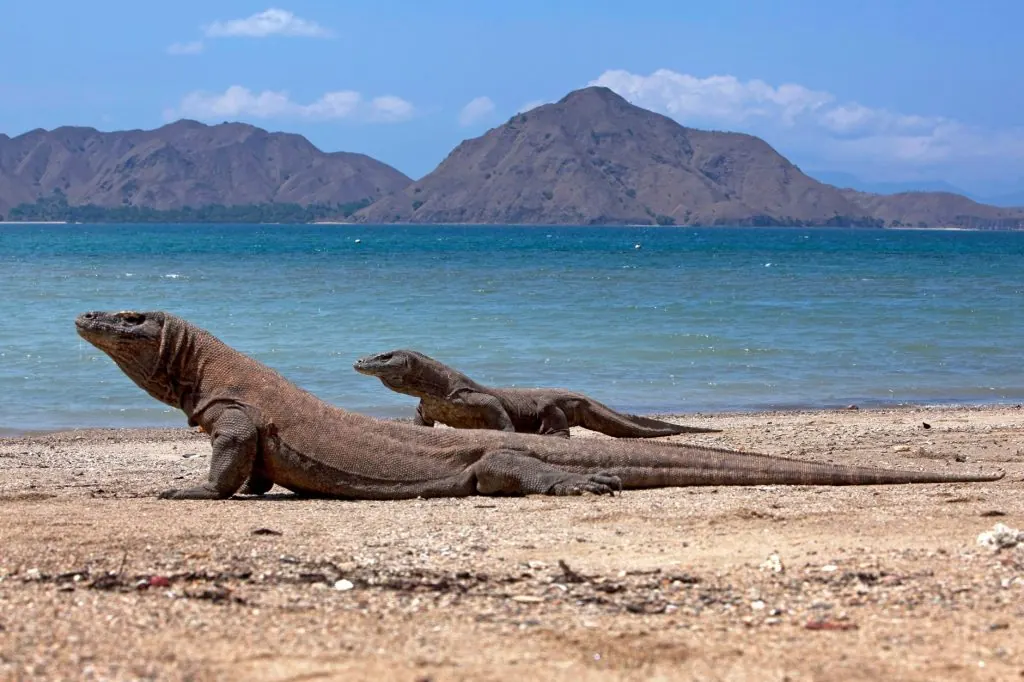
Further east, Komodo National Park is home to the Komodo dragon, the largest living lizard on Earth. These prehistoric creatures can grow up to three metres long and are powerful predators. Visiting the park requires a guided tour. You cannot explore the islands where the dragons live entirely on your own because the guides know how to read the animals’ behaviour and can ensure your safety. The guides carry sticks to distract the dragons if they get too curious.
Booking a guided tour for Komodo is essential. The tours usually include a boat trip, snorkelling in crystal-clear waters, and a hike to see the dragons in their habitat. The cost covers the guide, boat, and park fees. It is a more expensive experience than the Monkey Forest, but the opportunity to see these rare creatures in the wild is unmatched.
When visiting any wildlife site, follow the rules strictly. Do not touch the animals unless the guide allows it. Keep a safe distance, especially with the Komodo dragons, who can move surprisingly fast. These encounters are memorable, but they are also fragile ecosystems. Respecting the animals’ space helps preserve them for future travellers.
Budgeting and Costs in Indonesia
Indonesia is generally affordable, but costs can vary significantly depending on your travel style and location. Understanding how to budget helps you avoid unexpected expenses and allows you to stretch your money further.
Accommodation ranges from basic guesthouses to luxury villas. In rural areas or smaller towns, you can find clean, comfortable rooms for a low price. In tourist hubs like Bali, prices are higher, especially in the dry season. Mid-range hotels and resorts offer more amenities, such as pools and air conditioning, at a moderate cost. Luxury travel in Indonesia is world-class, with private villas and high-end resorts commanding premium prices.
Transport costs depend on how you move. Domestic flights are the most efficient way to cover long distances between islands, but they can be expensive if booked last minute. Ferries are a cheaper alternative, taking longer but offering a more local experience. Local transport, such as taxis and ride-hailing apps, is inexpensive in cities but can add up if you are moving around frequently. In rural areas, hiring a private driver for the day is often the most convenient and cost-effective option.
Food costs are low, especially if you eat at local warungs. A meal at a local eatery is much cheaper than dining at tourist-focused restaurants. Street food is the most budget-friendly option. However, alcohol and imported goods are taxed heavily, so drinks at bars and restaurants can be pricey.
Peak tourist seasons, particularly during the dry months and around holidays, see higher prices for flights and accommodation. Traveling during the shoulder season can save you money. Be aware that some attractions charge entrance fees, and these can add up. Plan your daily spending to include a mix of free activities, such as walking tours and beach time, and paid experiences, such as temple visits and guided tours.
Getting Around Indonesia
Navigating Indonesia’s archipelago requires a mix of air, sea, and land transport. The country is vast, and efficient planning is key to avoiding wasted time and money.
For long distances between islands, domestic flights are the most time-efficient option. Major airlines connect Jakarta, Bali, and other key hubs. Booking flights in advance often secures better rates. Ferries are a slower but more scenic alternative. They are cheaper and allow you to bring vehicles, but schedules can be less frequent and travel times longer. Always check the ferry port locations, as some islands have multiple ports.
In cities like Jakarta and Bali, ride-hailing apps are the most convenient way to get around. They offer fixed prices, reducing the need to negotiate fares with taxi drivers. These apps are widely used and reliable. For shorter distances, walking is often feasible in compact areas. In rural areas, hiring a private driver is the best option. It allows for flexibility and a local guide who can suggest hidden gems.
Local transport, such as buses and trains, is available but can be less comfortable and less predictable than ride-hailing. Trains are a good option for journeys in Java, offering a comfortable and scenic ride. However, tickets can sell out quickly, so book in advance.
When planning your route, consider travel times carefully. A journey that looks short on a map can take hours due to traffic or ferry schedules. Build in buffer time to avoid rushing between connections. Using a combination of flights for long hops and local transport for exploration is usually the most effective strategy.
Common Travel Mistakes to Avoid
Even experienced travellers can make mistakes in Indonesia. Avoiding these common pitfalls will make your trip smoother and more enjoyable.
One major mistake is underestimating travel times between islands. Indonesia’s geography means that distances are often greater than they appear. A flight might be short, but getting to the airport and through security can take hours. Ferries can be delayed due to weather. Always allow extra time for transit, especially if you have a connecting flight or a tight schedule.
Ignoring the dry season for outdoor activities is another error. If you plan to trek or beach-hop, visiting during the wet season can lead to muddy trails and washed-out ferries. While the rain is often short, it can disrupt plans. Plan your outdoor-heavy days for the dry season, and keep indoor activities for the wet season.
Failing to book popular temples or attractions in advance is common. Sites like Borobudur and Uluwatu Temple attract large crowds. Booking tickets online or arriving early in the morning can save you from long queues and a crowded experience. Popular tours and restaurants also fill up quickly, so reservations are advisable.
Another mistake is assuming all islands are the same. Bali is very different from Java or Sumatra in terms of culture, pace, and infrastructure. Research each destination before you go to set the right expectations. Also, don’t forget to pack appropriate clothing for temple visits, including a sarong if you don’t want to buy one there.
Finally, be mindful of your valuables. Pickpocketing can occur in busy areas, and monkeys are known to snatch items. Use zipped bags, keep your phone secure, and stay aware of your surroundings. With a bit of preparation, you can avoid these common issues and focus on enjoying the incredible experiences Indonesia has to offer.
Official sources and further reading
Opening times, entry rules and prices change, so check them on the official sites before you travel:
- GOV.UK: foreign travel advice: Entry rules, safety and health notices for every country, kept up to date by the UK government.