 By
By 
The lift queue is moving. It is cold, but not unpleasant. You can smell the pine trees and feel the crisp air. Then, the bar lifts, and you step out onto the slope. It is not the hard-packed ice you usually ski on. It is white, deep, and untouched. Your skis sink in slightly as you push off. For a moment, you are floating. This is the first powder day. It is a specific kind of magic that skiers chase all winter. But it is also a different environment from the groomed runs you might be used to. The snow behaves differently. The crowds behave differently. Your body feels it differently.
If you are planning your trip, you need more than just excitement. You need a plan. This guide breaks down exactly what happens on a powder day. We will look at the gear, the technique, the crowds, and the safety measures. There are four main areas to master. Mastering them means you will enjoy the day instead of fighting it.
What a powder day feels like
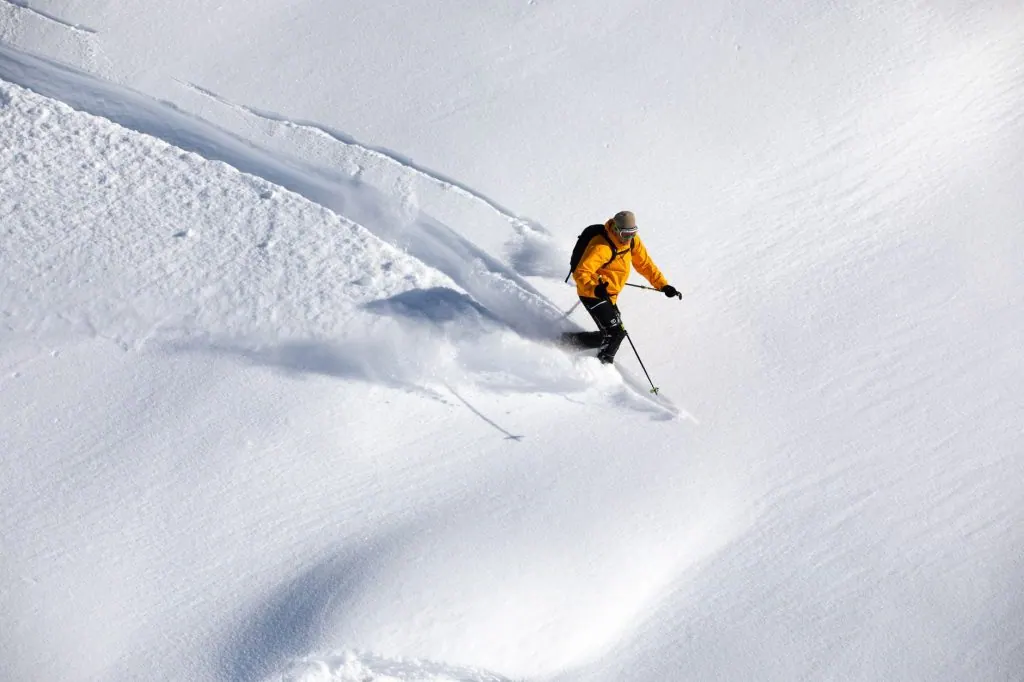
The sensation is immediate. On a groomed run, your skis carve through hard snow. It is fast and predictable. In deep snow, the resistance changes. You are not slicing; you are buoying. The snow provides lift. This feeling is often described as floating. It is slower than carving on ice, but it feels smoother. There is less vibration going up your legs. The snow absorbs the bumps.
However, this smoothness can be deceiving. The snow looks inviting, but it hides obstacles. Rocks, trees, and uneven ground are covered. You cannot see the terrain clearly. You must trust your skis more than your eyes. If you go too fast, the snow can turn into a trap. It becomes heavy and sticky. If you go too slow, you lose momentum and sink. Finding the balance is the first challenge.
Expectations often clash with reality. You might imagine gliding effortlessly down the mountain. In practice, you might find yourself making short, controlled turns. The snow is deeper than you think. It might be waist-deep in places. This changes your centre of gravity. You feel lighter, but also less stable. Your skis want to swing around. You must keep them parallel. If you let them cross, you will get tangled.
This experience is unique. It is why people travel thousands of miles for it. The air is clearer. The views are sharper. The silence is louder because the snow dampens sound. You feel more connected to the mountain. It is a reminder of why skiing started. It is pure play. But it requires respect. Do not rush into the deep stuff immediately. Start on the edge. Test the depth. See how the snow reacts to your weight. Once you understand the feel, you can move inward.
Understanding this feeling helps you prepare mentally. You are not just skiing; you are navigating a soft, shifting landscape. It is a different sport from hard-pack skiing. List of Advantageous Gadgets for Your Camping or Hiking might help you stay comfortable in these conditions, as the environment can be harsher than on groomed runs.
Gear that helps
Your equipment makes the difference between floating and sinking. Standard alpine skis are narrow. They have a small surface area. This is good for hard snow. It gives you edge control. In powder, narrow skis act like pins. They dig in. You lose the float. You need wider skis. A wider waist, typically over 100mm, increases surface area. This distributes your weight. It keeps you on top of the snow. This is the most important upgrade for powder skiing.
Boots matter too. Standard boots are stiff and precise. In deep snow, you need more freedom. You might want boots with a walk mode. This allows you to move your ankle forward. It helps you maintain a neutral stance. It reduces fatigue. If your boots are too stiff, you will fight the snow. Your legs will burn faster.
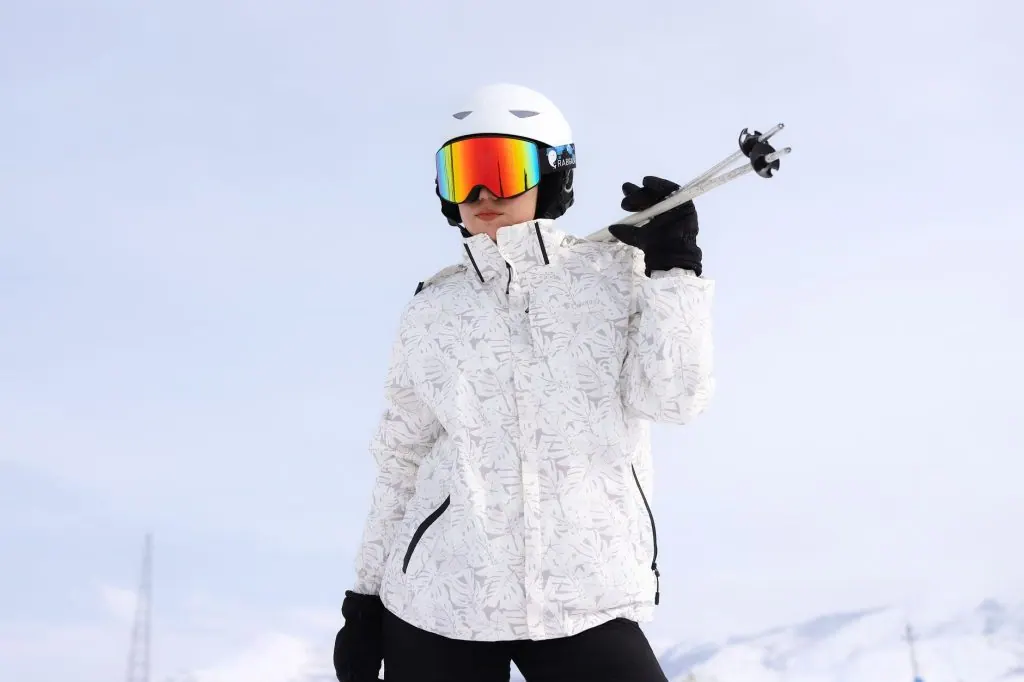
Goggles are critical. Powder days are often sunny. The snow reflects light strongly. You can get snow blindness quickly. Wear goggles with the right lens tint. It should be dark enough for bright sun but light enough for cloudy days. If the light changes, switch lenses. Clear lenses are useful for flat light. Flat light makes it hard to see terrain features. You might not see a rock or a tree until you hit it.
Layers are essential. You will sweat. Deep snow skiing is hard work. You push through resistance. This generates heat. If you wear too much, you will get wet. Wet clothes are cold clothes. Start with a thin base layer. Add a mid-layer for insulation. Use a shell for wind and snow protection. Adjust the layers as you go. Take the shell off if you get too warm. Put it back on when you stop.
A backpack is useful. It holds extra layers, water, and snacks. It also holds safety gear. A beacon, shovel, and probe are standard for off-piste skiing. Keep them accessible. Do not pack them at the bottom. You might need them quickly if conditions change.
Summer Holiday Packing This Year offers general advice, but for skiing, focus on function. Every item in your pack should serve a purpose. Do not bring unnecessary weight. The snow is already heavy enough.
Technique tweaks
Your body position changes in deep snow. On hard snow, you lean forward. You press your shins against the boot tongues. In powder, you lean back slightly. This is counter-intuitive. You feel like you are falling backward. But this is necessary. Your skis need to stay on top. If you lean forward, your tips dive. You lose balance. You end up face-down.
Stand tall. Keep your hands forward. This helps your centre of gravity. Your hands act as a balance point. If you drop your hands, your skis will sink. Keep your shoulders level. Do not twist. Twisting in deep snow causes your skis to cross. This leads to falls. Keep your skis parallel. This is harder than it sounds. The snow resists movement. You must guide the skis gently.
Speed is a factor. Slow is fast in powder. If you go too fast, the snow becomes turbulent. It creates drag. You lose control. Go at a comfortable pace. This allows you to react to changes. The snow is not uniform. It gets deeper in some places. It gets shallower in others. You need to adjust constantly.
Turning technique is different. You do not carve. You steer. Push your weight into the outside ski. This keeps the ski on top. The inside ski follows. It does not need to do much work. Let the ski do the work. Do not force it. If you force the turn, you will sink. Let the width of the ski provide the float.
ski technique powder relies on balance, not muscle. Use your core to stabilize. Keep your knees bent. Absorb the bumps. Do not lock your legs. Locked legs transfer all the shock to your joints. Bent legs act as suspension. This reduces fatigue. It also keeps you in control.
Practice these tweaks on gentle slopes first. Do not jump into the deep bowls immediately. Build confidence. Once you feel stable, you can go deeper. The snow will reward you. It will feel like flying. But you must earn it with good technique.
Expect to fall (and how to get up)
Falling is part of the experience. The snow is soft, so it does not hurt. But getting up can be tricky. Your skis are wide. They catch easily. If you fall, your skis might cross. This traps you. You might be stuck in a sitting position. Or worse, your skis might be twisted.
First, stay calm. Do not panic. Take a breath. Assess the situation. Are you safe? Is anyone coming down the hill? If yes, signal them. Raise a ski or your arm. Let them know you are down. Do not move until they pass. Deep snow slows people down. They might not see you immediately.
To get up, you need to straighten your skis. This is the hardest part. Your skis are likely crossed. Use your hands to pull them apart. If they are stuck, push them apart with your feet. Be careful not to twist your knees. Straighten the skis parallel to each other. This is crucial. If you try to stand with crossed skis, you will fall again.
Once the skis are parallel, stand up. Use your poles for support if you have them. Push down on the handles. Lean forward slightly. This helps your skis catch the edge of the snow. They will grip. You can stand. If you do not have poles, use your hands. Push into the snow. Lift your body. It might take a few attempts. This is normal.
If you lose a ski, do not chase it immediately. Check your bindings. Are they set correctly? A too-low DIN setting might cause premature release. A too-high setting might not release when needed. Adjust if you know how. If not, leave it. Mark the spot where you lost it. Use a pole or a marker. Go back for it when it is safe.
Powder cords help here. They keep your skis attached to your boots. This prevents loss. They are brightly coloured. They are easy to see. If you do not have them, use a bright bandana. Tie it to your boot. This makes rescue easier.
ski gear like powder cords is a small investment. It pays off in time saved. You do not want to spend ten minutes digging for a ski. You want to get back on the hill. Practice getting up before you go deep. Do it on a gentle slope. Build the muscle memory. When you fall in deep snow, you will know what to do.
Crowds and timing
Powder days attract everyone. Local skiers, tourists, and experts. They all want the same thing. Fresh snow. This creates crowds. The lifts move slower. The queues are longer. You might wait an hour for a few minutes of skiing. This is normal. Accept it. Do not let it ruin your mood.
Timing is key. The first chair is the best. It is the quietest. The snow is pristine. No tracks. But you must get there early. Wake up early. Drive early. Arrive before the resort opens. This requires effort. It is worth it. You get the best snow and the fewest people.
If you miss the first chair, go for the second. Or the third. Avoid the peak time. This is usually mid-morning. Everyone arrives then. The slopes are busy. The snow gets tracked out quickly. If you ski later in the day, the snow is softer. It is slushy. This is different from powder. It is slower. It is tiring.
Crowds affect your skiing. You need more space. Keep a safe distance. Do not follow closely behind others. They might fall. You might hit them. Give yourself room. This allows you to turn freely. It also reduces anxiety. You are not worried about someone coming up behind you.
Patience is a skill. It is harder than skiing. You wait in line. You sip hot chocolate. You watch the mountain. Enjoy the view. It is part of the experience. The snow looks better when you wait for it. You appreciate it more.
ski gear like a comfortable backpack helps. You can carry a book or a game. Pass the time. Read a guide. Plan your next run. Use the wait productively. Do not just stand there. Stay warm. Move around slightly. Keep your blood flowing. This helps when you finally get on the lift.
Crowds also mean more eyes on the snow. You can see where others have skied. Use this to your advantage. Follow the tracks of better skiers. They show you the best lines. They avoid rocks and trees. Learn from them. But do not copy blindly. Every skier is different. Adapt to your own style.
Safety first
Deep snow hides dangers. Avalanches are a risk. Even on groomed runs, there is some risk. Off-piste, it is higher. Check the avalanche forecast before you go. Many resorts provide this. It tells you the level of risk. High risk means stay in-bounds. Low risk means you can go further.
Stay in-bounds if you are unsure. The resort manages the snow. They use explosives to trigger slides. This makes it safer. Off-piste, you are responsible. You need a beacon, shovel, and probe. This is standard safety gear. Wear them. Know how to use them. Practice before you go.
Partner check is essential. Ski with someone. Check each other’s gear. Make sure the beacon is on. Make sure the probe is accessible. Do this every morning. It becomes a habit. It saves lives. If you ski alone, tell someone where you are going. Give them a time to check on you.
Avalanche awareness is more than gear. It is about reading the mountain. Listen to the snow. Does it crack? Does it sound hollow? These are signs of instability. If you hear cracking, get off the slope. Do not wait. Move to safer ground. This is a warning. It means the snow is under stress.
Staying in-bounds is the safest option for most leisure travellers. You do not need to go deep. The front side of the mountain has plenty of powder. It is managed. It is safe. Enjoy the powder without the risk. You can always go deeper another day. Or another year. Safety is more important than ego. Do not let pride get you killed.
avalanche safety is a broad topic. Learn the basics. Take a course if you can. It is worth the time. You will feel more confident. You will make better decisions. This improves your day. You ski better when you are not worried.
Safety also means knowing your limits. Do not push too hard. If you are tired, stop. Tired skiers make mistakes. They fall. They get hurt. Take breaks. Drink water. Eat food. Keep your energy up. This is part of safety. A well-fed skier is a safe skier.
Fuel and recovery
Skiing is hard work. It uses your muscles. It drains your energy. You need to refuel. This is not just about taste. It is about performance. Your body needs carbohydrates. These provide energy. Eat before you go. Eat during breaks. Eat after you finish.
Hydration is critical. Cold air is dry. You lose water through breathing. You sweat under your clothes. You do not feel it. But it is happening. Drink water regularly. Do not wait until you are thirsty. Thirst is a sign you are already dehydrated. Bring a flask. Fill it with warm water. This is more pleasant. It also keeps you warm.
Breaks are important. Do not ski non-stop. Take a break every hour. Sit down. Eat a snack. This gives your muscles a rest. It also gives your mind a break. Look at the view. Enjoy the moment. This is why you are here. Do not rush.
Warm drinks help. Hot chocolate, tea, or soup. These provide comfort. They raise your body temperature. This is useful after a cold run. It helps you relax. It also provides calories. This is good for recovery.
Summer Holiday Packing This Year mentions hydration, but skiing is different. You need more water. And you need it warm. Bring an insulated flask. Keep it with you. Do not leave it in the locker. Access to water is key. Do not wait for a lift queue to drink. Drink on the lift. This saves time.
Recovery is part of the day. After skiing, stretch. Do light exercises. This reduces soreness. It helps you sleep. Sleep is essential. Your muscles repair themselves at night. Good sleep means better skiing the next day. This is a cycle. Feed the cycle. Eat well. Sleep well. Ski well.
Do not overeat. Heavy meals make you sluggish. Eat light, frequent meals. This keeps your energy steady. Avoid alcohol during the day. It dehydrates you. It affects your judgment. Save it for the evening. This is a common mistake. Drink responsibly.
Etiquette on powder days
Crowds bring rules. Etiquette keeps things smooth. Right of way is important. The person downhill has the right of way. They are in your path. You must avoid them. This is standard skiing rule. It applies in powder too. The snow does not change the rule.
Give space. Do not follow closely. This is especially true in deep snow. You create a wake. This disturbs the snow. If you follow too closely, you ski in someone else’s tracks. This is annoying. It ruins their experience. Give them room. This allows everyone to enjoy the snow.
Lines matter. When you stop, stop on the side. Do not block the path. This is common in crowds. People stop in the middle of the run. This causes accidents. Move to the edge. Make space for others. This is courteous. It is also safe.
Communication is key. If you are going to stop, signal. Raise a hand. Let people know. This prevents collisions. It is especially important in powder. You cannot see far. People might not see you. Signal early. Give them time to react.
ski gear like a bright jacket helps. It makes you visible. This is part of etiquette. Be seen. Be predictable. This helps others. It reduces anxiety. Everyone skis better when they know where others are.
Wait your turn. Do not cut in line. This is basic courtesy. It applies to lifts and slopes. Be patient. Do not complain. The crowd is part of the experience. Accept it. Enjoy it. This makes you a better skier. A good skier is a polite skier.
Etiquette is about respect. Respect the snow. Respect the mountain. Respect other skiers. This creates a positive atmosphere. Everyone enjoys the day more. It is a shared experience. Make it good for everyone.
After the day
The day ends. You are tired. Your muscles ache. This is a good ache. It means you worked hard. It means you enjoyed the day. Now, care for your gear. Wet skis can rust. Wet boots can smell. Clean your skis. Remove any dirt. Dry them properly. This extends their life.
Boots need care. Remove the liners. Let them dry. This prevents bacteria. It keeps them fresh. Use a boot dryer if you have one. This speeds up the process. Do not use high heat. This can damage the plastic. Use low heat or air.
Goggles need cleaning. Use a soft cloth. Do not rub hard. This scratches the lens. Clean them gently. Store them in a case. This protects them. Do not leave them in the sun. Heat can damage the coating.
Rest is important. Your body needs to recover. Sleep early. Eat well. This prepares you for the next day. If you are leaving, pack carefully. Check all your gear. Do not leave anything behind. This is a common mistake. You might need to go back up. This costs time and money.
Reflect on the day. What worked? What did not? This is learning. Use this to improve next time. Bring better gear. Adjust your technique. This is how you get better. Every day is a lesson.
ski gear maintenance is part of the experience. Take care of your equipment. It will take care of you. This is a relationship. Respect it. Enjoy it. This is the cycle of skiing.
The first powder day is special. It is a memory you will keep. It is a story you will tell. Make it a good one. Prepare well. Ski safely. Enjoy the snow. This is the goal. It is simple. It is profound. It is why we ski.
Official sources and further reading
Opening times, entry rules and prices change, so check them on the official sites before you travel:
- Ski Club of Great Britain: Snow reports, resort guides and safety advice for skiers.