You have likely seen the photos: emerald-green rice terraces cascading down volcanic slopes, or the intense, painted eyes of a Barong mask staring back from a gallery wall. Ubud is the face of Bali for many travellers, but seeing it through a screen is very different from standing in its humid, fragrant streets. If you are planning a trip and wondering where to start, the answer usually begins in the centre.
Ubud serves as the island’s artistic and spiritual centre, offering a distinct contrast to the beach resorts that line the southern coast. It draws people who want to study Balinese art, watch traditional dance, or simply walk through lush jungle valleys. This guide covers the essential things to do in Ubud Bali, helping you build an itinerary that balances cultural immersion with practical logistics.
Why Ubud Is Bali’s Cultural Heart
Ubud is not just a town; it is the soul of Balinese heritage. While coastal areas focus on sun and sea, the interior valley centres on community, religion, and the arts. This difference in atmosphere is what makes Ubud such a compelling base for exploring the rest of the island. The energy here is slower, more deliberate, and deeply rooted in tradition.
The town grew around the royal family, and their influence is still visible in the architecture and the rhythm of daily life. You will notice that ceremonies are not just for tourists; they are part of the daily fabric. Temples are active places of worship, and the sound of gamelan music often drifts from courtyards where locals are rehearsing for the next full moon celebration.
Staying in Ubud allows you to step away from the commercialised beach strip without losing access to modern comforts. It is a hub for tour companies and cultural workshops, making it easy to venture further afield to places like the northern volcanoes or the eastern beaches. However, the town itself offers enough depth to fill several days. You can spend mornings exploring quiet temples and afternoons wandering through markets, all while being surrounded by a community that has preserved its identity despite centuries of tourism.
The choice to base yourself here is a choice to engage with Bali on its own terms. You are not just observing the culture from a resort pool; you are walking through it. This immersive quality is the primary reason travellers return to Ubud year after year.
Navigating the Sacred Monkey Forest Sanctuary
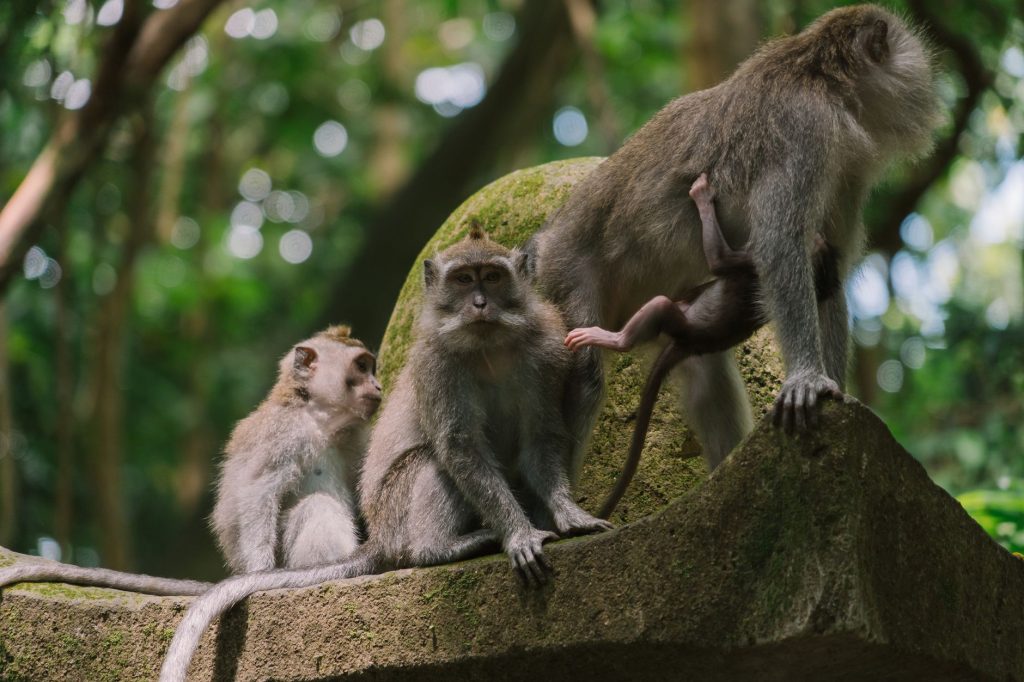
The Sacred Monkey Forest Sanctuary is perhaps the most famous attraction in Ubud, and for good reason. It is a protected forest and temple complex that provides a habitat for over 700 Balinese long-tailed macaques. The experience is a mix of wildlife encounter, spiritual exploration, and a test of patience.
The forest is home to three temples: Pura Dalem Agung, Pura Beji, and Pura Gunung Sari. These structures are dedicated to different aspects of Balinese cosmology, including the god of death and the preservation of souls. Walking among the banyan and kayu putih trees, you will feel the shift in atmosphere as you move from the entrance towards the inner sanctums. The air is cooler, and the light filters through the canopy in dappled patterns.
The macaques are wild animals, not pets. They are known for being bold and curious, which leads to some specific rules you must follow to avoid trouble. They will take anything left unattended. This means sunglasses, hats, jewellery, and loose items in pockets are fair game. It is best to leave these items in your bag or with a companion who is staying still. Do not make direct eye contact with the monkeys, as this can be interpreted as a challenge. They are also known to snatch bags if they are within reach, so keep your backpack on your front or hold it firmly.
The path is paved but uneven, and you will need to watch your step. The monkeys are most active in the early morning and late afternoon. Midday can be hotter, and the crowds are thicker. If you visit, go with the intent to observe, not to feed or touch. Respect the boundaries marked by the ropes and signs. The sanctuary is a working temple, so be mindful of worshippers. The combination of ancient stone carvings, towering trees, and agile monkeys creates a unique sensory experience that defines the Ubud aesthetic.
Wandering the Artistic Streets of Ubud Center
The heart of Ubud is a network of streets that pulse with creative energy. Monkey Forest Road and Jl. Raya Ubud form the main arteries, connecting the sanctuary to the markets and the palace. Walking these streets is an exercise in visual overload. You will pass art galleries with windows full of paintings, shops selling hand-carved wooden masks, and boutiques selling silverware and textiles.
This concentration of arts and crafts is not accidental. Ubud has been a centre for Balinese art since the 1930s, when Western artists like Walter Spies and Rudolf Bonnet arrived and influenced local styles. Today, that legacy continues. The streets are lined with studios where artists work in view of the public. You can watch a painter mixing pigments or a woodcarver chipping away at a block of teak.
The energy here is vibrant but manageable. Unlike the chaotic markets of other Indonesian cities, Ubud’s centre is designed for strolling. The sidewalks are wide enough for tourists and locals to pass each other, though it can get crowded during peak season. The shops sell everything from cheap souvenirs to high-end contemporary art. It is worth taking your time to look beyond the first layer of goods. Many shops have curated collections that reflect current trends in Balinese design.
The architecture of the buildings themselves is part of the experience. Traditional Balinese structures with split gates and open courtyards sit alongside modern minimalist galleries. The smell of incense mixes with the scent of frangipani and roasted coffee. This sensory blend is what makes the walk so memorable. You are not just shopping; you are moving through a living museum of Balinese creativity.
As you wander, you will notice the flow of people. Locals in sarongs head to temples or markets, while tourists in hats browse the displays. The street performers often set up near the palace, adding music to the visual feast. It is a place where commerce and culture are tightly intertwined. The best way to experience it is to walk slowly, allowing your eyes to adjust to the details.
Immersing in Balinese Art and History
To truly understand Ubud, you need to look beyond the street art and into its institutions. The town is home to several museums that trace the evolution of Balinese art from traditional roots to contemporary expressions. These spaces offer context that the streets alone cannot provide.
The Neka Art Museum is a key destination. It houses a vast collection of paintings, sculptures, and drawings that showcase the diversity of Balinese artistic styles. The museum is known for its curation, which often highlights the dialogue between traditional techniques and modern themes. You will see works that explore Hindu epics alongside pieces that reflect contemporary social issues. The collection includes works by local masters as well as international artists who were inspired by the island.
Another essential stop is the Rudana Museum. This space is dedicated to contemporary Balinese art. The building itself is a work of art, with open-air pavilions that blend indoor and outdoor displays. The collection focuses on how Balinese artists are interpreting their heritage in a globalised world. The sculptures are often large-scale and made from materials like stone and wood, reflecting the island’s rich carving tradition.
These museums are not static displays. They are active centres of learning. Many offer lectures, workshops, and guided tours that provide deeper insight into the techniques and histories behind the artworks. Visiting these institutions helps you appreciate the skill and intention behind the masks and paintings you see in the shops. It transforms a souvenir into a piece of history.
The Ethnographic Museum, mentioned in local accounts, offers a different perspective. It focuses on the daily lives of Ubud’s residents, displaying tools, weapons, and musical instruments. This anthropological approach grounds the art in the reality of Balinese culture. It reminds you that the art is not just for display; it is part of a living tradition.
By visiting these institutions, you gain a framework for understanding what you see in the streets. You begin to recognise stylistic shifts and historical references. This knowledge enhances every subsequent interaction with Balinese culture, from a dance performance to a temple ceremony.
Witnessing Traditional Dance and Performances
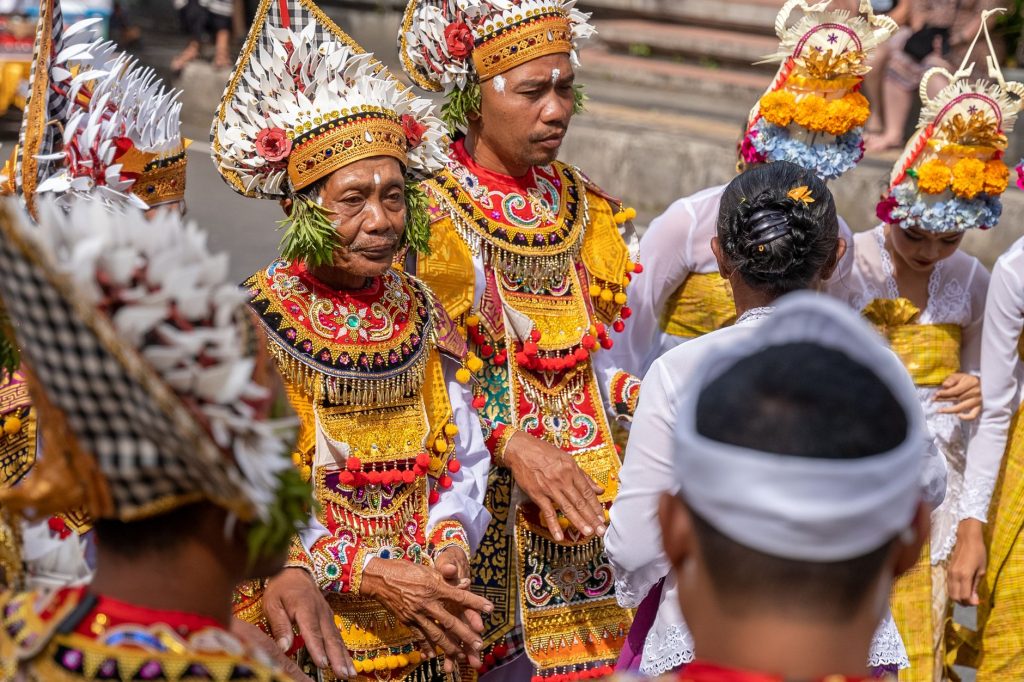
Balinese dance is a language. Every gesture, from the flick of a finger to the turn of the head, tells a story. These performances are not just entertainment; they are religious offerings and historical narratives. Witnessing a live performance is one of the most profound things to do in Ubud Bali.
The Ubud Palace, or Puri Ubud, is the premier venue for evening shows. The palace itself is a stunning example of traditional Balinese architecture, with intricate wooden carvings and split gates. The stage is set within the palace grounds, creating an intimate atmosphere. The performances here are often curated to showcase the diversity of Balinese dance styles, from the graceful Legong to the dramatic Barong.
Another notable venue is Pura Dharma Negara. This temple also hosts regular performances, often with a focus on classical forms. The setting is sacred, which adds a layer of reverence to the experience. The dancers wear elaborate costumes and headdresses, and their movements are accompanied by the gamelan orchestra. The music is rhythmic and hypnotic, driving the narrative forward.
The stories performed are often drawn from the Ramayana epic or local legends. They explore themes of good versus evil, love, and duty. Understanding the plot can enhance your appreciation, but even without knowing the story, the visual and auditory impact is overwhelming. The intensity of the performers’ expressions and the precision of their movements are captivating.
It is important to dress respectfully when attending a performance, especially if it is held in a temple. A sarong and sash are often required, and these can usually be provided or rented at the venue. Arriving early is advisable to secure a good seat and to observe the preparations. The atmosphere before the show begins is often just as engaging as the performance itself.
These dances are a direct link to Bali’s spiritual past. They are a way for the community to connect with its gods and ancestors. Watching them in Ubud, the cultural heart of the island, feels like stepping into a living history book.
Exploring the Iconic Tegallalang Rice Terraces
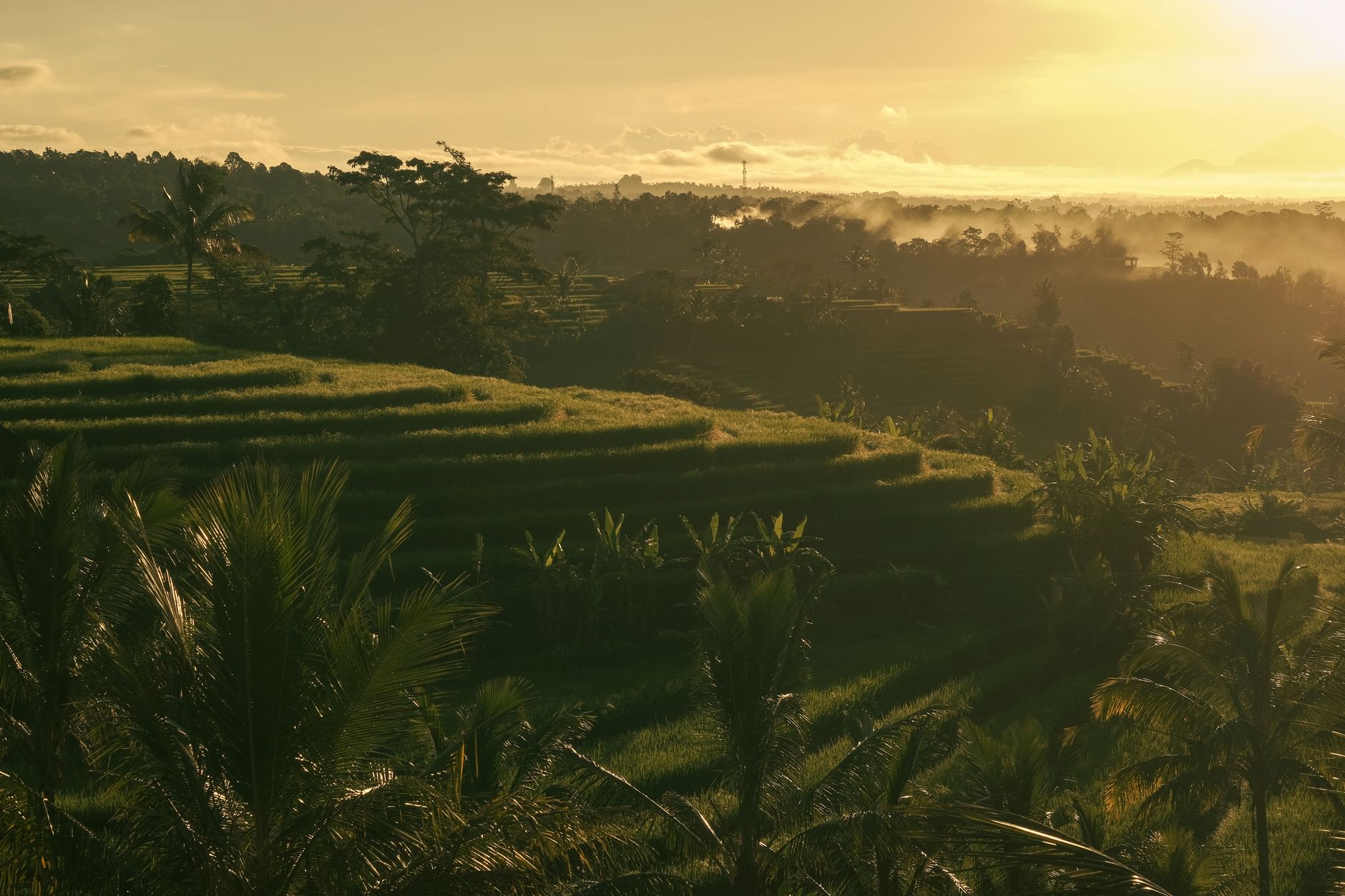
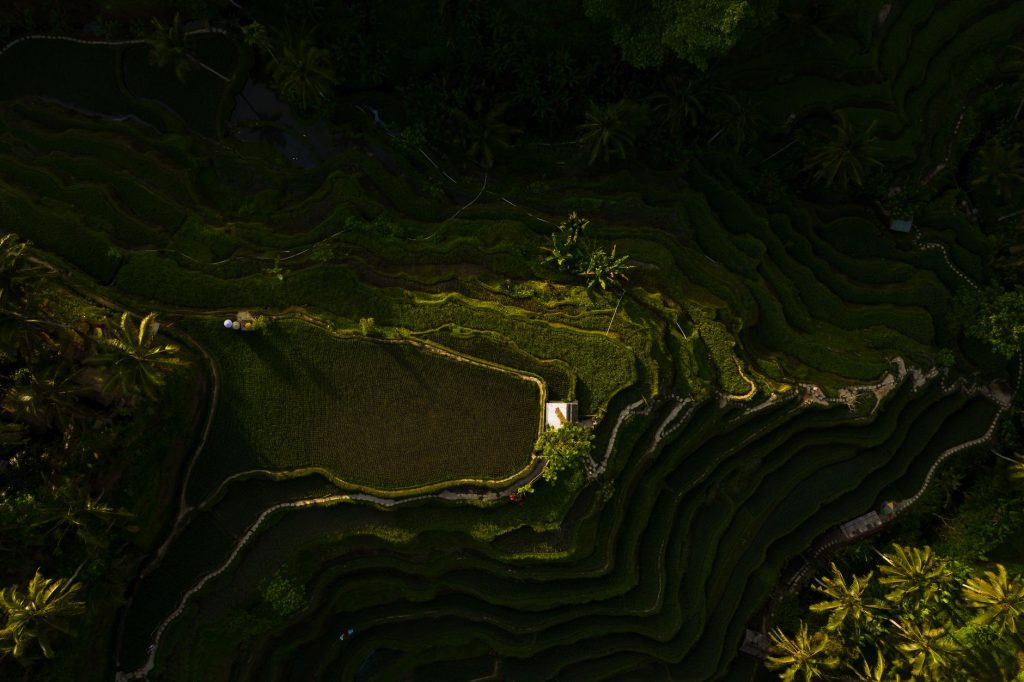
Just north of Ubud lies the Tegallalang Rice Terraces, a landscape that has become synonymous with Bali’s beauty. These stepped paddies cascade down the hillside, creating a pattern of green and gold that changes with the seasons and the water levels. It is a masterpiece of traditional agriculture, known as the Subak system.
The Subak system is a cooperative water management model that has sustained rice farming in Bali for centuries. It ensures that water is distributed fairly among farmers and that the ecosystem remains balanced. Visiting the terraces offers a chance to see this ancient engineering in action. The water flows through bamboo channels, irrigating each level in turn.
The best time to visit is early in the morning or late in the afternoon. The light is softer, and the crowds are thinner. Midday can be hot and crowded, with tour buses arriving in large numbers. The terraces are divided into different sections, each maintained by local farmers. Some areas are open for photography, while others are working fields where you should respect the farmers’ space.
There is a fee to enter the terrace complex, which goes towards maintenance. You can walk along the paths that wind through the paddies, getting close to the water and the rice plants. The view from the top offers a panoramic perspective of the valley, with the jungle and mountains in the background.
It is worth noting that the terraces are not a static monument. They are living landscapes that change with the agricultural cycle. The colour of the rice varies from bright green in the growing season to golden yellow at harvest time. This dynamism makes each visit unique.
The area around the terraces also has shops and cafes that sell local produce and crafts. It is a good place to buy souvenirs that support the local economy. The combination of natural beauty and cultural heritage makes Tegallalang a must-see for any itinerary.
Savoring Ubud’s Culinary Scene
Ubud’s food scene is as diverse as its culture. It is a place where health-conscious cafes sit next to traditional warungs, offering a wide range of options for every taste and budget. The culinary landscape reflects the island’s history of trade and migration, blending local flavours with international influences.
For a healthy start to the day, the smoothie bowls and avocado toast cafes are a staple. These establishments cater to the wellness tourism trend, offering fresh juices, acai bowls, and plant-based meals. The ingredients are often sourced locally, supporting nearby farmers. The atmosphere is relaxed, with lots of natural light and greenery.
For a more traditional experience, seek out a warung. These are small, family-run eateries that serve authentic Balinese dishes. Nasi campur is a popular choice, featuring a variety of small portions of rice, vegetables, meat, and sambal. Babi guling, or suckling pig, is a ceremonial dish that is widely available. It is roasted whole, resulting in crispy skin and tender meat. It is often served with rice, lawar (a mixed vegetable and meat salad), and crispy pork rinds.
Vegetarians and vegans will find Ubud to be a paradise. Many restaurants offer extensive plant-based menus that go beyond simple salads, incorporating tofu, tempeh, and local spices. The use of turmeric, ginger, and lemongrass is common, adding depth and flavour to the dishes.
Coffee is also a highlight. Ubud has a thriving coffee culture, with many cafes serving locally grown beans. You can try traditional Balinese coffee, which is often roasted with butter and sugar, or opt for a pour-over from a local roastery. The quality is high, and the stories behind the beans are engaging.
Dining in Ubud is about more than just sustenance. It is a social activity. The open-air seating allows you to people-watch and soak in the atmosphere. Whether you are eating a quick lunch at a warung or a long dinner at a upscale restaurant, the food is a central part of the Ubud experience.
Practical Tips: Getting There, Staying, and Avoiding Mistakes
Reaching Ubud is straightforward, but the final leg of the journey requires attention. Most visitors fly into Ngurah Rai International Airport in the south. From there, you can take a taxi or a ride-hailing app to Ubud. The drive takes about an hour and a half, depending on traffic. Traffic in Bali can be heavy, especially during peak hours, so plan for extra time.
Once you arrive, navigation is key. Ubud is compact, but the streets can be confusing. Using a map app is essential. Taxis and ride-hailing services are widely available, but be aware that fares can vary. It is good practice to agree on a price or use the meter before you start your journey.
Accommodation options range from budget hostels to luxury resorts. The area around Monkey Forest Road is popular for its central location and access to restaurants and shops. Further out, you will find quieter stays surrounded by rice fields or jungle. Choose your location based on your priorities: convenience or tranquility.
There are common mistakes travellers make in Ubud. One is rushing through the temples. These are active places of worship, not just photo ops. Take time to observe the rituals and respect the space. Another mistake is ignoring the heat and humidity. Stay hydrated and wear light, breathable clothing.
Another trap is overpaying for tours or souvenirs. Bargaining is common in markets, but be polite and reasonable. Avoid buying from street vendors who pressure you; take your time to compare prices. Also, be mindful of the monkeys. Keep your belongings secure, especially in the Monkey Forest Sanctuary.
Finally, respect the local customs. Dress appropriately when visiting temples, covering your shoulders and knees. Use a sarong if required. Be mindful of your volume and behaviour in residential areas. Ubud is a living community, not just a tourist zone. By being respectful and aware, you will have a much richer experience.
Ubud offers a perfect blend of culture, nature, and comfort. It is a place that rewards those who take the time to explore deeply. Whether you are watching a dance, walking through a forest, or simply eating a meal, you are engaging with the heart of Bali. Plan your visit with care, and you will find that Ubud is more than just a destination; it is an experience that stays with you long after you leave.