 By
By 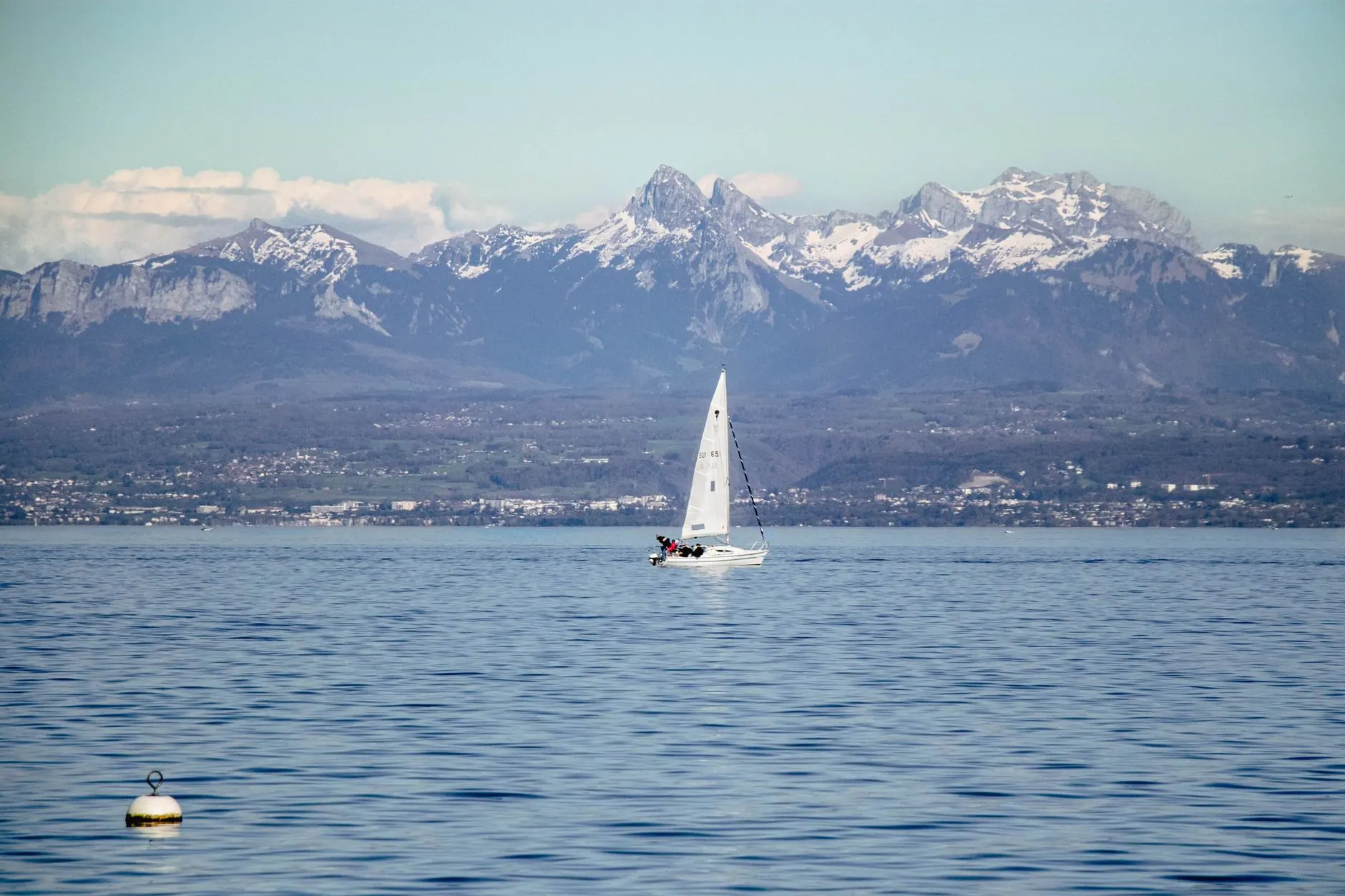
You are standing at the edge of a vast, shimmering lake, watching your children chase ducks across a manicured lawn while the air smells faintly of chocolate and damp earth. The city skyline is crisp, the traffic is quiet, and for the first time in days, nobody is arguing about where to eat or which way to walk. This is the reality of Geneva with kids. It is not a chaotic, theme-park frenzy of screaming toddlers and crowded attractions. Instead, it is a place where childhood feels unforced, safe, and genuinely enjoyable.
For families looking to escape the usual European tourist hubs, this Swiss city offers a different rhythm. It is compact enough to navigate without exhausting yourself, yet diverse enough to hold the attention of even the most restless teenagers. The streets are clean, the public transport is reliable, and the sheer number of green spaces means you can always find a spot to spread out a blanket. Whether you are planning a long summer break or a quick city escape, understanding how to structure your days is key to keeping the mood light and the memories positive. This guide cuts through the noise to give you straightforward advice on what actually works when you are travelling with children.
Is Geneva good for families?
Geneva works exceptionally well for families because it is designed for walking and cycling, not just for cars. The city is small enough to explore on foot without covering excessive distance, which is a massive advantage when you are managing small legs or a pushchair. Safety is rarely a concern; you can let children walk ahead of you or play in designated areas with a level of trust that might feel risky in larger, more congested cities. The infrastructure is built with accessibility in mind, from wide pavements to well-maintained crossings.
Public transport is another pillar of why this destination suits parents. The network is integrated, meaning you can move between different modes of transport with a single system. Trams and buses are frequent, clean, and generally punctual. For families, this means you are not tied to a rigid schedule or a stressful drive through narrow streets. You can hop on a tram, get off at a park, and then board a boat without needing multiple tickets or complex planning. The city is also very stroller-friendly, with most attractions, cafes, and museums having level access or ramps.
The cultural diversity adds another layer of interest. As a hub for international organisations, the city has a cosmopolitan feel that exposes children to different languages and customs without them even realising they are learning. The environment is calm, which helps regulate children’s behaviour and energy levels. You are less likely to encounter the overstimulation that comes with larger metropolitan centres. This makes Geneva an ideal base for Create The Perfect Luxury City Break: 3 Steps, where the focus is on quality experiences rather than ticking off every possible sight.
Getting around with children
Navigating the city with young ones requires a strategy that minimises walking and maximises efficiency. The public transport system is the backbone of any family trip here. Trams are particularly useful because they often have low floors, making boarding with a stroller or a buggy straightforward. Buses are also reliable, though they can be slightly more crowded during peak hours. If you are moving between distant points, such as from the airport to the city centre, the public tram is often faster and less stressful than waiting for a taxi or ride-hailing app.
Boats on the lake are not just a scenic attraction; they are a genuine transport option. Using a boat to cross from one side of the lake to another can be a fun adventure for kids while also saving you the walk around the perimeter. These vessels are spacious, have indoor seating for bad weather, and run on regular schedules. They connect key points like the Old Town, the United Nations area, and the western shores. Using public transport is generally more affordable than private transfers, and it gives you a local’s perspective on the city.
If you are staying in the city centre, you might find that you can walk to most major attractions. However, the terrain can be uneven in the Old Town, with cobblestones that can be jarring for small wheels. Consider a lightweight, all-terrain stroller if you plan to explore the historic quarters extensively. For longer days out, carrying a baby carrier can be a practical alternative to a buggy, allowing you to navigate stairs and crowded areas more easily. Remember to check the local transport map for any planned works or line closures, as these can disrupt your plans unexpectedly.
Lake Geneva and the Jet d'Eau
The lake is the heart of the city, and it offers endless opportunities for outdoor play. The shoreline is lined with promenades that are perfect for walking, cycling, or rollerblading. For children, the wide, flat paths provide a safe space to run around without the constant threat of traffic. You can find numerous spots along the water where families gather to watch the boats, feed the ducks, or simply enjoy the view. These areas are often equipped with benches and sometimes small play structures, making them ideal for a midday break.
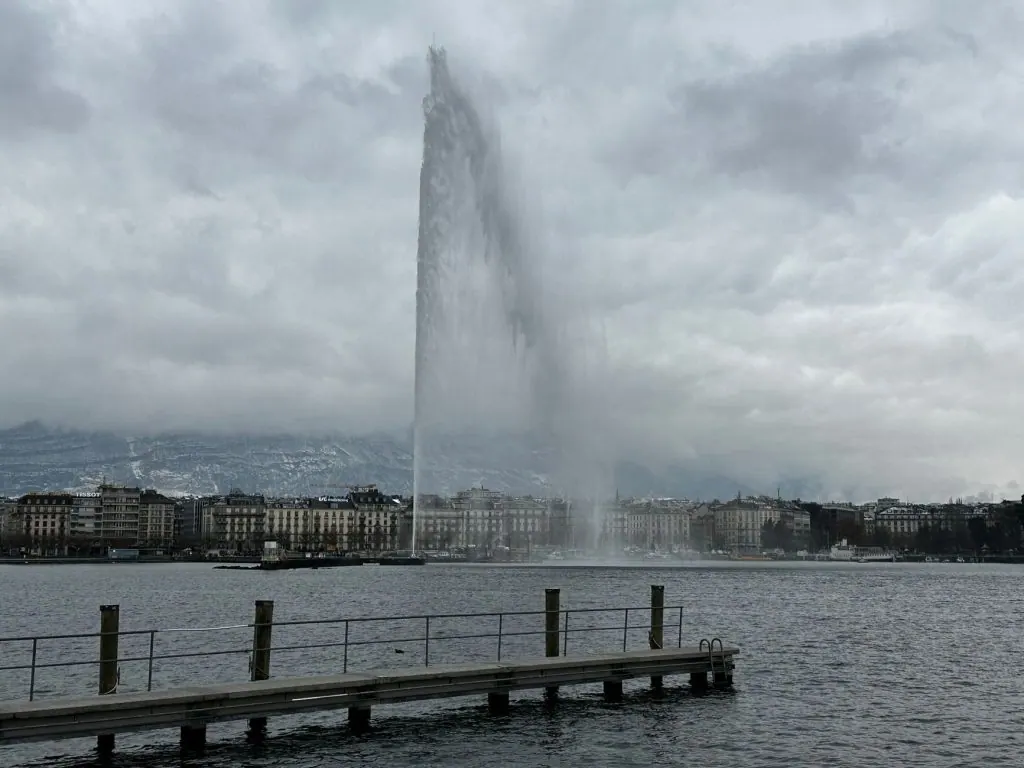
The Jet d'Eau is the most iconic landmark, and while it is often just a photo opportunity, it holds historical significance. Originally installed as a pressure release valve for a hydraulic system, the jet shoots water over 150 metres into the air. For kids, the sheer height and force of the water are impressive, often drawing crowds of people who stop to watch. It is best viewed from a distance, as the spray can make the surrounding areas damp. You can combine a visit to the Jet d'Eau with a walk along the nearby parks, turning a single sightseeing stop into a longer outdoor session.
Boat trips on Lake Geneva are a highlight for many families. The vessels range from small local boats to larger cruise ships. Even a short ride can feel like an adventure, especially for younger children who enjoy the sensation of moving water. You can travel along the lake to reach different parks or towns, breaking up the day with a change of scenery. Picnic spots are abundant along the shores, allowing you to bring your own food and save money while enjoying the fresh air. Just be mindful of the wind, which can pick up quickly on the open water.
Parks and playgrounds
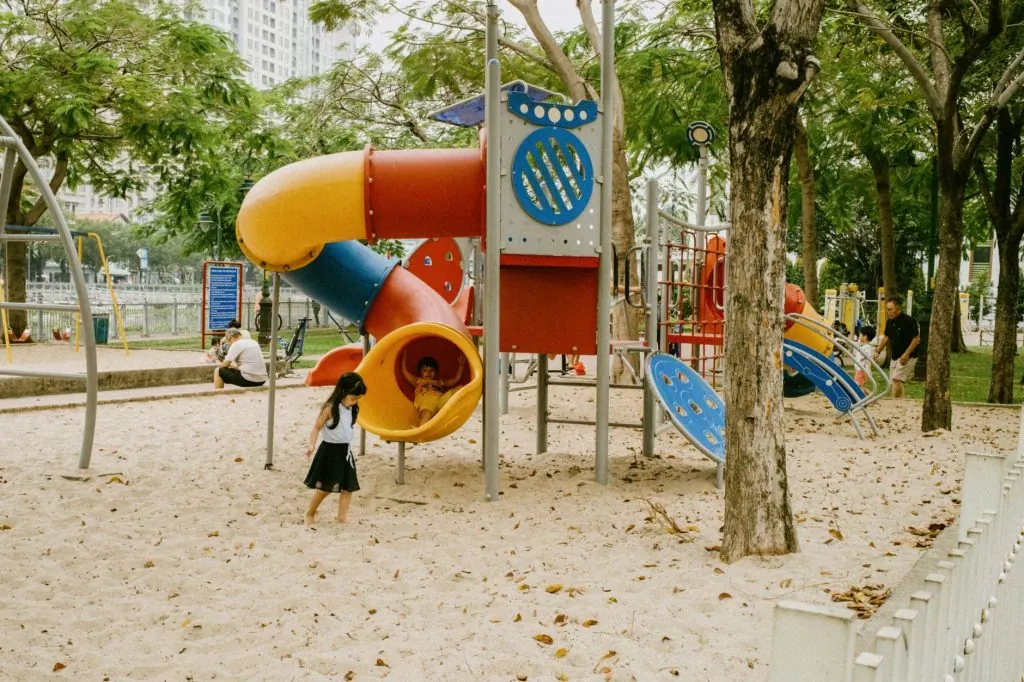
Geneva is renowned for its green spaces, which are meticulously maintained and easily accessible. The Parc des Bastions is one of the most popular spots, located right next to the Old Town. It features a large playground that is a hit with children of all ages. The park also has a giant chess set, which can be a fascinating sight for kids who are used to standard board games. Watching adults play giant chess moves adds a layer of entertainment to a simple walk in the park. The area is spacious, allowing for picnics and games of tag without feeling cramped.
Parc La Grange is another excellent option, known for its beautiful landscape and the Rose Garden. The park has dedicated play areas for younger children, including slides and climbing frames. It is also home to the Geneva Zoo, which is a major attraction in its own right. While the zoo is a separate ticketed area, the park surrounding it is free to enter. The combination of open green space and the promise of seeing animals makes this a full-day destination. The paths are well-shaded in summer, providing a cool retreat from the heat.
The Botanical Garden is a quieter alternative, perfect for children who are more interested in plants and insects than high-energy play. It features various themed gardens, including a maze that can keep older children entertained for hours. The garden is also home to a small animal area, where you can see rabbits and other gentle creatures. These parks are often close to each other, allowing you to create a walking route that covers multiple attractions. Bringing a ball or a kite can turn a simple visit into an active afternoon.
Museums that work for children
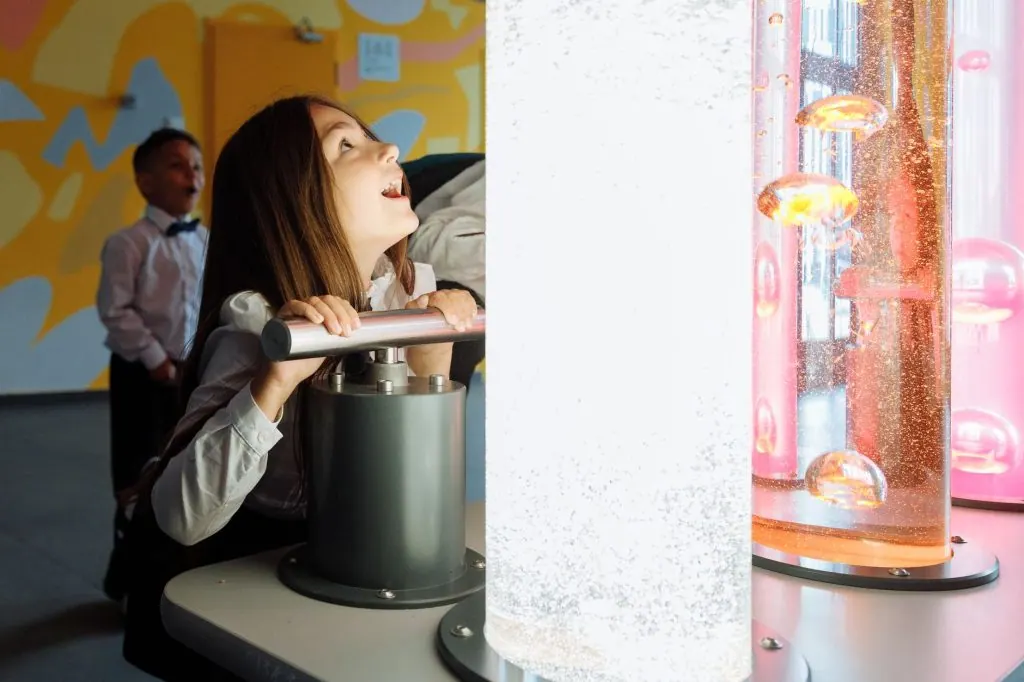
Museums in Geneva are not just for dry lectures; many are designed with interactive elements that engage young minds. The Museum of Art and History offers a specific children’s area where kids can explore exhibits through touch and play. These spaces are designed to mimic the exhibits, allowing children to handle replicas of historical objects. It is a great way to introduce them to history without the boredom of long descriptions. Check the opening times in advance, as some exhibits may be closed for maintenance or special events.
The Natural History Museum is another strong contender for families. It features a dinosaur section that is always a crowd-puller. The skeletons are large and imposing, capturing the imagination of any child interested in prehistoric life. The museum also has interactive displays about the local ecosystem, allowing kids to learn about the animals and plants found in the surrounding region. These exhibits are often hands-on, encouraging children to touch and explore. It is a great educational stop that feels more like a playground than a classroom.
For science enthusiasts, the CERN visitor centre is a must-visit, though it requires more planning. The Large Hadron Collider is located underground, and the visitor centre explains the complex physics in accessible ways. There are interactive simulations and exhibits that allow children to see how particle physics works in practice. It is a bit further from the city centre, so you will need to arrange transport. The experience is designed to be engaging, with staff who are used to explaining complex ideas to young audiences. Plan for a few hours here, as the exhibits are extensive.
Swiss food kids may enjoy
Food in Geneva is a blend of local traditions and international influences. For children, the most familiar and enjoyable dishes are often the dairy-based ones. Fondue is a classic Swiss dish, and while it can be intimidating for young palates, there are versions that are milder and less cheesy. Raclette is another option, where melted cheese is scraped onto boiled potatoes. These dishes are communal and fun, allowing children to participate in the process of dipping their food. Just be mindful of the heat, as the cheese can be very hot.
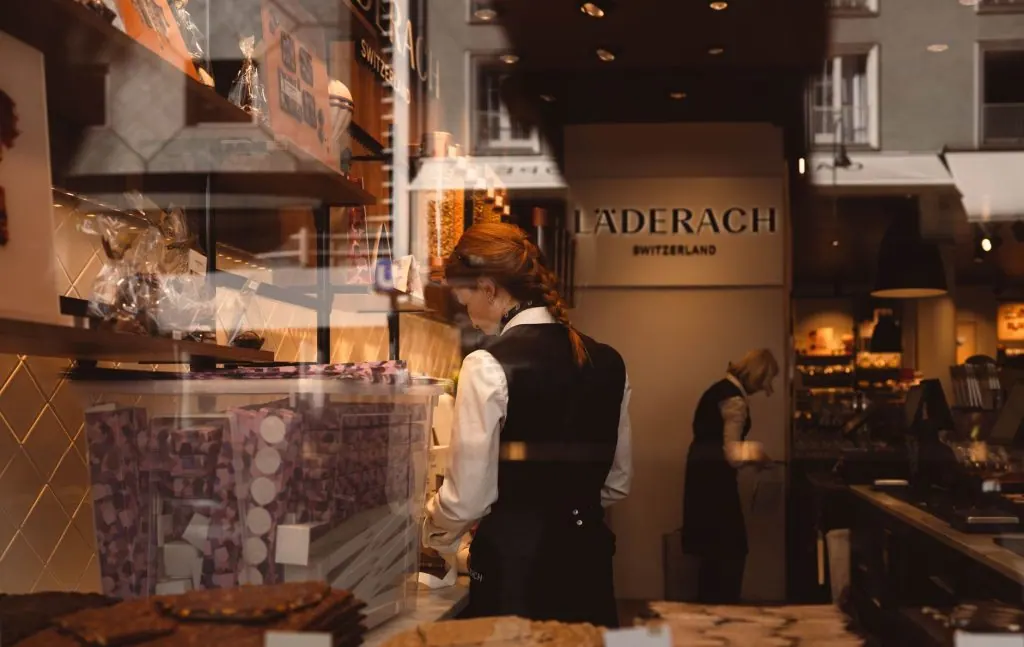
Chocolate is a given, and Geneva is famous for its high-quality confectionery. There are numerous shops where you can watch chocolatiers at work, which is often more entertaining than just buying a bar. Many shops offer tastings, allowing children to try different flavours before making a purchase. Dark chocolate might be too bitter for some kids, so look for milk chocolate or praline options. You can also find chocolate-themed cafes that serve hot chocolate and pastries, providing a sweet break during a long day of sightseeing.
For those with dietary restrictions or picky eaters, there are plenty of alternatives. Sandwiches, salads, and grilled meats are widely available. Many restaurants cater to families, offering child-friendly menus with smaller portions. Picnics are a popular way to eat in Geneva, especially in the parks. You can buy fresh bread, cheese, and fruit from local shops and enjoy a meal outdoors. This approach is flexible and allows you to control what your children eat. Be aware of allergens, especially if you are dining in traditional Swiss restaurants where nuts and dairy are common ingredients.
Day trips
Geneva is surrounded by stunning landscapes that are easy to reach for a day trip. Mont Salève is a popular choice, often referred to as the "Balcony of Geneva." You can take a cable car up the mountain, which is an adventure in itself for children. The views from the top are breathtaking, offering a panoramic vista of the city and the lake. There are hiking trails at the summit, suitable for families who enjoy walking. The air is fresher up high, making it a pleasant escape from the urban heat.
Lausanne is another nearby city that is worth visiting. It is closer to the lake and has a slightly more relaxed vibe. The city has a castle that overlooks the water, and the old town is charming and walkable. You can take a train or a boat to get there, making the journey part of the experience. Lausanne has its own museums and parks, providing enough activity to fill a day. It is also a great place to try different local foods and see how the culture differs slightly from Geneva.
For those who want a mountain experience without a long drive, the nearby Alps offer accessible trails. You can take a boat to a lakeside town and then connect to a train or cable car that goes up into the mountains. The scenery changes dramatically from urban to alpine, which is engaging for children. You can also take longer cruises on the lake that take you to other towns, such as Vevey or Montreux. These journeys are scenic and allow you to see the region from a different perspective. Just check the weather before heading out, as mountain conditions can change rapidly.
Rainy-day plans
When the weather turns, you need a backup plan to keep the children entertained. Indoor pools are a great option, offering a chance for kids to swim and play in a controlled environment. Geneva has several public pools that are clean and well-maintained. They often have separate areas for younger children, with shallow water and gentle slides. It is a reliable way to burn off energy when the outdoors are too wet. Check the opening times, as some pools may have restricted hours on certain days.
Art workshops are another excellent rainy-day activity. Many museums and cultural centres offer classes where children can create their own art. These workshops are led by professionals and provide all the necessary materials. They are a great way to keep children engaged for a few hours while you enjoy the museum exhibits. Look for workshops that are age-appropriate, as some may be designed for older children. These activities also provide a tangible souvenir to take home.
For a more relaxed approach, consider visiting a large indoor shopping centre. While not ideal for long periods, they offer a variety of shops, food courts, and sometimes small play areas. It is a practical option if you need to escape the rain for an hour or two. You can also revisit a museum that you missed earlier in the day, as indoor spaces are always available. Just remember to bring a jacket, as indoor heating can make the temperature feel warmer than expected.
Practical tips
Planning your trip around the family’s needs will make the experience smoother. Costs in Geneva can be high, so budget accordingly. Public transport is efficient but can add up if you are moving around frequently. Consider purchasing a travel card if you plan to use it extensively. Family discounts are available at many attractions, so always ask when buying tickets. Some museums offer free entry for children under a certain age, which can save a significant amount of money.
Opening times vary, especially during the off-season. Always check the websites of the attractions you plan to visit before you go. Some places may close earlier in the winter or be closed on Mondays. Pacing is key; do not try to see too much in one day. Plan for one major activity and one smaller one, leaving time for rest and unexpected delays. Children tire easily, and a rushed schedule can lead to meltdowns.
Pack light but smart. Bring layers, as the weather can change quickly, especially near the mountains. Comfortable shoes are essential, as you will be walking a lot. A small first-aid kit with plasters and antiseptic wipes is useful for minor scrapes. Also, pack a few small toys or books for the journey, especially if you are using public transport. These items can help keep children occupied during long rides. By planning ahead and staying flexible, you can ensure that your family trip to Geneva is enjoyable and memorable.
Official sources and further reading
Opening times, entry rules and prices change, so check them on the official sites before you travel:
- Geneva Tourism: The official Geneva visitor site.
- Switzerland Tourism: Official guide to Swiss resorts and destinations.