You are standing at the edge of a granite cliff, wind whipping around you, while below, the Atlantic crashes against the shoreline. This is not a distant, exotic landscape; it is New England. While many visitors flock here for colonial history and historic towns, the region’s true spine is its dramatic geology. It offers a concentration of rugged coastlines, alpine peaks, and dense forests that feels almost too dense for such a small area. If you are planning a trip, you need more than a list of pretty places. You need to know which trails require steel-toed boots, which roads close when the snow hits, and how to navigate the seasonal crowds without losing your mind. This guide cuts through the generic scenery descriptions to give you place-specific, actionable advice on where to go, when to go, and what to avoid.
Why New England’s Natural Wonders Are Worth the Trip
New England is often reduced to postcard images of white steepled churches and red-brick universities. That is not wrong, but it is incomplete. The region’s geological diversity is its real selling point. You can hike a trail that feels prehistoric in the morning and watch the tide roll in off a jagged coast by afternoon. This variety means you do not need to stay in one spot to get a full experience. You can trade high-altitude views for maritime history without changing your entire itinerary.
Generic travel lists often tell you to "see the mountains" or "visit the coast." They rarely tell you that the mountain air is thinner and the wind is louder than you expect, or that the coastal paths can be muddy and slippery after rain. This guide focuses on the logistics of these natural wonders. We look at how to actually move through these spaces. We discuss the trade-offs between comfort and wilderness, and between accessibility and solitude. By understanding the physical reality of these places, you can plan a trip that matches your fitness level and your patience for crowds. You will learn why certain trails are popular, why others are quieter, and how to time your visits to make the most of the light and the weather. This is not about checking boxes. It is about experiencing the landscape in a way that respects both the terrain and your own energy levels.
Best Time to Visit for Peak Scenery
The landscape of New England changes dramatically with the seasons, and your experience will depend entirely on when you arrive. Summer brings lush greenery and long days, making it ideal for hiking and coastal activities. The trails are clear, the parks are fully accessible, and the weather is generally warm. However, summer also brings the highest volume of visitors. If you dislike crowds and noise, summer might feel overwhelming, especially on weekends.
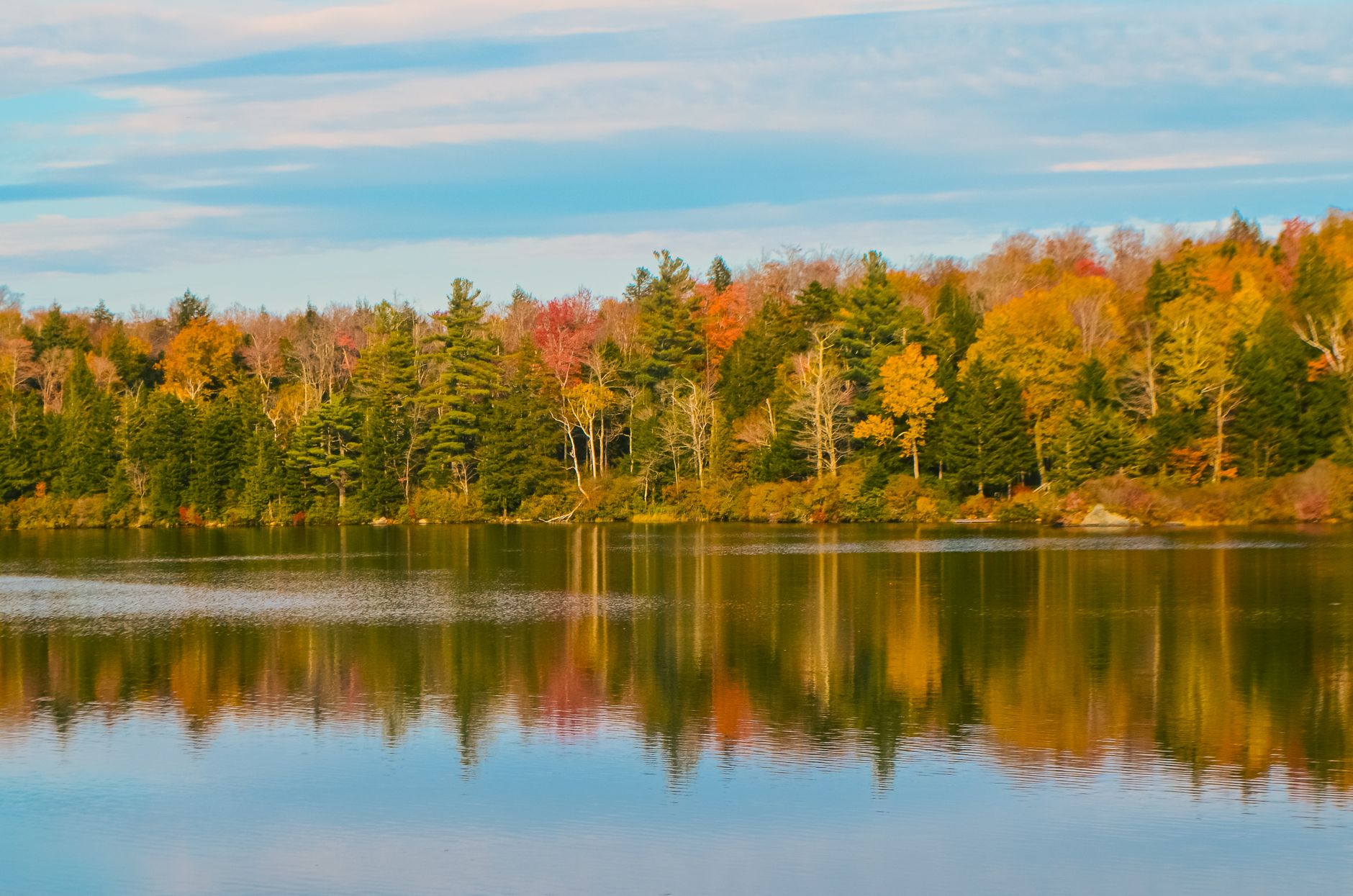
September is widely considered the peak for foliage, particularly in the White Mountains and the Green Mountains. The leaves turn vibrant shades of red, orange, and gold, creating a spectacular visual display. This is the most popular time for driving tours and photography. The downside is that lodging prices rise and availability drops significantly. If you want to see the foliage at its absolute peak, you need to plan months ahead. Late spring, from May to early June, offers a different kind of beauty. Coastal Maine bursts into bloom with wildflowers, and the temperatures are mild. It is a quieter time, with fewer tourists and more peaceful trails. You trade the fiery colours of autumn for fresh greenery and a sense of solitude.
Winter transforms the region into a quieter, stark landscape. Snow covers the trails, and some roads close to regular traffic. This is not for everyone, but it offers a unique perspective on the mountains and coast. For most travellers seeking the classic New England experience, early autumn or late spring provides the best balance of weather, scenery, and manageable crowd levels. Check local conditions before you book, as weather patterns can shift the peak foliage dates slightly each year.
Acadia National Park: Hiking and Coastal Views
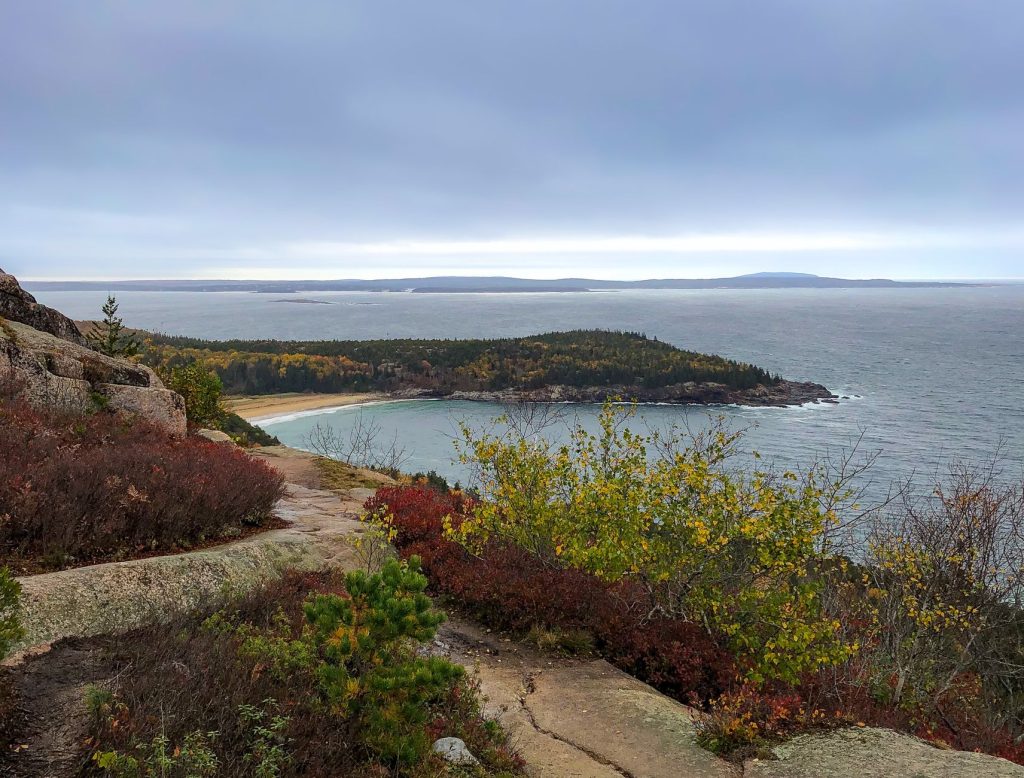
Acadia National Park is the crown jewel of Maine’s natural wonders. It combines mountain peaks, deep lakes, and a rugged Atlantic coastline in a relatively small area. This proximity allows you to experience multiple ecosystems in a single day. For those seeking adventure, the Precipice Trail is a standout. It features iron rungs and ladders bolted into the granite cliff face, offering vertical climbs and exposed views. It is not for the faint-hearted. If you fear heights or have limited mobility, this trail might not be the right choice. Stick to the easier paths if you prefer a leisurely walk.
For a more relaxed experience, the Ocean Path provides stunning coastal views without the physical demand. It connects Thunder Hole to Otter Cliff, offering sweeping vistas of the Atlantic. The path is well-maintained and accessible, making it a great option for families or those wanting to enjoy the scenery without breaking a sweat. Parking is a major logistical challenge in Acadia, especially during peak season. The parking lots at Jordan Pond and Thunder Hole fill up early in the day. To avoid the stress of circling for a spot, use the free Island Explorer bus system. It runs frequently during the summer and fall, stopping at key locations throughout the park. This saves time and reduces the frustration of driving in tight spaces.
The park’s wildlife is another highlight. You might see loons on the lakes or eagles soaring over the cliffs. Keep a respectful distance and observe quietly. The intertidal zones along the coast are rich with life, but be mindful of the tide schedules to avoid getting trapped or missing the best viewing windows. Acadia rewards those who plan their days around the bus schedule and the light. It is a place where patience pays off in the form of unforgettable views.
The White Mountains and Mount Washington
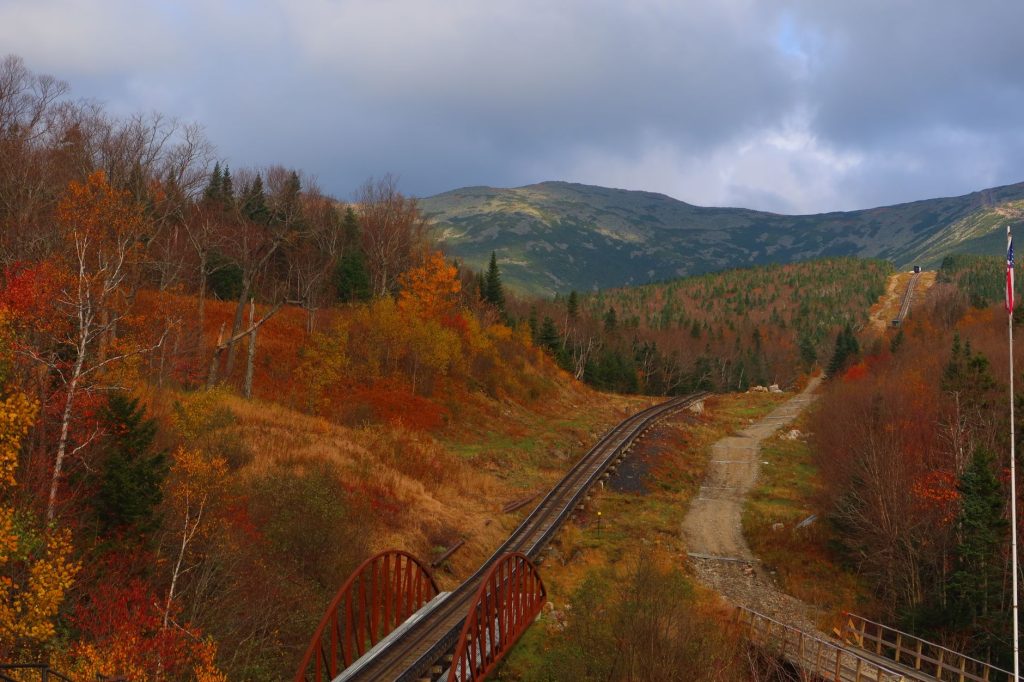
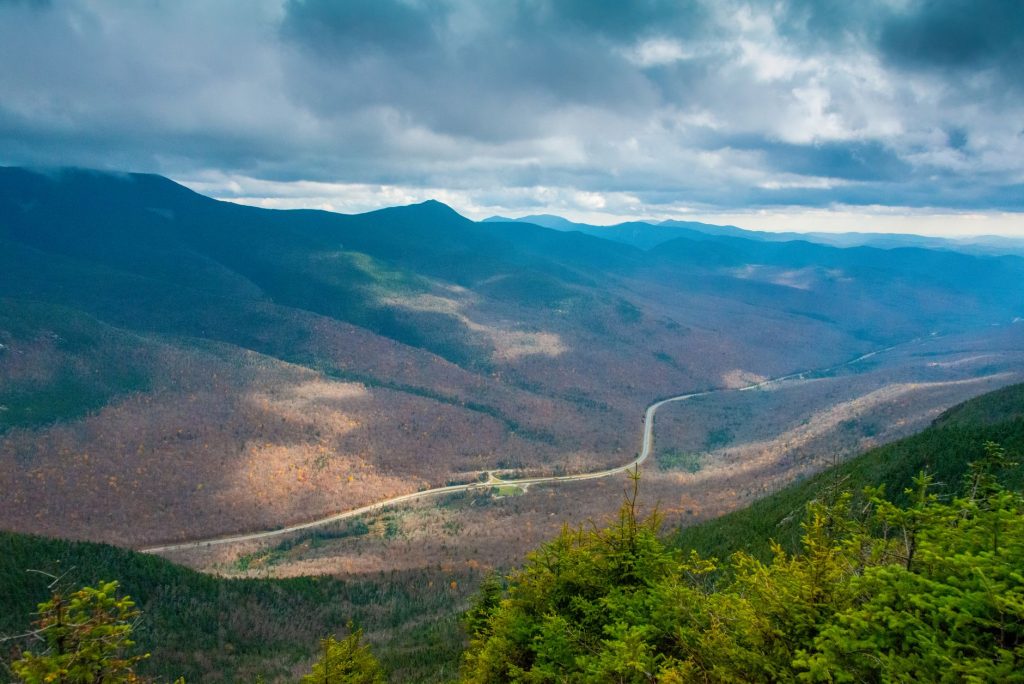
The White Mountains in New Hampshire offer a different kind of grandeur. This is alpine territory, with sharp peaks, deep valleys, and a climate that changes rapidly. Mount Washington is the highest point in the region and is famous for its extreme weather. It holds the record for the highest non-tropical wind speed ever recorded on Earth. Visiting the summit does not require a strenuous hike if you choose the Mount Washington Cog Railway. This historic railway climbs at a steep angle, taking you through forests and rocky terrain to the summit station. It is a unique way to experience high-altitude views and feel the wind without the physical exertion of a long climb. The train moves slowly, giving you plenty of time to take in the panoramic views of surrounding states on a clear day.
For those who prefer to drive, the Kancamagus Highway is a self-guided scenic route that cuts through the heart of the forest. It is not a through-road for getting from A to B quickly. It is designed for stopping and looking. Pullouts along the highway offer access to short walks, waterfalls, and river views. The drive is particularly beautiful during the foliage season, when the canopy turns vibrant colours. However, be prepared for narrow roads and occasional traffic delays. The highway is a one-way loop in some sections, so plan your route carefully.
The weather in the White Mountains can be unpredictable. Even in summer, the summit can be cold and windy. Bring layers and be prepared for sudden changes. The forests are dense, so cell service can be spotty. It is wise to have a physical map or offline maps ready. The region is also home to diverse wildlife, including moose and black bears. Stay alert and follow local guidelines for safe viewing. The White Mountains offer a raw, untamed experience that contrasts sharply with the coastal charm of the rest of New England.
Mystic Seaport and Coastal History
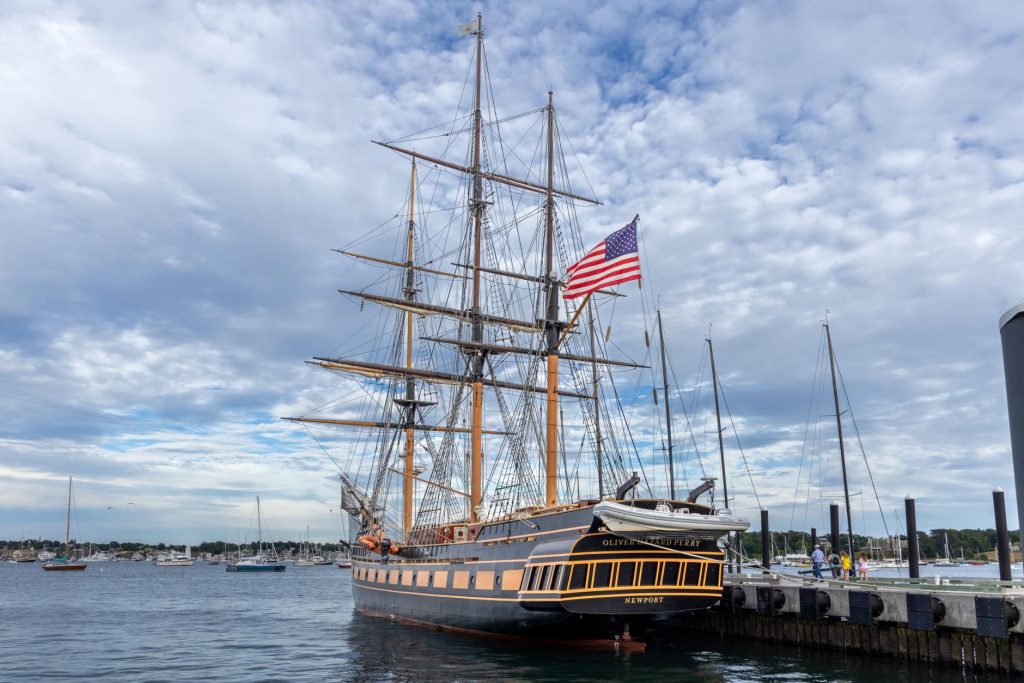
Mystic Seaport is not just a museum; it is a living reconstruction of a 19th-century maritime village. It offers a tangible connection to New England’s seafaring past. The area features preserved ships, a working shipyard, and galleries that tell the story of exploration and trade. You can watch craftsmen build wooden boats using traditional methods, providing a glimpse into the skills that powered the region’s economy for centuries. This intersection of nature and culture is unique. The waterfront setting adds a natural beauty to the historical exhibits, with the sound of the tide and the sight of the water enhancing the experience.
For visitors who want a break from the museum crowds, Long Island State Park is nearby. It offers sandy beaches and dunes, providing a relaxing contrast to the structured environment of the seaport. You can walk along the shore, watch the ships in the harbour, or simply rest by the water. This combination of history and natural recreation makes Mystic a versatile destination. You can spend the morning learning about maritime history and the afternoon enjoying the beach.
The area is also a gateway to other coastal attractions. The surrounding waters are rich with marine life, and boat tours are available for those who want to see whales or seals. The culinary scene in the area reflects its maritime heritage, with fresh seafood being a staple. Mystic Seaport provides a deep dive into the region’s history without feeling static. It is an educational experience that is also visually engaging. The preserved village feels authentic, with attention to detail in the architecture and the activities. It is a place where history feels alive, rather than locked behind glass.
Where to Base Yourself for Each Region
Strategic accommodation can save you hours of driving time. For Acadia National Park, staying in Bar Harbor or Camden is ideal. Bar Harbor is close to the park entrance, offering convenience and a range of dining options. Camden is slightly further south but provides a charming town atmosphere and easy access to both the park and coastal trails. Both locations allow you to minimize commute times and maximize your time in nature.
In the White Mountains, North Conway and Lincoln are the best bases. North Conway has a vibrant downtown with shops and restaurants, making it a good option if you want evening entertainment. Lincoln is quieter and closer to the Kancamagus Highway, offering a more relaxed vibe. Staying in these towns puts you within easy reach of the major trails and scenic drives. You can wake up and be on a trailhead within minutes.
For the Connecticut coast, Stonington and Mystic are the go-to options. Stonington is a small, historic village with a strong maritime feel. It is quieter than Mystic and offers a more intimate experience. Mystic is larger, with more amenities and attractions. Both locations provide easy access to the coastline and nearby parks. Choosing the right base depends on your preference for activity levels and crowd size. Bar Harbor and North Conway are busier, while Lincoln and Stonington offer more tranquility. Consider your priorities when booking. If you want to be in the heart of the action, choose the larger towns. If you prefer peace and quiet, opt for the smaller villages. This choice will significantly impact the pace of your trip.
What to Eat and Drink Along the Way
Food in New England is deeply connected to the landscape. In Maine, fresh lobster rolls are a must-try. They are simple, with tender lobster meat, a touch of mayo or butter, and a warm, toasted bun. The freshness of the seafood is unmatched, and it is best enjoyed by the coast. In New Hampshire’s mountain towns, you will find apple cider donuts and craft beer. The region’s apple orchards produce some of the best cider in the country, and the mountain breweries offer a wide variety of beers to complement the outdoor activities. These treats are perfect for refueling after a long hike.
In Connecticut, clam chowder is a staple. It is rich, creamy, and often served with oyster crackers. The chowder reflects the region’s fishing heritage and is a comforting meal after a day on the water. Beyond these staples, the region offers a variety of farm-to-table options. Local farms produce fresh vegetables, berries, and cheeses, which are featured in many restaurants. The food scene is generally casual and welcoming, with a focus on local ingredients.
Be mindful of seasonal availability. Some dishes are only available during certain times of the year. Lobster is best in the spring and fall, while apple cider is a fall favourite. Planning your meals around the seasons can enhance your experience. Look for farmers markets and local diners for authentic flavours. The food is not just fuel; it is part of the cultural experience. It connects you to the land and the people who work it. Enjoying local cuisine is a great way to support the regional economy and discover the true taste of New England.
Budget and Logistics: Costs and Getting Around
Visiting New England requires careful budgeting, especially during peak season. National park entry is free, which is a significant advantage. However, camping and lodging in popular areas like Acadia and the White Mountains can be expensive. Prices surge during the foliage season and summer weekends. Booking accommodation months in advance is crucial to secure a good rate and avoid sold-out options. Midweek stays are often noticeably cheaper than weekends.
Getting around is easiest with a car. The regions are spread out, and public transport is limited outside of specific areas like Acadia. A car gives you the flexibility to explore at your own pace and access remote trailheads. Fuel costs can add up, so plan your routes efficiently. In Acadia, the Island Explorer bus system is a cost-effective alternative for getting around the park. It reduces parking fees and stress, making it a smart choice for visitors who want to avoid driving.
Camping is a budget-friendly option, but sites fill up quickly. Reserve your campsite as early as possible. If you prefer hotels, look for motels in smaller towns for better rates. Dining out can be pricey, so consider packing some snacks and meals. Many trailheads have limited food options. Bringing your own water and food can save money and keep you energized. Be aware of parking fees in some areas, which can add up over a week. Check for passes or discounts if you plan to visit multiple parks. Overall, a moderate budget with advance planning will allow you to enjoy the region without financial stress.
Common Mistakes to Avoid and Final Tips
One of the biggest mistakes travellers make is underestimating the weather. In high-altitude areas like Mount Washington, conditions can change rapidly. A sunny morning can turn into a windy, rainy afternoon in minutes. Bring layers, including a waterproof jacket and warm clothing, even in summer. Check the forecast before heading out, but do not rely on it entirely. Be prepared for anything.
Another common error is ignoring the need for sturdy footwear. Acadia’s Precipice Trail and other rocky paths require good grip and ankle support. Sneakers might not be enough. Invest in proper hiking boots or trail shoes to prevent injuries and discomfort. Also, book lodging well in advance for fall foliage season. Last-minute bookings often mean high prices or limited choices. Plan your trip at least three to six months ahead if you want to visit during peak foliage.
Finally, do not rush. New England’s natural wonders are best enjoyed slowly. Take time to sit by a lake, watch the clouds move over the mountains, or listen to the waves. The region rewards patience. Avoid the temptation to see everything in one trip. It is better to explore one area thoroughly than to rush through several. Pack a map, a water bottle, and a sense of curiosity. Leave the crowds behind by starting early or venturing off the main trails. Your trip will be more rewarding if you focus on quality over quantity. Go with an open mind and a flexible plan.