By
By 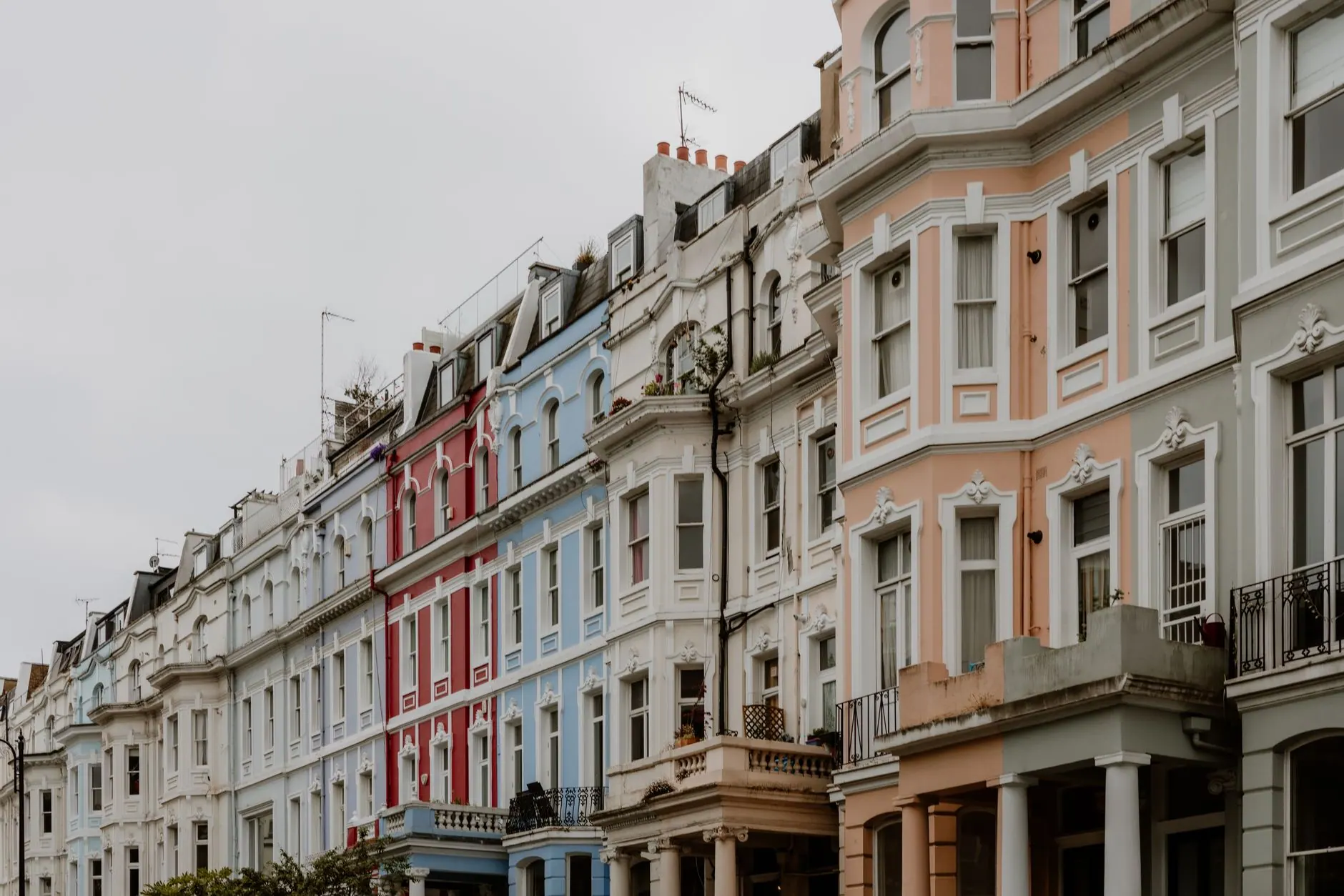
Choosing where to stay in London can feel like a puzzle. The city is vast, and the tube map looks like a tangled ball of string. You might land at Heathrow and wonder how to reach your hotel without spending hours in transit. Or you might book a central zone hotel only to find you are surrounded by queues and crowds. The truth is, London is not one place. It is a collection of distinct villages, each with its own rhythm, history, and vibe.
To get the most out of your trip, you need a strategy. You cannot see everything in one go, and trying to do so will leave you exhausted. The key is to group your activities by area. This minimises travel time and lets you immerse yourself in the local culture. Whether you are a first-time visitor wanting to see the icons or a repeat traveller looking for hidden gems, London has a district that fits your style. This guide breaks down the city into manageable chunks, helping you decide which are the best neighborhoods to explore in London for your specific interests.
Planning Your London Neighborhood Strategy
London is divided into zones for transport purposes, but the real divisions are cultural. Understanding how the city is laid out helps you plan a logical route. Central London, roughly within Zone 1, is dense with major landmarks. It is walkable but crowded. Areas further out offer a more local feel and often better value for money.
For first-time visitors, the priority is usually the historic core. This includes Westminster, the South Bank, and the West End. These areas are close together. You can walk between many of the major sites. However, this comes with a trade-off: higher prices and larger crowds. If you are visiting with family or on a tight schedule, staying central saves time on the tube.
Repeat visitors often prefer the outer boroughs. Areas like Shoreditch, Camden, or Kensington offer deeper cultural experiences. They are less about ticking off boxes and more about experiencing the local life. Use the tube lines as your guide. The Circle and District lines serve the historic west. The Central line cuts through the commercial heart. The Northern line reaches the alternative north.
When planning, look at a map and group your attractions by neighbourhood. Do not jump from north to south in a single day unless you have a lot of time. This approach reduces fatigue and lets you explore at a slower pace. It also allows you to discover side streets and small shops that guidebooks often miss.
Westminster and The South Bank
This area is the iconic heart of London. It is where the city’s history is most visible. The walk along the Thames here is world-famous. You can see landmarks from both banks without needing to cross the river immediately. This stretch is perfect for a first day when you want to get a feel for the city’s scale.
Start at Westminster. The Palace of Westminster and Big Ben dominate the skyline. The architecture is Gothic and imposing. Across the river lies the South Bank. This is a pedestrian-friendly zone. It feels less like a tourist trap and more like a public promenade. You will find street performers, art installations, and open spaces.
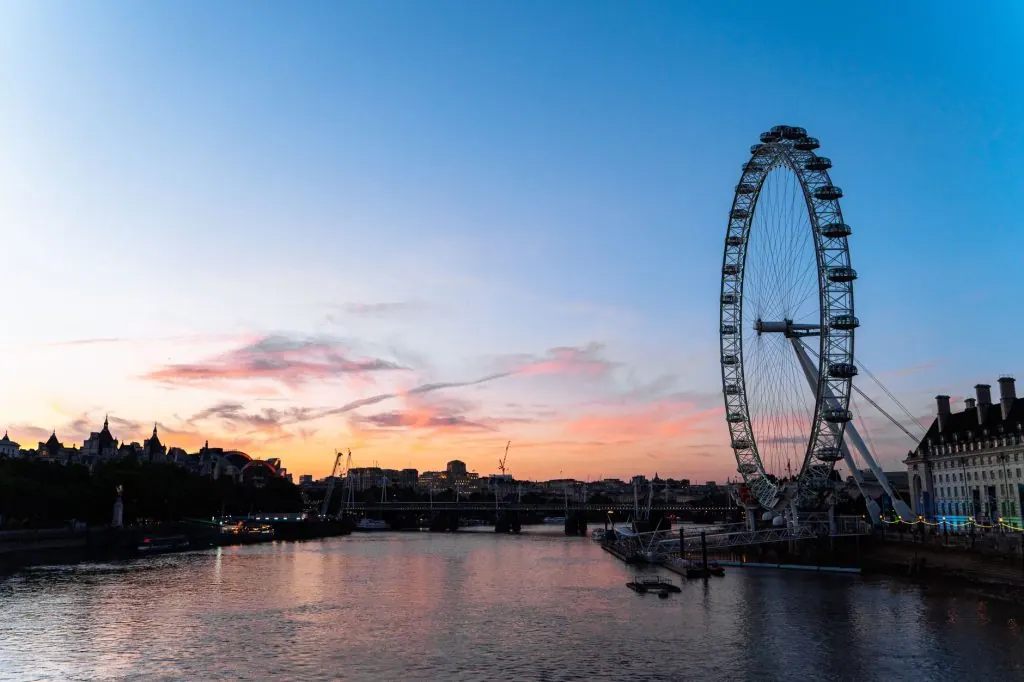
The Tate Modern is a key stop here. It occupies a former power station and offers stunning views of the city from its upper floors. The building itself is an architectural statement. Further east, you will find the London Eye. It is a modern icon, but it can get crowded quickly.
To avoid the worst of the tourist crowds, go early in the morning or late in the afternoon. Midday brings tour buses and long queues. The afternoon light is often best for photographs. The walk along the river is flat and easy. It connects the cultural institutions of the South Bank to the political centre of the West End.
If you are looking for more iconic sights, you might want to check out our guide to the Top 10 Places To Visit In London. This area sets the tone for the rest of your trip. It is busy, but it is undeniably impressive.
Soho, Covent Garden, and Chinatown
Move into the West End, and the energy shifts. This is the entertainment district. Soho, Covent Garden, and Chinatown are tightly packed together. The streets are narrow and busy. The noise level is higher here, but the atmosphere is electric.
Covent Garden is known for its street performers. The market square is bustling with activity. You will find musicians, magicians, and actors entertaining crowds. The market hall itself has shops and cafes. It is a good place to people-watch.
Soho is the heart of the theatre scene. The West End’s major playhouses are located here. The streets are lined with bars and restaurants. It is a hub for nightlife. The density of options means you can find almost any type of cuisine or entertainment.
Chinatown is just around the corner. The entrance is marked by iconic red gates. The streets are vibrant and colourful. You will find dim sum restaurants, tea shops, and bakeries. The area is small but intense. It offers a stark contrast to the Georgian architecture of nearby Mayfair.
For a balance of atmosphere and noise, visit in the early evening. The streets fill up as the theatre crowds arrive. If you are a foodie, this area is a goldmine. You can explore a variety of cuisines in a small area. For more dining ideas, read our A Foodie’s Guide To The Best Eats in London.
If you are planning for the evening, consider looking at 3 Places for a Great Night out In London to find the right vibe for your group.
Camden Town and King’s Cross
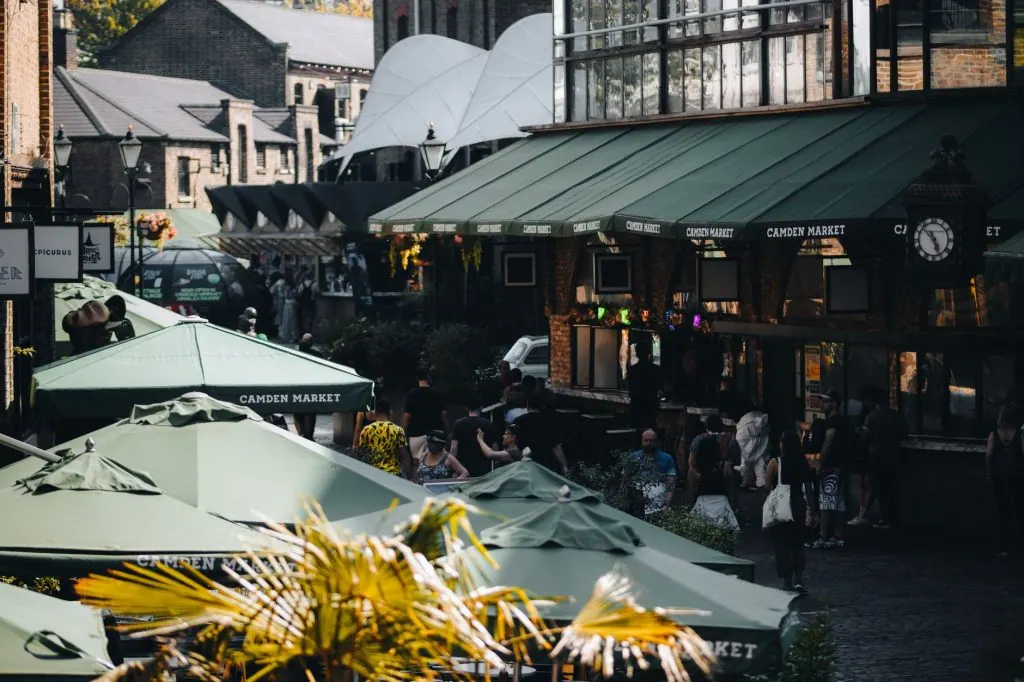
Head north to Camden, and the vibe changes again. This area is known for its alternative culture. Camden Market is the main draw. It is a sprawling complex of stalls selling vintage clothing, handmade jewellery, and unique gifts. The market is divided into different sections, each with a different theme.
The food hall is particularly popular. You can find dishes from all over the world. The atmosphere is loud and chaotic. It is best to visit during the day. The night brings a different kind of crowd, often focused on the pubs and music venues.
King’s Cross is nearby. It has undergone significant regeneration. The area was once industrial and somewhat neglected. Now, it is a modern hub. The Coal Drops Yard is a key feature. It consists of restored Victorian coal storage buildings converted into a shopping and dining precinct. The architecture is striking. The British Library is also nearby. It is a major cultural institution.
This area is well-connected by transport. It is a good base for exploring north London. The mix of old industrial heritage and new development makes it interesting. You can spend hours wandering the markets and exploring the new developments.
The street food culture here is diverse. You can find everything from gourmet burgers to Asian dumplings. It is a great place to try new things. The area is less touristy than the West End, but it is still popular. Go on a weekday if you want to avoid the biggest crowds.
Shoreditch and East London
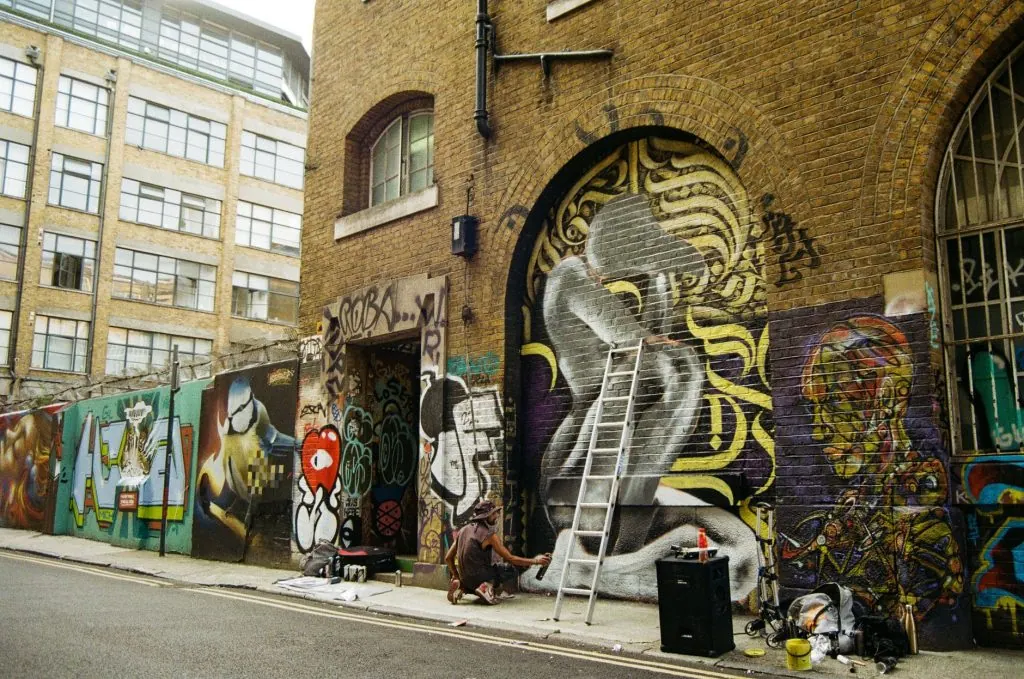
East London has become a creative hub. Shoreditch is at the centre of this scene. The area is known for its street art. You will see murals and graffiti on almost every wall. The art changes frequently, so the landscape is always evolving.
Brick Lane is a key street. It is famous for its curry houses. The area has a strong Bangladeshi heritage. The street food scene is vibrant. You can find bagels, curry, and vegan options. The market on Sundays is a major event. It draws crowds from all over the city.
Spitalfields is nearby. It has a historic market that sells vintage clothing and antiques. The area is full of independent boutiques. It is a great place for fashion enthusiasts. The architecture is a mix of Georgian and Victorian styles.
Shoreditch is also a hub for tech startups. The area has a young, dynamic energy. The bars and restaurants reflect this. There are many innovative dining concepts. The nightlife is lively and diverse.
This area is less about history and more about the present. It is where trends are born. If you are interested in contemporary culture, this is the place to be. The streets are walkable, but they can be busy. Keep an eye on your belongings in crowded areas.
The creative vibe extends beyond the main streets. Explore the side alleys to find hidden bars and small galleries. The area is constantly changing, so keep an open mind.
Kensington, Chelsea, and Notting Hill
Move west, and you enter a more upscale part of London. Kensington and Chelsea are known for their wealth. The streets are wide and tree-lined. The architecture is grand. You will see large townhouses and luxury stores.
King’s Road in Chelsea is a shopping destination. It is lined with high-end boutiques. The street is popular with fashionistas. You can see designer brands and vintage shops. The area is also home to museums. The V&A and Natural History Museum are nearby. They are world-class institutions.
Notting Hill is adjacent. It is known for its pastel-coloured houses. Portobello Road is the main street. It is famous for its antiques market. The market operates on specific days. The atmosphere is colourful and lively. The area has a bohemian history. It is still a popular spot for tourists and locals.
Kensington Gardens is a green space nearby. It is a serene place to walk. The Serpentine Lake is a highlight. The area is quieter than the central zones. It is a good contrast to the busy streets.
Shopping here is expensive. The stores are curated and high-quality. It is a good place for window shopping. The area is also home to many embassies. The streets are clean and well-maintained.
This area is ideal for those who appreciate history and architecture. The museums offer a deep dive into art and science. The gardens provide a peaceful retreat. It is a more relaxed pace than the city centre.

Southbank and Riverside Leisure
The riverfront is a key feature of London. The South Bank offers a different perspective on the city. It is a cultural corridor. The Southbank Centre is a major venue. It hosts concerts, theatre, and film. The building is modern and striking.
The area is also home to book markets. You can find rare and second-hand books. It is a quiet activity that contrasts with the noise of the city. The riverside paths are popular for walking and cycling. The views of the skyline are excellent.
Pubs along the river are a great way to relax. Many have outdoor seating. The atmosphere is casual. You can watch the boats go by. The area is well-lit at night. It is safe and busy.
The weather plays a big role here. In summer, the riverfront is vibrant. People sit outside and enjoy the sun. In winter, it is quieter. The cold can be biting, but the views are still impressive. Check the weather before planning a riverside walk.
This area is also home to theatres. The National Theatre is a key venue. The architecture is bold. The area connects the cultural institutions of the river to the city centre. It is a good place to spend an evening.
The riverfront is a social space. It is where Londoners come to relax. It is less about sightseeing and more about experiencing the city’s rhythm. The mix of culture and leisure makes it a unique part of London.
Where to Base Yourself and Budget Tips
Choosing where to stay depends on your budget and priorities. Central zones are convenient but expensive. Hotels here command a premium. You pay for location. If you are on a tight budget, consider staying in Zone 2 or 3. The tube is efficient. A 30-minute commute is manageable.
You will save money on accommodation. The savings can be used for experiences. Areas like Shoreditch or Camden offer a good balance. They are well-connected and full of character. You can find more affordable options here.
Food costs can add up. Eating at tourist spots in central areas is pricey. Look for independent cafes in the neighbourhoods. Street food markets are a good value. They offer variety and taste.
Transport is another cost. Use an Oyster card or contactless payment. This is cheaper than buying single tickets. There is a daily cap. Once you reach it, travel is free for the rest of the day. Plan your routes to minimise crossings.
Attractions can be expensive. Pre-book tickets online. This often saves money and time. Look for combo tickets if you plan to visit multiple sites. Many museums are free. Use this to your advantage.
Budget tips include eating lunch instead of dinner. Many restaurants offer cheaper set menus. Walking is free. London is a walkable city. Use this to explore neighbourhoods. Avoid ride-hailing apps during peak times. They can be expensive.
Base yourself in a neighbourhood that matches your interests. If you like nightlife, stay central. If you prefer quiet, go further out. The trade-off is always between cost and convenience.
Common Mistakes and Final Tips
London is easy to get wrong if you rush. One common mistake is underestimating walking distances. The city is larger than it looks. Map apps show straight lines, but you have to go around blocks. Always allow extra time for walking between attractions.
Another mistake is ignoring the Oyster card system. Paying with a credit card for every journey is more expensive. Use contactless or Oyster. It is cheaper and easier. There is a daily cap. This limits your spending.
Visiting major attractions without pre-booked tickets is another error. Queues can be long. You might miss out if you arrive late. Book in advance. This is especially true for popular sites like the Tower of London or the London Eye.
Crowds are a reality. Avoid peak times if you can. Weekdays are quieter than weekends. Mornings are better than afternoons. Plan your days to avoid the busiest hours.
Weather can change quickly. Pack layers. Bring a waterproof jacket. London is unpredictable. Be prepared for rain and sun.
Finally, do not try to see everything. You will burn out. Pick a few neighbourhoods and explore them deeply. This gives you a better experience. You will see more than just the surface.
London rewards patience. Take your time. Talk to locals. Explore side streets. The best memories come from unplanned moments. Use this guide to structure your trip, but leave room for discovery. Start with the central zones to get your bearings. Then branch out to the unique neighbourhoods. You will find a city that is both historic and modern. It is a place that changes with every visit. Enjoy the process.
Official sources and further reading
Opening times, entry rules and prices change, so check them on the official sites before you travel:
- Visit London: The official visitor guide to London.
- Transport for London: Maps, fares and live service updates for the Tube, buses and trains.