 By
By 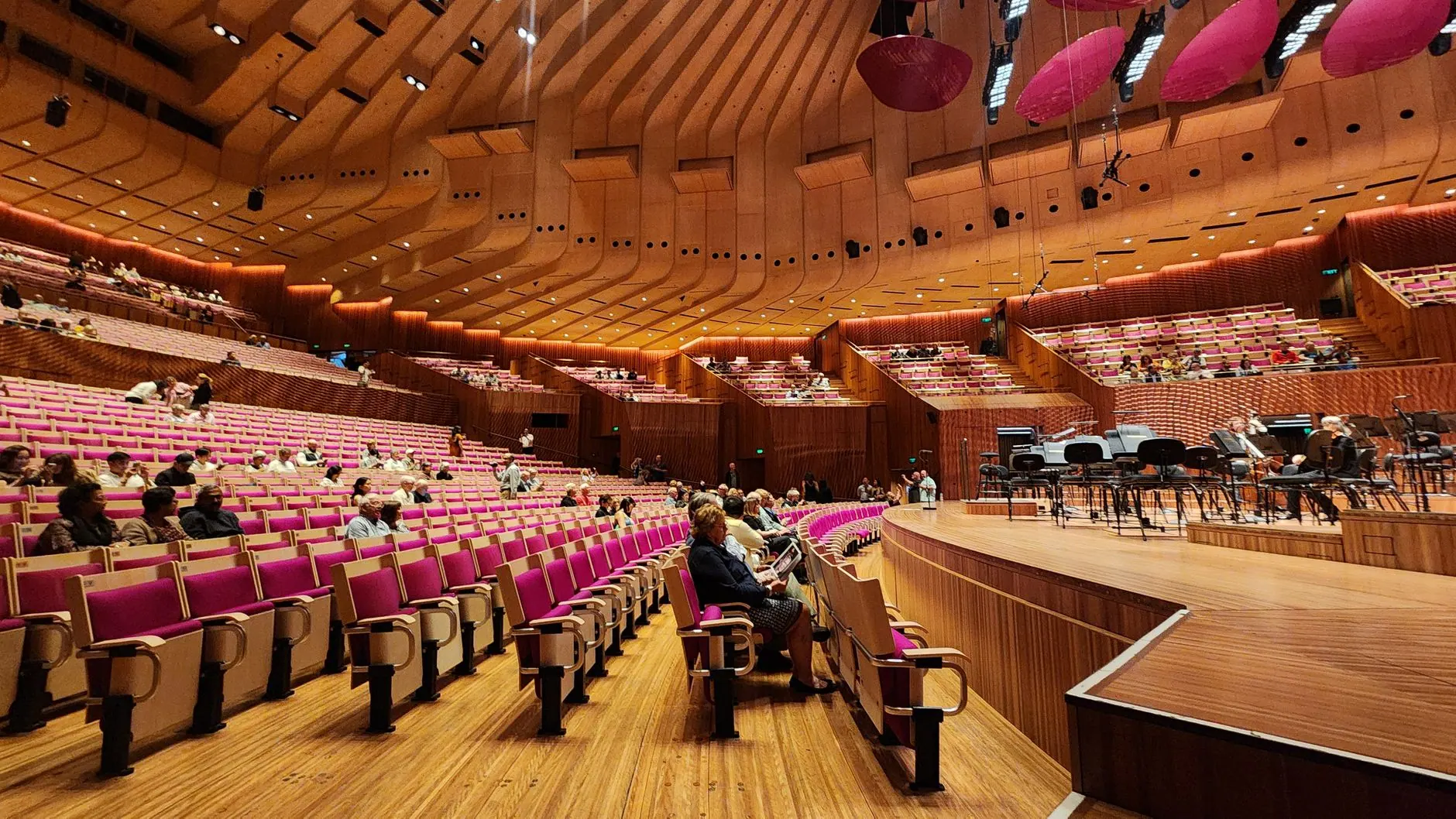
You are standing in a grand foyer, the air thick with the murmur of a hundred conversations and the clinking of glass. You are wearing an outfit you are not entirely sure is correct, clutching a programme you do not quite understand, and wondering if you have made a mistake. This is the moment before the curtain rises. For many travellers, opera feels like a locked door, something reserved for the well-heeled or the culturally elite. But the door is not locked; you simply need the right key.
Visiting the opera does not require a lifelong devotion to classical music or a wardrobe of evening gowns. It is, at its core, a human experience: a blend of high drama, architectural splendour, and raw vocal power. Whether you are in London, Milan, or Sydney, the goal is the same. You are there to feel something. This guide strips away the pretension and gives you the practical tools to enjoy the performance, from choosing your seat to knowing when to clap. If you are planning a sophisticated getaway, consider how this fits into your broader itinerary. A cultural night out can be the highlight of a Create The Perfect Luxury City Break: 3 Steps, offering a refined contrast to daytime sightseeing.
Why the opera deserves a place on your travel list
Opera is not just a concert; it is a total sensory event. When you travel to a new city, you are looking for experiences that stick with you. A museum is visual; a meal is gustatory. Opera engages sight, sound, and emotion simultaneously. The spectacle of a full chorus, the intricate costumes, and the scale of the set design create a visual feast that complements the music.
The architecture of the venues themselves is often a work of art. Many of the world’s most famous opera houses were built during eras of immense artistic ambition. Walking into these spaces connects you to history. You are standing in rooms where cultural icons have performed and audiences have gasped in unison. The acoustics are engineered to carry the human voice without amplification, a feat of engineering that stands as a testament to human ingenuity.
There is also a social element. Opera nights often carry a sense of occasion. Even if you are dressed casually, you are part of a collective experience. You are sharing the tension of a love triangle or the triumph of a victory with strangers who feel the same emotions. This shared humanity is rare in modern entertainment.
Furthermore, opera helps broaden your perspective. Listening to stories from different cultures and eras, often sung in languages you may not speak, forces your brain to engage with narrative and emotion in new ways. It is a form of cognitive stretching that is both enjoyable and rewarding. For those looking to deepen their travel experiences, exploring Ways to Broaden Your Mind Whilst Traveling often leads to a greater appreciation of these artistic traditions.
Choose the right opera
For beginners, the choice of opera can be daunting. There are thousands of titles, ranging from short one-acts to massive five-hour epics. The key is to start with something accessible. Avoid the heavy, tragic works for your first outing. Instead, look for operas with strong melodies, clear narratives, and lighter tones. Works that are well-known for their arias often provide a good entry point because the music is familiar even if the story is new.
Language is a common concern. Many people assume that if they do not speak Italian, German, or French, they will miss the point. This is not true. Most modern opera houses provide surtitles, subtitles projected above the stage or on individual seat-back screens. These allow you to follow the plot in your native language. However, do not read them so intensely that you miss the performance. The visuals and the music tell most of the story. The plot is a framework for the emotion.
Consider the length of the opera. Some productions run for three hours with two intervals. This can be exhausting for a first-timer. Look for shorter performances or single-act operas if you are worried about stamina. You can always tackle a longer work on a later visit.
Reading the synopsis beforehand is highly recommended. You do not need to know every plot point, but understanding the general premise helps you relax. When you know what is happening, you stop trying to decode the situation and start enjoying the singing. If the story is familiar, you can focus on the vocal technique and the orchestration.
Famous opera houses worth travelling for
Certain opera houses are destinations in their own right. They are architectural landmarks that attract visitors even if they never attend a performance.
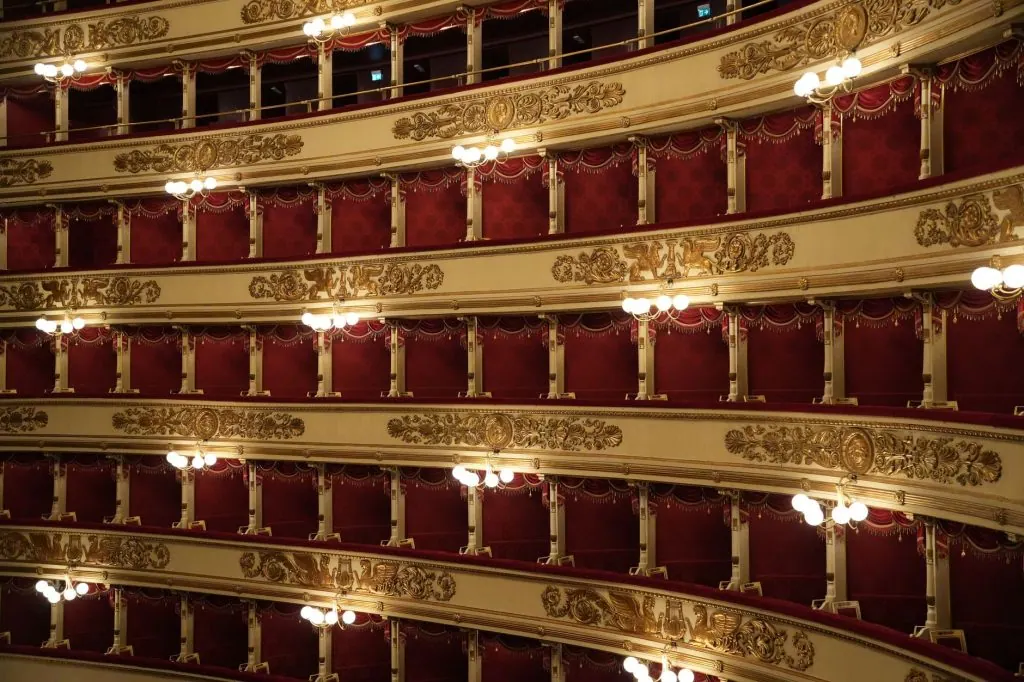
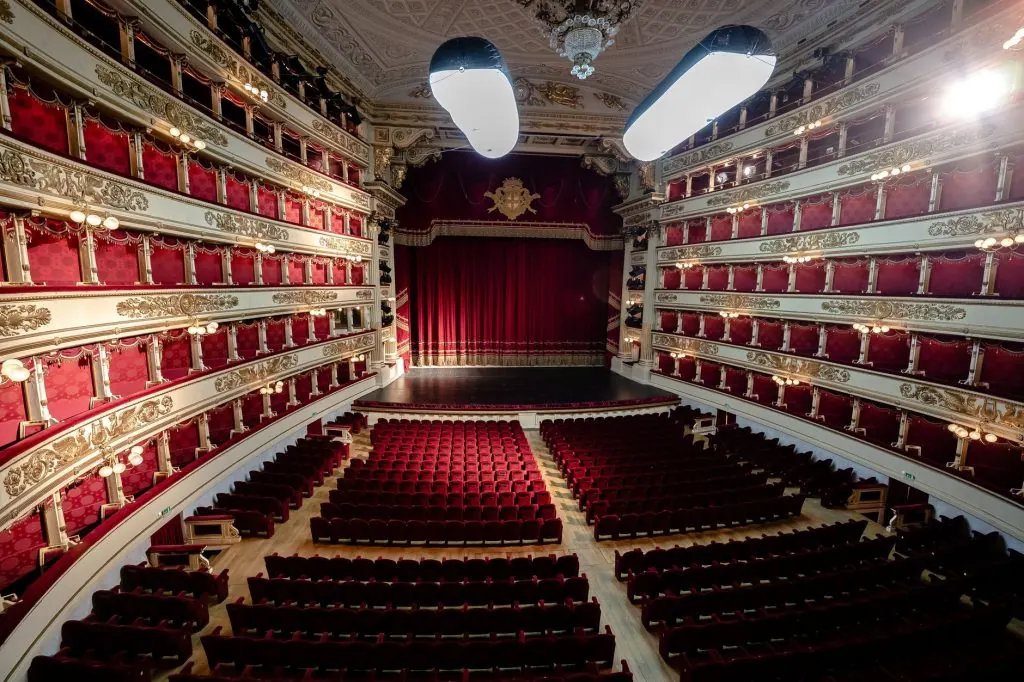
La Scala in Milan is perhaps the most famous opera house in the world. Its history is steeped in tradition, and the acoustics are renowned for their clarity. The auditorium is a horseshoe shape, designed to bring the audience close to the stage. Visiting La Scala is about immersing yourself in the centre of Italian operatic culture.
The Vienna State Opera is another essential visit. The building is a masterpiece of Neo-Renaissance style, and the city of Vienna has a deep connection to classical music. The atmosphere in Vienna is uniquely musical, and the opera house sits at the heart of this culture. The performances here are often considered among the best in the world, featuring top-tier orchestras and singers.
The Sydney Opera House is an icon of modern architecture. Its shell-like roofs are visible from across the harbour. While the interior is smaller than European counterparts, the setting is unmatched. Attending a performance here combines the art form with the stunning backdrop of the Australian harbour. It is a reminder that opera can be adapted to modern contexts and environments.
The Palais Garnier in Paris is another stunning venue. Known for its opulent interior, with gold leaf and chandeliers, it feels like stepping into a nineteenth-century dream. The building itself is a work of art, and the acoustics are warm and rich.
These venues offer more than just a show. They offer a sense of place. When you attend a performance in these halls, you are connecting with a lineage of art that spans centuries.
Tickets and your seat
Ticket prices for opera can vary wildly. In some venues, you can stand for a fraction of the price of a seated ticket. These standing tickets, often called pit tickets or gallery tickets, are a fantastic way to experience opera on a budget. The sound is often better from these positions because you are closer to the stage and the orchestra pit. The view might be restricted, but the audio clarity is usually superior.
If you prefer a seat, the location matters. Avoid the side boxes if you want a balanced view of the stage. Side seats can distort the perspective of the set design. The best seats are usually in the centre of the main floor or the first balcony. These positions offer a good balance of view and sound.
Price tiers are common in opera houses. The cheapest seats are often at the very top, in the gallery or high balcony. These seats can be a good compromise if you are on a tight budget. The sound is often excellent from these heights, and the view of the entire stage is clear. However, the climb can be steep, and the facilities may be basic.
Booking timelines are important. Popular performances, especially those featuring star singers, sell out months in advance. If you are planning a trip around a specific opera, book your tickets as early as possible. Some venues offer last-minute tickets at reduced prices, but this is a gamble.
Official sellers are the safest option. Third-party resellers may charge high markups. Check the official website of the opera house for the most accurate seating charts and prices. Remember that prices change, so check the official provider before booking.
What to wear and when to arrive
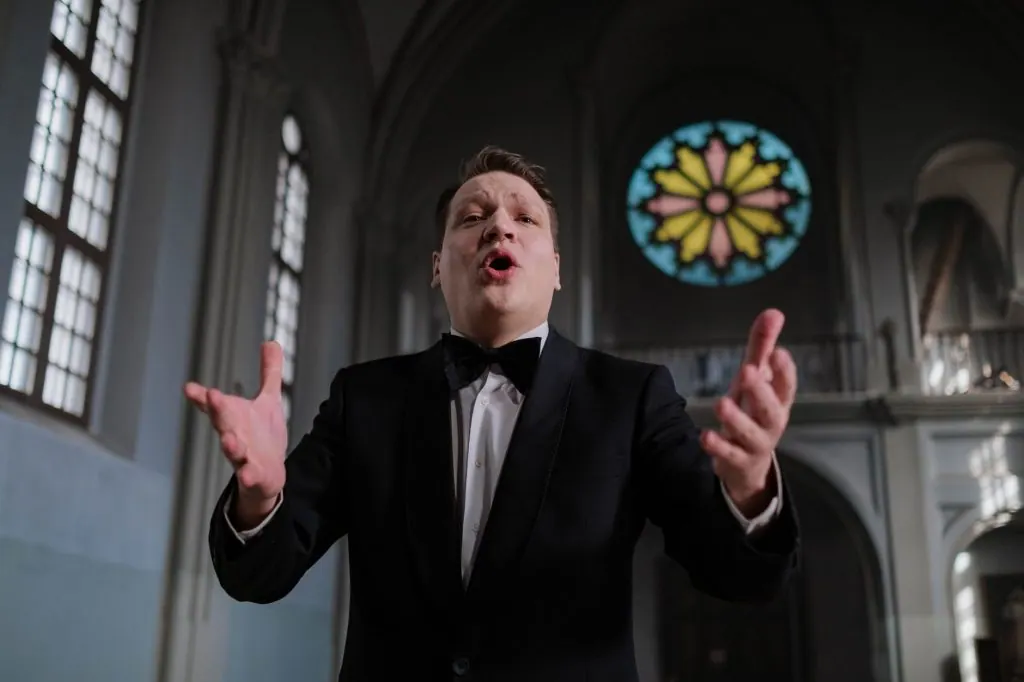
Dress codes for opera have relaxed significantly. You do not need to wear a ball gown or a tuxedo. Smart casual is appropriate for most venues. A nice shirt and trousers, or a dress or skirt, are sufficient. If you are visiting a prestigious venue like La Scala or the Vienna State Opera, you might see more formal attire, but it is not a requirement. Comfort is key. You will be sitting for several hours, so wear clothes that allow you to move and breathe easily.
Arriving early is crucial. Aim to arrive at least thirty minutes before the start time. This gives you time to find your seat, hang your coat, and settle in. Rushing in late is stressful and disruptive. You do not want to be the person shuffling down the aisle while everyone is trying to watch the opening scene.
Cloakrooms are available in most opera houses. Use them if you have a large coat or bag. This frees up your hands and makes you more comfortable during the performance. Keep your valuables with you, but leave bulky items in the cloakroom.
Interval timings vary. Most operas have one or two intervals. These are times to stretch your legs, use the restroom, and buy a drink. Plan your movements carefully. The intervals are short, usually fifteen to twenty minutes. If you plan to have a drink, do so quickly.
Warm up your ears
Listening to opera can be a new experience. Your ears need to adjust to the style of singing and the orchestration. Before you go, listen to some of the music. This helps you recognize melodies and understand the structure of the work. You do not need to be a music expert. Just listening to a few arias can make the live performance more engaging.
Understanding voice types can enhance your experience. Opera features a range of voices, from high sopranos to deep basses. Each voice type has a characteristic timbre and range. Recognizing these differences adds a layer of appreciation to the performance. However, do not get too caught up in technical details. Focus on the emotion and the story.
Reading the synopsis is helpful, but do not rely on it too much. The surtitles will provide the words in your language. Use them to follow the plot, but also listen to the music. The music often conveys emotions that words cannot. The orchestra plays a crucial role in setting the mood and highlighting dramatic moments.
Surtitles are a modern convenience. They are projected above the stage or on individual screens. They are accurate and helpful, but they can be distracting if you read them too intently. Try to balance reading with watching the performers. The facial expressions and body language tell a large part of the story.
Etiquette
Opera has a set of unwritten rules, but they are not as strict as many people think. The main goal is to respect the performers and the other audience members.
Silence is important. Turn off your phone completely. Not just on silent, but off. The light from a screen can be distracting, and the sound of a notification can break the immersion of the performance. Do not take photos during the show. Flash photography is particularly disruptive. Save your photos for after the performance or during the intervals.
Applause is expected at the end of arias and acts. In some older traditions, audiences would applaud after a beautiful aria, even before the act ended. This is less common now, but you may still hear it in some venues. Follow the lead of the surrounding audience. If everyone is clapping, join in. If the performance is continuing, stay quiet.
Late arrival is discouraged. If you arrive after the show has started, you may be held in the lobby until a suitable break, usually at the end of the first act. This is to prevent disruption. Check the venue’s policy on late seating. Some houses allow entry during intervals only.
Leaving during the performance is also disruptive. Wait for an interval or the end of the show. If you must leave, do so quietly and quickly.
Head to the bathroom and plan your evening
The bathroom is a practical necessity. Opera houses can be crowded, and the queues for restrooms can be long, especially during intervals. Plan your bathroom visits carefully. Go before the show starts and during the intervals. If you wait until the end, you might miss the final applause or the curtain call.
Food and drink are part of the experience. Many opera houses have bars and restaurants. You can buy drinks during the intervals. This is a social time to discuss the performance and relax. However, be mindful of your budget. Drinks in opera houses can be expensive. Consider having dinner before or after the show at a local restaurant.
Planning your evening involves more than just the performance. Think about your travel home. Opera houses are often located in city centres, which can be busy after the show. Allow extra time for transport. If you are driving, consider parking in advance. If you are using public transport, check the schedule for late-night services.
Having a plan reduces stress. You know where you are going, what you are wearing, and when you will be home. This allows you to focus on the performance.
Beyond the big houses
You do not need to travel to Milan or Vienna to enjoy opera. Smaller venues offer a more intimate experience. Local opera companies often produce high-quality performances in smaller theatres. These venues can be more affordable and less formal. The atmosphere is often more relaxed, and the performers are accessible.
Open-air performances are another option. Many cities host opera festivals in parks or historic squares. These events are free or low-cost and attract large crowds. The setting is often magical, with the sky as a backdrop. This is a great way to experience opera in a casual, community-focused environment.
Broadcasts of live performances from major opera houses are available in many cinemas and venues. These are called opera in cinema or live screenings. They allow you to see world-class performances without the travel. The audio and video quality is high, and you can often hear the commentary or interviews. This is a good way to sample different operas before committing to a live ticket.
Exploring these alternatives can broaden your appreciation of the art form. You might discover a new favourite composer or a new way of experiencing music. Travel is about discovery, and opera offers many doors to walk through. Whether you are in a grand hall or a small theatre, the goal is the same. Enjoy the music, the story, and the shared experience.
If you are documenting your travels, consider how these cultural moments fit into your narrative. A visit to the opera is a story worth telling. You might find inspiration in How to Document Your Travels to capture the essence of your experience.
The opera is not a museum piece. It is a living, breathing art form. It evolves, adapts, and surprises. By approaching it with curiosity and an open mind, you unlock a world of beauty and emotion. Your next trip can be defined by a night under the chandelier, the sound of a high C, and the collective gasp of an audience. That is a memory that lasts.