 By
By 
Blogging looks easy. Travel blogging especially may seem like nothing but one big holiday, but you would be mistaken to think that it’s fun and games in running a successful blog. While much of the success of your blog depends on hard work, there are certain character traits that every good blogger possesses or has developed over time that make them well suited to the world of blogging. If you are interested in starting up your own blog, here are a few personality traits that well help you along the way.
Blogging looks easy. Travel blogging especially may seem like nothing but one big holiday, but you would be mistaken to think that it’s fun and games in running a successful blog. While much of the success of your blog depends on hard work, there are certain character traits that every good blogger possesses or has developed over time that make them well suited to the world of blogging. If you are interested in starting up your own blog, here are a few personality traits that well help you along the way.
What travel blogging really involves
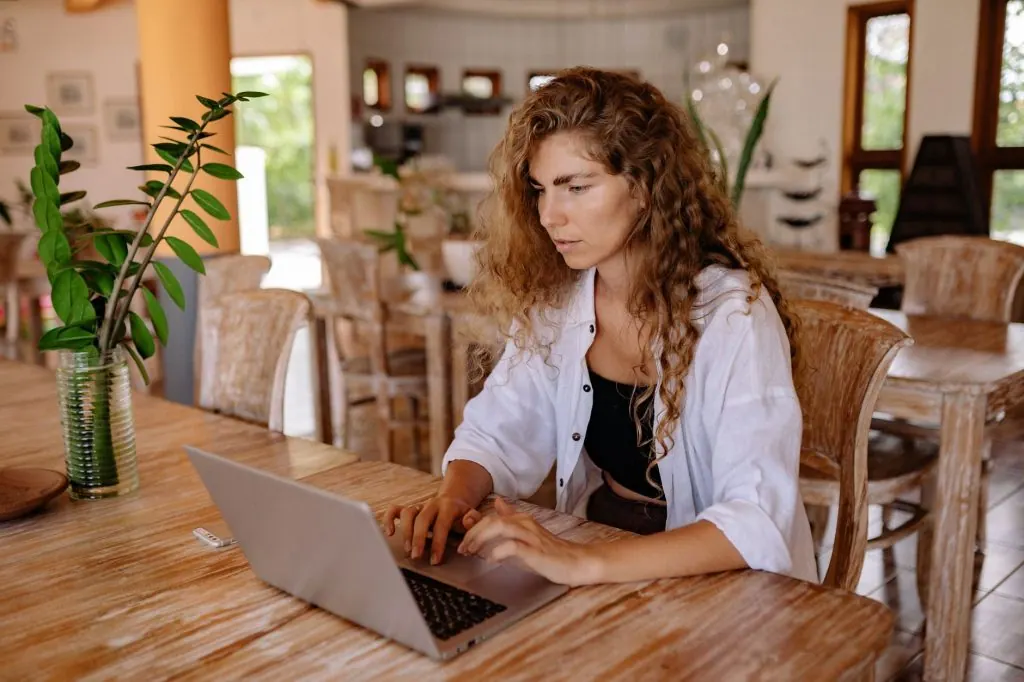
Writing a blog post is only one slice of the pie. When you look at the full picture of what it takes to run a site that actually gets read, you see a mix of creative, technical, and business tasks. You are not just a writer; you are a photographer, a planner, and a small business owner. Understanding this breadth of responsibility helps you decide if you are truly ready to commit.
Writing is the obvious starting point. You need to be able to craft engaging narratives that hold attention. But you also need to take good photographs to illustrate your stories. Planning involves mapping out your content strategy so you are not just posting randomly. Search engine optimisation (SEO) ensures that people can actually find your content when they search for travel information. Social media helps you build a community around your writing. Finally, the business side involves managing your time, dealing with partnerships, and understanding how to make money from your efforts.
It is helpful to think of your blog as a product. You are creating content that solves problems for travellers. This means you need to be organised and proactive. You cannot rely on inspiration alone. You need a system that allows you to produce quality work consistently, even when you are tired or travelling. This holistic approach sets you apart from hobbyists who post occasionally.
Tech savviness
You do not need to know how to program video games, but at least a basic understanding and interest in technology is an absolute must if you are considering becoming a blogger. You simply can’t get around dealing with certain tech-related issues, like choosing where to host your blog, what kind of service to go with, whether you want to use a paid service for the more premium features, or will dip your toes into the blogging pool with a free service to begin with. You will have to develop basic coding and photography skills and stay on top of technology trends in the blogging world.
Your blog lives on the internet, and you need to understand the infrastructure that keeps it there. Domain names and hosting are the foundation. You must choose a reliable host that offers good speed and uptime. A slow blog loses readers quickly. You also need to manage your site’s security and performance. This often involves updating plugins, themes, and the core software. If you use a content management system like WordPress, you should understand how to navigate the dashboard, insert media, and format text.
Basic SEO is part of tech savviness too. You need to know how to optimise your titles, meta descriptions, and image alt text. You should also understand how to use analytics to track your traffic. This data tells you what works and what does not. Backups are another critical skill. If your site crashes or you accidentally delete something, you need to know how to restore it. Staying current with technology trends helps you adapt to changes in search engines and social media algorithms. It is a continuous learning process, but it is essential for long-term success.
Determination
Your traffic will not soar overnight and your first post is unlikely to go viral. Building your blog will require a lot of time, patience and even money. Be sure that you are willing to invest in your blog and think in long-term measures. It is tough to begin with, but over time you will begin to see your hard work pay off.
Most new bloggers quit because they expect immediate results. They post a few articles, check their analytics, see little traffic, and give up. Determination is the quality that keeps you going when the excitement fades. It is the ability to keep writing and optimising even when no one is reading. This long-term view is crucial. You are building an asset that grows slowly over months and years.
You will encounter plateaus where your traffic seems stuck. This is normal. Determination helps you push through these dry spells. You learn to look at your analytics not as a measure of your worth, but as a guide for improvement. You analyse which posts perform well and why. You experiment with new topics or formats. You adjust your strategy based on data rather than emotion.
Investing in your blog also means investing time and possibly money. You might pay for better hosting, a domain name, or a plugin. These costs are part of the journey. But the real investment is your consistency. Showing up every day, even when it feels like no one cares, is what separates successful bloggers from the rest. It is a marathon, not a sprint.
A thick skin
You can be one of the most successful, most well respected bloggers and you will still receive insulting or even hateful comments. Don’t let them get to you! It is simply part of the job. Learn to understand that you have no way of knowing what drove this person to leave that comment, but they don’t know you so their comment is more a reflection of some dissatisfaction they are experiencing than a genuine comment on you. But whatever you do, don’t engage with nasty comments!
Criticism is inevitable. When you put your work out into the world, people will judge it. Some comments will be helpful and constructive. Others will be rude, dismissive, or even aggressive. A thick skin allows you to filter the noise and focus on the valuable feedback. It prevents you from taking everything personally. Remember that online anonymity often brings out the worst in people. A harsh comment is often more about the commenter’s mood than your writing.
Comparison is another challenge. You will see other blogs that seem to be doing better than yours. They might have more followers or better-looking designs. A thick skin helps you ignore these distractions and focus on your own progress. You are not competing with them; you are competing with your own potential.
Handling negative feedback is a skill. You do not need to respond to every comment. Sometimes, ignoring a rude comment is the best response. Engaging can sometimes escalate the situation. Learn to curate your comments section. Pin the good ones, delete the spammy or abusive ones. Create a space that reflects the tone you want for your blog. This helps attract a positive community of readers.

Discipline
Travel blogging may look like an endless string of days spent frolicking in the sun and eating exotic food, but it is hard work. On top of that, it is all up to you to make it work. If you don’t write that blog post, no one will tell you off, but you and your blog will suffer in the long run. Don’t be led astray by the feeling of freedom by not having a boss or strict working hours. Develop your own routine and stick to it.
Without a boss to remind you to work, you need to create your own structure. Discipline is about doing what needs to be done, even when you don’t feel like it. This means setting deadlines for yourself and sticking to them. It means writing when you are tired, editing when you are distracted, and publishing when you are ready.
An editorial calendar is a powerful tool for discipline. It helps you plan your content in advance. You can schedule posts for weeks or months ahead. This reduces the pressure of coming up with ideas on the spot. It also ensures that you have a steady stream of content. Batch writing is another effective strategy. Instead of writing one post at a time, you write several in one sitting. This saves time and keeps your momentum going.
Routines help build consistency. Whether it is writing for an hour every morning or editing photos every evening, having a set pattern makes it easier to stay on track. It turns blogging from a sporadic activity into a habit. This habit is what leads to growth. Consistency signals to search engines and readers that your blog is active and reliable.
Passion and a clear niche
This is probably the most important one. Be passionate and show it! To write a travel blog you to truly enjoy travelling and trying new things. Your passion will show in your blog and keep readers coming back. But passion needs direction. A clear niche helps you stand out in a crowded market.
Finding your angle is crucial. There are millions of travel blogs. What makes yours different? Maybe you focus on budget travel, luxury trips, family holidays, or specific regions. A niche helps you attract a dedicated audience who are interested in your specific perspective. It also makes it easier to create content because you know what your readers want.
Your voice is another key element of passion. Write in a way that feels authentic to you. Use your own words, share your opinions, and show your personality. Readers connect with people, not just information. If you are excited about a destination, let that excitement shine through your writing. This enthusiasm is contagious and keeps readers engaged.
Authenticity is valued by readers. They can tell when you are being genuine versus when you are just trying to hit a word count. Be honest about your experiences, both good and bad. This builds trust with your audience. Trust is the foundation of a loyal readership. When readers trust you, they are more likely to return to your blog and recommend it to others.

Storytelling and photography
A good blog post is more than just facts and figures. It is a story that draws the reader in. Structure is important. Start with a hook that grabs attention. Then provide context and details. End with a conclusion or a call to action. Good storytelling makes your content memorable and shareable.
Photography complements your writing. High-quality images break up text and make your posts more visually appealing. You do not need expensive equipment to start. A smartphone can produce excellent results if you understand the basics of composition, lighting, and focus. Learn to capture the atmosphere of a place, not just the landmarks.
Editing your photos is part of the process. Adjust brightness, contrast, and colour balance to make your images pop. But avoid over-editing. Authenticity is key. Also, remember to check permissions when using images from others. Using copyrighted photos without permission can lead to legal issues.
Honest details add depth to your storytelling. Describe the smells, sounds, and textures of your travels. This sensory language helps readers feel like they are there with you. It creates an emotional connection that pure facts cannot achieve.
Growing an audience takes time and effort. You cannot just publish and hope for the best. You need to be proactive in promoting your content. Search engine optimisation (SEO) is the first step. Optimise your titles, headings, and keywords so that your posts rank well in search results. This drives organic traffic to your blog.
Social media is another powerful tool. Engage with your followers by responding to comments and messages. Build a community around your content. This interaction helps you understand your audience better and creates a loyal following.
Email lists are often overlooked but are incredibly valuable. They allow you to reach your readers directly, without relying on social media algorithms. Offer a free guide or newsletter signup to encourage people to join your list. Send regular updates with your latest posts and exclusive content. This keeps your audience engaged and coming back for more.
Collaboration is another effective strategy. Partner with other bloggers or brands in your niche. Guest post on their blogs or invite them to write for yours. This exposes your content to a new audience and builds relationships within the travel blogging community.
Patience is essential. Building an audience does not happen overnight. It takes time to gain traction and grow your following. Stay consistent with your content and promotion efforts. Over time, your efforts will compound, and your audience will grow steadily.
Making money honestly
Making money from a travel blog is possible, but it requires a realistic approach. There are several ways to monetise your blog, each with its own pros and cons.
Affiliate links are a common method. You promote products or services and earn a commission when readers make a purchase through your link. It is important to disclose these links clearly to maintain trust with your audience. Choose products that you genuinely use and recommend. This ensures that your recommendations are authentic and valuable to your readers.
Sponsored posts are another option. Brands pay you to write about their products or services. This can be lucrative, but it is important to maintain editorial integrity. Clearly label sponsored content so readers know it is a paid promotion. Only accept partnerships that align with your brand and values.
Selling your own products, such as eBooks, photography prints, or travel guides, can be a profitable venture. This gives you full control over the product and keeps all the profit for yourself. It requires more effort to create and market the product, but it can be highly rewarding.
It is important to have realistic timelines for monetisation. Most bloggers do not make a full-time income from their blogs in the first year or two. It takes time to build an audience and establish credibility. Focus on providing value to your readers first. Monetisation will follow as your audience grows.
Diversify your income streams. Relying on a single source of income can be risky. Combine affiliate marketing, sponsored posts, and product sales to create a stable revenue stream. This helps protect your blog from fluctuations in any one area.
Be transparent with your audience about your monetisation efforts. Readers appreciate honesty. If you are promoting a product, explain why you chose it and how it can benefit them. This builds trust and encourages readers to support your blog through your affiliate links or by purchasing your products.
Remember that monetisation is a byproduct of providing value. Focus on creating high-quality content that solves problems and entertains your readers. The money will follow as a result of your dedication and hard work.